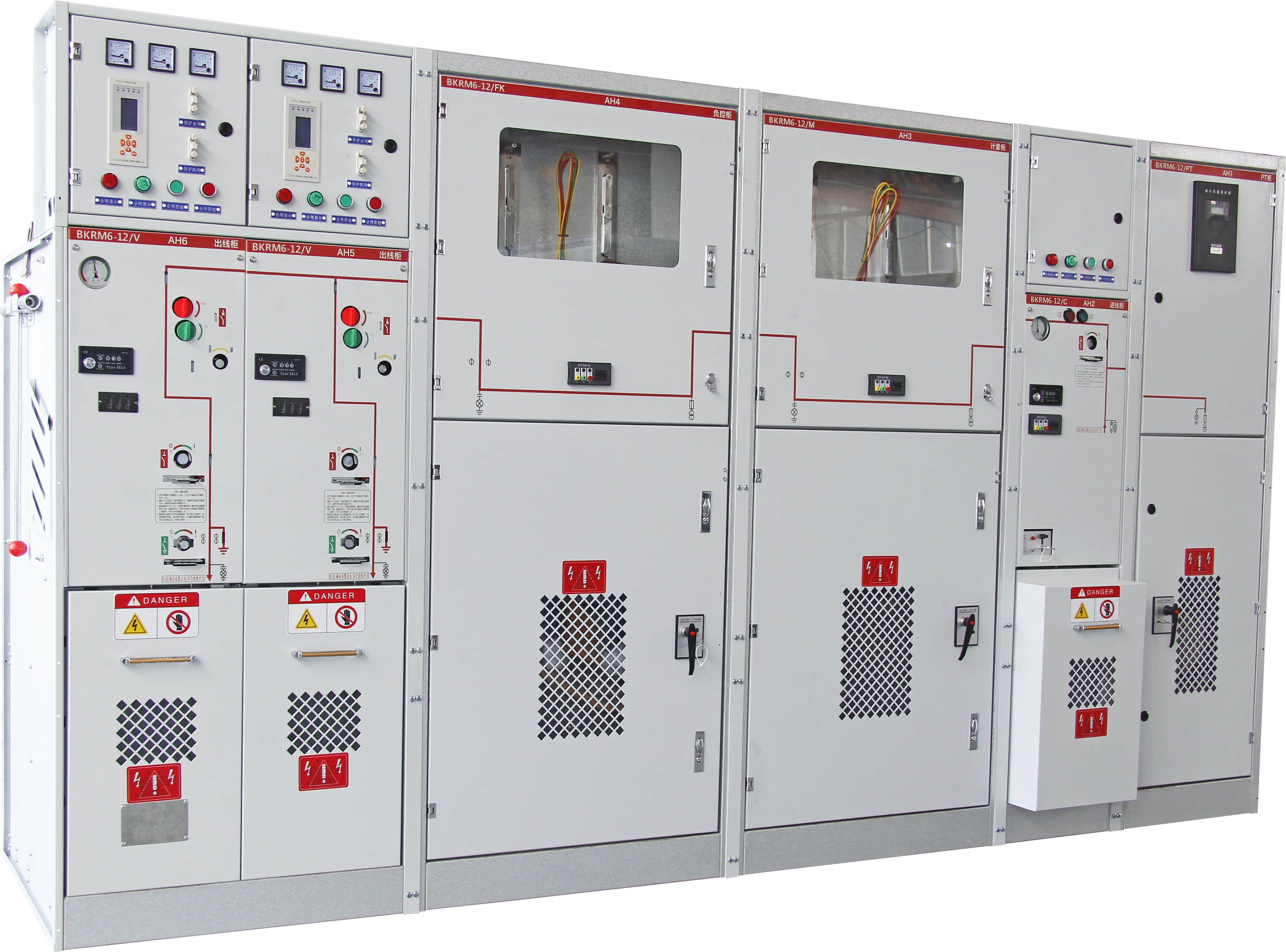
In modern power systems, ensuring the stability and reliability of the electricity supply is essential. The Ring Main Unit (RMU) plays a crucial role in power distribution and transmission. This article provides a detailed analysis of the RMU’s working principle, including its definition, structure, classification, and applications, offering valuable insights for professionals, students, and anyone interested in electrical engineering.
1. Definition of Ring Main Unit
The Ring Main Unit, or RMU, was originally designed as a switchgear used in ring-shaped distribution networks. These units typically use load break switches (LBS) due to their relatively low rated current. An RMU is a set of medium-voltage switchgear installed in a metal or non-metal insulated cabinet or in modular enclosures.
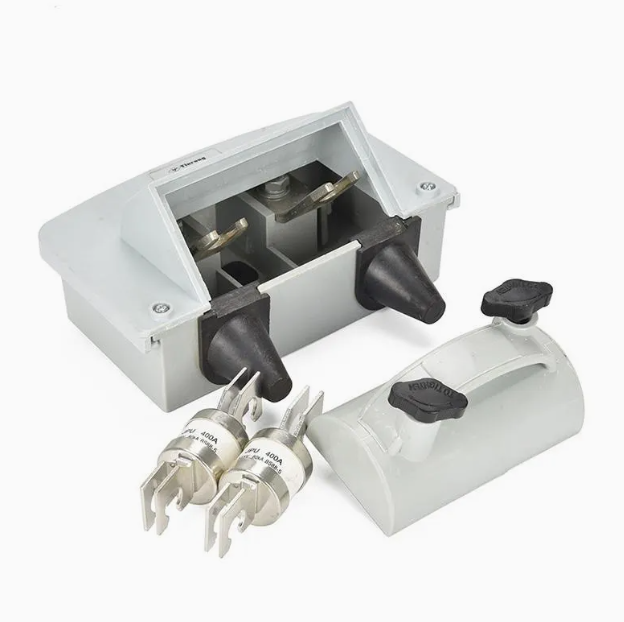
Today, the term RMU refers to compact switchgear that mainly uses load break switches, even in non-ring network systems. The core component is usually a combination of a load break switch and a fuse. The name “Ring Main Unit” comes from its ability to connect multiple power sources, allowing users to receive electricity from two directions, significantly improving reliability.
2. Working Principle of the Ring Main Unit
2.1 Normal Current Operation
Under normal conditions, the load break switch in the RMU is responsible for switching the current on and off.
It is designed for frequent operation and ensures safe, reliable circuit control. For example, SF6 gas load break switches use the excellent insulation and arc-quenching properties of SF6 gas to handle rated current smoothly.
The operation is fast, with closing time usually under 100 ms and opening time under 50 ms. This minimizes arc damage and ensures stability.
Example:
In Munich, Germany, ABB’s SafeRing RMU is used in the commercial district. This area includes malls, offices, and hotels, where equipment frequently switches on and off. The RMU performs around 50 switching operations daily with a closing time of 70 ms and an opening time of 40 ms. It has maintained stable operation for three years without failures.
2.2 Short Circuit Protection
In case of a short circuit, the current surges and can damage equipment and lines. The fuse inside the RMU quickly cuts the circuit to prevent damage. Fuses operate based on thermal effects: when short-circuit current flows, the fuse melts within 10 ms. Some fuses also trigger a striker to trip the load break switch, fully isolating the faulted circuit.
Example:
In an industrial park in Chicago, USA, a 20 kV line suffered a ground fault. The Siemens 8DJH RMU used a high-voltage fuse that melted in 7 ms. The connected load break switch opened in 38 ms, isolating the fault within 45 ms and avoiding a large-scale outage.
2.3 Coordinated Operation
The load break switch and fuse work together as a system. The switch handles daily operations while the fuse acts only during faults. A mechanical interlock ensures the switch cannot operate unless the fuse is properly installed, preventing dangerous arc incidents.
Example:
In Tokyo, Japan, a data center was undergoing maintenance. The mechanical interlock locked the switch while the fuse was being replaced. After remote verification, the switch was reclosed safely, demonstrating the reliability of coordinated mechanisms in high-demand environments.
3. Structural Features of the RMU
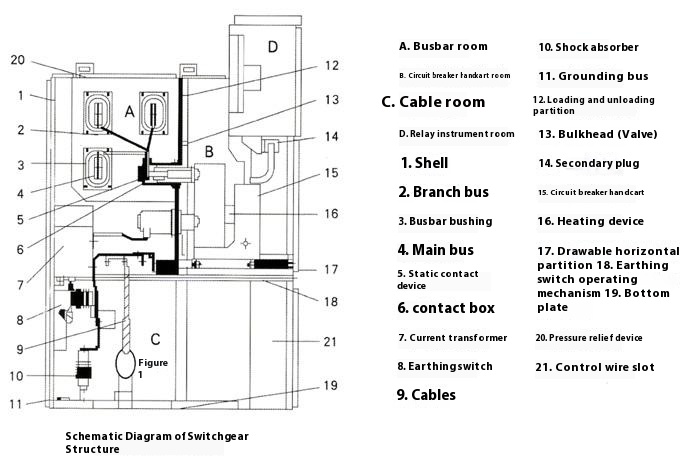
3.1 Compact Design
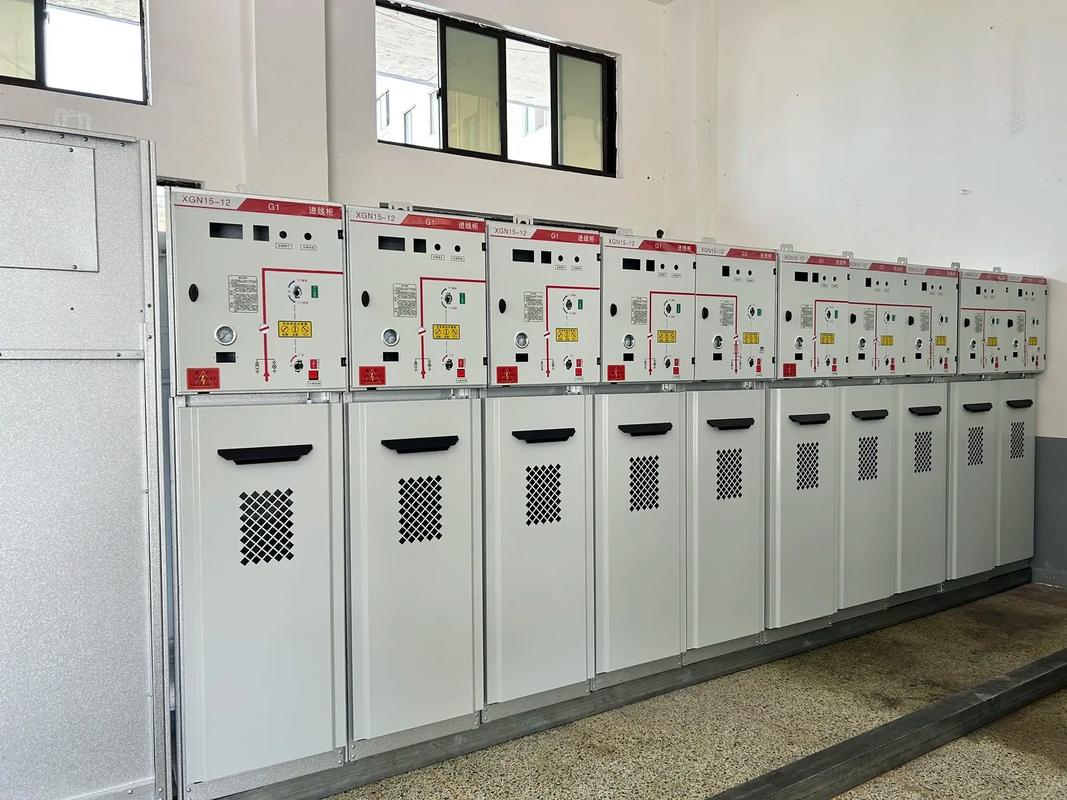
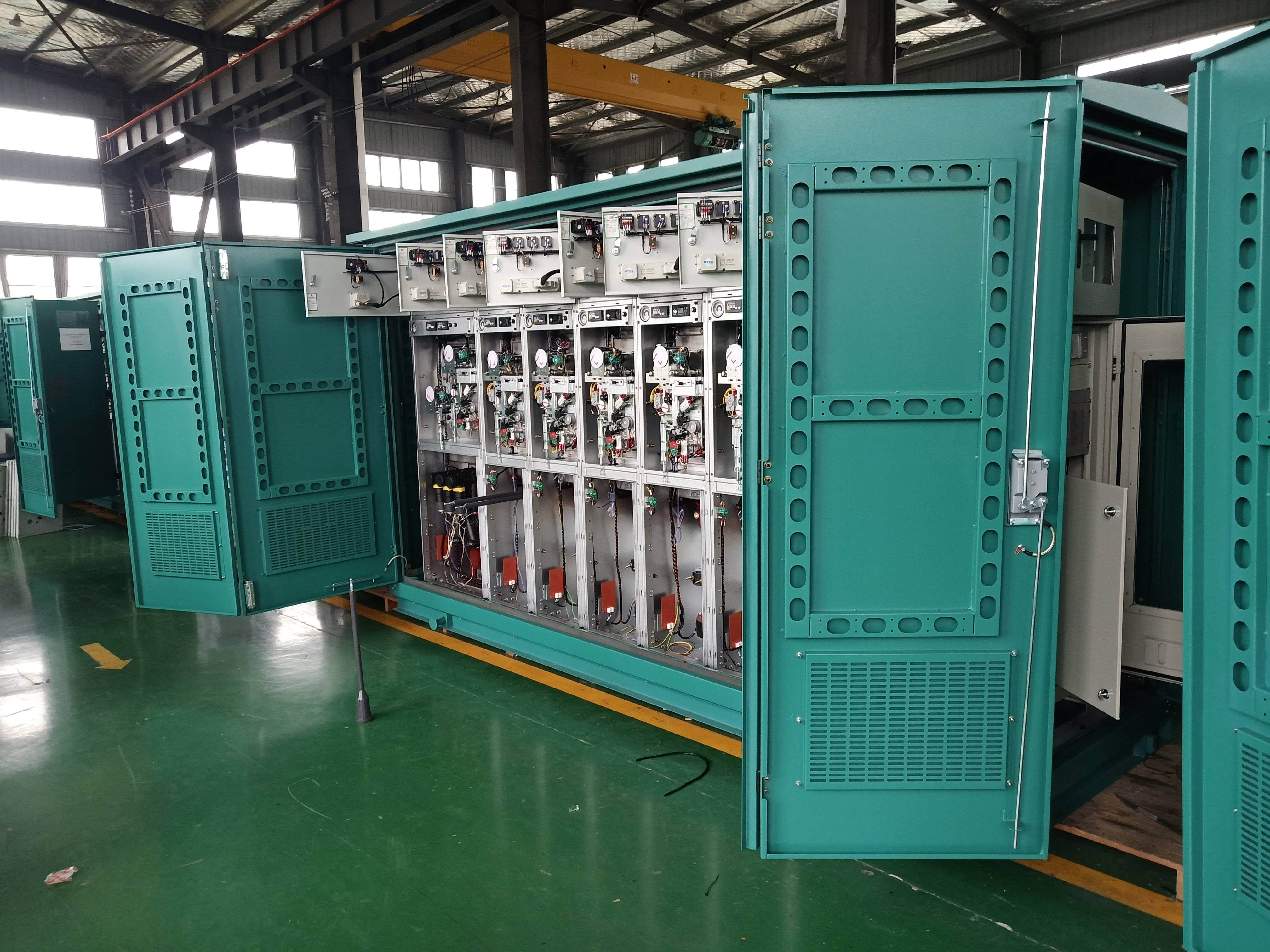
RMUs use either metal or non-metal insulated enclosures. Metal types, often made of stainless steel or aluminum, offer IP54 protection and are ideal for harsh environments. For example, the XGN15-12 model measures just 800 mm × 1000 mm × 1200 mm, reducing space use by about 40% compared to traditional switchgear.
GRC cabinets are common in coastal or chemically aggressive environments due to their insulation and corrosion resistance.
Example:
Engineers installed Schneider SM6 aluminum RMUs (IP65) in 2-meter-deep cable tunnels beneath Singapore’s Marina Bay financial district. Each cabinet occupies only 1.1 m², supporting dense urban networks with high load demand and space constraints.
4. Application Scenarios of the RMU
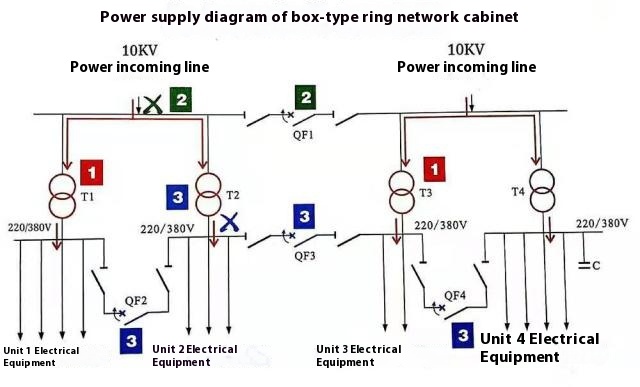
4.1 Ring Network Supply
In a ring distribution network, RMUs form the backbone. When one power source fails, the RMU isolates it and switches to another source to maintain the supply.
Example:
In a city business district, three XGW1-12 RMU rings ensure uninterrupted power. If construction damages a line, operators restore power within 5 minutes.
Additional Case:
In Paris, France, Schneider RM6 RMUs formed a dual-ring system with 12 nodes each. During extreme weather in 2022, a substation failed, but the RMU system restored supply to over 2,000 buildings in 3 minutes, achieving 99.998% reliability.
4.2 Dual Power Supply
For hospitals, malls, and data centers, RMUs support dual power supplies to ensure reliability. In hospitals, continuous power is vital for surgical and ICU equipment. Dual inputs allow automatic switching within 200 ms.
Example:
King’s College Hospital in London uses a dual-power RMU system. In 2023, a lightning strike caused a main power trip. The Siemens SIMOSEC 12 RMU switched to backup in 180 ms. Surgery continued without disruption, and no inrush current occurred during switching.
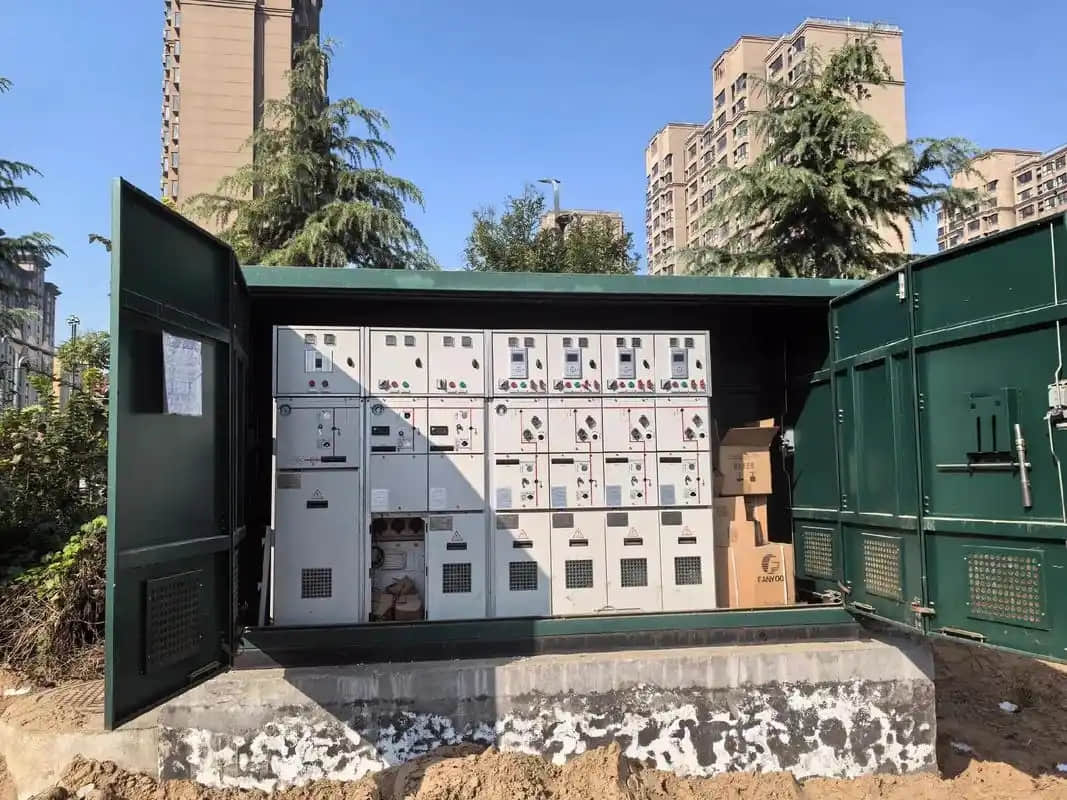
Thanks to their compact design, RMUs are key in box substations used at construction sites or residential areas. They distribute and protect high-voltage power and are installed underground with only a surface inspection port required.
Example:
Engineers used Alstom SM6 RMUs in box substations for Nigeria’s rural electrification project. Small trucks delivered the compact RMUs to villages, raising electrification rates from 30% to 65%.
5. Advantages of the RMU
5.1 High Reliability
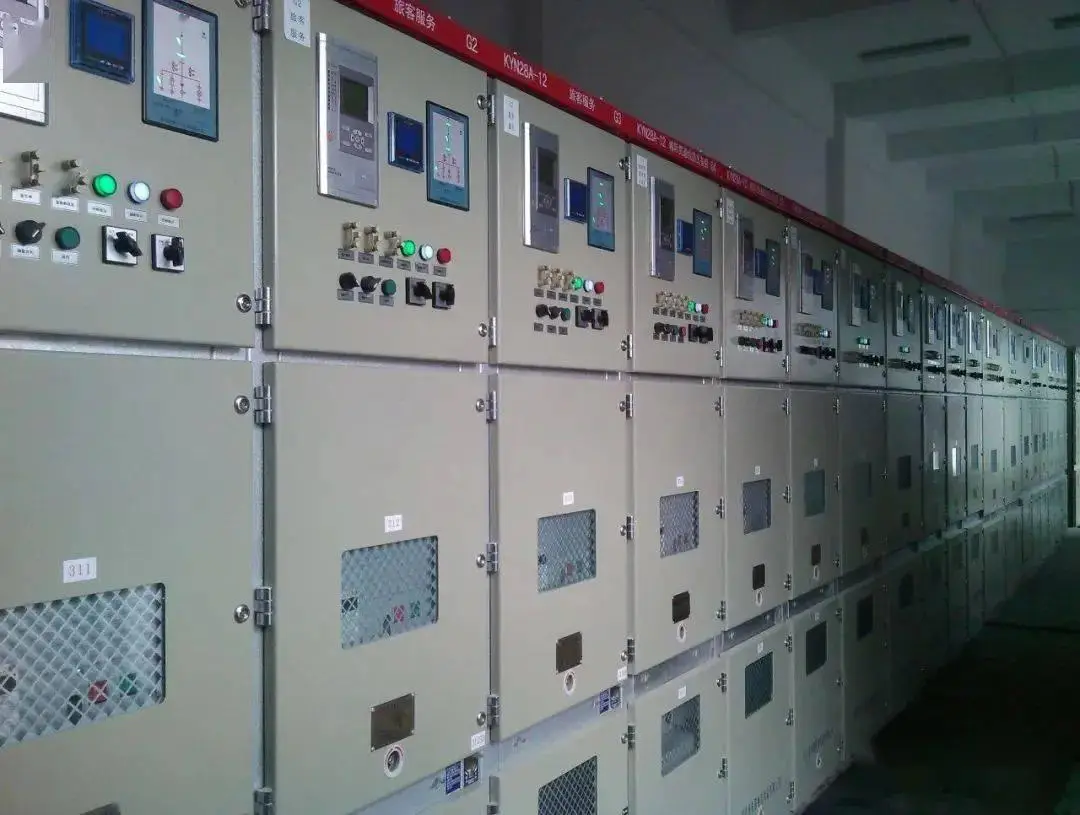
Sealed RMUs prevent dust, moisture, and pests from affecting operation. With protection levels up to IP54 or more, they are reliable even in tough environments. Quality components like load break switches and fuses are stable over time. Mechanical interlocks and protection circuits further reduce operational risks.
Example:
In a petrochemical park in Saudi Arabia, ABB Uniswitch RMUs (IP66) ran for five years in high-temperature, dusty conditions. They required only one maintenance check per year, compared to four for traditional gear, ensuring uninterrupted operations.
6. Future Trends of RMUs
RMUs are evolving toward eco-friendly, smart, and modular designs:
6.1 Eco-Friendly Insulation: Alternatives to SF6, such as CO₂, N₂, and solid insulation like epoxy resin, are gaining use. Hitachi Energy's EconiQ™ RMU, using natural ester oil, cuts carbon emissions by 12 tons per unit annually in Tokyo.
6.2 Smart Upgrades: RMUs with IoT sensors can monitor temperature, humidity, and pressure in real time. In Cologne, Germany, smart RMUs with AI prediction reduced unplanned outages by 80%.
6.3 Renewable Integration: RMUs in solar and energy storage systems support frequent switching and power flow control. In California, vacuum-insulated RMUs help manage energy storage efficiency, improving performance by 5.6% annually.
Conclusion
With its coordinated protection, compact structure, and versatile applications, the RMU has become a key part of global power systems. Whether in Europe’s commercial centers, Africa’s rural grids, North America’s industrial parks, or Asia’s financial districts, RMUs meet diverse power needs through continuous innovation.
If you are planning a power project or need reliable distribution equipment, feel free to contact us for professional support.
Email: [email protected]