April 11, 2025 | By Thor, Electrical Engineer at Wei Sho Elec
Introduction
Ring Main Units (RMUs) and Medium Voltage (MV) Switchgear are crucial in MV power distribution. Globally, they each hold about half the market share.
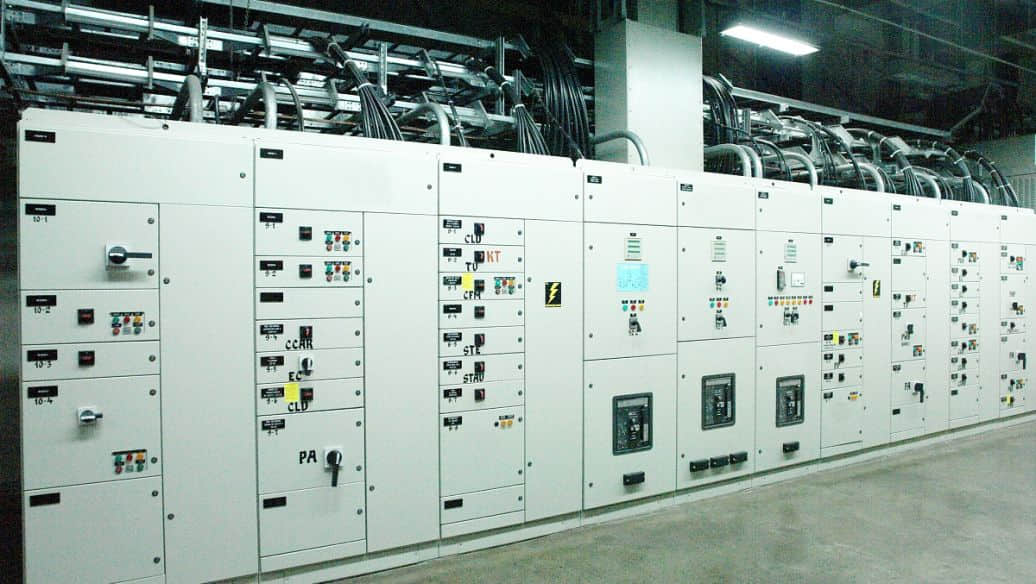
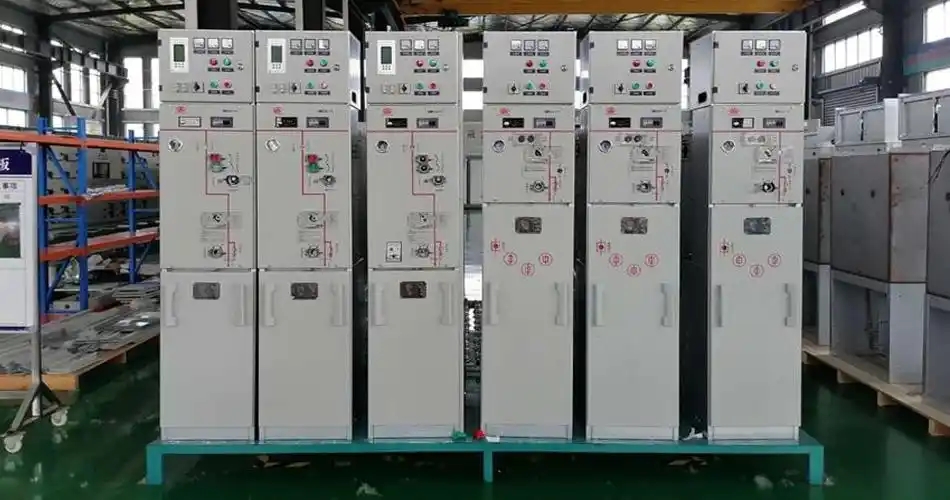
MV switchgear handles primary distribution for large industrial facilities and grid infrastructure. RMUs, however, shine in secondary distribution. They deliver stable power to homes, businesses, and smaller industrial sites.
As an experienced electrical engineer, I know how vital the right RMU is for stable power and cost control. This article uses my expertise to break down RMUs and offer practical advice for choosing one.
RMU Types: Insulation & Design Variations
RMUs are classified by their insulation and design. Each type is made for specific project needs. Let's explore the options.
Air-Insulated Ring Main Units (e.g., XGN15 or SM6 series)
These RMUs use a "gas package" load break switch, air-insulated fuses, and cable terminals. They're common in compact substations, public grids, and private distribution.
For example, a residential project in Los Angeles, California, used a 500mm wide by 850mm deep air-insulated RMU. It fit easily inside a compact substation, and its single load break switch unit cost about €1200.
My experience: If your budget is tight and space isn't an issue, like for older neighborhood upgrades, these are a good, affordable choice. However, in humid or dusty environments, they may require more frequent maintenance to maintain the insulation's strength.
Compact Gas-Insulated Ring Main Units (e.g., FBX/RM6 series)
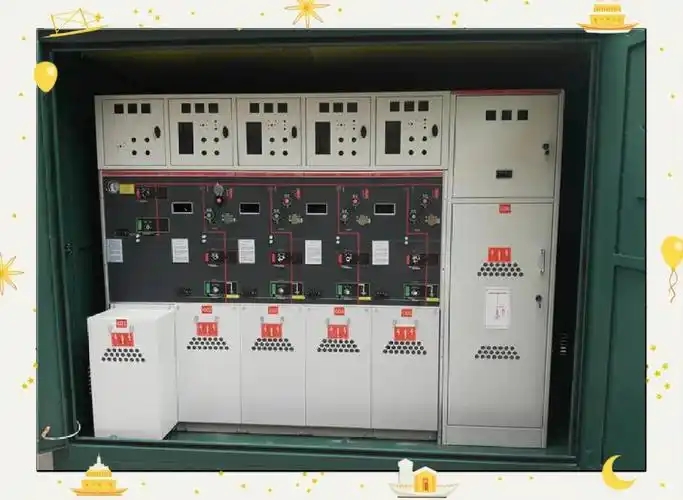
Compact gas-insulated RMUs seal the load break switch and fuse in a gas tank. Live parts are fully enclosed, making them small, safe, reliable, and unaffected by the environment.
They do cost more. A commercial building in Munich, Germany, used one; its load break switch-fuse unit was around $2800.
These RMUs also need a smaller installation area. Always check dimensions on-site for a smooth setup. I recall a particularly challenging underground garage project where the compact size was crucial for successful power deployment.
Other Insulation Types: SF6, Solid, and Eco-Friendly Gas
The market also offers RMUs with SF6, solid, and eco-friendly gas insulation.
Solid-Insulated Ring Main Units
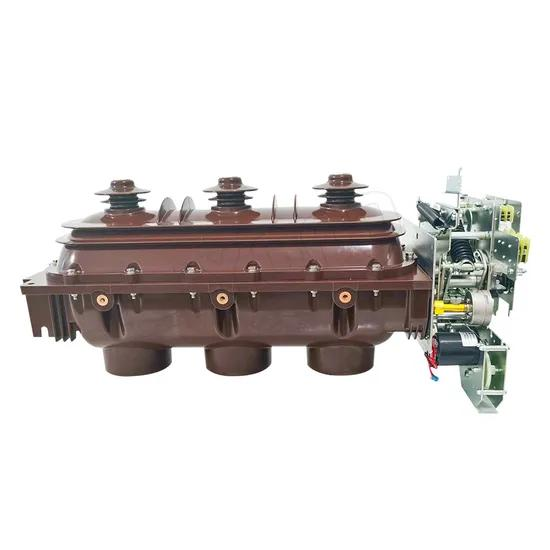
These use isolating and earthing three-position switches with vacuum load break switches or circuit breakers. The vacuum interrupters and conductors are fully sealed in epoxy resin. The three-position switch is also epoxy-encased and isolated, with air insulation inside.
Solid-insulated epoxy surfaces come with or without an earthed coating. The coated version is safer, preventing three-phase short circuits and ensuring even electric fields. For a small industrial park in Lyon, France, solid-insulated RMUs were chosen; load break switch and circuit breaker units were around €3500.
Their standout features are excellent environmental performance and low maintenance. They're perfect for high-requirement, hard-to-maintain sites. I've recommended them for food processing plants, and their stability and low upkeep were highly praised.
Eco-Friendly Gas-Insulated Ring Main Units
These use gases without SF6. SF6 is a potent greenhouse gas, 23,500 times stronger than CO₂. One ton of SF6 equals 24,300 tons of CO₂. The environmental impact is huge.
So, eco-friendly gas RMUs are becoming the top choice. They house the isolating, earthing three-position switch and vacuum load break switch/circuit breaker in a dry air or nitrogen-filled tank. No load break switch-fuse combination here.
A new community in London, England, used them. They're about €1000 more than premium SF6 RMUs, with circuit breaker units at around €5700.
Global environmental rules and SF6 limits are boosting eco-friendly gas RMU growth. The "Global Power Distribution Switchgear Market Report 2023" predicts strong growth (e.g., 7-8% CAGR) for eco-friendly switchgear by 2028. This shows their huge potential. Though initial costs may be higher, their long-term environmental benefits and policy trends make them the future of power distribution.
RMU Price Details
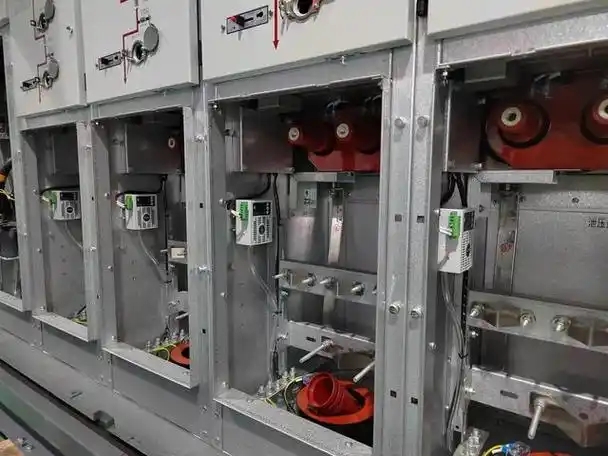
RMUs are quite standardized. Core components like mechanisms and operating systems are mature and widely available. Many manufacturers buy these components, weld the gas tanks, and produce units. Component suppliers even provide full drawings, so assembly plants just follow them.
Here are some reference prices for different RMU types:
For SF6 Insulated RMUs (Standard Circuit Breaker Solution):
V-unit (circuit breaker): ~$2500
F-unit (load break switch): ~$1200
FR-unit (load break switch-fuse combo): ~$1500
PT-unit (voltage transformer): ~$1500
For SF6 Insulated RMUs (Premium Circuit Breaker Solution):
V-unit (circuit breaker): ~$4700
F-unit (load break switch): ~$2500
FR-unit (load break switch-fuse combo): ~$2800
PT-unit (voltage transformer): ~$2900
Auxiliary transformer (15kVA): ~$4500
Solid-Insulated RMUs:
Load break switch and circuit breaker units: Around $3500 (prices are very similar)
Eco-Friendly Gas-Insulated RMUs:
Prices are roughly $1000 higher than premium SF6-insulated RMUs.
Remember, these are just reference prices. Actual costs vary greatly. Factors include brand premium (top brands cost more), customization (special features add cost), purchase volume (bulk buys get discounts), after-sales service, and market demand. Always clarify your exact needs and budget with suppliers when getting a quote.
Frequently Asked Questions (FAQ)
Q1: Do RMUs with different insulation types have different lifespans?
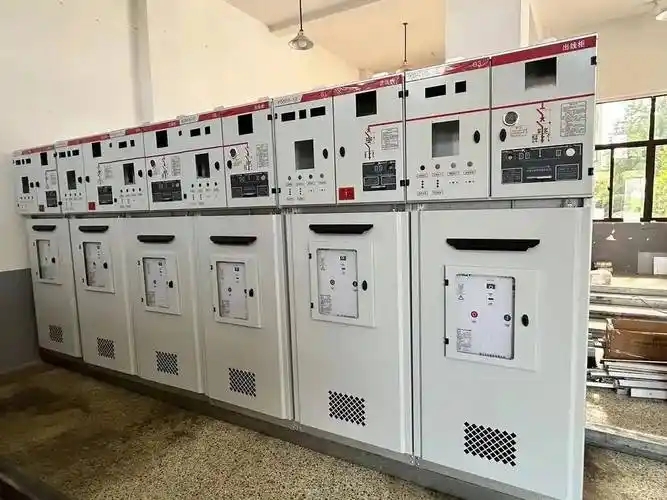
SF6-insulated, solid-insulated, and eco-friendly gas-insulated RMUs generally last 20-30 years. However, actual lifespan depends on the operating environment and maintenance. For instance, in humid coastal areas like Miami, Florida, poor maintenance can shorten an air-insulated RMU's life. Regular inspection and maintenance are key to ensuring long-term operation.
Q2: Are the maintenance costs for eco-friendly gas-insulated RMUs high?
Eco-friendly gas RMUs use dry air or nitrogen, making them relatively simple to maintain. Their maintenance costs are comparable to SF6-insulated RMUs. As technology improves, maintenance becomes even easier. My experience shows that while the initial cost might be higher, their long-term stability and simpler maintenance lower the Total Cost of Ownership (TCO).
Q3: Besides price, what other factors should I consider when choosing an RMU?
Consider the environment (temperature, humidity, altitude), load capacity, safety, environmental regulations, and future maintenance. For high-altitude areas like the Swiss Alps, you need an RMU that handles low pressure. Also, evaluate the supplier's technical support and after-sales service. A reliable supplier is crucial for long-term operation and troubleshooting.
Q4: Is a special certification required for RMU installation?
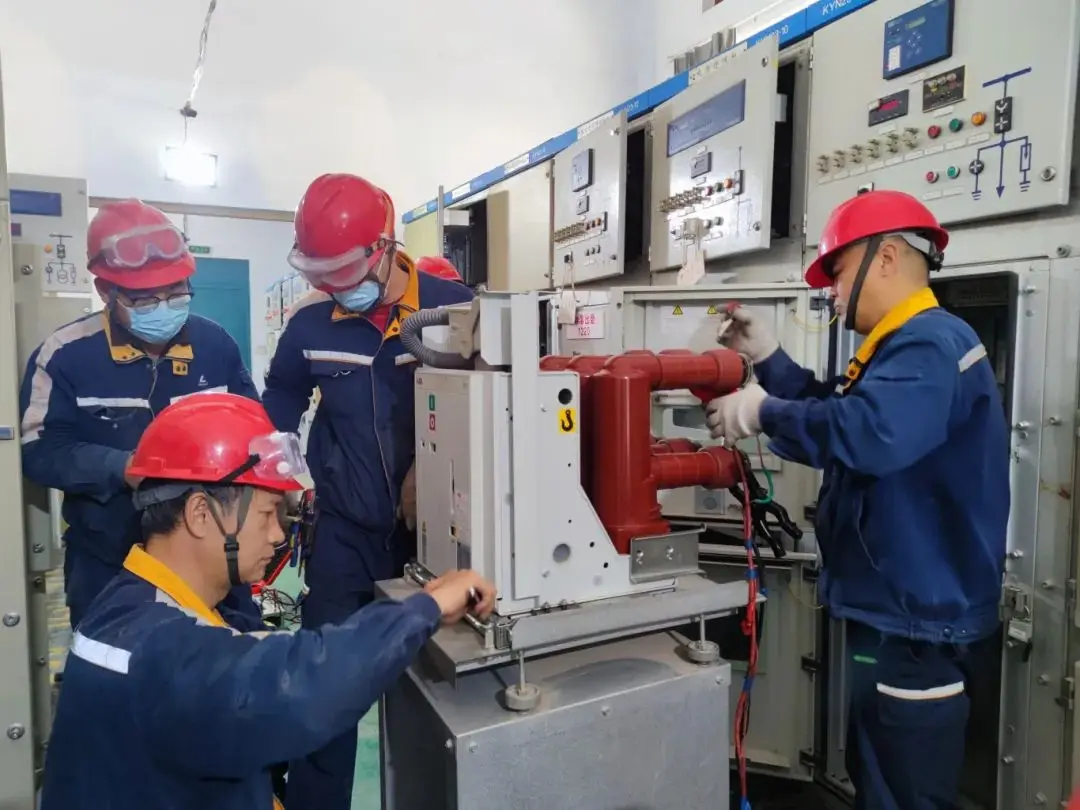
Yes, professional electrical installation qualifications are required. Installers must know the RMU structure and installation needs to ensure quality and safety. They usually need specific electrical certificates. In our projects, we always ensure installation teams have the right qualifications and experience. This is the first step to a safe and reliable power system.
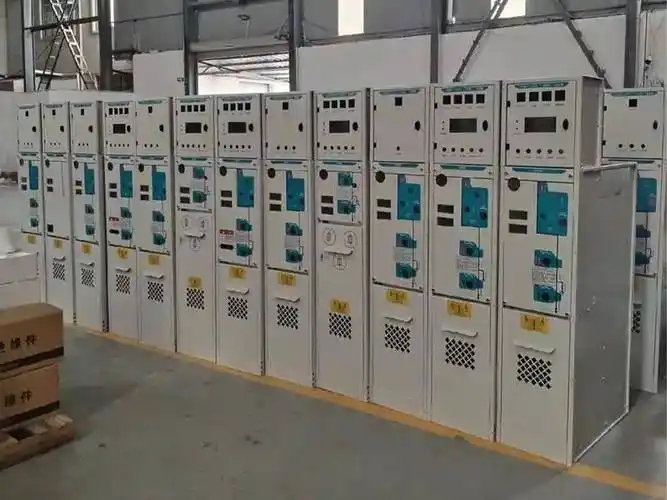
Conclusion
For RMU manufacturers, having proprietary core component tech and in-house production (vs. buying components) greatly impacts pricing and quality control.
These are my personal views and experiences, offered for your reference. If you need RMUs, please contact us. Tell us your needs, and we'll provide free professional product solutions and selection advice. I hope this helps you understand RMU choices better.
Contact Us:Phone: +86 15957770984 WhatsApp: +86 15957770984
We look forward to helping you with your power distribution needs!