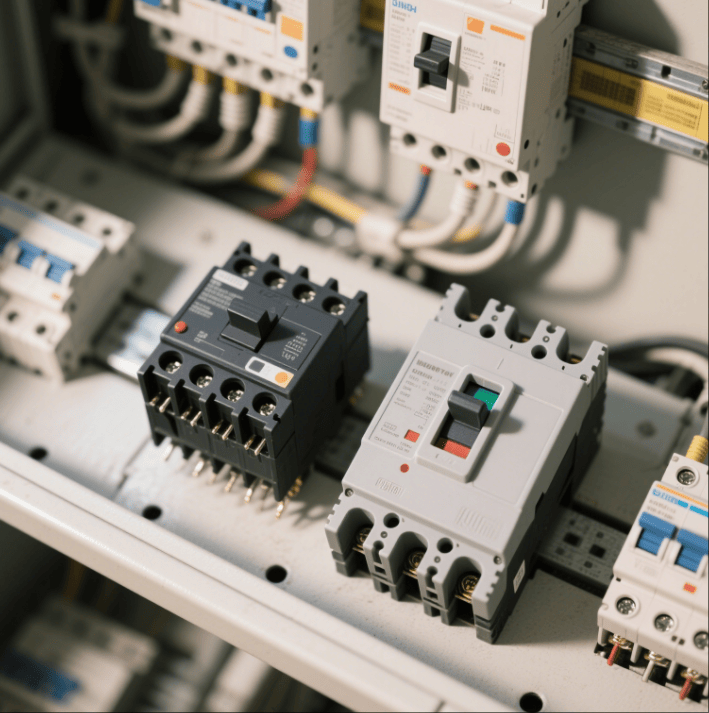
The reliable operation of modern electrical systems depends on accurate control and strong protection. This includes smart homes, factory automation, and power grids. At the heart of these systems are two critical components: relays and circuit breakers. Though often mentioned together and sometimes confused, they serve basically different roles.
An electrical system operates like a coordinated orchestra, with each component fulfilling a specific role. The relay is like the conductor, giving commands based on conditions. The circuit breaker is the lead performer who acts quickly when things go wrong.
Engineers, electricians, and others must understand how these two parts work. Knowing how they work together keeps electrical systems safe and functional.
1. The Relay: A Smart Controller for Low-Current Logic
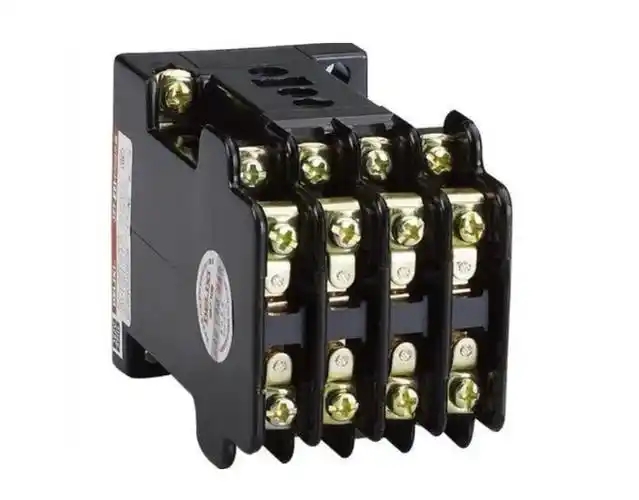
A relay is an electrically operated switch primarily used to control low-voltage or low-current circuits. It uses electronic principles to control one circuit with a signal from another. This lets a small input control a larger output. Relays prove especially useful in systems that require logic, sequencing, or automation.
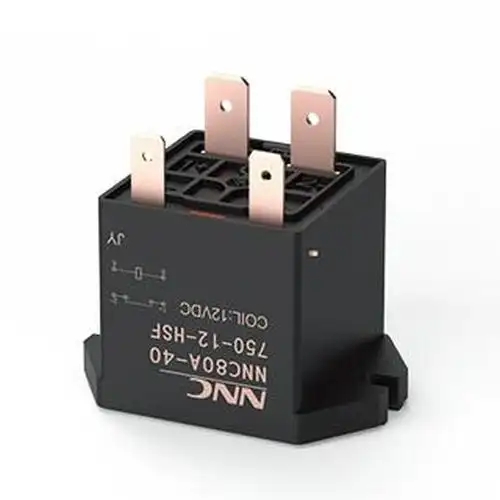
Inside a typical magnet-powered relay, a coil creates a magnetic field when it is energized. This pulls a mechanical arm that opens or closes electrical contacts. This setup lets the relay control a secondary circuit without direct physical interaction.
Take the automotive ignition system as an example. A low-current signal from the ignition key activates a relay, which in turn connects a high-current line that starts the engine. Without the relay, the ignition switch would need to handle much more power, making the system bulkier, less efficient, and more prone to wear.
Relays come in various forms:
Reed relays, used for fast and low-power switching.
Thermal relays respond to temperature changes.
Solid-state relays, which operate silently and have no moving parts, offer long life and vibration resistance.
Their applications range from industrial automation and robotics to home appliances, HVAC systems, and even consumer electronics.
2. The Circuit Breaker: The Heavy-Duty Protector
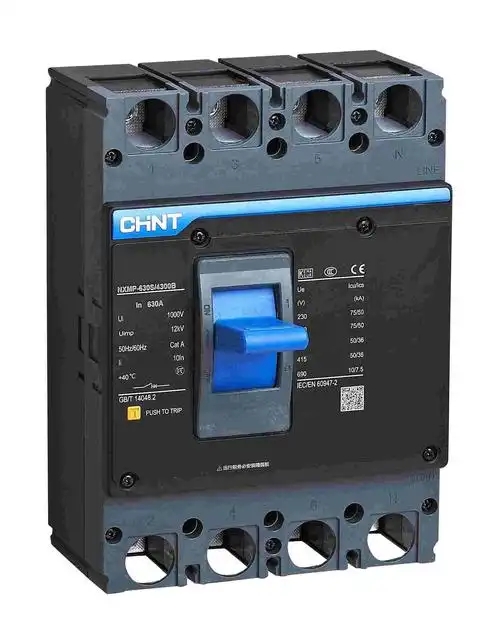
Relays control power, while circuit breakers protect circuits. They guard against dangerous situations like short circuits, overloads, and equipment failures. These automatic switches work at higher voltages. They can quickly disconnect circuits to prevent damage, fires, or system failures.
If a fault occurs, such as a power surge or short circuit, a breaker responds swiftly. It stops the current flow, isolates the problem, and protects the rest of the system. This reaction often occurs when a relay provides input, making their coordination crucial in modern systems.
Imagine a malfunctioning kitchen appliance. The breaker trips in milliseconds, protecting other devices and wiring from damage or overheating.
Circuit breakers come in many types, including:
Miniature Circuit Breakers (MCBs) for household use.
Molded Case Circuit Breakers (MCCBs) for commercial applications.
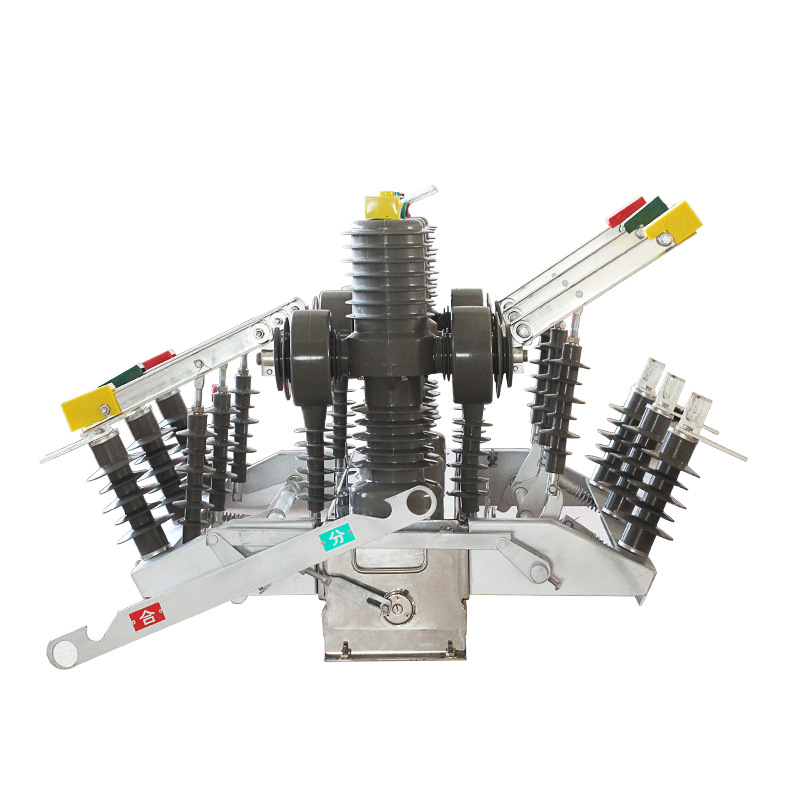
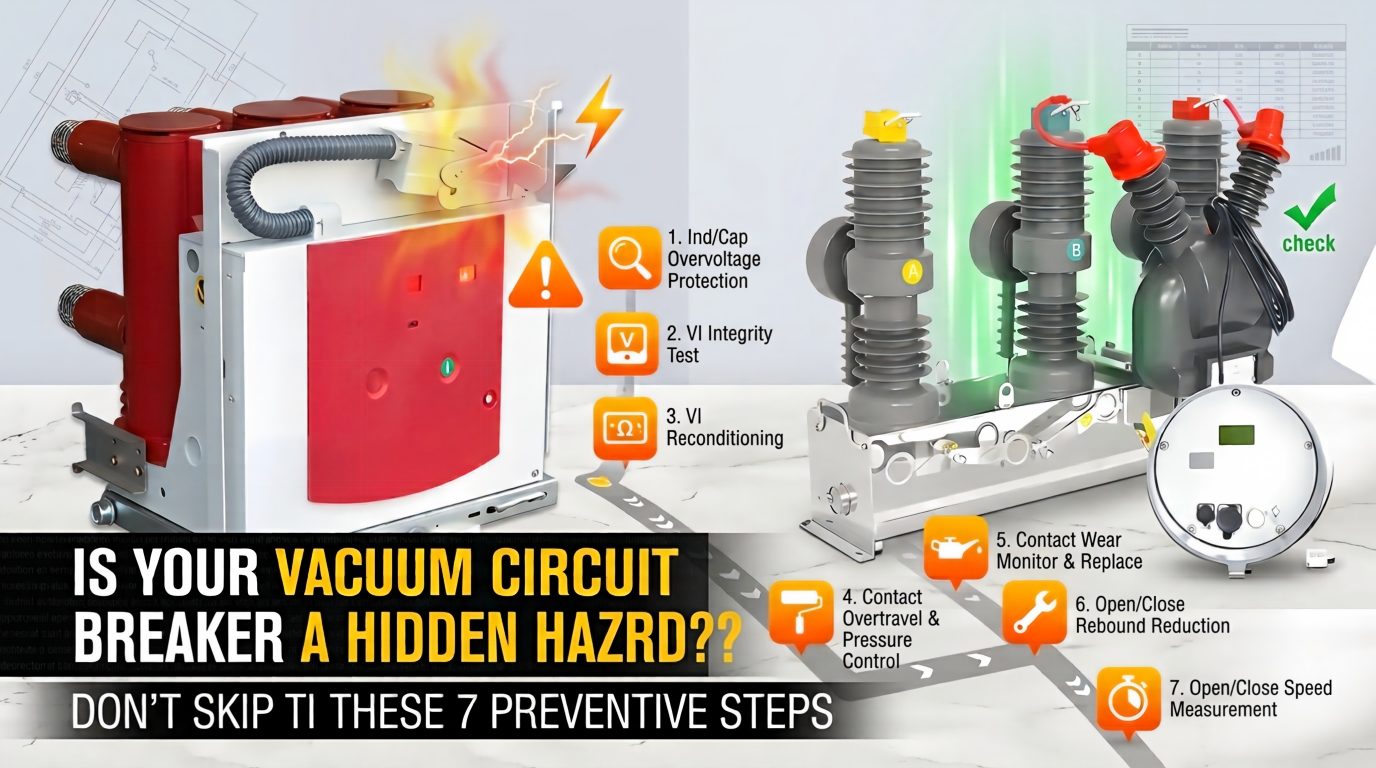
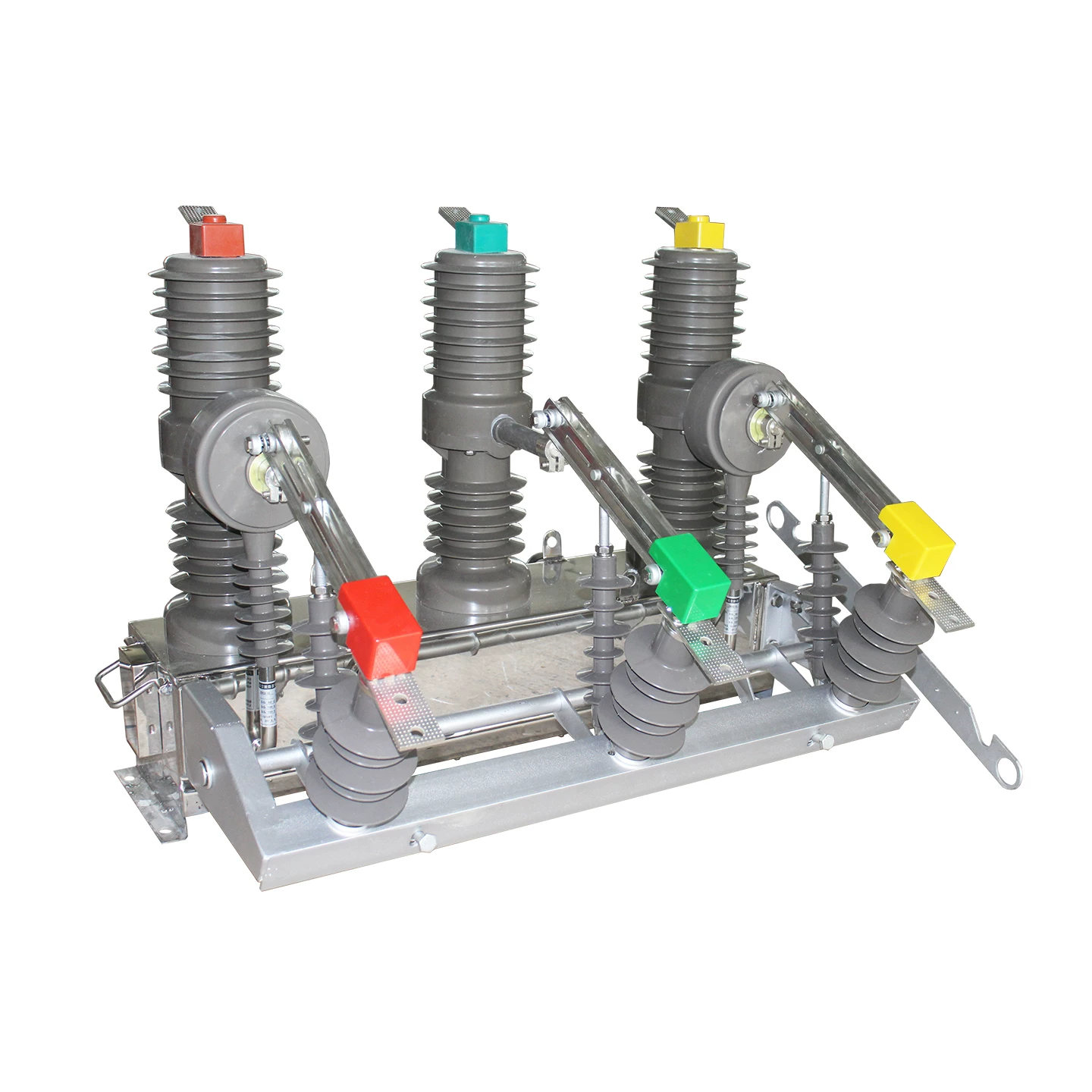
Vacuum circuit breakers or air circuit breakers for industrial or high-voltage environments.
Circuit breakers are different from relays. They have special mechanisms. These mechanisms control the high-energy sparks, called arcs, that happen when circuits open suddenly.
3. Relay vs. Circuit Breaker: What Sets Them Apart
Despite their shared purpose of maintaining safe electrical operations, relays and circuit breakers differ in design, function, and performance.
Relays are structurally simple, typically built with a coil, armature, and contacts. They operate at low voltages (5V–24V) and optimize for rapid switching, often responding in about 10 milliseconds. However, designers do not design relays to interrupt large currents, and they lack arc-quenching features.
Their main strength lies in logical control, making them ideal for use in timers, counters, and automation circuits. They are also economical, typically ranging in price from several cents to a few dollars.
Engineers build circuit breakers for power and protection. They feature complex mechanisms with trip units and arc-extinguishing chambers. These devices can handle voltages from 220V to tens of kilovolts. They can break high fault currents and isolate parts of the system to prevent hazards.
Their tripping time is a bit longer, usually a few tens of milliseconds. However, they work Extremely well in fault conditions. Breakers are significantly more expensive, with prices ranging from tens to thousands of dollars depending on their specifications.
Another key difference is durability. Relays can handle hundreds of thousands of operations. In contrast, engineers rate circuit breakers for fewer but more intense fault-clearing events.
4. Working Together to Protect Electrical Systems
In practice, relays and circuit breakers function together as part of a coordinated protection scheme. In motor control systems, the relay manages start and stop actions based on set inputs. The circuit breaker is ready to cut off power if there is an overload or short circuit.
This combination ensures that we maintain both logic and safety. The relay detects conditions and sends signals, while the breaker executes physical separation when needed.
In modern systems, intelligent relays, or protective relays, can analyze current and voltage levels. They can also identify fault types and start timed responses. All this happens before they tell the circuit breaker to act.
This teamwork helps prevent equipment damage, reduce downtime, and enhance Working efficiency—whether in residential wiring, industrial machinery, or national power grids.
5. Why It Matters
Understanding the different roles and functions of relays and circuit breakers is important. It impacts the real world. Choosing the wrong device for a given application can result in system failure, Waste, or even safety hazards.
For engineers, this knowledge guides system design and component selection. For technicians, it enables effective troubleshooting and maintenance.
Even homeowners and hobbyists should understand how these parts work. This knowledge helps us see how everyday systems function. It additionally keeps us secure.
As our dependence on electrical and electronic systems continues to grow, so does the importance of these unsung heroes. The relay and the circuit breaker may not be visible from the outside, but they are essential guardians of modern life.
Feel free to contact me:
Thor — Electrical Engineer at Wei Shoe Elec
📞 Phone: 86-0577-62788197
📱 WhatsApp: +86 159 5777 0984
📧 Email: [email protected]
You are welcome to bookmark and share this article for reference. If redistributed, please kindly credit the source: Wei Shoe Elec.