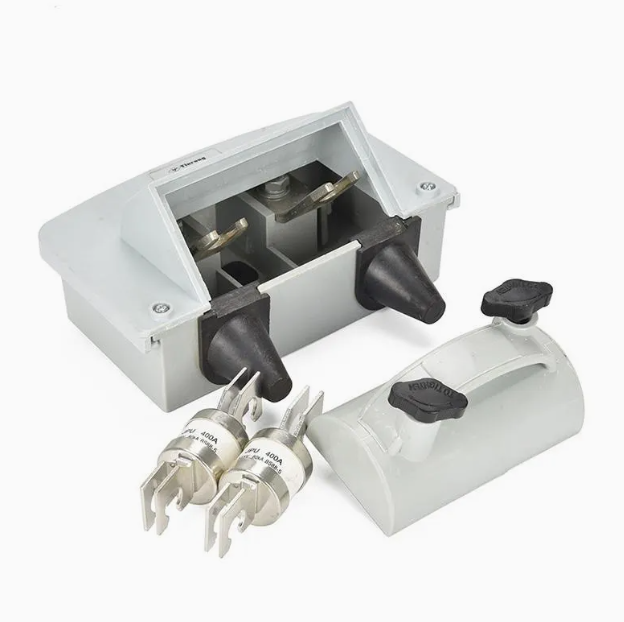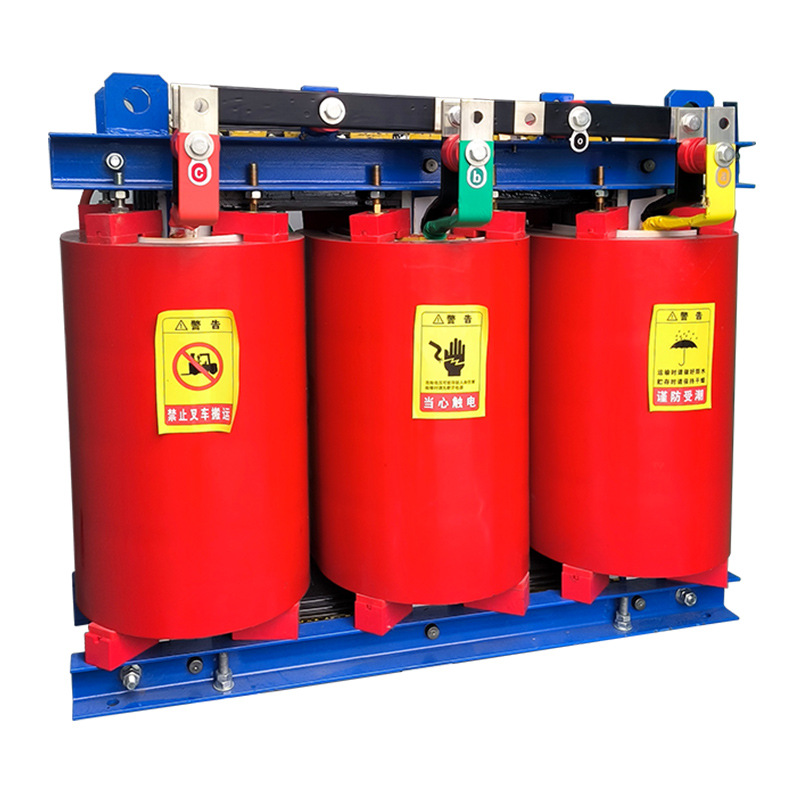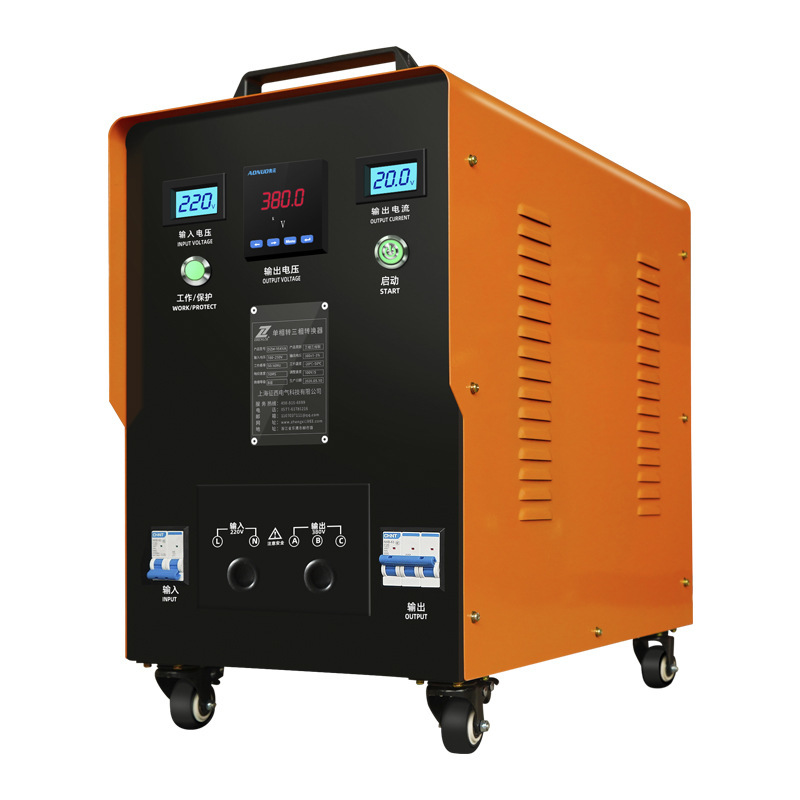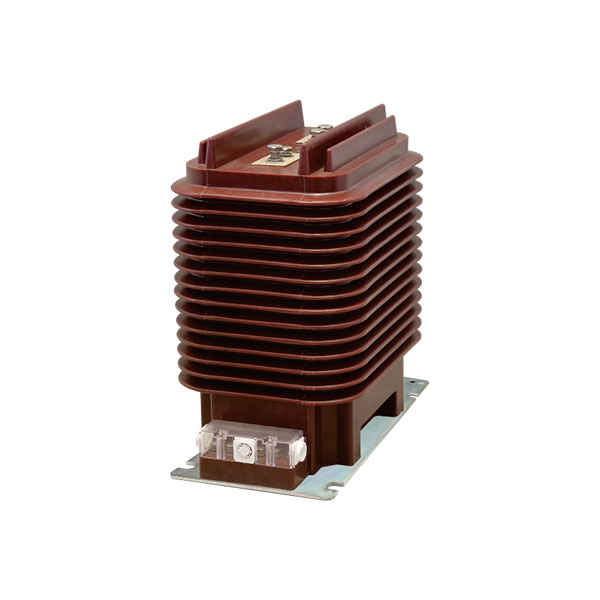
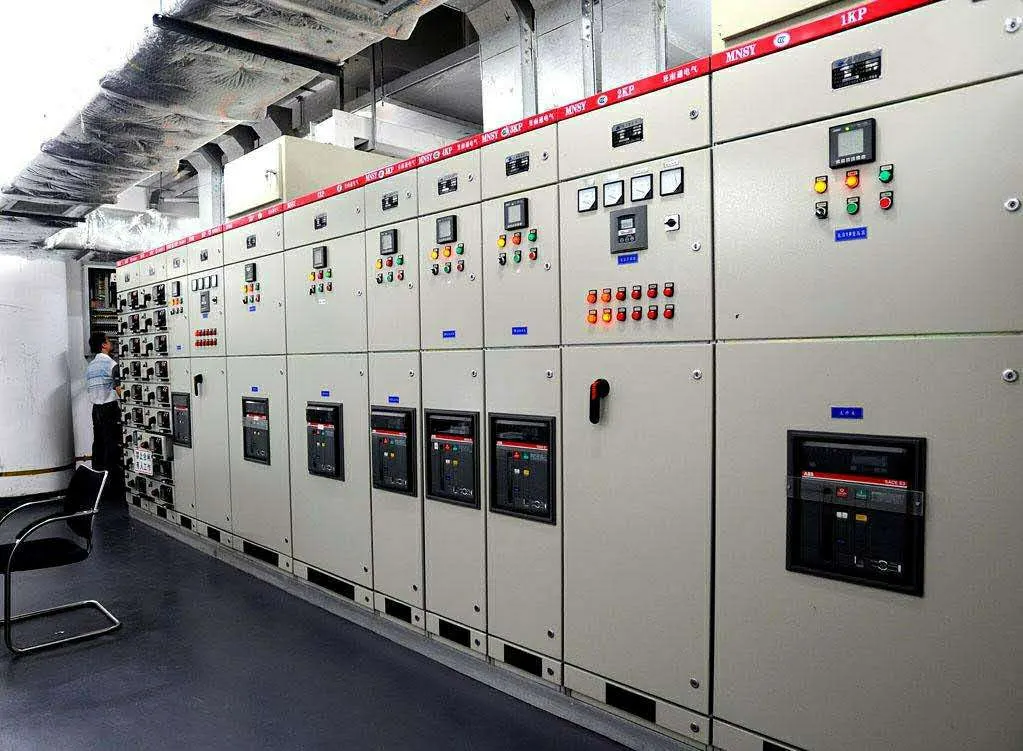
Have you ever wondered about those neatly arranged metal cabinets at a substation? They might look similar, but each one hides a unique "special skill," silently guarding every kilowatt-hour of electricity on its journey. Today, let's take a closer look at the incoming cabinet, the outgoing cabinet, the metering cabinet, the PT cabinet, the tie cabinet, and the isolation cabinet. These six "core guardians" of the power system each play a vital role, upholding the stable transmission of energy.
1. Incoming Cabinet: The Power System's "Main Gate"
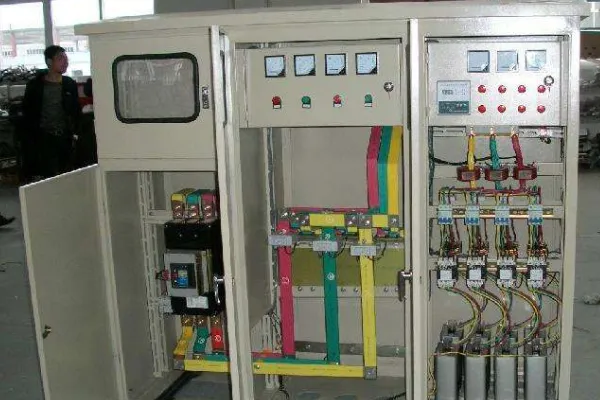
Think of the incoming cabinet as the "main gate" of the power system. All high-voltage electricity coming from the power grid or a higher-level substation must pass through this gate to enter our distribution system. For instance, in a residential community's distribution room or a factory's main power distribution room, the most prominent cabinet is often the incoming cabinet. It's the first stop for power entering the premises, shouldering the critical responsibility of power intake and initial safety protection.
What are its "secret weapons"?
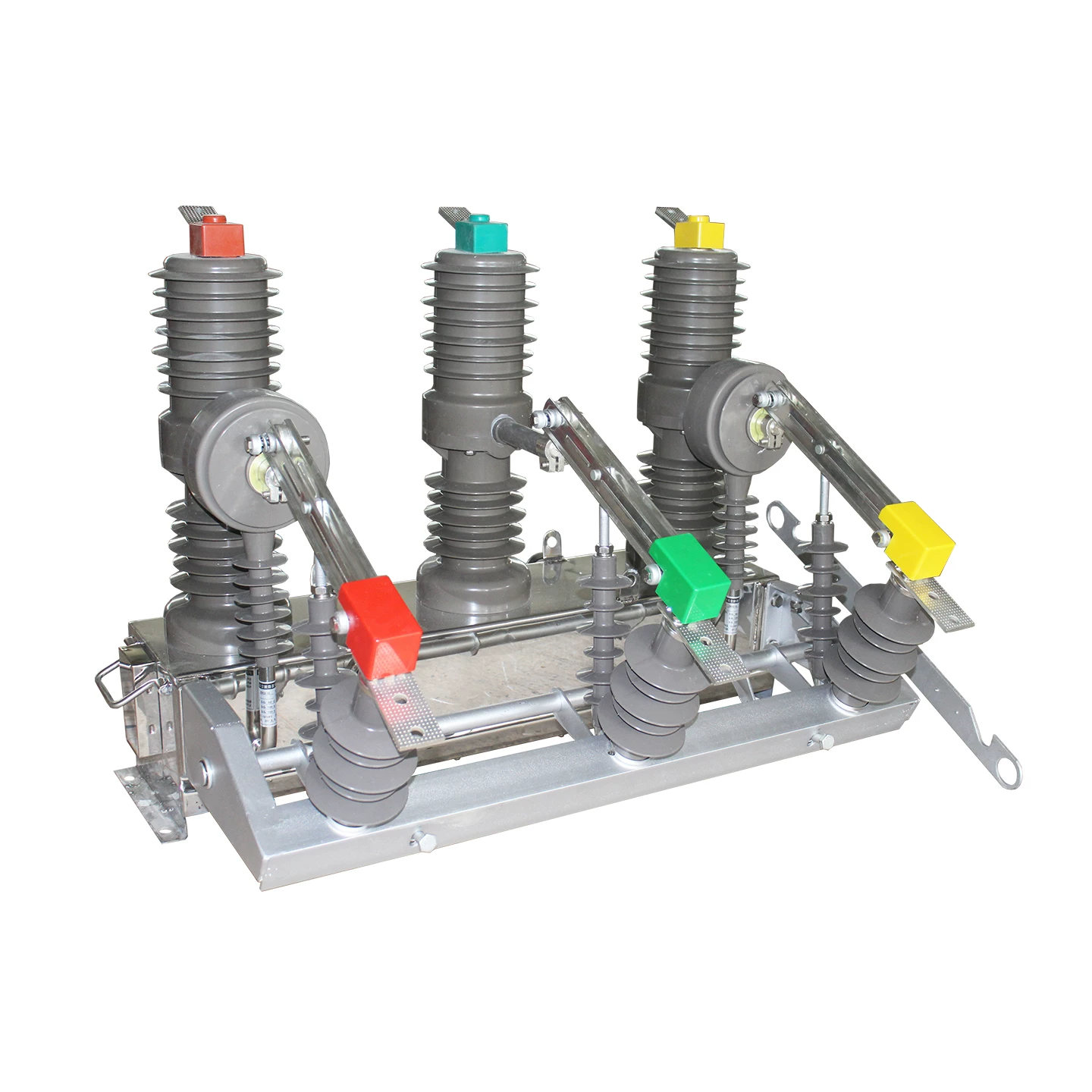
High-Voltage Circuit Breaker: This is like a super-fast security guard. When there's a short circuit or overload, it can "shut the gate and cut the power" within 0.1 seconds, blocking the fault from entering.
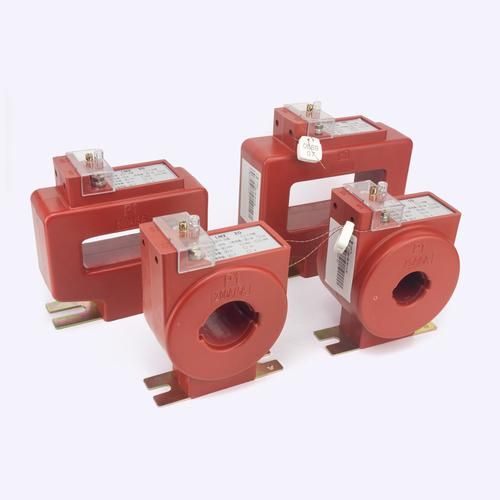
Current/Voltage Transformers: These "golden partners" are responsible for "translating" high voltage and large currents into safe, smaller signals (like turning 10kV into 100V). This allows subsequent meters and protection devices to "understand" and process the information.
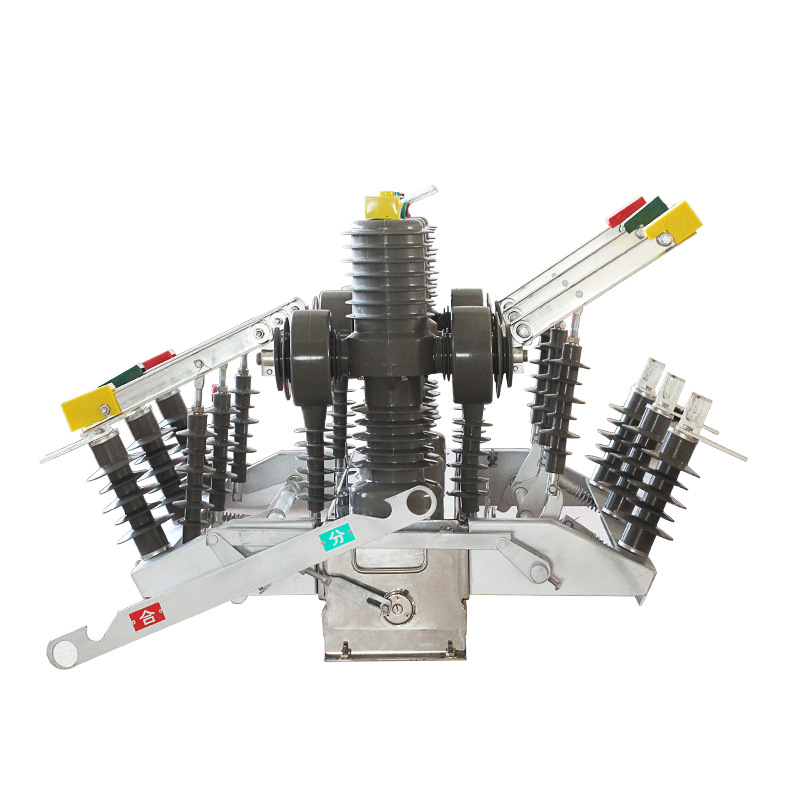
Disconnecting Switch and Grounding Switch: During maintenance, the disconnecting switch creates a clear "visible break" to completely separate the equipment from the power grid. The grounding switch then connects the equipment to a "safe ground," discharging any residual charges to ensure your safety during maintenance.
How important is its role?
Without an incoming cabinet, electricity would be like water without an inlet – full of energy but unable to be used. It doesn't just "open the door" for power; it acts like a strict security inspector, constantly monitoring current and voltage. If it detects an abnormality, it immediately sounds an alarm, safeguarding the first line of defense for the entire distribution system.
2. Outgoing Cabinet: The "Flow Manager" for Power Distribution
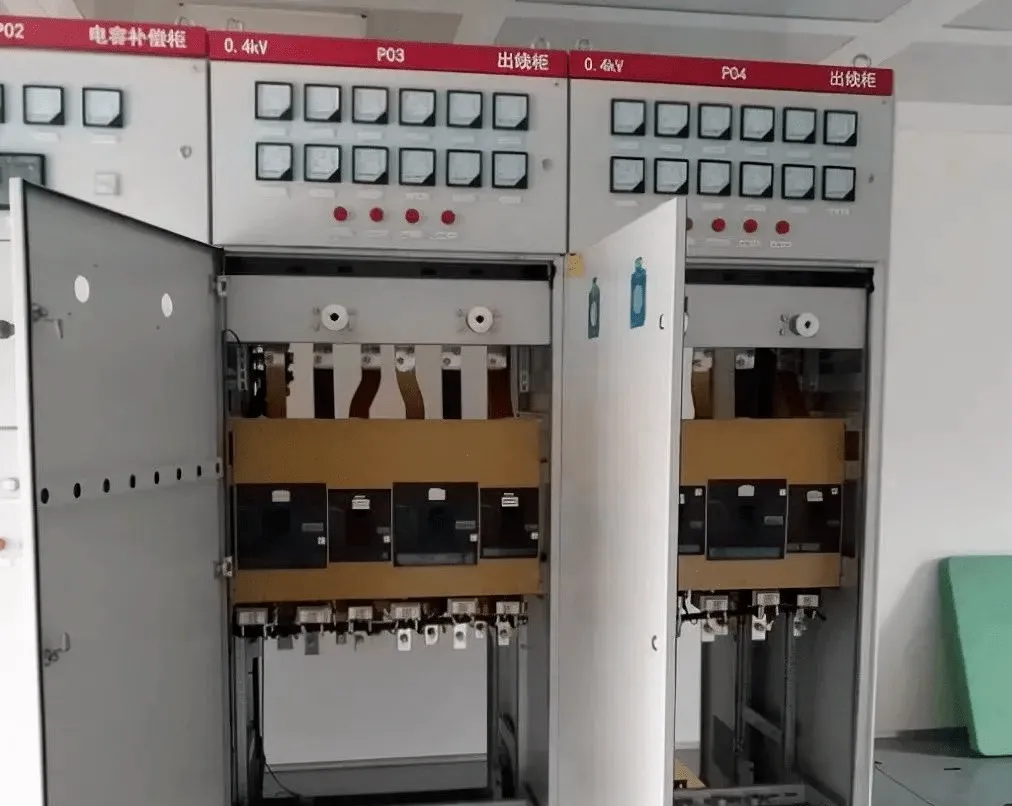
If the incoming cabinet is the "main gate," then the outgoing cabinet is like your home's "water valve." It splits the main power supply into several branches, sending power to different "major consumers" like factory production lines, residential transformers, or commercial central air conditioning units. It's all about precise power distribution.
How does it ensure accurate flow?
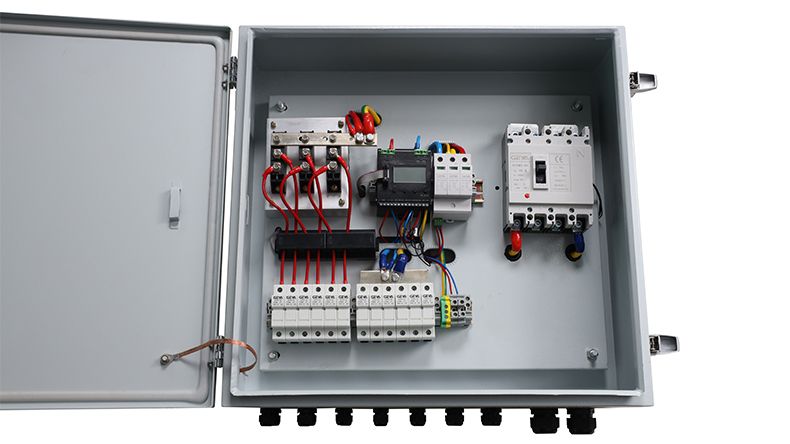
Low-Voltage Circuit Breakers: Each outgoing circuit has its own "personal bodyguard." If a specific piece of equipment experiences a short circuit or overload, this breaker immediately cuts off power to that particular line, ensuring other equipment remains unaffected. It's like how only one room trips a breaker at home, while the rest of the lights stay on.
Busbars: These thick copper or aluminum bars inside the cabinet are the "high-speed lanes" for electricity. They quickly and evenly distribute the main power supply to various outgoing circuits, preventing any "traffic jams."
Transformers: These constantly monitor the current and voltage of each circuit. If they detect an abnormal surge in current on a specific line, they immediately tell the circuit breaker, "Time to act!"
Imagine if it weren't there...
All electrical equipment would have to compete for the same power line, which would be inefficient. Worse, a single equipment fault could shut down the entire system. The outgoing cabinet ensures organized power distribution, much like traffic lights in a city, ensuring every electrical circuit safely reaches its destination.
3. Metering Cabinet: The "Smart Ledger" of Power Consumption
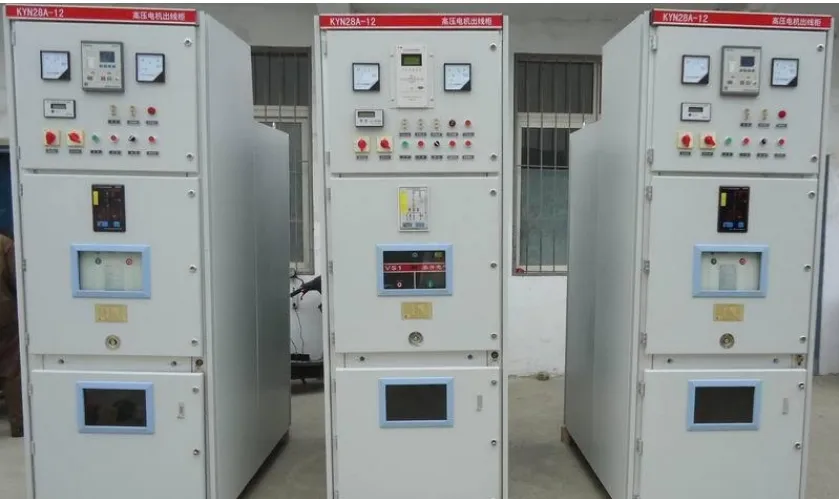
The electric meter you use to pay your utility bill is essentially a "miniature version" of a metering cabinet. The real metering cabinet is the power system's "grand ledger," specifically designed to record vast amounts of power consumption data for industrial users, commercial parks, and more. It ensures accurate accounting of energy consumption, often down to several decimal places.
What makes its calculations so precise?
High-Precision Energy Meters: These are far more advanced than household meters, capable of simultaneously recording dozens of parameters like active power, reactive power, and power factor. Their error margin is incredibly tiny (typically ≤0.2%), even smaller than a strand of hair.
"Twin" Transformers: The current/voltage transformers here boast even higher precision (0.2S class). They're like providing the ledger with a "microscope," capturing even the slightest changes in current and voltage.
Communication Modules: These secretly "bundle up" power consumption data and transmit it via 4G or fiber optics to the power company. This means you can receive detailed electricity bills at home, eliminating the need for manual meter readings!
Its significance goes beyond just calculating bills.
For factories, it can pinpoint which production line consumes the most power and where there's room for energy savings. For power grid companies, it helps analyze line losses and optimize power dispatch. Every kilowatt-hour's journey is meticulously recorded in its ledger.
4. PT Cabinet: The High-Voltage "Translator"
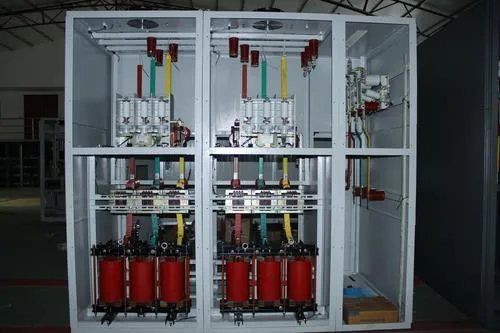
Did you know that high voltages like 10kV or 35kV are like a foreign language? Protection devices and meters can't "understand" them directly. That's where the PT cabinet steps in as the crucial "translator." It converts these high-voltage currents into "common language" 100V signals, enabling meters and protection devices to "comprehend" and make correct judgments. It's essential for voltage monitoring and protection.
How does it perform this "translation"?
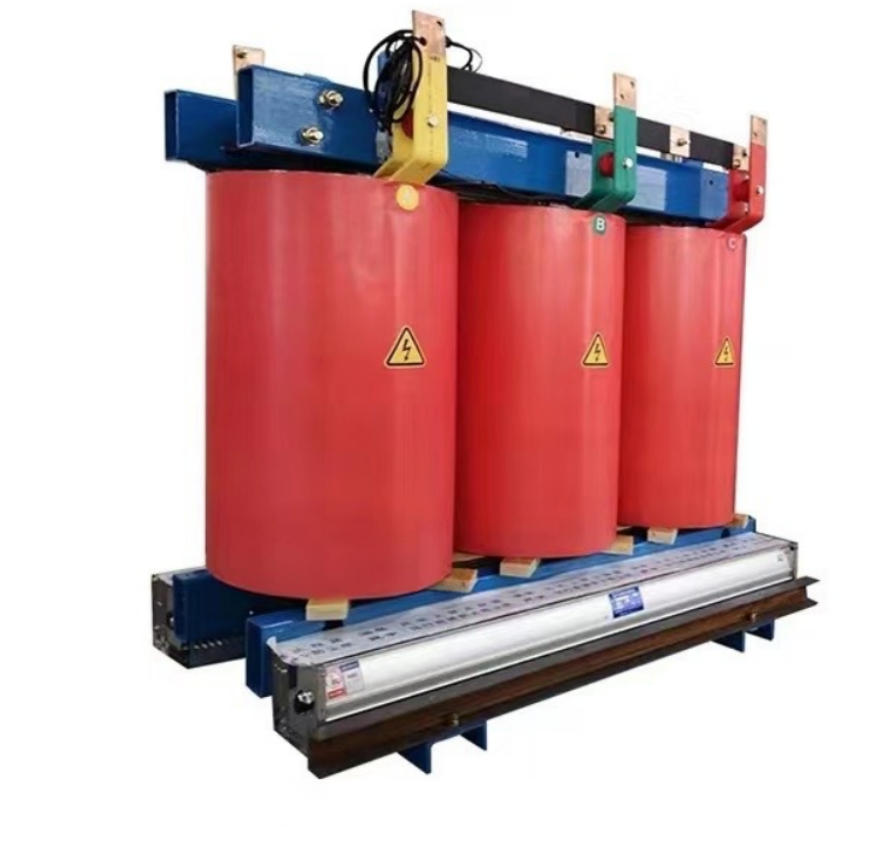
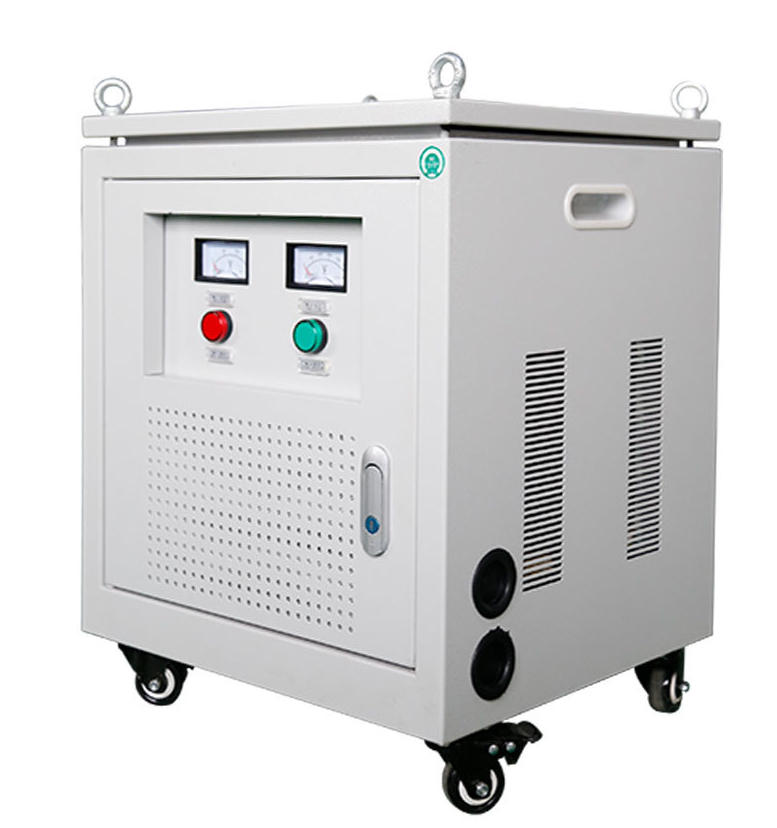
Voltage Transformers (PT): At its core is an iron core with windings. When high voltage passes through, it magically reduces the voltage proportionally (e.g., 10kV to 100V). Crucially, it ensures the "translated" voltage is identical to the original in terms of phase and waveform, without any deviation.
Low-Voltage Relays: These act as the "translator's assistants." If they detect voltage that's too high or too low, or if the three-phase voltage is unbalanced, they immediately "shout for help," triggering an alarm or tripping the circuit. This prevents equipment from being "struck by high voltage."
Without it, protection devices would be "blind."
The relay protection system relies entirely on the accurate voltage signals provided by the PT cabinet to determine if the power grid is operating normally. For instance, in the event of a single-phase ground fault, the PT cabinet would be the first to detect the voltage anomaly, quickly commanding the circuit breaker to disconnect power and prevent the fault from escalating into a widespread outage.
5. Tie Cabinet: The Power Grid's "Interchange"
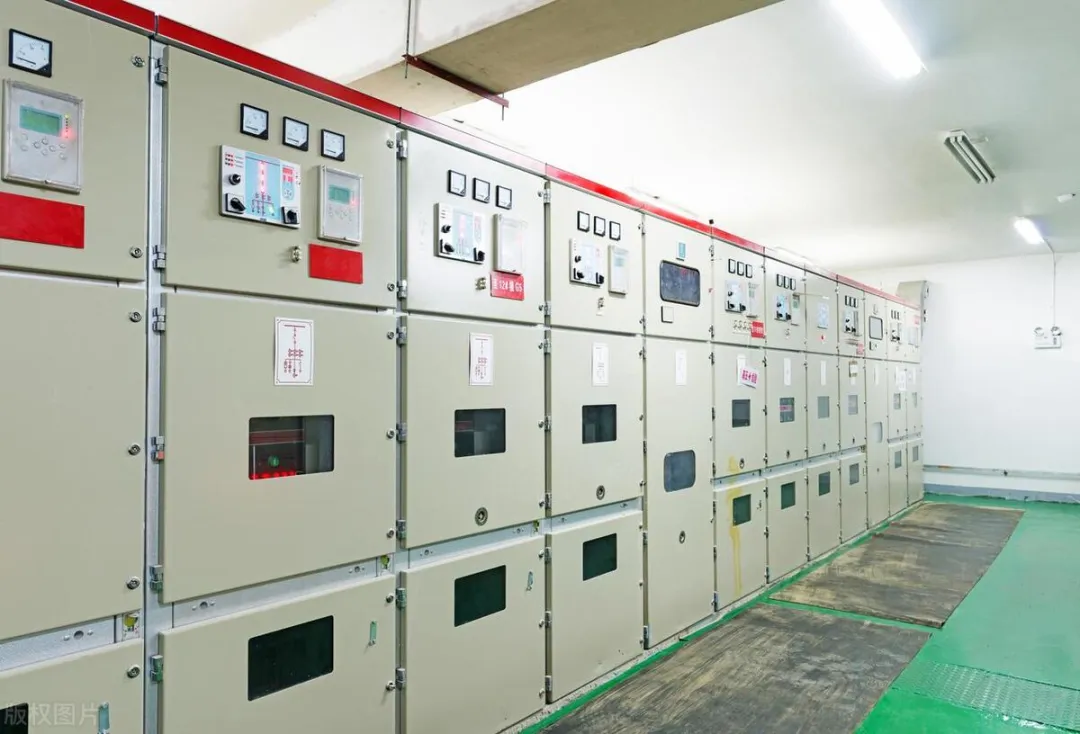
Have you ever wondered why some areas get power back quickly after an outage? It might be the tie cabinet silently at work! It acts like an "interchange" within the power grid, connecting two independent distribution systems. This allows power to "visit" freely between them, ensuring continuity and reliability of the power supply.
How does it enable "cross-grid interconnection"?
Tie Breaker: This is the "gate" of the interchange. When normally closed, the two systems operate independently. If one side experiences an outage or overload, it automatically opens, allowing power from the other side to swiftly provide support. The entire switchover takes less than a second, so you'll barely notice the interruption.
Smart Protection Devices: These are like the "traffic police" of the interchange, constantly monitoring the current and voltage on both sides. If they detect an overload or short circuit on one side, they immediately close the gate, preventing the fault from spreading to the other side and ensuring the safety of the tie.
It makes power usage more reliable.
For critical facilities like hospitals or data centers that cannot afford power interruptions, the tie cabinet is a "lifesaver." When the main power goes out, it automatically switches to a backup power source. It's like having "double insurance" for electrical equipment, so you never have to worry about failures at critical moments.
6. Isolation Cabinet: The "Protective Shield" for Maintenance Safety
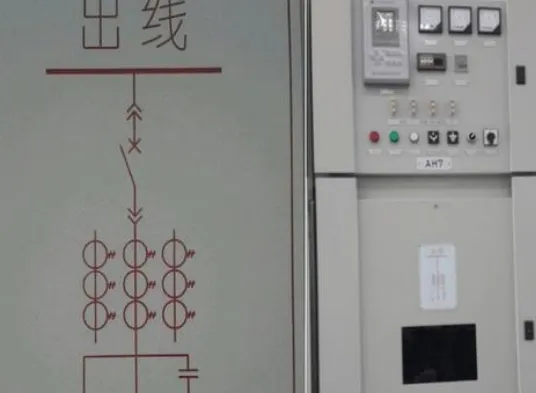
When an electrician needs to perform maintenance on equipment, the first thing they look for is the isolation cabinet. It acts like a "safety barrier," completely separating the live parts from the maintenance area, ensuring the absolute safety of maintenance personnel.
How does it create a "dead space"?
Disconnecting Switch: This has a clear "visible break" feature. When opened, you can see the gap between the contacts, like an open door, explicitly telling you, "No power here!" This effectively prevents accidental operations.
Grounding Switch and Monitoring Devices: After the disconnecting switch is opened, the grounding switch firmly connects the equipment to the earth, discharging all residual charges. The current monitoring device acts like a 24-hour security guard, constantly checking for any leakage current to ensure absolute safety.
Mechanical Locks and Warning Signs: The cabinet door and the disconnecting switch are "good friends," often interlocked mechanically. The door can only be opened when the switch is in the disconnected state. Additionally, prominent "Do Not Close" warning signs on the cabinet door constantly remind everyone that maintenance is underway, strictly prohibiting power restoration.
It's an electrician's "lifesaver."
Imagine performing maintenance in a high-voltage environment. If the equipment wasn't completely de-energized, the consequences could be catastrophic. The isolation cabinet uses physical separation and multiple layers of protection to keep hazards out, ensuring every maintenance task can be completed safely.
Conclusion: How Do These Six "Guardians" Work in Harmony?
Now you understand, right? The incoming cabinet handles "power intake," the outgoing cabinet manages "power distribution," the metering cabinet keeps "tabs on every kilowatt-hour," the PT cabinet "translates high-voltage language," the tie cabinet builds "interconnection bridges," and the isolation cabinet safeguards "maintenance safety." They're like a precise orchestra, each playing a different instrument, yet together they perform the grand symphony of stable power.
The next time you pass by a substation or a power distribution room and see those metal cabinets, take a moment to think about their individual "superpowers" and the ingenuity of electrical engineers. It's these unsung "power guardians" that ensure our daily electricity for homes and industrial production remains consistently safe and reliable.
Frequently Asked Questions (FAQ)
Now that you've learned about the six core electrical cabinets in power systems, you might still have some questions. We've compiled a few common FAQs to help you better understand these "guardians":
Q1: Are all electrical cabinets the same size?
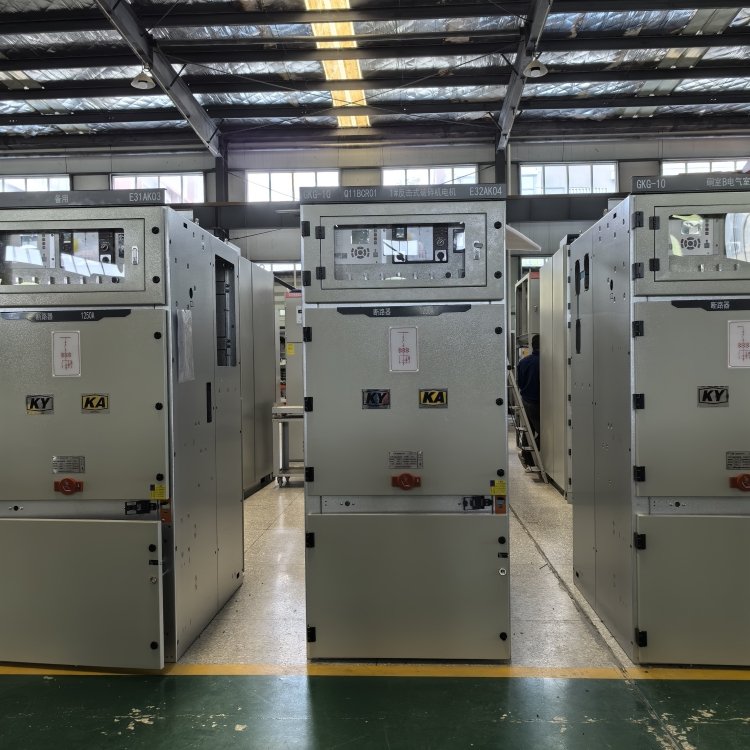
A1: No, they're not. The size of an electrical cabinet depends on the voltage level, current capacity, and functional complexity of its internal equipment. For example, high-voltage incoming cabinets are typically larger than low-voltage outgoing cabinets. Weishoelec can provide customized electrical cabinet solutions based on specific client requirements.
Q2: What does routine maintenance for electrical cabinets usually involve?
A2: Routine maintenance primarily includes regularly checking the cabinet's integrity, cleaning internal dust, inspecting connections for tightness, testing the reliable operation of circuit breakers and other protection devices, and monitoring the status of transformers and meters. Regular maintenance is crucial for ensuring the long-term stable operation of the equipment.
Q3: How does smart grid technology impact the function of these electrical cabinets?
A3: Smart grid technology, by integrating advanced sensors, communication modules, and intelligent control units, enhances electrical cabinets with stronger remote monitoring, fault self-diagnosis, and automated operational capabilities. For instance, smart tie cabinets can achieve automatic switching in milliseconds, significantly improving power supply reliability.
Q4: Why is the isolation cabinet so crucial for maintenance safety?
A4: The isolation cabinet, through its physically visible break and multiple interlocking mechanisms, ensures absolute separation between the maintenance area and live parts, eliminating the risk of electric shock. It serves as the final and most critical physical line of defense for the personal safety of electrical workers.
Q5: What kind of support can Weishoelec provide in the electrical cabinet field?
A5: Weishoelec, as a dedicated Chinese manufacturing supplier of power equipment, offers high-quality incoming, outgoing, metering, and other core electrical cabinet products for clients in Europe, America, and other overseas markets. We also provide customized designs, technical consulting, and after-sales support to ensure your power system operates safely and efficiently.
About the Author:
The author of this article, Thor, is a seasoned Electrical Engineer at Weishoelec. As a Chinese manufacturing company, Weishoelec is dedicated to providing high-quality electrical products and solutions to global clients, particularly in the European, American, and other overseas markets, leveraging excellent technology and reliable quality.
Connect with Us!
If you have any questions about selecting or customizing electrical cabinets for your power system, or if you're interested in our power products and solutions, please don't hesitate to reach out! Weishoelec is committed to providing professional and efficient services to our global customers.
Phone: +86-0577-62788197WhatsApp: +86 159 5777 0984Email: [email protected]