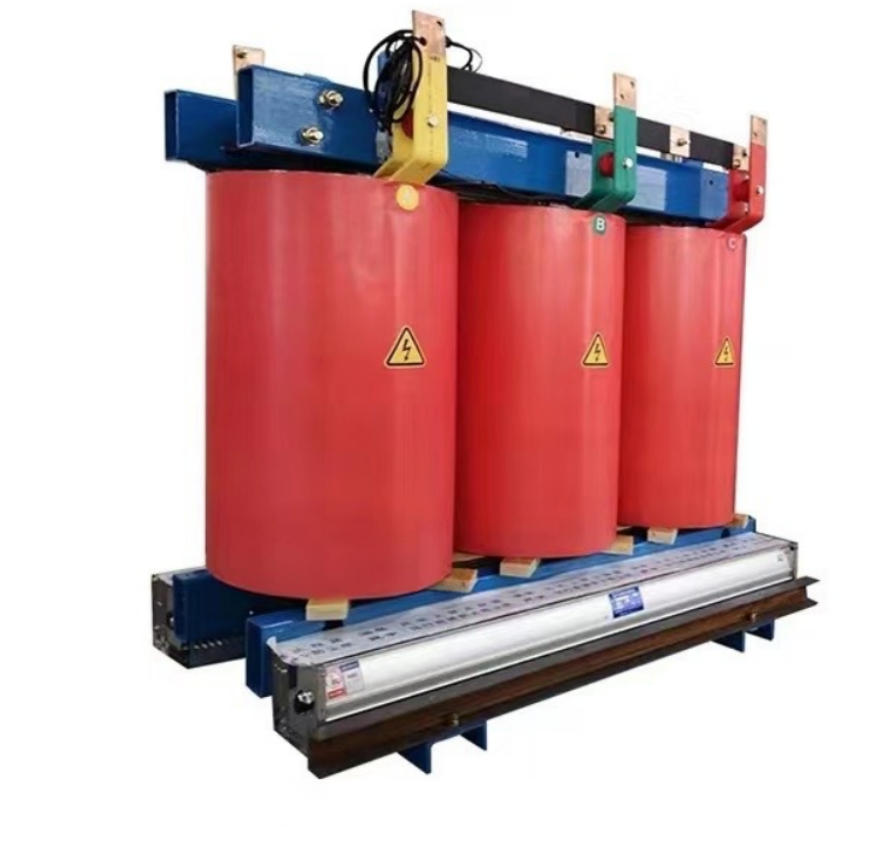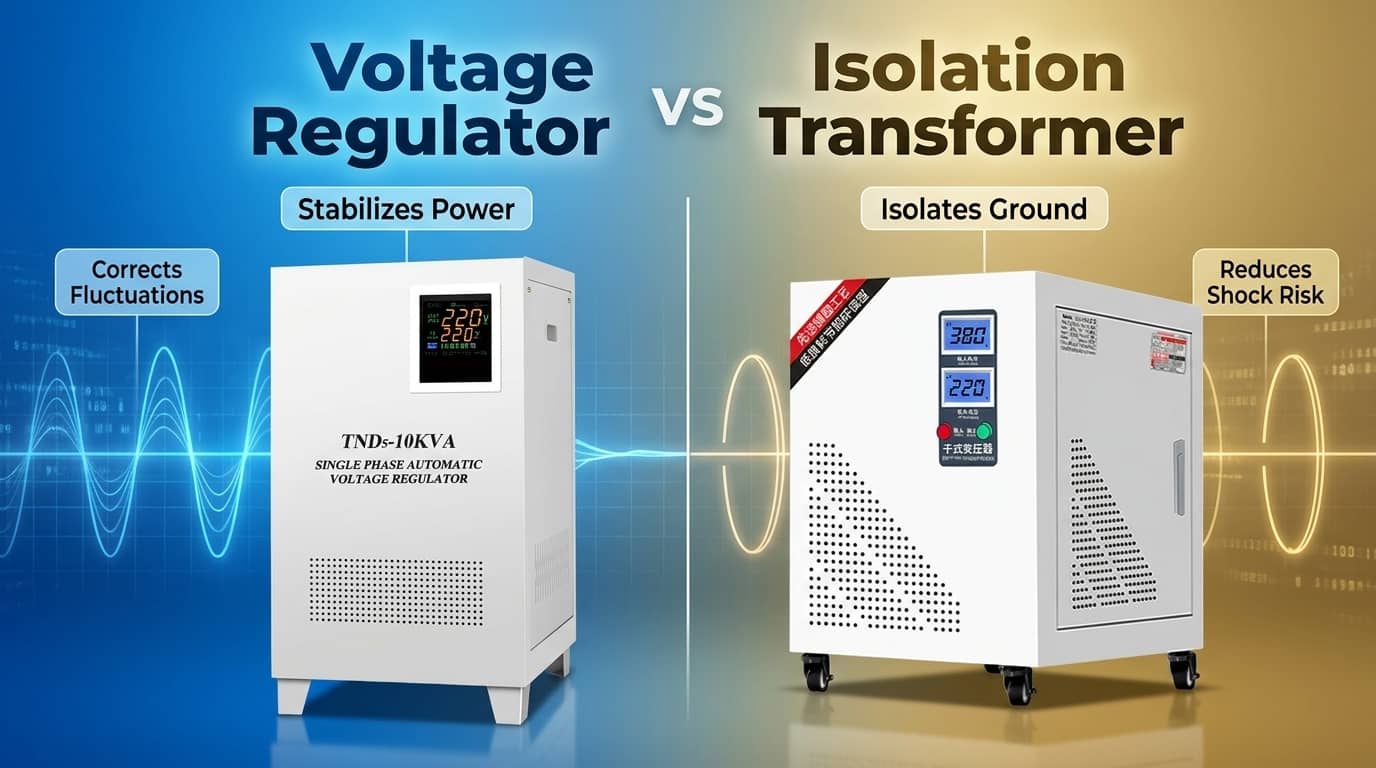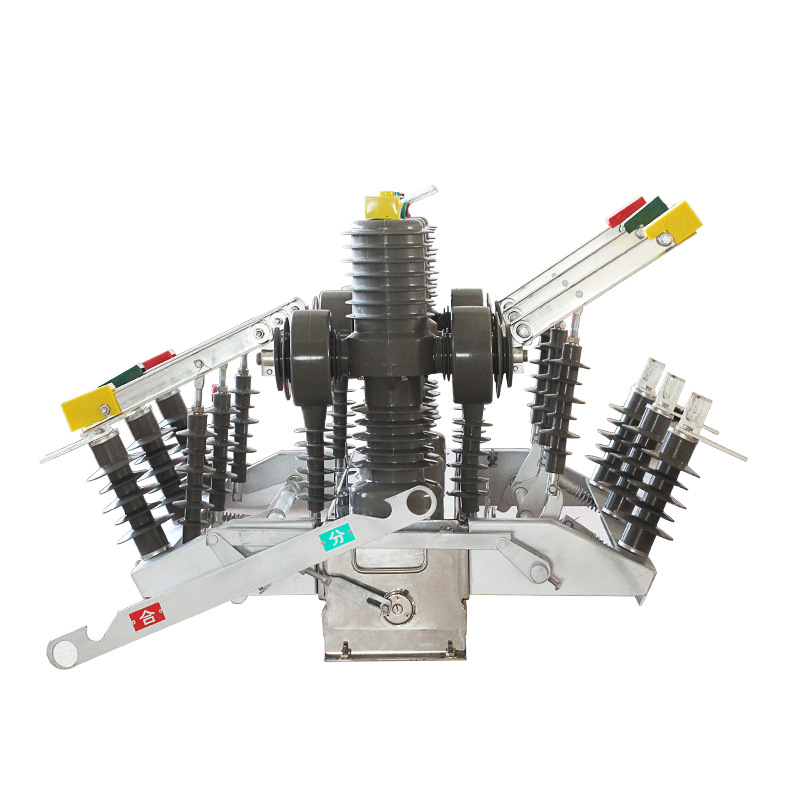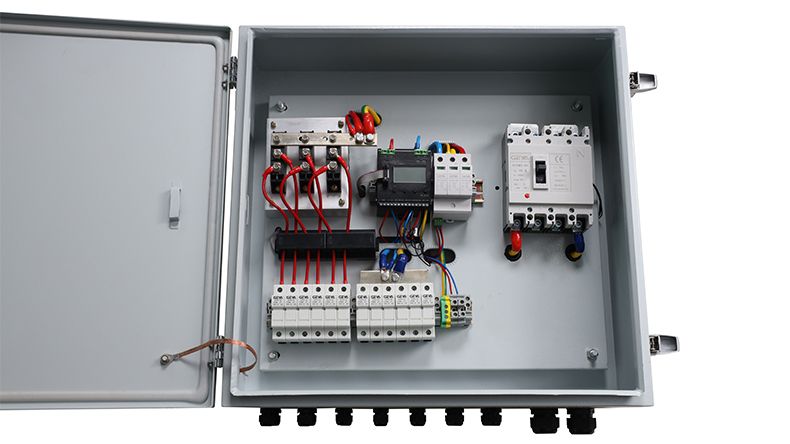

When planning a power distribution system, the choice between an indoor substation and an outdoor substation is crucial. These two types serve the same function—stepping down voltage and distributing electricity—but their setup, cost, and applications vary greatly.
At Wei Shoe Elec, I've worked with utility companies, factories, and infrastructure projects around the world. I’ve seen clients struggle with this exact decision, often unsure about space limitations, environmental risks, or long-term costs. This article breaks down the differences and helps you choose the right substation for your needs, with real examples, clear comparisons, and practical insights.
What Is an Indoor Substation?
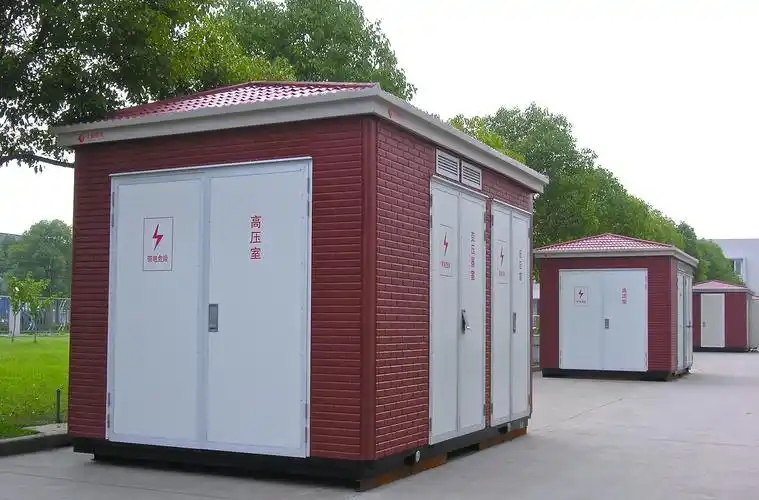
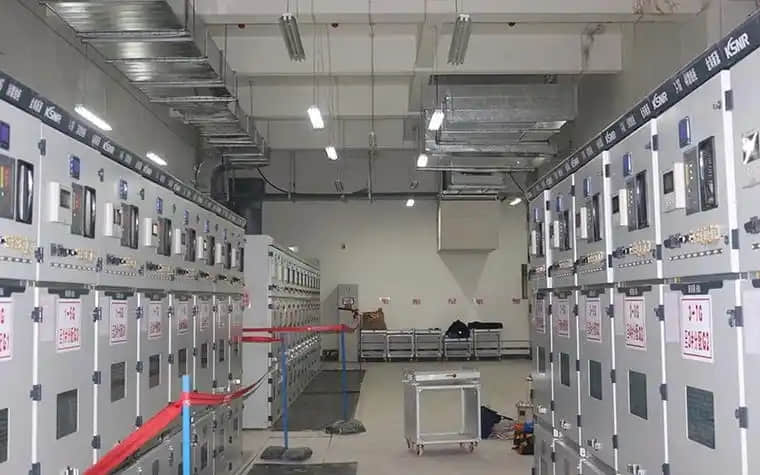
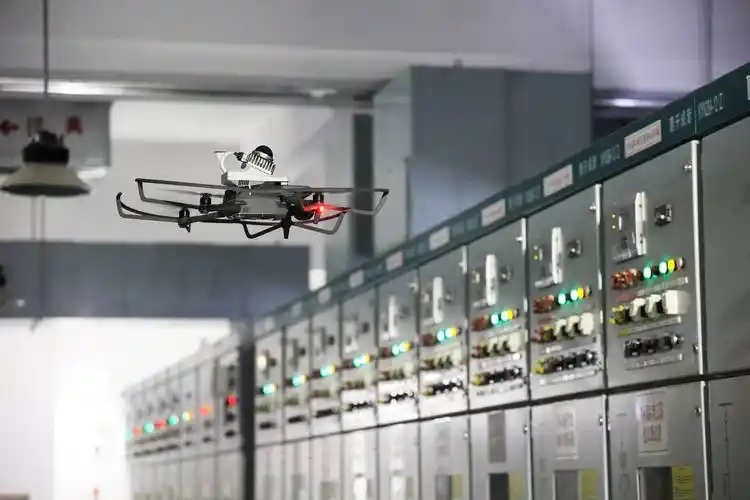
An indoor substation is built within a closed structure, typically a building made of concrete or steel. It protects equipment from weather and external hazards, making it suitable for densely populated or industrial areas.
Key Features
Enclosed structure: Equipment is housed in a climate-controlled building.
Space-efficient design: Often compact, especially in urban areas.
Higher safety: Less exposure to environmental risks like rain, dust, or wildlife.
Ideal for: Commercial buildings, underground power systems, metro stations, and airports.
Real Example
In downtown Toronto, Canada, a major retail mall installed an indoor substation beneath its basement to avoid disrupting the city’s skyline and ensure 24/7 safe operation during snowy winters.
What Is an Outdoor Substation?
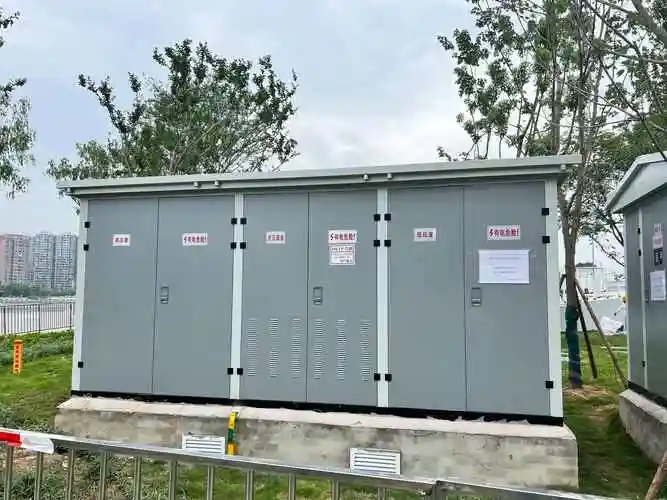
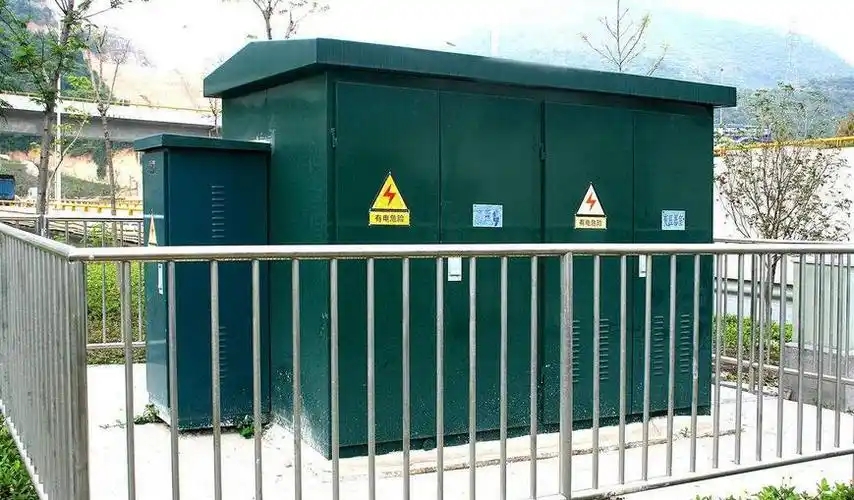
An outdoor substation is installed in the open air, with components exposed to the environment. While it typically costs less to build, it requires more space and regular maintenance.
Key Features
Open-air installation: Equipment like transformers and breakers is outdoors.
Lower construction costs: No need for a separate building.
Larger footprint: Needs more space for safety clearance.
Ideal for: Rural utilities, solar/wind farms, and heavy industries with available land.
Real Example
In Texas, USA, an outdoor substation was deployed for a solar power plant in a remote desert area. The open design allowed easy cooling and reduced upfront costs, making it a cost-effective choice.
Indoor vs Outdoor Substation: Feature Comparison
Here’s a quick comparison table to help you visualize the differences:
Feature | Indoor Substation | Outdoor Substation |
Location | Inside a building | Open environment |
Cost | Higher initial cost | Lower initial cost |
Footprint | Compact design | Requires a large area |
Protection Level | High (sealed environment) | Lower (exposed to elements) |
Maintenance | Less frequent | More frequent due to exposure |
Application Areas | Urban, commercial, indoor facilities | Rural, industrial, renewable plants |
How to Choose the Right Substation Type
Choosing between indoor and outdoor substations depends on several real-world factors. Here's what I always ask my clients:
1. Do You Have Enough Space?
If land is limited, like in urban areas, an indoor substation is a better choice. For large, open sites, outdoor substations are cost-effective and scalable.
2. How Harsh Is the Environment?
If your site experiences heavy rain, snow, dust, or wildlife interference, an indoor substation protects equipment better. However, if weather conditions are stable and regular maintenance is feasible, outdoor setups work well.
3. What's the Long-Term Maintenance Budget?
Outdoor substations may save money upfront, but need more maintenance due to corrosion, dust, or wildlife. Indoor units have a higher initial cost but lower operational costs over time.
4. Do You Have Noise Restrictions?
Indoor substations often include noise insulation. In residential or commercial areas, this makes a big difference for regulatory compliance.

Safety Considerations for Both Types
Regardless of type, safety is non-negotiable. Here are critical safety measures you should consider:
Grounding systems to prevent electrical hazards.
Fire-resistant materials inside indoor substations.
Fencing and surveillance for outdoor substations.
Routine inspections are conducted to detect wear or faults early.
Common Challenges and Solutions
Challenge: Limited Urban Space
Solution: Use compact gas-insulated switchgear (GIS) inside indoor substations to reduce footprint.
Challenge: Harsh Outdoor Conditions
Solution: Choose weatherproof enclosures or apply epoxy coatings to outdoor equipment.
Challenge: Downtime during maintenance
Solution: Design substations with redundant paths and circuit breakers to isolate sections without full shutdown.
Frequently Asked Questions
Can I move from an outdoor to an indoor substation?
Yes, but it requires major structural changes and high investment. Many companies make the shift to improve safety and reliability.
Are indoor substations more energy-efficient?
Not directly, but their controlled environments reduce equipment stress, which can extend service life and reduce losses.
What is the typical lifespan of each type?
Indoor substations: 30–40 years
Outdoor substations: 20–30 years (if maintained properly)
Industry Standards and Compliance
Both indoor and outdoor substations must meet strict global standards:
IEC 62271 series – High-voltage switchgear and controlgear
IEEE C37 – U.S. standards for electrical protection systems
ANSI – Safety and design codes for North America
UL-certified gear – Especially for indoor commercial use
At Wei Shoe Elec, we manufacture substations that comply with all these standards, ensuring safety, durability, and global compatibility.
Final Thoughts
Choosing between an indoor and outdoor substation isn’t just a design question—it’s a long-term investment decision. It affects safety, cost, scalability, and even regulatory approval.
At Wei Shoe Elec, I help our clients weigh these pros and cons based on real conditions, not just specs on paper. Whether you're building in the heart of a city or out on a wind farm, there's a smart solution waiting.
Need expert advice or a custom substation design?
Contact Wei Shoe Elec today to discuss your needs and get a tailored quote. We’re here to make power distribution safer, smarter, and more sustainable.