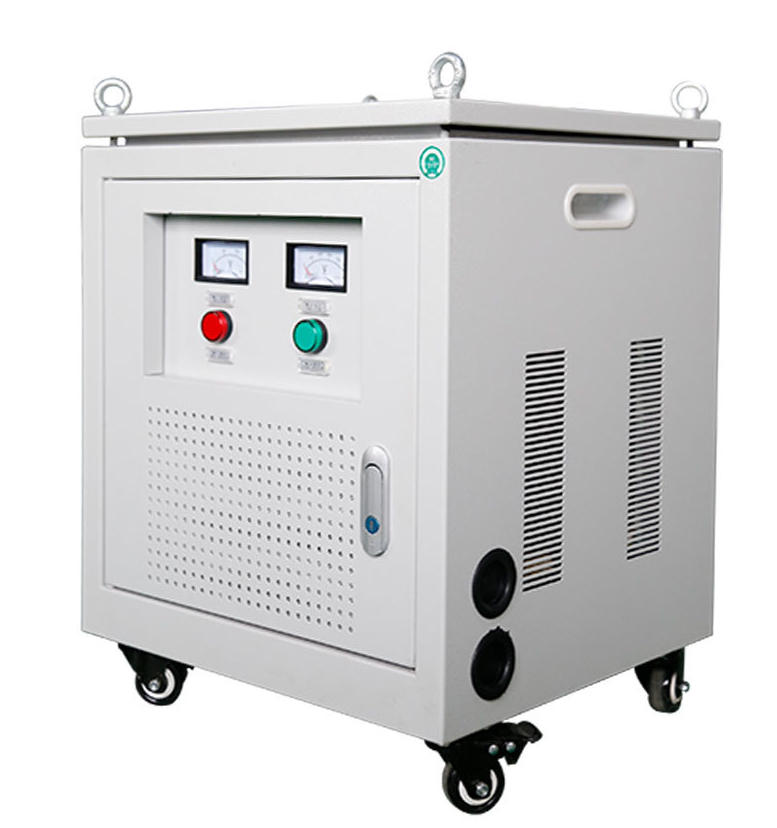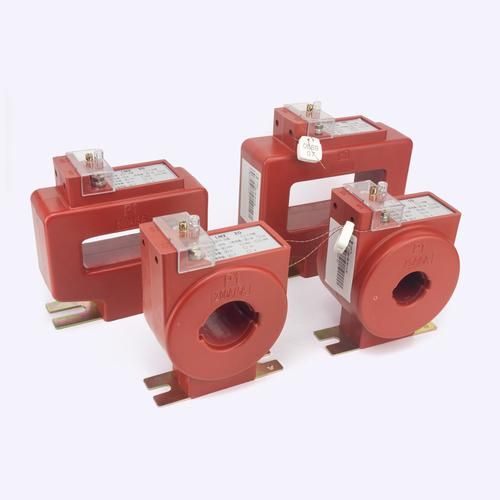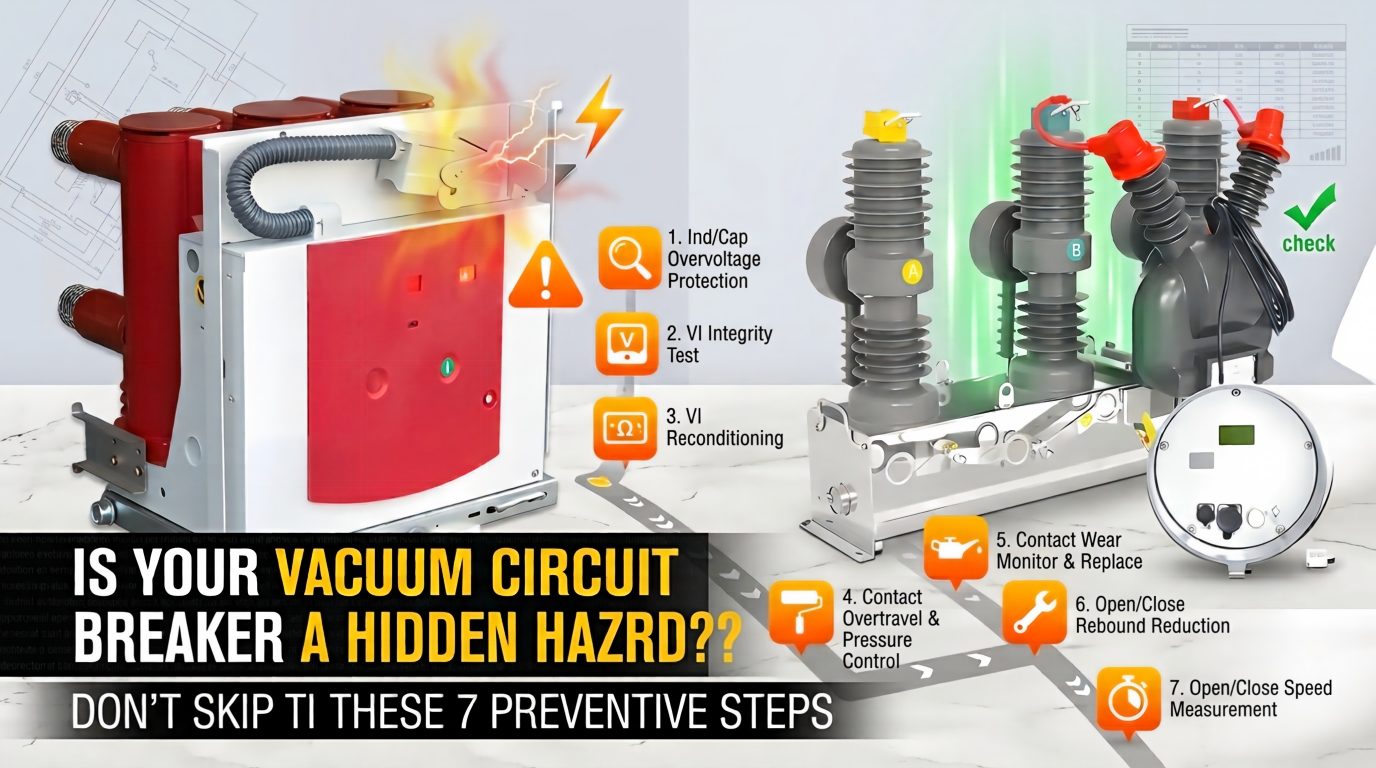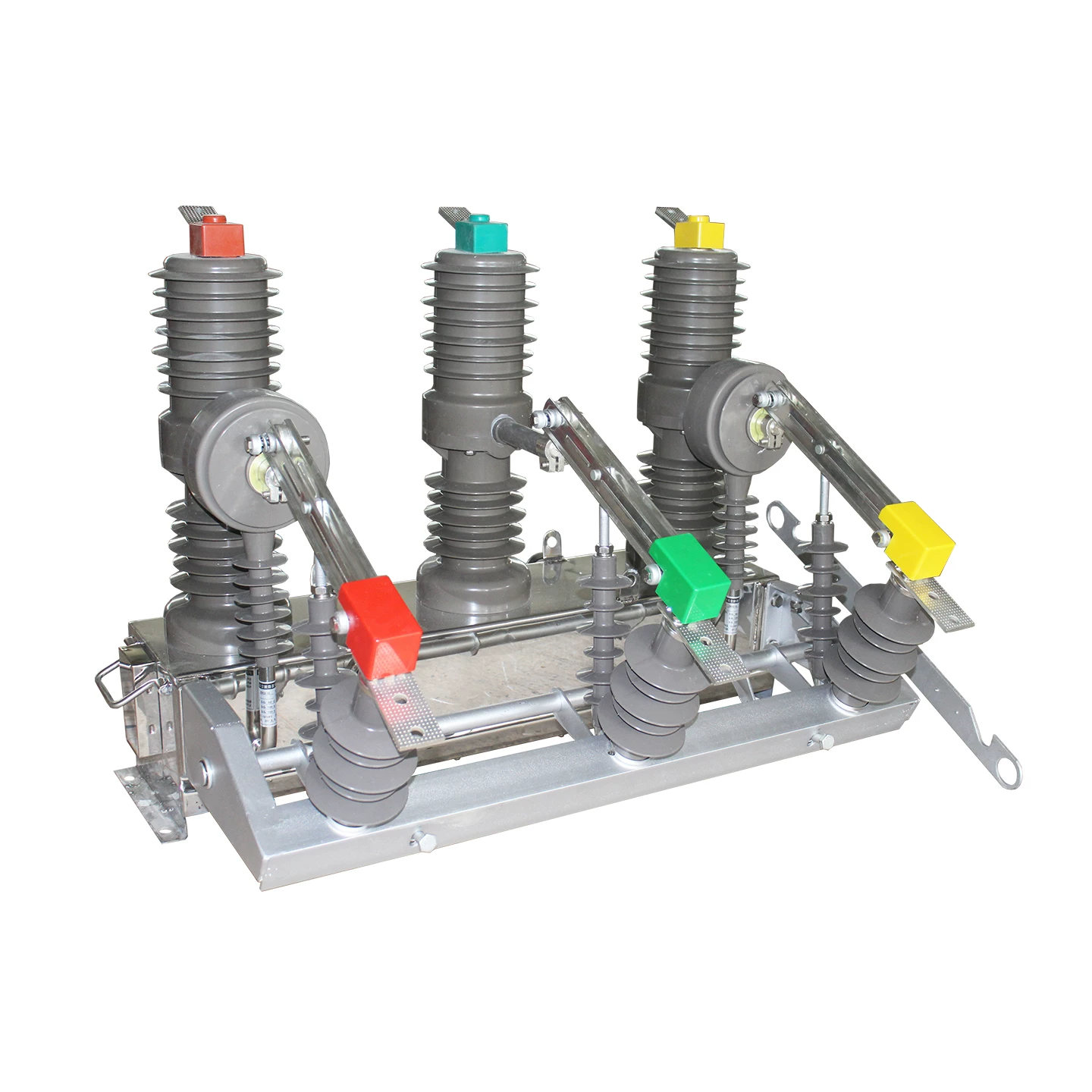
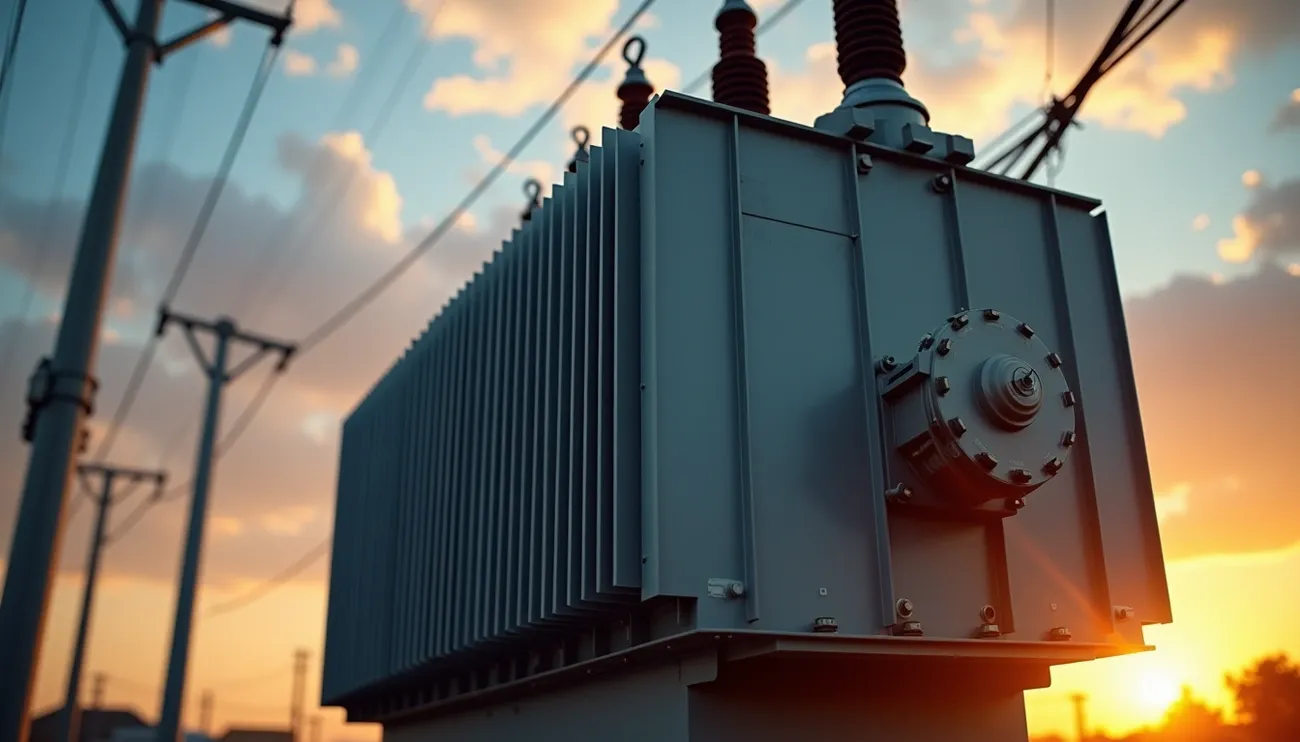
Did you know the U.S. alone experiences about 2,000 electrical transformer explosions each year? When these critical power components fail, they can reach temperatures exceeding 1,200°C and cause widespread power outages affecting homes, businesses, and entire neighborhoods.
When a transformer blows, it typically produces a loud noise accompanied by a bright flash, cutting off electricity to surrounding areas. Though the likelihood of a transformer exploding and then burning is relatively low, it's not impossible. Power grid failures, including transformer failures, cause over 3,000 power outages annually, highlighting why understanding what causes a transformer to blow is crucial for prevention.
We've created this comprehensive troubleshooting guide to help you identify warning signs before a transformer blows out and take preventive measures. Additionally, we'll walk you through what happens when a transformer blows and what steps to take if your transformer keeps blowing. Whether you're dealing with lightning strikes, electrical failures, or insulation problems, this article will equip you with expert knowledge to protect your electrical systems.
Understand Why Transformers Blow
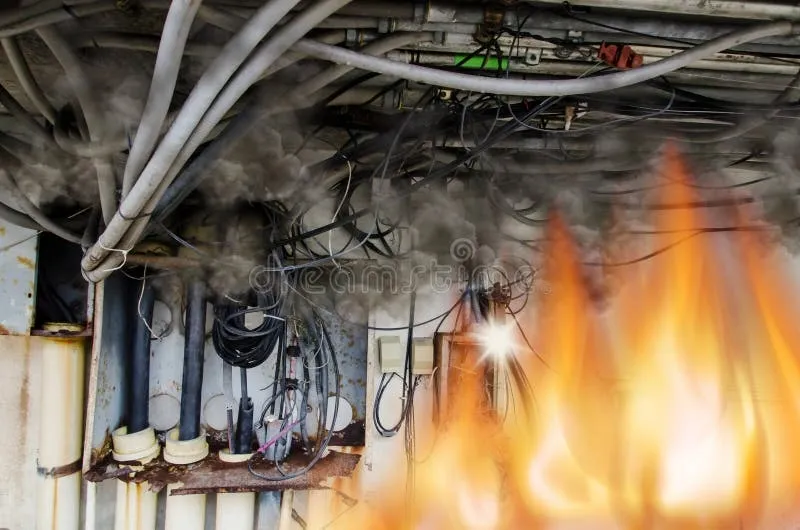
Transformers fail for several specific reasons, and understanding what causes a transformer to blow can help prevent costly outages and damage. Let's examine the main culprits behind transformer failures.
Overloading and insulation breakdown
Transformers have specific load capacities, and exceeding these limits leads to overheating. This excessive heat accelerates insulation degradation, especially in the windings. According to industry data, overloading causes the insulation to become brittle and crack over time. As this material breaks down, it becomes less effective at preventing electrical faults.
The normal life expectancy for a transformer is approximately 20 years under proper loading conditions. However, continuous overloading can dramatically shorten this lifespan, leading to premature failure. Even short periods of operating at 10-20% above rated capacity significantly accelerate insulation aging.
Short circuits and internal arcing
A short circuit occurs when current travels along an unintended path with little electrical resistance. For transformers, this represents one of the most severe electrical faults possible. Short circuits typically happen due to insulation failure, mechanical damage, or contamination from moisture or dust.
During a short circuit, transformers experience immediate mechanical deformation of windings, thermal damage to insulation, and dielectric stress. Furthermore, even after a fault is cleared, hidden weakening of insulation or structure can cause transformers to fail prematurely.
Power surges and lightning strikes
Lightning remains one of the top causes of transformer damage globally, accounting for approximately 13% of power transformer failures. When lightning strikes near a transformer, it can create voltage transients exceeding 100 kV, far beyond most transformers' basic impulse level (BIL) rating.
These massive surges overwhelm insulation systems, causing electrical arcing across components, damaging bushings, and creating permanent equipment failure. Moreover, the thermal energy from a surge can convert into extreme heat inside the transformer, pushing temperatures well beyond safe limits.
Environmental stress,l ike heat and flooding
High ambient temperatures force transformers to work harder to dissipate heat, significantly accelerating thermal aging of components. Every transformer is designed for specific temperature ranges, and exceeding these limits damages insulation and reduces efficiency.
Flooding poses another serious threat, as water damages insulation, disrupts cooling systems, and contaminates transformer oil. According to research, water-contaminated oil loses its dielectric strength, potentially causing arcing and short circuits inside the transformer. Consequently, even after floodwaters recede, the lasting effects can trigger transformer failure months later.
Common Warning Signs Before a Transformer Blows
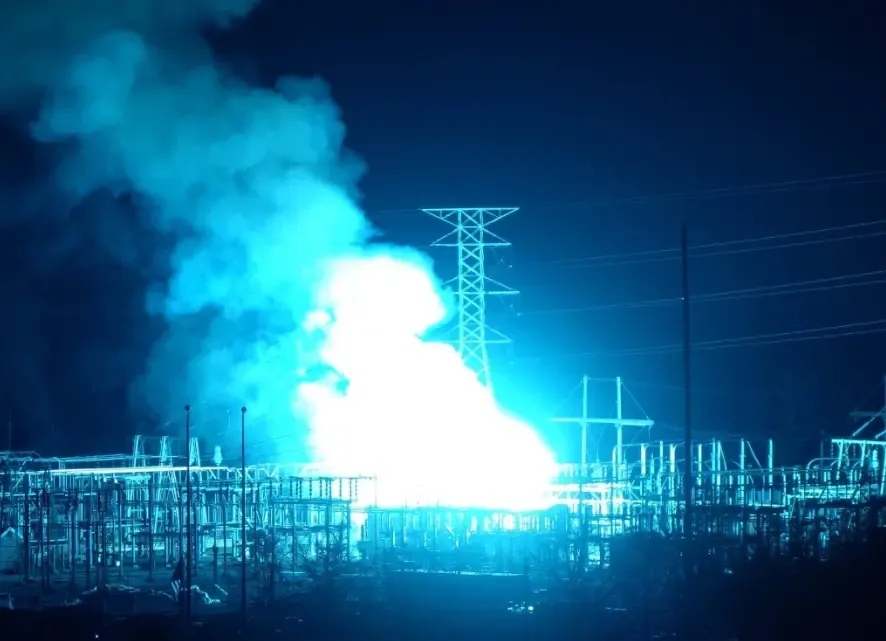
Recognizing the early warning signals of a failing transformer can save you from unexpected outages and potentially dangerous situations. By identifying these signs promptly, you can take preventive action before complete failure occurs.
Unusual buzzing or humming sounds
While transformers typically emit a low-level hum during normal operation, sudden increases in noise often indicate underlying issues. This enhanced humming primarily results from the magnetostriction effect, where ferromagnetic materials change dimensions when exposed to magnetic fields.
As transformers age, the core adhesive gradually breaks down, allowing laminated layers to separate and vibrate against each other. This deterioration creates progressively louder humming as the adhesive continues to deteriorate. Generally, if you notice a transformer sound mixed with what resembles boiling water alongside sharp temperature changes, this potentially signals a winding short circuit.
Burning smell or visible smoke
Any burning odor or visible smoke requires immediate attention, as these signs indicate serious internal problems. The smell often originates from burning insulation, overheated components, or internal arcing.
When detecting a burning smell near a transformer, it typically means the winding insulation is burning—a clear sign of irreparable damage. Similarly, if you observe light green, blue, or orange flames, this indicates that copper windings and insulation material are burning. Black smoke specifically suggests that transformer parts have caught fire.
Flickering lights or partial power loss
Flickering lights throughout your home or business often point to electrical issues that may involve transformer problems. These fluctuations typically stem from loose wiring, bad connections, or overloaded circuits within the transformer system.
Notably, when only half of your electrical outlets or fixtures function while others remain powerless, this often indicates transformer issues. This partial power loss pattern, rather than a complete outage, serves as a telltale sign of transformer malfunction.
Sparking or popping noises
Crackling, sizzling, or popping sounds near your transformer almost always signal electrical arcing. This arcing occurs as electricity jumps between connections and represents a serious safety hazard.
Visible sparking or arcing, particularly at the transformer location, clearly indicates a fault or short circuit in the external wiring, terminals, or bushings. These electrical discharges not only risk transformer failure but also create significant fire hazards, particularly in flammable environments.
How to Prevent Your Transformer from Blowing
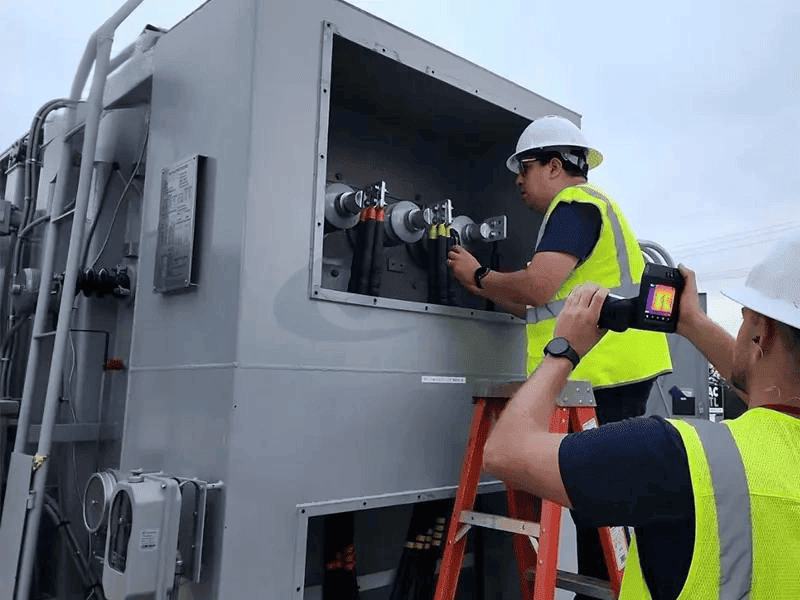
Preventing transformer failures requires proactive measures and regular attention. Transformers represent vital components in power systems, with failures potentially causing extensive outages and costly repairs.
Install surge protection devices
Surge protection devices (SPDs) are essential for safeguarding transformers against damaging voltage transients. These protective barriers divert high voltage surges to ground, preventing insulation breakdown and internal component damage. Without proper surge arresters, these transients can lead to mechanical damage and eventual failure of transformers. Distribution-type arresters effectively protect equipment against overvoltages in lines and networks. For comprehensive protection, install SPDs at each critical location throughout your facility, creating a layered defense solution .
Use proper transformer sizing and derating
Undersized transformers operating beyond their capacity generate excessive heat, accelerating insulation aging. Engineers must make informed decisions regarding transformer sizing based on connected load or operating load. Always consider future growth (typically 110% to 130%) when sizing transformers. For systems with high harmonic content (over 15% total harmonic distortion), use K-factor rated transformers to determine appropriate derating or oversizing. Remember that transformers operating below maximum load capacity enjoy significantly longer lifespans.
Ensure regular maintenance and inspections
Regular transformer maintenance prevents unexpected outages while extending equipment life. A comprehensive maintenance program should include visual inspections, oil sampling, gauge reading checks, and insulation testing. Dissolved gas analysis (DGA) represents one of the most valuable maintenance tools, detecting electrical or thermal anomalies at very early stages. The quantity and type of gases dissolved in transformer oil indicate potential issues, allowing for timely corrective action.
Improve cooling and ventilation systems
Cooling systems protect transformers from accelerated aging by maintaining optimal operating temperatures. Inadequate cooling leads to insulation disruption and eventual failure. Clean coolers regularly by brushing inside water tubes or vacuum cleaning air-side components when necessary. For indoor transformers, ensure proper ventilation while avoiding excessive airflow that might cause condensation. Position ventilation openings at the top and bottom walls near transformers to facilitate natural heat convection.
Check grounding and bonding integrity
Proper grounding creates an effective fault current path, preventing dangerous energization of equipment enclosures. The system bonding jumper must be sized based on the largest ungrounded conductor according to NEC Table 250.102(C)(1). Connect the grounding electrode conductor to the same point where the system bonding jumper is connected. This bonding effectively eliminates potential differences between the grounded conductor and metal components, reducing shock hazards.
What to Do If Your Transformer Blew Out
When a transformer blows out, immediate action is essential for safety and minimizing damage. Even after a transformer failure, dangerous voltage can remain present for hours, creating serious hazards.
Stay away from the area and avoid contact
After a transformer failure, absolutely keep your distance from the transformer—regardless of whether it's pole-mounted, in a metal box, or on the ground. Failed transformers create various hazards, including potential fires and downed power lines carrying lethal voltages. To protect your family and pets from these dangers, remain inside until professionals restore power.
Call your utility provider and emergency services
Once you're safely away, immediately contact emergency services (911) if you observe fire, smoke, or sparks. Afterward, call your utility company—even if they might already know about the failure—and provide detailed information about what you observed. This helps them prioritize response efforts effectively.
Unplug sensitive electronics to avoid surges
While repairs are underway, power surges may occur that can damage appliances or potentially cause fires. As a precaution, disconnect all electronics and appliances until after power restoration. This is crucial since equipment may be exposed to full line power when service returns.
Document the damage for insurance and repair
Finally, record details of the incident, including time, location, symptoms, and visual indicators. Collect visual evidence, such as photos or videos of damage zones, if it's safe to do so. This documentation proves invaluable for subsequent investigations and potential insurance claims.
Conclusion
Transformers play a crucial role in our electrical infrastructure, yet they remain susceptible to failures that can disrupt power supply and create dangerous situations. Therefore, understanding why transformers fail and how to prevent such incidents can save you from unexpected outages, costly repairs, and potential safety hazards.
Throughout this guide, we've explored the main culprits behind transformer failures—from overloading and insulation breakdown to lightning strikes and environmental stressors. Additionally, we've identified key warning signs like unusual buzzing sounds, burning odors, flickering lights, and alarming noises that indicate trouble.
Most importantly, prevention remains your best defense against transformer failures. This includes installing proper surge protection, correctly sizing your transformer, conducting regular maintenance, ensuring adequate cooling, and verifying grounding integrity. All these measures significantly extend your transformer's lifespan while reducing failure risks.
Nevertheless, if your transformer does blow out, remember to prioritize safety first. Stay away from the affected area, contact your utility provider immediately, unplug sensitive electronics, and document any damage for potential claims.
The reality is that while transformers are designed to be reliable, they're not invincible. Consequently, your vigilance and proactive maintenance approach will determine whether your transformer operates efficiently for its expected lifespan or fails prematurely. Taking these preventive steps now will protect your electrical system, save money on repairs, and ensure a continuous power supply when you need it most.
Key Takeaways
Understanding transformer failures and implementing preventive measures can save you from costly outages, safety hazards, and equipment damage.
• Recognize early warning signs: Unusual buzzing, burning smells, flickering lights, or sparking sounds indicate potential transformer failure before complete breakdown occurs.
• Install surge protection devices: SPDs divert dangerous voltage transients to ground, preventing insulation breakdown and protecting transformers from lightning strikes and power surges.
• Maintain proper sizing and cooling: Use transformers rated 110-130% above current load capacity and ensure adequate ventilation to prevent overheating and premature failure.
• Conduct regular maintenance inspections: Perform oil sampling, dissolved gas analysis, and visual inspections to detect electrical or thermal issues before they cause catastrophic failure.
• Prioritize safety during failures: Stay away from blown transformers, call emergency services immediately, and unplug electronics to prevent surge damage during power restoration.
Remember that transformers experience approximately 2,000 explosions annually in the U.S. alone, reaching temperatures over 1,200°C when they fail. Proactive maintenance and proper protective measures can extend your transformer's 20-year expected lifespan while preventing dangerous situations that threaten both property and personal safety.
FAQs
Q1. What are the common causes of transformer failures? Transformer failures can result from overloading, insulation breakdown, short circuits, power surges, lightning strikes, and environmental stressors like extreme heat or flooding. Regular maintenance and proper sizing can help prevent many of these issues.
Q2. How can I recognize if my transformer is about to fail? Warning signs include unusual buzzing or humming sounds, burning smells, visible smoke, flickering lights, partial power loss, and sparking or popping noises. If you notice any of these signs, it's crucial to address the issue promptly.
Q3. What steps can I take to prevent my transformer from blowing? To prevent transformer failures, install surge protection devices, ensure proper sizing and derating, conduct regular maintenance and inspections, improve cooling and ventilation systems, and check grounding and bonding integrity. These measures can significantly extend your transformer's lifespan.
Q4. What should I do if my transformer has blown out? If your transformer blows out, prioritize safety by staying away from the area and avoiding contact. Call your utility provider and emergency services immediately. Unplug sensitive electronics to protect them from potential power surges during repairs, and document any damage for insurance purposes.
Q5. How often should transformer maintenance be performed? Regular transformer maintenance is crucial for preventing unexpected outages and extending equipment life. While specific intervals may vary, a comprehensive maintenance program should include frequent visual inspections, periodic oil sampling, gauge reading checks, and insulation testing. Dissolved gas analysis (DGA) is particularly valuable for detecting early-stage electrical or thermal anomalies.