Imagine if a small mistake with electrical switchgear caused a big problem. Safety is key in today's complex electrical systems. This guide will teach you how to use electrical switchgear safely.
You'll learn about the equipment and risks. Also, the importance of training and following safety rules. Keeping people and systems safe is our goal, and you'll get the knowledge to do it.
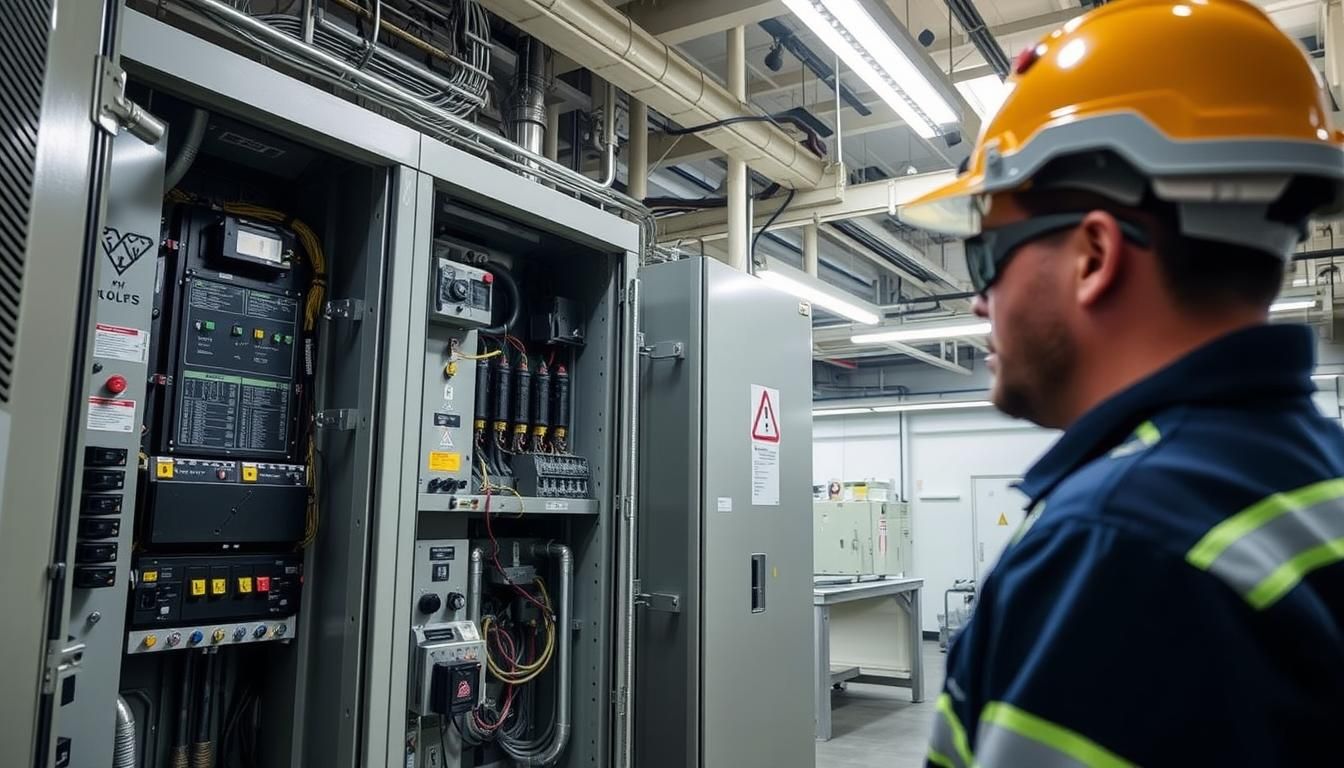
Key Takeaways
Understanding the components of electrical switchgear is crucial for safety.
Identifying common hazards in switchgear operations can prevent accidents.
Personal protective equipment (PPE) is essential when working with electrical systems.
Conducting pre-operational checks can enhance operational safety.
Ongoing training is vital for maintaining safety standards in switchgear operations.
Understanding Electrical Switchgear
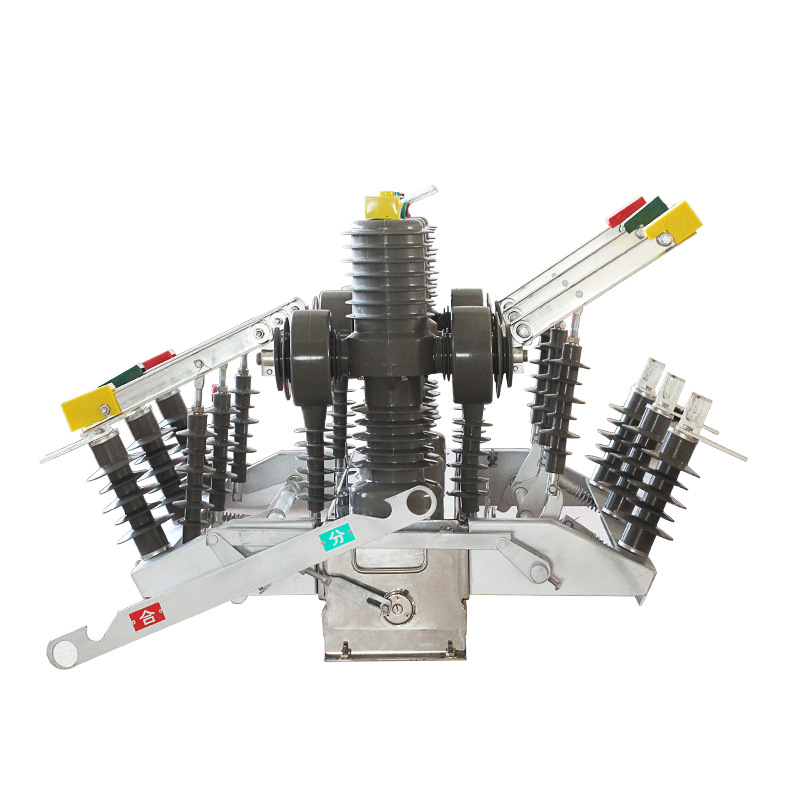
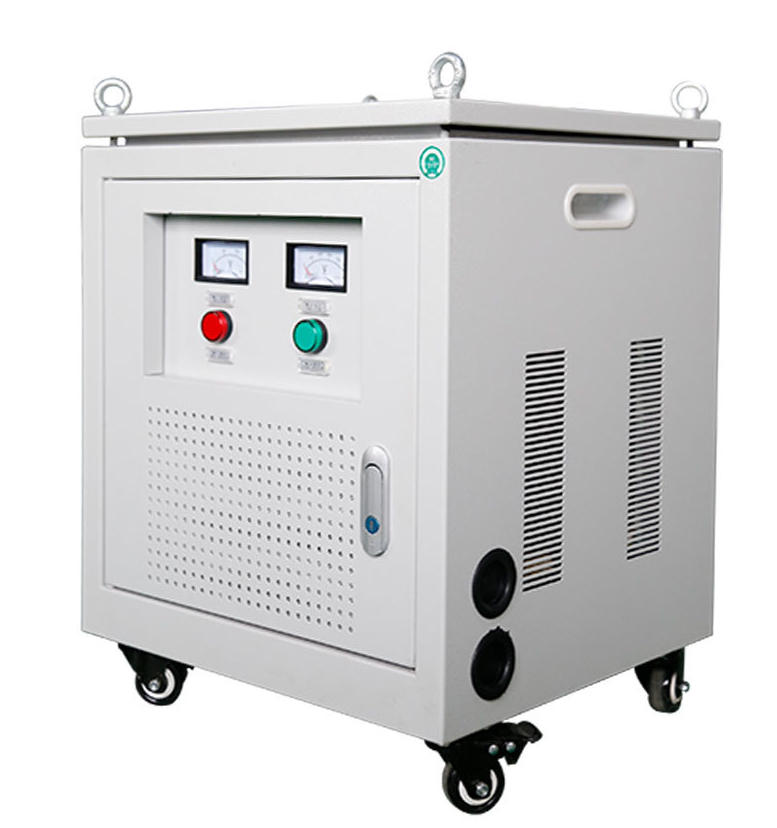
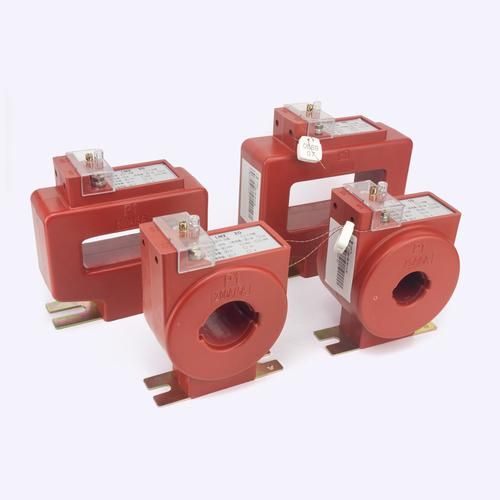
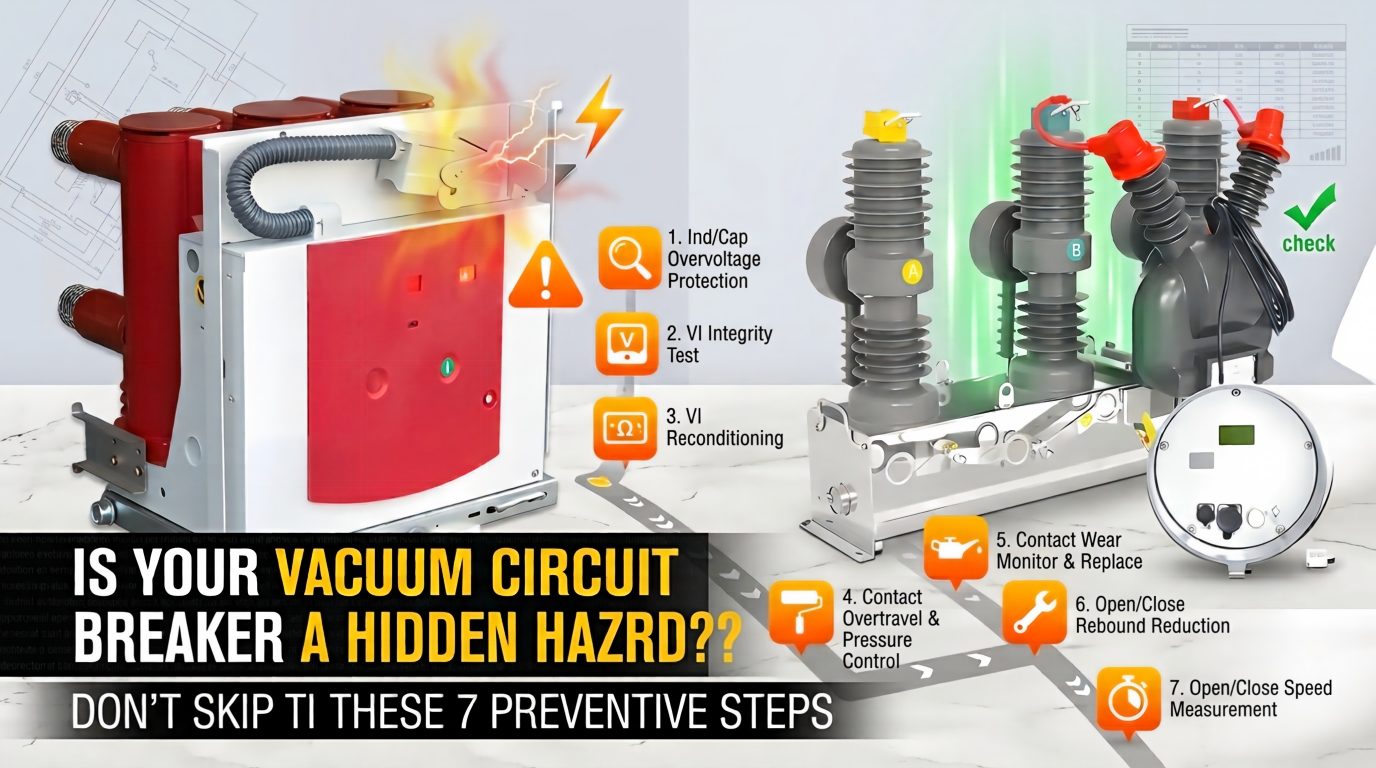
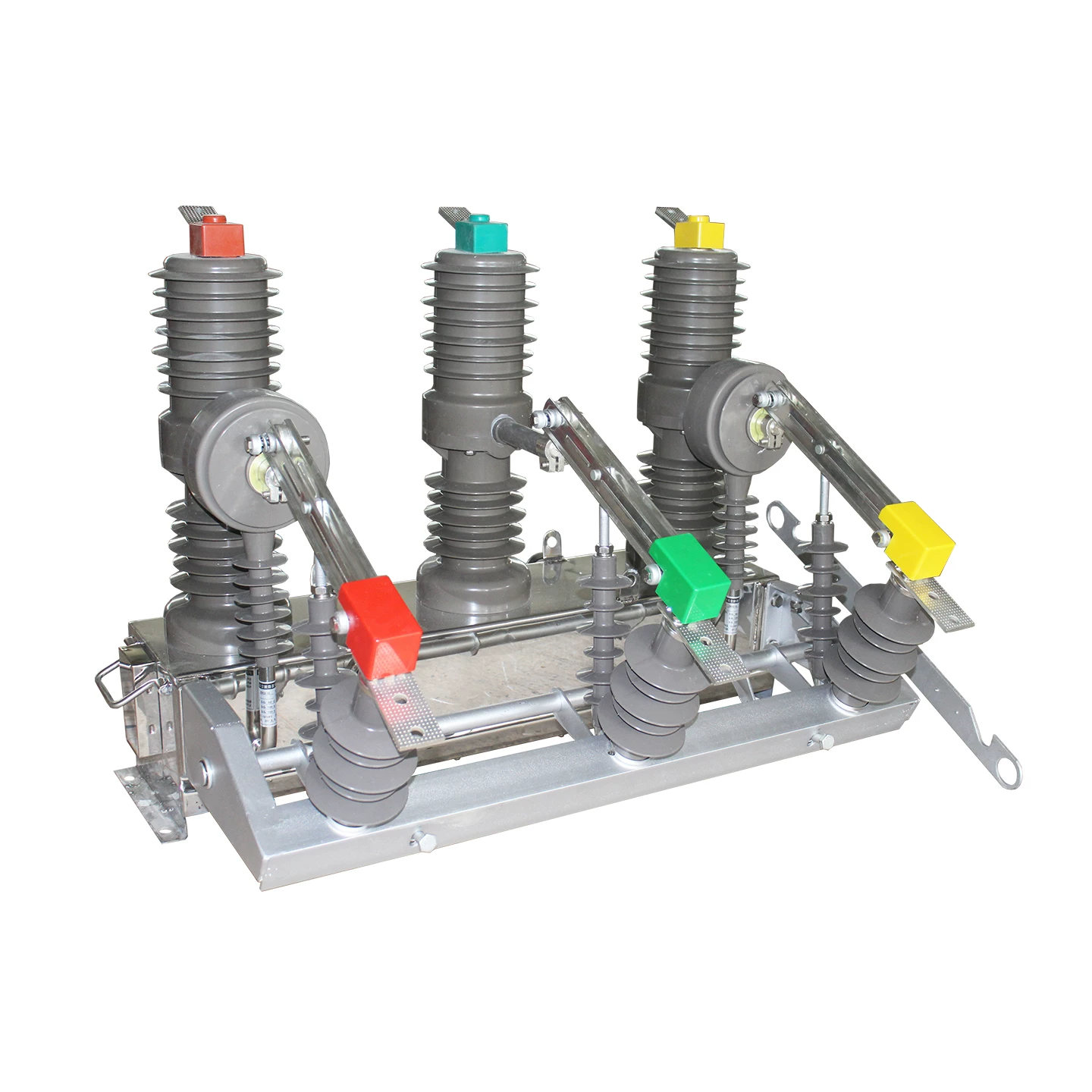
Electrical switchgear is key in managing electrical systems. It controls and protects electrical circuits. It includes devices like disconnect switches, fuses, and circuit breakers.
Each part helps make electrical systems work well. This is true for both high and low voltage systems.
What is Electrical Switchgear?
Electrical switchgear is a group of devices that manage electricity flow. They help distribute power and protect against faults. Knowing about switchgear is important for safety and efficiency in any electrical setup.
Types of Electrical Switchgear
There are many types of electrical switchgear, each for different uses. Here's a table showing the main types:
| Type | Description | Usage |
|---|---|---|
| Air-Insulated Switchgear (AIS) | Uses air as insulation; best for low voltage. | Good for substations and industrial places because it's affordable. |
| Gas-Insulated Switchgear (GIS) | Uses gas for insulation; compact design; for high voltage. | Used in cities where space is tight and conditions are harsh. |
| Hybrid Switchgear | Mixes AIS and GIS features; efficient in small spaces. | Great for updating old systems without needing a lot of space. |
It's important to know the differences between these types. This helps choose the right switchgear for different needs. The choice affects efficiency, maintenance, and reliability.
The Importance of Safety in Operating Electrical Switchgear
It's very important to be safe when working with electrical switchgear. Hazards like electrocution, fires, and broken equipment can harm people and cause big problems. Good safety habits help keep everyone safe and prevent damage to expensive tools.
Common Hazards Involved
Workers need to know about the dangers they face every day. Some big risks include:
Getting shocked from touching live parts
Fires starting from bad equipment or a wrong setup
Parts are getting too hot and breaking
Arc flash, which can cause severe burns
Managing risks means knowing these dangers and taking steps to avoid them.
Impact of Poor Safety Practices
Not following safety rules can lead to big problems. The effects of an accident can be very bad:
| Consequence | Description |
|---|---|
| Injury or Fatality | Not being careful can cause serious harm or even death. |
| Equipment Damage | Ignoring safety can mean expensive fixes or new parts. |
| Legal Repercussions | Not following safety laws can lead to lawsuits and fines. |
| Operational Downtime | Accidents make work stop, which lowers productivity. |
Being proactive about safety is key to protecting people and things. A safety-focused culture helps avoid accidents and makes work better.
Essential Safety Gear for Switchgear Operations
Working with electrical switchgear requires the right safety gear. Personal protective equipment (PPE) helps avoid electrical dangers. It also keeps you safe during work. Having emergency equipment ready is key in crisis times.
Personal Protective Equipment (PPE)
PPE is your first defense against dangers in electrical areas. Key items are:
Insulated gloves to keep your hands safe from shock.
Safety helmets protect your head from falling objects.
Face shields to keep your face safe from sparks and debris.
Flame-resistant clothing to keep your body safe from burns.
Wearing the right protective clothes keeps you safe. It also makes you feel more confident when working with risky equipment.
Emergency Response Equipment
Having the right emergency equipment is also crucial. It helps you react fast in accidents. Important items are:
Fire extinguishers are used to stop small fires before they get big.
First aid kits for quick injury care.
Emergency shut-off tools to safely turn off power in danger.
Buying good safety gear and emergency equipment is vital. It makes sure you have a safe place to work with electrical switchgear.
| Type of Equipment | Description | Purpose |
|---|---|---|
| PPE | Insulated gloves, safety helmets, face shields, flame-resistant clothing | Protects against electrical hazards and physical injuries |
| Emergency Equipment | Fire extinguishers, first aid kits, and emergency shut-off tools | Facilitates quick response to emergencies and accidents |
Pre-Operational Safety Checks
Before you start using electrical switchgear, you must do some checks first. These checks help make sure everything works right and keeps your team safe. By following set steps, you can spot any problems, like broken parts.
Writing down these checks helps keep everyone on the same page. It also makes sure you follow all safety rules.
Inspection Procedures
When doing pre-operational checks, follow certain steps to keep things safe and working. First, look at the switchgear for any damage, like cracks or rust. Make sure all connections are tight and clean.
Check that safety devices and alarms work. A checklist can help you do this better. Here's an example of what you might include:
| Inspection Item | Status | Notes |
|---|---|---|
| Visual inspection for wear and damage | Pass/Fail | Details about any issues |
| Connections and terminals secure | Pass/Fail | Details about any loose connections |
| Functionality of safety devices | Pass/Fail | Details about any malfunctions |
| Alarms operational | Pass/Fail | Details about alarm tests |
Documentation and Log Keeping
Keeping accurate records is just as important as doing the checks. Logs of pre-operational checks show when and how things were checked. They should list the date, who did it, what was found, and any fixes.
These records are important for legal reasons and to follow safety rules. Keeping them up to date is key.
How to Properly Operate Electrical Switchgear
Knowing how to use electrical switchgear safely and well is very important. This part talks about the key steps and tips for using control panels right. By following these tips, you can make sure everything works right and stay safe while working.
Step-by-Step Operating Procedure
To safely use electrical switchgear, follow these steps:
Read all the rules for using the switchgear.
Look at the control panels to make sure all lights are on.
Check for any warning signs or alerts before starting.
Make sure the area is clear of things that could get in the way or hurt people.
Follow the steps to turn the equipment on:
Turn the switchgear controls on slowly, knowing what the lights mean.
Watch the voltage on the control panel.
To turn it off, do the same steps in reverse, making sure it's safe.
Understanding Control Panels
Control panels are very important for using electrical switchgear. Knowing how they work makes you better at managing the system. The main parts are:
| Component | Function |
|---|---|
| Indicators | Show the status of the switchgear in real time. |
| Switches | Let you control the electricity, turning it on or off. |
| Alarm System | Tells you if something is wrong or dangerous. |
| Controls | How you interact with the switchgear. |
Knowing about these parts of control panels helps you do your job better. It keeps you safe and efficient. Always follow the rules to keep everything working right.
The Role of Training in Safe Operations
Training is key to keeping people safe when working with electrical switchgear. It teaches important skills and knowledge. This lowers the chance of accidents and makes work better.
It's important to know about different training options. Also, meeting certification needs is crucial for anyone in this field.
Types of Training Programs
There are many training programs for working with electrical switchgear safely. These include:
Hands-on training courses that give real-world practice.
Online webinars for flexible learning.
Simulation-based learning for safe practice.
Certification and Continuous Learning
Getting certified is important to show you know how to work with electrical switchgear safely. Certifications show you follow safety rules and know the latest in safety. Keeping learning helps you know the newest tech and best ways to work safely.
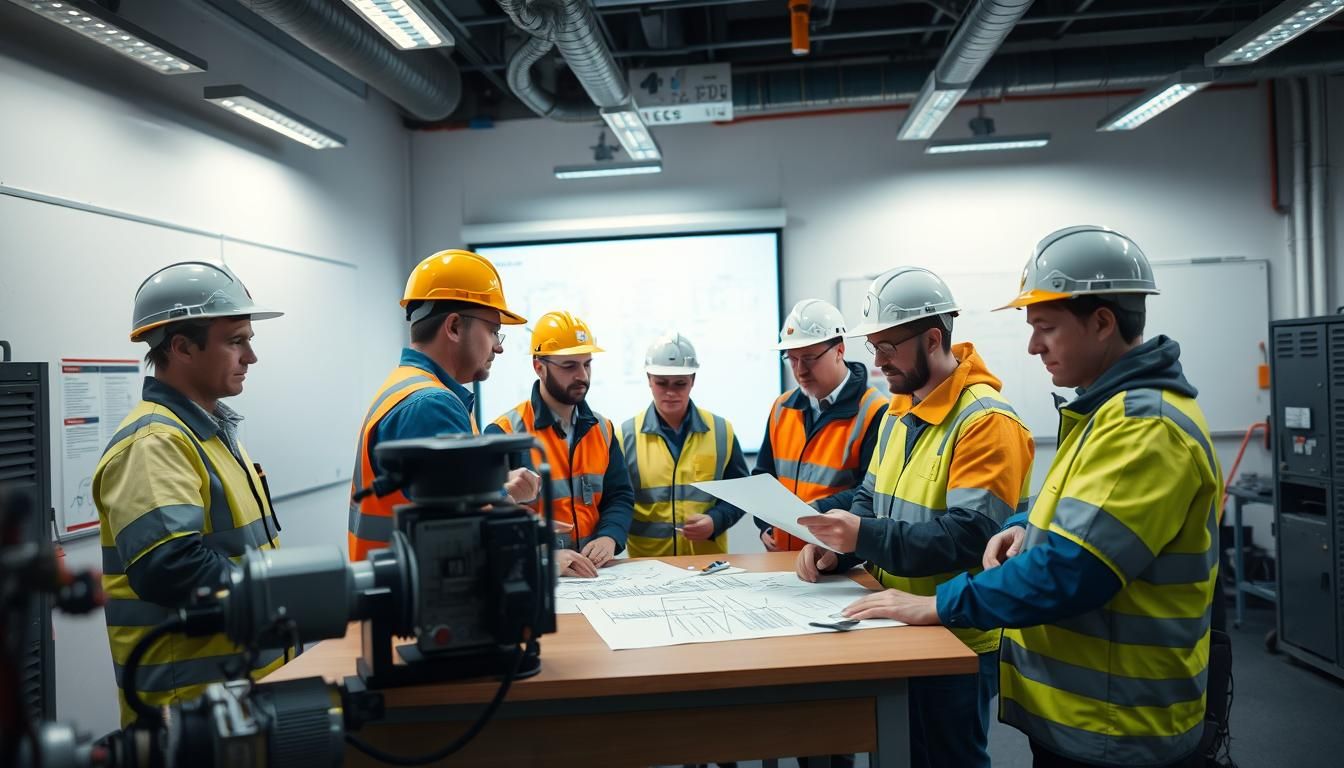
Maintenance Practices for Electrical Switchgear
Keeping electrical systems safe and reliable is key. This means doing routine tasks to avoid failures. Knowing these steps helps keep things running smoothly and safely.
Routine Maintenance Tasks
Regular upkeep is crucial for switchgear. Important steps include:
Regular checks for wear or damage
Cleaning parts to stop dust buildup
Testing insulation and circuits often
Checking and tightening electrical connections
Swapping out old or broken parts
Emergency Maintenance Protocols
When failures happen, quick action is needed. Good emergency plans should cover:
Quickly finding and checking the problem
Stopping affected systems to avoid more damage
Using teams ready to act fast
Having a detailed plan for fixing things
It's important to focus on both regular care and emergency plans. This keeps your switchgear working well for a long time. Regular checks and quick action in emergencies make your workplace safer.
Dealing with Emergencies around Electrical Switchgear
When working with electrical switchgear, it's key to spot trouble signs. You might see safety signals like odd noises, smoke, or weird control panel readings. Spotting these signs fast helps fix problems quickly.
Recognizing Signs of Trouble
Knowing warning signs is vital for a safe work area. Look out for:
Unusual noises like buzzing or crackling
Smoke or charred parts
Changes in voltage or current
Control systems or equipment are not working
These signs mean you need to act fast to stay safe.
Immediate Actions to Take
If there's an emergency, stay calm. Follow these steps:
1. Stop all work right away to avoid more problems.
2. Tell your team and use your communication plan.
3. Check for dangers and see if you need to leave.
4. Use emergency plans, like turning off power.
5.Call emergency services if it's too big for you.
Knowing safety signals and acting fast helps avoid risks with electrical switchgear emergencies.
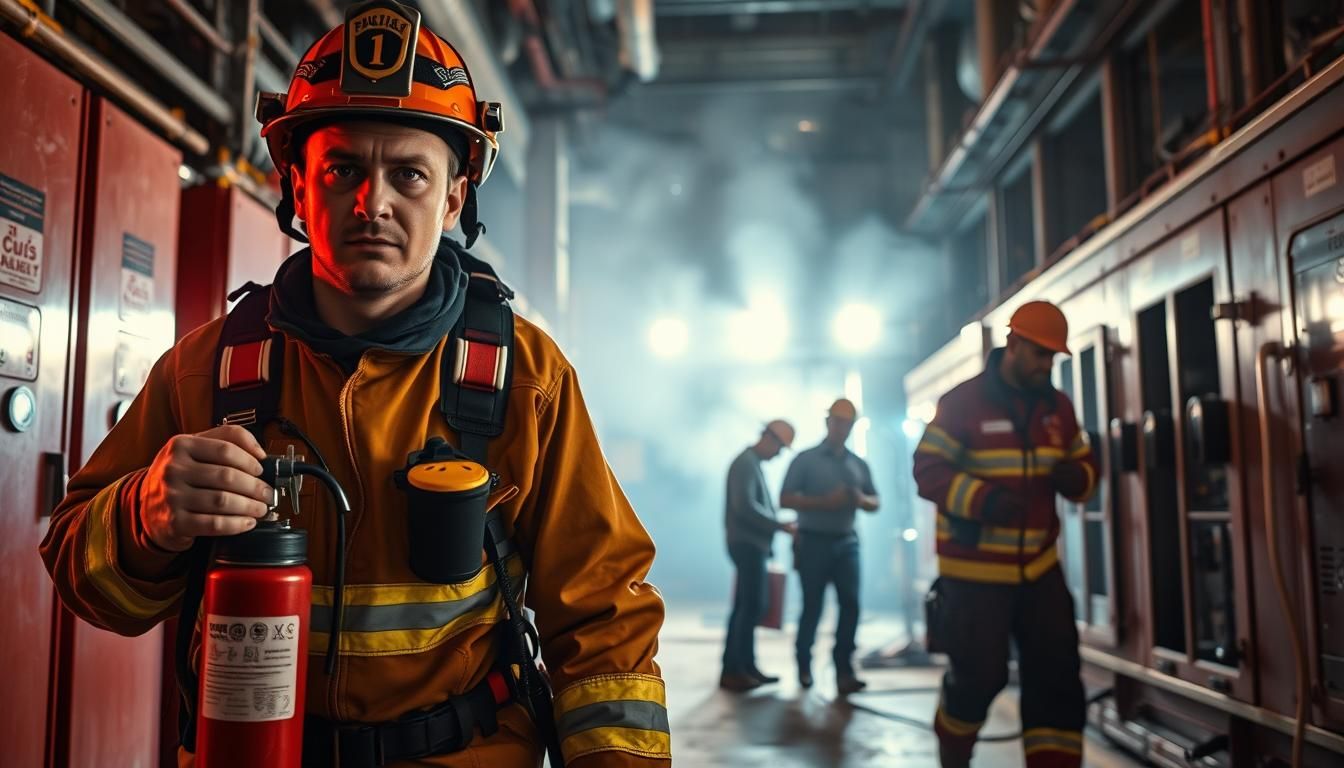
Regulations and Standards for Operating Switchgear
Working with electrical switchgear needs following many rules and safety standards. These rules help keep things running smoothly and keep people safe. Knowing these rules is key for following the law and managing electrical systems well.
National Safety Codes
National safety codes are very important. They set the basic rules for working with switchgear. The National Electrical Code (NEC) and National Fire Protection Association (NFPA) standards are key. Knowing these helps lower the risks of electrical work.
Compliance Requirements
Following electrical rules and safety standards is a must for any group using switchgear. Groups must check and update their ways often to match national codes. This keeps everyone safe and avoids legal trouble.
Staying compliant means doing regular checks, training staff, and knowing about rule changes. This keeps the workplace safe for everyone.
Conclusion
Electrical switchgear safety is very important. We talked about different types and common dangers. It's key to follow best practices to stay safe and work well.
Learning and training are important for workers. They help keep everyone safe. By following safety rules and doing regular checks, you help keep things running smoothly.
Being serious about safety makes work safer and more reliable. Follow these tips to make your workplace better. This helps everyone stay safe and work well together.
FAQ
What is the importance of understanding electrical switchgear?
Knowing about electrical switchgear is key. It keeps equipment safe and working right. It helps you choose the right gear and fix problems.
What kind of personal protective equipment (PPE) is necessary when working with switchgear?
You need insulated gloves, safety helmets, face shields, and flame-resistant clothes. This gear keeps you safe from electrical dangers.
What are some common hazards associated with operating electrical switchgear?
Hazards include getting shocked, fires, broken equipment, and arc flashes. Knowing these risks helps you stay safe.
Why are pre-operational safety checks important?
Safety checks find problems before you start. They keep everyone and the gear safe. They also follow the rules.
How should emergency situations involving electrical switchgear be handled?
If something goes wrong, look for trouble signs like noises or smoke. Stay calm and follow your plan. Talk to your team to work together.
What type of training is recommended for personnel operating switchgear?
You need hands-on, online, and simulation training. Keep learning and getting certified. This keeps you safe and up-to-date.
What maintenance practices should be followed for electrical switchgear?
Clean, test, and replace old parts regularly. Have a plan for quick fixes. This keeps your gear working longer.
What regulations govern the operation of electrical switchgear?
Follow NFPA codes and OSHA rules. These keep you safe and legal. They are very important.