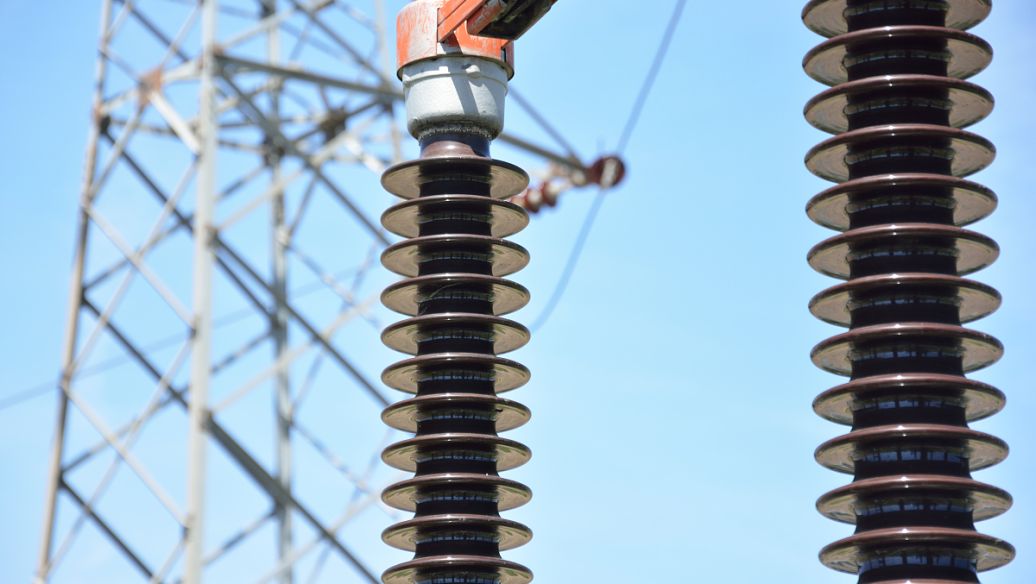
Suspension insulators are essential components in our overhead contact system. Their condition affects the line's safe operation, leaving no room for error.
The replacement must follow our engineering logic: "Safe Unloading → Precise Replacement → Reliable Resetting." At each step, we must handle operational details with caution and prevent risks.
In this guide, I'll share my experience as an electrical engineer. I'll take you through the entire process of replacing suspension insulators. I hope this "field guide" provides practical help you can use in your daily work.
I. Replacement Procedures and Detailed Guidelines for Different Scenarios
In real fieldwork, workers place insulators in many different spots along the line. As a result, each specific scenario has its unique operational characteristics.
(A) Suspension Insulator Replacement at Horizontal Tie Rods
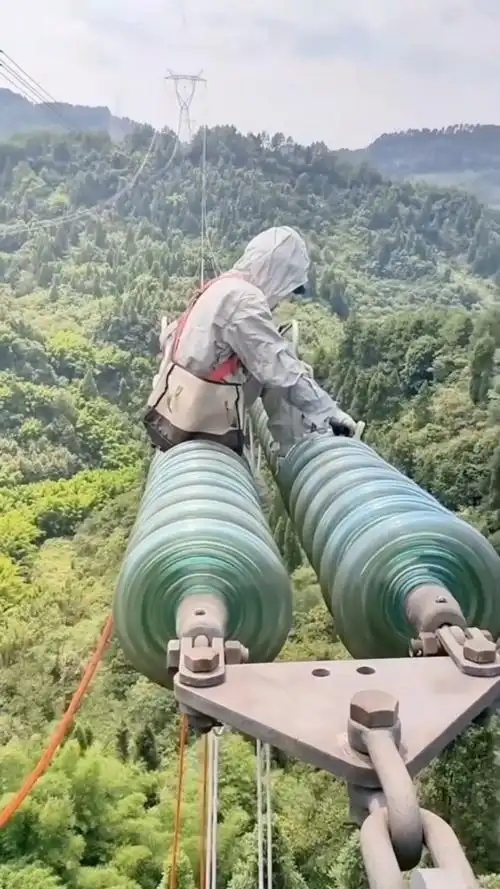
The insulator on the horizontal tie rod connects the rod directly to the cantilever arm. When we replace it, our main goal as engineers is to control the tie rod's stress. This way, we can stop the cantilever arm from bending.
Unloading Preparation: Maintain precise control over stress release.
Overhead operator A usually uses a steel wire sling. It has a diameter of 12-16 mm and can carry at least 2 tons. We'll loop this sling 10-15 cm below the iron part at the top of the concrete pole. Make sure it avoids the edge of the pole to prevent slippage.
We also use a Φ10mm anti-twist steel wire rope as a single pull rope. One end is fixed to the steel wire sling, and the other end is held by ground staff for better control.
Ground operator B will attach a 0.75-ton chain hoist. They will use a special hook to connect it to the pole's steel wire sling and the cantilever arm's eye bolt. Important: don't hook directly into the eye bolt's gap, as this can bend the eye bolt and reduce the equipment's lifespan.
Operator A must slowly crank the hoist, absolutely no more than half a turn at a time. We'll carefully watch the tie rod joint; when a tiny gap of 1-2 mm appears, it confirms the tie rod is fully unloaded. This process must be very slow.
The tie rod's pre-tension is about 5-8 kN. If unloading happens too fast, it can cause elastic deformation of the cantilever arm. This, in turn, affects the geometric parameters of the overhead contact system—something we engineers absolutely cannot allow.
Remove Old Insulator and Install New One: Avoid Collisions and Ensure Exact Alignment.
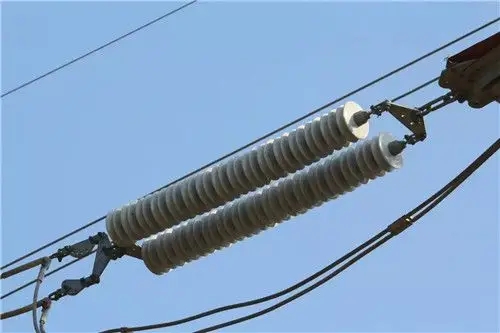
First, we'll use the single pull rope to wrap the insulator's steel cap twice. Then, we'll secure the rope end with three clamps, placed 10-15 mm apart. This keeps the tie point above the insulator's center of gravity, so it won't tilt when lowering.
When removing the spring pin, check for rust. If it's rusted, spray rust remover on it, then gently tap it out. Don't pry it forcefully, as this can damage the steel cap. To loosen the connecting bolts, use a wrench to hold the nut, then turn it in the opposite direction; this helps prevent thread damage.
Ground support personnel must stand 1.5 meters away from the side of the pole. They'll slowly release the single pull rope at a speed of less than 0.5 m/s, always staying clear of the lowering path. Porcelain insulators are brittle, so even small impacts can create hidden cracks, which can lead to safety risks later on.
Before lifting the new insulator, check for cracks or missing glazing on its surface. We apply petroleum jelly to the connection holes; this reduces friction during installation and ensures a smooth fit.
During installation, we engineers must ensure the connection holes are perfectly aligned. If there's a slight misalignment, gently tap the steel cap with a rubber mallet to adjust. Don't tap the glazed surface, as it can get damaged.
After manually threading the bolt 3-5 turns, we must use a torque wrench to tighten it to a standard torque of 30-40 N·m. Too little torque can cause loosening, while too much torque can bend the bolt, which weakens the connection. Insert the spring pin completely; it should stick out at least 5 mm from the tail end. Then, apply waterproof grease to prevent corrosion.
Resetting and Tool Removal: Ensure Load Resumption
To reset, overhead operator A will reverse the hoist. They will pause for 3 seconds after each half-turn. We keep an eye on the tie rod joint gap to ensure it closes completely. We also check that the hoist chain is fully relaxed. Only then can we confirm that the tie rod has fully resumed its load.
Remove tools in this order: hoist, then single pull rope, and finally the steel wire sling. All tools must be passed safely from overhead personnel to the ground; throwing tools is not allowed. This is a key safety practice.
(B) Suspension Insulator Replacement at Catenary Crossovers (Soft Spans)
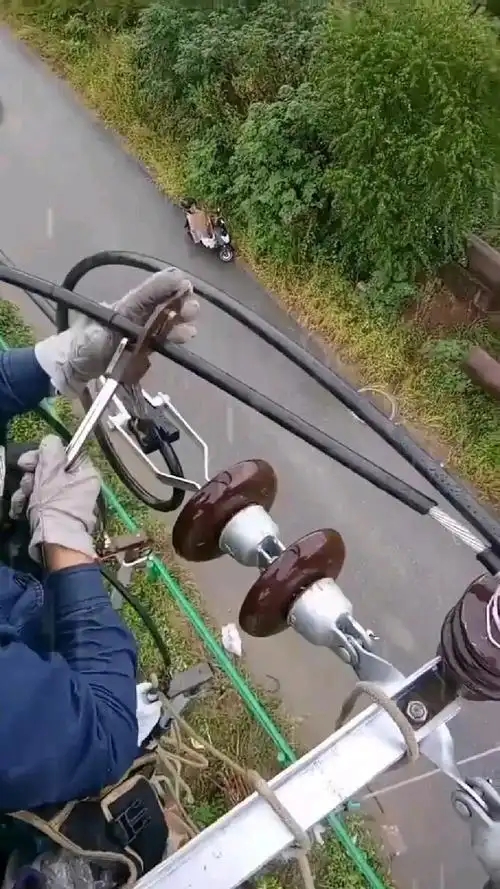
Soft span insulators bear lateral loads. During their replacement, we must balance the wire tension with lateral positioning stability. This work typically involves two scenarios: pole-side and separation insulators.
Pole-Side Suspension Insulator Replacement
Securing and Unloading: Prevent Wire Deformation
Operator A installs a steel wire sling 30-50 cm below the fixed rope connection on the pole. Operator B chooses a wedge-type wire clamp based on the wire specification, like a Φ16 mm steel strand. It's crucial here: never use a flat-line wire clamp, as that will deform the wire.
The clamp should be 1.5-2 m from the insulator. This keeps the front end at least 5 cm away from the wire's end, helping prevent slippage. After we connect the 0.75-ton hoist, we slowly tension the wire. This straightens the insulator a bit, showing it's fully unloaded. We also measure the exposed thread length of the adjusting bolt, which is crucial for accurate resetting.
Replacement and Resetting: Ensure Lateral Positioning.
After installing the new insulator, the connection holes must align, with a deviation of no more than 2 mm. The adjusting bolt must be reset to its original thread length, with an error margin of ±1 cm.
The soft span helps position the overhead contact system sideways. Too much deviation can cause the contact wire's stagger to go beyond limits. This directly affects how well the pantograph collects current, and we in power system operations must pay attention to this detail.
Soft Span Separation Insulator Replacement
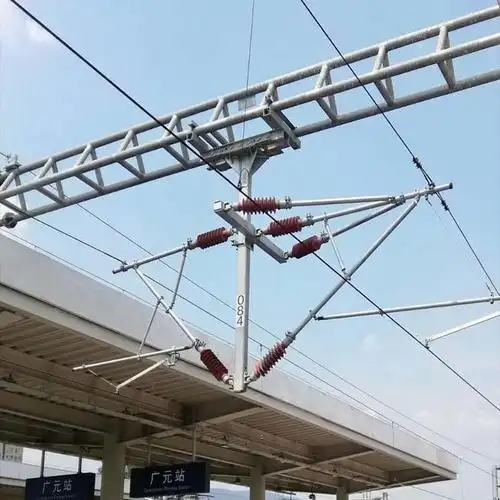
Safety Protection: Prevent Induced Voltage and Potential Differences
Before we start work on soft span separation insulators, we need to install a short bonding wire. This wire is usually a copper strand with a cross-section of at least 25 mm². One end connects to the wire, and the other end links to the pole’s grounding system using a grounding shoe. This setup keeps the ground resistance at 10 Ω or less.
This keeps the wire segments on each side of the insulator at the same potential. It helps prevent the risk of electric shock from induced voltage. Install wire clamps 1 meter from both ends of the insulator; make sure they are at the same horizontal level. This step prevents wire skewing.
Unloading and Replacement: Control Force Direction
After we connect the hoist to the wire clamps, we slowly tension the wire. This slackens the insulator. Then, we can loosen the adjusting bolt and separate the connection points. When installing the new insulator, its axis must align with the wire, with a deviation of no more than 5°.
If the axis deviation is too large, the insulator will face uneven stress. This stress can cause localized wear and shorten its service life.
Resetting and Final Steps: Ensure Tension Balance
When releasing the hoist, we do so slowly until the insulator naturally tightens. The adjusting bolt is reset to its original position. We check our earlier records to make sure the tension is balanced.
Here's a key safety rule: always remove the short bonding wire last. This prevents an electric shock after finishing all other tasks. After we remove it, we'll wear insulating gloves, then wipe the wire connection points to get rid of oxidation layers and ensure good electrical contact.
(C) Suspended Insulator Replacement
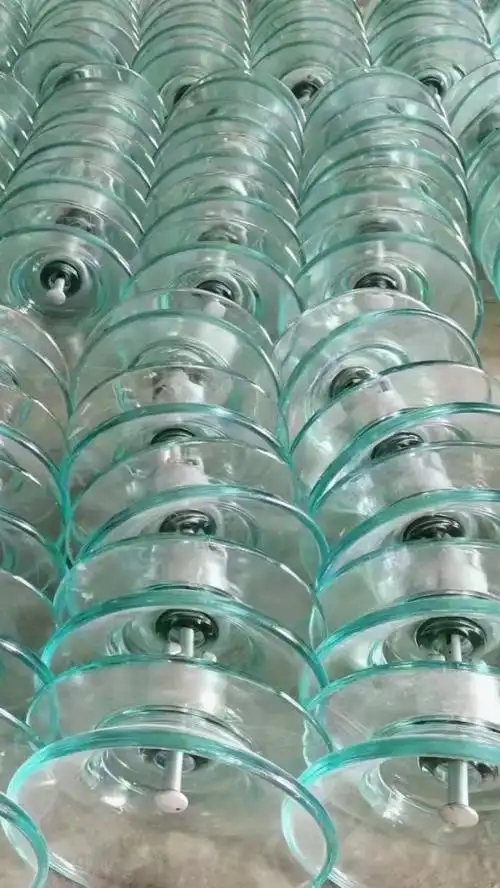
Suspended insulators directly bear the vertical load of the wire. When replacing these, our goal is to stop the wire from sagging too much. If it sags, it can cause overhead clearance issues and hurt safety.
Wire Securing and Unloading: Precisely Control Tension
An overhead crew will install a steel wire sling at the center of the messenger wire bracket. They will also check that the bracket's connecting bolts are tight. The single pull rope has a figure-eight knot tied 50 cm above the dropper clamp. This knot stops kinks in the wire and keeps it in place under load.
Ground personnel will slowly pull the rope, gradually increasing tension. We check the insulator's tilt angle; if it's ≤10° and the dropper clamp bolts have no tension, we confirm unloading. Precise tension control is key: too much tension lifts the wire too high, but too little won't unload it fully.
Replacement and Resetting: Ensure Vertical Load-Bearing
Remove the old insulator. Then, connect the new one vertically to the messenger wire bracket and dropper clamp. Make sure the angle doesn’t deviate more than 3°. If excessive lateral shear force occurs, it can significantly shorten its lifespan.
When ground personnel let go of the single pull rope, they see the insulator go back to its upright position. The dropper clamp fits tightly against the wire, with no gaps. Only then can we confirm normal loading and ensure line safety.
(D) Anchor Insulator Replacement
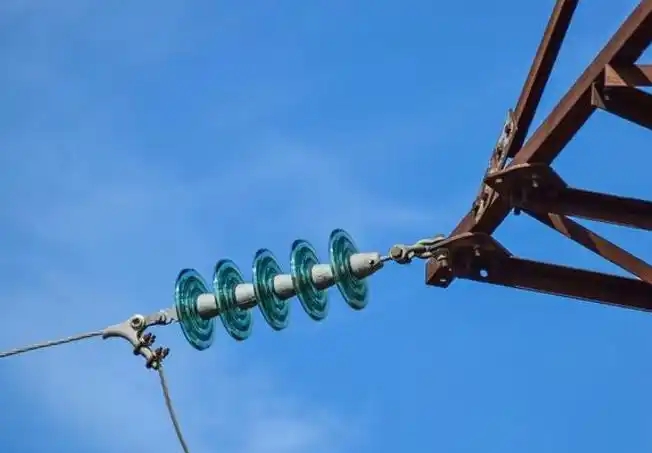
Anchor insulators handle the most tension on the line. The tension for messenger wire anchors can hit 15-20 kN. When replacing these, we mainly worry about wire bounce and the risk of tool failure.
High-Strength Unloading Preparation: Tool Matching and Securing
For these high-tension jobs, we choose a 3-ton chain hoist. It matches the load capacity. We also use a special anchor wire clamp that has anti-slip teeth. Wire clamps are placed 2 to 3 meters from the insulator, evenly on both sides.
They connect to the hoist with double-ring connecting buckles; direct hooking is not allowed because it lowers safety. The hoist will have 3 to 5 turns of chain reserved for easy changes.
Before we start work, we need to check the hoist. It should be within its inspection period and free of cracks. We also conduct a static load test, applying 30% of the rated capacity for 5 minutes to rule out any fatigue damage.
Replacement and Resetting: Control Tension Transfer
When the hoist is tight enough for easy bolt rotation, it shows full unloading. After installing the new insulator, we slowly release the hoist. We pause for 10 seconds after each 1/4 turn; this lets us watch the insulator tighten naturally without bending.
Never remove the wire clamps prematurely! This is an ironclad rule. If we take them off too early, it can cause a sudden shift in tension, which might break the insulator—something we engineers want to avoid.
II. Universal Safety Precautions and Principles for All Scenarios
Always remember key safety principles during pre-operation, in-operation, and post-operation phases.
(A) Pre-Operation: Hidden Risk Assessment
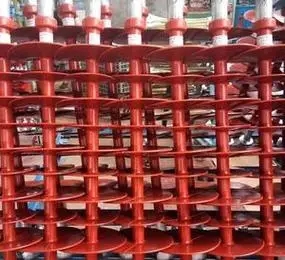
Equipment and Tool Pre-Inspection
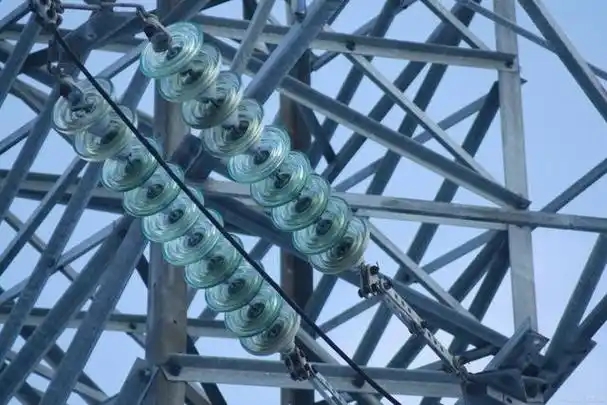
Insulator Inspection: For old insulators, we perform a tapping test. A clear, crisp sound usually means everything is normal, while a dull sound could mean there are internal cracks. If you hear it, seek help right away. Before hoisting new insulators, we check their qualification certificates; this ensures their withstand voltage and strength meet the requirements.
We use a megohmmeter to check insulation resistance, which should be at least 300 MΩ. If the value is lower, it could mean moisture or damage, making them unusable.
Tool Inspection: Key tools, such as steel wire slings and hoists, need to pass a static load test before every use. We apply 30% of their rated capacity for 5 minutes, ensuring no deformation. All insulating tools, like rods and gloves, must be inspected regularly, specifically every 6 months. This is essential for keeping personnel safe.
Line Safety Confirmation
During power-off operations, we must perform a strict "double verification of de-energization" procedure. First, use a mercury-type voltage detector to touch the wire, then check with an acoustic-optical voltage detector. This confirms the line is fully de-energized before you connect the grounding wire.
Insert the grounding rod into the ground at least 60 cm deep. Connect the grounding wire by following this rule: "Connect the ground end first, then the line end." This helps avoid mistakes from a single test or bad grounding. If re-energization happens by accident, the grounding wire can safely handle the current.
(B) During Operation: Dynamic Risk Control
Personnel and Operational Protection
Overhead Safety: Everyone above must follow this rule: "high hanging, low use" for double-hook harnesses. They should also attach a safer rope, secured to a different anchor point. When climbing, secure yourself every meter; this keeps any fall height to 1 meter or less, which helps control impact forces.
Wire Unloading: When unloading the wire, we emphasize "small, slow movements." For steel strand wires, we must tie an anti-bounce rope to the pole. This helps stop the wire from bouncing back suddenly when unloading; if it bounces, it could hit someone and cause injury.
Environmental and Emergency Response
Our power operations have strict weather requirements. If we face bad weather, like winds over level 6 or heavy rain, we must stop all operations right away.
Overhead personnel need to secure their tools and evacuate on time. Ground personnel must release the hoist; this lets the wire return to its natural stress state, preventing plastic deformation caused by prolonged tension. Move removed insulators to a rain shelter right away; this stops moisture from harming their insulation performance.
(C) Post-Operation: Eliminating Residual Risks
Tool and Equipment Re-inspection
After the operation, we must carefully check all tools. We need to make sure nothing is left on the pole or the cantilever arm; if we forget, it could lead to a pantograph-catenary accident. Any damaged tools must be immediately marked as unusable.
We use a laser angle meter to check two things:
The insulator's axial deviation is ≤ 5%.
There is no skirt compression.
We add insulating shims if needed. This helps to ensure the insulator works well.
Pre-Energization Preparation
First, turn off the power. Then, remove the grounding wire, starting by taking off the line end, and then removing the ground end. Next, we test the insulation resistance of the whole line using a megohmmeter. It must be at least 1000 MΩ; this is the least safety standard before we can energize it.
When testing energizing, we first apply 10% of the voltage and observe for 10 minutes. If no abnormalities are detected, we then apply full voltage. This step helps stop hidden short circuits, which can cause serious problems, for example, preventing equipment explosions when full voltage is used.
Conclusion: An Engineer's Experience and Commitment
At its core, suspension insulator replacement is about "safety and precision." As an electrical engineer, I see this as more than a motto; it's my respect for life and my commitment to my work in every task.
Every step shows a deep understanding of wire tension balance and equipment stress. We choose tools with great attention and control, unloading forces with exact measurements. We also ensure millimeter-perfect installation alignment. Plus, we expect risks and find ways to reduce them, ranking personnel protection throughout the process.
The details in this guide are important. They include bolt torque, insulation test counts, and tying methods. They summarize many hours of practical experience, some coming from tough lessons learned in past accidents. Ignoring any single aspect could lead to irreparable safety risks.
We need to follow the procedures closely. This helps ensure the new insulators work well over time. Understanding every detail is also important. This will help protect the safety and efficiency of the overhead contact system. This is our responsibility and belief as electrical engineers.
FAQ
As an engineer, I collected answers to common questions about replacing suspension insulators:
Q1: After replacing an insulator, how do you ensure its long-term operational reliability?
The key is strict adherence to operational standards. Besides unloading, installing, and resetting, regular inspections and maintenance matter too. We pay close attention to the insulator's surface cleanliness. This is important for its anti-pollution flashover performance, and both factors greatly affect its long-term reliability.
Q2: If operations encounter a sudden thunderstorm, what should the team do?
A2: Stop all overhead work right away if severe weather, like thunderstorms, occurs, no matter what stage you are in. Personnel should move to a safe area. Also, secure and protect all unloaded equipment and tools to avoid accidents.
Q3: Why do different insulator replacement scenarios need different operational procedures?
A3: Insulators in different spots experience different forces and face various conditions. For example, horizontal tie rod replacements control horizontal forces. In contrast, suspended installations focus on vertical loads and overhead clearance. This means they need specific operational details and tool choices.
Q4: Why is insulation resistance tested before installing new insulators?
Testing insulation resistance checks if the new insulator has absorbed moisture. It also checks for any damage from transport or storage. A megohmmeter finds these hidden problems. It ensures the insulator we install is safe and qualified.
Q5: After the operation, why is a "double-check" performed on tools and insulator status?
A5: This is done to eliminate all potential residual risks. "Tool inventory" prevents small items from being left behind, which could cause accidents. "Laser angle meter confirmation" ensures the insulator is installed correctly and evenly stressed. This directly affects the line's stability over time.
Connect with Me: Your Electrical Engineering Partner
I hope this guide provides practical assistance for your suspension insulator replacement operations. I have twelve years of experience in the power industry. I know how every detail affects safety and efficiency.
At WEISHOELEC Co., Ltd., we are not just a Chinese export manufacturer. We are a trusted power partner for clients around the globe. We carefully research and create top-notch power equipment. We meet power needs in Europe, the Americas, the Middle East, and Belt and Road Initiative countries, among others. My mission is to make power transmission safer and more efficient for everyone.
For help with technical issues in your power project, contact us. We also supply high-voltage insulators and overhead contact system equipment. I'm here to help.
Let's explore together and light up the future!
About the Author:
Thor | WEISHOELEC Co., Ltd.
I have twelve years of experience in the power industry. I am an electrical engineer focused on power system automation and protection.
At WEISHOELEC Co., Ltd., we are not just a Chinese export manufacturer. We are a trusted power partner for clients around the world.
We carefully research, develop, and make top-quality power equipment. We support power infrastructure in Europe, the Americas, the Middle East, and countries in the Belt and Road Initiative, among others. My mission is to make power transmission safer and more efficient.
Contact Information:
Phone: +86-0577-62788197
WhatsApp: +86 159 5777 0984
Email: [email protected]