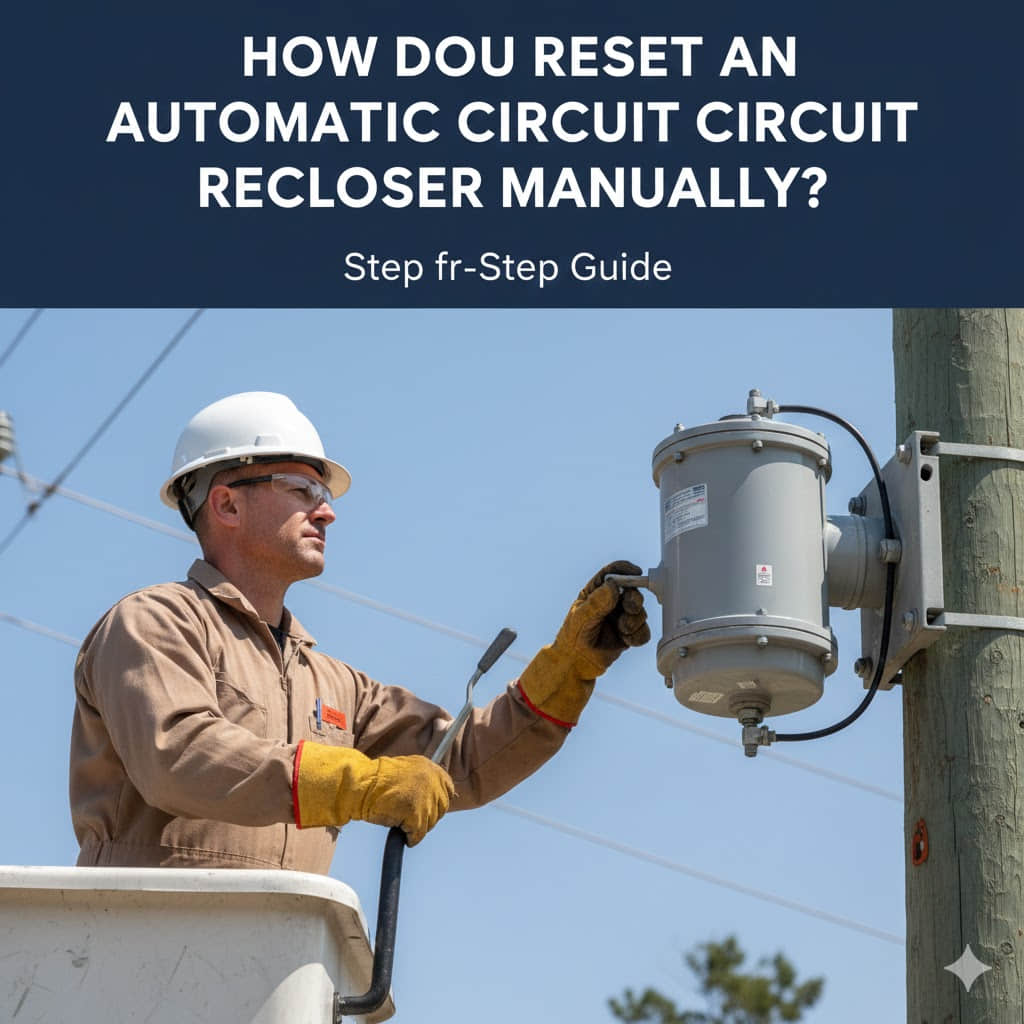
When Is Manual Reset Necessary for an Automatic Circuit Recloser?
You only manually reset an Automatic Circuit Recloser (ACR) when you’re sure the device is doing its job and not just “being a nuisance.” A locked‑out ACR is telling you it has seen enough fault current that it’s no longer safe to reclose automatically.
Lockout After Maximum Trip Count on the ACR
Most modern ACRs, including WEISHO WSR series units, are set with a maximum trip count (for example, 2, 3, or 4 shots to lockout). Once the ACR hits that programmed limit, it goes into lockout and stays open. At that point:
Automatic reclosing stops completely.
You must perform a manual reset (or a manual close via control) after investigating the cause.
Treat a lockout as a red flag for a permanent fault, not a routine event.
If you find yourself manually resetting the same recloser
Safety Precautions Before You Manually Reset an Automatic Circuit Recloser
When you’re talking about a manual reset of an Automatic Circuit Recloser (ACR), the job is never “just flip it back on.” In the U.S., you’re working under OSHA and NFPA 70E expectations, plus your utility’s own switching and clearance rules. Treat every manual recloser reset like high‑risk work.
Arc‑Flash Risk Assessment and NFPA 70E Basics
Before you even grab a hot stick, you should know:
Perform an arc‑flash risk assessment based on available fault current, system voltage, and clearing time. Use your system study or arc‑flash label if it’s available.
Follow NFPA 70E for:
Shock and arc‑flash boundaries
Approach limits (limited, restricted, prohibited)
When an energized work permit is required
If the line or the recloser may still be energized, assume the arc‑flash hazard is real even if the device is “open.”
Required PPE for Manual ACR Reset
For most distribution‑level ACRs (15–38 kV), you’re typically in at least Category 2–4 PPE depending on the study. At a minimum, for a manual reset you should have:
Arc‑rated FR clothing (shirt and pants or coveralls) rated above the calculated incident energy
Class 2 or higher rubber gloves with leather protectors (or as required by voltage level)
Arc‑rated face shield or hood with chin protection and balaclava
Hard hat, safety glasses, and hearing protection
EH‑rated boots with good traction for pole‑mounted work
If your utility’s arc‑flash label says you need higher category PPE, you follow that label, no exceptions.
Safe Approach Distances Around the Recloser
When resetting an Automatic Circuit Recloser manually:
Respect minimum approach distances for your voltage class (per OSHA/IEEE).
Stay outside the arc‑flash boundary unless the work truly can’t be done remotely and you’re wearing full PPE.
Position yourself off to the side, never directly in front of the bushings or operating mechanism, where an arc or blast would vent.
Use a hot stick rated for the system voltage to keep your body as far away as possible.
De‑Energizing, Grounding, and Proving Zero Voltage
If the job allows, always de‑energize first:
1. Open upstream devices and isolate the recloser.
2. Use a voltage detector on all phases, on the line and load side, to prove de‑energized.
3. Apply visible grounds to all phases where the procedure and hardware allow.
4. Treat all equipment as energized until you’ve tested for the absence of voltage with a properly rated tester that’s been checked on a known live source and then re‑checked after use.
For gear that uses gas or oil insulation (similar to how you’d handle an SF₆ breaker when following live‑front breaker procedures), keep in mind that an internal fault can still be violent even when the line is open.
Proper Lockout/Tagout (LOTO) on the ACR
Before you touch anything on the Automatic Circuit Recloser:
Follow your LOTO procedure step‑by‑step – this is not optional.
Lock and tag all required upstream and downstream isolation points.
Verify control power (DC supply to the ACR control) is in the state required by your procedure (often secured off for mechanical work).
Make sure everyone involved is on the same clearance/permit and that there’s one person in charge of the switching order.
Environmental and Weather Risks on Outdoor Reclosers
Outdoor, pole‑mounted, or pad‑mounted ACRs add extra risks:
Rain, snow, fog, or heavy humidity increase flashover and slip hazards. If conditions
Tools and Equipment Needed to Reset an Automatic Circuit Recloser Manually
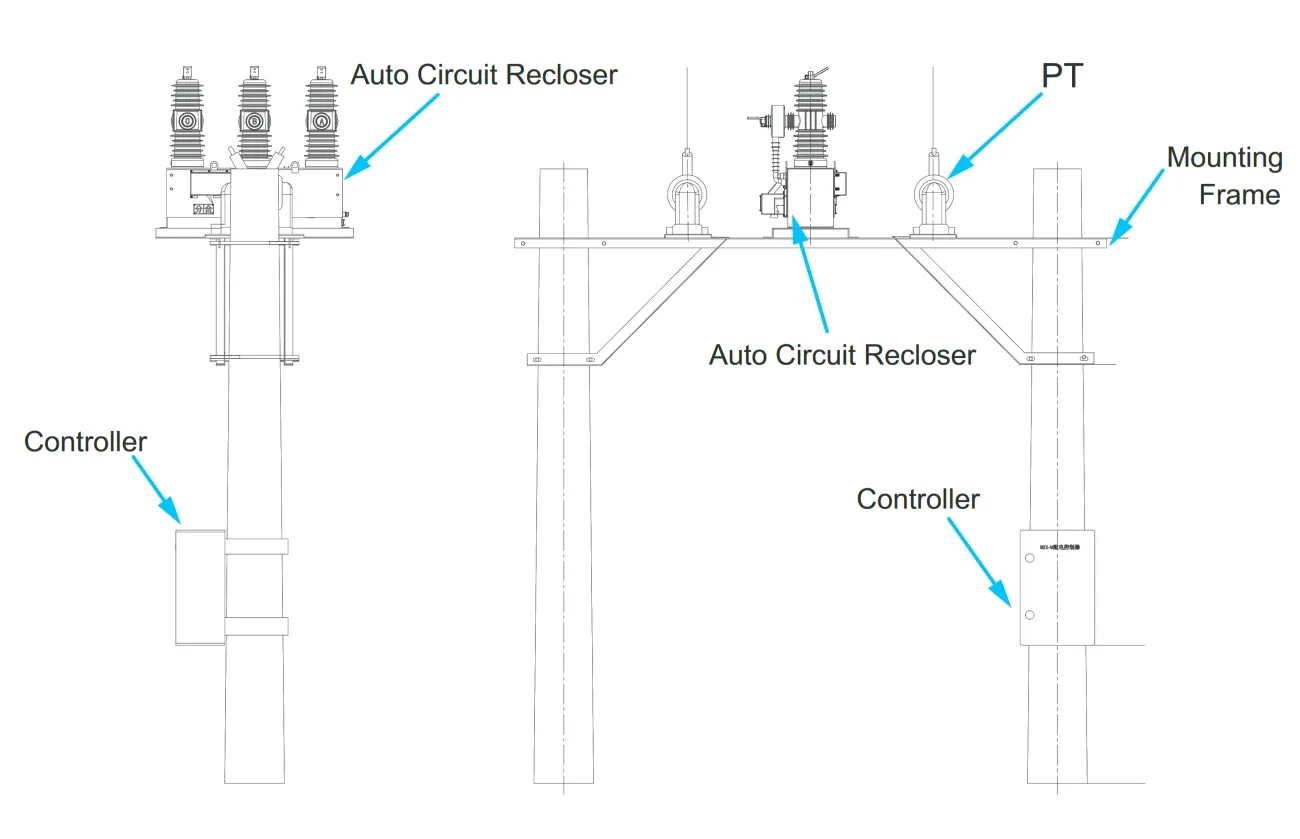
When you’re planning a manual reset on an Automatic Circuit Recloser (ACR), having the right tools on the truck is what keeps the job quick and safe.
Choosing the Right Hot Stick
For manual reset and manual close/open on pole‑mounted reclosers:
Match the hot stick to the system voltage (per OSHA/IEEE tables).
15 kV class: typical 8–12 ft hot stick
27–38 kV class: 12–16 ft or longer
Use a tested, date‑stamped, ASTM‑rated insulated hot stick only.
Keep it clean, dry, and inspected (no cracks, chips, contamination).
WEISHO Operating Handle / Manual Reset Lever
On WEISHO ACRs, you’ll usually work a yellow operating handle or reset lever:
Use a universal hot stick head that fits the WEISHO operating handle.
Make sure the hook or shotgun attachment fully seats on the WEISHO yellow handle before you pull or rotate.
For tight locations, carry both a straight stick and a telescoping hot stick to get the right angle on the handle.
Using a Voltage Detector First
Before any manual reset on an ACR:
Use a rated voltage detector (non-contact or contact, matched to feeder voltage).
Test the detector on a known live source, check the recloser bushings/line side, then re-test on a known live source (three‑point check).
Never trust a device alone—treat the line as energized unless it’s isolated, grounded, and proven de-energized.
Visual Inspection: Binoculars or Drone
For pole‑mounted reclosers, get a good look before you touch anything:
Binoculars: Quick scan for:
Cracked or flashed bushings
Oil leaks, broken insulators
Burn marks, bird nests, tree contact
Drone camera (where allowed and trained):
Great for hard‑to‑reach spans or steep terrain
Helps spot issues on the recloser, nearby arresters, or adjacent equipment like outdoor transformers that may have taken a hit.
If the ACR or surrounding gear looks mechanically damaged, don’t reset until it’s cleared by engineering or maintenance.
Spares and Basic Tools to Carry
I always plan a manual ACR reset like a small field service call:
Spare control batteries (24 V or 48 V, depending on the WEISHO control)
Spare low‑voltage fuses for the control circuit
Insulated hand tools (screwdrivers, nut drivers, torque wrench as needed)
Cleaning supplies: lint‑free rags, approved cleaner for control terminals
Portable test meter (for DC battery voltage and basic continuity checks)
Showing up with the proper hot stick, WEISHO operating tools, voltage detector, and basic spares is the difference between a 10‑minute reset and a long return trip.
General Manual Reset Procedure for Most Automatic Circuit Reclosers (ACRs)
If you’re wondering how to reset an automatic circuit recloser manually, the steps are fairly similar across most brands and models. Below is a practical, field‑style guide you can adapt to your utility’s procedures and the specific ACR you’re working with.
1. Confirm ACR Lockout Status
Before you touch anything, confirm that the recloser is actually in lockout and not just in a normal open state:
Check the control panel for:
“Lockout” / “L/O” / “Max Trips” / “Fail to Close” indications
Trip counters show they’ve reached the maximum programmed operations
Look at the mechanical position indicator on the tank or mechanism:
“Open/Tripped/Lockout” flag or disk
Any non‑reclose indicator switch or lamp that’s on
Cross‑check with your dispatcher / SCADA to confirm what they see remotely.
If indications don’t match (panel says “closed,” but the line is clearly de‑energized, etc.), stop and treat it as a control issue, not a simple manual reset.
2. Verify the Fault Is Cleared First
You never manually reset an ACR just to “see what happens.” You want reasonable assurance the fault is gone:
Review fault currents, protection logs, or relay records if available.
Get a patrol report: has the line been inspected for:
Downed conductors
Tree contact
Broken insulators or hardware
Use an appropriate voltage detector (line‑rated) on the source and load side, following your safety rules.
If there’s any doubt (repeated trips, visible damage, burning smell, oil leakage), do not reset. Keep the device out of service and escalate.
3. Position Yourself Safely for Hot Stick Operation
For a pole‑mounted ACR, safe positioning is everything:
Stand to the side, not directly under the device or conductors.
Keep a clear escape path behind you.
Maintain the required minimum approach distance based on system voltage.
Use the right length insulated hot stick (proper voltage rating, clean, dry, and inspected).
If you want more detail on general switchgear safety, it’s worth aligning your process with a solid switchgear performance and safety guide like the one we’ve put together on optimizing switchgear safety and reliability.
4. Step‑by‑Step Manual Reset with Hot Stick
Every model is a little different, but most manual recloser reset steps look like this:
1. Confirm open/lockout position at the indicator.
2. Make sure the device is in Non‑Reclose if your procedure requires it.
3. With your hot stick:
Engage the manual operating / reset handle or lever.
Move the handle through the full reset stroke (often pull down, then move up, or rotate through a defined arc).
Hold momentarily at the end of the stroke if the manufacturer requires it.
4. Let the mechanism fully return to its normal position—don’t “ride” the handle back.
5. Verify the mechanical position indicator now shows “Closed” (if you’re closing it) or “Ready to Close” depending on the design.
6. Confirm the control panel shows:
Trip counter reset or “available.”
No active lockout alarm
Ready/Healthy status
Only close the recloser when you have system clearance and dispatch permission.
5. Visual and Audible Indicators of a Successful Reset
A proper manual reset usually comes with clear feedback:
Audible:
A firm “clunk” or snap as the mechanism latches or closes
Visual:
Position flag changes from “Open/Trip/Lockout” to “Closed/Read.y”
LEDs on the control panel change from red “Trip/Lockout” to green “Ready/Closed” or similar
Trip counter returns to zero or to a normal standby count
If indicators disagree (mechanical shows closed, but panel still shows lockout), treat it as a problem, not a success.
6. Common Mistakes to Avoid When Manually Resetting an ACR
Here are the mistakes that cause trouble in the field:
Resetting before fault clearance
Closing back into a permanent fault can damage the ACR
WEISHO Pole‑Mounted Recloser Manual Reset Steps
When a WEISHO pole‑mounted Automatic Circuit Recloser (ACR) goes into lockout, you need a clear, safe, repeatable manual reset process. Below is a simple field‑ready guide you can actually use on a U.S. distribution line.
Identifying WEISHO WSR‑15 / WSR‑27 / WSR‑38 Pole‑Mounted Reclosers
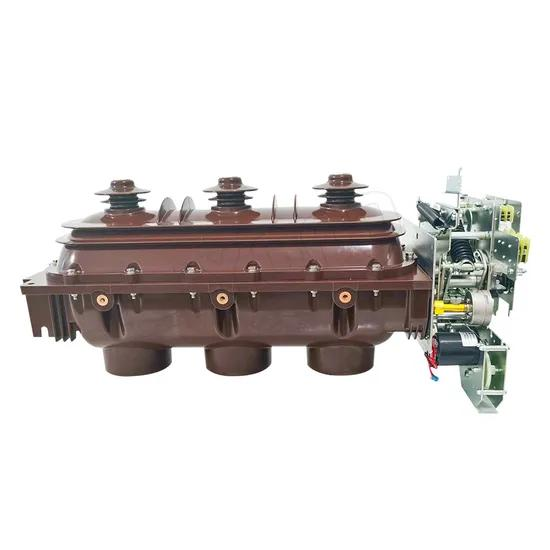
Our WEISHO WSR‑15, WSR‑27, and WSR‑38 series are typical pole‑mounted automatic circuit reclosers you’ll see on 15 kV, 27 kV, and 38 kV class feeders.
You can usually recognize them by:
Single or three‑phase tank mounted on the pole with epoxy or porcelain bushings
Nameplate or label showing model: “WSR‑15”, “WSR‑27”, or “WSR‑38”
A compact control cable going down to the ground‑level control cabinet (if equipped)
A yellow manual operating handle mounted on or near the mechanism housing
If the nameplate is hard to read from the ground, use binoculars or a drone camera to confirm the model and rating before you touch anything.
Finding the Yellow Manual Operating Handle
On WEISHO pole‑mounted ACRs, the yellow manual operating handle is your main interface for manual reset and operation.
Typical location:
Mounted on the side or bottom of the operating mechanism enclosure
Clearly painted yellow for high visibility
Oriented so that a standard hot stick hook can easily grab and operate it from ground level
If you can’t see it clearly, reposition yourself for a better angle, but always stay outside your minimum approach distance.
Exact Manual Reset Sequence (Pull → Rotate 90° Clockwise → Hold → Release)
Once you’ve confirmed the line is safe to operate and you’re cleared to reset, the WEISHO manual reset sequence is:
1. Engage the handle with a hot stick
Hook the yellow handle securely with your hot stick.
Stand to the side, never directly under the recloser.
2. Pull
Pull the yellow handle straight down or out (depending on orientation) until you feel it reach the reset position.
3. Rotate 90° clockwise
While still pulling, rotate the handle 90° clockwise with the hot stick.
You should feel clear mechanical resistance and then a positive movement as the mechanism resets.
4. Hold
Hold the handle in that rotated position for 1–2 seconds.
This allows the mechanism and control logic to recognize the manual reset.
5. Release
Slowly return the handle to its normal position and remove the hot stick.
Do not let it snap back uncontrolled.
If the handle will not rotate fully or feels jammed, stop. That’s a sign of a mechanical or internal fault, not something to “force through.”
Using a Hot Stick on the WEISHO Yellow Handle
For U.S. crews, the basics still apply:
Use an insulated hot stick rated for the line’s voltage and your company's procedures
Stand on stable, dry ground where possible
Keep your body outside the minimum approach distance and avoid overreaching
Make sure the hot stick head is clean, free of chips and cracks, and the hook securely engages the handle
If you’re working near other high‑voltage equipment, consider pairing the recloser with nearby isolators for visible isolation and additional switching flexibility, like the high‑voltage isolator assemblies we design to work in similar environments.
LED and Status Indicator Behavior After Reset
After a successful manual reset on WEISHO electronic‑controlled units, you should see:
The control panel “LOCKOUT” or “TRIP” indicator turns off
“READY” or “CLOSED PERMITTED” LED comes on (exact label depends on the specific control)
If the recloser is closed, line or phase status LEDs may show a normal condition (no fault indication)
From the ground, you may also hear:
A distinct mechanical sound as the mechanism resets or recharges
No continued clicking or chattering (a sign of control issues)
If LEDs show persistent lockout, non‑reclose, or battery low alarms, treat it as a control issue before attempting further manual operations.
Field Tips for Tight or Hard‑to‑Reach Locations
Pole‑mounted reclosers are rarely in perfect, wide‑open locations. In the U.S., we see them on narrow rights‑of‑way, near roads, or in wooded areas. A few practical tips:
Plan your approach: Position the bucket truck or ladder truck so you can work the hot stick safely without fighting branches, fences, or roadside obstacles.
Use optics: Binoculars or a drone camera help you confirm the handle position, bushing condition, and signs of damage before you reset.
Watch for contamination: In salty, coastal, or industrial areas, check for pollution buildup on bushings; pairing your ACR with proper surge and lightning protection (like the guidance in our lightning protection guide) helps reduce nuisance trips that drive repeat site visits.
Respect weather: Avoid manual reset during active storms, heavy rain, or high winds that increase flashover and arc‑flash risk.
Don’t chase repeated lockouts: If a WEISHO recloser locks out again right after a proper manual reset, treat it as a real, likely permanent fault on the line and escalate to full line patrol and troubleshooting, not just another reset attempt.
Use the manual reset to restore service only when you’re confident the fault is gone and the equipment is healthy—not as a band‑aid for persistent feeder problems.
WEISHO Pad‑Mounted Automatic Circuit Recloser Manual Reset
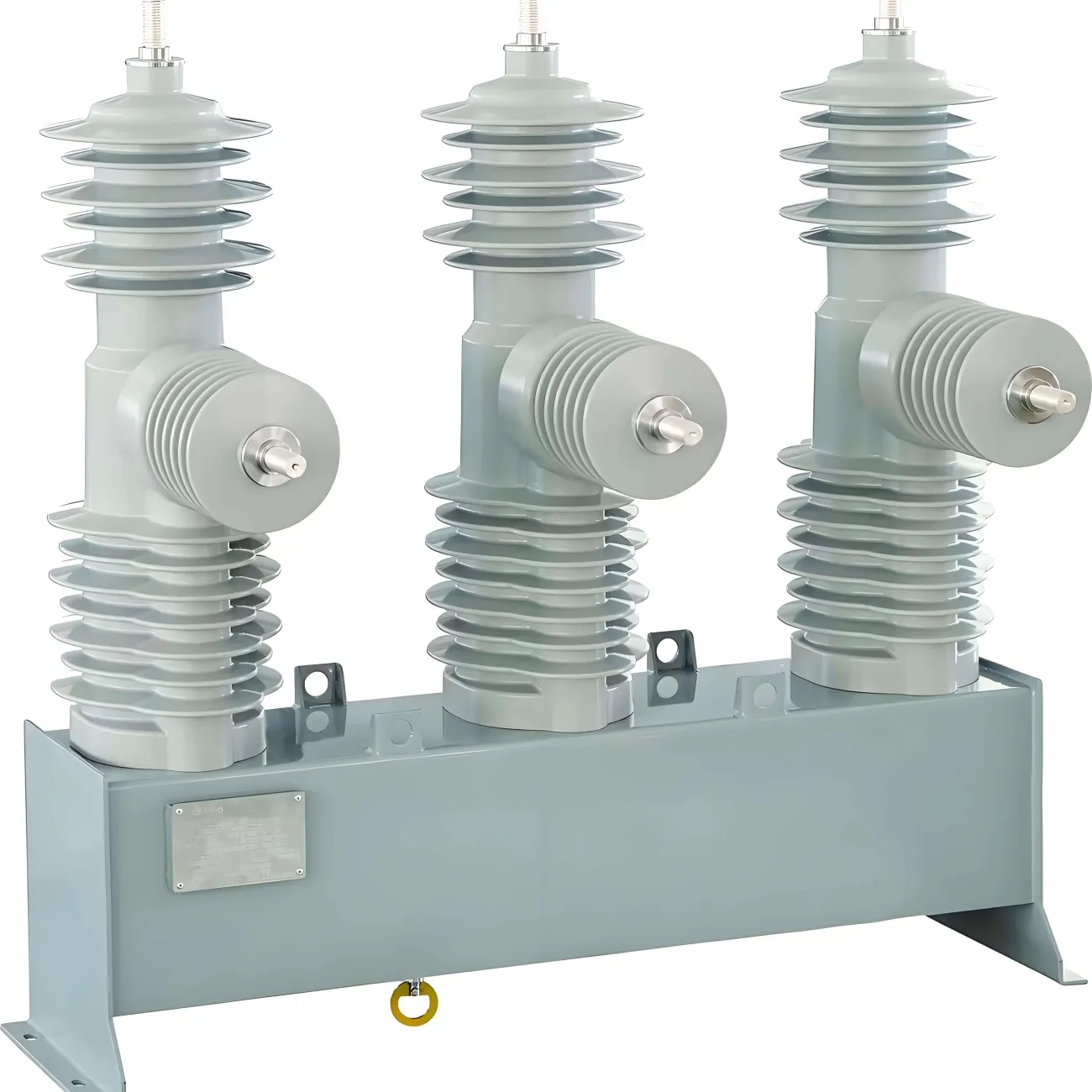
Recognizing WEISHO WSR‑P Pad‑Mounted Recloser Models
Our WEISHO WSR‑P pad‑mounted Automatic Circuit Reclosers are built for North American distribution networks that want compact gear in urban, commercial, and industrial settings. You’ll typically recognize them by:
Low, green pad‑mounted steel cabinet with front access doors
Nameplate showing WSR‑P series, kV rating, interrupting rating, and control voltage
Integrated electronic control compartment and separate high‑voltage compartment
If you’re also running outdoor vacuum breakers or pole units, our pad‑mounted WSR‑P reclosers share similar control logic with our pole‑mounted auto reclosers, which keeps field training simple.
Safe Cabinet Opening and Internal Access
Before you touch a pad‑mounted ACR cabinet, treat it like it’s energized until you’ve proved otherwise. In most U.S. utilities and plants, that means:
Confirm the work permit, switching order, and lockout/tagout (LOTO) are in place
Test your voltage detector on a known live source, then on the cabinet's incoming points
Stand to the side of the door when you unlock and open it to reduce arc‑flash exposure
Open the low‑voltage/control section first; then access the high‑voltage side only after proper de‑energizing, grounding, and verification
Never reach past barriers or covers unless your procedure and PPE allow it.
Location and Operation of the WEISHO Pad‑Mounted Reset Handle
Inside the WSR‑P pad‑mounted enclosure, you’ll typically find:
A clearly labeled manual operating/reset handle, often on the mechanism front
Position indicators: OPEN / CLOSED and sometimes a LOCKOUT flag
A mechanical block if the unit is in non‑reclose or lockout
Basic manual reset concept (always follow your local procedure):
1. Verify the recloser is in the OPEN and LOCKOUT state.
2. Use an insulated operating bar/handle if supplied (or approved hot stick) to:
Move the mechanism to the RESET or CHARGE position as marked
Then move to CLOSE only when your switching order and clearances allow
3. Confirm the mechanical position indicator clearly shows the expected state.
Control Panel Reset Commands on WEISHO Electronic Controls
The WSR‑P pad‑mounted units use WEISHO electronic controls to manage trip counts, lockout, and non‑reclose. On the front control panel you’ll typically see:
TRIP, CLOSE, and RESET / LOCKOUT RESET pushbuttons
Mode keys or switches: LOCAL / REMOTE, AUTO / MANUAL / NON‑RECLOSE
LED indicators for LOCKOUT, TRIP, READY, and COMM/SCADA
Typical sequence when the unit has locked out:
1. Confirm the fault is cleared, and the line is safe to re‑energize.
2. Set control to LOCAL and MANUAL (or equivalent) to block remote operations.
3. Press the RESET / LOCKOUT RESET key until the lockout LED clears.
4. If permitted
Hydraulic vs Electronic Automatic Circuit Reclosers During Manual Reset
When you’re out in the field trying to figure out how to reset an automatic circuit recloser manually, it really matters whether you’re dealing with a hydraulic unit or a modern electronic / magnetic‑actuator recloser. The reset behavior, the feel on the hot stick, and the kind of problems you’ll see are very different.
How Hydraulic Reclosers Behave When They Lock Out
Hydraulic ACRs are mostly mechanical with oil or dashpot timing. When they hit the lockout after their final trip:
The operating mechanism “parks” in a clear lockout position.
You’ll usually see:
A visible open gap inside the tank (if it has a viewing window).
A lockout target or flag in the indicator window.
A noticeably “dead” feel if you try to operate it without recharging the mechanism.
There’s no electronic logic deciding the reset – once the internal trip counter reaches its set number of shots, the mechanism stays open until you manually reset it.
Manually Charging the Operating Spring on Hydraulic ACRs
With hydraulic reclosers, the manual reset is usually about recharging the operating spring and resetting the internal shot counter:
Use the manual handle or hot‑stick eye on the operating shaft.
Typical steps (always per the nameplate / OEM instructions):
Pull down or crank the handle through its full travel to charge the spring.
You’ll feel increasing resistance as the spring loads.
At the end of travel, you should feel or hear a distinct latch “click” – that tells you the mechanism is charged and ready to close on command.
If the handle won’t latch or returns “mushy,” you may have:
A mechanical bind in the linkage.
Internal damage from a heavy fault.
Low or contaminated insulating oil (on oil‑type units).
Electronic and Magnetic‑Actuator Reclosers and Their Reset Logic
Electronic and magnetic‑actuator ACRs (like most modern vacuum reclosers) behave very differently:
Opening and closing is driven by a magnetic actuator or motor, controlled by an electronic relay.
The controller keeps track of:
Trip counts and lockout.
Time‑current curves (TCC) and protection logic.
Mode settings (e.g., non‑reclose vs automatic reclose).
After lockout:
The mechanism is often still fully functional, but the controller won’t issue a close command until it’s reset.
Reset may require a control‑panel reset command, a SCADA reset, or a physical reset lever, depending onthe model.
If you work with modern outdoor gear, this is similar to how a vacuum automatic circuit breaker behaves under electronic control.
How WEISHO Electronic Controls Handle Trip Counts and Lockout
On WEISHO electronic automatic circuit reclosers (ACRs), the control logic is very deliberate:
The controller counts each trip operation (shot) during a fault.
Once the configured maximum shot count is reached, it issues a lockout:
The recloser is held open.
Lockout / non‑reclose LEDs and status messages are shown on the control panel.
Manual reset typically involves:
Clearing the lockout condition in the menu (RESET, CLOSE ENABLE, or similar).
Ensuring the unit is not forced into non‑reclose mode.
If the line is still faulted, WEISHO controls will re‑trip immediately on close, preventing you from “pumping” the line and damaging the equipment.
Reset Differences: Legacy Hydraulic vs Modern Electronic Units
Here’s the practical difference when you’re doing a manual recloser reset in the field:
Hydraulic ACRs
Reset = purely mechanical (recharge spring, reset counter).
No internal fault records or codes.
If it won’t reset, you mostly suspect mechanical or insulation issues.
Electronic / Magnetic‑Actuator ACRs
Reset = logic + mechanism (control reset + close command).
You’ll see fault codes, logs, and status on the control display.
Protection settings (TCC, shot count, non‑reclose) heavily influence whether it will close.
Electronic units give you more diagnostics and better coordination with other gear like disconnect switches or GIS switchgear, similar to how optimized protection is handled in modern GIS switchgear systems.
When to Suspect Mechanical vs Control‑Circuit Problems on Reset
When an automatic circuit recloser won’t reset manually, you need to quickly decide whether it’s a mechanical problem or a control‑circuit issue:
Likely mechanical issue if:
The manual handle feels jammed, rough, or won’t move through full travel.
You don’t feel the latch “catch” when charging the spring on a hydraulic ACR.
There are visible oil leaks, cracked bushings, or a warped tank
Troubleshooting When the Automatic Circuit Recloser Will Not Reset
When an Automatic Circuit Recloser (ACR) refuses to reset manually, don’t keep forcing it. That usually means the control logic still “sees” a problem, or something is mechanically or electrically wrong. Here’s how I’d troubleshoot it step by step in the field.
1. Check Control Power and DC Battery Voltage (24/48 V)
Most WEISHO automatic reclosers depend on a 24 V or 48 V DC control supply. Low or dead control power is one of the most common reasons an ACR won’t reset or close.
Verify DC voltage at the control terminals with a meter:
For 24 V systems, you typically want > 24 V under load.
For 48 V systems, you typically want > 48 V under load.
Check:
Battery fuses and DC disconnects.
Loose or corroded battery terminals.
Charger status and AC supply to the charger.
If the control panel is dark, dim, or rebooting, solve the DC power issue first. The recloser will not reliably reset until control power is stable.
2. Inspect Tank, Bushings, and Connectors
If the ACR has seen a
Testing the Recloser After Manual Reset Before Re‑Energizing
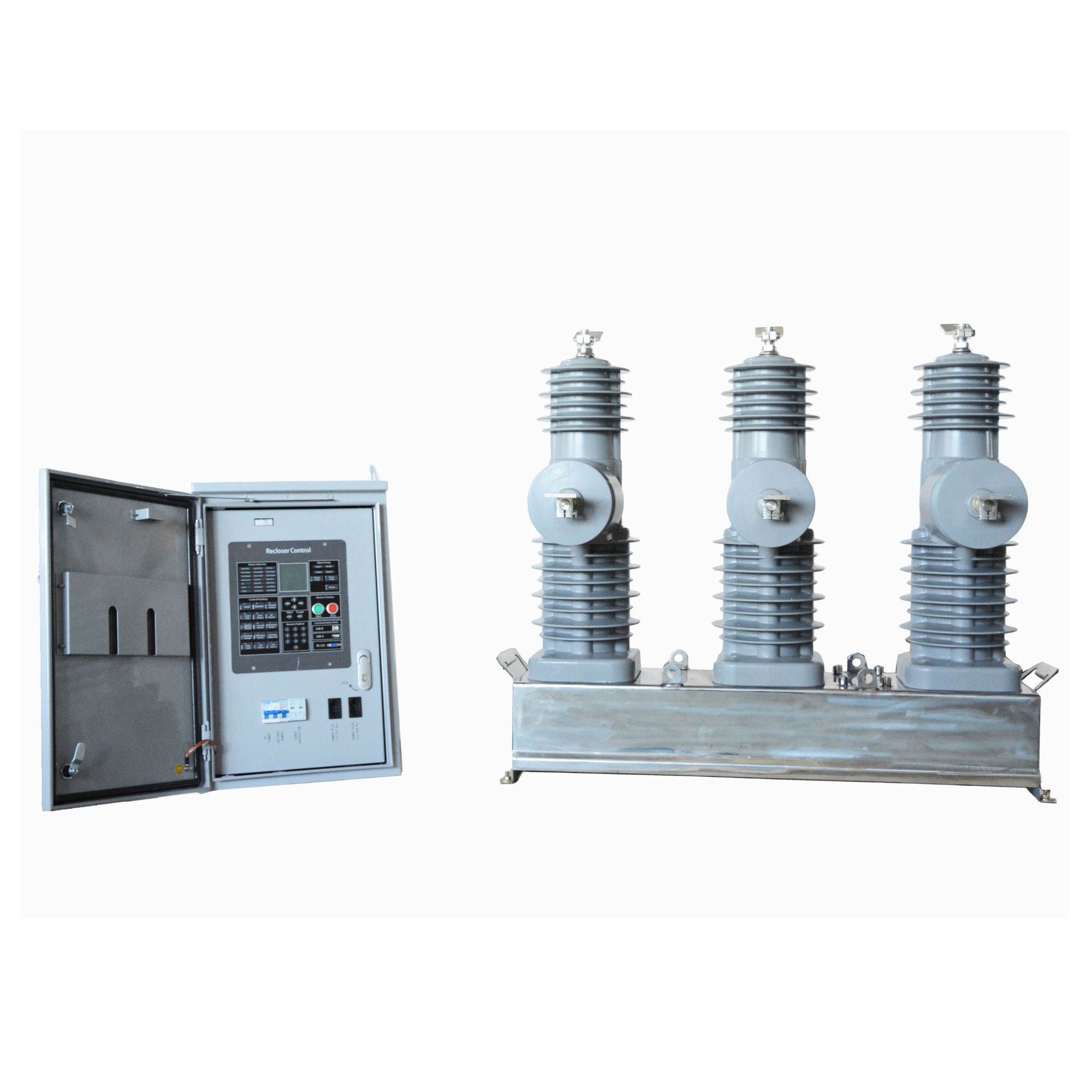
Once you’ve done a manual reset on an Automatic Circuit Recloser (ACR), you never just “close and hope.” You verify. This is where a lot of problems are either caught or missed.
Quick Visual Check After Manual Reset
Before any test or energization ion, I always do a fast but focused visual inspection:
Confirm the recloser is in the correct mechanical position (OPEN after reset, not half‑latched).
Check bushings, insulators and tank for cracks leaks burn marks or contamination.
Make sure all cables, CT/PT leads and control wiring are secure and undamaged.
Verify nameplate and labels are readable and match your work order.
For vacuum types (like a 27 kV auto vacuum recloser) confirm no obvious mechanical damage to the operating mechanism.
If anything looks wrong you stop there and investigate before you ever think about closing.
Using the Control Panel for Trip and Close Tests
With the ACR reset and visually sound, I use the control panel to confirm basic operation:
Put the device in test / local mode per your utility procedure.
Run a manual CLOSE from the control (no load if possible) and confirm:
Close indication on LEDs/HMI.
Mechanical position indicator moves to CLOSED.
Run a manual TRIP and confirm:
Trip indication is correct.
Position indicator moves back to OPEN.
Listen for clean solid operation (no grinding sticking or delayed motion).
Log any sluggish or inconsistent operation for maintenance.
Verifying Overcurrent & Ground‑Fault Protection
Before you trust the recloser on a live feeder you want to know protection is actually working:
Check the control’s protection settings (phase OC ground OC sensitive ground etc.) match your coordination study.
If you have a test set on site:
Phase overcurrent.
Ground‑fault elements.
Inject test currents to confirm pickup and trip for:
Compare trip times against the TCC curves programmed in the relay.
At minimum confirm:
Trip counters and event logs register your tests correctly.
No disabled elements that should be active.
Coordinate With SCADA for Remote Close & Status
Once the local tests check out I loop in the control center:
Confirm with SCADA that:
The ACR status (open/close/lockout) matches what you see locally.
Alarms and indications are normal (no lockout no inhibit).
Agree on a controlled first close:
Either close locally with SCADA watching live.
Or have dispatch close remotely while you observe the recloser.
Verify SCADA sees:
Correct open/close feedback.
No unexpected alarms or misoperations during close.
This step keeps operations protection and field all
Preventive Maintenance to Reduce Automatic Circuit Recloser Lockouts
Keeping an Automatic Circuit Recloser (ACR) from constantly locking out is mostly about disciplined preventive maintenance. In the U.S. market utilities that treat reclosers like any other critical asset—on a schedule with data and documentation—see fewer nuisance trips and faster fault clearing.
Routine Inspection Schedule for ACRs
Set a clear field inspection program and stick to it:
Visual patrol (drive‑by / walk‑down): 2–4 times per year for pole‑mounted units more often in storm‑prone areas.
Hands‑on inspection and testing: Every 1–3 years depending on fault duty environment and utility standards.
After any major fault or storm: Do a focused inspection for mechanical damage contamination and tracking.
For feeders using outdoor equipment like ACRs also review companion gear—insulators and voltage transformers—since issues there can cause misoperations. For example pairing a recloser with properly rated pin‑type power insulators helps cut down on flashovers and lockouts.
Battery Maintenance and Replacement
Most WEISHO electronic controls depend on a healthy DC battery (24/48 V) to operate and log events:
Battery test: At least twice a year; record voltage under load.
Replace on schedule: Follow WEISHO’s recommended service life don’t wait for a failure alarm.
Check terminals: Clean tight and corrosion‑free; re‑torque to spec.
Charger health: Confirm the charger is actually maintaining float voltage not over‑ or under‑charging.
Cleaning Bushings and Checking Contact Resistance
Dirty or degraded current paths are a common cause of heating mis‑trips and lockouts:
Bushing cleaning: Remove salt dust bird droppings and pollution from porcelain or polymer insulators on a regular schedule.
Infrared scan: Use IR thermography to spot hot connections on terminals and jumpers.
Contact resistance: Measure micro‑ohms on main connections; anything trending up needs tightening cleaning or repair.
Accessory equipment: Check nearby voltage transformers or indoor vacuum devices (like a ZN28‑12 indoor vacuum circuit breaker) if they share the same feeder and could be contributing to abnormal currents.
Firmware and Configuration Updates for WEISHO Controls
Modern WEISHO Automatic Circuit Reclosers live or die on their electronic control platform:
Keep firmware current: Plan periodic updates to fix bugs improve algorithms and add features. Never update live without a tested procedure.
Backup configs: Export and archive protection settings and communication parameters before and after any change.
Standard setting templates: Use utility‑approved templates for overcurrent ground‑fault and reclosing logic so every WSR unit behaves consistently.
Verifying Trip Counters Event Logs and Protection Settings
Use the data inside the WEISHO controller to catch problems before they turn into chronic lockouts:
Trip counter review: Rising trip counts on one ACR versus others on the same circuit is a red flag.
Event log analysis: Look for patterns—same phase time of day or weather conditions—indicating a specific cause.
Settings verification: After any relay work commissioning or firmware update confirm time‑current curves instantaneous pickup and reclosing sequences match your coordination study.
Environmental Hardening to Reduce Nuisance Trips
Most nuisance lockouts in U.S. distribution systems trace back to environment not equipment:
Wildlife protection: Add wildlife guards bird covers and phase barriers where animals are a known issue.
Vegetation management: Coordinate with tree crews to maintain clearance around lines and reclosers.
Weather hardening: Use surge arresters shield wires and better insulators in lightning‑heavy or coastal areas; seal cabinets against moisture and insects.
Contamination control: In heavy industrial or coastal zones schedule more frequent washing and inspection.
If you build a simple repeatable preventive maintenance plan around these points your WEISHO Automatic Circuit Reclosers will lock out far less often—and when they do you’ll know exactly why.
Key FAQs on Manually Resetting an Automatic Circuit Recloser (ACR)
Can you manually reset an ACR on an energized line?
Short answer: usually no not safely unless your utility’s written procedure explicitly allows it and you’re qualified.
Most U.S. utilities require:
The line to be de‑energized isolated and grounded before manual reset/close.
A full arc‑flash assessment and proper PPE if any chance of the line