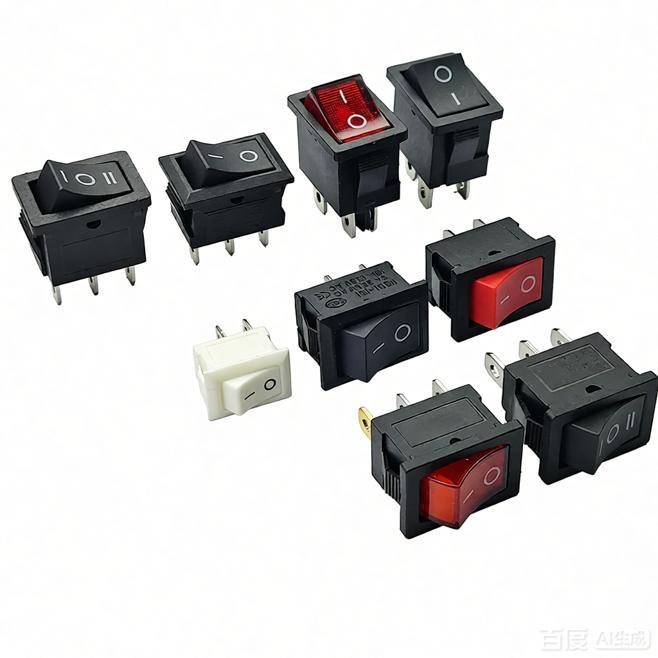
Understand Commercial vs Residential Rocker Switches – The Real Differences
When you’re sizing up rocker light switches for a commercial job, the first step is simple: stop thinking “residential.” Commercial rocker switches are built, rated, and tested for a completely different world—higher loads, more abuse, tighter code requirements, and fewer acceptable failures.
Here’s how they really differ and what you should be looking for.
Duty Ratings and Load Handling
The biggest mistake I see is contractors treating a rocker switch like a commodity. In commercial spaces, it’s a load-handling device.
Key differences:
Residential rocker:
Typical rating: 15A, 120/125V
Primarily for small branch circuits in homes
Not designed for high inrush or frequent switching
Commercial rocker:
Larger lighting circuits
Higher inrush from LED drivers, ballasts, and motors
Frequent daily cycling in offices, schools, hospitals, and warehouses
20A 120V rocker light switch
20A–22A 277V decorator switch
Heavy-duty light switches 20A 277V or even 347V in some markets
Common ratings:
Built for:
Quick comparison:
| Feature | Residential Rocker | Commercial Rocker |
|---|---|---|
| Typical Voltage | 120V | 120V, 277V, 347V |
| Typical Amperage | 15A | 15A, 20A, 22A, 25A |
| Duty Rating | Light-duty | Specification-grade / Heavy-duty |
| Intended Use | Homes, low cycles | High-traffic commercial and institutional |
If you’re on 277V lighting or controlling multiple fixtures off one switch, you should be looking at specification-grade commercial rocker switches only.
Impact-Resistant Construction and Materials
Commercial rocker switches take a beating: carts, bags, cleaners, and thousands of hands every month. That’s why material choice matters.
Common materials you’ll see:
Impact-resistant nylon rocker switch body:
High flex strength and crack resistance
Better performance in high-traffic areas (schools, corridors, hotels)
Resists chips and breaks from bumps and vandalism
ABS or basic thermoplastic:
Acceptable in light-duty spaces
More likely to crack, discolor, or warp over time
For commercial-grade rocker light switches, I strongly prefer:
Nylon operating rocker and strap insulator
UL94 V-0 flame-rated plastics for better fire performance
Reinforced corners and thicker walls around mounting screws
In short: if the spec doesn’t mention “impact-resistant nylon” or similar, I don’t treat it as truly commercial.
Safety Features: Tamper-Resistant and Hospital-Grade
Safety features are not “add-ons” in commercial work—they’re often code-driven.
Key options you should know:
Tamper-resistant (TR) rocker switches:
Required in many areas where the public or children have access
Internal shutters block foreign objects from being inserted
Look for “tamper-resistant TR rocker switches” labeling
Hospital-grade rocker switches (UL 1472 / UL hospital-grade):
Extra-tough construction and stricter performance testing
Stronger grounding, reliability and impact resistance
Ideal for hospitals, clinics, labs, and medical facilities
Quiet rocker switch mechanisms:
Reduce noise in patient rooms, hotels, and offices
Smoother feel, low “click” sound, higher perceived quality
Make sure your switch markings match project requirements:
“TR” for tamper-resistant
Green dot and/or “Hospital Grade” where medically required
UL 20 snap switches and UL 1472 where applicable
Wiring Options and Terminal Design
The internal wiring design is where commercial-grade really earns its keep. A good commercial rocker switch should make your install faster and more reliable—especially on big jobs with repetitive circuits.
Look for:
Back and side wired light switches:
Side-wiring with binding head screws for traditional terminations
Back-wiring (not backstab) with clamp-style pressure plates
Accepts a wider wire range and saves install time
Terminal features that matter on-site:
Clearly marked LINE, LOAD, TRAVELER, and GROUND
Large brass or steel terminals for solid contact
Captive screws that don’t fall out during rough-in
Copper or copper-alloy contacts for longer life
Grounding and metal strap:
Metal strap grounded rocker switch design
Dedicated green ground screw and/or self-grounding clip
Rigid strap to keep gangs aligned in multi-gang boxes
Quick terminal comparison:
| Feature | Basic Residential Switch | Commercial-Grade Rocker Switch |
|---|---|---|
| Wiring Style | Often side only | Back and side wired, clamp terminals |
| Terminal Size | Small, limited wires | Large, accepts #14–#10 AWG |
| Strap Material | Light-gauge metal | Heavy-duty metal yoke/strap |
| Grounding | Standard ground screw | Ground screw + self-grounding options |
Bottom line: for commercial rocker switches, you want robust terminals, clear markings, and a metal yoke that stays rigid when you tighten into steel boxes and multi-gang frames. That’s what reduces callbacks and loose-connection failures over time.
Key Electrical & Load Specs for Commercial Rocker Light Switches
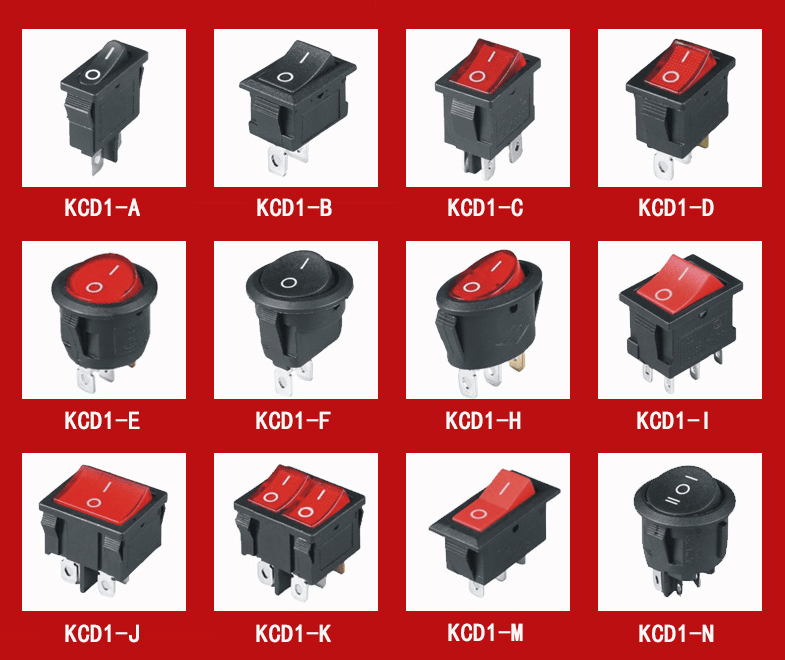
When I spec a commercial-grade rocker light switch, I lock in the electrical and load details first. If these are wrong, nothing else matters.
Voltage Requirements (120V, 277V, 347V)
Match the switch to the branch circuit voltage, not just the fixture.
120V: Offices, retail, small tenant spaces, standard 20A 120V rocker light switch
277V: Most commercial/industrial lighting panels, big box retail, warehouses
347V: Common in parts of Canada and some specialized commercial installs
Never use a 120V-only device on a 277V or 347V circuit
For mixed buildings, I standardize on clearly labeled 20A 277V decorator switches to avoid mistakes
Quick Voltage Guide
| Circuit Type | Typical Use Case | Recommended Switch Type |
|---|---|---|
| 120V, 15A | Small offices, hotel rooms | Spec-grade single-pole rocker |
| 120V, 20A | Heavier lighting, small equipment loads | 20A 120V commercial rocker switch |
| 277V, 20A | Large commercial lighting circuits | Heavy-duty light switches 20A 277V |
| 347V (Canada) | High-efficiency commercial lighting | 347V commercial switch (verify listings) |
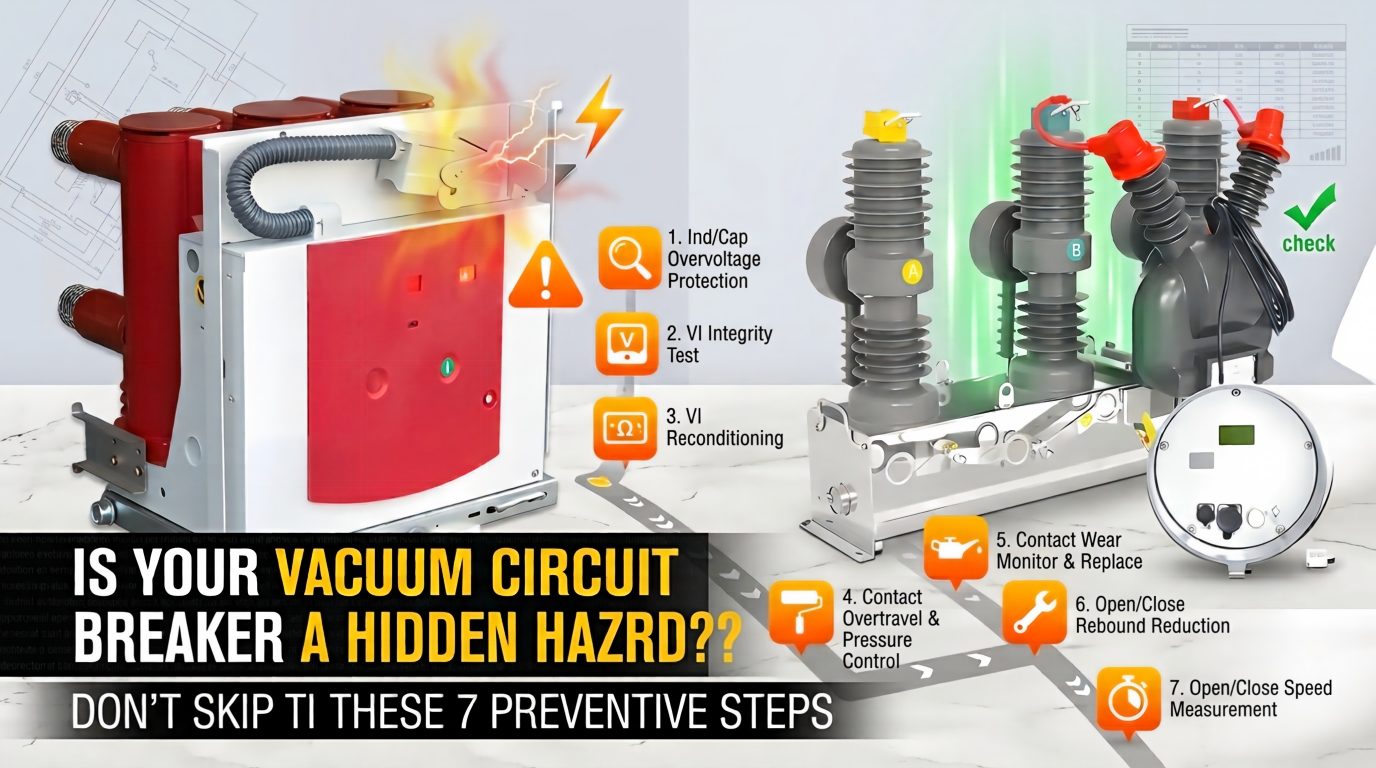
Good voltage coordination with upstream gear (panels, breakers, fuses) is just as critical as using the right switch; it’s the same mindset I use when reviewing a vacuum circuit breaker maintenance guide for larger power systems.
Amperage & Horsepower Ratings
Don’t undersize; commercial loads spike harder than residential.
Common ratings: 15A and 20A; I default to 20A in most new commercial work
Motor or fan loads: always check the HP rating (¼ HP, ½ HP, 1 HP)
Continuous loads: for 80% rules, a 20A switch is safer for long-run lighting
For facility maintenance light switches, I prefer specification-grade wiring devices with clear HP markings on the body and yoke
Amps & HP Table
| Switch Rating | Typical Usage | Notes |
|---|---|---|
| 15A, no HP | Light office lighting only | Avoid for mixed loads |
| 15A, 1/4 HP | Small fans, light commercial | Check motor nameplate |
| 20A, 1/2 HP or higher | Larger zones, mixed lighting + fans | My standard for contractor grade projects |
| 20A, no HP | Lighting-only circuits, large zones | Use only for lighting, not motors |
Switch Types for Commercial Lighting
Pick the proper function before you draw the circuit or order material.
Single-pole: One switch, one location
3-way: Two switches controlling the same load (hallways, stairs)
4-way: Three or more switches on the same circuit (long corridors, classrooms)
Double-pole commercial light switch: Two hot legs, same handle (240V, or two circuits that must switch together)
Pilot light: Light on when load is on (good for mechanical rooms, exterior lights)
Illuminated switch: Light glows when OFF so users can find it in the dark
Common Switch Type Uses
| Type | Typical Location |
|---|---|
| Single-pole rocker | Private offices, hotel guest rooms |
| 3-way commercial switches | Hallways, open offices, meeting rooms |
| 4-way commercial switches | Long corridors, large classrooms |
| Double-pole rocker | Small equipment loads, some 240V circuits |
| Pilot light rocker | Roof lights, exterior/site lighting |
| Illuminated rocker | Restrooms, storage rooms, back corridors |
LED & CFL Compatibility
Commercial projects are mostly LED now, and the wrong switch can cause headaches.
Use LED-compatible rocker switches rated for electronic drivers
For 0–10V or smart commercial rocker switches, check with the lighting control spec
Avoid older switches that were only tested on incandescent loads
Look for:
UL 20 snap switches or UL 1472 listings where dimming or control is involved
Clear notes about LED/CFL compatibility on the spec sheet
For office rocker light switches and hotel rocker light switches, quiet rocker switch mechanisms that play nice with LED drivers reduce callbacks (no flicker, no ghosting)
LED/CFL Checklist
Is the switch listed as LED compatible?
Does the project use smart, IoT-ready lighting controls?
Are any dimmers or occupancy sensors in the same circuit?
Has the brand published tested fixture/driver combinations?
When I choose commercial-grade rocker light switches for schools, warehouses, and multi-tenant offices, I treat these electrical specs as non-negotiable. If the voltage, amperage, switch type, and LED compatibility aren’t all verified, I don’t release the spec.
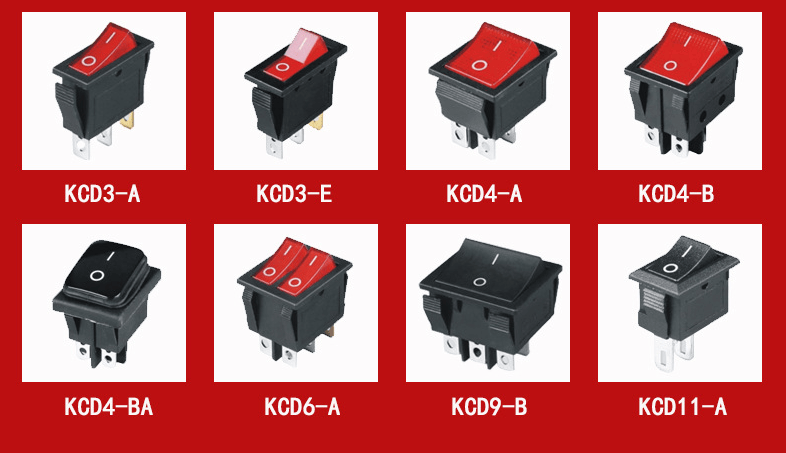
Build Quality & Durability Features That Survive High-Traffic Environments
When you spec a commercial rocker light switch for offices, schools, hotels, or warehouses, build quality is what keeps you from getting callbacks. In busy U.S. facilities, switches get hit hundreds of times a day, carts slam into them, and cleaning crews soak walls with chemicals. If the switch isn’t truly commercial-grade, it will fail early, discolor, or worse, overheat.
Here’s what I always look at when I’m choosing the right commercial rocker switch for high-traffic spaces.
Rocker Switch Body Materials: Nylon vs ABS
The plastic body and actuator (the “rocker” you touch) matter a lot for durability and safety.
Nylon (best for commercial use):
High impact resistance (great for schools, corridors, hotels)
Handles temperature swings better
More resistant to cracking and chipping
Better resistance to common cleaning chemicals
ABS (more common in lower-cost, light-duty devices):
Fine for low-traffic, residential-style use
More likely to crack or yellow over time
Not ideal for high-abuse public areas
Quick comparison:
| Feature | Nylon Rocker Switch Body | ABS Rocker Switch Body |
|---|---|---|
| Impact resistance | High (ideal for commercial) | Moderate |
| Crack/chip resistance | Excellent | Fair |
| Chemical/cleaning resistance | Better | Lower |
| Color stability (no yellowing) | Very good | Can discolor in sunlight/chemicals |
| Recommended use | Offices, schools, hotels, hospitals | Light-duty, low-traffic spaces |
For any serious commercial project, I spec an impact-resistant nylon rocker switch body as the default.
Metal Yoke, Strap Strength, and Grounding
Behind the plastic, the metal strap (yoke) is what actually anchors the switch to the box and wall. In commercial-grade rocker switches, that strap is a big part of the durability story.
Look for:
Heavy-gauge steel strap:
Less flexing when devices are tightened in multi-gang boxes
Better resistance to damage from carts, furniture, and accidental hits
Solid grounding features:
Green grounding screw on the strap
Grounding clip or self-grounding feature when installed in a metal box
Clear ground path from strap to device for safety
Rigid mounting ears:
Keeps wallplates aligned in long multi-gang runs (hallways, offices)
Reduces stress on the device when plates are overtightened
A strong, grounded metal strap is non-negotiable in high-traffic, code-driven U.S. projects.
Mechanical Performance, Cycle Life, and “Feel”
Commercial rocker switches aren’t just about ratings on paper. The internal mechanism—the contacts, springs, and cam—determines how long the switch will last and how it feels to use.
For heavy-duty rocker switches, I look for:
High cycle life ratings:
Typical commercial-grade: 30,000–50,000 cycles
Heavy-duty or specification-grade: 80,000–100,000+ cycles
Quiet, firm switching action:
Smooth, “positive” click without being loud
No spongy or loose feel, even after years of use
Contact design:
Wiping contacts to reduce arcing and carbon buildup
Materials rated for inductive and electronic loads (LED drivers, ballasts)
Consistency across devices:
All switches in a project should feel and sound the same in the hand
This is a big deal in office, hotel, and healthcare environments
When you’re buying at scale, contractor feedback and long-term field performance are just as important as the datasheet numbers. A switch that feels solid usually is solid.
Thermal Management, Heat Dissipation, and Flame Ratings
Commercial rocker switches must handle higher loads (20A, 277V and up) without overheating. In real U.S. projects with LED drivers, ballasts, and mixed loads, thermal performance is critical.
Key safety points:
Heat dissipation:
Wide, solid terminals with plenty of metal for heat spread
Secure screw or clamp connections (no loose terminations that create hot spots)
Proper derating guidance when devices are ganged together
Material temperature resistance:
Bodies and rockers are designed to withstand elevated temperatures
No softening, warping, or discoloring around the contacts
Flame rating (UL94 V-0 preferred):
UL94 V-0 means the plastic is highly flame-resistant and self-extinguishing
Reduces the risk of a small fault turning into a larger fire
Compliance with UL standards:
For lighting loads, ensure the switch is evaluated under the correct UL snap switch standards, similar to how other distribution components like an indoor vacuum circuit breaker or a medium-voltage voltage transformer, are tested for heat and safety under load.
of what I insist on:
UL94 V-0 or better flame-rated body and actuator
Strong metal strap with reliable grounding
Impact-resistant nylon housing
High cycle life (at least true commercial-grade)
Solid thermal design with clear derating info
If you get these durability and safety basics right on your commercial rocker light switches, you cut down on failures, callbacks, and complaints—and you end up with a system that actually matches the real-world abuse it’s going to see.
Code Compliance & Certifications for Commercial Rocker Light Switches
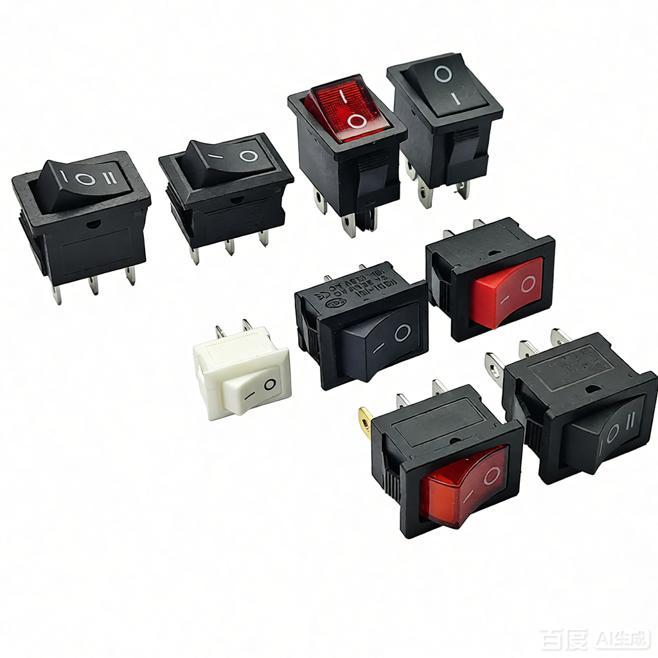
When I’m choosing commercial rocker switches for a U.S. project, code compliance is non‑negotiable. If the device isn’t listed, labeled, and documented correctly, it can fail inspection and cost you time and money. Here’s what I always verify.
Core UL Standards (UL 20, UL 1472)
For anyone serious about how to choose the right rocker light switch for commercial projects, these are the basics:
UL 20 snap switches – This is the main standard for most commercial rocker switches (single‑pole, 3‑way, 4‑way, double‑pole). Look for “UL 20” and “cULus” on the device and spec sheet.
UL 1472 – Covers electronic switches and dimmers, including many LED-compatible rocker switches and hospital-grade rocker switches with electronic control.
Make sure the listing matches the function: standard snap switch vs. dimmer vs. electronic lighting control. A UL 20 switch does not replace a UL 1472 dimmer.
Code compliance doesn’t stop at the device. On larger projects, we often align rocker switch specs with how we upgrade legacy oil circuit breakers to modern vacuum circuit breakers to keep the whole system up to current safety standards, similar to the approach in this guide on replacing an old oil circuit breaker with a vacuum circuit breaker.
Regional & Project-Specific Compliance
On U.S. commercial jobs, I make sure every commercial-grade rocker light switch hits these boxes:
cULus listed – Acceptable in both the U.S. and Canada; look for the combined mark on the body and in the cut sheet.
RoHS-compliant rocker switch – Increasingly requested on LEED and corporate sustainability projects.
Buy American Act (BAA) / TAA compliant switches – Often mandatory on federal, military, and certain state-funded projects. Confirm the country of origin in writing.
Title 24 compliant lighting controls (California) – For offices, schools, and retail, pairing rocker switches with vacancy sensors, dimming, and daylight controls that meet ASHRAE 90.1 lighting control requirements is standard practice.
If you’re working across states, add project notes that clearly call out which areas require Title 24 or ASHRAE 90.1 compliance so the controls package matches.
ADA Mounting Height & Accessibility
ADA isn’t just about door hardware; ADA-compliant light switches are a key part of the spec:
Mount rocker switches so the operable part is within the 15""–48"" above finished floor (AFF) reach range. Most contractors aim for 42""–46 " AFF centerline to stay safe.
Use quiet rocker switch mechanisms with a large paddle so they can be operated with minimal force and no tight grasping, pinching, or twisting.
In high-traffic spaces (schools, hospitals, offices), I standardize heights across the project so inspectors see a consistent, accessible layout.
Documentation & Labeling for Inspections
Inspectors in the U.S. want to see that what’s on the wall matches what’s on the plans and submittals. For each commercial rocker switch package, I make sure we have:
Manufacturer data sheets showing UL/cULus listing, voltage (120V, 277V, 347V), amperage (15A, 20A, 25A), and function (single‑pole, 3-way, 4-way, double‑pole, pilot/illuminated).
Clear notes on tamper-resistant TR rocker switches, hospital-grade rocker switches, wet/damp ratings, and any specification-grade decorator switches called out in the electrical spec.
Panel schedules and device schedules that match device labels in the field (circuit numbers, controlled areas, and load descriptions).
On-device markings must stay visible: voltage, amp rating, grounding symbol, and listing marks. Don’t bury labels behind wallplates or paint over them.
If you handle UL listing, regional requirements, ADA heights, and clean documentation up front, your commercial rocker switches pass inspection the first time—and you avoid the callbacks that kill profit on a job.
Aesthetics & Design Integration for Modern Commercial Interiors
When I’m choosing a commercial rocker light switch for a job in the U.S., I treat it like part of the interior package—not just an electrical component. In offices, hotels, schools, and healthcare projects, switches sit right at eye level. If they look cheap or don’t match, clients notice immediately.
Rocker vs. Toggle Switch Styles
For modern commercial interiors, rocker (decorator) switches usually win over classic toggles:
Rocker switches
Clean, flat look that fits contemporary office, hotel, and healthcare designs
Easier to use for all ages and abilities (helps with ADA-friendly design)
Larger surface area, so it feels more “premium” and quieter than a clicky toggle
Toggle switches
Better suited for industrial, back-of-house, or retrofit areas where aesthetics matter less
Sometimes preferred in utility rooms, mechanical spaces, and warehouses for familiarity
In most spec-driven commercial projects, I standardize on commercial-grade rocker switches throughout public and tenant-facing spaces, and only use toggles where it makes sense functionally.
Color and Finish Options That Actually Work
I keep color and finish simple and consistent across the building:
Most common commercial colors:
White – default for modern offices, schools, and healthcare
Light Almond / Almond – warmer look for hotels, senior living, and residential-style common areas
Gray / Black – used in upscale office, hospitality, or where walls are dark
Selection tips:
Match switches and wallplates across floors and tenant spaces whenever possible
For healthcare and labs, use clear color coding by area or circuit if the design allows
Avoid cheap plastics that yellow, fade, or get glossy spots in high-traffic corridors
If I’m working on a high-end office or hotel, I’ll spec higher-quality finishes that resist discoloration and cracking over time. That’s a small upgrade that makes a big visual difference.
Screwless Wallplates & Multi-Gang Consistency
Screwless wallplates are one of the easiest ways to make a commercial space look more polished without a big cost jump:
Why I like screwless wallplates in commercial projects:
Smooth, clean face with no visible screws
Hides minor drywall or box imperfections
Easier to clean in healthcare, education, and food areas
Multi-gang layouts matter:
Keep gang layout consistent: if you use triple-gang rockers near conference rooms, repeat that pattern on every floor
Align switches in a logical order: e.g., from left to right — general lights, accent lights, then special functions
Make sure the commercial rocker switches and screwless wallplates come from the same series so color and gloss match
For larger projects with multiple electrical rooms and panelboards, I plan device layouts right along with the commercial lighting controls so nothing feels random or patched in later. The same mindset applies when I’m working with higher-level systems like gas-insulated switchgear in medium-voltage sections that feed the building’s distribution—clean, consistent hardware from top to bottom.
Coordinating Rocker Switches with USB, GFCI, and Dimmers
Today’s commercial interiors rarely use switches alone. I always plan rocker switches alongside other devices:
USB and USB-C outlets
Use decorator-style USB outlets so everything lines up visually with the rocker switches
Keep colors and finishes identical across outlets, switches, and wallplates
GFCI and tamper-resistant receptacles
In restrooms, kitchens, and code-required areas, match GFCI colors and rocker switch colors for a uniform look
Use tamper-resistant TR receptacles in public spaces and keep the whole device family coordinated
Dimmers and smart controls
Choose rocker dimmers or slide/rocker combos that match the shape and finish of your standard rocker switches
Make sure LED-compatible rocker dimmers and standard switches come from the same brand family, so faceplates and heights line up cleanly
Labeling and user clarity
For conference rooms, classrooms, and multi-function spaces, label grouped rockers and dimmers clearly on the wallplate or via engraved inserts
Keep the same “visual language” floor to floor—users shouldn’t have to guess which rocker does what
When I spec a commercial-grade rocker light switch package, I treat it like one integrated system: rockers, dimmers, USB outlets, GFCIs, and screwless wallplates all from a coordinated series. That’s how you get a clean, modern finish that holds up in real-world commercial use.
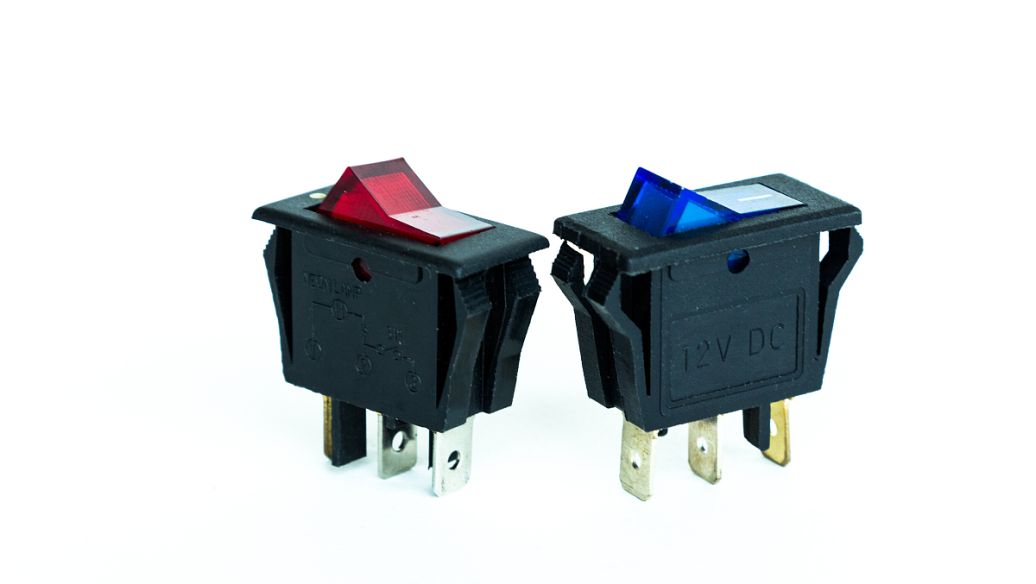
Top Mistakes Contractors Make When Specifying Rocker Switches
When you’re picking commercial rocker switches, a few common mistakes can cost you money, time, and callbacks. Here’s what I see contractors get wrong most often – and how to avoid it.
1. Undersizing amperage or voltage ratings
A rocker light switch that’s fine in a house can be a weak link in a commercial building.
Big misses:
Using 15A 120V switches on circuits that should be 20A or 277V
Forgetting that large fixtures, multiple luminaires, or fan loads need higher horsepower ratings
Ignoring inrush current from LED drivers and motor loads
How to avoid it:
Match the switch rating to the circuit:
20A 120V rocker light switch for typical 20A office or retail circuits
Heavy duty light switches 20A 277V for common commercial lighting panels
347V commercial switch for certain industrial or Canadian projects
Check horsepower and ballast/LED driver ratings in the spec sheet, not just amps and volts
When in doubt, size up to specification-grade wiring devices, especially in high-use areas
If your project uses higher voltage distribution or more complex protection devices, it’s worth understanding how upstream equipment like a properly sized disconnect switch works within the system, similar to what’s explained in this overview of what a disconnect switch does: https://www.weishoelec.com/Blog/what-is-a-disconnect-switch/
2. Ignoring LED driver and control compatibility
Contractors still get burned by “it’s just a switch” thinking.
Typical problems:
Flicker or ghosting on LED fixtures with “any old” rocker switch
Nuisance tripping when switches aren’t designed for electronic loads
Using mismatched devices with 0–10V dimming or smart controls
What to do instead:
Use LED compatible rocker switches and dimmers that specifically list:
LED and CFL compatibility
Ballast/driver ratings
UL 20 snap switches or UL 1472 listings as applicable
For controlled circuits (0–10V, relays, sensors, BMS), confirm:
Switch type (single-pole, 3-way, 4-way, double-pole)
Whether you need a pilot light or illuminated rocker
Compatibility with the chosen commercial lighting controls and drivers
3. Mixing residential-grade and commercial-grade on the same job
This is a big red flag for inspectors, facility managers, and future maintenance.
Why it backfires:
Residential-grade and commercial-grade rocker switches age differently
Inconsistent feel and noise: quiet rocker switch mechanisms in one room, cheap clicky ones in the next
Lower cycle life and more failures in high-traffic areas like corridors, restrooms, and classrooms
Best practice:
Standardize on commercial rocker switches or specification-grade decorator switches for the whole project
Use heavy-duty series (20A–25A) in:
Schools and universities
Hospitals and clinics
Warehouses and industrial spaces
High-traffic stairwells and lobbies
Keep residential-grade devices out of commercial spec unless clearly approved and documented
4. Skipping tamper-resistant or hospital-grade where required
Code-required features are not optional, and missing them can kill an inspection.
Common oversights:
Forgetting tamper resistant TR rocker switches in:
Schools and daycare areas
Hotels, apartments, and mixed-use buildings
Missing hospital grade rocker switches in:
Patient care areas
Operating rooms and medical spaces
Overlooking regional or owner requirements like:
ADA compliant light switches (height and reach)
Buy American Act compliant switches (BAA/TAA)
Title 24 compliant lighting controls and ASHRAE 90.1 requirements
How to stay safe:
Read the spec and local code, then match:
TR, WR (we" ather resistant) hospital-grade or spec-grade requirements
UL cULus RoHS and any project-specific labels
Make sure hospital grade and medical spaces use properly listed UL 1472 or equivalent hospital-grade devices where called out
5. Choosing cheap finishes that don’t last
A low-cost rocker switch that looks yellowed or cracked in a year is not a win.
Typical finish failures:
Wallplates and rockers discoloring under UV and cleaning chemicals
Brittle plastics cracking in high-traffic areas (schools airports malls)
Inconsistent color match across gangs and device types
What to demand:
Impact resistant nylon rocker switch bodies instead of weak ABS where durability matters
Screwless wall plates commercial lines for clean modern installs and easier touch-ups
Color consistency across:
Rocker switches
USB outlets and GFCI receptacles
Dimmers and specialty controls
UL94 V-0 flame rated switch body and a metal strap grounded rocker switch for added safety and strength in commercial use
If you avoid these five mistakes and stick with properly rated LED compatible commercial-grade rocker light switches you’ll cut down on callbacks pass inspections smoother and deliver a better-looking longer-lasting install for your clients.
Step-by-Step Selection Checklist for Commercial Rocker Light Switches
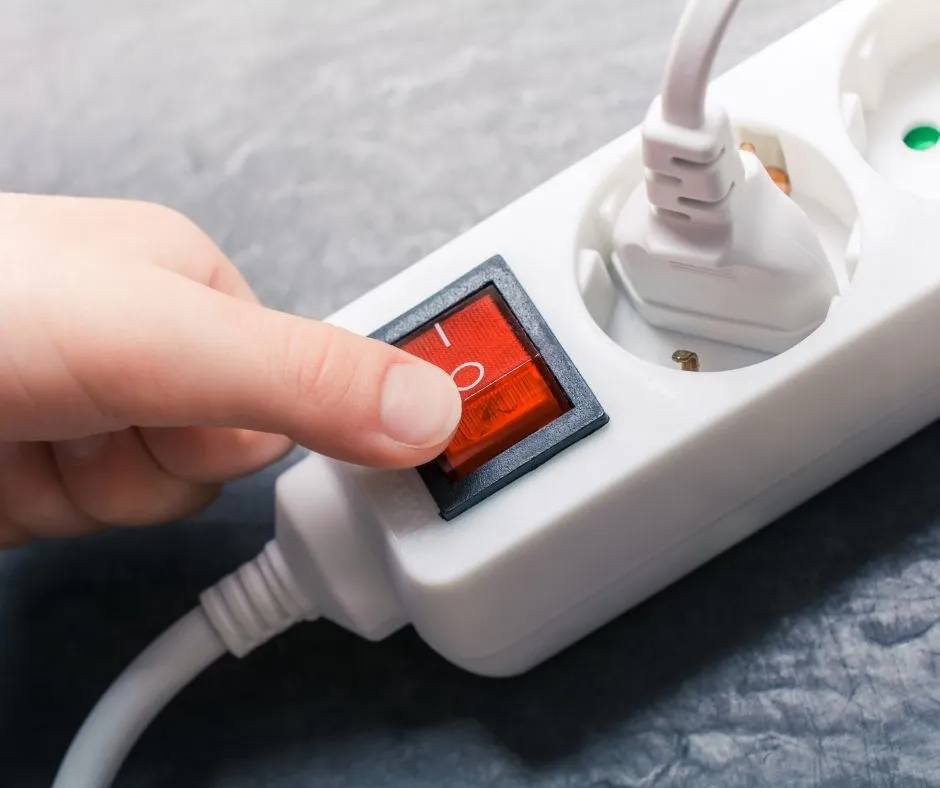
Use this quick checklist before you release a spec set or place a PO. It keeps you out of trouble with inspectors owners and your own callback list.
1. Define Project Type and Usage Environment
Start with where the switch is going. That drives almost every decision.
Office:
Quiet rocker mechanism neutral colors (white light almond gray)
15A–20A 120/277V LED compatible
Hotel / Hospitality:
Decora/spec-grade look screwless wallplates in guest areas
Durable easy-to-clean finishes clear labeling
Hospital / Healthcare:
Hospital-grade where required (patient rooms critical care)
Tamper-resistant strong grounding high visibility colors where needed
School / University:
Impact-resistant nylon tamper-resistant (TR) in student areas
High cycle life clear ON/OFF or icon markings
Warehouse / Industrial:
Heavy-duty 20A–25A 277V or 347V options
High-visibility colors strong metal strap secure grounding
Tip: For harsher electrical environments with high fault levels coordinate with upstream protection like a properly rated disconnect or breaker (for example an outdoor vacuum circuit breaker) to keep your rocker switches within their safe limits.
2. Match Voltage and Amperage Ratings
Never “almost match” ratings. Get it right on paper and in the field.
Voltage:
120V: Typical office retail hospitality
277V: Most commercial lighting in the U.S.
347V: Certain Canadian and specialty projects
Amperage:
15A: Light-duty commercial or small loads
20A: Standard go-to for most commercial circuits
20A–25A: Heavy-duty or motor/large load switching
Check:
Branch circuit rating (breaker size voltage)
Connected lighting load (including inrush for LED drivers)
Any motor or fan horsepower rating on the switch
If you’re dealing with higher system voltages or complex protection schemes make sure those are handled upstream with properly specified devices not by overloading the switch.
3. Select Switch Function and Special Features
Pick the switch type based on how the space is actually used not just what’s stocked.
Basic functions:
Single-pole: One location control
3-way / 4-way: Multiple location control
Double-pole: Two circuits or separate phases
Special features:
Pilot light: Shows when the load is ON (useful in mechanical rooms)
Illuminated: Glows when OFF so users can find it in the dark
Quiet mechanism: Offices hotels conference rooms
Tamper-resistant (TR): Schools public spaces
Hospital-grade: Healthcare and critical environments
Smart / IoT-ready: BMS integration wireless control energy monitoring
Choose LED-compatible rocker switches when using LED or CFL loads to avoid flicker ghosting or early switch failure.
4. Confirm Code Compliance and Certifications
Lock this in before submittals go out.
Core standards:
UL 20 for standard rocker/snap switches
UL 1472 for dimmers and some specialty controls
cULus listing for U.S. and Canada
Project drivers:
RoHS compliance for environmentally focused projects
BAA/TAA for federal or government work
Title 24 / ASHRAE 90.1 lighting control requirements for energy codes
Check:
ADA mounting height and operability where accessibility rules apply
Clear labeling and documentation ready for inspectors
Keep spec sheets and listing details organized; inspectors move fast and you don’t want delays over paperwork.
5. Choose Aesthetics Color and Wallplate Style
The look matters to owners and tenants especially on Class A and hospitality jobs.
Style:
Rocker/“decorator” switches for a clean modern look
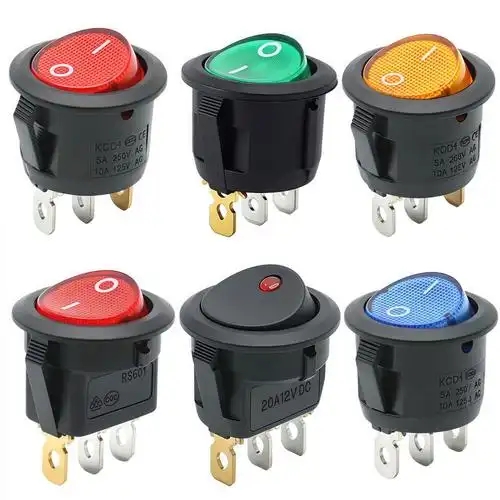
Brand Comparison for Commercial-Grade Rocker Light Switches
When you’re choosing commercial-grade rocker light switches for offices schools hotels or healthcare brand and product line matter just as much as specs. Not all “commercial” switches are built the same.
Key Differences: Premium vs Basic Commercial Rocker Switch Lines
Most brands offer at least two levels:
Basic “contractor” or “commercial” grade:
Standard offices
Low to medium traffic corridors
Budget-driven tenant build-outs
15A 120/277V focus
Lower cycle-life (often 30k–50k operations)
Standard nylon body lighter strap
Fewer color options
Shorter warranty (often 1–2 years)
Good for:
Premium “specification grade” or “heavy duty”:
Schools universities hospitals
High-traffic public spaces
Industrial and warehouse applications
20A–25A 120/277V or even 347V
High cycle-life (often 80k–250k operations+)
Impact-resistant nylon or reinforced housing
Heavy-gauge metal strap with strong grounding
Quiet mechanism tighter feel
Expanded colors screwless plate options
Longer warranty (often 5+ years)
Ideal for:
Quick Feature Comparison by Brand Type
(Generalized view to help you evaluate any brand’s lines.)
| Feature | Basic Commercial Line | Premium / Spec-Grade Line |
|---|---|---|
| Amp rating | 15A | 20A–25A |
| Voltage options | 120/277V common | 120/277V 347V options |
| Cycle-life rating | ~30k–50k cycles | ~80k–250k+ cycles |
| Body material | Standard nylon / ABS | Impact-resistant nylon UL94 V-0 options |
| Metal strap / yoke | Standard steel | Heavy-gauge steel reinforced better grounding |
| Wiring | Back & side fewer options | Back & side better terminal design |
| Special types | Single-pole some 3-way | 3-way 4-way double-pole pilot illuminated |
| Hospital / TR versions | Limited | Full hospital-grade tamper-resistant families |
| Warranty | 1–2 years | 5+ years some extended / project warranties |
| Best use cases | Basic office light commercial | Schools healthcare high-traffic industrial |
Heavy-Duty 20A–25A and Hospital-Grade Rocker Switch Performance
For real commercial abuse heavy-duty 20A–25A and hospital-grade rocker switches are in their own league:
Heavy-duty 20A–25A series:
Gymnasiums auditoriums big box retail
Warehouses and industrial plants
Schools with constant use all day
Designed for 20A 120V and 20A 277V circuits; some support 347V.
Built for frequent switching and higher inrush loads (LED drivers ballasts motors).
Stronger return springs and premium internal contacts for consistent “quiet” action.
Great for:
Hospital-grade rocker switches:
Patient rooms and corridors
Nurse stations and treatment areas
Any area with critical uptime requirements
UL 20 / UL 1472 compliance where required.
Tighter contact pressure and improved grounding.
High-impact construction – resists abuse from carts beds and equipment.
Easy cleaning surfaces; some lines offer antimicrobial options.
Perfect for:
Even in non-medical projects many facility managers use hospital-grade or spec-grade switches in key areas (main corridors mechanical rooms stairwells) to reduce failures and callbacks.
How Contractor Feedback and Field Testing Should Guide Brand Choice
On paper a lot of commercial rocker light switches look the same. In the field they don’t. I always push teams to choose based on real-world use:
Ask your electricians:
Which brand’s terminals are easier to land multiple conductors on?
Which back and side-wired light switches actually hold torque and don’t loosen?
Which rocker feels solid after a year of use not mushy or loose?
Watch for these field-tested signals:
Low failure rates in high-traffic sites (schools hotels retail).
Minimal discoloration or cracking on plates and rockers.
Stable performance with LED loads (no flicker no nuisance failures).
Clean inspections thanks to clear labeling and UL marks.
Lean on proven lines:
If your team has had good luck with a specific heavy-duty 20A 277V decorator switch or hospital grade rocker switches across multiple jobs stick with it. Avoid changing to save a few cents per device.
Consider the whole electrical ecosystem:
Make sure your rocker switches integrate well with your breakers transformers and upstream protection. For example if you’re using advanced protection gear like an outdoor high-voltage vacuum circuit breaker consistent quality at the device level keeps the whole system stable.
Contractor feedback plus real field data beats any catalog. When you combine that with solid UL listings high cycle-life and robust 20A–25A ratings you end up with a commercial-grade rocker light switch brand that actually lowers your long-term cost and keeps tenants owners and inspectors happy.
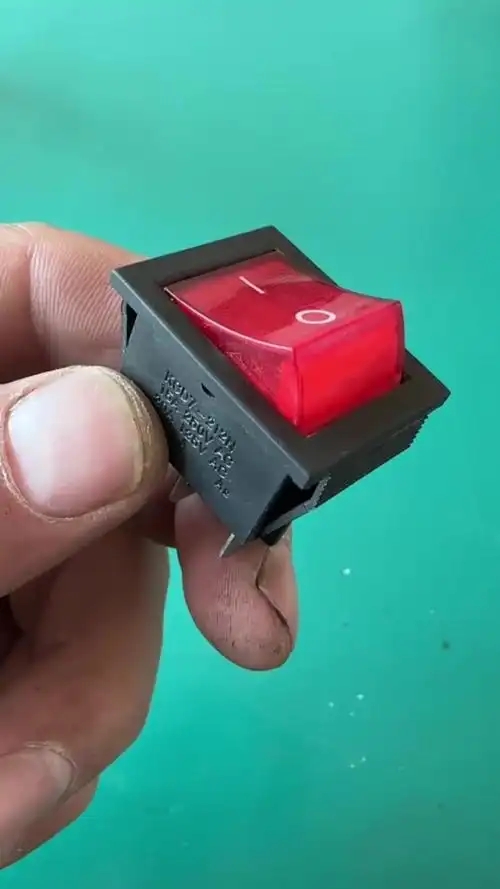
Cost vs Value: How to Choose the Right Rocker Light Switch for Commercial Projects
When I look at commercial rocker light switches I never start with price alone. I look at what each grade actually delivers over the life of the building.
Price tiers for commercial rocker switches
Most commercial projects in the U.S. fall into one of these price tiers:
Contractor‑grade 15A–20A 120V: Lowest cost basic commercial rocker light switch fine for standard office rocker light switches and low-load circuits.
Commercial/specification‑grade 20A 120V/277V: Mid-tier better impact-resistant nylon metal strap and higher cycle life; ideal for school and university light switches and hotel rocker light switches.
Heavy-duty light switches 20A 277V / 347V commercial switch: Built for warehouses industrial and high-traffic area light switches with higher fault tolerance and tougher bodies.
Hospital grade rocker switches: Highest upfront price but the strongest mechanical design strict UL and performance requirements and excellent long-term reliability.
Long-term value vs upfront cost
To decide what to use I always compare total cost of ownership not just the unit price:
Factor in expected cycle life hours of operation and how often the area is used.
Include labor rates for future service calls; one callback can wipe out the savings from buying cheaper contractor grade light switches.
Align your switch grade with the same thinking you use when sizing protection gear and breakers; the logic is similar to choosing the right devices in any electric circuit breaker technical guide.
How failures and callbacks hit project cost
Cheap devices show up later as:
Premature failures from weak contacts or low-grade plastics.
Nuisance issues (flicker noise poor LED compatible rocker switches) that upset tenants.
Callbacks and overtime for maintenance teams and contractors.
Damage to finishes when you have to pull devices from multi-gang boxes and repaint or patch.
Once you price in truck rolls tenant disruption and rework the “cheap” choice is rarely the real bargain.
When to pay more for heavy-duty or hospital grade
I justify paying more for heavy-duty or hospital grade rocker switches when:
Circuits are 20A 277V decorator switch runs feeding large commercial lighting loads.
Spaces run long hours (24/7 corridors lobbies parking healthcare data centers).
There is critical uptime or safety concern (hospitals labs egress paths).
The building owner wants low maintenance over 10–20 years of use.
In those scenarios a specification-grade wiring device or hospital grade rocker switch usually saves money over time by cutting failures reducing callbacks and keeping commercial lighting controls reliable across the life of the facility.
Installation Best Practices & Common Wiring Errors
Getting commercial rocker light switch installation right is about safety reliability and avoiding callbacks. Here’s how I approach it on real U.S. jobsites.
Correct Wiring Methods (Back vs Side Wiring)
Commercial rocker switches (especially 20A 120V/277V decorator switches) usually support both back and side wiring. Use each method correctly:
Side wiring (preferred for commercial):
Use when you need the most secure long-term connection.
Form a proper hook on the conductor (clockwise) so tightening the screw pulls the wire in.
Ideal for heavy duty light switches 20A 277V and 20A 120V rocker light switches.
Back wiring (back-wire clamp style not “backstab”):
Only use on switches that have true clamp-style back wiring (specification grade).
Strip the wire to the length marked on the device and fully insert under the clamp.
Tighten the screw to the listed torque so the clamp bites evenly on copper.
Best practices:
Keep conductor insulation just outside the terminal—no bare copper exposed.
Maintain box fill limits; don’t jam wires behind the rocker switch.
Keep neutral hot and traveler conductors neatly separated to avoid cross-contact.
Torque Specs & Proper Terminal Tightening
Loose terminations are one of the main reasons commercial rocker switches fail or overheat.
Always follow manufacturer torque specs (commonly in the 12–18 in-lb range but verify).
Use a torque screwdriver on:
Hot and neutral terminations
Ground/green screws on the metal strap
Back-wire clamp screws on specification grade decorator switches
After tightening:
Give each conductor a firm tug test.
Confirm no movement at the terminal or clamp.
Correct torque:
Reduces heat buildup at the connection.
Improves performance when circuits are loaded near the rating (20A 277V decorator switch 347V commercial switch etc.).
Helps meet inspection expectations for professional commercial work.
Aluminum Wiring Pigtails & Mixed-Metal Terminations
Many older commercial buildings in the U.S. still have aluminum branch circuits. Most commercial rocker light switches are rated CU (copper) only so you need proper pig-tailing:
For aluminum wiring:
Use AL/CU-rated connectors specifically listed for AL-to-CU splicing.
Clean and prep aluminum conductors apply antioxidant compound if required.
Splice aluminum to a short copper pigtail then terminate the copper to the rocker switch.
For mixed metals (copper + aluminum in the same box):
Never land aluminum directly on CU-only terminals.
Keep AL-to-CU splices neatly separated and capped with listed connectors.
Always:
Verify device markings (CU only vs CU/AL).
Follow NEC and local code on aluminum wiring practices.
Load Derating Multi-Gang Boxes & Daisy-Chain Limits
Commercial-grade rocker switches in multi-gang applications need attention to heat and current.
Load derating:
When devices are installed side-by-side in multi-gang boxes some manufacturers require reducing the amp rating.
Check the derating chart when you gang 3-way 4-way double-pole commercial light switches or heavy duty 20A–25A devices together.
Multi-gang layouts:
Keep high-load circuits (like 20A 277V rocker switches for large lighting zones) on the ends of the gang where heat can dissipate better.
Use properly sized boxes to avoid crowding and overheating.
Daisy-chaining:
Avoid running too many downstream devices off a single switch feed terminal.
Use wirenuts and pigtails instead of stacking multiple conductors on one terminal.
Follow the device’s “two-conductor max” or similar printed limits.
Good heat management and correct derating are just as critical in switches as they are in higher-voltage gear like an indoor high-voltage vacuum circuit breaker where proper design keeps temperature under control during load switching.
On-Site Testing Labeling & Documentation
Before you close up a project treat your commercial rocker switch circuits like a system not a single device.
Testing:
Use a voltage tester at each rocker switch to verify line load and neutral are correct.
For 3-way and 4-way commercial switches confirm travelers are correctly landed by testing operation from all locations.
Cycle each rocker multiple times under load to check for a smooth quiet rocker switch mechanism and no flicker on LED compatible rocker switches.
Labeling:
Label panel directories clearly with circuit numbers and controlled areas (e.g. “Office Area A – West Row Lights”).
In larger facilities label device covers or wallplates in critical rooms (IT mechanical spaces hospital areas).
Documentation:
Record device ratings (20A 120V 20A 277V 347V) locations and any special devices (tamper resistant TR rocker switches hospital grade rocker switches).
Keep cut sheets and installation instructions on file for inspection and future maintenance.
Note any aluminum-to-copper pig-tailing or non-standard conditions in your project closeout package.
Done right professional installation of commercial-grade rocker light switches means cooler connections fewer failures and fewer callbacks—and that saves real money over the life of the building.
Future-Proofing with Smart and IoT-Ready Rocker Switches
If I’m planning a project to last 10–20 years I don’t stop at basic on/off. I spec smart IoT-ready commercial rocker switches so the building is ready for today’s controls and tomorrow’s upgrades.
Low-Voltage and Networked Rocker Switches
In many newer U.S. office school and healthcare projects I lean toward low-voltage and networked rocker switches instead of traditional line-voltage wall switches.
Key points I look at:
Low-voltage control (0–10V DALI or similar) tied to central lighting panels or drivers
Bus or network protocols that match the project (BACnet Modbus KNX proprietary)
Remote power so the wall station is safer and easier to reconfigure
Clear documentation showing how the switches tie into other commercial lighting controls
When I’m coordinating with upstream gear like switchgear or panelboards I also plan surge protection and distribution along with the controls similar to how I would when selecting dry-type power transformers for commercial buildings.
Wireless and Smart Control Options
For tenant fit-outs remodels and historic spaces where pulling new wire is a pain wireless smart rocker switches are a big win.
I focus on:
Battery-powered or energy-harvesting wall stations that mount like normal decorator switches
Support for Zigbee Z-Wave Bluetooth Mesh or Wi‑Fi depending on the site standard
Scene control (meeting presentation cleaning after-hours) from a single rocker
Ability to integrate with occupancy/vacancy sensors and daylight sensors
These smart commercial rocker switches let me give tenants app or dashboard control without blowing up the electrical scope.
Energy Monitoring and Automation Features
To hit energy codes and owner goals I prefer energy monitoring light switches and controls that give real data not just basic switching.
What I look for:
Per-circuit or per-zone kWh tracking in the lighting control ecosystem
Run-time data to spot lighting left on in offices hotels and warehouses
Built-in timers scheduling and auto-off tied to occupancy or time-of-day
Dashboards that facility teams can use without a programmer on speed dial
Well-designed automation here pairs nicely with upstream protection like proper surge and lightning control; understanding the difference between devices is key which is why I often reference resources like this guide on lightning arresters vs surge arresters when planning the overall electrical system.
Compatibility with Building Management and Lighting Systems
The last thing I want is a “smart” switch that can’t talk to the building management system (BMS).
Before I lock in a smart commercial-grade rocker light switch I verify:
BMS compatibility (BACnet/IP BACnet MS/TP Modbus or API support)
A clear integration guide for the exact lighting control platform on the project
Support for both local scenes and centralized scheduling via the BMS
Secure firmware updates and long-term vendor support
When I follow this approach I’m not just choosing a switch; I’m making sure the whole project is ready for IoT-ready lighting controls and whatever the owner wants to layer on later—without tearing open walls or rewriting the spec. "