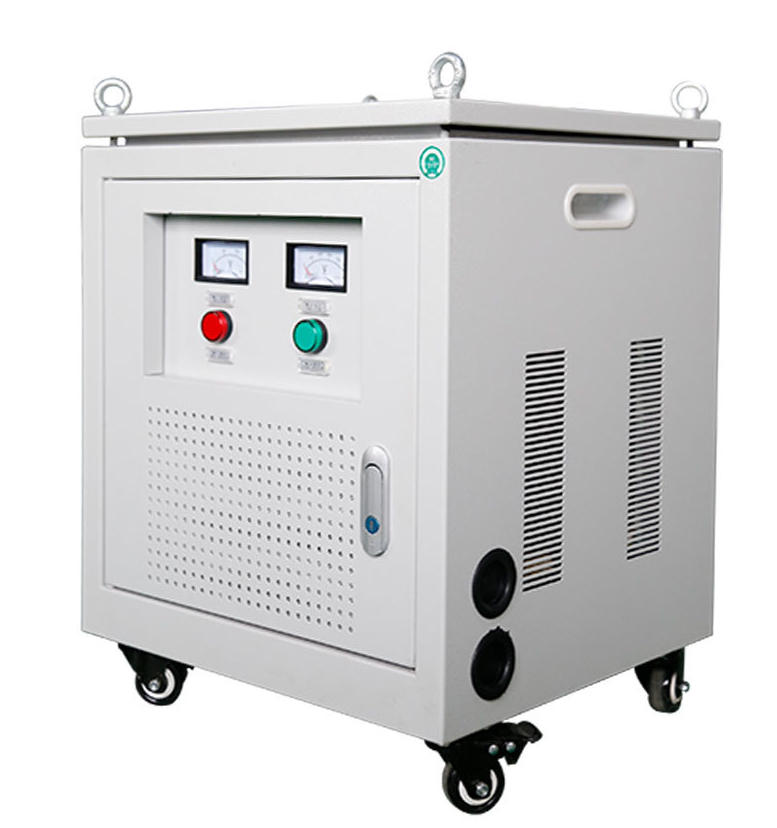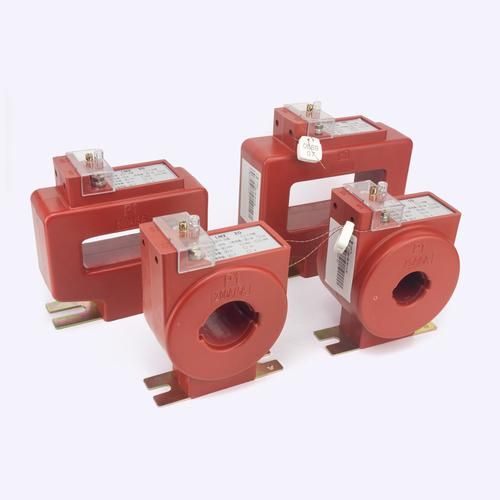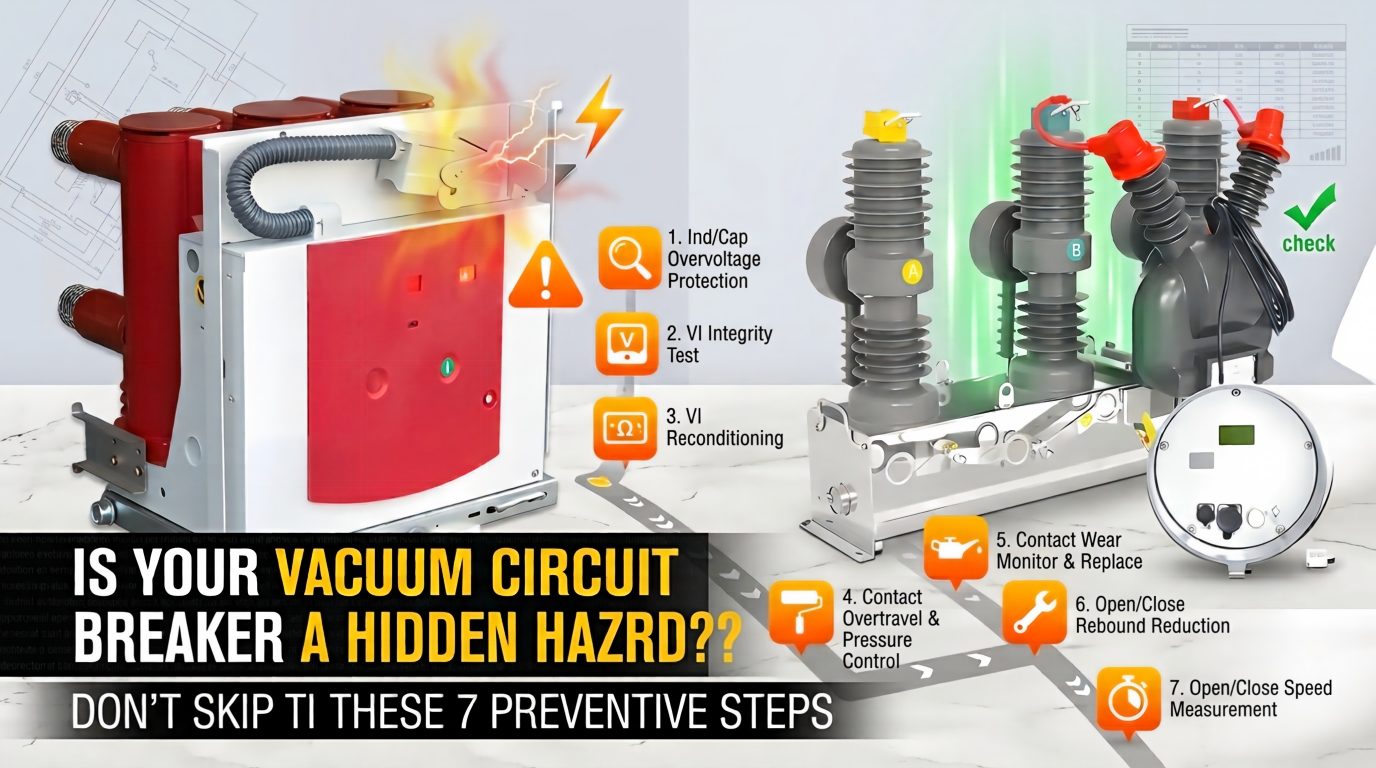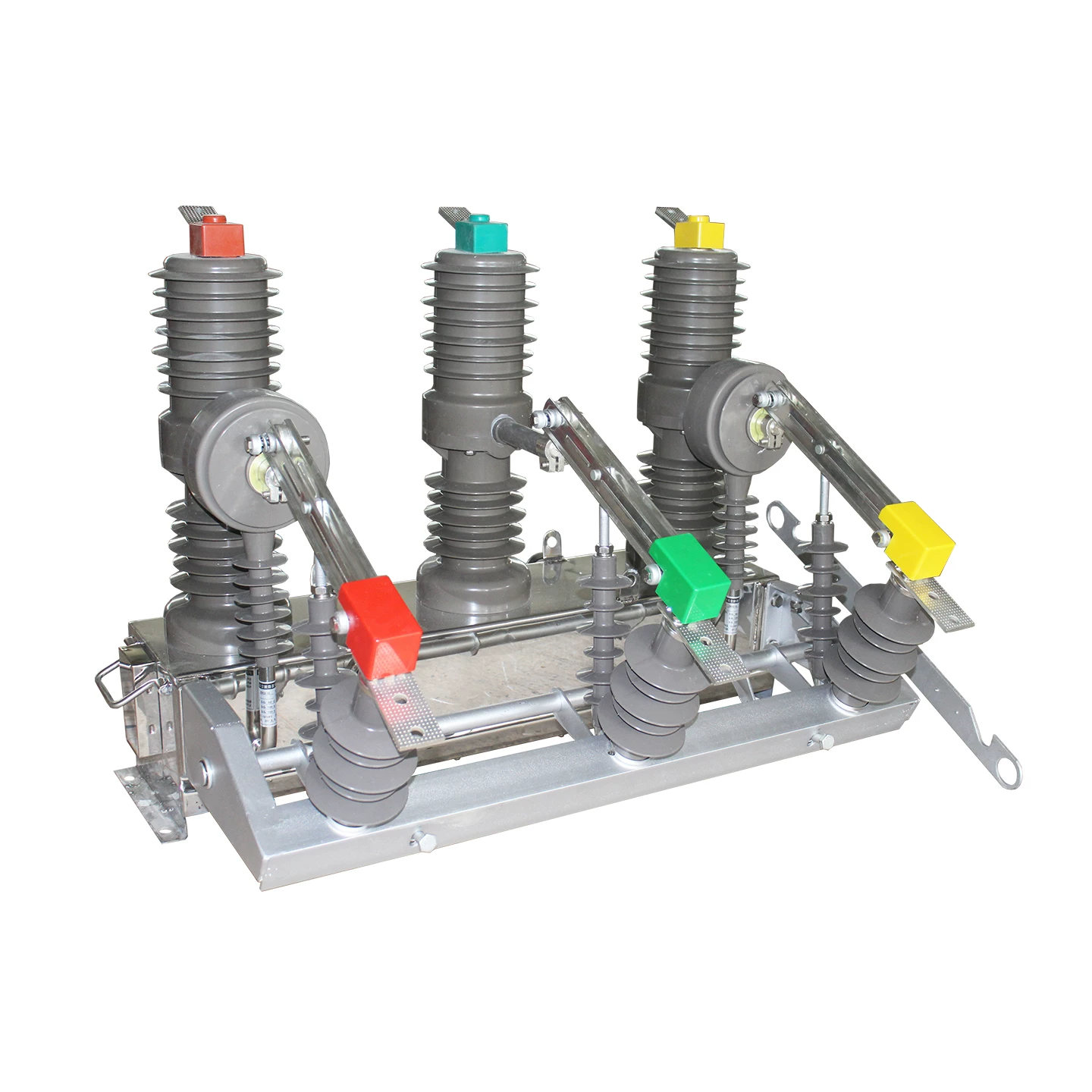
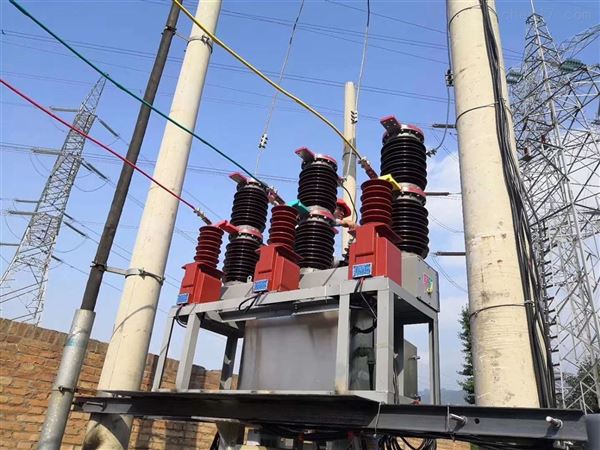
You use an SF6 Circuit Breaker to stop electric current. It helps protect your power system. SF6 gas makes things safe by extinguishing the arc quickly when contacts move apart. This occurs because SF6 gas possesses unique properties. It cools and insulates better than air.
Over 70% of high-voltage substations use SF6 circuit breakers.
These breakers have more than 65% of the market share.
Application | Key Reasons for Adoption |
|---|---|
Utility Power Transmission | Protects the grid, keeps electricity flowing, cuts down on downtime, and reduces system failures. |
Industrial Plants | Keeps equipment safe, handles heavy loads well, and helps things run better. |
Commercial Buildings | Makes electricity safe, stops damage from too much current or faults. |
Renewable Energy Integration | Handles changing power, gives good switching, and protection. |
Key Takeaways
SF6 circuit breakers keep power systems safe. They stop electric arcs fast. This helps make sure things work well and safely.
Checking and fixing SF6 circuit breakers is often important. It stops problems like gas leaks and broken parts. This helps systems keep working.
SF6 gas is a great insulator. It puts out arcs very well. This lets circuit breakers be smaller and work better in high-voltage places.
Many substations and factories use these breakers. They work well and do not need much fixing.
Using SF6 gas the right way helps the environment. It lowers greenhouse gas and helps keep things green.
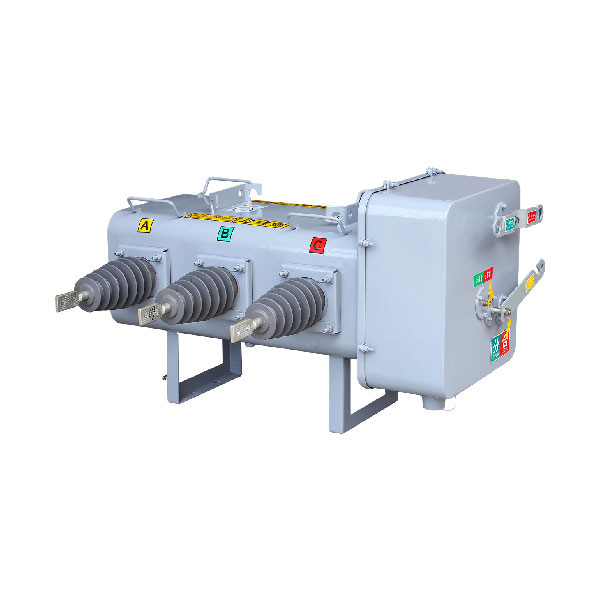
SF6 Gas
Properties
You use SF6 gas in circuit breakers because it has special features. SF6 is colorless and has no smell, so you cannot see or smell it. The gas is safe to use because it does not burn and is not poisonous. SF6 is much heavier than air, about five times as heavy. This makes it good at moving heat away from the arc fast.
You can look at the main features of SF6 gas in the table below:
Property Type | Description |
|---|---|
Physical Properties | Colorless, odorless, non-toxic, non-flammable, high-density, excellent heat transferability |
Chemical Properties | Stable up to 500 °C, inert, high electronegativity, non-corrosive, does not react with materials |
Electrical Properties | High dielectric strength (2.5 to 3 times greater than air), excellent arc extinguishing ability |
SF6 gas is special because it can stop electricity better than air. It is three times stronger than air at the same pressure. This lets you use smaller circuit breakers for big voltages. SF6 does not react with metals or other parts inside the breaker. This helps it last a long time and stops rust.
Tip: SF6 gas takes in free electrons. This makes it better at stopping electricity and great for high-voltage uses.
Role in Arc Quenching
When you open a circuit breaker, an electric arc forms between the contacts. SF6 gas helps put out this arc and stops the electricity. Here is how SF6 gas works:
1. The contacts move apart, and an arc starts.
2. SF6 gas, squeezed between the contacts, moves into the arc area through a nozzle.
3. The gas cools the arc and takes in free electrons. It makes negative ions that help put out the arc.
SF6 gas stays stable even when it gets very hot. It does not break down easily. It is almost 100 times better than air at putting out arcs. After the arc is gone, SF6 gas comes back together and can be used again. This helps the breaker handle very high currents, up to 12,000 A, and break short-circuit currents up to 80 kA. SF6’s quick recovery after the arc keeps your power system safe and working well.
SF6 gas gives strong insulation and puts out arcs, making your circuit breaker more reliable.
You can count on SF6 to stop damage and keep your system safe during problems.
SF6 Circuit Breaker Operation
Contact Separation
When you operate an SF6 Circuit Breaker, the first step is contact separation. You start with the contacts closed, allowing electricity to flow. If a fault happens, the breaker receives a signal to open. The operating mechanism moves the contacts apart quickly. As the contacts separate, the electric current tries to keep flowing. This action creates an arc between the contacts. You need to break this arc to stop the current and protect your system.
The energy for moving the contacts comes from the pressure difference in the SF6 gas. The interrupting chamber holds SF6 gas at a rated pressure. This pressure helps insulate the live parts and prepares to extinguish the arc.
Arc Formation and Extinguishing
When the contacts move apart, you see a bright arc form. The SF6 Circuit Breaker uses SF6 gas to handle this arc. The arc is thinner and brighter than in air, which means it has lower voltage and is easier to extinguish. SF6 gas absorbs free electrons from the arc, making it hard for the arc to stay alive.
Several factors affect how the arc forms and how quickly you can put it out. You can see these factors in the table below:
Factor | Influence on Arc Behavior |
|---|---|
Degree of ionisation | Fewer ionised particles increase arc resistance. |
Length of the arc | A longer arc increases resistance. |
Cross-section of the arc | A smaller area means higher resistance. |
Potential difference (p.d) | Lower P.D. makes it easier to extinguish the arc. |
Presence of ionised particles | More ionised particles keep the arc alive; fewer help extinguish it. |
You rely on SF6 gas to cool the arc and reduce ionisation. The gas forms negative ions by capturing free electrons. This process increases the resistance of the arc and helps put it out fast. After the arc disappears, SF6 gas surrounds the contacts and keeps them insulated. This prevents the arc from coming back.
Gas Compression and Release
You use gas compression to make the SF6 Circuit Breaker work better. The operating mechanism pushes a piston, which compresses the SF6 gas. This action creates a high-speed flow of gas aimed at the arc. The strong airflow cools the arc and lowers the number of ionised particles. This makes it easier to extinguish the arc.
Here is how the SF6 gas moves during operation:
1. The contacts begin to separate, and an arc forms.
2. The piston compresses the SF6 gas, sending it toward the arc.
3. The gas cools the arc and absorbs free electrons, stopping the arc.
4. After the arc is gone, the SF6 gas surrounds the contacts to provide insulation.
You can see the role of gas compression in the table below:
Mechanism | Description |
|---|---|
Gas Compression | The piston compresses SF6 gas, creating a fast airflow that blows on the arc and reduces ionisation. |
The arc extinguishing ability of SF6 gas is much stronger than that of air.
SF6 gas absorbs many free electrons, which stops the arc from staying alive.
You depend on the SF6 Circuit Breaker to use these steps every time it interrupts a fault. The breaker uses the gas tank to store and release SF6 gas at the right moment. This process keeps your system safe and makes sure the breaker works reliably.
Components
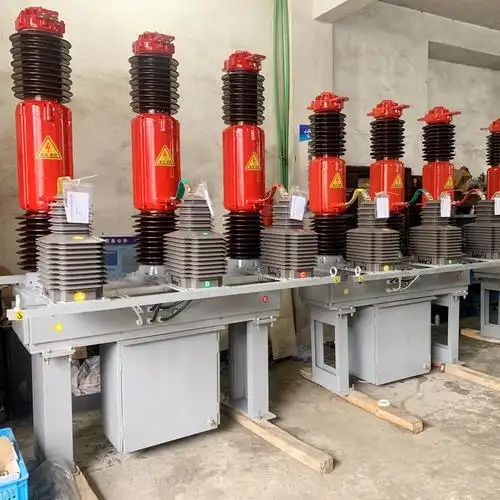
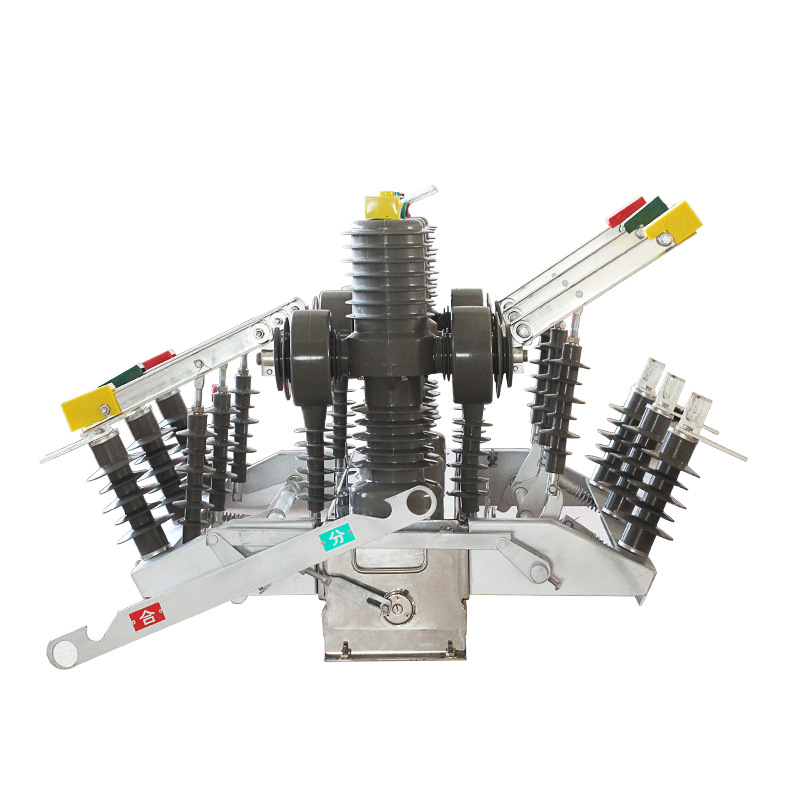
When you look inside an SF6 Circuit Breaker, you find several important parts. Each part has a special job to make sure the breaker works safely and quickly. Here is a table that shows the main components and what they do:
Component | Function |
|---|---|
Interrupter Unit | Separates contacts, quenches the arc, and interrupts current. |
Insulating Stack | Provides line-to-ground distance to prevent flashovers. |
Mechanical Operating Mechanism | Supplies energy to open and close the circuit breaker contacts. |
Control Panel | Connects the operating mechanism with system protection and control devices. |
Interrupter Unit
You depend on the interrupter unit to stop the flow of electricity during a fault. This unit holds the moving and fixed contacts. When a problem happens, the contacts pull apart inside the interrupter. The unit uses SF6 gas to cool and put out the arc that forms. This action protects your equipment and keeps your system safe.
Gas Tank
The gas tank stores SF6 gas under high pressure. You need this tank to keep the gas ready for use. The gas acts as both an insulator and an arc extinguisher. When the breaker operates, the tank releases the gas into the interrupter unit. This setup lets the SF6 Circuit Breaker interrupt current flow quickly and safely during faults.
Note: The gas tank must stay sealed and pressurized. If the pressure drops, the breaker may not work as expected.
Operating Mechanism
You use the operating mechanism to open and close the breaker contacts. This part uses a spring system to move the contacts fast and with enough force. Here is how it works:
1. The spring pulls the inner arm, which moves the insulating rod and nozzle down. The contacts separate, and an arc forms. The high-pressure gas flows in and puts out the arc.
2. When you close the breaker, the spring pulls the arm again, moving the nozzle up. The contacts touch, and the breaker gets ready for the next operation.
You can trust the operating mechanism to work every time you need to protect your system.
Maintenance
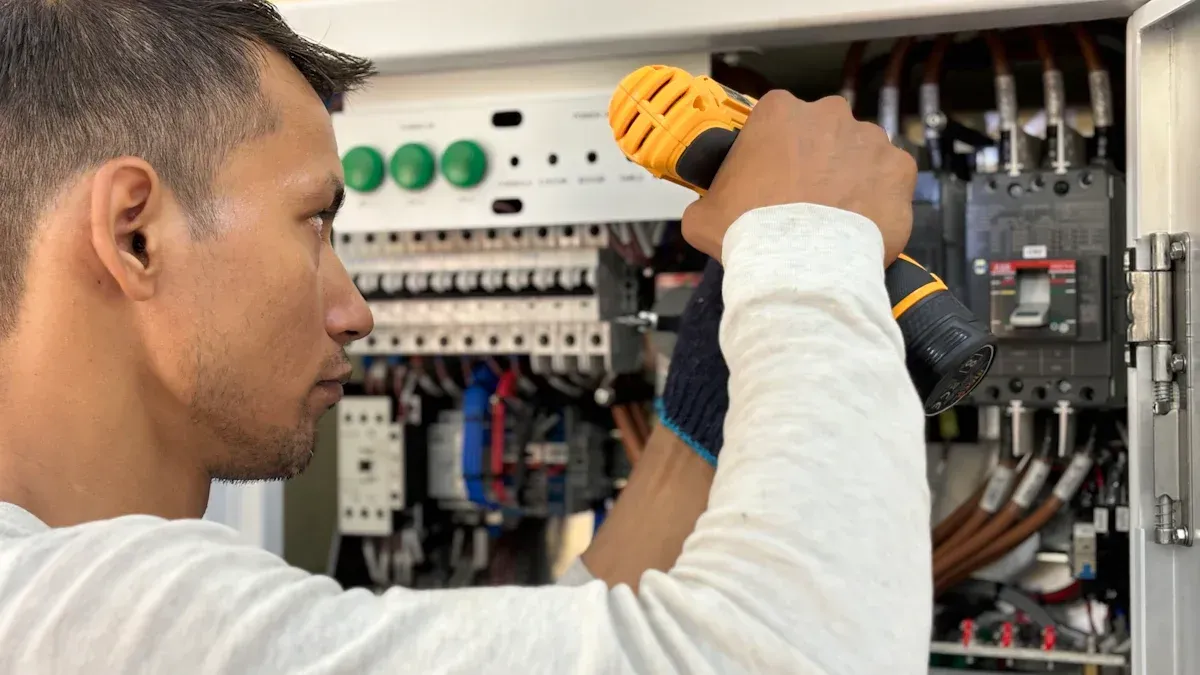
Inspection
You need to inspect your SF6 Circuit Breaker regularly to keep it working safely. Inspection helps you find problems before they cause failures. You should check the internal parts to make sure all mechanical components move smoothly. If you see any signs of wear or damage, you must fix them right away.
You can follow these common inspection steps:
Check the SF6 gas pressure and quality. Low pressure can stop the breaker from working.
Look for leaks around the gas tank and connections. Leaks can lower the gas level and reduce safety.
Remove any debris or dust that has built up inside the breaker. Clean parts work better and last longer.
Inspect the contacts and moving parts for signs of corrosion or damage.
Test the operating mechanism to make sure it opens and closes the contacts quickly.
Regular inspection helps you avoid sudden failures and keeps your power system safe.
Common Issues
You may face several issues when you maintain an SF6 Circuit Breaker. Some problems happen more often than others. Gas leakage is a major concern. If SF6 gas leaks, the pressure drops, and the breaker may not interrupt current as it should. Moisture can get inside the breaker and mix with the gas. Too much water in the SF6 gas can cause flashover, which damages the breaker.
Component damage is another issue. The SF6 gas can be corrosive over time, especially if moisture is present. Damaged parts may not move properly or may fail during operation. You need to check for these problems during every maintenance cycle.
Here are the most common issues you should watch for:
1. Low SF6 gas pressure
2. SF6 gas leakage
3. Excessive water content in SF6 gas
You can prevent most problems by following a regular maintenance schedule. Always monitor the gas pressure and quality. Fix leaks as soon as you find them. Remove moisture and debris to keep the breaker working well.
Tip: Early detection of these issues helps you avoid costly repairs and keeps your SF6 Circuit Breaker reliable.
Advantages
Performance
SF6 circuit breakers work very well in power systems. SF6 gas has high dielectric strength. This means you can use smaller breakers for high voltages. These breakers work well even in bad weather or tough places. SF6 is much better than air at putting out arcs. It can stop high fault currents fast, usually in 1-2 cycles.
You can look at the table to compare SF6 and vacuum circuit breakers:
Characteristic | SF6 Circuit Breaker | |
|---|---|---|
Interrupting Medium | High vacuum | SF6 gas |
Arc Quenching | Rapid diffusion | Absorbs free electrons rapidly |
Dielectric Strength | Excellent | Much higher than air/vacuum |
Maintenance | Low | Needs regular gas checks |
Size & Weight | Compact, lighter | Larger, heavier for high voltage |
Application | Medium voltage | High/extra-high voltage |
SF6 gas can clean itself, so you do not need much maintenance. These breakers last a long time. Old SF6 breakers work for about 40 years. New ones last around 30 years. You do not have to replace them as often as oil or air breakers. SF6 breakers also take up less space. They use up to 70% less space than oil breakers at the same voltage.
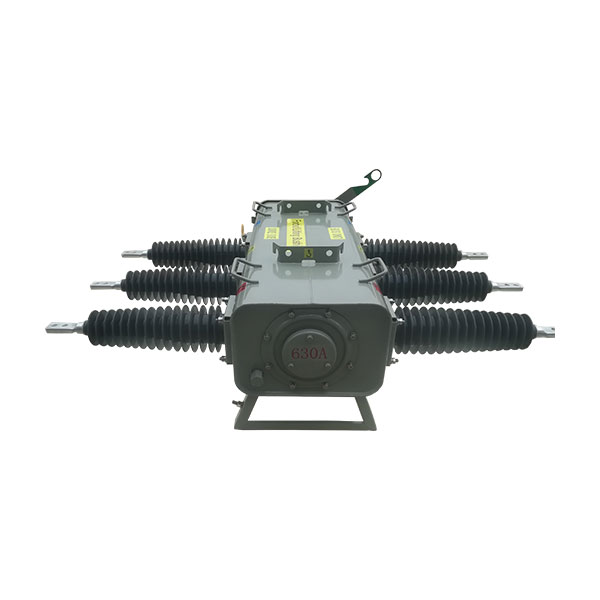
SF6 circuit breakers are good for places that need high reliability and small size, like substations and factories.
Safety
SF6 circuit breakers help keep you safe. They have relays that watch the current and open the breaker if there is a problem. Relays stop equipment from getting damaged and lower the chance of fire. Your power system and equipment stay protected.
SF6 gas is a strong insulator. It helps stop flashovers and short circuits. You also get protection from bad weather and voltage spikes. But SF6 is a strong greenhouse gas. You must follow rules to stop leaks and lower emissions. Many companies recycle SF6 and use better ways to keep it inside. Some places, like California, have rules to use safer options instead of SF6.
Relays watch and control the breaker to fix faults fast.
SF6 insulation keeps you safe from electrical problems.
Recycling SF6 and stopping leaks helps the environment.
SF6 circuit breakers give you good protection and safety for high-voltage needs.
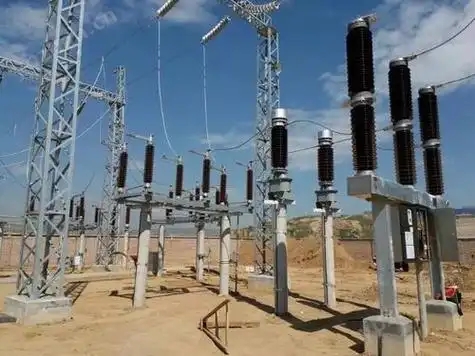
You use SF6 circuit breakers to keep your power system safe. They use high-pressure SF6 gas to cool and stop electrical arcs fast. The puffer piston pushes the gas quickly to put out the arc. This makes the breaker work well and stops problems. You get strong performance and do not need much maintenance. These breakers save money and work best in places with high voltage.
Where SF6 Circuit Breakers Excel | Why They Work Well |
|---|---|
Handle big fault currents and keep grids steady | |
Industrial power plants | Protect machines from too much current or short circuits |
Renewable energy integration | Help switch power and connect to the grid safely |
SF6 circuit breakers give you reliable protection for today’s power systems.
FAQ
What does SF6 stand for?
SF6 stands for sulfur hexafluoride. You use this gas in circuit breakers because it insulates well and puts out arcs quickly.
Why do you need to check SF6 gas pressure?
You need to check the SF6 gas pressure to keep the breaker working safely. Low pressure can stop the breaker from interrupting current during faults.
Tip: Always monitor the pressure gauge before operation.
Can SF6 circuit breakers work in cold weather?
Yes, you can use SF6 circuit breakers in cold weather. The gas stays stable and keeps its insulating power even at low temperatures.
How do you know if SF6 gas is leaking?
You can spot leaks by checking for drops in gas pressure or using a gas detector. Leaks can lower safety and damage the breaker.
Sign of Leak | What You See |
|---|---|
Low Pressure | Pressure gauge drops |
Detector | Alarm or warning light |
Is SF6 gas safe for you?
SF6 gas is not toxic or flammable. You stay safe when you handle it properly. Always follow safety rules to avoid leaks and protect the environment.