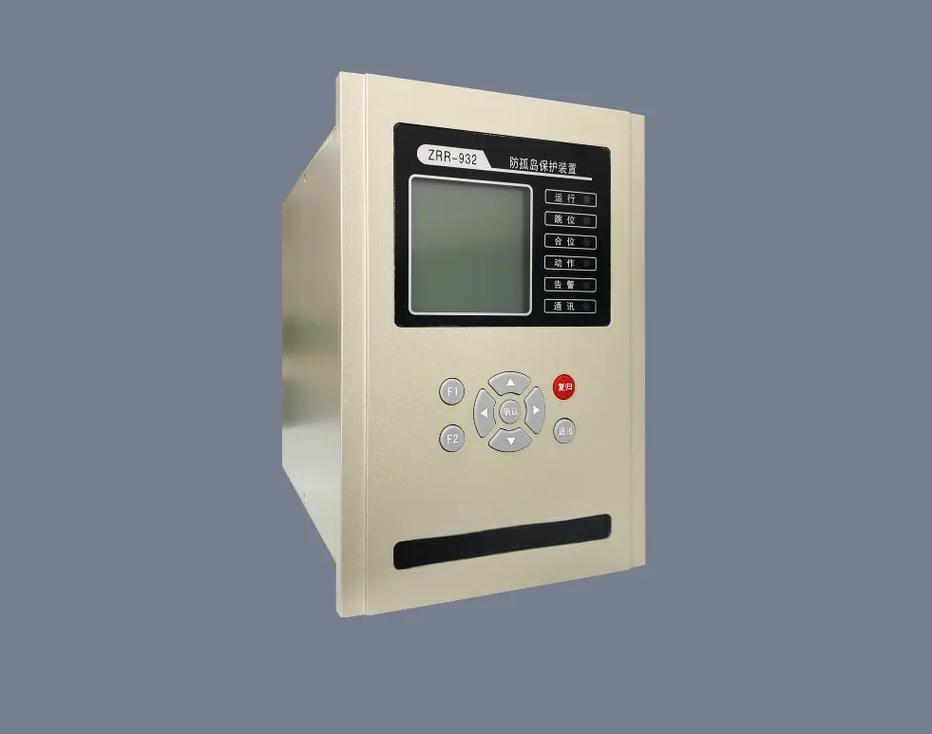
The global solar industry is booming, and with that growth, the safety of grid-tied solar PV systems—both distributed and centralized—has become a top priority. When solar systems connect to the main power grid, a potential "islanding effect" can pose serious threats to maintenance personnel, electrical equipment, and overall grid stability. Anti-islanding protection devices are the essential safeguard designed to counter this very risk. This article will explore the dangers of islanding, detailing the functions, importance, and absolute necessity of anti-islanding protection, and providing a comprehensive guide for safe solar plant operation and maintenance.
1. Understanding the "Islanding Effect": The Hidden Risk in Grid-Tied Solar
Imagine this scenario: the power grid in a particular area suddenly goes down due to a fault, and utility workers arrive to perform repairs. Unbeknownst to them, the local solar plant is still generating power, continuously feeding electricity into the disconnected section of the grid. This is a classic example of the "islanding effect."
Islanding occurs when a localized section of the power grid becomes disconnected from the main grid but continues to be powered entirely by a solar PV system. While it might seem like a beneficial way to maintain power, this phenomenon carries multiple hidden risks. In an islanded state, the voltage and frequency within that disconnected area can fluctuate wildly, potentially damaging connected electrical appliances like refrigerators, air conditioners, or industrial machinery due to abnormal parameters. More critically, if repair personnel mistakenly believe the circuit is de-energized, they could come into contact with live wires, leading to severe electric shock. We've heard of cases where, due to a lack of effective anti-islanding protection, utility workers were injured while unknowingly working near energized lines. These stark lessons underscore the extreme importance of anti-islanding protection.
In solar power plants, the islanding effect typically arises from grid faults, such as line trips or equipment maintenance. When the main grid loses power and the solar system fails to disconnect promptly an "unplanned island" forms. This inherent danger is precisely why industry regulations rigorously mandate anti-islanding protection measures for all grid-tied solar systems.
2. Anti-Islanding Protection Devices: The "Safety Lock" for Grid-Tied Solar
An anti-islanding protection device is a safety mechanism specifically designed for solar power plants. Its core function is to quickly disconnect the grid-tie point when the grid or solar system experiences an anomaly, thereby preventing the formation of an islanding effect. It acts as the "safety lock" for grid-tied solar systems, responding to faults in milliseconds to ensure the safety of personnel and equipment.
Applicable Scenarios and Installation Location
These devices are widely applicable, covering everything from medium and high-voltage solar plants (110KV, 66KV, 35KV, 10KV) to low-voltage 380V distributed PV systems like residential rooftops and commercial/industrial facilities. They are typically installed within the grid-connection switchgear, directly linked to the grid-tie circuit breaker. This ensures that in the event of a fault, a trip command can be issued rapidly.
Core Operating Logic
The anti-islanding protection device continuously monitors parameters on the grid side, such as voltage, frequency, and current, to determine if the grid has lost power or is operating abnormally. When it detects any of the following conditions, it immediately triggers a protective action:
Sudden voltage surges or drops (e.g., a voltage exceeding ±10% of the normal range).
Abnormal frequency fluctuations (e.g., deviation from the 50Hz/60Hz standard).
Reverse power flow (solar system feeding power back into a de-energized grid).
System power loss or PT (Potential Transformer) disconnection faults.
Once an anomaly is detected, the device sends a trip signal to the grid-tie circuit breaker within 0.1 seconds. This action completely disconnects the solar system from the grid, effectively eliminating the islanding risk at its root. Crucially, the settings (setpoints) for these protection functions—like trip thresholds and time delays—can be precisely adjusted. This flexibility allows for optimized protection tailored to specific grid characteristics and operational needs.
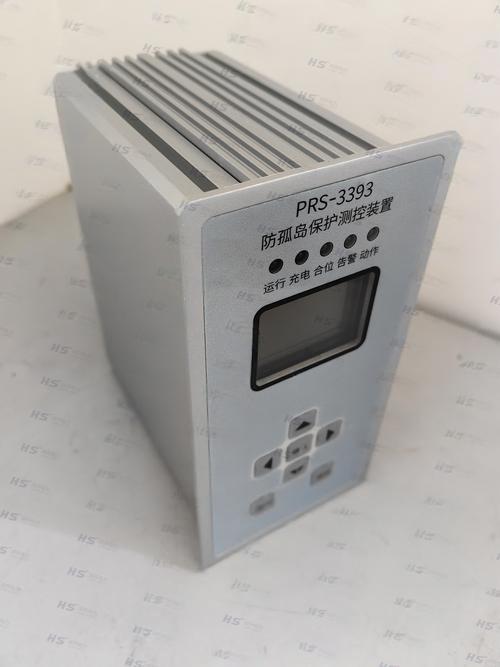
3. The Core Role of Anti-Islanding Protection Devices: Multi-Dimensional Safety Assurance
The role of anti-islanding protection devices extends far beyond simply "preventing islanding." Their functions encompass the full spectrum of safety requirements for grid-tied solar systems, effectively guarding safety across four key dimensions:
Ensuring Personnel SafetyThis is their most critical function. Both grid maintenance crews and solar plant operators rely on a "de-energized" condition for safe circuit repairs. The device instantly cuts off solar power when the grid loses electricity, ensuring that maintenance areas remain de-energized and fundamentally preventing electric shock accidents.
Protecting Equipment and Grid Stability
Preventing Damage to Electrical Equipment: Unstable voltage and frequency in an islanded state can lead to the burning out of household appliances or industrial equipment. The device's rapid tripping action helps prevent such costly damage.
Avoiding Impact During Grid Restoration: If the grid restores power while the solar system is still operating independently, voltage phases on both sides might be out of sync. Connecting them at that moment can cause massive inrush currents, damaging solar inverters and transformers, and even triggering secondary grid faults. The device prevents this by isolating the solar system, ensuring a safe grid reconnection.
Coordinating with Power Distribution System Protection MechanismsGrid-tied solar systems must integrate seamlessly with the utility's overall protection scheme. The anti-islanding device's overcurrent and reverse power protection functions work in conjunction with grid-side circuit breakers and fuses, forming a multi-level protection system. This ensures that in the event of a fault, the necessary disconnections occur without disrupting normal operations in other areas of the grid.
Meeting Regulatory and Standard RequirementsMost countries worldwide have established mandatory standards for grid-tied solar, such as China's GB/T 19964 and the EU's EN 50438, which explicitly require anti-islanding protection. Installing these devices is a prerequisite for legal grid connection and a key criterion for project acceptance. Major electricity markets globally, including North America, Europe, and Asia, enforce strict mandatory standards for grid-tied solar safety.
4. Device Functionality Explained: From Basic Protection to Smart Monitoring & Control
Anti-islanding protection devices offer a rich array of precise functionalities, capable of handling both simple faults and complex grid anomalies. Here’s a detailed breakdown of their core capabilities:
Additionally, these devices offer external trip functions (e.g., tripping in response to fire alarms or energy storage system commands) and circuit breaker coil protection (preventing closing coils from burning out due to prolonged energization), further enhancing operational reliability.
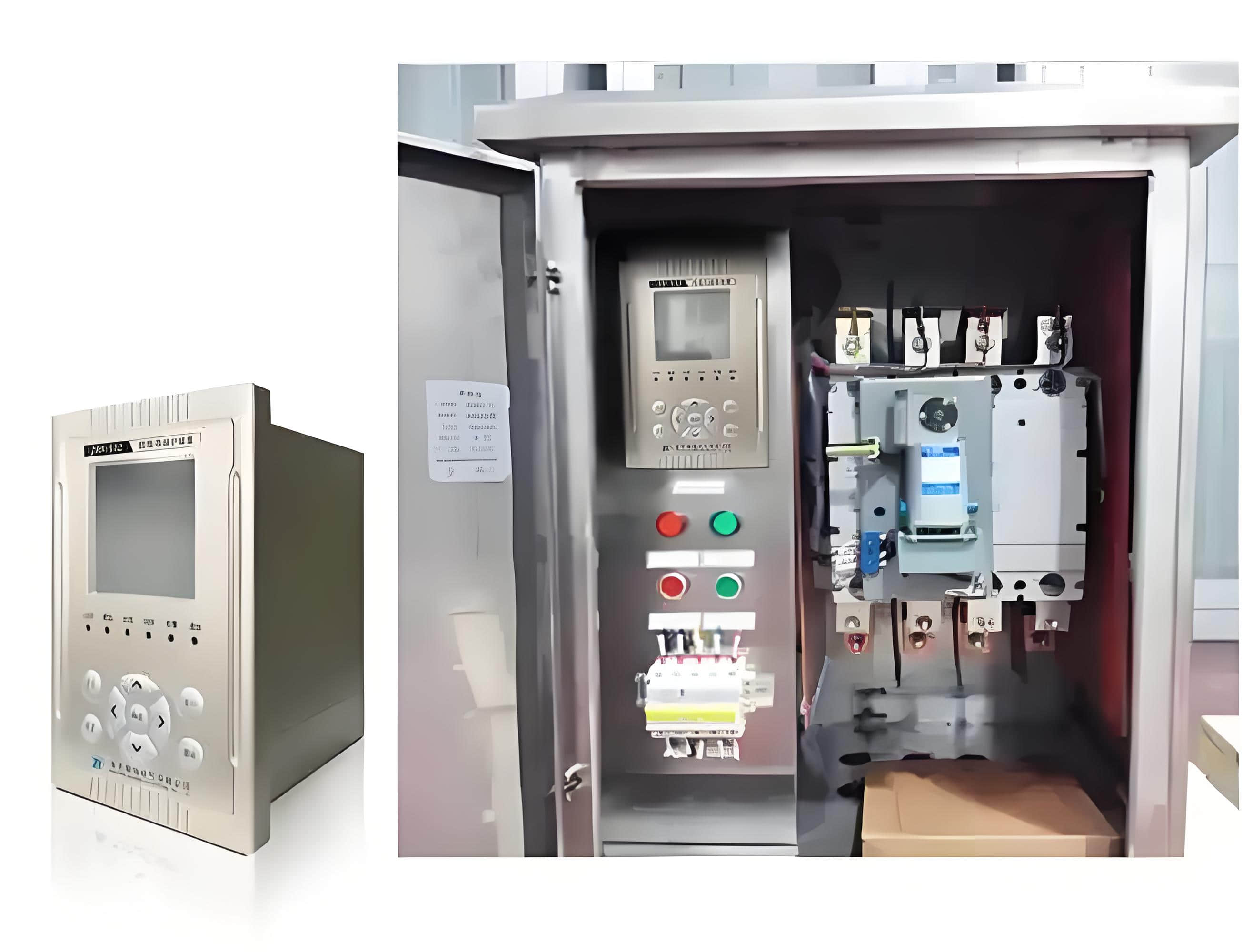
5. Core Features of the Device: Why It's a "Reliable Shield" for Solar Safety
The critical role that anti-islanding protection devices play in grid-tied solar systems stems from their numerous design advantages:
Independent Sampling, Precise, and Reliable: The protection and measurement circuits use independent sampling loops, achieving a measurement accuracy of 0.2 class. This ensures protection actions are unaffected by measurement circuit interference. Even in strong electromagnetic environments, such as near solar inverters, they operate stably and reliably.
Flexible Configuration, Strong Adaptability: All protection function setpoints (e.g., action thresholds, delay times) can be adjusted via software. This makes them adaptable to solar power plants of varying capacities (from 10kW to 100MW) and different voltage levels. They support both centralized panel mounting and decentralized installation within switchgear, fitting diverse plant layouts.
Redundant Design, Utmost Safety: Output relays are configured independently, with each function corresponding to a separate channel. This allows individual functions to be enabled or disabled, preventing a single fault from causing overall system failure. The devices also feature hardware self-check functions, monitoring the entire process from sampling to trip output, ensuring the device itself remains fault-free.
Smart Integration, Reduced O&M Costs: Integrating "four remotes" (remote measurement, remote signaling, remote control, remote adjustment) allows seamless connection to plant monitoring systems (SCADA). This enables remote operation and data analysis, replacing the complex wiring of traditional relays and significantly reducing on-site maintenance workload.
Rapid Response, Millisecond-Level Protection: The time from fault detection to issuing a trip command can be as short as 40ms (including relay action time), which is significantly faster than human reaction time. This minimizes accident risks to the greatest extent possible.
6. Necessity of Installation: Why an Extra Device is Needed Even with Inverter Protection
Some users might wonder: if solar inverters already have built-in anti-islanding protection, why is a separate anti-islanding protection device still necessary? The core of this question lies in the concepts of "redundant protection" and "compliance requirements."
Dual Protection, Enhanced Safety Level: An inverter's anti-islanding function might fail due to software glitches, parameter drift, or hardware aging. A separate anti-islanding protection device serves as independent, secondary protection, creating a "dual defense line" with the inverter. Even if the inverter's protection fails, this dedicated device will reliably act, preventing risks. In our practical project discussions, we've found many clients ask, "Don't inverters already have anti-islanding?" This is a common misconception; an independent device provides a significantly higher level of assurance.
Adaptation to Complex Grid Environments: Large solar power plants (e.g., 10KV and above) connect to complex grid structures, which may involve multiple grid-tie points or interconnections with other power sources like wind or energy storage. The independent device's protection logic is more comprehensive, capable of handling islanding risks in multi-source scenarios, whereas inverter protection is often limited to a single device.
Meeting Regulations and Acceptance Requirements: National standards explicitly mandate independent anti-islanding protection devices for medium and high-voltage solar power plants (e.g., China's "Technical Requirements for Distributed Generation Grid Connection"). Even if an inverter possesses relevant functionality, an independent device is a crucial, hard requirement for project acceptance.
Convenience for Operation & Maintenance: Independent devices offer greater flexibility for parameter settings and function testing, making it easier for O&M personnel to adjust protection strategies based on grid changes. Furthermore, their more comprehensive data recording and alarm functions provide precise evidence for fault analysis.
7. Conclusion: Anti-Islanding Protection Device – The "Must-Have" for Safe Solar Grid Connection
From family rooftops with small solar systems to vast solar farms in deserts, anti-islanding protection devices are an indispensable core for safety. They are not merely a "shield" against the islanding effect but also the "cornerstone" for compliant operation and efficient maintenance of solar power plants.
As solar penetration increases, grids demand increasingly stringent safety requirements for distributed power sources. The technology behind anti-islanding protection devices is also continuously evolving. From traditional fixed-value protection, it's moving towards smart adaptive protection. In the future, it will integrate AI algorithms and grid big data to achieve even more precise fault prediction, effectively shifting from "passive detection" to "active pre-emption," further enhancing the reliability of grid-tied solar.
For solar plant investors and operators, choosing an anti-islanding protection device that meets standards and offers comprehensive functions is both a commitment to personnel safety and a safeguard for asset value. While these devices do incur a cost, this investment is negligible compared to the potentially massive losses from equipment damage (tens or even hundreds of thousands of dollars), production downtime, and potential personnel injuries or fines that an islanding incident could cause. It's truly a "safety insurance policy." Driven by "dual carbon" goals, the solar industry will continue to grow, but safety always remains the prerequisite for development. The anti-islanding protection device is the best guardian of this prerequisite.
If you're planning your solar power plant and want to ensure its safe and compliant grid connection, we at Weishoelec, as a professional electrical solutions provider, are ready to offer you international standard anti-islanding protection devices and customized services. Feel free to contact us and ensure your solar investment is safe and worry-free!
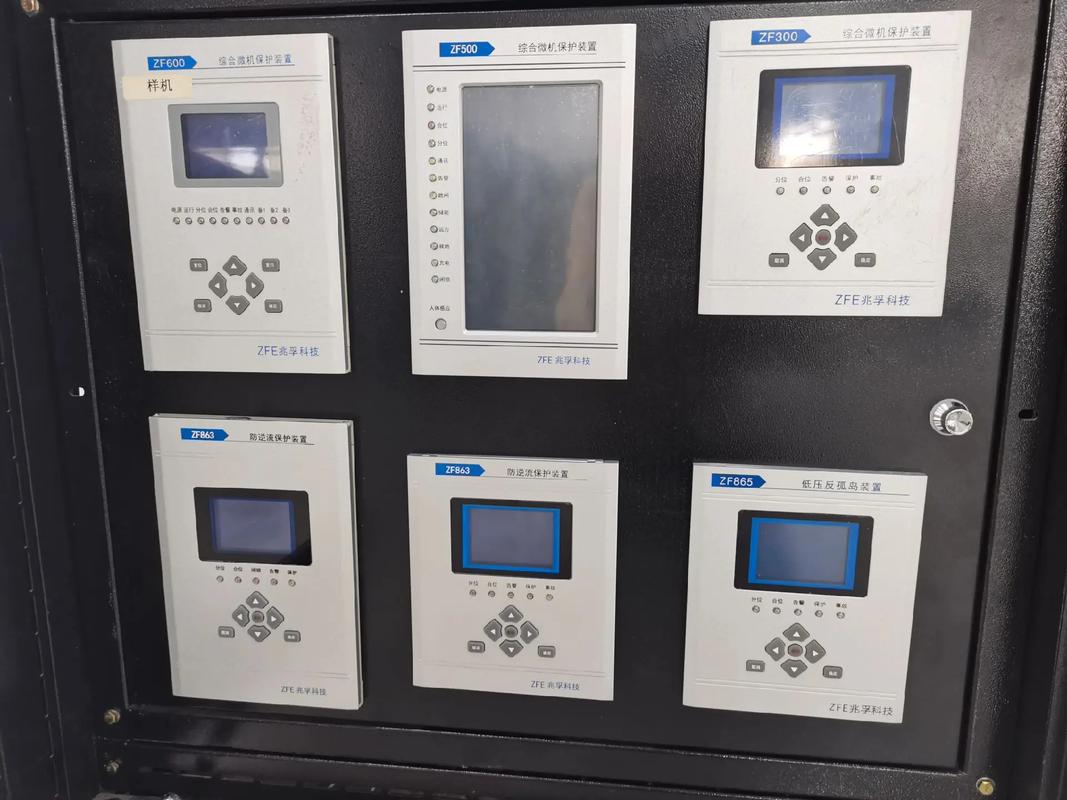
Frequently Asked Questions (FAQ)
When considering the installation of an anti-islanding protection device, you might have some questions. We've compiled the following FAQs to provide you with helpful answers:
Q: Is an anti-islanding protection device mandatory for residential distributed solar (380V) systems? A: Depending on local regulations, low-voltage distributed solar systems typically require installation if their capacity exceeds a certain threshold (e.g., above 200kW in China). For smaller systems, if the inverter is already anti-islanding certified (e.g., compliant with GB/T 19964), you might only need to rely on the inverter's protection, but it's always best to consult your local utility company for confirmation.
Q: What's the fundamental difference between an anti-islanding protection device and an inverter's anti-islanding function? A: An inverter's protection is a "device-level" safeguard, addressing islanding risks at its output. The dedicated device, however, is a "system-level" protection that monitors the grid status at the point of common coupling, offering broader coverage and an independent trip circuit, which provides a higher level of safety.
Q: Is the installation cost of the device high? Will it affect the profitability of a solar plant? A: The cost of the device typically accounts for about 1%-3% of the total solar plant investment (depending on capacity). However, the potential losses it prevents (e.g., equipment damage, personnel injuries, fines) far outweigh this cost. Moreover, compliant installation is a prerequisite for a solar plant to connect to the grid and generate electricity; not installing it could prevent the project from becoming profitable at all.
Q: Does the device require regular maintenance? How often? A: We recommend maintenance checks every six months, including verifying wiring connections for looseness, checking for parameter drift, and ensuring communication is functioning correctly. Day-to-day, you can remotely monitor the device status via your monitoring system and address any alarms promptly.
Q: In areas with frequent grid fluctuations, will the device cause frequent tripping and affect the power supply?A: No, it won't. The device's protection parameters can be precisely set to accommodate specific grid characteristics (e.g., by widening the allowed frequency/voltage range or extending time delays). This balances protection sensitivity with power supply stability. If necessary, you can consult the manufacturer for parameter optimization.
About the Author
This article was written by Thor, a seasoned Electrical Engineer at Weishoelec. As a leading Chinese manufacturer, Weishoelec specializes in providing high-quality electrical solutions and solar-related products to clients across Europe, the Americas, and other overseas markets. We are dedicated to delivering reliable and efficient clean energy systems through innovative technology.
If you have any questions about solar system design, equipment selection, or our products, please don't hesitate to reach out:
Phone: +86 0577-62788197
WhatsApp: +86 159 5777 0984
Email: [email protected]
If you want to learn about the role of anti-islanding in distributed photovoltaic power generation systems, please refer to the article "Self-consumption Photovoltaic Power Generation".
We look forward to exploring the future of clean energy with you!