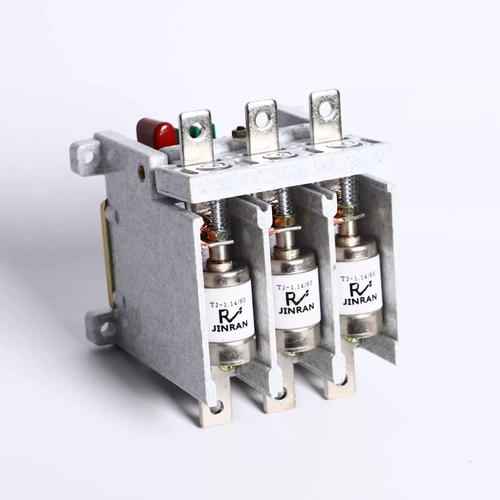
Why Vacuum Contactor Testing Matters?
As an electrical engineer at Wei Shoe Electric, I frequently receive urgent calls from clients across the U.S. and Europe. Just last month, the head of a Detroit auto parts plant reached out—his production line kept tripping, causing a staggering $200,000 in daily losses. The culprit? A faulty vacuum contactor.
What many don’t realize is that 90% of vacuum contactor failures are preventable with regular testing. Drawing from over 15 years of hands-on field experience, I’m sharing everything you need to know to safely and efficiently test vacuum contactors, whether you’re performing routine maintenance or troubleshooting a critical fault.
Part I: Preparation is Everything
1. Define the Purpose: Why, What, and How
Routine Maintenance: Like cars need oil changes, vacuum contactors require inspection every 3–6 months to prevent silent failures.
Fault Diagnostics: If you're seeing abnormal behavior (e.g., frequent trips), test contact resistance and vacuum integrity.
New Installations: Ensure new units meet IEC 60947-4-1 standards before commissioning.
2. Essential Tools Checklist
| Tool | Purpose | Recommended Model | Where to Buy |
|---|---|---|---|
| Insulation Tester | Measure insulation resistance | Fluke 1550B | Amazon, Fluke's official website |
| Vacuum Degree Tester | Check the vacuum interrupter pressure | YD2618 (German tech) | Industrial electronics retailers |
| Contact Resistance Tester | Verify the conductivity path | JT-100A (100A test current) | Alibaba, global vendors |
| Multimeter | Measure coil resistance | Hioki 3284 | Authorized Hioki distributors |
| Oscilloscope | Analyze the operation waveform | Tektronix MDO3000 series | Tektronix authorized partners |
3. Safety Protocols: Your Life Comes First
Power Isolation: Always disconnect upstream power. OSHA data shows 70% of accidents stem from unverified power-down.
Proper Grounding: Use at least 4mm² copper ground wires. A UK factory lost £500,000 due to a grounding failure.
PPE: Use EN 60903-certified gloves, goggles, and boots.
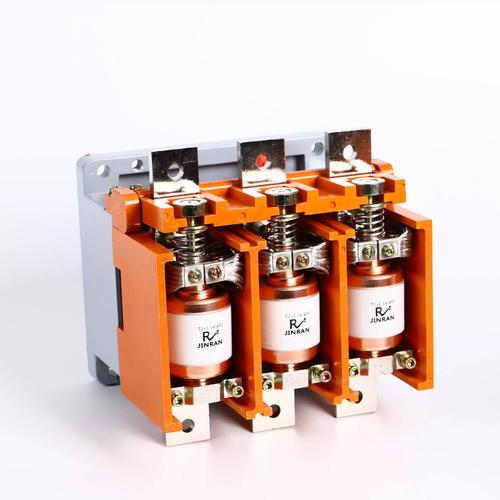
Part II: Step-by-Step Testing Procedures
1. Visual Inspection: Small Signs, Big Consequences
Vacuum Interrupter: Check for cracks or discoloration. A minor crack in a Berlin substation triggered a severe short circuit in 2023.
Contacts: Look for pitting or wear >1mm. Replace if compromised.
Mechanical System: Manually operate and check for stiffness or bounce. May indicate worn springs or faulty latches.
2. Insulation Resistance Test: The ECG of the Equipment
Connection Setup:
Test open contacts when OFF
Test between phases and ground when ON
Procedure:
Set tester to 2500V for 1140V-rated equipment
Crank to 120 rpm, read after 1 minute
Discharge safely
Standard:
1140V systems ≥ 1000 MΩ
Below this? Check for moisture or aging insulation
3. Vacuum Integrity Test: The Lifeline
Principle: Based on the magnetron discharge current behavior under vacuum
Steps:
Connect the tester to the interrupter
Set test voltage and time
Observe the vacuum level on display
Pass Standard: Vacuum < 10⁻³ Pa for 10kV systems
4. Contact Resistance Test: Smooth Flow is Key
Setup: Clamp probes onto conductors (never touch contacts directly)
Test: After 3 manual close/open cycles, apply 100A and measure resistance
Analysis:
120% of spec = excessive oxidation
Polish or replace contacts as needed
5. Opening/Closing Timing Test: Pulse Check
Time Parameters:
Use the CB analyzer to record open/close time, synchronization
Schneider France requires deviation ≤ ±5ms
Coil Testing:
DC Resistance: ±10% from factory spec = Replace
Insulation: >10MΩ at 500V
Operating Voltage: Close at 85% rated, open at 65%; should not open at 33V
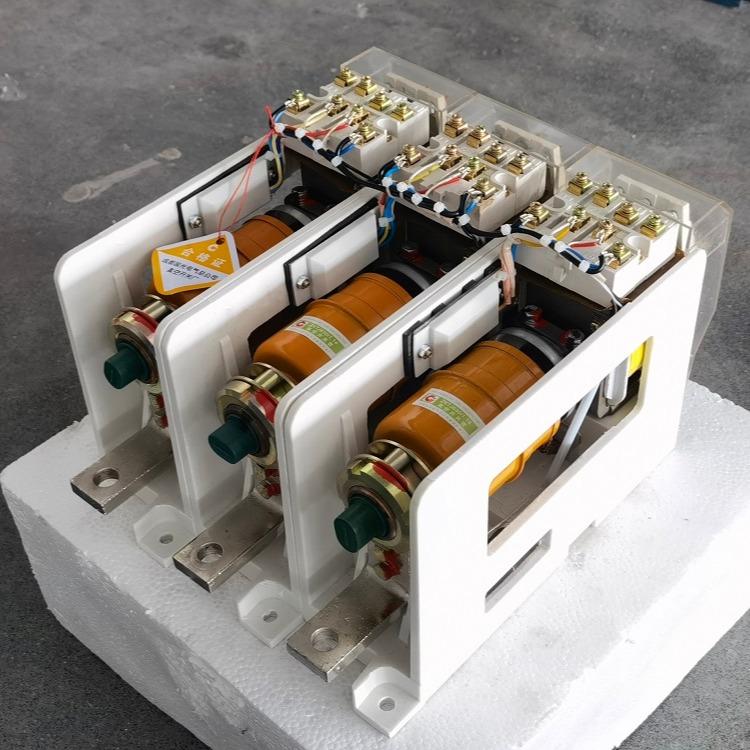
Part III: Troubleshooting Common Failures
1. Fails to Close: The "Strike" Problem
Case: A wastewater plant in Chicago suffered failed closures in 2022 due to a burned closing coil
Fix:
Measure coil resistance (50–200Ω typical)
Clean the iron core surface
Replace worn auxiliary contacts or latches
2. Fails to Open: The "Stuck" Issue
Causes: Faulty opening coil, weak spring, welded contacts
Solution:
Check coil resistance
Replace springs
Replace the entire contact assembly if welded
3. Overheating: A Warning Sign
Check: Use an IR thermometer
Normal range < 75°C
Fix:
Clean airflow
Add fans
Replace the unit if needed
4. Excessive Noise: The Screaming Machine
Fix: Tighten all screws, inspect short-circuit ring on iron core
Real Fix: A London data center reduced noise from 85dB to 60dB by replacing this ring
Part IV: Evaluating and Recording Results
1. Interpretation Guide
| Test | Passing Criteria | Reference Standard |
| Insulation | 1140V ≥ 1000 MΩ, 10kV ≥ 2500 MΩ | IEC 60947-4-1 |
| Vacuum Degree | < 10⁻³ Pa | IEEE Std C37.60 |
| Contact Resistance | ≤ 120% of rated spec | Manufacturer's datasheet |
| Operating Time | Meets spec within tolerance | Factory QA standards |
2. Record Template
| Item | Measured Value | Standard Value | Pass/Fail | Notes |
| Ins. Resistance | 1200 MΩ | ≥ 1000 MΩ | Pass | Ambient temp: 25°C |
| Vacuum Level | 5×10⁻⁴ Pa | < 10⁻³ Pa | Pass | No visible issues |
3. Next Actions
Passed: Retest in 3–6 months. Archive all data.
Failed: Isolate immediately and repair. For support or replacements, call Wei Shoe Electric 24/7:
📞 +86 0577-62788197
📱 WhatsApp: +86 159 5777 0984
📧 [email protected]

Part V: Frequently Asked Questions
How often should I test vacuum contactors?
Every 3 months in harsh environments (e.g., mining), every 6 months in standard facilities.
What if I don't have the test tools?
You can rent from services like United Rentals (US), or contact a certified inspection team.
What if something goes wrong during testing?
Shut down power, apply CPR, and call local emergency services (911 in the US).
Do testing procedures vary by brand?
Basic principles are consistent. Check your manual for model-specific settings.
Still unstable after testing?
It might be a hidden fault. Dismantle for inspection or contact our engineers for in-depth diagnostics.
Conclusion: Professional Support You Can Trust
Thorough testing of vacuum contactors significantly reduces failures and maximizes operational uptime. As an experienced engineer serving over 500 clients across the US and Europe, I understand how critical reliable contractors are to your business.
Need expert help or certified components? Reach out to Wei Shoe Electric. We supply CE and UL-approved contactors used by GE Power and Siemens subcontractors.
Contact us now at +86 0577-62788197, WhatsApp: +86 159 5777 0984, or email [email protected]. Feel free to bookmark and share this guide—just remember to credit "Shared by Wei Shoe Electric engineer Thor."
Let’s keep your systems running safely and efficiently.