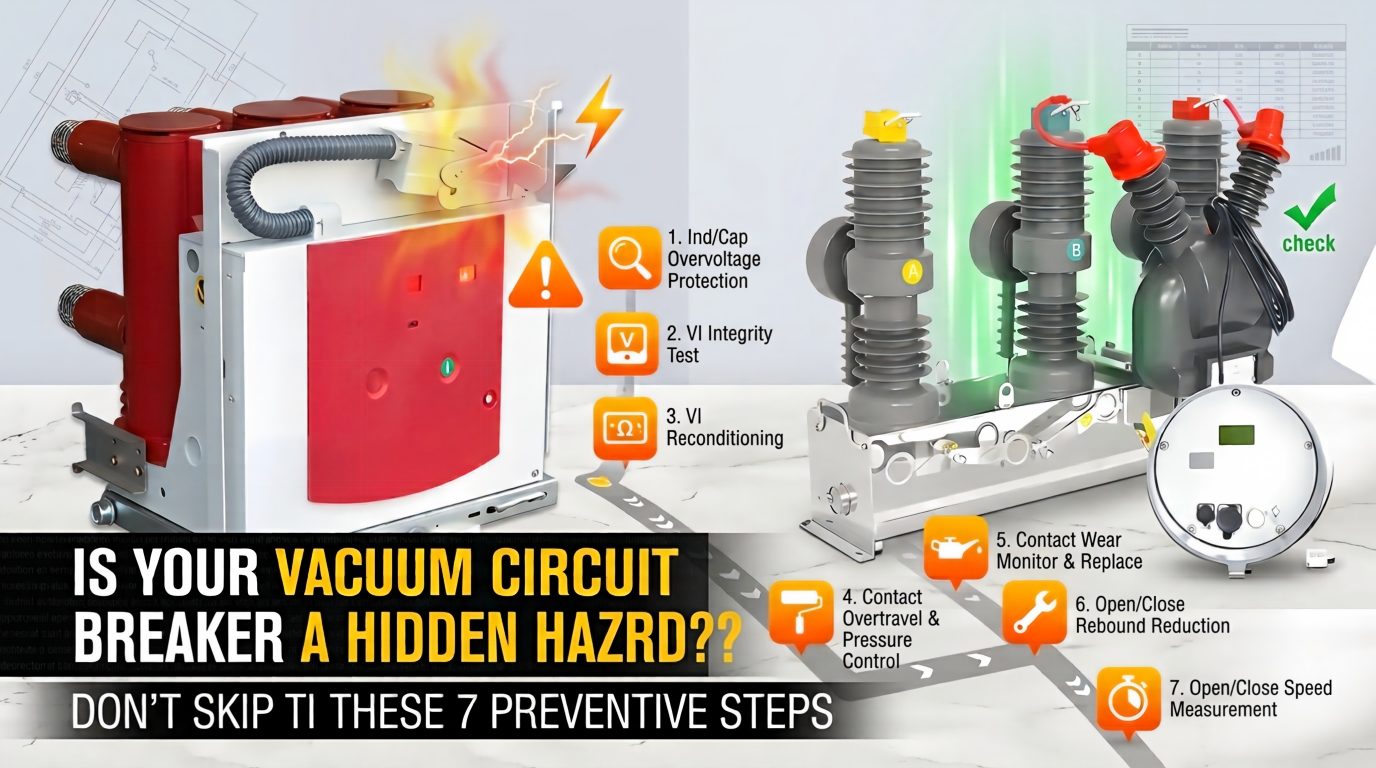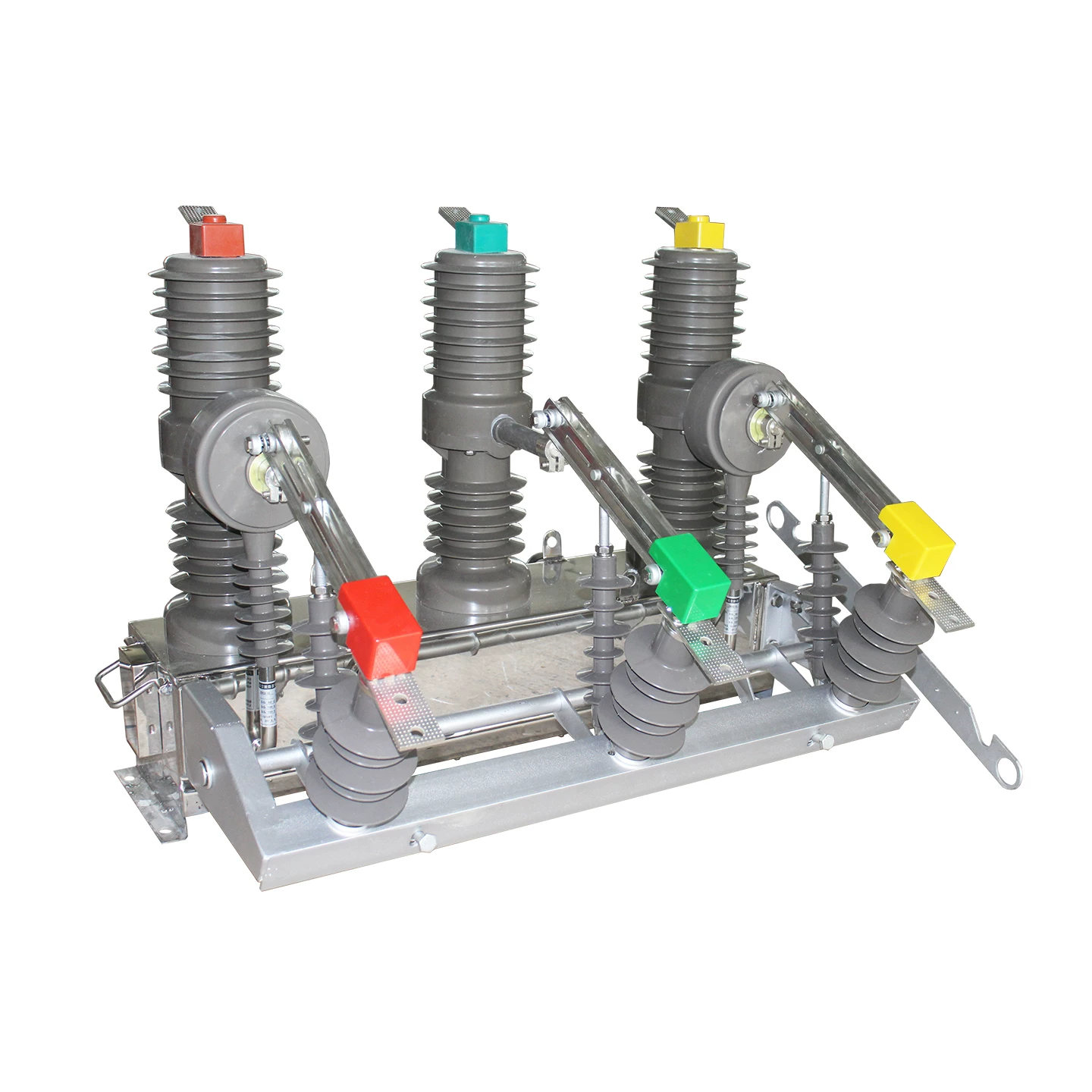
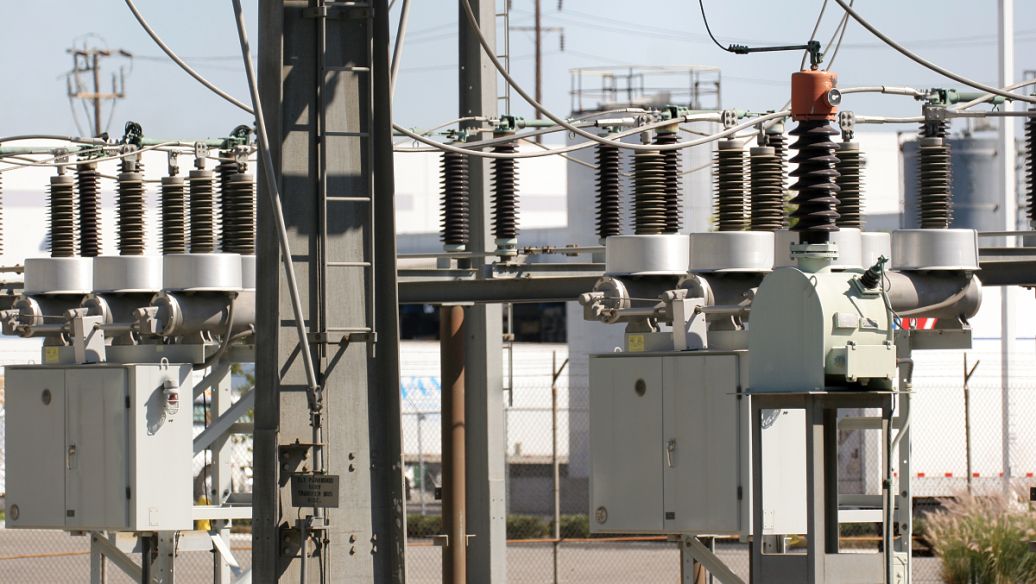
In modern power systems, the Vacuum Circuit Breaker (VCB) acts as a core guardian. Its main duty is to safely manage current during normal operation and reliably cut power to prevent fault spread during short circuits or overloads.
VCBs have become the go-to choice for medium-voltage switchgear due to their superior performance and eco-friendly design. So, where exactly are vacuum circuit breakers used?
They are primarily deployed throughout various stages of medium-voltage power systems, including substations, industrial factories, and power plants. This article will delve into their specific installation locations, roles, and technical requirements across different industries.
1. The VCB Core: Understanding Its Function and Key Components
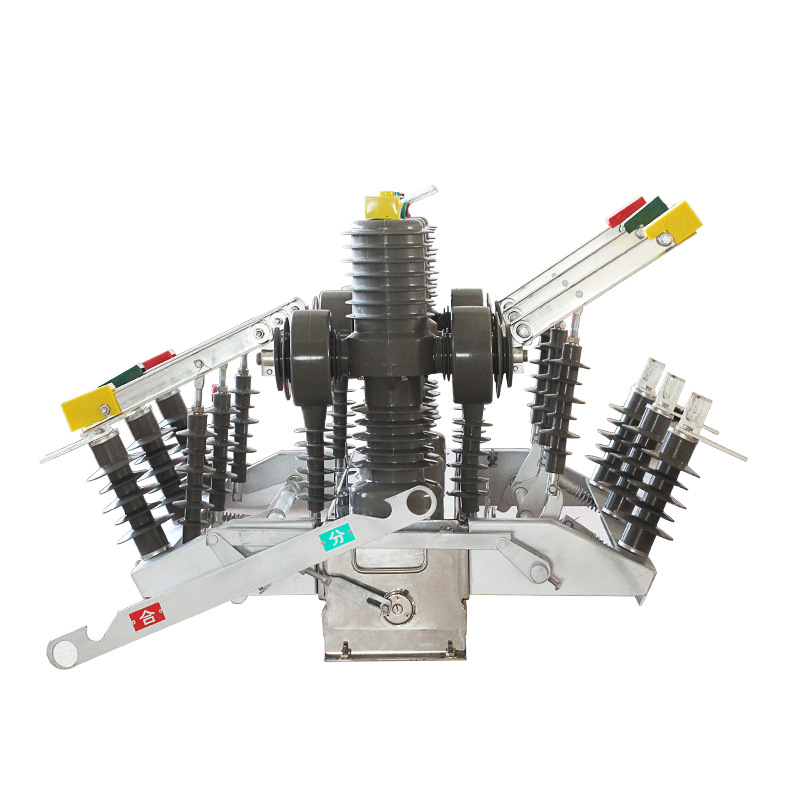
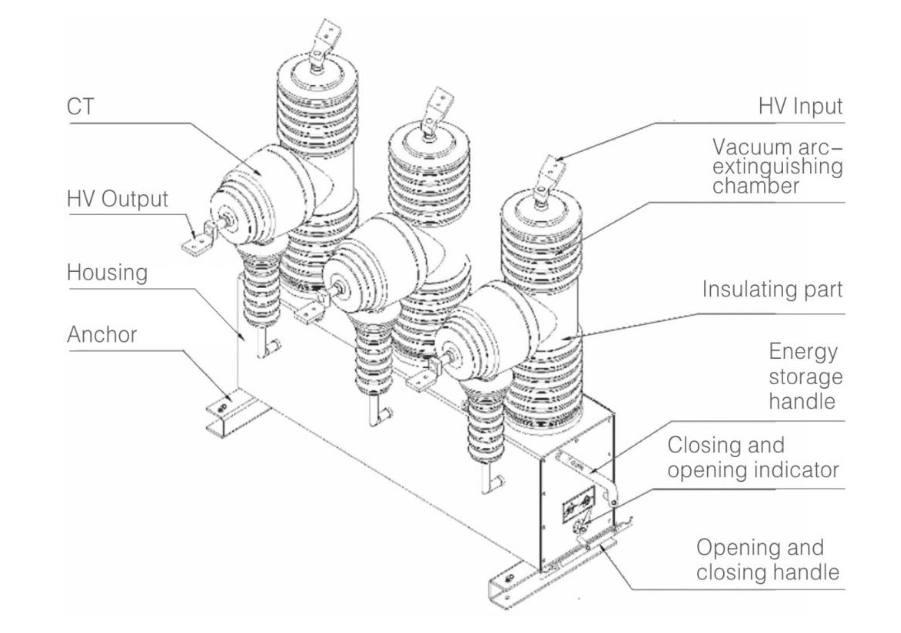
A VCB is a switchgear device that uses a high vacuum for both arc-extinguishing and insulation. At its heart is the vacuum interrupter, a sealed container with an extremely high vacuum level.
When the breaker needs to cut the current, the movable and stationary contacts inside the interrupter quickly separate. The arc that forms is extinguished instantly because there are virtually no air molecules in the high-vacuum environment.
This unique process has several key advantages, including highly efficient arc quenching and a much longer service life. VCBs are also non-polluting and require minimal maintenance.
To help visualize how this powerful technology works, you can find a detailed video explanation below.
2. VCB Application Scenarios and Installation Locations
VCBs are predominantly used in medium-voltage power systems (typically 1kV to 35kV). Their installation location is directly tied to the equipment they are protecting.
Power Systems and Utilities
This is the primary application for VCBs. They are the heart of the grid, ensuring power is delivered safely and reliably from generation plants to end-users.
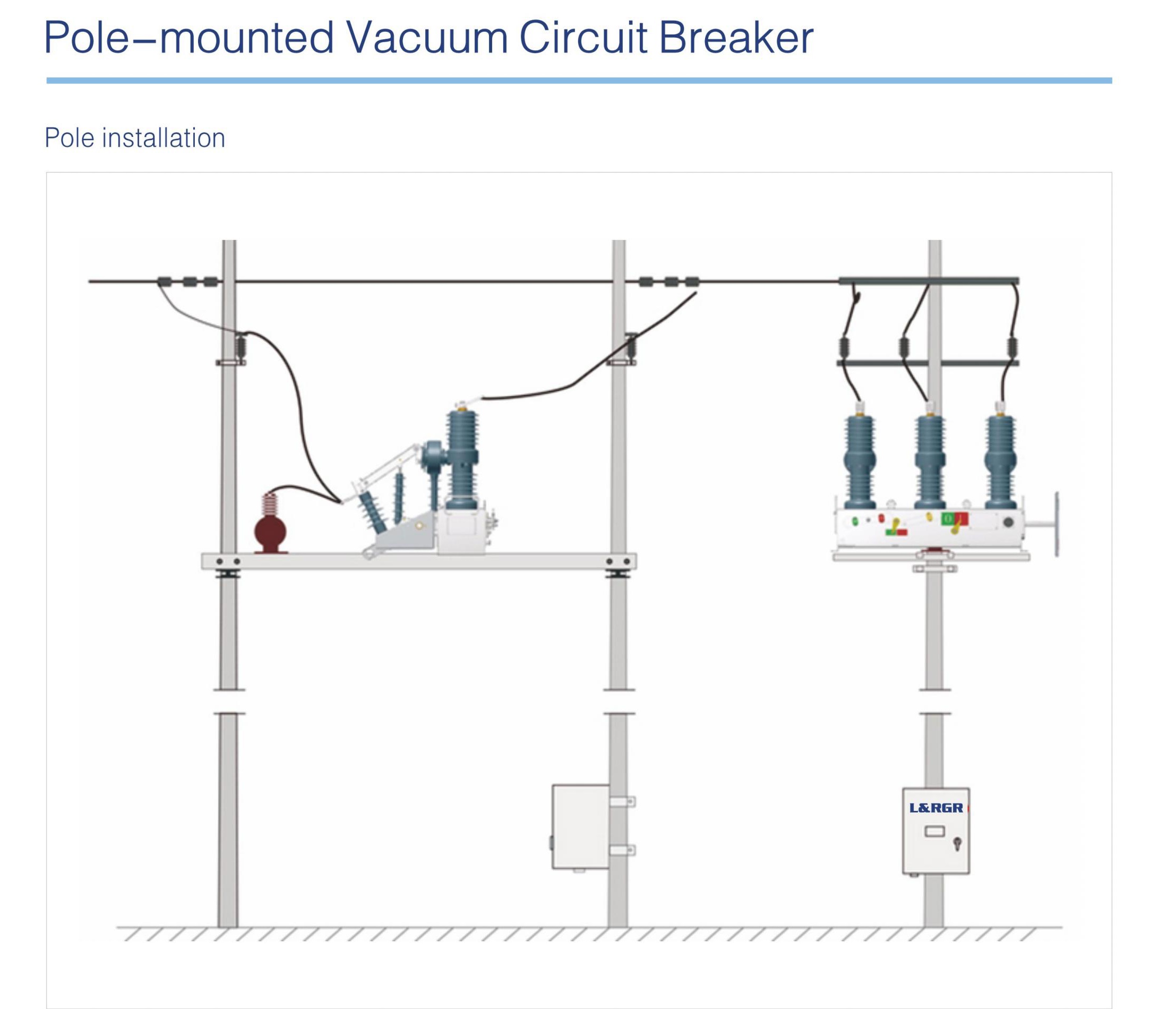
Typical Locations: VCBs are housed within medium-voltage switchgear in substations, distribution rooms, ring main units, and switching stations.
Purpose: They act as main switches for feeder lines, segmenting and protecting the grid. When a fault occurs, the VCB quickly isolates the faulty section to prevent the issue from spreading and to minimize power outages.
Industrial Facilities
Industrial operations demand extremely high reliability from their power systems. VCBs act as the “safety fuses” for critical equipment in these settings.
Typical Locations: They are found in medium-voltage distribution cabinets and Motor Control Centers (MCCs) within large factories, chemical plants, steel mills, and mining sites.
Purpose: VCBs control and protect high-power equipment like large motors, pumps, and production lines. Their high-speed interruption capability handles the large current fluctuations from motor startups, preventing costly damage and ensuring continuous operation.
Technical Notes: For industrial applications, selecting a VCB with high short-circuit breaking capacity and resistance to frequent operation is critical. This is because industrial environments often involve harsh conditions and high load demands.
Power Generation and Renewable Energy
At the very source of energy production, VCBs are crucial for ensuring stable power output and system safety.
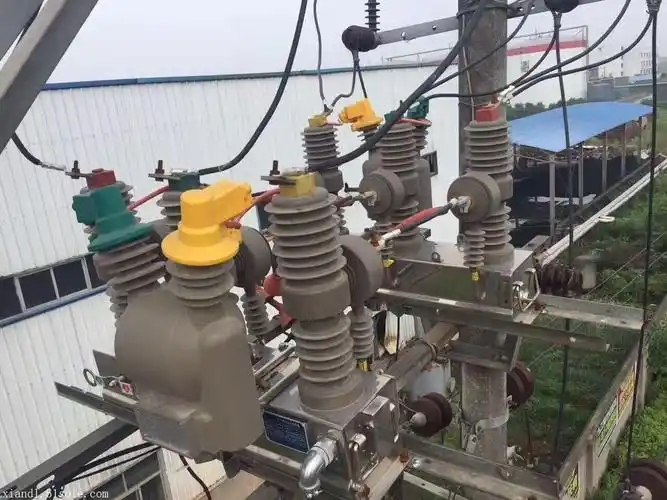
Typical Locations: They are installed in the medium-voltage switch rooms of coal, hydro, wind, and solar power plants. They are also used at collection line switching stations.
Purpose: VCBs protect generators and step-up transformers, ensuring a stable energy flow. In wind and solar farms, their low maintenance and frequent-switching capabilities make them ideal for connecting generators and solar arrays to the grid.
Transportation and Commercial Infrastructure
VCBs play an invisible but vital role in our daily urban infrastructure.
Typical Locations: They are found in medium-voltage distribution cabinets within metro traction substations, airport power centers, large office buildings, and data centers.
Purpose: They distribute and protect power, ensuring the safe operation of critical loads like elevators, HVAC systems, and data servers. These locations demand extremely high continuity of power supply, and the VCB's rapid response is essential.
3. VCBs vs. Household Circuit Breakers: A Key Distinction
When asking, “Where are circuit breakers located?” it is crucial to clarify a common point of confusion. A vacuum circuit breaker is fundamentally different from the breaker in your home.
Household Breakers: These are low-voltage miniature circuit breakers (MCBs) designed for the 220V power in your home. They are compact and installed in your household distribution box (or breaker panel).
VCBs: These are for medium-to-high voltage power systems, handling thousands of volts and massive currents. They are large, expensive, and are never found in a typical home.
Note: VCBs are exclusively for protecting grid infrastructure and large-scale industrial equipment. Their operating voltage is far beyond safe human contact. Any interaction with a VCB must only be performed by a qualified electrical engineer.
4. Advanced VCB Applications: Overcoming High Voltage & High Current Challenges
While VCBs have dominated the medium-voltage market, they face significant challenges to replace SF6 circuit breakers in high-voltage applications. This is a key area of ongoing technological development.
How are VCBs used in high-voltage environments?
Application: Ultra-high voltage transmission networks (like 363kV and above) and large substations.
Technology: A single vacuum interrupter has a voltage limit. To handle higher voltages, the industry uses multi-break series technology. This involves connecting multiple interrupters in a series to share the system voltage.
Challenges: This technology requires a complex insulation design and precise voltage distribution across each interrupter.
Solutions: To solve these issues, the industry is moving toward dead tank multi-break VCBs. This innovative design integrates all components into a single tank filled with gas. This simplifies insulation and provides more effective control over voltage distribution.
How are VCBs used in high-current environments?
Application: Large generator outlets and industrial scenarios requiring extremely high short-circuit breaking capacity.
Technology: VCBs use multi-interrupter parallel technology to handle high currents. This involves connecting multiple vacuum interrupters in parallel to share the load.
Note: Generator circuit breakers (GCBs) have long used SF6 for arc-extinguishing, handling currents of up to 100kA or more. However, as parallel technology matures, VCBs are expected to eventually replace SF6 GCBs.
5. Frequently Asked Questions (FAQ)
Q1: What is a VCB's typical maintenance schedule?
A1: VCBs have very low maintenance needs compared to oil circuit breakers. Since the vacuum interrupter is sealed, it requires no internal maintenance.
General inspections, including cleaning insulators and checking the operating mechanism, are recommended every 3 to 5 years.
Q2: Are VCBs more expensive than other types of breakers?
A2: The initial purchase price of a VCB is generally higher than traditional air or oil circuit breakers. However, their low maintenance costs, long operational life, and ability to prevent costly downtime make their total cost of ownership (TCO) highly competitive over time.
Q3: Can VCBs be used in DC circuits?
A3: VCBs are primarily designed for AC circuits, where the current naturally passes through zero every cycle. While some specialized DC VCBs exist, extinguishing a DC arc is more complex due to the lack of a natural zero-crossing point, so their application is less common.
Q4: What happens if the vacuum seal fails?
A4: If the vacuum seal is compromised, the insulation properties of the interrupter will drastically decline. This could lead to a failure to extinguish an arc during a fault, potentially causing a serious explosion.
To prevent this, most manufacturers equip VCBs with vacuum monitoring devices to ensure safe operation.
Q5: Can VCBs operate in extreme environments?
A5: Yes, VCBs are highly adaptable. Their sealed design makes them immune to external factors like humidity, dust, or corrosive gases.
With specialized materials, VCBs can operate reliably in a wide temperature range, making them suitable for use in deserts or subzero climates.
Q6: What is the difference between rated current and short-circuit breaking capacity?
A6: Rated current is the maximum current a VCB can carry continuously during normal operation. It determines the power level of the circuit it can be used for.
Short-circuit breaking capacity is the maximum fault current that a VCB can safely interrupt. This is a critical safety parameter that measures the VCB's protection capability.
Conclusion
A VCB is more than just a simple switchgear; it represents the highest achievement in power technology, blending safety, efficiency, and environmental responsibility. From our local substations to major industrial plants, VCBs are everywhere, fulfilling their duty as system protectors.
They are used in every location that requires safe, reliable control and protection of medium-to-high voltage current. As their core technology continues to advance, VCBs are leading the charge towards a safer and greener future for our global power supply.