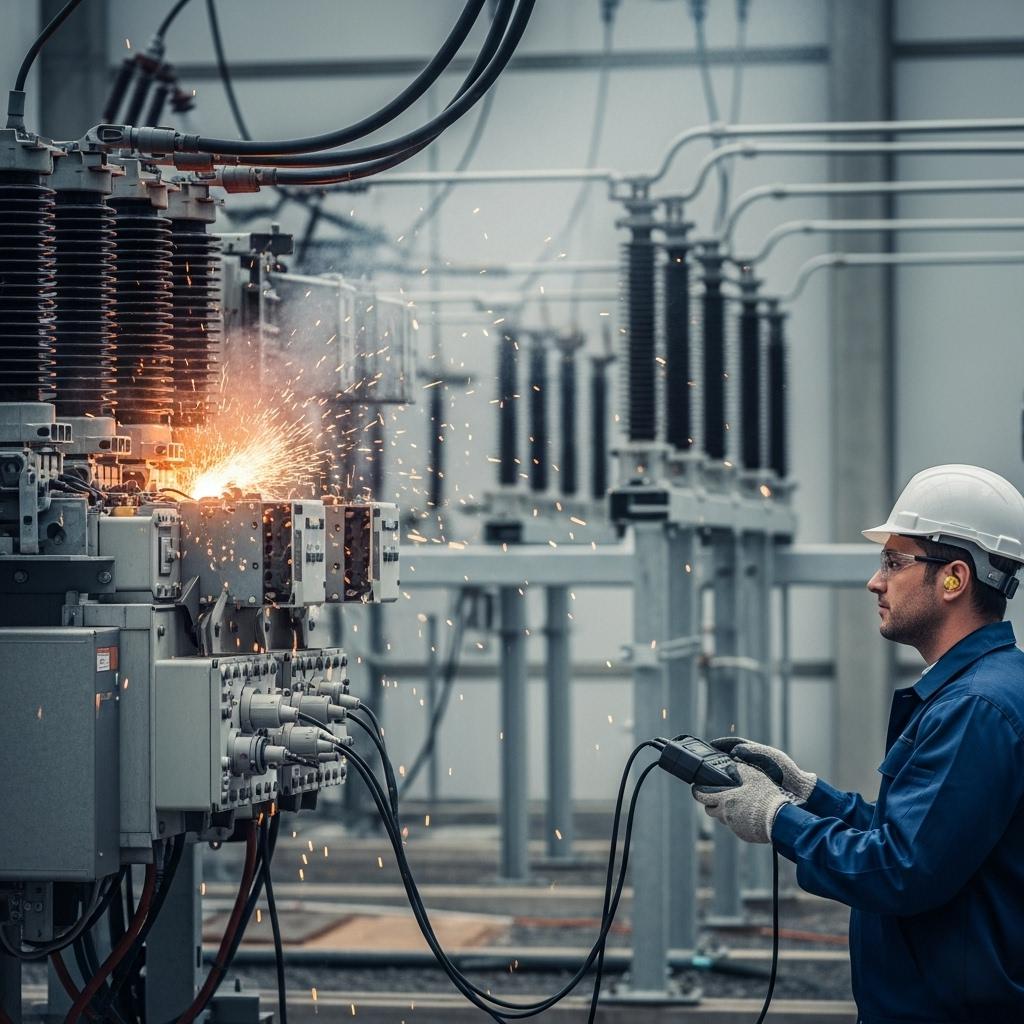
I often see facility managers grappling with equipment failures and unexpected downtime. High-voltage switchgear, a critical component in any robust electrical system, can develop issues that threaten both safety and reliability. I always recommend regular inspection and a strict maintenance schedule. Implementing proper safety protocols is paramount; it protects your team and safeguards your investment. If you need expert advice or support for your high voltage systems, reach out to me, Thor, an electrical engineer at Weishoelec.
Key Takeaways
Regular inspections and maintenance are crucial to prevent common switchgear problems like overheating, insulation failure, and mechanical wear.
Utilize thermal imaging and insulation tests for early detection of hidden faults, thereby avoiding costly downtime.
Maintain a clean, dry, and well-lubricated switchgear environment to extend equipment life and enhance safety.
Adhere to strict safety protocols, including de-energizing equipment before any work, to protect personnel.
For complex issues such as repeated failures, severe damage, or internal arcing, always consult a professional for proper diagnosis and repair.
Overheating
Symptoms
When I inspect high-voltage switchgear, I look for several clear signs of overheating. Hot connectors often feel warm to the touch, even through gloves. I sometimes notice a sharp, acrid smell, which typically indicates burning insulation or wiring. Thermal imaging cameras are invaluable here, as they reveal hot spots invisible to the naked eye.
Causes
Loose connections create resistance, which generates heat. Overloaded circuits push equipment beyond its safe operating limits. Poor ventilation traps heat inside enclosures, while accumulated dust or debris can further block airflow, exacerbating the problem.
When troubleshooting,
I always follow a step-by-step process to pinpoint the root cause:
I use an infrared camera to scan for temperature variations across components.
I run the equipment at least at 40% load to expose hidden thermal issues that might not appear under light loads.
I compare phase temperatures in three-phase systems to spot discrepancies, which can indicate an unbalanced load or a faulty connection.
I analyze thermal images to accurately identify loose connections or overloaded circuits.
⚠️ Safety Tip: Always de-energize equipment before opening panels or tightening connections.
If I find a hot spot, I immediately check for loose bolts or connectors and tighten them. I also inspect for signs of overload and verify that the cooling fans or vents are functioning correctly.
PreventionRegular inspections and preventive maintenance are key to keeping overheating at bay. I schedule thermal imaging scans and tighten all connections during every maintenance cycle. I ensure ventilation paths remain clear and cooling systems function optimally. These proactive steps significantly reduce downtime, extend equipment life, and prevent costly repairs or fire hazards.
🔍 Note: Early detection of hot spots is critical for preventing insulation damage and improving overall system reliability.
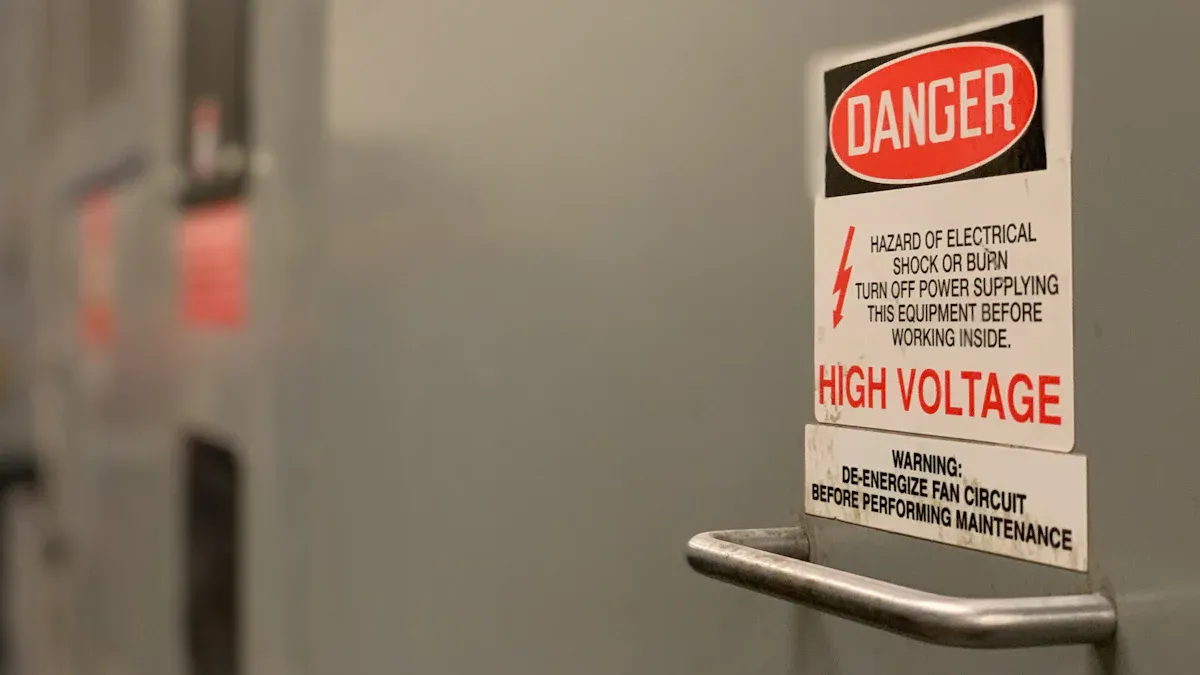
Insulation Failure
Symptoms
When I inspect high-voltage switchgear, I rigorously check for clear signs of insulation failure. I frequently observe discoloration, cracks, or swelling on insulation surfaces. Sometimes, a faint buzzing or clicking sound may indicate partial discharge occurring inside the equipment. I conduct insulation resistance tests using a megohmmeter, applying voltage for at least 60 seconds to obtain accurate readings. Partial discharge testing is particularly useful for catching early-stage defects before they escalate into serious problems.
Visual inspection: Look for cracks, burns, or swelling on insulation materials.
Insulation resistance testing: Perform with a megohmmeter for a minimum of 60 seconds.
Partial discharge testing: Listen for unusual sounds and use specialized sensors to detect early faults.
Dielectric Absorption Ratio (DAR) and Polarization Index (PI) tests: These tests provide deeper insights into insulation health, especially in humid or hot conditions.
Very Low Frequency (VLF) testing: I prefer this method as it is effective without causing damage to the insulation.
Causes of
Insulation failure in high-voltage switchgear typically stems from three main sources:
Aging and wear over time: Insulation naturally degrades, becoming brittle and losing its dielectric strength.
Moisture ingress: Water can enter through leaks or condensation, significantly lowering insulation resistance and leading to tracking.
Contamination: Dust, chemicals, or salt deposits create conductive paths for current to leak, ultimately leading to breakdown.
Image Source: example
Troubleshooting always begins by de-energizing the equipment and strictly following all safety protocols. I meticulously inspect all insulation surfaces for any visible damage. Using a megohmmeter, I verify insulation resistance, ensuring the test voltage is applied for at least one minute. If partial discharge is suspected, I use ultrasonic or TEV sensors to pinpoint the exact location. When damaged insulation is found, I clean the affected area, dry it if necessary, and then proceed to replace or repair the faulty part.
⚠️ Safety Tip: Never touch or test insulation while the switchgear is energized.
Image Source: example
PreventionRegular testing and environmental monitoring are essential for preventing insulation failure. I schedule insulation resistance and partial discharge tests during every maintenance cycle. I also continuously monitor humidity and temperature within the switchgear room. Keeping the area clean and dry significantly reduces the risk of contamination and moisture ingress. Industry data suggests that these steps can cut unplanned outages by up to 85% and extend equipment life by 20-30%.
💡 Tip: Condition-based monitoring allows me to spot problems months before a catastrophic failure, enabling planned repairs and avoiding costly downtime.
Mechanical Wear
Symptoms
Mechanical wear in high-voltage switchgear often manifests in several ways. I sometimes find that operating handles refuse to lock or unlock smoothly. Unusual grinding or squeaking noises are clear indicators of internal mechanism trouble. Any sticking or sluggish movement when operating the switchgear is a red flag for me. I also pay attention to increased vibration or rattling during operation.
Causes
Most mechanical wear stems from a lack of lubrication or the natural aging and degradation of parts. Over time, moving components lose their smooth finish and begin to grind against each other. Dust and debris can infiltrate the enclosure, accelerating wear. I have also observed that improper or forceful operation of the mechanism can significantly accelerate wear.
Lack of adequate lubrication
Worn or aged parts
Accumulation of dust and debris
Improper or rough operation
Troubleshooting
I suspect mechanical wear. I start with a thorough inspection. I check all moving parts for signs of rust, scoring, or deformation. I carefully listen for abnormal sounds while operating the equipment. I utilize vibration and temperature monitoring tools to catch early signs of trouble. These condition monitoring techniques, including vibration and acoustic analysis, are invaluable for detecting issues before they cause full-blown failure. If I find worn parts, I replace them immediately. I always ensure all moving components are thoroughly cleaned and lubricated using the manufacturer’s recommended products.
🛠️ Tip: Always de-energize the switchgear before performing any inspection or maintenance.
Prevention adheres to a strict schedule for lubrication and inspection. Regular maintenance is key to preventing unexpected breakdowns and extending the equipment's operational life. I keep essential spare parts on hand for quick replacement. Scheduled lubrication effectively reduces noise, vibration, and the risk of costly repairs. Following the manufacturer’s guidelines and using the correct lubricants keeps everything running smoothly and reliably.
🔧 Note: Mechanical wear and faults account for up to half of all failures in power circuit breakers and tap changers. Consistent monitoring and maintenance are crucial for keeping Voltage Switchgear reliable and safe.
Environmental Contamination
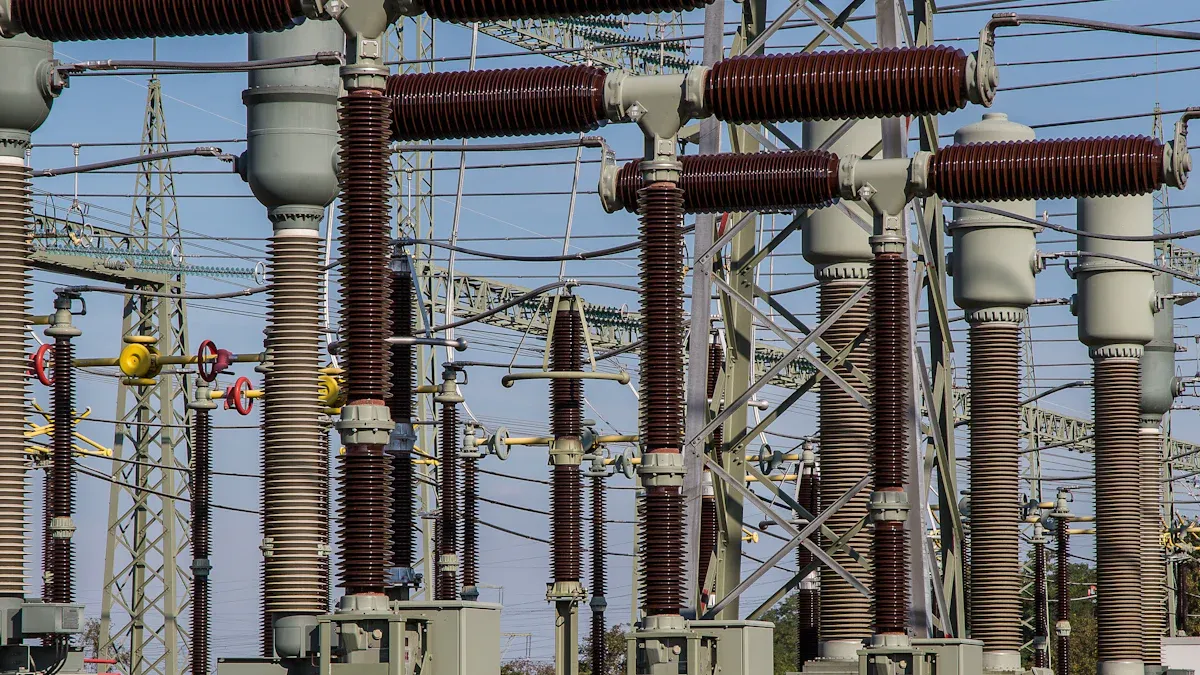
Image Source: pexels
Symptoms
When I inspect high-voltage switchgear, I diligently look for signs of environmental contamination. Dust buildup on busbars or insulators often appears as a gray or brown layer. Moisture leaves behind water stains or visible droplets inside the enclosure. Corrosion shows up as rust on metal parts or greenish deposits on copper. I sometimes notice a musty odor, which typically signals trapped moisture. I also use sensors to check for high humidity or elevated gas concentrations that point to contamination issues.
Causes
Environmental contamination in high-voltage switchgear commonly originates from high humidity, water leaks, or inadequate sealing. Humid climates or unsealed cable entries allow moisture to infiltrate the enclosure. Roof leaks or condensation from temperature swings exacerbate the problem. Dust and airborne chemicals settle on surfaces, particularly in industrial environments. Poor housekeeping practices or infrequent cleaning allow these contaminants to build up over time.
Troubleshooting
always begins by de-energizing the equipment before opening any panels. I use a flashlight to visually identify dust, water, or corrosion. I check humidity and dew point readings with sensors like DHT22 or BME680. If I find dust, I use a HEPA vacuum and insulated brushes to carefully clean surfaces. For moisture, I dry the area thoroughly with absorbent cloths and portable heaters. I remove corrosion with approved cleaning agents and replace any severely damaged parts. I also monitor gas concentrations, such as CO or NO2, to assess the severity of contamination.
💡 Tip: Cleaning with insulated tools is paramount for preventing accidental shorts and ensuring my safety.
Prevention
Schedule regular cleaning and inspection for all switchgear rooms. I install dehumidifiers and maintain proper ventilation to keep humidity below 50%. I ensure all cable entries are properly sealed and check for leaks after heavy rainfall. I deploy real-time sensors to monitor humidity, dew point, and gas levels. The table below details the key contamination indicators I track:
By consistently following these steps, I maintain High Voltage Switchgear in a clean and reliable condition. Regular monitoring and cleaning prevent costly failures and extend equipment lifespan.
Control Circuit Issues
Symptoms
When I check High Voltage Switchgear, I often see control circuit issues manifest in several ways. Sometimes, the equipment simply fails to operate when the switch is flipped. Relays may not respond as expected or might exhibit chattering. I frequently notice erratic behavior, such as delayed tripping or unexpected resets. Indicator lights may flicker erratically or remain off even when the circuit should be active.
Causes
Most control circuit problems stem from wiring faults, relay wear, or loose connections. I sometimes find wires that have worked loose due to vibration or improper installation. Relays, being electromechanical devices, can wear out after numerous operations. High resistance in bolted connections causes localized heating and unreliable control signals. Furthermore, moisture or dust inside the control panel can lead to short circuits or corrosion, compounding the issues.
Troubleshooting
always begins by de-energizing the switchgear and strictly adhering to all safety protocols. I meticulously inspect all wiring for loose or broken connections. I use a calibrated torque wrench to ensure all bolted joints are properly tightened. I test relays by simulating control signals and observing for proper operation. If I find high resistance or excessive heat at a joint, I replace the damaged component immediately. I utilize infrared thermography to spot hidden hot spots that indicate impending issues. Additionally, I perform operational tests and calibrate protective devices to ensure consistently reliable performance.
Here is my typical repair process:
Identify and tighten loose connections to prevent overheating and extend system life.
Use infrared cameras to detect hot spots for early intervention.
Replace damaged components at high-resistance joints to avoid faults.
Test and calibrate relays and protective devices for consistent operation.
Lubricate and replace worn mechanical parts to reduce friction and irregular movement.
Monitor and document temperatures for real-time detection of issues.
Train maintenance staff on heat detection and preventive schedules.
⚡ Tip: Regular operational tests and calibration are crucial for preventing inconsistent operation and unexpected failures.
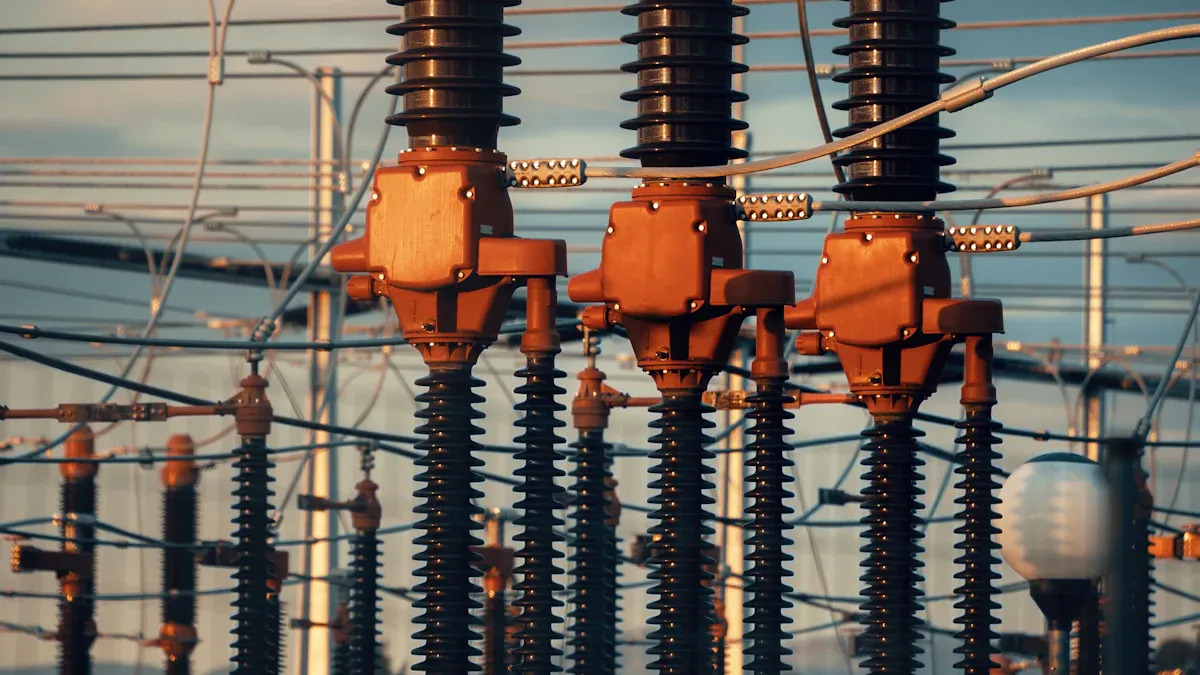
Prevention: Schedule regular inspections to catch problems before they can cause failures. I physically check wires by tugging gently and verifying proper torque. I use infrared scans to find loose connections early. I diligently inspect for moisture, rust, or water marks and promptly seal any detected openings. I also check mechanical interlocks and moving parts for correct operation and adequate lubrication. These steps enable me to detect and fix faults early, thereby maintaining the reliability of the control circuits.
Regular inspections prevent loose wiring, high resistance, and moisture damage.
Physical checks and infrared scans catch problems before they escalate.
Lubrication and operational checks maintain system integrity.
🛡️ Note: Consistent inspection and testing are fundamental to keeping High Voltage Switchgear control circuits safe and dependable.
High Voltage Switchgear Maintenance
Inspection Schedule: Always adhere to a strict inspection schedule for high-voltage switchgear. I conduct monthly checks of all critical components, including busbars, insulation, and control circuits. Every six months, I perform detailed thermal imaging and insulation resistance tests. I use a comprehensive checklist to ensure no steps are missed. This rigorous routine helps me catch problems early and avoid unexpected failures.
Safety Protocols Before I commence any maintenance work, I invariably de-energize the equipment. I meticulously implement lockout/tagout (LOTO) procedures to ensure that no one can accidentally re-energize the system. This step is not merely a rule—it is a life-saving measure. Strict safety protocols, such as those outlined in NFPA 70E, have significantly reduced electrical injuries during maintenance. In the past, many workers suffered severe injuries or worse due to working on energized equipment. Now, by verifying zero energy and diligently following every safety step, I protect myself and my team from arc flash and electrocution hazards.
Lubrication and Cleaning ensure all moving parts are well-lubricated using products specifically recommended by the manufacturer. I meticulously clean dust and debris from inside the switchgear using insulated brushes and a HEPA vacuum. I always wear appropriate gloves and use insulated tools to maintain safety. Regular lubrication and cleaning prevent mechanical wear and keep the equipment running smoothly and efficiently.
Spare Parts Management I maintain a readily available inventory of essential spare parts, such as relays, fuses, and contactors. I meticulously track inventory and promptly replace any used parts. This proactive approach allows me to address problems quickly and minimize prolonged downtime. Effective preventive maintenance strategies heavily rely on having the right parts readily accessible. By managing spares efficiently, I enhance High Voltage Switchgear reliability and significantly reduce the risk of emergency repairs.
🛡️ Tip: A well-organized maintenance plan, stringent safety procedures, and effective spare parts management are cornerstones for keeping your switchgear safe and dependable.
When to Call a Professional
Some high-voltage switchgear problems extend beyond routine maintenance and demand expert intervention. I often encounter issues like repeated insulation breakdowns, unexplained tripping, or persistent overheating that do not respond to standard troubleshooting. When I observe burnt busbars, severe corrosion, or clear signs of internal arcing, I know these situations necessitate advanced diagnostic tools and specialized knowledge.
You should call a professional if you notice:
Frequent unexplained equipment failures.
Visible damage to internal components.
Unusual noises or smells during operation.
Repeated control circuit malfunctions.
⚠️ Alert: Never attempt to repair severe faults or internal arcing yourself. These situations can be extremely dangerous.
Expert Support and Contact Information bring years of hands-on experience and access to advanced diagnostic technology. Today, expert support combines practical skills with intelligent systems. I leverage AI-powered tools, such as the DualLSTM-DropNet model, to analyze data from sensors and predict faults before they cause failures. This advanced approach enables me to provide comprehensive condition-based and predictive maintenance for high-voltage switchgear.
By integrating my expert knowledge with cutting-edge AI, I can detect hidden faults, generate realistic simulations, and offer solutions that manual inspections often miss. This method significantly improves reliability and extends the life of your equipment. Modern expert support utilizes real-time monitoring, big data, and IoT to transform maintenance from reactive to proactive.
If you face complex high-voltage switchgear issues or want to upgrade your maintenance strategy, I am ready to help.
Contact Thor at Weishoelec for expert support:
Phone: +86 0577-62788197
WhatsApp: +86 159 5777 0984
Email: [email protected]
I respond quickly and provide clear, actionable solutions. Your safety and system reliability are always my top priorities.
Conclusion: Weishoelec and You – Building a Safe and Reliable Power Future Together
As an Electrical Engineer dedicated to the power industry, I sincerely hope that this detailed article has helped you clearly understand how high voltage circuit breaker protection operates and its fundamental differences from low voltage system TCC curves. High voltage power system protection coordination is a rigorous science and a sophisticated art that directly relates to the reliability of power supply, the safety of equipment, and the stable operation of society and industry as a whole. While high-voltage circuit breakers do not have built-in TCC curves, we can still achieve perfect, multi-layered protection coordination through the powerful and intelligent protective relays behind them and their precise characteristic curves. Understanding these fundamental principles is the cornerstone for your growth in the power industry and key to ensuring the healthy operation of power systems.
Weishoelec, as a manufacturer committed to providing high-quality "Made in China" electrical products to global markets, especially in Europe and North America, deeply understands the importance of protection systems. We offer advanced and reliable electrical equipment and core components, and hope to discuss and solve engineering challenges with our clients. We are always striving to provide innovative solutions to ensure your power system operates efficiently, safely, and stably. If you have questions regarding power system protection, high voltage circuit breaker selection, relay configuration, or any other electrical engineering aspect, or if you are seeking a trustworthy partner to provide customized technical solutions and professional quotes, please do not hesitate to contact us.
Weishoelec looks forward to working with you to contribute to a bright future for power systems! Contact Us to Start Your Safe and Efficient Power Journey:
Phone: +86 0577-62788197
WhatsApp: +86 159 5777 0984
Email: [email protected]
Frequently Asked Questions (FAQ)
What is the most common cause of switchgear failure?
Loose connections and poor maintenance often cause failures. I most frequently observe overheating and insulation breakdown.
How often should I inspect high-voltage switchgear?
I recommend monthly visual inspections and detailed testing every six months. This schedule helps me catch problems early and keep equipment safe.
Can I clean switchgear myself?
I always de-energize equipment before cleaning. I use insulated tools and a HEPA vacuum. If you lack proper training, it's safer to call a professional. Safety comes first. ⚠️ Note: Never clean energized switchgear.
What should I do if I hear unusual noises from my switchgear?
Unusual noises often indicate mechanical wear or loose parts. I immediately stop the operation, de-energize the unit, and thoroughly inspect the moving parts. I replace worn components without delay.
When should I call a professional for help?
You should call a professional when you observe repeated failures, severe damage, or clear signs of arcing. Complex issues demand expert tools and experience.
Persistent overheating
Burnt or melted parts
Unexplained tripping