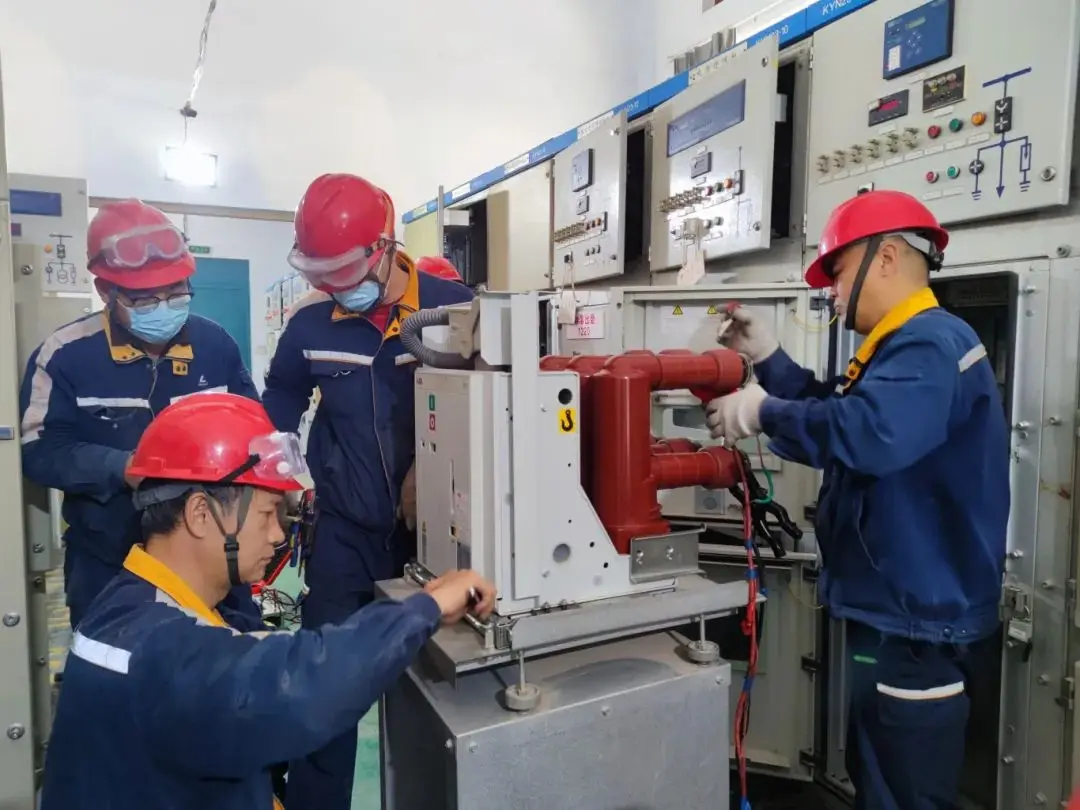
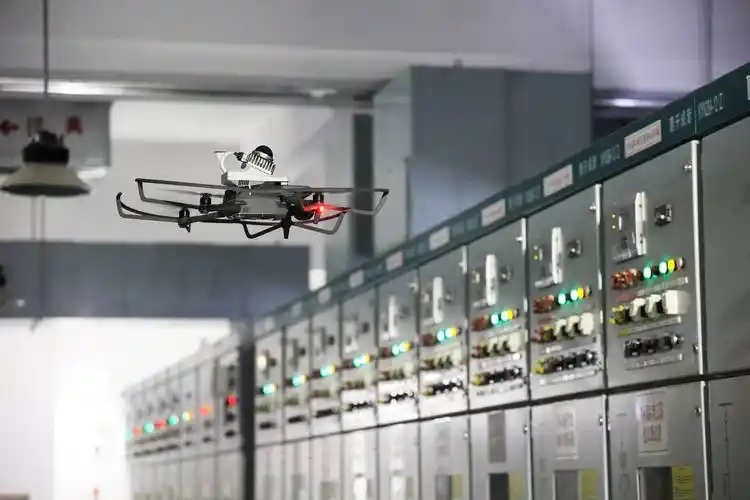
In the complex world of electrical systems, many people often confuse high and low-voltage equipment. This misunderstanding can lead to poor choices and serious safety risks.
Don't worry, this article will help you understand the key differences. It will empower you to make safer, more informed decisions.
Imagine an urban traffic system with no traffic lights or police officers. It would be pure chaos. In a modern electrical grid, switchgear plays a similar role.
It's not just a simple switch; it’s a comprehensive system that controls, protects, and isolates electrical circuits. This is essential for both grid stability and safety.
The Dividing Line: Defining High and Low Voltage
To understand what high and low-voltage switchgear are, we first need to define high and low voltage. According to the International Electrotechnical Commission (IEC), we use 1000V (1kV) as the dividing line for AC voltage.
What is low-voltage switchgear?
Low-voltage switchgear is designed for electrical systems up to 1000V. You'll find it in everyday places like residential buildings, commercial centers, and small factories.
Its main job is to distribute power and provide basic overcurrent protection. It’s the standard equipment for most consumer and small-scale industrial applications.
What is high-voltage switchgear?
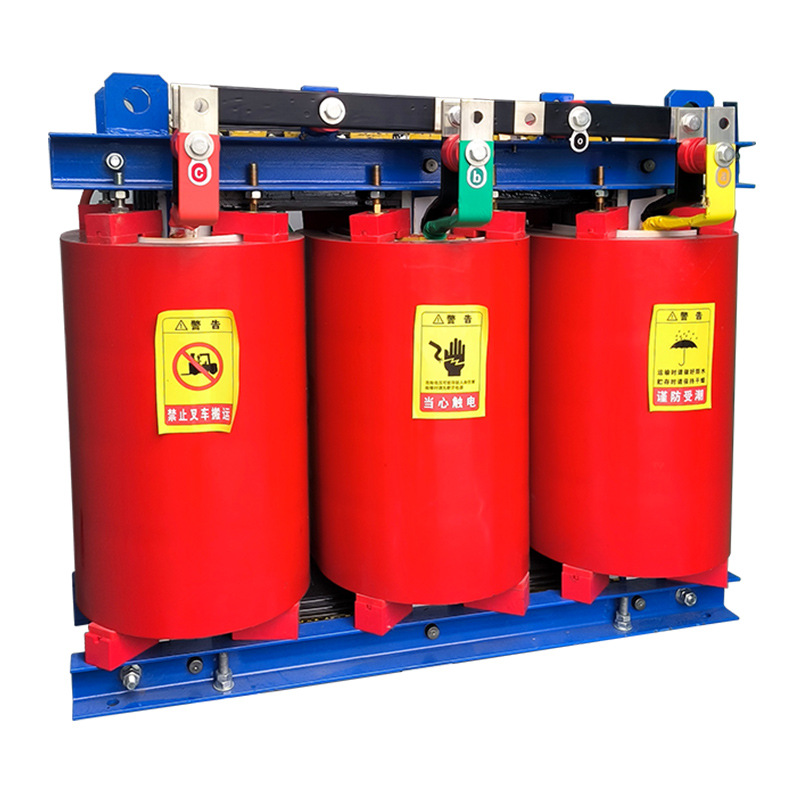
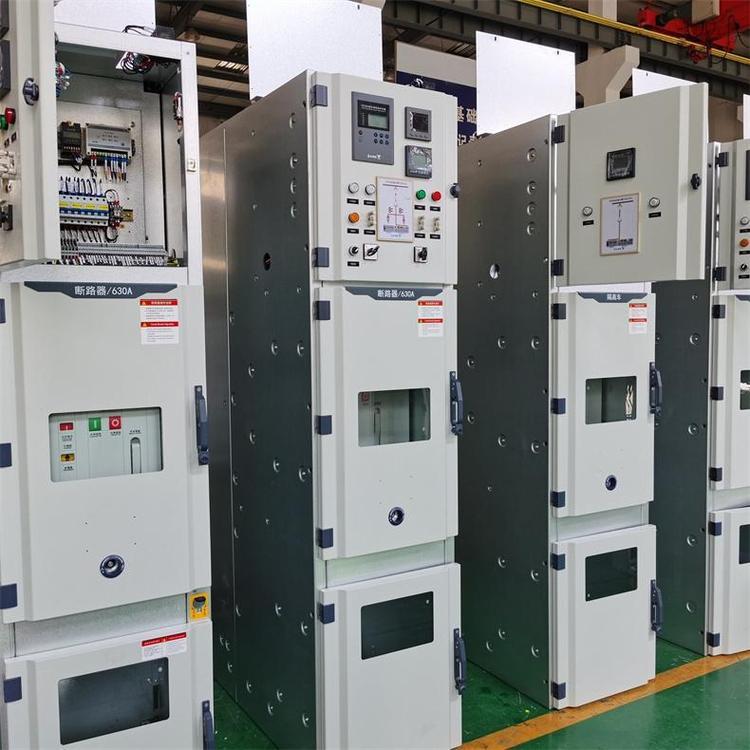
High-voltage switchgear is used in systems over 1000V. It is the backbone of the power grid, essential for power plants, large substations, and heavy industrial facilities.
Its primary role is to control and protect high-voltage power transmission, ensuring reliable delivery over long distances. These systems are built to handle immense power.
As a quick note, there is also medium-voltage switchgear. It handles voltages between 1kV and 35kV. It serves as a vital link in the power grid, connecting high-voltage transmission to low-voltage distribution.
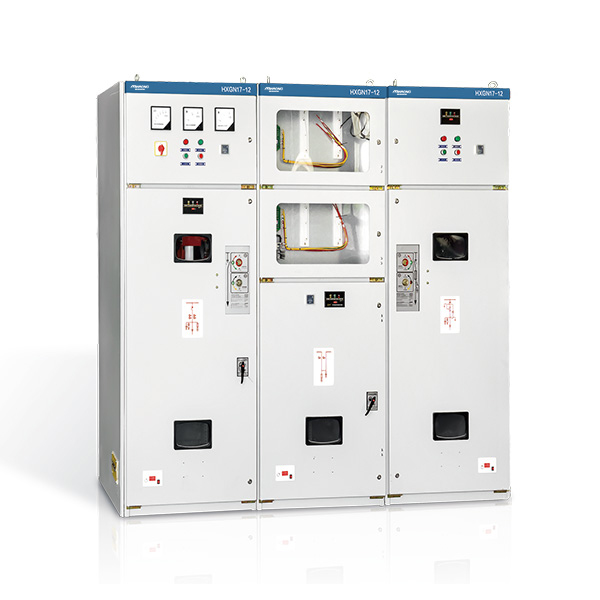
Key Differences: High vs. Low-Voltage Switchgear
Although they share the same name, high and low-voltage switchgears are vastly different in design and function. Here’s a quick overview of their key distinctions.
The applications of high-voltage switchgear are especially critical. They are the foundation of the entire power grid.
They can control the output of generators or adjust voltage levels at a substation for different lines, all with incredible precision.
Real-World Use Cases
Consider these two examples to see the difference in action. In a typical office building, low-voltage switchgear distributes power to every floor for lighting and outlets.
However, a massive steel mill relies on high-voltage switchgear to control its enormous motors. This ensures they operate safely even under extreme loads.
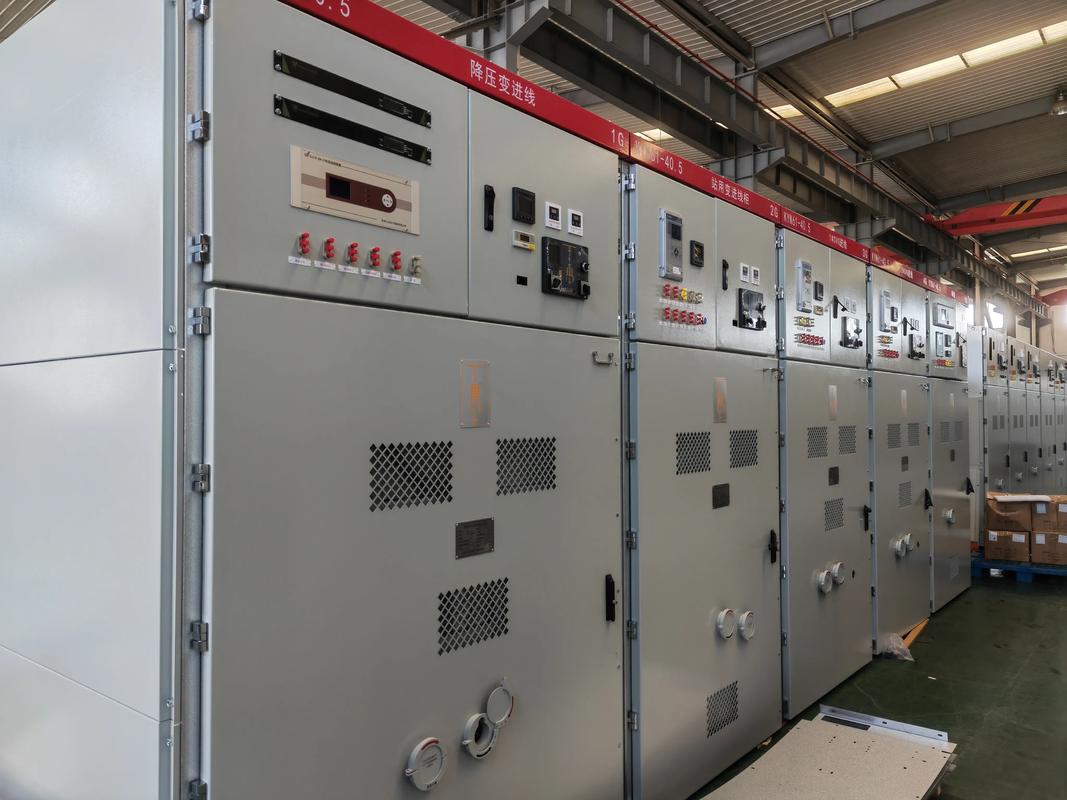
Inside the Cabinet: Key Components
To truly understand high and low-voltage switchgear, we need to look at what’s inside. While both share common components like circuit breakers and busbars, the specific parts are designed for their unique environments.
Components of high-voltage switchgear
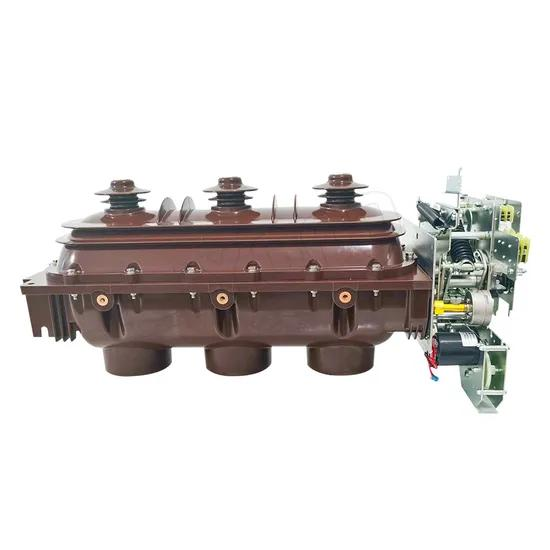
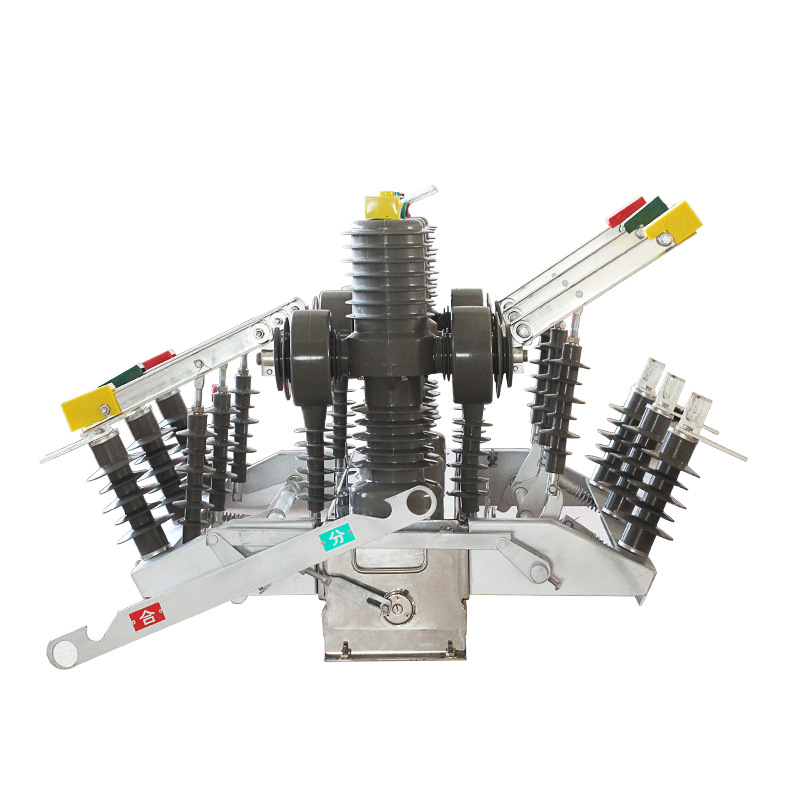
High-voltage switchgear components are highly specialized. They typically include vacuum or SF6 circuit breakers, which can interrupt massive fault currents in milliseconds.
These advanced mediums are necessary because high-voltage arcs are extremely powerful and require superior insulation. They are built for extreme conditions.
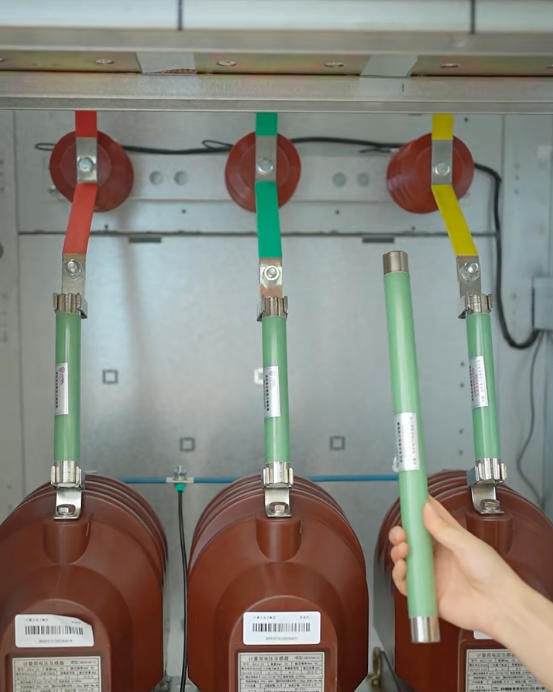
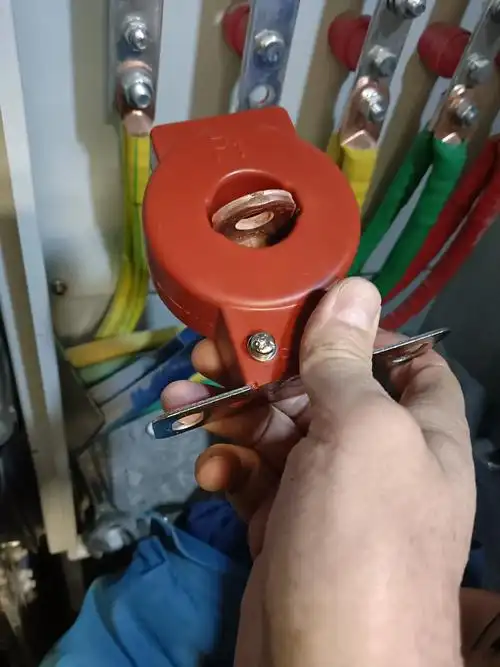
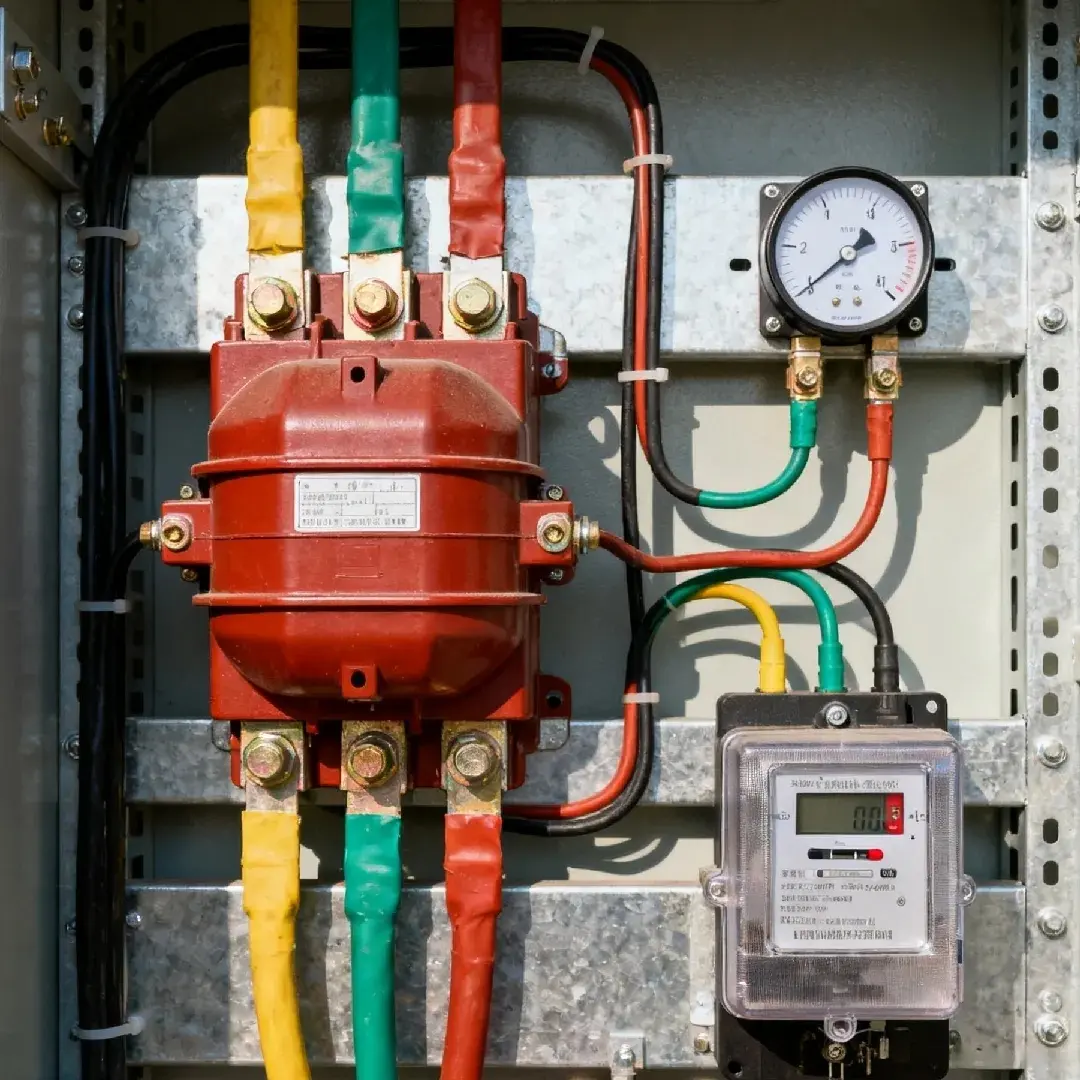
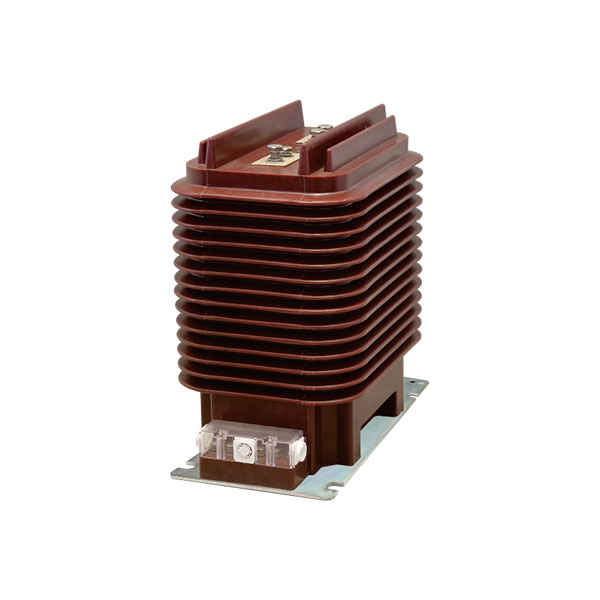
High-voltage systems also rely on current and voltage transformers to convert high-level signals into low-level ones for monitoring. Additionally, a protection relay acts as the “brain” of the system, instantly detecting faults and sending trip signals to the circuit breaker.
Components of low-voltage switchgear
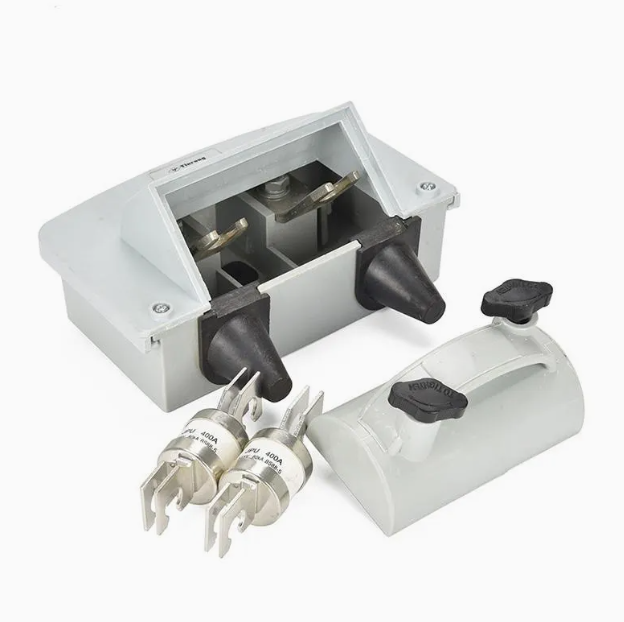
Low-voltage switchgear components are designed with different specifications in mind. They often feature molded case circuit breakers (MCCBs) that trip automatically during overloads.
You will also find air circuit breakers (ACBs) for higher current ratings and fuses for simple, quick overcurrent protection. These are robust, but simpler devices.
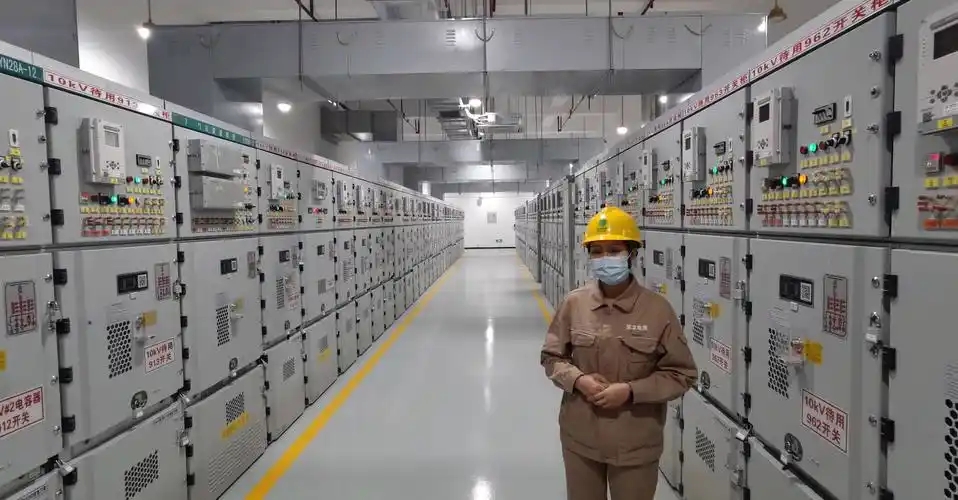
How to Choose the Right Switchgear
Choosing the right switchgear is crucial for the safety and reliability of any electrical system. Follow these simple steps to make the best decision.
Step 1: Determine the voltage and load requirements. This is the most important factor and will guide all subsequent decisions.
Step 2: Consider the environment. Factor in things like humidity, dust, and corrosive gases to choose a properly rated enclosure.
Step 3: Evaluate safety requirements. Make sure the equipment complies with international standards and has the necessary safety interlocks to protect operators.
Frequently Asked Questions (FAQ)
What is the difference between switchgear and a switchboard?
Switchgear is generally more robust than a switchboard and has a higher short-circuit withstand rating. Switchgear also uses withdrawable circuit breakers for easier maintenance.
A switchboard is typically used for lower-level power distribution in simpler systems.
What is selective coordination?
Selective coordination is a protection scheme where only the circuit breaker closest to a fault trips. This minimizes the outage area, ensuring maximum power reliability for the rest of the system.
What are the “five-prevention” interlocks in high-voltage switchgear?
The “five-prevention” interlocks prevent: operating a disconnector with a live load; incorrect operation of a circuit breaker; placing a ground wire on a live circuit; closing a circuit with a ground wire still attached; and entering a live compartment. These systems are crucial for operator safety. For more information, you can refer to relevant standards from the International Electrotechnical Commission (IEC).
How can I tell if switchgear is high-quality?
Look beyond the brand and product certifications. Check for manufacturing quality, component brands, test reports, and strong after-sales service.
A well-built cabinet will have excellent heat dissipation, dust-proof designs, and a sturdy mechanical structure.
Why do high and low-voltage circuit breakers use different protection methods? High-voltage faults generate immense energy, requiring a rapid, precise response. That's why high-voltage systems rely on sophisticated protection relays to intelligently manage faults.
Low-voltage systems, however, use simpler thermal-magnetic trip mechanisms. This is sufficient for the power levels they handle.
Is high-voltage switchgear more expensive to maintain?
Yes, maintaining high-voltage switchgear is typically more expensive. It requires specialized technicians for routine inspections, cleaning, and testing to ensure it works reliably during an emergency.
Conclusion: The Cornerstone of Safe, Efficient Power
High and low-voltage switchgears are both essential to the safe and reliable operation of any electrical system. They are the nervous system of the power grid, ensuring that electricity flows smoothly.
By understanding the differences, you can select the most suitable equipment. This is the most effective way to ensure a reliable and safe power supply tailored to your specific needs.
Find the Right Solution for Your Needs
As a professional electrical equipment supplier, Weisho Electric Co., Ltd. is dedicated to providing high-quality high and low-voltage switchgear solutions. Whether you need consulting, a custom design, or a quote, our team of experts is ready to assist you.
Contact Us:
Author: Thor
Company: Weisho Electric Co., Ltd.
Phone: +86-0577-62788197
WhatsApp: +86 159 5777 0984
Email: [email protected]