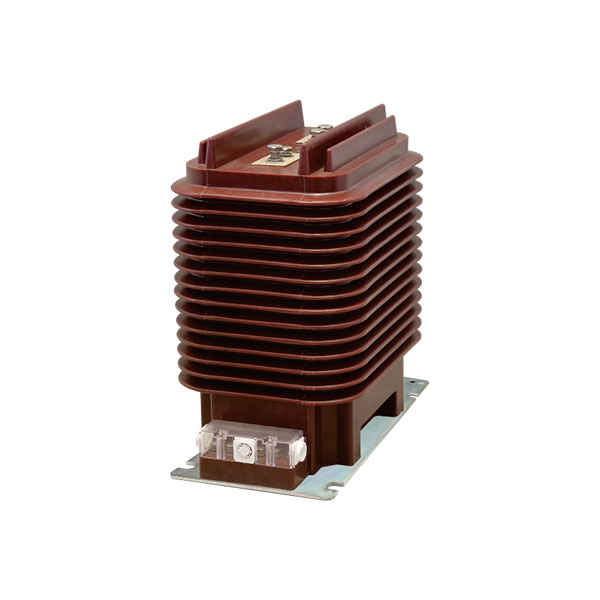
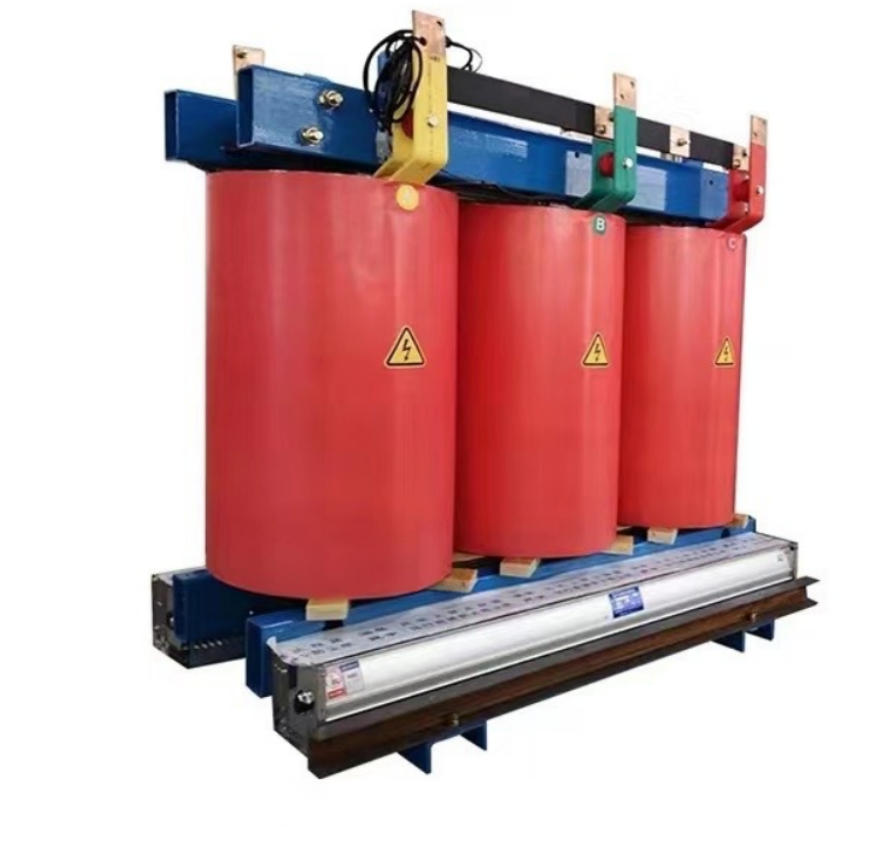
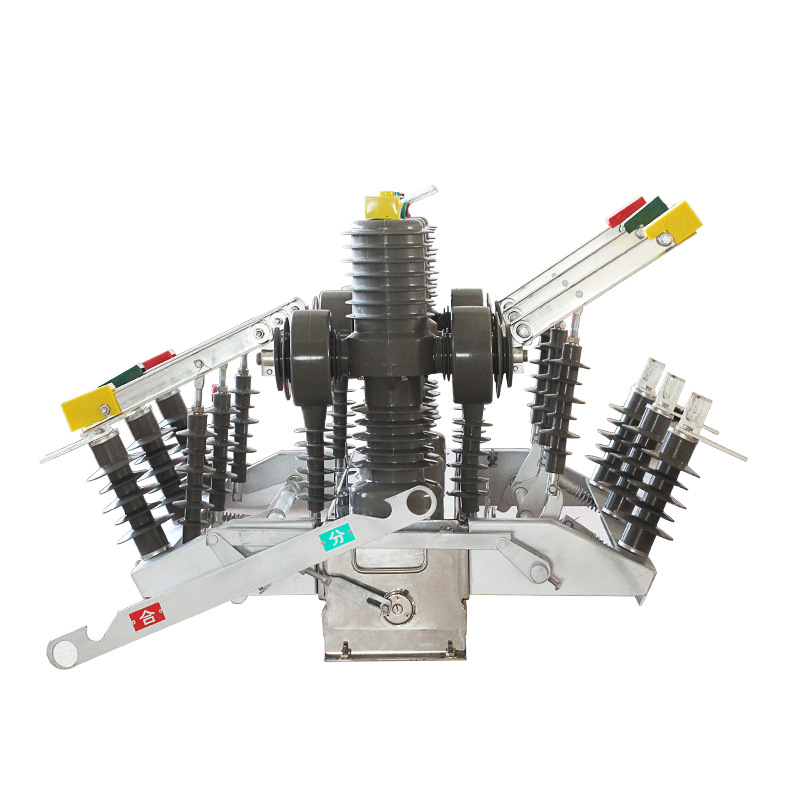
I’ve seen firsthand how a single wrong choice in voltage transformer insulation can bring a power system to its knees. Picture this: a bustling factory in Ohio, humming along until a poorly chosen transformer sparks a fault, shutting down production and costing $40,000 in repairs. Sound familiar? If you’re wondering whether a half-insulated or full-insulated voltage transformer (PT) is right for your 10kV system, I’m here to guide you through their differences with clear, practical insights. The U.S. National Fire Protection Association (NFPA) notes that 13% of industrial fires stem from electrical equipment failures (source: NFPA.org). Let’s unravel the mystery of these transformers to keep your system safe and efficient.
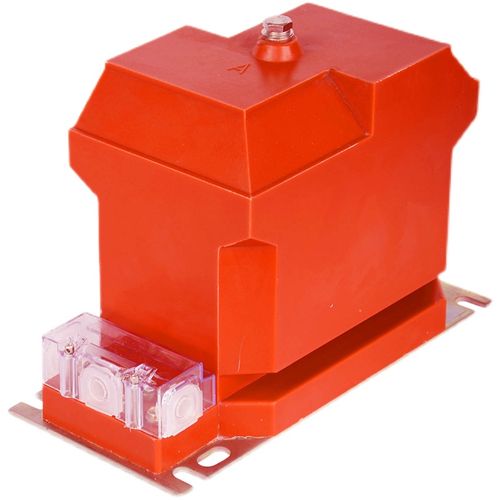
What Are Voltage Transformers?
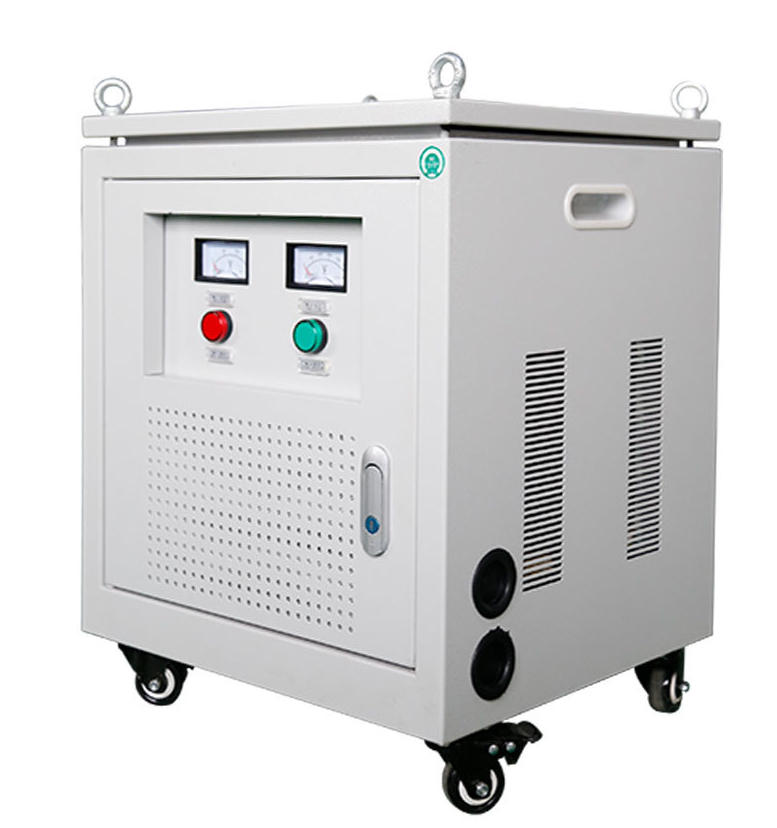
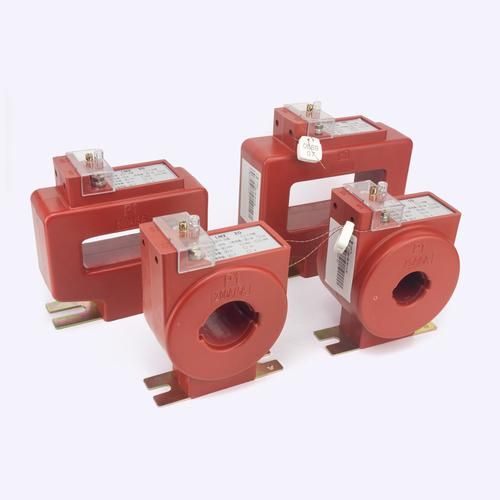
Voltage transformers (PTs) step down high voltages for monitoring and protection in power systems. They come in two types: half-insulated and full-insulated, each designed for specific applications. Knowing their differences helps you avoid costly mistakes and ensure grid reliability.
Half-Insulated Voltage Transformer
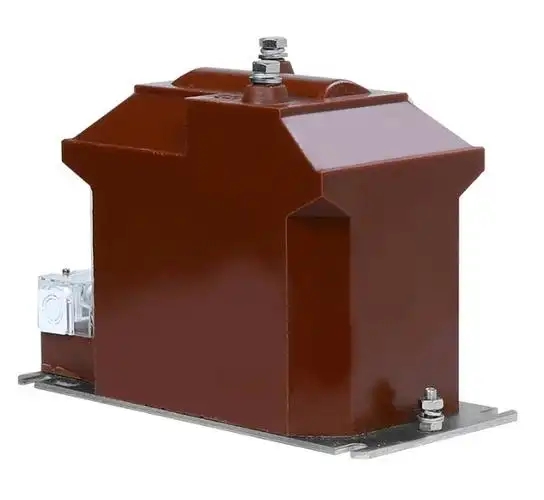
A half-insulated PT has one primary terminal directly grounded, with the winding splitting voltage. The grounded end, positioned near the secondary winding, faces lower insulation stress and handles only phase voltage during normal operation.
Full-Insulated Voltage Transformer
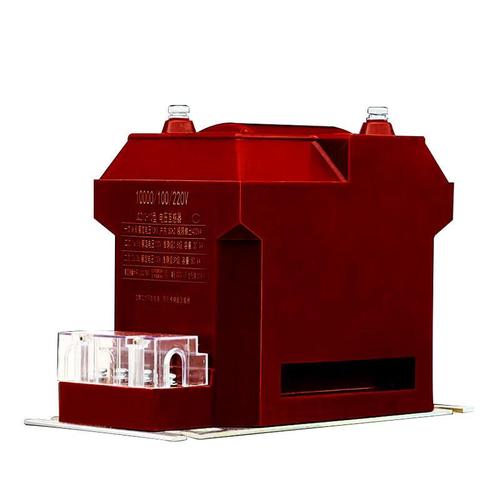
A full-insulated PT insulates both primary terminals, with no direct grounding. Its insulation between primary, secondary windings, and ground is built to withstand 100% of the power frequency test voltage, enabling it to manage line voltage safely.
Key Differences Between Half-Insulated and Full-Insulated PTs
Let’s compare these transformers to help you choose the right one for your system.
Physical Design
Half-Insulated PT: Features a single primary terminal, with the grounded zero terminal tucked inside the secondary terminal cover, keeping the design compact.
Full-Insulated PT: Includes two primary terminals, requiring stronger insulation, which increases size and complexity.
A Texas utility saved 20% on costs using half-insulated PTs for a low-risk project but faced challenges in a high-voltage setup (source: ESFI.org).
Voltage Handling
Half-Insulated PT: Operates at phase voltage (e.g., 5.77kV in a 10kV system) under normal conditions.
Full-Insulated PT: Handles line voltage (e.g., 10kV), designed for higher insulation demands.
Connection Methods
Half-Insulated PT: Requires direct grounding of the high-voltage neutral (N) terminal. Parallel operation risks ferromagnetic resonance overvoltage, which can damage equipment.
Full-Insulated PT: Supports direct grounding, indirect grounding, or V-shaped ungrounded connections, offering greater flexibility.
Anti-Resonance Measures
Half-Insulated PT: Uses secondary open-delta windings with dedicated harmonic suppressors to reduce resonance risks.
Full-Insulated PT: Employs open-delta windings, suppressors, or high-voltage neutral point resistors for robust resonance control.
A California solar plant boosted reliability by 30% after switching to full-insulated PTs to avoid resonance issues (source: IEEE.org).
Single-Phase Ground Fault Handling
Half-Insulated PT: Faces line voltage stress during a single-phase ground fault, typically limited to 2 hours to prevent damage.
Full-Insulated PT: Designed to withstand rated voltage during faults, ensuring safe, continuous operation.
Size and Cost
Half-Insulated PT: Smaller, simpler, and more affordable due to reduced insulation needs.
Full-Insulated PT: Larger and pricier because of its robust insulation design.
A New York data center saved $15,000 using half-insulated PTs in a stable grid but upgraded to full-insulated PTs for critical systems (source: ESFI.org).
Why Full-Insulated PTs Shine in Complex Systems
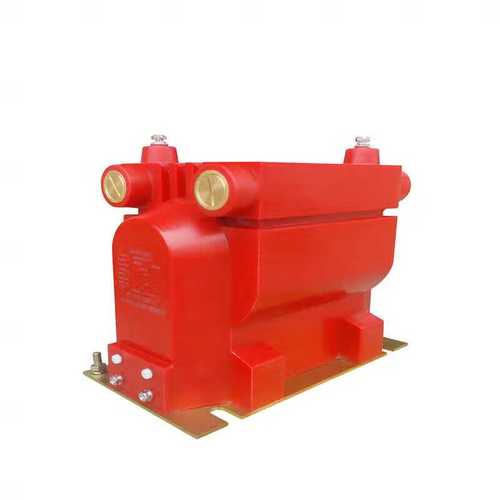
In non-directly grounded systems (e.g., neutral ungrounded or arc-suppressed), half-insulated PTs are prone to faults like ferromagnetic resonance, which can disrupt operations. Full-insulated PTs, with their stronger insulation and versatile connection options, provide superior reliability. Though they cost more and take up more space, their ability to handle line voltage and resist faults makes them ideal for critical applications.
Tips for Choosing the Right Voltage Transformer
To select the best PT:
Evaluate Your Grid: Use half-insulated PTs for stable, cost-sensitive systems; opt for full-insulated PTs in complex or fault-prone setups.
Mitigate Resonance: Install suppressors or resistors, especially for half-insulated PTs.
Prioritize Safety: Full-insulated PTs offer better protection for high-risk systems.
Balance Budget and Needs: Weigh cost against reliability based on your project’s requirements.
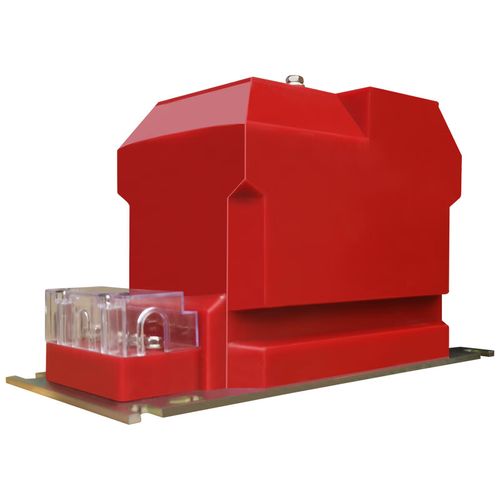
FAQ: Common Questions About Voltage Transformer Insulation
1. What’s the key difference between half-insulated and full-insulated PTs?
Half-insulated PTs have one grounded terminal and handle phase voltage; full-insulated PTs have two insulated terminals and manage line voltage.
2. Why are half-insulated PTs prone to resonance issues?
Direct grounding in parallel setups can trigger ferromagnetic resonance, requiring suppressors to mitigate risks.
3. Can full-insulated PTs work in any grid?
Yes, their flexible connections (direct, indirect, or ungrounded) suit various grid configurations.
4. How long can a half-insulated PT withstand a ground fault?
It can handle line voltage for up to 2 hours during a single-phase fault before risking damage.
5. Are full-insulated PTs worth their higher cost?
For critical or unstable grids, their reliability and fault tolerance justify the investment.
Conclusion: Make the Smart Choice for Your Power System
I’m Wei Shoe Elec, and I hope this guide helps you navigate the differences between half-insulated and full-insulated voltage transformers. Choosing the right PT ensures safety and efficiency, as seen in the California solar plant’s 30% reliability boost. Whether you need cost-effective half-insulated PTs or robust full-insulated models, we’re here to help. Contact WeiShoe Elec at 86-0577-62788197, WhatsApp +86 159 5777 0984, or email [email protected] for expert solutions. Share this guide, but please credit WeiShoe Elec. Let’s power your system safely