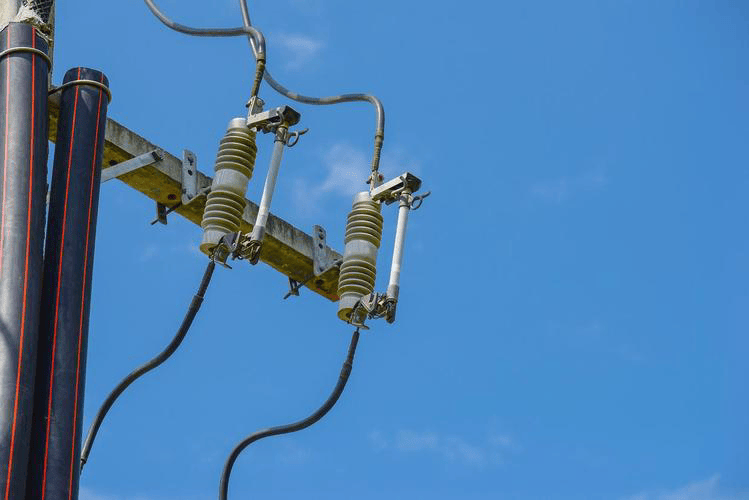
Use a 15kV fuse cutout for systems up to 15,000 volts. Use a 35kV fuse cutout for higher voltage lines. Always match your fuse cutout to the system’s voltage, current, and interrupting rating. Think about how fast it works, if it fits your equipment, cost, and rules for your industry. Picking the wrong fuse cutout can be very risky. For example, high temperatures, humidity, or chemicals can hurt the fuse and make it less safe.
Environment | Risk |
|---|---|
Temperature | Blows too soon or does not work right |
Humidity | Rust and insulation problems |
Chemicals | The materials do not match, and rust |
Choosing the right fuse cutout helps keep your system safe and working well.
Key Takeaways
Pick a 15kV fuse cutout for systems up to 15,000 volts. Pick a 35kV cutout for systems up to 38,000 volts.
Make sure the fuse cutout matches your system’s voltage. Make sure it matches the current and interrupting rating too. This helps keep everyone safe.
Think about things like temperature and humidity. Chemicals can also change how the fuse works.
A 35kV fuse cutout is bigger and heavier. It needs more space to install than a 15kV cutout.
Look at the interrupting rating. This helps the fuse handle fault currents without breaking.
Check fuse cutouts often. This helps you find problems early and keeps the system working well.
Use a checklist to make sure everything fits with your system. Make sure it works with the environment too.
Buy the right fuse cutout. This helps you spend less on repairs and keeps your system running longer.
Fuse Cutout Basics
What Is a Fuse Cutout
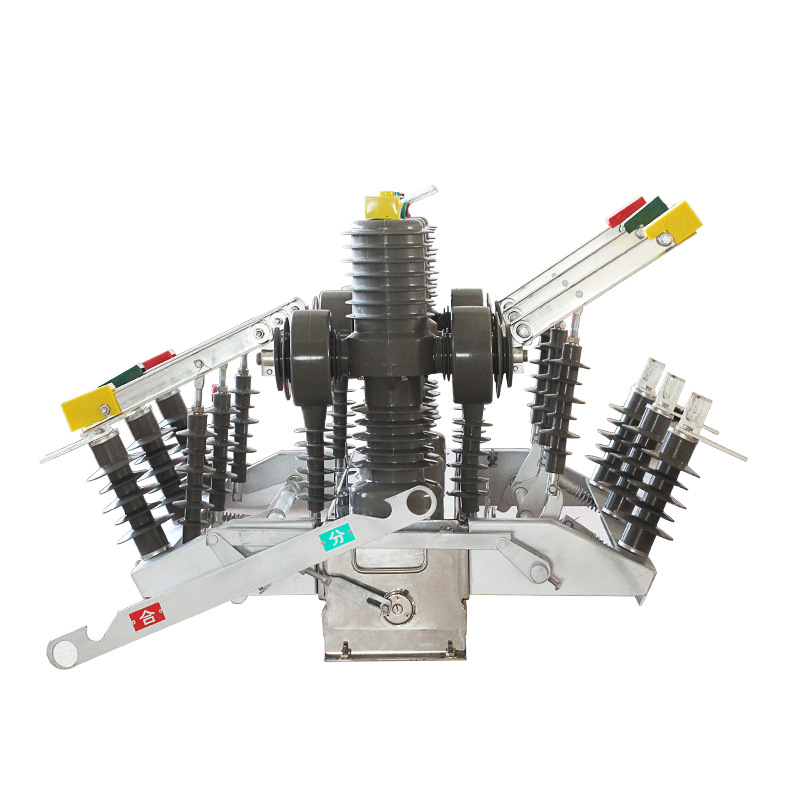
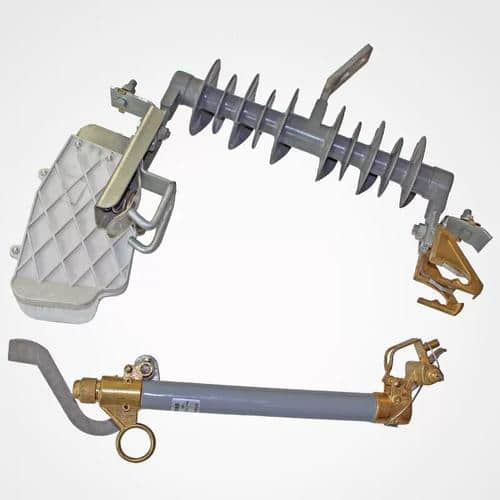
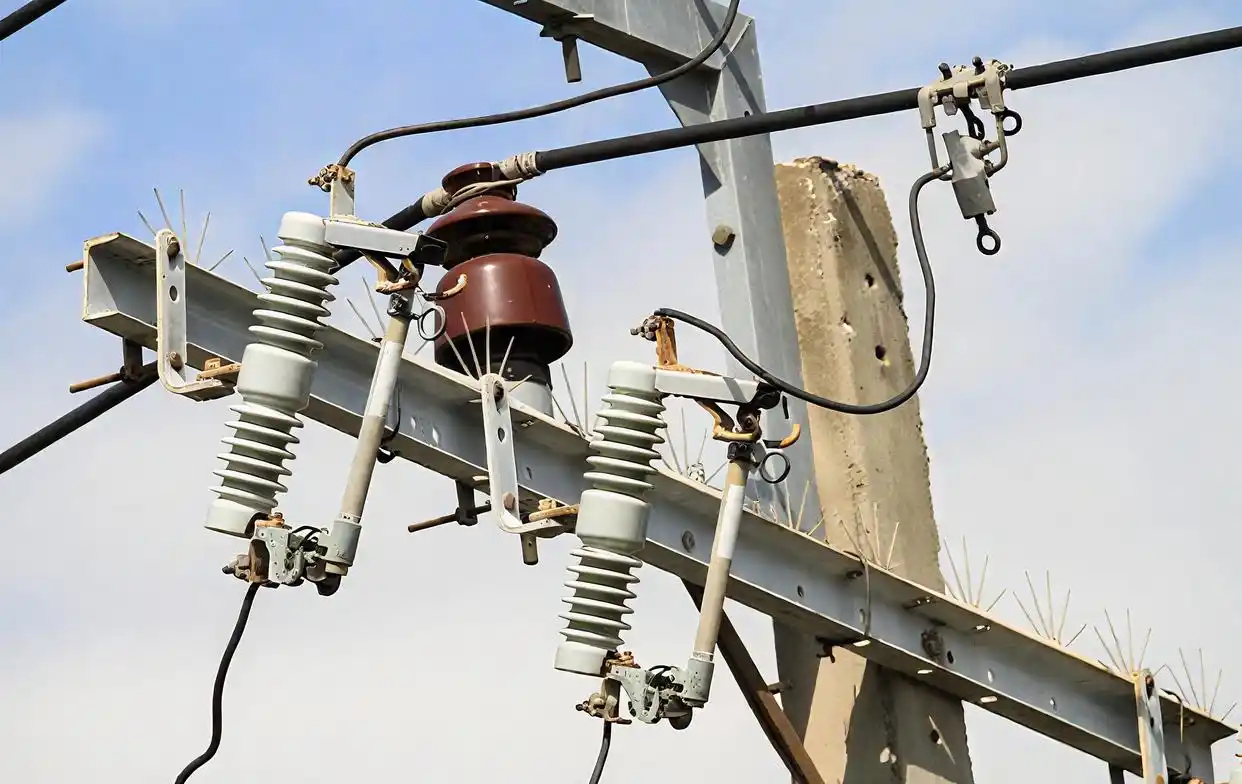
You see fuse cutouts on power poles and in electrical substations. These devices combine a fuse and a switch. You use them in overhead power distribution systems. A fuse cutout protects transformers and circuits from too much current or short circuits. When something goes wrong, the fuse cutout isolates the problem area. This keeps the rest of your system safe and working.
Acts as the first line of defense against surges and overloads
Protects expensive equipment and helps keep the power on
Disconnects the circuit when too much current flows, stopping damage
How Fuse Cutouts Work
A fuse cutout works by watching the flow of electricity. When the current gets too high, the fuse inside melts and breaks the circuit. You stop the flow of electricity to the damaged part. This action protects your equipment and keeps the rest of your system running. You can also use the fuse cutout as a switch. You open it to disconnect parts of the system for repairs or upgrades.
Tip: Always check the rating of your fuse cutout before installation. The wrong rating can lead to equipment failure or safety hazards.
Here is a table showing the main functions of fuse cutouts:
Function | Description |
|---|---|
Over-current protection | Breaks the circuit when the current is too high, stopping overloads and short-circuits. |
Fault isolation | Separates faulty sections so the rest of the system keeps working, and repairs are easier. |
Lightning and surge protection | Interrupts the circuit during surges, protecting sensitive equipment from damage. |
Main Components
You find three main parts in a fuse cutout:
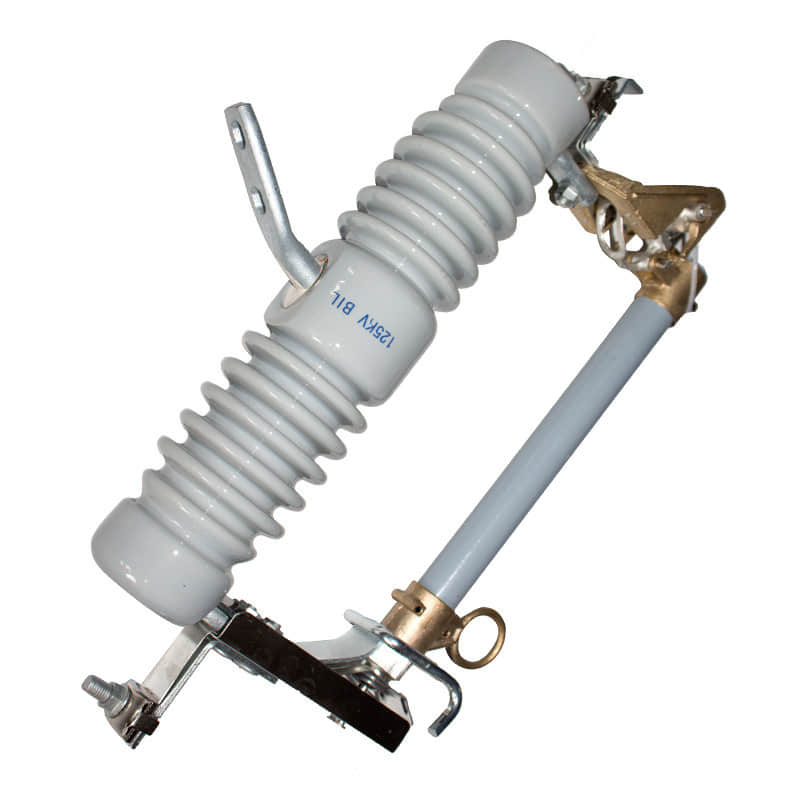
1. Insulator: Holds the fuse cutout and keeps electricity from leaking.
2. Fuse Holder: Contains the fuse link. You replace this part when the fuse blows.
3. Fuse Link: The part that melts and breaks the circuit during a fault.
Each part works together to protect your system. You need to choose the right fuse cutout for your voltage and current needs. This choice helps you keep your electrical network safe and reliable.
15kV vs 35kV: Key Differences
Voltage Ratings
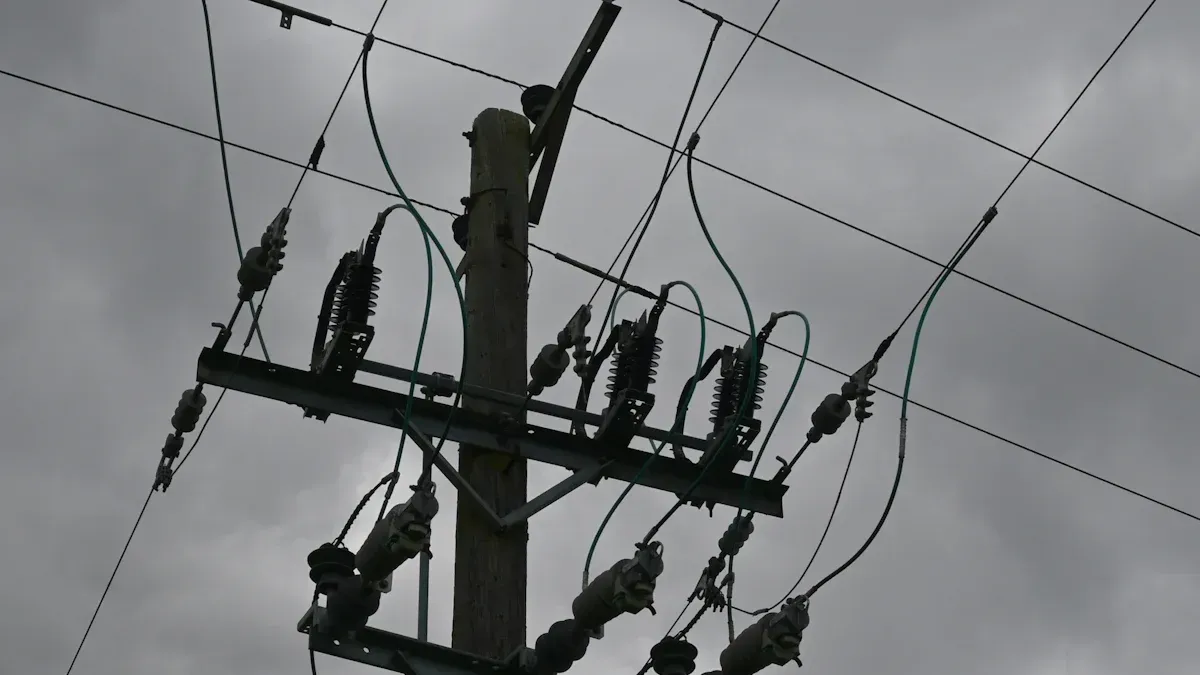
You must pick a fuse cutout that matches your system’s voltage. A 15kV fuse cutout works for systems up to 15,000 volts. A 35kV fuse cutout is for systems up to 38,000 volts. Using the right voltage rating keeps your equipment safe. It also helps stop dangerous problems. If you use a fuse cutout with a lower rating, it might not protect your equipment. Always check your system voltage before picking a fuse cutout.
Technical Specs
Physical Size
A 35kV fuse cutout is bigger than a 15kV one. Higher voltage needs more space between parts. This stops electricity from jumping across gaps. You need more room on your pole for a 35kV fuse cutout. The bigger size makes it heavier and harder to install.
Insulation & Creepage
Insulation and creepage distance are important for safety. Creepage is the shortest path along the insulator’s surface. Higher voltage systems need longer creepage distances. This stops electricity from leaking or arcing. A 35kV fuse cutout has thicker insulation and longer creepage paths. This helps stop flashovers, especially when it is wet or dirty.
Interrupting Rating
Interrupting rating shows how much fault current the fuse cutout can stop. A 35kV fuse cutout usually has a higher interrupting rating. This means it can handle bigger surges or faults. You must check that the interrupting rating matches your system’s fault current. If the rating is too low, the fuse cutout might not protect your equipment.
Typical Applications
You see 15kV and 35kV fuse cutouts in different places. The 15kV models are used in local networks and small industrial sites. The 35kV models are for bigger substations, long lines, and heavy industry.
Here is a table showing where you might use a 15kV fuse cutout:
Application | Description |
|---|---|
Transformer Protection | Safeguards distribution transformers from damage caused by short circuits or overloading. |
Distribution Line Safety | Protects power lines in overhead distribution systems, enhancing overall network reliability. |
Fuse cutouts help lower equipment damage by about 30%. They make the system more reliable and help with overloads. You should check them often to keep your system working well. Utilities save money because they do not need to fix or replace equipment as much. This means less downtime and better service for customers.
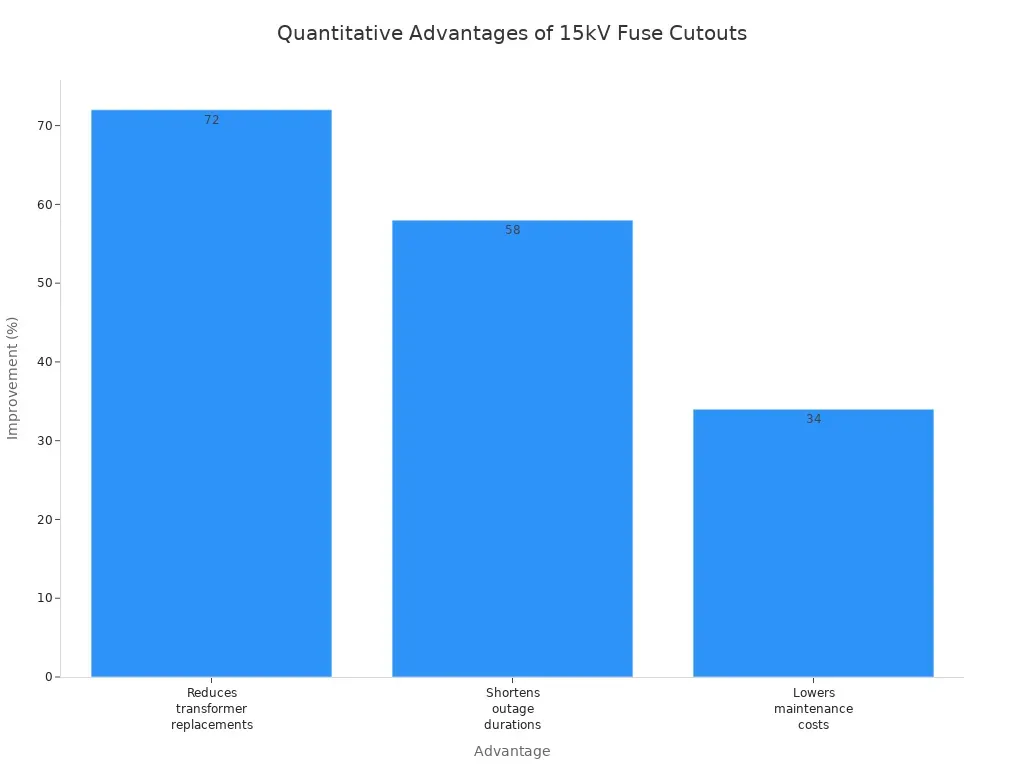
Note: The right fuse cutout keeps your system safe, reduces outages, and lowers maintenance costs.
Pros & Cons: 15kV
When you choose a 15kV fuse cutout, you get several benefits and some limitations. You need to know both sides before you make a decision.
Pros:
You install it easily because it is smaller and lighter.
You spend less money since the cost is lower.
You find it fits well in most local power networks and small industrial sites.
You get good protection for transformers and distribution lines in medium-voltage systems.
You replace it quickly, which helps you keep downtime short.
Cons:
You cannot use it for high-voltage systems above 15,000 volts.
You get less insulation and shorter creepage distance, which may not work well in harsh environments.
You see lower interrupting ratings, so it may not handle large fault currents.
You might need to upgrade if your system grows or changes.
Tip: Always check your system’s voltage and fault current before you pick a 15kV fuse cutout. This helps you avoid safety risks and equipment damage.
Here is a table that shows the main pros and cons of a 15kV fuse cutout:
Pros | Cons |
|---|---|
Easy to install | Not for high-voltage systems |
Lower cost | Less insulation |
Good for local networks | Lower interrupting rating |
Quick replacement | May need an upgrade for system growth |
Pros & Cons: 35kV
A 35kV fuse cutout gives you more power and protection, but you also face some challenges. You need to weigh these points before you choose.
Pros:
You use it for high-voltage systems up to 38,000 volts.
You get better insulation and longer creepage distance, which helps in tough weather and dirty conditions.
You see higher interrupting ratings, so it handles bigger fault currents.
You protect large substations, long transmission lines, and heavy industrial loads.
Cons:
You spend more money because it costs more.
You need more space for installation since it is bigger and heavier.
You may find it harder to install and replace.
You might not need this level of protection for smaller systems.
Note: Pick a 35kV fuse cutout only if your system needs higher voltage and stronger fault protection. This keeps your equipment safe and meets industry standards.
Here is a table that shows the main pros and cons of a 35kV fuse cutout:
Pros | Cons |
|---|---|
Handles high voltage | Higher cost |
Strong insulation | Larger size |
High interrupting rating | Harder to install |
Good for big substations | Not needed for small systems |
You make a better choice when you compare these features. The right Fuse Cutout helps you keep your system safe and reliable.
Fuse Cutout Selection Criteria
System Voltage
You need to pick a fuse cutout that matches your system voltage. This keeps your equipment safe and working well. In many power systems, like grounded-wye setups, the fuse only sees line-to-ground voltage. This is important because the fuse does not always get the full line-to-line voltage during faults. If you choose a fuse cutout with the wrong voltage rating, it might not clear faults the right way. This can hurt your system and cause safety problems. The fuse link inside also needs to match your system voltage. Picking the right one helps the fuse work as it should when something goes wrong.
Tip: Always check your system’s voltage before picking a fuse cutout. This helps you avoid expensive mistakes.
Current Rating
You have to choose a fuse cutout with the correct current rating. The current rating tells you how much current the fuse can handle in normal use. If you pick a fuse with a rating that is too low, it might blow during regular use. If you pick one that is too high, it might not protect your equipment when there is a problem. For 15kV systems, a common fuse rating is 100 amps. You can use a simple formula to find the right size: divide the transformer’s kVA by 15 to get the ampere rating. For 35kV systems, you should ask your equipment supplier for the best rating.
Here is a table that shows recommended fuse ratings for typical installations:
Voltage Level | Recommended Fuse Rating (Amps) | Calculation Method |
|---|---|---|
15kV | 100 | kVA/15 = Ampere Fuse (e.g., 1500/15 = 100) |
35kV | N/A | No specific recommendation found |
Note: Always match the current rating to your system’s needs. This helps you avoid unwanted trips and keeps your network safe.
Interrupting Rating
You need to check the interrupting rating before you install a fuse cutout. The interrupting rating tells you the highest fault current the fuse can safely stop. If your system can make high fault currents, you need a fuse cutout with a high interrupting rating. Manufacturers test fuse cutouts using standards like ANSI C37.41. These tests include high-current interrupting checks. Some fuse cutouts can be used more than once, while others only work one time before you must replace the fuse tube and link. Single-shot ratings come from the maker and do not follow the ANSI standard.
Here is a table that explains how interrupting ratings are determined:
Aspect | Description |
|---|---|
Testing Standard | ANSI C37.41 |
Test Type | High current interrupting tests |
Operations Allowed | Multiple operations (e.g., 5-shot) or single-shot |
Replacement Requirement | Fuse tube and link must be replaced after each single-shot operation |
Manufacturer Certification | Single-shot ratings are manufacturer-certified, not covered by ANSI C37.41 |
Tip: Always check the interrupting rating against your system’s fault current. This helps you stop equipment damage and keeps your system working well.
Response Time
You need to think about how fast a fuse reacts when a fault happens. Response time means how quickly the fuse melts and breaks the circuit. Fast response time helps protect your equipment from damage. If the fuse reacts too slowly, your transformer or cables can overheat. If it reacts too quickly, you might see nuisance trips during normal surges.
You should check the manufacturer's datasheet for response time curves. These curves show how the fuse behaves at different current levels. Some fuses have a time-delay feature. This feature lets short surges pass without blowing the fuse. You use time-delay fuses for loads with high inrush currents, like motors or transformers.
Tip: Pick a fuse with a response time that matches your system's needs. This helps you avoid false trips and keeps your equipment safe.
Here is a simple checklist for response time:
Check the fuse's time-current curve.
Decide if you need fast-acting or time-delay protection.
Match the fuse response to your equipment type.
Ask your supplier for advice if you are unsure.
Compatibility
You must make sure the fuse cutout fits your system. Compatibility means the fuse cutout works with your hardware, mounting style, and voltage class. You need to check the size and type of your fuse holder. Some systems use specific mounting brackets or pole sizes. You should measure the space on your pole or substation before you buy.
You also need to match the fuse link to your system voltage and current. Not all fuse links work with every fuse cutout. You should check the manufacturer's list for approved fuse links. If you use the wrong link, the fuse may not protect your system.
Here is a table to help you check compatibility:
Compatibility Factor | What to Check |
|---|---|
Mounting Style | Pole size, bracket type |
Fuse Link Type | Approved for your fuse cutout |
Voltage Class | Matches your system voltage |
Physical Size | Fits in your available space |
Note: Always check compatibility before installation. This helps you avoid costly mistakes and keeps your system safe.
Cost Factors
You need to think about cost when you choose a fuse cutout. Cost includes the price of the fuse cutout, installation, and future maintenance. A 15kV fuse cutout usually costs less than a 35kV model. You spend more on higher voltage ratings because they need more insulation and bigger parts.
You should also look at the cost of replacement fuse links. Some fuse links cost more because they have special features. You need to budget for regular inspections and replacements. If you pick a fuse cutout that is hard to install, you may pay more for labor.
Here are some cost factors to consider:
1. Initial purchase price
2. Installation labor
3. Replacement fuse link cost
4. Maintenance and inspection
5. Downtime from fuse replacement
Tip: Balance cost with safety and reliability. Do not pick the cheapest option if it does not protect your system.
You make a smart choice when you compare all cost factors. The right Fuse Cutout helps you save money over time and keeps your system running.
Standards & Classifications
You must follow industry standards when picking a fuse cutout. These standards help keep your equipment safe. They also make sure everything works together. Standards help you follow laws and insurance rules.
There are a few main standards for fuse cutouts:
ANSI (American National Standards Institute): Makes rules for fuse cutouts in the United States. Look for ANSI C37.41 and C37.42. These talk about testing, ratings, and how well they work.
IEEE (Institute of Electrical and Electronics Engineers): Shares guides and tips for using fuse cutouts in power systems.
IEC (International Electrotechnical Commission): Sets world standards. IEC 60282-2 is the main one for high-voltage fuse cutouts.
You should check the label or datasheet for these standards before buying. If your equipment meets these standards, it is safer and more reliable.
Here is a table to compare the main standards:
Standard Body | Key Standard(s) | What It Covers | Where Used |
|---|---|---|---|
ANSI | C37.41, C37.42 | Testing, ratings, performance | United States |
IEEE | C37 series guides | Application and best practices | United States, global |
IEC | 60282-2 | High-voltage fuse cutout requirements | International |
Tip: Always ask your supplier if the fuse cutout meets the right standards for your country and use.
You might also see rules from your local power company. Some utilities have their own rules. You should check with your utility before installing new equipment.
Following the right standards helps protect your system. It also makes sure your fuse cutout works as it should.
Step-by-Step Selection Guide
Assess Voltage Needs
Start by checking your system’s voltage needs. The right voltage rating keeps your equipment safe. It also helps stop dangerous problems like arcing. Here are some easy steps to follow:
1. Find out what voltage rating your system needs.
2. Make sure the fuse can handle your system’s highest voltage.
3. Check that the fuse’s voltage rating is the same or higher than your system voltage.
Tip: Pick a fuse with a voltage rating that matches or is higher than your system’s top voltage. This helps you avoid expensive mistakes.
Check Load & Fault Current
Next, check your normal load current and possible fault current. Load current is how much electricity your equipment uses every day. Fault current is a big surge that happens if there is a short circuit or other problem. You want a fuse that can handle both without blowing too soon or failing to protect your system.
Measure your equipment’s normal operating current.
Estimate the highest current that could happen during a fault.
Use these numbers to help pick the right fuse size.
If you do not know the fault current, ask your local utility for the maximum short circuit current. This helps you choose a fuse that will protect your system in normal and emergency situations.
Evaluate Interrupting Rating
You also need to check the interrupting rating of the fuse. This rating tells you the biggest fault current the fuse can safely stop. If the interrupting rating is too low, the fuse might not protect your system during a big surge. Here is a table that shows ways to check interrupting ratings:
Method | Description |
|---|---|
Short-Circuit Rating | Look at the total asymmetrical RMS first cycle currents for fuses and fused low voltage breakers. |
Interrupting Duty Calculation | Use a multiplying factor based on the total asymmetrical RMS first-cycle current to estimate the maximum interrupting duty. |
Fault Level Information | Ask your local electrical utility for the maximum available short-circuit current. |
Note: Always pick a fuse with an interrupting rating higher than the biggest fault current your system could have. This keeps your equipment and people safe.
When you follow these steps, you make sure your Fuse Cutout fits your system’s needs and keeps everything working well.
Review Response Time
You need to see how fast the fuse reacts to problems. Response time is how quickly the fuse melts and stops electricity. If the fuse acts fast, your equipment stays safe. If it acts slow, too much current can hurt cables or transformers.
Look at the time-current curve in the datasheet. This curve shows how the fuse works at different currents. Some fuses work quickly. Others have a time-delay feature. Time-delay fuses let short surges go by without blowing. You use these for motors or transformers with high inrush currents.
Tip: Pick a fuse with a response time that fits your equipment. This helps you stop false trips and keeps your system safe.
Here is a checklist for response time:
Look at the fuse's time-current curve.
Decide if you want fast or time-delay protection.
Match the fuse to your equipment type.
Ask your supplier if you need help.
Ensure Compatibility
You need to make sure the fuse cutout fits your system. Compatibility means the fuse cutout works with your hardware and voltage class. Check the size and type of your fuse holder. Some systems need special brackets or pole sizes. Measure the space before you buy.
You also need to match the fuse link to your system voltage and current. Not every fuse link fits every fuse cutout. Check the manufacturer's list for approved fuse links. If you use the wrong link, the fuse may not protect your system.
Compatibility Factor | What to Check |
|---|---|
Mounting Style | Pole size, bracket type |
Fuse Link Type | Approved for your fuse cutout |
Voltage Class | Matches your system voltage |
Physical Size | Fits in your available space |
Note: Always check compatibility before you install. This helps you avoid mistakes and keeps your system safe.
Consider Environment
You need to think about where you put the fuse cutout. Weather, temperature, humidity, and chemicals can change how the fuse works. High temperatures can make the fuse blow too soon. Humidity can cause rust and insulation problems. Chemicals can damage materials and cause rust.
Make a list of things at your site:
Very hot or cold temperatures
1. Lots of humidity or rain
2. Dust, dirt, or pollution
3. Chemicals nearby
Pick a fuse cutout with strong insulation and rust-proof materials if your site is tough. Ask your supplier about choices for harsh places.
Alert: If you ignore the environment, the fuse may fail early and cause safety problems.
You keep your system safe and working well when you match the fuse cutout to your environment.
Compare Costs
You need to look at the total cost before you pick a fuse cutout. The price is not just what you pay at the store. You must think about the cost to install, maintain, and replace the fuse cutout over time. Sometimes, a cheaper option at first can cost you more later.
Here are some things you should check:
Purchase Price: The first cost you see. A 15kV fuse cutout usually costs less than a 35kV model.
Installation Cost: Bigger and heavier fuse cutouts need more time and effort to install. This can raise your labor costs.
Replacement Parts: You will need to buy new fuse links when the old ones blow. Some types cost more than others.
Maintenance: Some fuse cutouts need more checks and cleaning, especially in tough weather or dirty places.
Downtime: If a fuse blows, you may need to stop your system to fix it. Long downtimes can cost you money and time.
Here is a table to help you compare costs:
Cost Factor | 15kV Fuse Cutout | 35kV Fuse Cutout |
|---|---|---|
Purchase Price | Lower | Higher |
Installation | Easier | Harder |
Replacement Parts | Cheaper | More expensive |
Maintenance | Less frequent | More frequent |
Downtime Risk | Lower | Higher |
Tip: Do not pick a fuse cutout just because it is cheap. Look at the total cost over the life of your system. A good choice saves you money in the long run.
Final Decision
You have checked your voltage, current, interrupting rating, response time, compatibility, environment, and costs. Now you need to make your final choice. Pick the fuse cutout that matches your system’s needs and keeps your equipment safe.
Follow these steps to make your decision:
1. Review your system’s voltage and current needs.
2. Check the interrupting rating and response time.
3. Make sure the fuse cutout fits your equipment and space.
4. Think about the weather and environment at your site.
5. Compare the total costs, not just the price tag.
6. Check that the fuse cutout meets all standards and rules.
If you feel unsure, ask an expert or your supplier for help. The right fuse cutout protects your system, saves you money, and keeps your power on.
Note: Always double-check your choice before you buy. A careful decision now can prevent big problems later.
Quick Reference
15kV vs 35kV Table
This table helps you compare 15kV and 35kV fuse cutouts. It makes choosing between them faster and easier.
Feature | 15kV Fuse Cutout | 35kV Fuse Cutout |
|---|---|---|
Voltage Rating | Handles up to 15,000 volts | Handles up to 38,000 volts |
Physical Size | Smaller and lighter | Bigger and heavier |
Insulation & Creepage | Shorter distance, less insulation | Longer distance, more insulation |
Interrupting Rating | Lower | Higher |
Typical Applications | Used in local networks, small industry | Used in substations, long lines, and heavy industry |
Installation | Easier, needs less space | Harder needs more space |
Cost | Costs less | Costs more |
Maintenance | Quick to replace | Takes more effort to replace |
Environment Suitability | Works well in mild conditions | Works better in tough conditions |
Tip: Always pick a fuse cutout that matches your system’s voltage and environment. This keeps your equipment safe and helps you avoid mistakes that cost money.
Fuse Cutout Checklist
Use this checklist before you buy or install a fuse cutout. It helps you remember all the important steps.
Check what voltage and current your system needs.
Make sure the interrupting rating is high enough for your fault current.
Look at the response time and time-current curve.
See if the fuse cutout fits your mounting style and space.
Check if it works with your fuse link and voltage class.
Look at the environment for temperature, humidity, dust, or chemicals.
Make sure it meets standards like ANSI, IEEE, or IEC.
Check the quality of the materials in the fuse cutout.
Find out if the supplier or manufacturer has a good reputation.
Compare all costs, including installation, maintenance, and replacement parts.
Note: Using this checklist helps you pick the right fuse cutout for your system. You protect your equipment and keep your network working well.
You can print this checklist and keep it with your maintenance records. This helps you stay organized and ready for upgrades or replacements in the future.
You make a good choice when you match fuse cutout ratings to your system. Always check the voltage, current, and interrupting ratings before you decide. Use the quick reference table and checklist to help you avoid mistakes. There are some common errors you should look out for:
Common Mistakes to Avoid | Description |
|---|---|
Double-checking specs | Always check the manufacturer's specs so your equipment works right. |
Site inspection | Make sure nothing blocks the installation site for best results. |
Using a checklist | Use a checklist to check the environment and make sure all parts fit together. |
If your project is hard, ask an expert for help. Picking carefully keeps your system safe and working well.
FAQ
What happens if you use the wrong voltage fuse cutout?
You risk equipment damage and safety hazards. The fuse may not protect your system during faults. Always match the fuse cutout voltage rating to your system voltage.
Can you use a 35kV fuse cutout in a 15kV system?
You can, but it is not cost-effective. The larger size and higher cost do not provide extra protection for lower voltage systems. Choose the right rating for your needs.
How often should you inspect fuse cutouts?
Check fuse cutouts at least once a year. Inspect after storms or if you notice power issues. Regular checks help you catch problems early.
What is the main difference between 15kV and 35kV fuse cutouts?
The main difference is the voltage rating. A 15kV fuse cutout protects systems up to 15,000 volts. A 35kV fuse cutout works for higher voltage lines and has stronger insulation.
Do fuse cutouts protect against lightning?
Fuse cutouts help protect against lightning surges. They interrupt the circuit if a surge causes too much current. You should also use surge arresters for extra protection.
How do you choose the right interrupting rating?
Tip: Find your system’s maximum fault current. Pick a fuse cutout with an interrupting rating higher than that value. This keeps your equipment safe during big surges.
Are fuse cutouts reusable after a fault?
Most fuse cutouts need a new fuse link after a fault. Some designs let you reuse the holder, but you must always replace the blown fuse link.