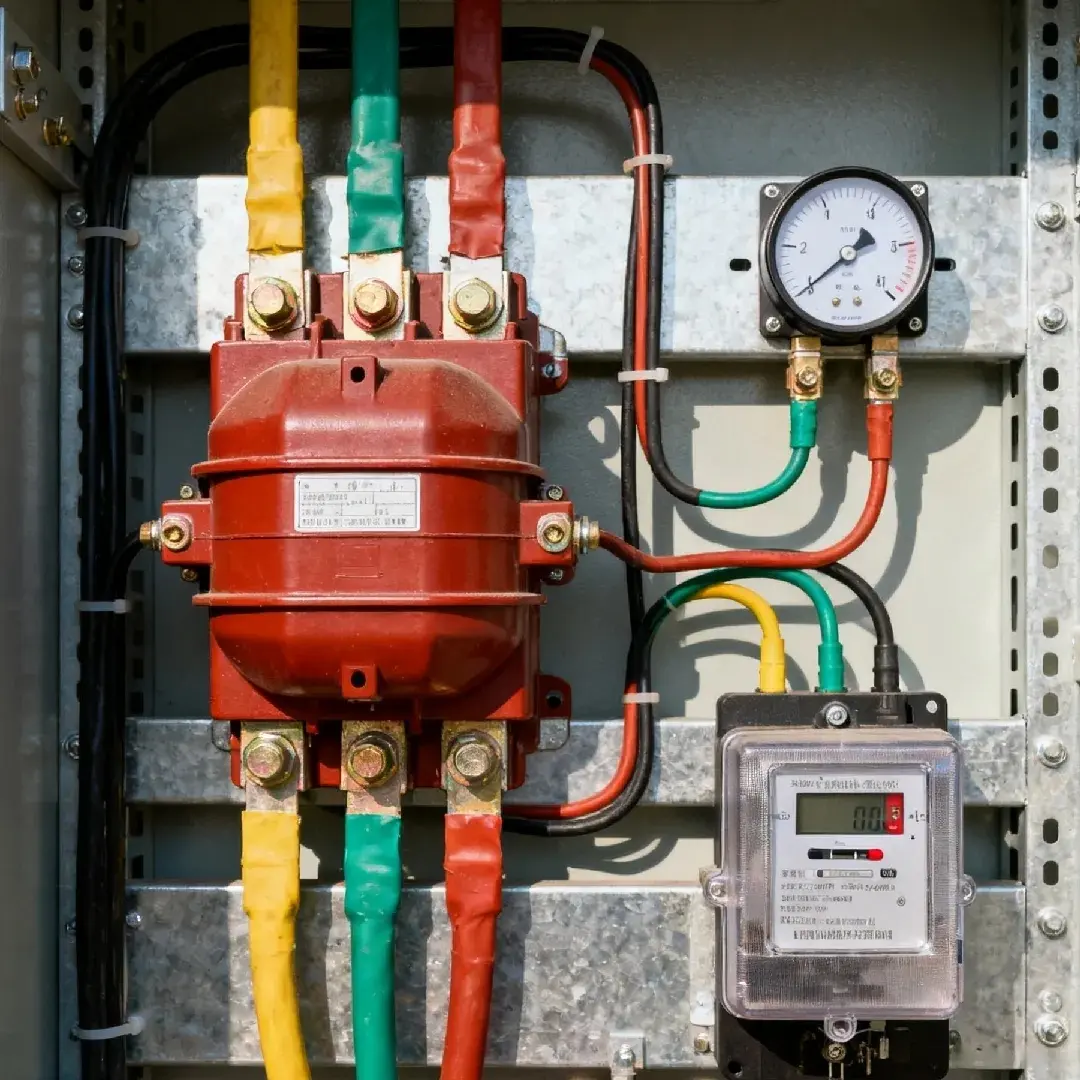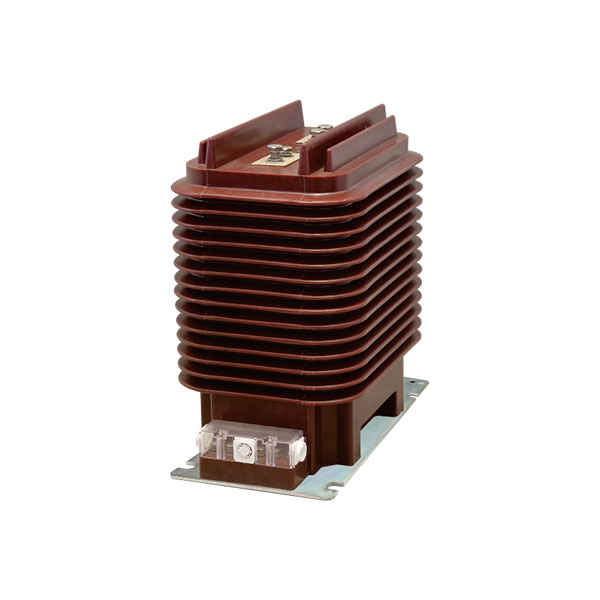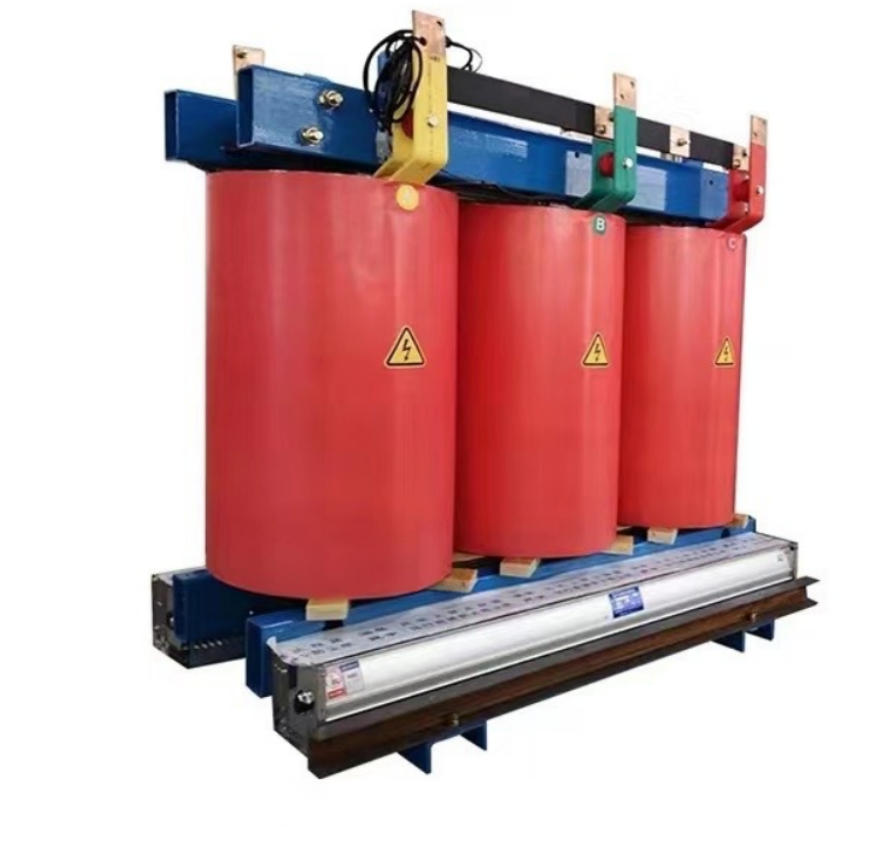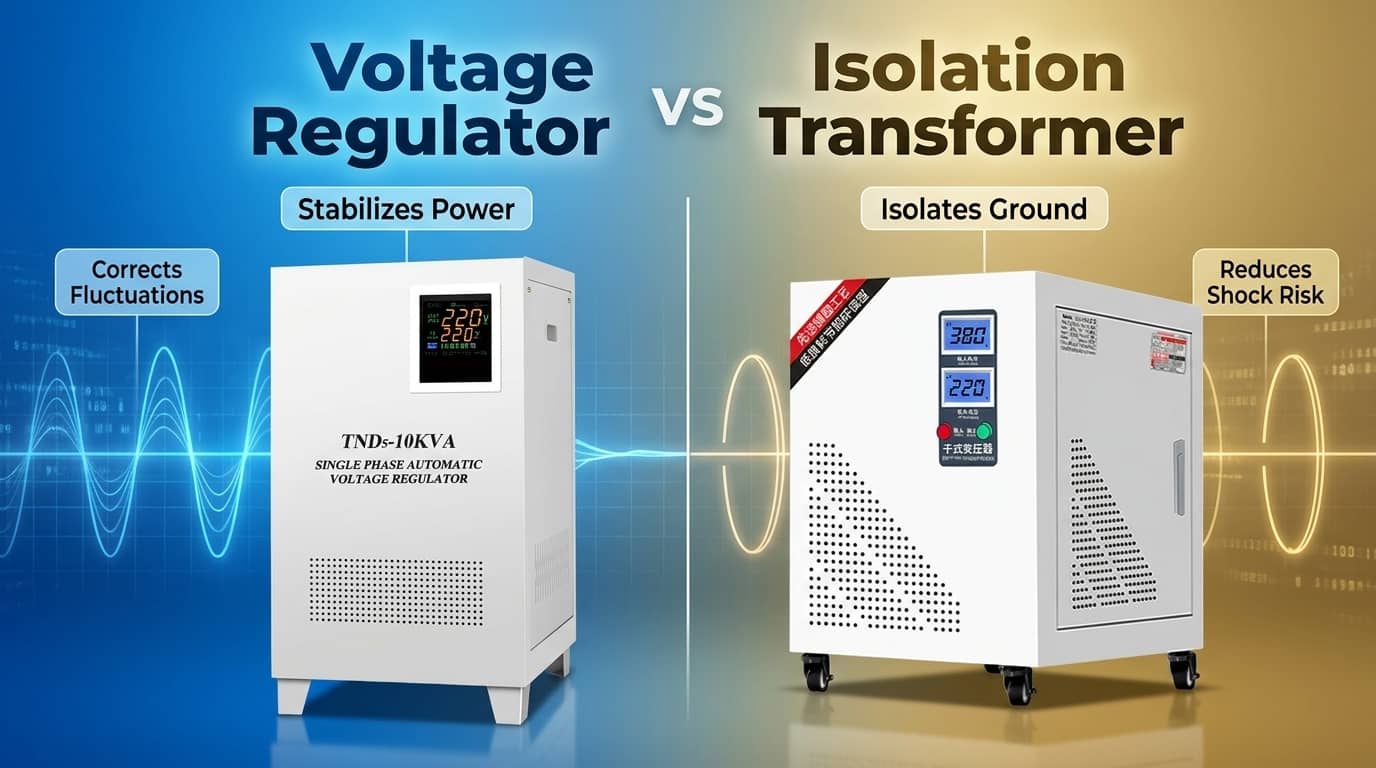
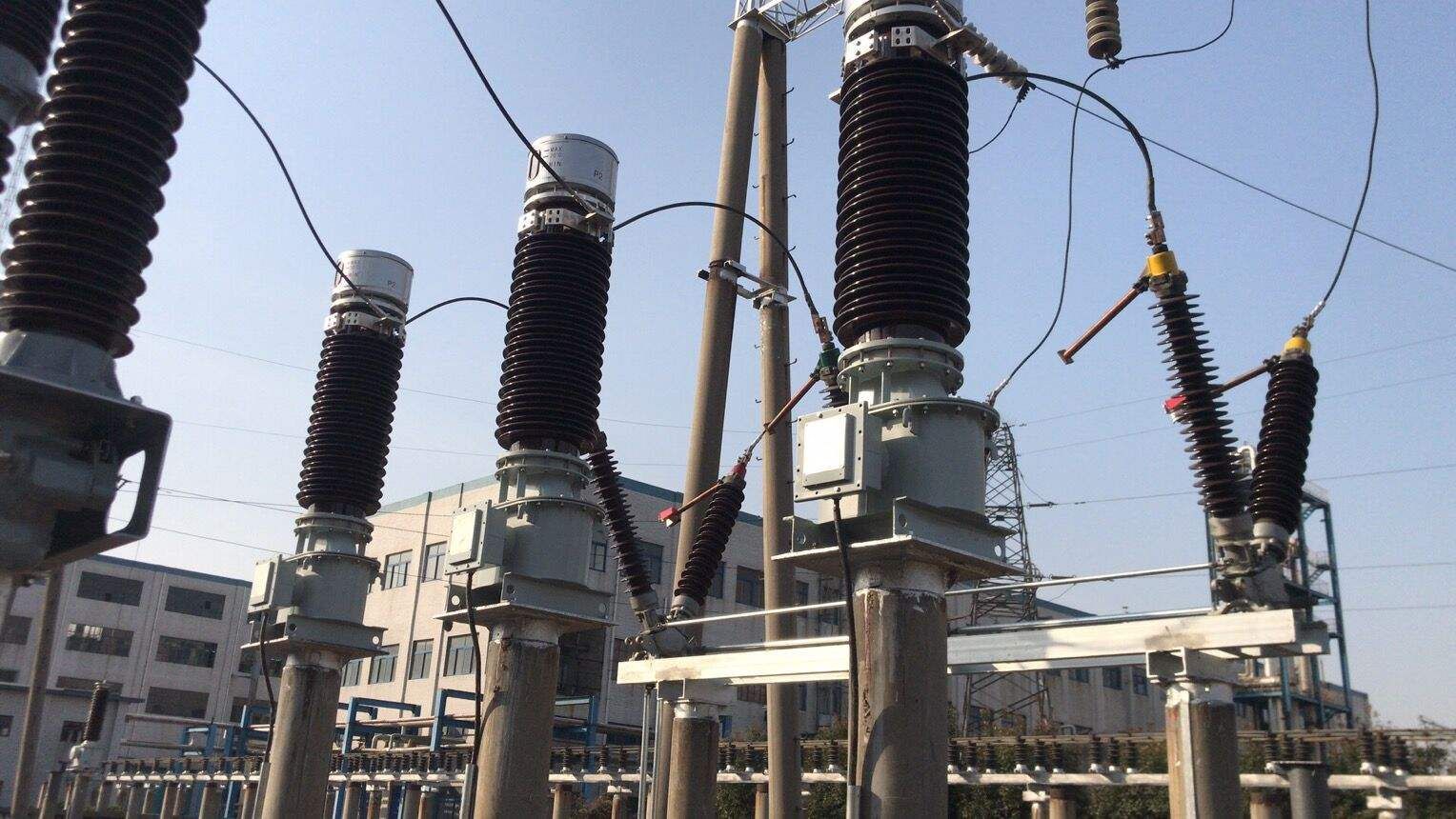
This guide helps you find the best potential transformer price in the United States. It balances cost, performance, safety, and compliance. You'll learn how to buy from trusted suppliers like ABB, Siemens, and Schneider Electric. You'll also know how to compare prices for metering and protection work.
This article is for electrical engineers, procurement managers, facilities managers, and contractors. It provides a clear pricing guide. It explains why the PT price is crucial for accuracy and safety in substations and distribution systems.
Expect short, actionable sections. They cover a buying checklist, negotiation strategies, and supplier validation. You'll also learn about the total cost of ownership, regulatory impacts, and real-world case studies. Standard low-voltage PTs are more affordable. But high-voltage or custom PTs cost more due to higher accuracy and materials.
Key Takeaways
Use this transformer pricing guide to balance upfront PT price with long-term performance and compliance.
Buy potential transformer units from reputable brands like ABB, Siemens, and Eaton to reduce risk.
Recognize common use cases—metering, relaying, and protection—to choose the right accuracy class.
Expect higher potential transformer cost for increased voltage ratings, insulation, and custom features.
Follow the checklist and supplier validation steps in later sections to get fair, comparable quotes.
Why understanding the potential transformer price matters for your project
When planning an electrical project, the price of a potential transformer is more than just the cost of the unit. It also includes shipping, installation, and system integration. A low-priced unit can lead to extra costs if it doesn't fit the project's needs.
In big projects like building a substation, buying many transformers changes how you spend your money. Replacing a transformer at a plant can also shift funds from planned maintenance to urgent repairs. Your team needs to work closely with engineers to get the right specifications to avoid extra costs.
How transformer cost impacts overall project budgets
The cost of a transformer is just the beginning. You also have to think about shipping, customs, and the cost of installation. Working with big names like Schneider Electric or Siemens might mean extra costs for adapters or meters. If the specifications are wrong, you might have to return and reorder, which can increase your budget.
Long-term costs vs upfront savings
Think about the long-term costs, not just the initial price. Costs include maintenance, losses, and downtime. A more accurate and better-built transformer might cost more upfront but save money in the long run.
Choosing a well-known manufacturer can mean fewer replacements and warranty claims. Cheap transformers might have short warranties and fail more often, raising the total cost of ownership. This is a key decision between upfront cost and long-term savings.
Safety and compliance considerations tied to pricing
Lower-priced transformers might not meet safety standards or use lower-grade insulation. This can increase the risk of electrical or fire hazards and may fail inspections. In the U.S., standards like ANSI/IEEE, NEMA, and UL are important.
Buying compliant transformers avoids delays and costly changes later. Make sure safety, certification, and insulation ratings are included in the price. This helps keep your project budget predictable and avoids surprises.
| Cost Element | Short Description | Typical Impact |
|---|---|---|
| Unit price | Manufacturer list price for the PT | Direct effect on capital expenditure and procurement decisions |
| Shipping & handling | Freight, packaging, and customs, if applicable | Can add 5–15% to the initial purchase cost, depending on weight and distance |
| Installation & commissioning | Labor, tools, site access, and integration with protection systems | Often overlooked; may exceed unit price on complex sites |
| Maintenance & calibration | Periodic testing, recalibration, and spare parts | Drives lifecycle expenditures and outage planning |
| Warranty & service | Manufacturer support period and coverage terms | Extended warranties from brands like Siemens can reduce long-term replacement costs |
| Regulatory compliance | Certification to ANSI/IEEE, NEMA, UL, where required | Noncompliance risks fines, rework, and higher liability |
| Opportunity cost of downtime | Revenue and productivity are lost during failures | Often, the largest hidden cost justifies higher-quality purchases |
Key factors that determine the potential transformer price
When you look for a potential transformer, several technical choices affect the price. Knowing these factors helps you find the right balance between cost and application. This way, you avoid unexpected costs during the buying process.
Transformer class, accuracy, and burden
The accuracy class you choose impacts the transformer's precision. Metering classes range from 0.1 to 1.0. For precise metering, like in revenue metering, you might need 0.1 or 0.2 classes. This increases the cost due to stricter tolerances and more testing.
Relaying units, on the other hand, focus on quick response rather than exact metering. This means they might not need the same level of precision as revenue-grade meters.
Burdens, or the secondary VA rating, also play a role. Higher burdens or nonstandard ones require more complex windings and insulation. This complexity increases the material and labor costs, raising the overall price.
Voltage rating and insulation level
The voltage rating you choose influences the transformer's size and design. Units for distribution and transmission have different needs for insulation and clearances. Higher voltage ratings mean more robust insulation and larger clearances, which increases the cost.
Outdoor transformers need weatherproofing, which adds to the price. They also require higher impulse withstand levels. Indoor units, with lower insulation needs, are generally less expensive.
Material and manufacturing quality
The materials used in the core and windings are crucial. Grain-oriented silicon steel cores improve accuracy and reduce loss. Lower-grade steels might be cheaper but increase losses and inaccuracy.
High-quality manufacturing, like precision winding and vacuum impregnation, boosts reliability. These processes add to the labor and testing time, increasing the cost.
Brands like ABB, Siemens, Schneider Electric, GE, and Eaton often come with a higher price tag. You pay for their rigorous quality assurance, detailed documentation, and proven reliability.
Custom features and optional accessories
Adding optional features can quickly increase the price. Common extras include secondary terminal enclosures, fused secondaries, and surge arrestors. Integrated measurement electronics, special mounting hardware, and corrosion-resistant coatings are also popular.
Calibration certificates and factory acceptance testing add to the cost. Custom potential transformers are necessary when standard units can't meet site requirements. This is often the case for hazardous locations, outdoor substations, and municipal water plants. These custom solutions increase the lead time and price but reduce the risk of site issues.
How to compare potential transformer prices across suppliers
Before you ask for bids, make a clear spec sheet. This ensures you compare apples to apples. List key specs like voltages, accuracy, and mounting types. Also, include expected quantities and contract terms for realistic discounts.

Ask vendors for sample part numbers and factory drawings. Get FOB and delivered pricing to compare total costs. Remember to consider delivery, insurance, and import duties when comparing quotes.
Gathering comparable quotes and specifications
Ask each bidder for a written quote, datasheet, and drawings. Make sure the accuracy and burden tables match your specs. Also, ask for lead time guarantees and volume pricing tiers.
Understanding line-item pricing and hidden fees
Line-item pricing can hide extra costs like freight and customs duties. Ask for a detailed breakdown. Check for restocking fees, return policies, and warranty repair shipping costs.
Using technical datasheets to validate price differences
Compare core loss, accuracy curves, and insulation ratings on the datasheet with the quote. Small spec differences can cause big price gaps. If prices differ but specs seem similar, have a technical expert review the datasheets.
If you still have doubts, talk to manufacturer's application engineers for written answers. Keep a record of all confirmations. This helps defend your procurement choices during audits and reviews.
Finding reputable manufacturers and distributors
To find reliable potential transformers, start by checking the manufacturer's credentials and certifications. Look for ANSI/IEEE, IEC, UL listings, ISO 9001 quality management, and NEMA ratings on datasheets. Also, request factory test reports and quality certificates from reps to confirm traceability.
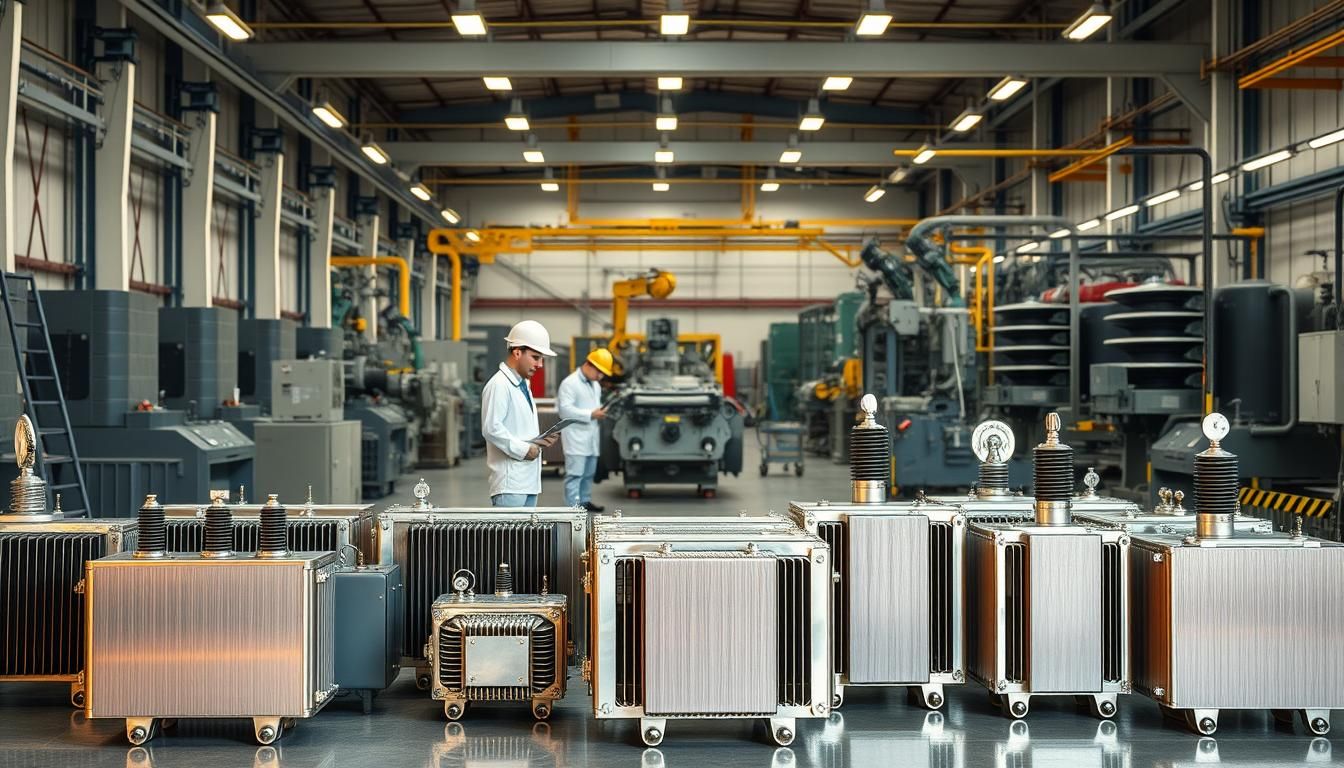
Use corporate sites and LinkedIn to check a company's history. Brands like ABB, Siemens, Schneider Electric, GE, Eaton, and SEL are well-known in the U.S. market. You can quickly verify them through published technical documents.
How to verify manufacturer credentials and certifications
Compare datasheets for explicit certification marks and dated test reports. Ask for recent FAT records and serial-numbered certificates. Cross-check those serials with the manufacturer's quality department to confirm authenticity.
Authorized distributors vs aftermarket sellers
Authorized distributors offer traceability, valid warranties, and factory support. Use manufacturer dealer locators to confirm authorization and request written proof when needed. Aftermarket sellers may offer lower prices but can sell surplus, refurbished, or non-genuine parts without proper documentation.
Be cautious with online marketplaces. Insist on serial number traceability and documentation before payment. If a deal seems too cheap, ask for full provenance and test records.
Evaluating warranty, support, and lead times
Compare typical warranty terms, which range from one to five years. Verify what the warranty covers and what it excludes. Confirm if authorized distributors extend factory warranties.
Assess post-sale support options like factory technical assistance, calibration services, and expedited replacement. Ask about response times for warranty claims and if spare parts are stocked locally.
Consider warranty and production lead times in your procurement plan. Standard units ship faster than custom builds. If you need expedited production, expect higher costs and shorter warranty lead time windows. Balance price with total procurement risk when scheduling delivery.
When to choose custom vs standard potential transformers
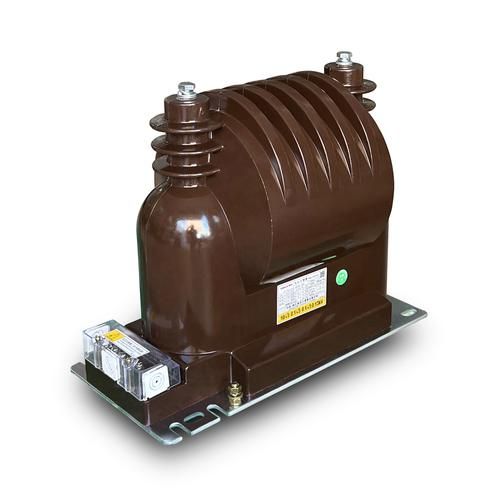
When a project needs something special, you might choose between a standard unit and a custom design. Making a quick choice can save money now or cost more later. Here are some points to help you decide what's best for your system.
Cost implications of customization
Custom units cost more because of unique features like special ratios or enclosures. They might need special electronics or fit into old systems. This extra work makes them pricier than standard models.
Ordering just a few custom units can be expensive. But, buying more can lower the cost per unit. Remember to consider design fees, tests, and shipping when comparing standard and custom PTs.
Performance needs that justify custom designs
Go for a custom transformer if your project has special needs. This could be because of unique mounting, extreme weather, or high accuracy needs. For example, protecting old switchgear might need a custom fit.
Custom electronics or special outputs can be worth the extra cost. They save space and make wiring easier. If a custom PT saves you money in the long run, it's a good investment.
Typical lead times and return on investment
Standard PTs usually take a few weeks to a couple of months to arrive. Custom designs can take several months, depending on how complex they are. Oil-filled or certified units take even longer.
Think about the cost of custom vs. standard transformers. Compare the cost, downtime saved, and expected life. If a custom transformer saves you money and time, it's a smart choice. Create a simple spreadsheet to compare costs and benefits.
Strategies to negotiate a better potential transformer price
Getting the best deal starts with planning. You can lower costs and speed up delivery by combining orders, signing longer deals, and asking for bids on more work. These steps help you get a better price on transformers without delaying your project.

Leverage aggregated orders and contracts
When you buy in bulk, you have more power to negotiate. Ask for discounts based on how much you plan to buy. Propose deals that last years to get better prices and get your transformers made first.
Get suppliers involved early in your project. Companies like Siemens and ABB can suggest ways to save money without sacrificing quality. Working with them early can also cut down on changes and paperwork.
Time purchases to capture promotional windows
Suppliers often offer deals at the end of their fiscal year and at big events like IEEE PES and DistribuTECH. Keep an eye out for these sales to save money. Just make sure you can still meet your project deadlines.
Bundle components and services for package savings
Buying transformers with other parts and services can lead to discounts. Ask for a deal that includes setup, extra warranty, and maintenance. This can make your total cost lower.
Ask suppliers to suggest ways to save money. Companies like Schneider Electric or GE Grid Solutions might have cheaper materials or designs. Negotiate for a warranty that covers your transformer for a long time.
Use forecasts to earn better volume discounts.
Secure long-term contract pricing to stabilize budgets.
Bundle hardware and services to capture bundle discounts.
How to evaluate the total cost of ownership for potential transformers
When you buy a potential transformer, the price is just the start. Understanding the total cost of ownership helps you plan for the future. It also prevents unexpected costs during audits or maintenance.
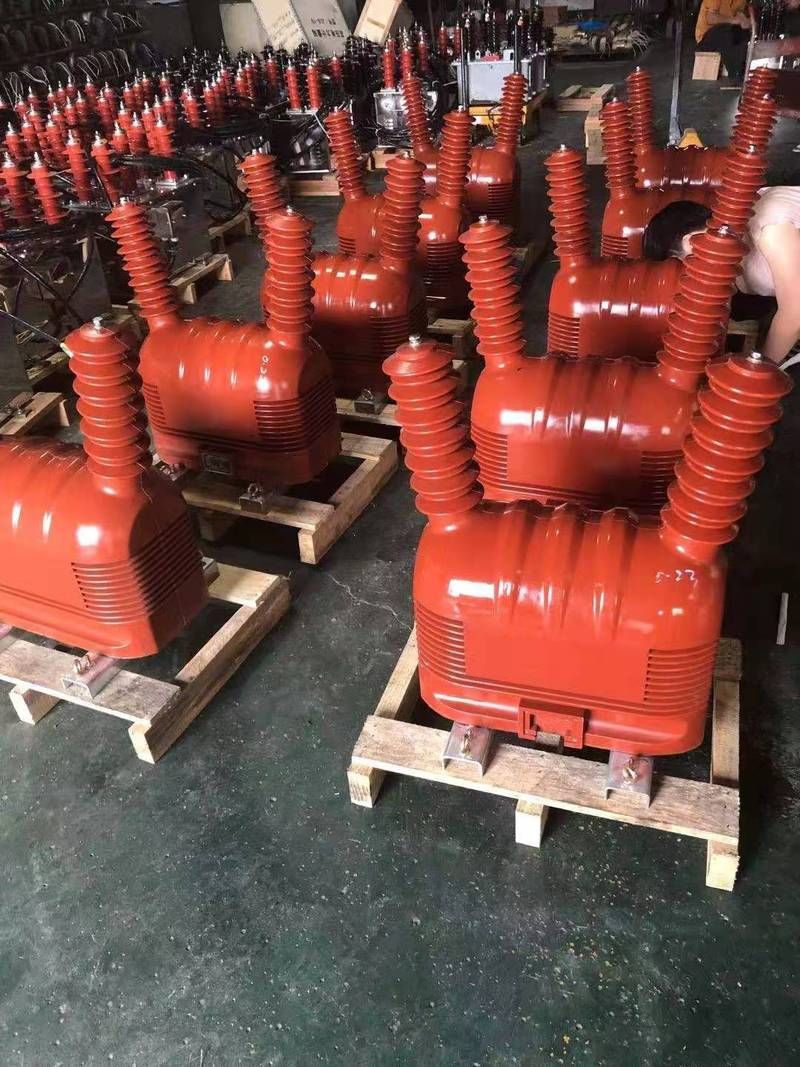
Regular maintenance keeps PTs running smoothly. You should schedule visual checks, insulation tests, and tighten terminals. These steps reduce the chance of failure and keep readings accurate.
Recalibration costs depend on how you use the transformer. Meters need checks as per utility rules. Field tests are quick and cheap, but shop recalibration costs more due to shipping and labor.
Don't forget about spare parts and response times. Having extra bushings, fuses, and terminal kits saves time. For big repairs, the cost of a technician's time is often the biggest expense.
Energy efficiency and operational savings
PTs that are always on use energy, adding to your bills. Choosing lower-loss cores can save money over time, which is key for big systems.
Better cooling means less wear on parts. This slows down the need for early replacements. These savings help lower your long-term costs.
Residual value and resale considerations
Quality PTs from trusted brands hold their value better. Units with test reports and maintenance logs sell for more when you upgrade.
Think about what happens to the transformer at the end of its life. Options like recycling or returning it to the vendor can save money. These choices help lower your costs over time.
In short, weigh the initial cost against ongoing expenses, energy use, and resale value. This approach helps you make informed choices and save money in the long run.
Online marketplaces and tools to compare potential transformer prices
Shopping for potential transformers online makes your search faster and easier. Use trusted transformer marketplaces and B2B platforms to get quotes, check specs, and track inventory. Start with a focused list to compare similar options.
Recommended B2B platforms and industry portals
Start with well-known sites like Thomasnet, Grainger, RS Components, Mouser, and Electrocomponents. Also, check manufacturer sites from ABB, Siemens, and Schneider Electric for authorized sellers. For big equipment, look at PowerSystems.com and EnergizeNet.
Using comparison tools and price trackers
Filter by voltage, accuracy class, and certifications to find what you need. Make a spreadsheet to compare prices and specs. Use RFQ tools, price alerts, and inventory trackers to stay updated.
Assessing seller reviews and transaction history
Look at seller ratings, return policies, and experience. Be wary of very low prices or sellers with little history. Check contact details and ask for references. Use the Better Business Bureau and forums to check reputation.
| Resource Type | Example Platforms | Best Use |
|---|---|---|
| B2B marketplaces | Thomasnet, Grainger, RS Components | Quick supplier discovery, broad catalog, verified distributors |
| Distributor portals | ABB distributor locator, Siemens partner portal, Schneider Electric | Authorized sellers, warranty clarity, dealer support |
| Component specialists | Mouser, Electrocomponents | Lower-voltage parts, detailed datasheets, fast fulfillment |
| Industry directories | PowerSystems.com, EnergizeNet | Large equipment listings, project-focused suppliers |
| Tools and trackers | Platform RFQs, price trackers, and inventory alerts | Compare transformer prices online, monitor lead times, set price alerts |
| Reputation checks | Better Business Bureau, industry forums | Verify seller history, review complaints, request references |
Common pricing pitfalls and how to avoid them
When looking for transformers, beware of common traps. Offers that seem too good to be true, unclear shipping terms, and mismatched claims can cost you. Spotting these issues early saves you time, money, and avoids safety risks.
Beware of unrealistic low bids and counterfeit products
Low prices might not always be a bargain. Counterfeit transformers and refurbished items sold as new can be hidden in low quotes. These can lead to poor quality, missing certifications, and safety hazards.
Check serial numbers, factory test reports, and seller authorization before buying. Insist on factory acceptance tests and random sample inspections. The Electrical Safety Foundation International and NEMA have documented failures from counterfeit electrical goods.
Hidden shipping, import, and compliance costs
Initial prices often don't include all costs. Customs duties, port fees, inland freight, crating, and insurance can add up. You might also face local testing and utility acceptance fees.
Ask for DDP pricing or a detailed estimate. Request estimates for compliance and utility acceptance to avoid surprise costs at delivery.
Misleading specifications and mismatched components
Vendors might quote similar parts but with different specs. This can cause installation issues, performance loss, or failed tests.
Ensure part numbers and datasheet parameters match your needs. Get written confirmation that each unit meets your project specs. Confirm PT ratio, grounding, and burden compatibility to avoid costly changes.
Include these tips in your procurement checklist. A careful verification process protects your schedule, budget, and safety.
How regulations and standards affect the potential transformer price
Before you buy a transformer, it's important to understand the rules that affect its price. Following regulations and getting certifications can increase both the time and cost. This extra effort often shows up in the final price you pay.
In the United States, several standards bodies are key. ANSI, IEEE PT, UL, NEMA, and ISO 9001 are often mentioned. Each requires specific tests and documentation, adding to the cost.
For meter-grade units, meeting ANSI IEEE PT standards means tighter tests. You'll see more detailed factory reports, witness tests, and calibration records. These steps raise the price but lower the risk of installation problems.
Following environmental and safety rules also increases the price. Rules like RoHS, hazardous-location ratings, and corrosion-resistant enclosures require different materials and methods. This drives up the cost and time needed for production.
Oil-filled transformers need special care. Expect higher prices for PCB-free oils, secondary containment, and special shipping and disposal. Dielectric and impulse tests for these units also add to the cost and test time.
Third-party certification is crucial at inspection time. A UL-certified transformer often meets many authorities' standards. Make sure your project or local authority requires a UL-certified transformer or similar compliance.
Metering installations must follow strict utility rules. Contact your local utility's procurement or engineering group for their technical specs. Many utilities have approved vendor lists and require witness tests or signed factory test agreements before connection.
Ask manufacturers for written confirmation that a unit meets your utility needs. Request copies of factory test reports, ISO 9001 certificates, and any UL or NEMA documentation. Clear paperwork helps avoid rejection and costly rework.
| Requirement | Typical Impact on Price | What to Request from the Manufacturer |
|---|---|---|
| ANSI IEEE PT standards | Higher due to precision testing and tighter tolerances | Factory test reports, calibration certificates, and witness test options |
| UL listing | Moderate increase for certification testing and factory audits | UL file number, listing certificate, product category details |
| NEMA/Enclosure ratings | Varies by material and sealing; 4X and stainless add cost | Enclosure material spec, corrosion resistance test data |
| Hazardous location ratings | Significant increase for specialized design and certification | Class/division rating paperwork, test certificates, installation notes |
| RoHS and environmental rules | Small to moderate; depends on component sourcing | Material declarations, restricted substance statements |
| Oil-filled equipment rules | Higher due to special oils, containment, and handling | Oil spec, PCB-free certification, containment design, test records |
| Utility requirements | Variable; noncompliance can cause major rework costs | Written utility approval, witness test schedule, vendor acceptance |
Case studies: real-world savings on potential transformer price
These examples show how simple changes can lead to big savings. Each story is about steps you can take to cut costs and boost reliability.
Example: cost reduction through supplier rationalization
An industrial operator cut down on potential transformer purchases. They moved from eight vendors to two, saving 18% on unit price. Lead times also improved from eight weeks to just three.
To get similar savings, pick 2–3 trusted suppliers. Send out a formal RFQ for your yearly needs. Negotiate deals that offer discounts and set lead times. This simplifies things and saves time on warranty claims.
Example: lifecycle savings from higher-accuracy units
A municipal utility upgraded to more accurate PTs. This change meant fewer recalibrations, down from once a year to every three. Field visits dropped by 60%, and metering accuracy went up.
Before spending more up front, think about the long-term costs. Consider calibration needs, loss costs, and lifespan. This upgrade saved money in the long run by reducing repairs and improving billing.
Example: negotiating bundled procurement for multi-site projects
A facilities manager for a national retail chain combined PT purchases for 120 stores. They standardized specs and ordered centrally. The supplier gave a discount for the bundle and included spare parts at a lower cost.
This brought standard parts, easier training, and less admin time per site. To save money, standardize specs, centralize orders, and require consistent reports.
| Case | Primary Action | Key Metric | Repeatable Step |
|---|---|---|---|
| Supplier rationalization | Consolidate vendors | 18% unit price cut | RFQ for annual volumes |
| Higher-accuracy PTs | Upgrade to low-loss units | 60% fewer field visits | Calculate TCO with calibration |
| Bundled procurement | Package buys + services | Reduced per-site admin | Centralize procurement |
Each story shows a clear path to savings. Use these examples to create your own case study. Track your savings as you implement these strategies.
Checklist for buying potential transformers on a budget
Looking for a budget-friendly way to buy transformers without sacrificing quality? Use a detailed checklist to guide your conversations with vendors. This will help you set clear specifications and avoid unexpected costs. Below is a simple guide you can use when buying transformers.
Essential PT specification checklist to request from suppliers
Primary and secondary voltages and rated frequency
Accuracy class and burden rating (VA)
Primary/secondary ratio and phase relationship
Insulation class and impulse withstand level
Enclosure type, NEMA/IK ratings, and mounting method
Operating temperature range and special coatings
Required accessories: fuses, terminals, leads, and grounding
Certifications required: ANSI/IEEE, UL, or utility-specific approvals
Factory test requirements: routine tests, type tests, witness tests, and report formats
Questions to ask before signing a purchase order
Are you an authorized distributor or factory direct?
Can you provide factory test reports and calibration certificates?
What are standard lead times and expedited options?
What does the warranty cover, and what is excluded?
What are the shipping terms and applicable Incoterms?
Do you disclose key subsuppliers or outsourced components?
What after-sales support exists: spare parts lead times, on-site service, calibration?
Documentation to verify upon delivery
Packing list and commercial invoice that match the PO
Certificate of conformance for the supplied unit
Factory acceptance or routine test reports in the agreed format
Calibration certificates and serial number records
Warranty paperwork and service contact details
Labeling and serial numbers that match purchase order records
Physical inspection items: shipping damage, correct part numbers, terminal markings, polarity, and secured secondary circuits
Retain all delivery documentation centrally for warranty, resale, and utility acceptance
Use the short checklist below to compare vendors fast. It keeps the PT specification checklist and your questions before purchase front and center while making delivery documentation easy to confirm.
| Checklist Item | What to Verify | Yes/No |
|---|---|---|
| Primary/Secondary Voltage | Measured values on the datasheet match the PO | |
| Accuracy Class & Burden | Rated class and VA burden are listed and tested | |
| Insulation & Impulse Rating | Specified IEC/IEEE values and test evidence | |
| Enclosure & Mounting | NEMA/IK rating, mounting method, and paint/coating | |
| Factory Test Reports | Routine/type/witness tests delivered in agreed format | |
| Warranty & Support | Warranty duration, exclusions, and service contacts | |
| Shipping & Incoterms | Incoterm, transit insurance, and packing integrity | |
| Document Match | Packing list, invoice, serial numbers, and certificates align | |
| After-Sales Options | Spare parts lead times, calibration, on-site support |
Conclusion
This guide helps you find the best potential transformer price without losing performance. Think about the total cost, including maintenance and energy losses. Always check the specifications and certifications to compare different offers from top brands.
Use these tips to get detailed quotes and compare prices. Look for reputable sellers and consider warranties and support. Buying in bulk or at the right time can help you get a good deal.
Don't sacrifice safety and compliance for a cheaper price. The cost of not following rules can be much higher. Start early, negotiate long-term deals, and use this guide to protect your budget and timeline.
Follow this guide to find the best transformer price for your projects in the United States. These tips will help you make a reliable and compliant purchase that saves money over time.
FAQ
What is the goal of this guide on finding the best potential transformer price?
This guide helps you find the best potential transformer (PT) price in the United States. It balances cost, performance, safety, and compliance. It's for electrical engineers, procurement managers, facilities managers, and contractors. You'll get a buying checklist, negotiation tactics, and steps to validate suppliers. It also covers the total cost of ownership (TCO), regulatory impacts, and real-world examples, which help with purchasing decisions for metering, relaying, and protection applications.
Who should use this guide and for what use cases?
This guide is for professionals in metering and protection equipment, including electrical engineers, procurement teams, facilities managers, and contractors. It's useful for scenarios like revenue metering, relay protection, substation metering, distribution-system protection, and replacements in industrial plants or municipal utilities—where PT accuracy and compliance are key.
What price ranges should I expect for potential transformers?
Prices vary significantly: standard low-voltage PTs are generally more affordable, while high-voltage, oil-filled, or custom precision PTs cost more. Key factors driving prices include accuracy class, insulation level, materials, certifications, and optional accessories.
How does the PT unit cost affect my overall project budget?
The PT unit cost is just the starting point—overall project budget also includes shipping, customs, installation, and compliance costs. For example, compliance requires additional testing, documentation, and manufacturing controls, which increase the total cost. If specifications are incorrect, returns or reorders can further raise the budget.
What documentation should I require upon PT delivery?
You should require: a packing list and commercial invoice matching the purchase order (PO), a certificate of conformance for the supplied unit, factory acceptance or routine test reports in the agreed format, calibration certificates and serial number records, warranty paperwork and service contact details, and labeling/serial numbers that match PO records. Additionally, perform a physical inspection for shipping damage, correct part numbers, terminal markings, polarity, and secured secondary circuits.
What common pricing pitfalls should I avoid?
Avoid three key pitfalls: 1) Unrealistic low bids (may hide counterfeit or refurbished products—verify serial numbers, factory test reports, and seller authorization); 2) Hidden costs (shipping, import duties, compliance testing—ask for DDP pricing or detailed estimates); 3) Misleading specifications (ensure part numbers and datasheet parameters match your needs, and confirm PT ratio, grounding, and burden compatibility to avoid rework).
How do environmental or safety requirements add to PT cost?
Environmental and safety compliance (e.g., RoHS, hazardous location ratings like Class I Div 1/2, NEMA 3R/4X enclosures, PCB-free oils, and additional dielectric/impulse/factory testing) increases costs by requiring specialized engineering, higher-quality materials, and extra documentation. These measures are essential for meeting site requirements and utility acceptance.
Can you give examples of real-world savings when buying PTs?
Three common examples: 1) Supplier rationalization—an industrial operator reduced vendors from 8 to 2, cutting unit prices by 18% and shortening lead times from 8 to 3 weeks; 2) Higher-accuracy units—a municipal utility upgraded to low-loss PTs, reducing recalibrations from 1 to 3 years and cutting field visits by 60%; 3) Bundled procurement—a retail chain centralized PT purchases for 120 stores, getting package discounts and standardized spares.
What should be on my essential PT specification checklist when requesting quotes?
At minimum, request: primary/secondary voltages and rated frequency, accuracy class and burden (VA), primary/secondary ratio and phase relationship, insulation class and impulse withstand level, enclosure type/rating and mounting method, operating temperature range and special coatings, required accessories (fuses, terminals, etc.), certifications (ANSI/IEEE, UL, or utility-specific approvals), and factory test requirements (routine/type/witness tests and report formats).
What final questions should I ask before signing a PT purchase order?
Ask: 1) Are you an authorized distributor or factory direct? 2) Can you provide factory test reports and calibration certificates? 3) What are standard lead times and expedited options? 4) What does the warranty cover, and what is excluded? 5) What are the shipping terms and applicable Incoterms? 6) Do you disclose key subsuppliers or outsourced components? 7) What after-sales support exists (spare parts lead times, on-site service, calibration)?
Should I buy the cheapest PT to save money upfront?
Not necessarily. Higher-accuracy or better-built PTs from reputable brands like Siemens or Schneider Electric may cost more upfront but save money long-term—they require fewer replacements, have lower maintenance costs, and reduce total cost of ownership (TCO). Cheap PTs often have short warranties and higher failure rates, increasing long-term expenses.
What safety and compliance risks come with low-priced PTs?
Low-priced PTs may lack key certifications (e.g., ANSI/IEEE, NEMA, UL) or use lower-grade insulation, increasing electrical/fire hazards and the risk of failing inspections. Noncompliant equipment can lead to fines, forced replacement, project delays, and higher liability. Always verify that PTs meet relevant standards.
Which technical factors most affect the potential transformer price?
Major technical factors include: 1) Accuracy class and burden (higher accuracy or nonstandard VA ratings require stricter testing/complex windings); 2) Voltage rating and insulation level (higher voltages need more robust insulation, increasing cost); 3) Material and manufacturing quality (grain-oriented silicon steel cores or precision winding boost costs but improve reliability); 4) Custom features (e.g., surge arrestors, corrosion-resistant coatings) add design and labor expenses.