Are you deciding between a dry-type transformer and an oil-immersed transformer for your project? Many professionals face this choice, especially when safety, maintenance, and installation flexibility are crucial.
Dry-type transformers—also known as cast-resin transformers—have become increasingly popular due to their fire safety, low maintenance, and adaptability. They’re widely used in hospitals, data centers, commercial buildings, and more. This guide covers what dry-type transformers are, their applications, the pain points they solve, how to select the right one, and how to choose a trustworthy manufacturer.
What is a Dry Type Transformer?
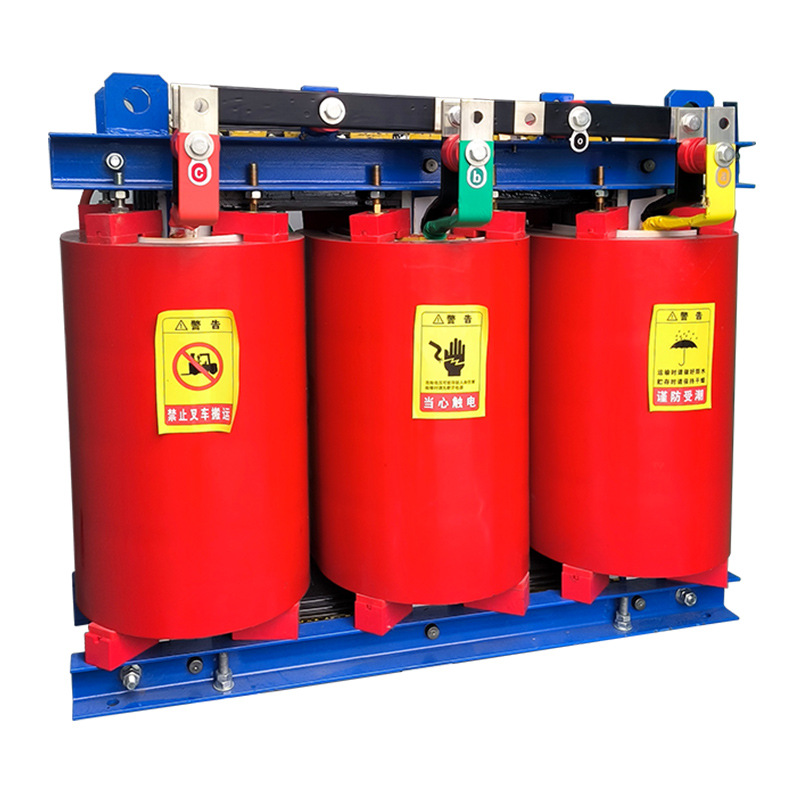
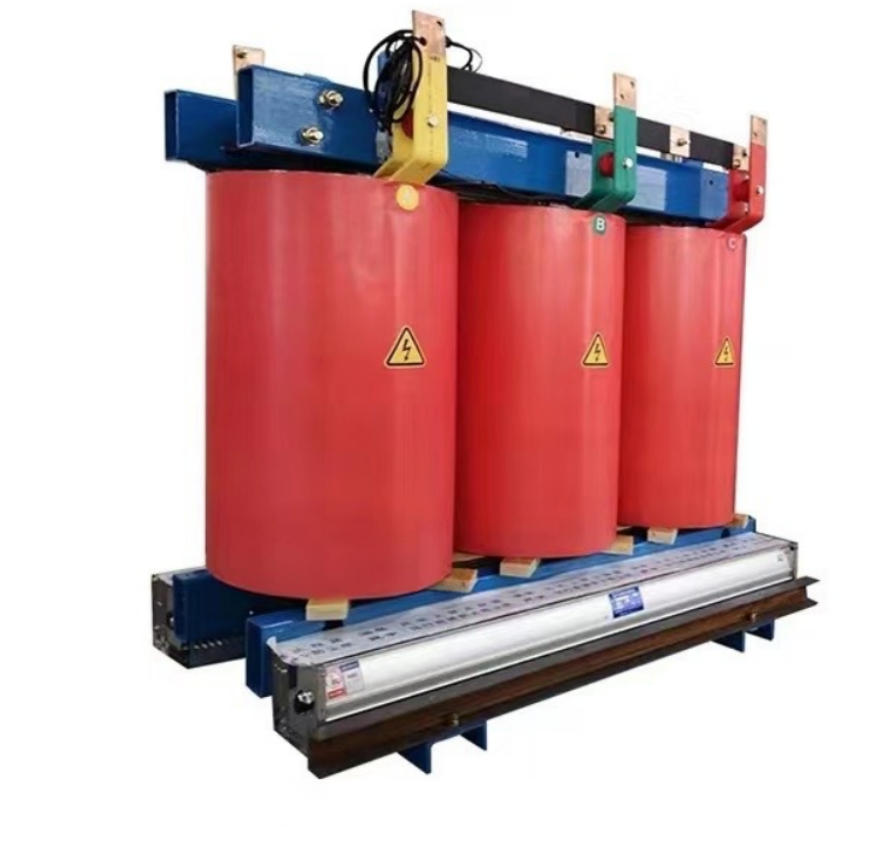
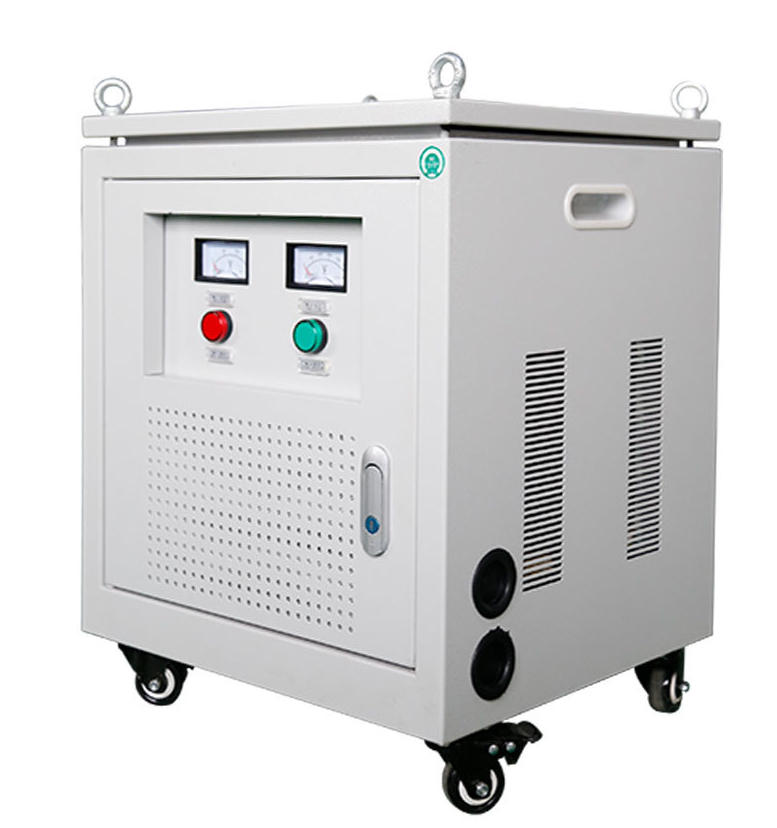
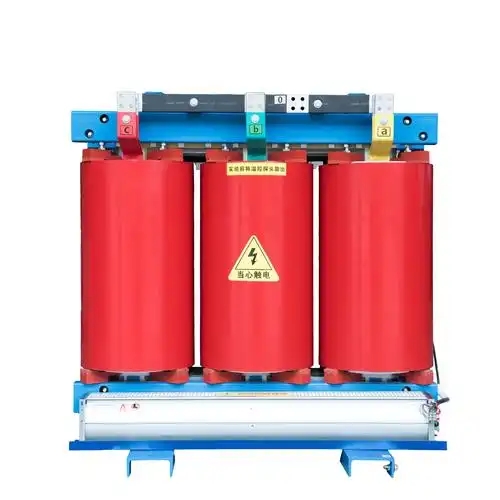
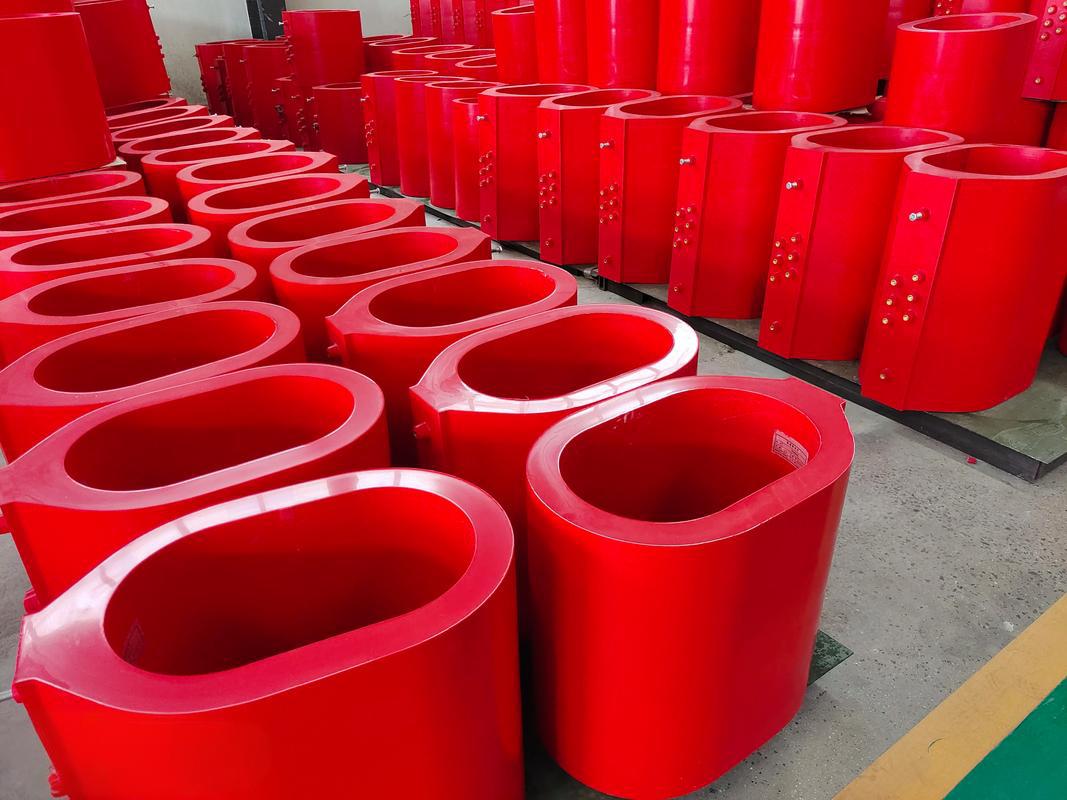
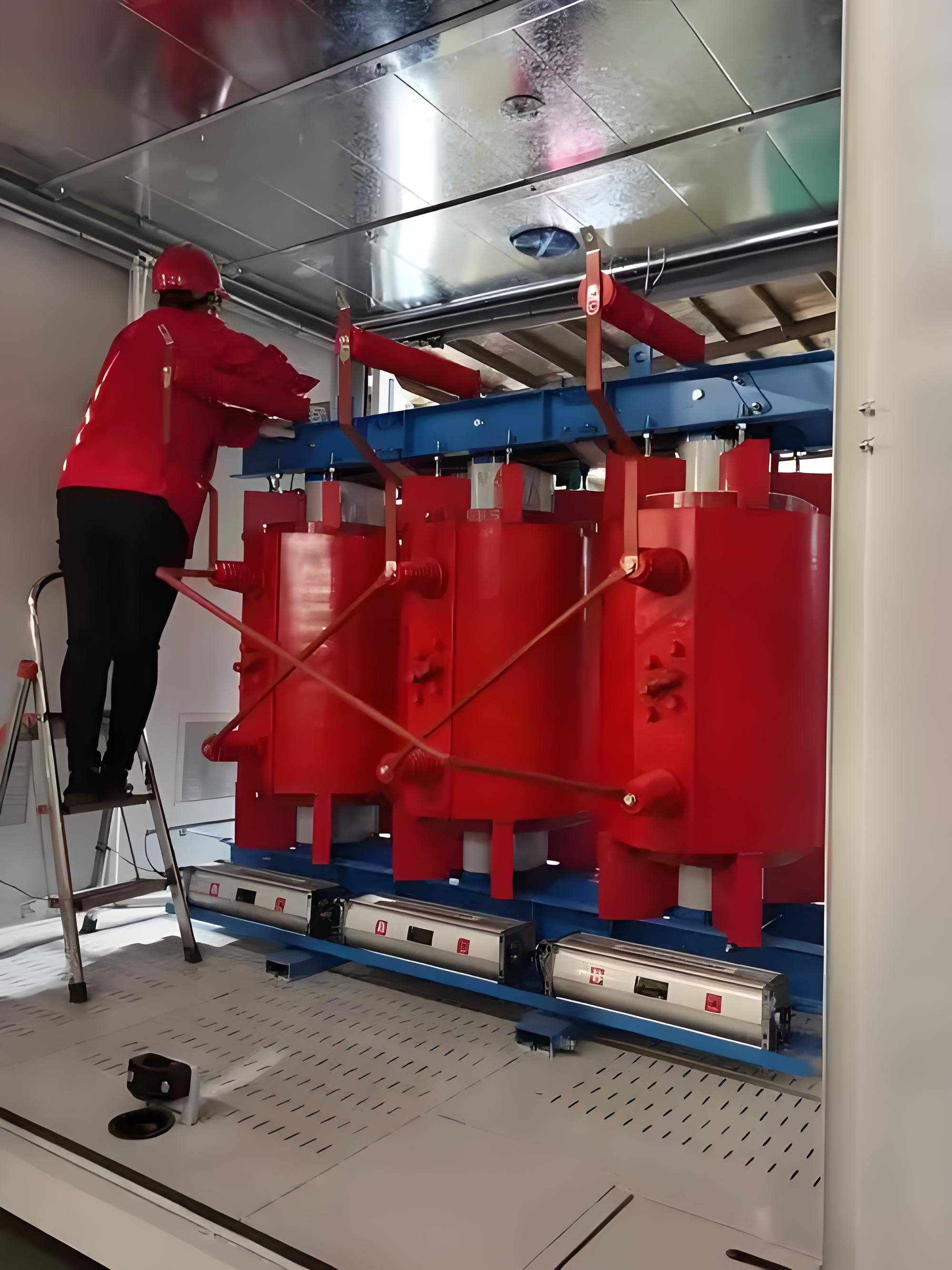
A dry-type transformer uses air or resin as insulation instead of oil. Its windings are encapsulated in epoxy resin, providing excellent insulation and protection against moisture and contaminants.
Key features:
Resin-coated primary and secondary windings
Air or resin-based insulation
Cooling systems: natural air (AN) or forced air (AF)
They efficiently regulate voltage and are especially suited for areas needing high fire safety and environmental protection.
Dry Type Transformer vs. Oil-Immersed Transformer
| Feature | Dry Type Transformer | Oil-Immersed Transformer |
|---|---|---|
| Insulation Medium | Epoxy resin & air | Transformer oil |
| Fire Safety | High (self-extinguishing) | Moderate (oil leakage risk) |
| Installation Location | Indoor, sensitive areas | Outdoor or dedicated rooms |
| Maintenance | Minimal, no oil changes | Regular oil checks and replacement |
| Initial Cost | Higher | Lower |
| Lifecycle Cost | Lower maintenance costs | Higher maintenance costs |
| Noise Levels | Low to moderate | Generally low |
| Environmental Impact | Environmentally friendly | Potential oil contamination |
Application Scenarios
Dry-type transformers are ideal for:
Hospitals and healthcare facilities
Commercial buildings and high-rise apartments
Data centers and IT facilities
Mass transit systems (subways, airports)
Renewable energy plants (wind farms, solar power)
User Pain Points Solved
Fire safety compliance without needing oil containment
Reduced maintenance workload with no oil monitoring
Space-saving designs for limited mechanical rooms
Resistance to humidity, dust, and vibration in harsh environments
Selection Guide
Key selection parameters:
Rated Power (kVA): Choose above peak load to prevent overload
Voltage Rating (kV): Common ratings include 6kV, 11kV, 20kV, 33kV
Impedance (%): Usually 4-6%, affects voltage drop and fault current
Cooling Type: AN for smaller loads, AF with fans for larger or enclosed spaces
Installation: Floor, wall, or rail mount, depending on site
Environmental Adaptation: Custom options for altitude, temperature, corrosive environments
Additional features: temperature sensors, IP ratings, harmonic filters for sensitive electronics.
Real World Examples
Ho Chi Minh City Data Center: 4 units of 1000kVA IP44 dry type transformers, low noise, UPS compatible, delivered in 21 days.
Riyadh Metro Substation: 20kV dry-type transformers paired with 33kV switchgear, designed for 50°C ambient, IP23 rating, zero failures over 3 years.
Frequently Asked Questions
Q1: What is the typical lifespan?
A: 20–30 years with proper operation and monitoring.
Q2: Can dry-type transformers be installed outdoors?
A: Yes, with appropriate IP-rated enclosures.
Q3: What maintenance is required?
A: Minimal; periodic checks of connections and fans.
Q4: Can they operate in parallel?
A: Yes, with matching impedances and load balancing.
Q5: How is overload detected?
A: Thermal sensors with alarms.
About Wei Shoe Elec & Contact
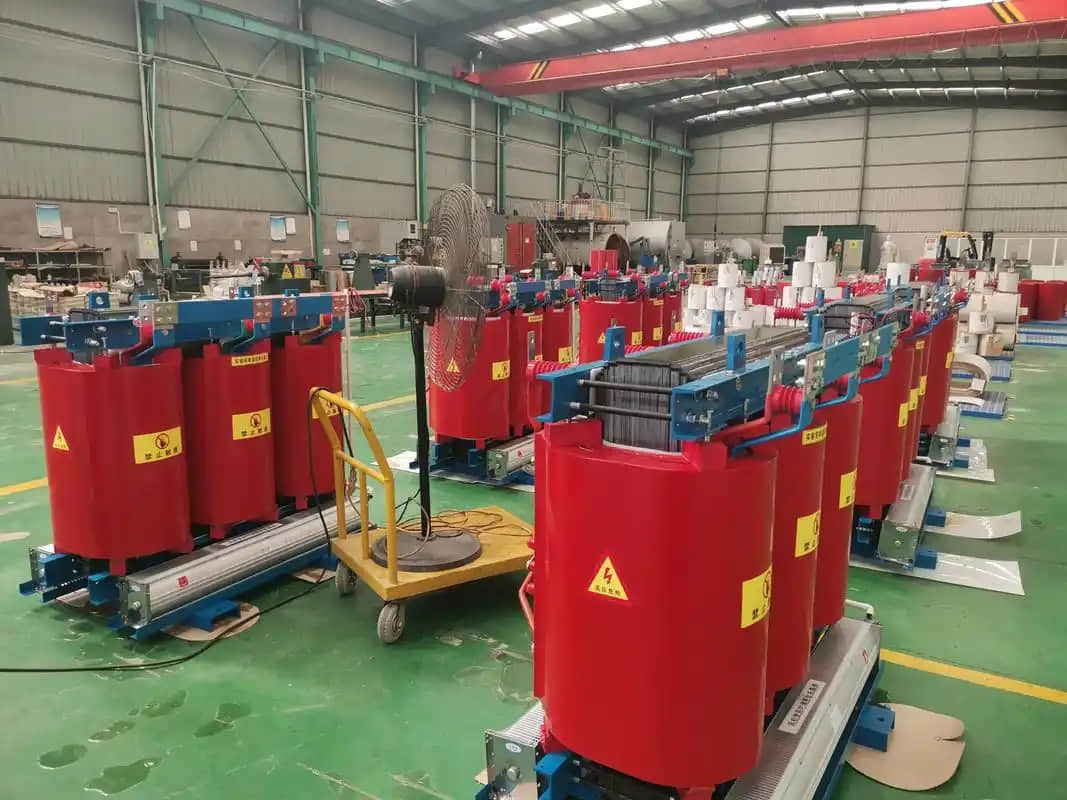
Wei Shoe Elec is a direct manufacturer with over 15 years of experience producing medium voltage dry-type transformers. With an annual output exceeding 10,000 units and exports to over 40 countries, we ensure competitive prices, reliable delivery, and consistent quality through integrated production.
For personalized solutions and the latest quotations, contact:
Phone: 86-0577-62788197
WhatsApp: +86 159 5777 0984
Email: [email protected]
Conclusion
Dry-type transformers offer a safe, efficient, and eco-friendly solution for modern electrical distribution. Understanding their benefits and selecting the right model and manufacturer can ensure project success and operational stability.
I’m Thor, electrical engineer at Wei Shoe Elec. Feel free to reach out for free consultations and competitive pricing.
Please bookmark and share this guide, and kindly credit the source when doing so.