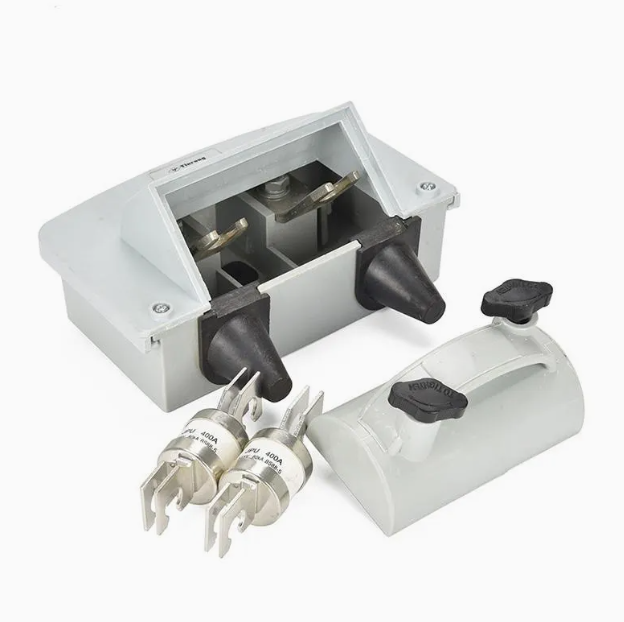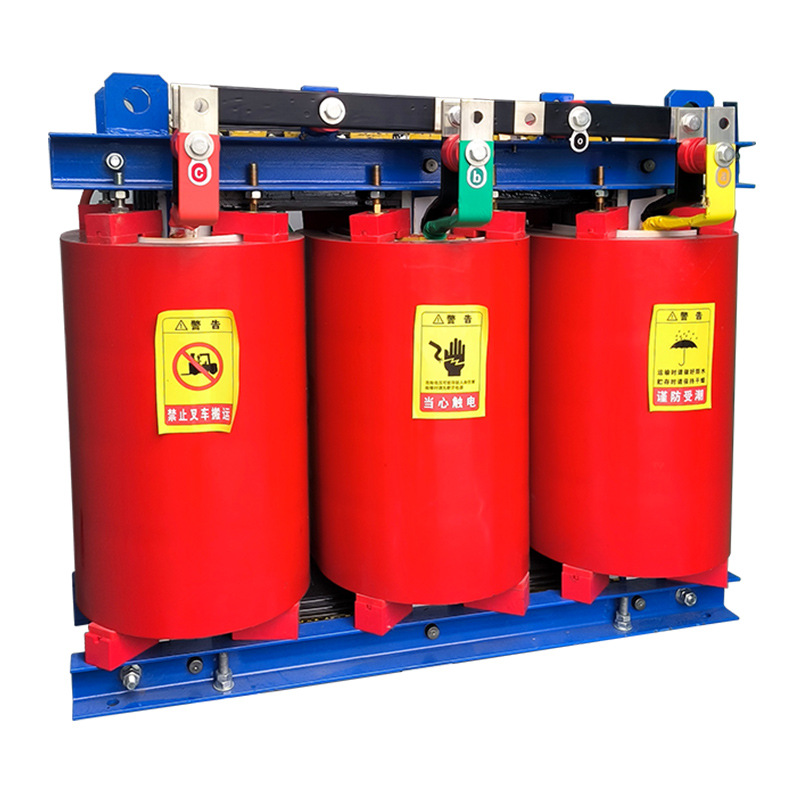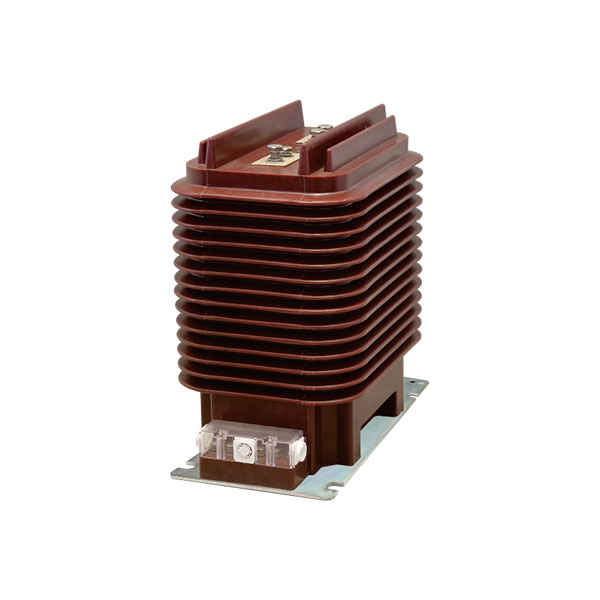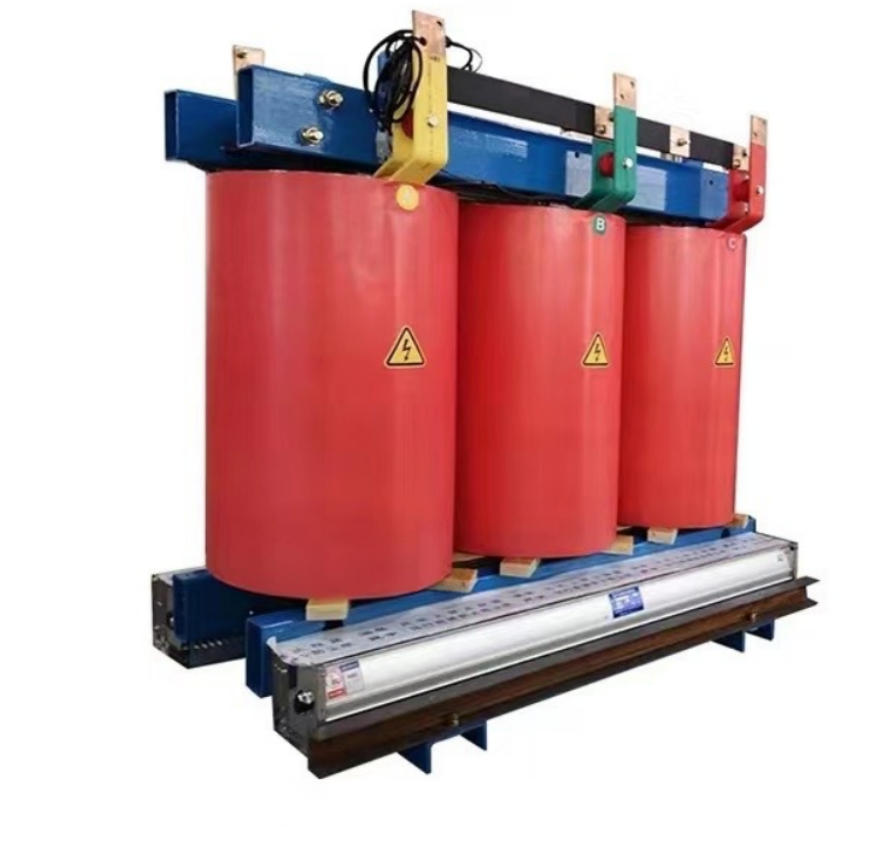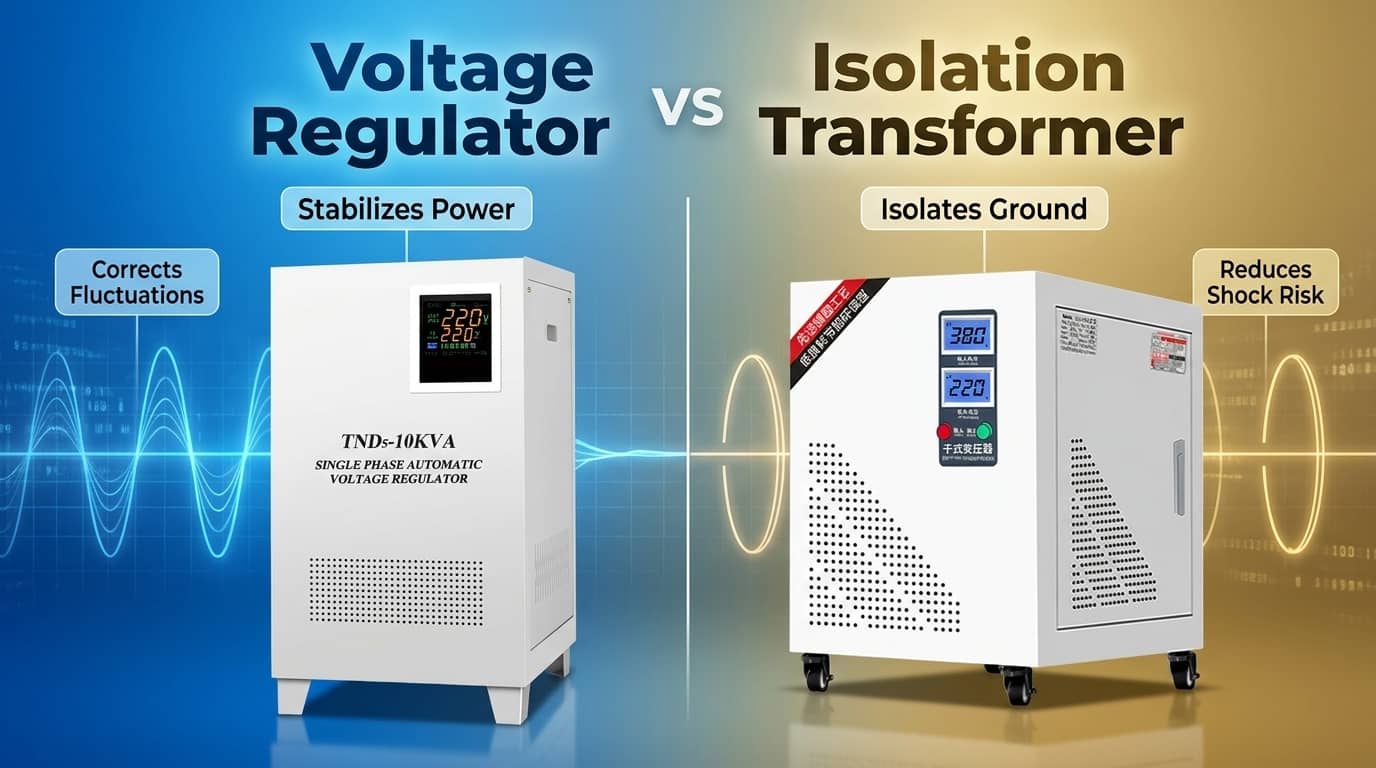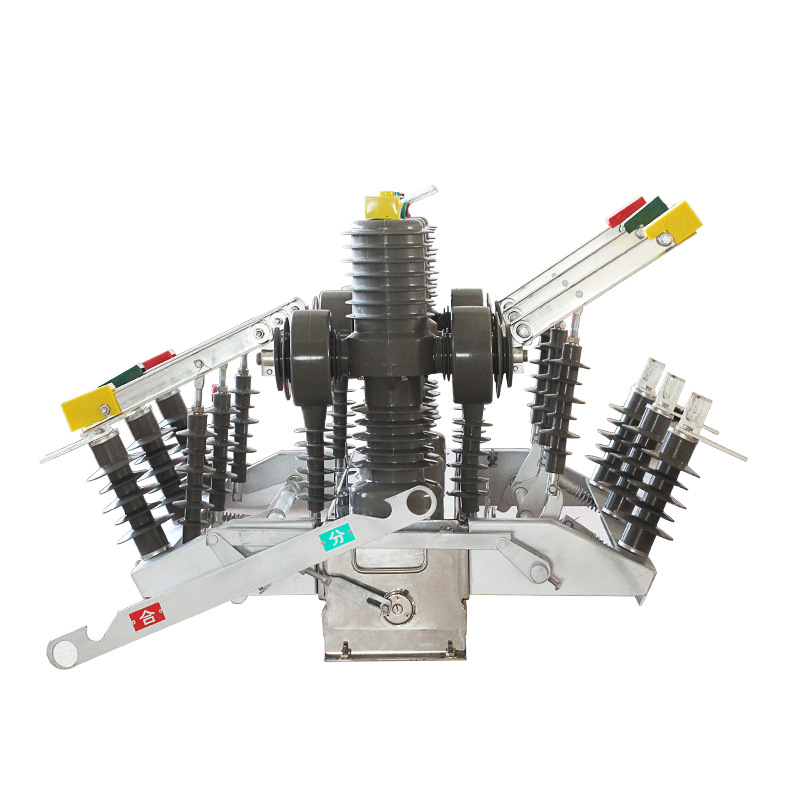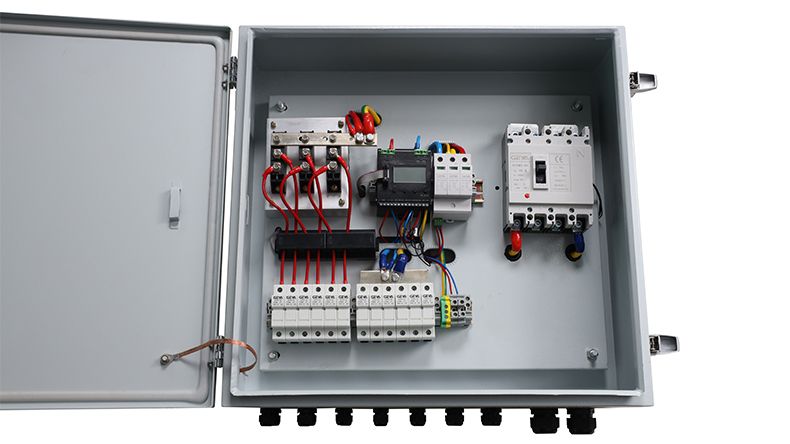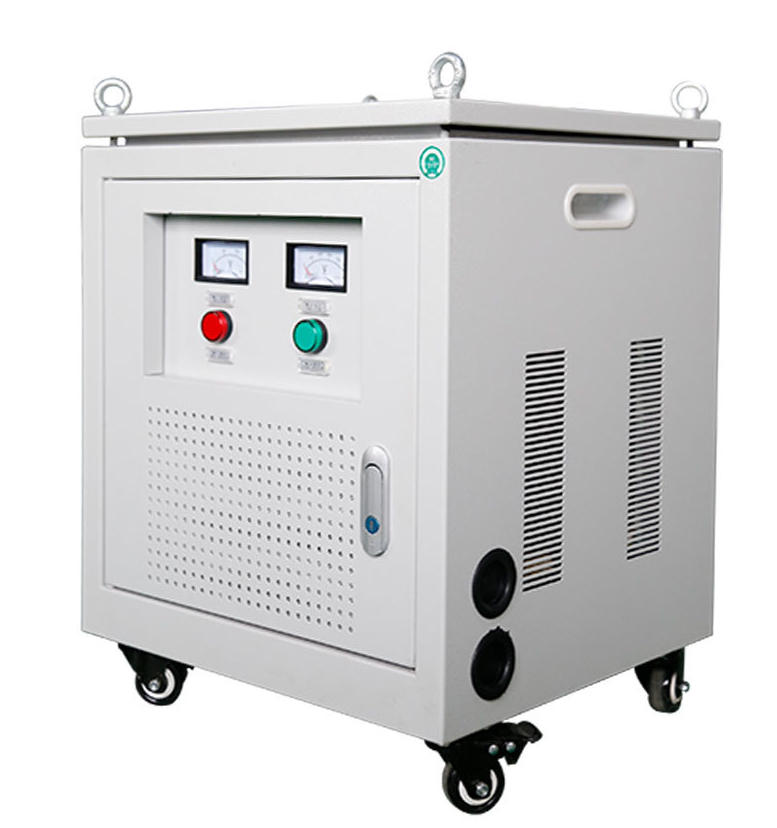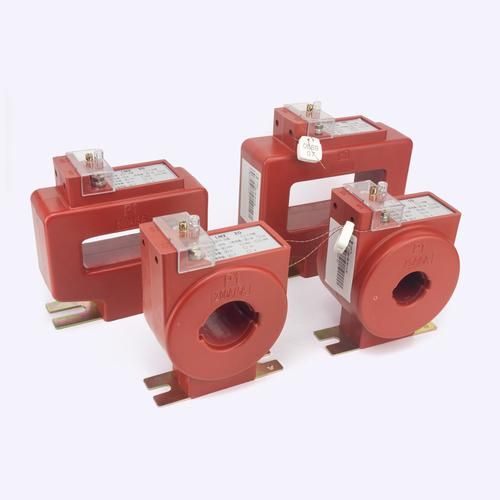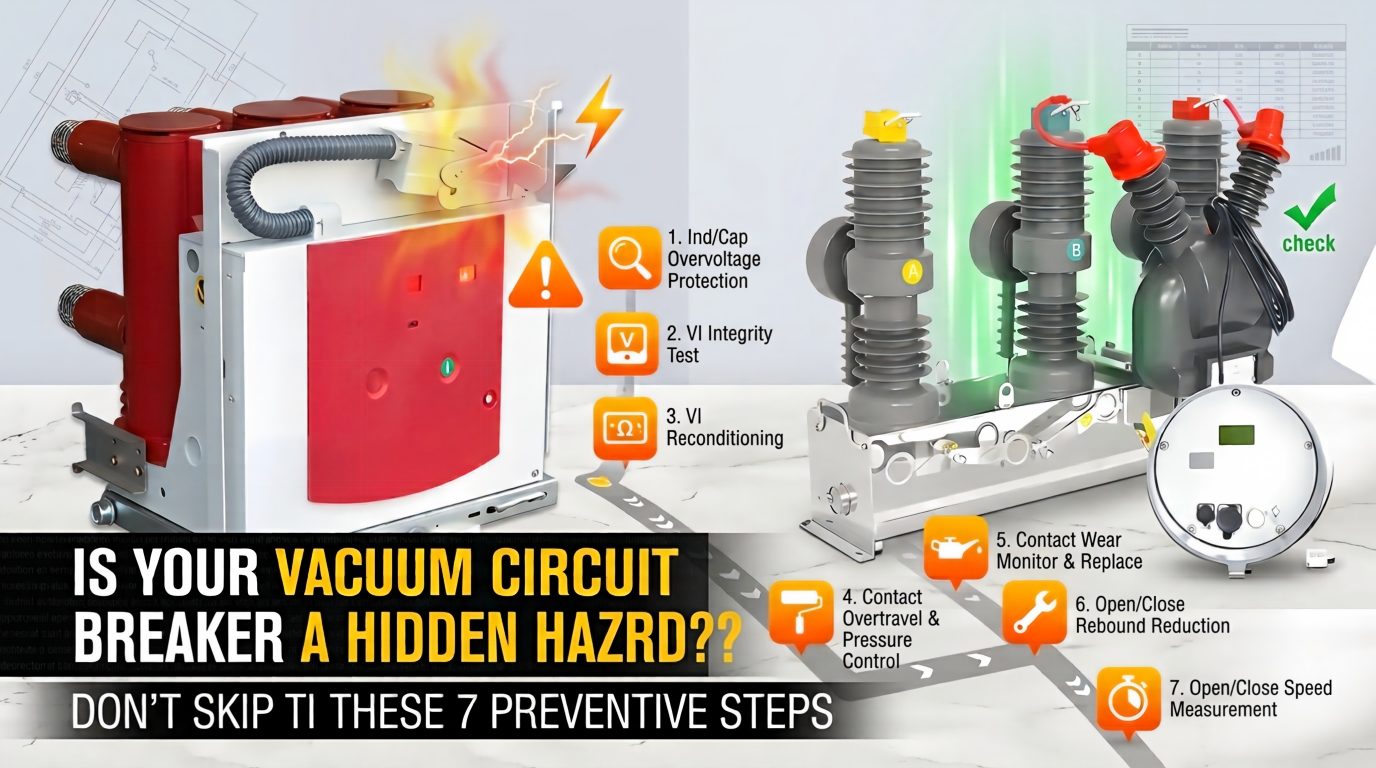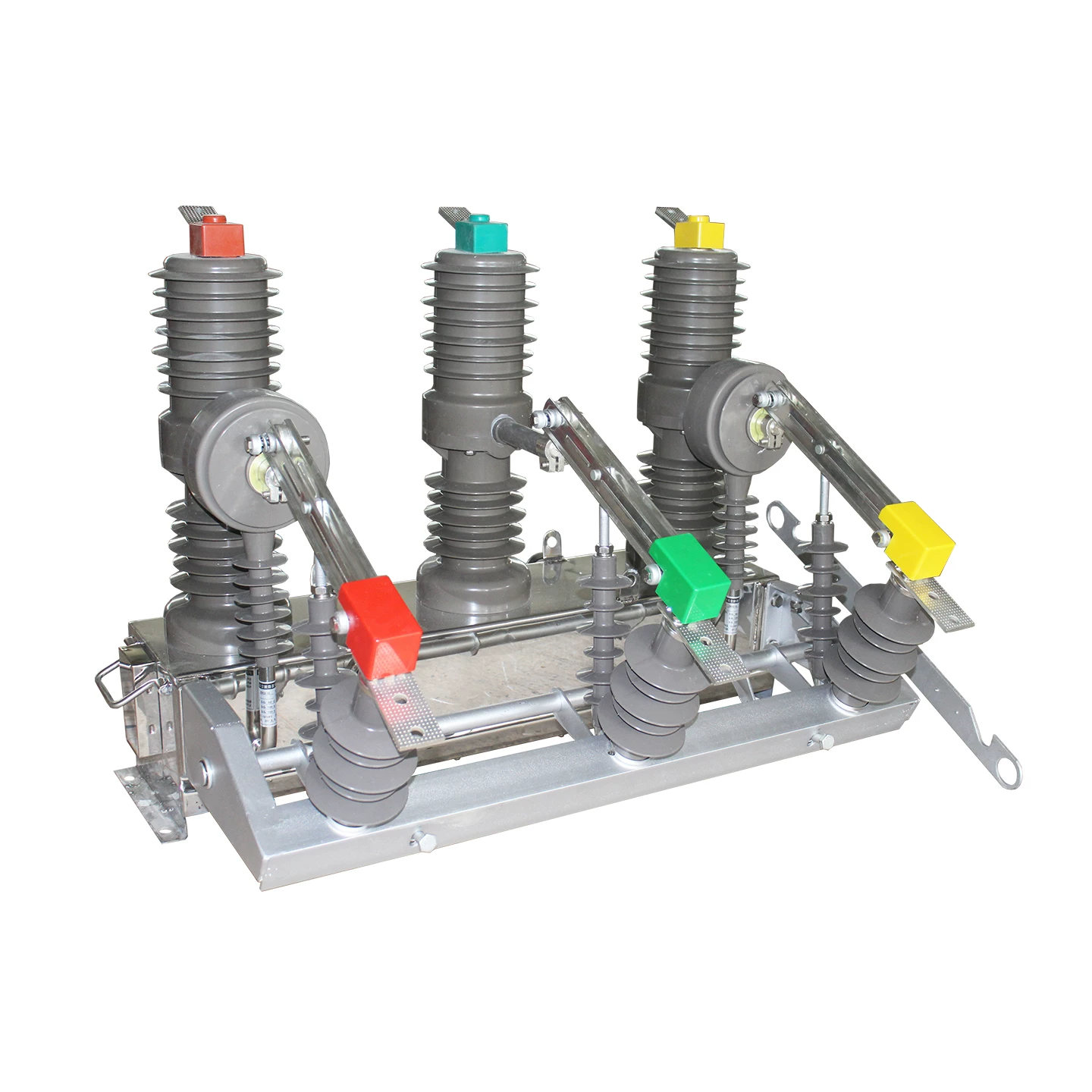
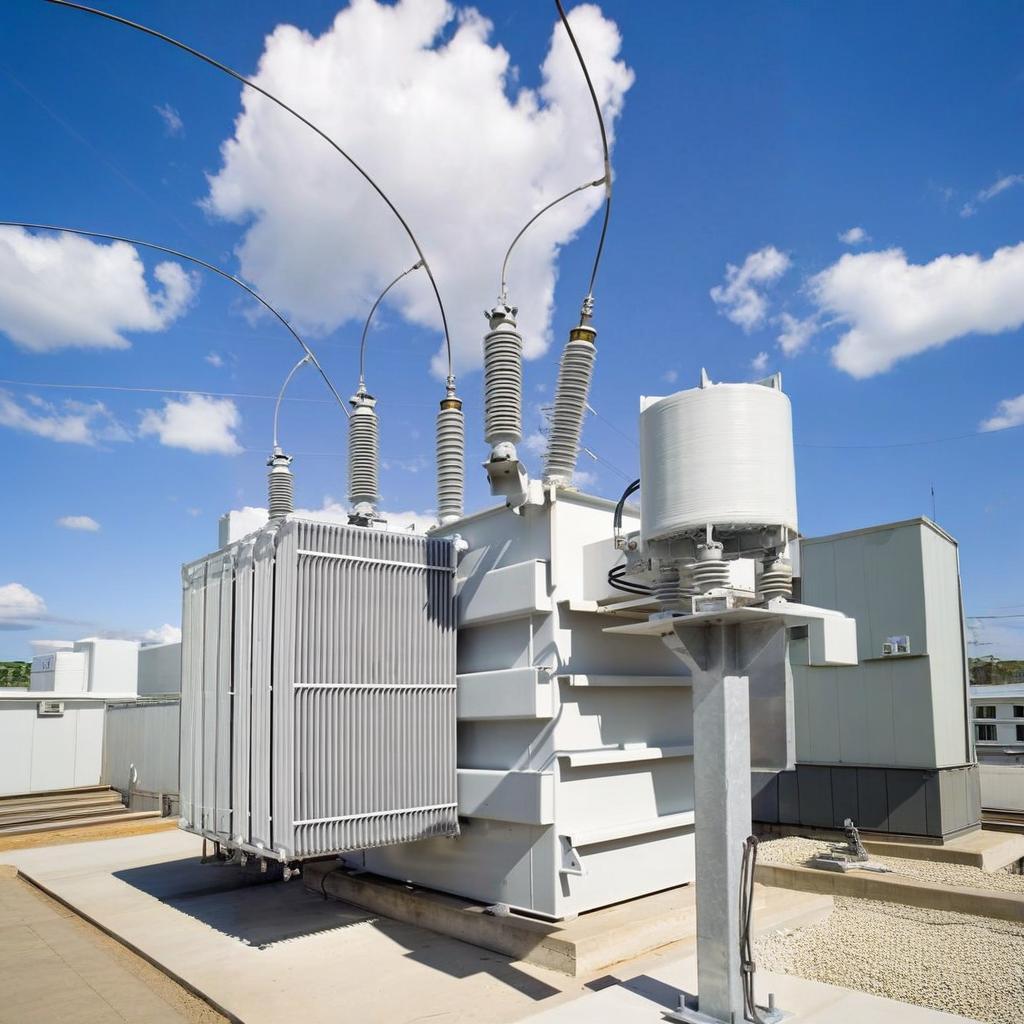
Hello everyone! I'm Thor from Wei Shoe Elec, a senior electrical engineer with 15 years of experience in distribution transformer operations and maintenance. In our daily lives, the electricity we use constantly relies on distribution transformers. They're like the "power transfer stations" in your neighborhood, stepping down high-voltage electricity from substations into the low-voltage power your home appliances can use.
But transformers work around the clock, and even the most robust equipment can encounter issues. If your power suddenly goes out, or you hear strange humming noises from a transformer, don't ignore it! Small problems left unaddressed can escalate into widespread outages, or even damage equipment and cause significant losses.
Understanding how to identify transformer problems and knowing simple troubleshooting steps can help prevent power disruptions and ensure your electrical safety. Below, I'll walk you through some practical tips to become a guardian of power reliability.
I. Abnormal Operating Phenomena of Distribution Transformers
When a distribution transformer experiences issues, it often signals problems through various noticeable signs. Recognizing these abnormal phenomena is the crucial first step to quickly pinpointing faults and preventing further damage.
Unusual Sound Analysis
Normally, a transformer emits a steady, even "humming" sound when operating. It's like a quiet background noise you might not even notice. However, if you suddenly hear "sizzling," "cracking," or a dull "thudding" sound, or even metallic clanging, it's time to pay close attention! These unusual noises are strong indicators of internal transformer problems.
Common Causes:
"Sizzling" Sounds: Often indicate poor contact after tap-changer adjustments or dirt on contacts, leading to localized discharge as current passes through.
"Cracking" Noises: Can be caused by discharges from high-voltage porcelain bushings to the transformer casing, or insufficient clearance to ground due to moisture in the insulating oil.
Dull "Thudding" Sounds: May suggest insulation breakdown or high-voltage flashover inside the transformer.
Metallic Clanging: Points to poor iron core grounding or loose through-bolts, causing core components to vibrate.
Increased or Noisy Humming: Indicates loose internal components, winding deformation, or even excessive load and over-voltage in the power supply.
Imagine if an appliance in your home had loose parts – it would also make strange noises when operating. The same applies to a transformer! These unusual sounds are like its "distress signals," telling you it's time for an inspection.
Temperature Irregularities
Under normal cooling conditions, the transformer's oil temperature should remain within a stable range (typically below its designed maximum allowable temperature). But if you notice the oil temperature rising more than 10℃ above normal under regular cooling, or if it keeps climbing without a change in load, there's a problem! Sustained high temperatures accelerate insulation aging and can even lead to fires.
Common Causes:
Internal Short Circuits: Short circuits between turns, layers, or strands of the transformer windings generate significant heat.
Local Core Overheating: Local short circuits in the iron core or damaged silicon steel sheet insulation also lead to overheating.
Leakage Flux or Eddy Currents: Can cause abnormal heating of metal components like the oil tank and cover.
Prolonged Overload Operation: Just as a person working intensely for too long can get a fever, a transformer's "body temperature" will rise under sustained overload.
Deteriorated Cooling Conditions: Such as clogged radiators, non-functional cooling fans, or restricted oil flow, preventing heat dissipation and causing the temperature to rise.
Abnormal Oil Levels
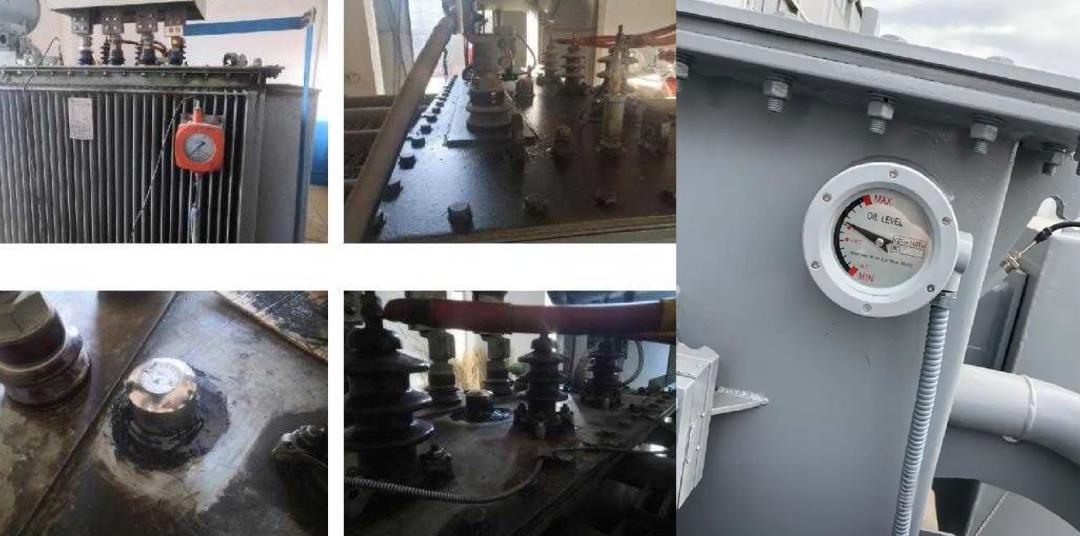
Think of the transformer's insulating oil as its "blood," and the oil level gauge as the window to observe this "blood volume." If you see the oil level is too low (or even invisible), or conversely, too high, it indicates the transformer isn't feeling well. Abnormal oil levels can compromise the transformer's insulation and cooling performance, posing a hidden danger to its safe operation.
Common Causes:
Low Oil Level: Could be due to oil leaks or seepage from the transformer (e.g., cracked welds, aged seals), a gradual loss of its "blood." It could also be poor sealing of the conservator or bushings, or a clogged breather or failed desiccant affecting normal oil level regulation.
High Oil Level: Potentially caused by high ambient temperatures, leading to the insulating oil expanding beyond its normal range.
Changes in Oil Color
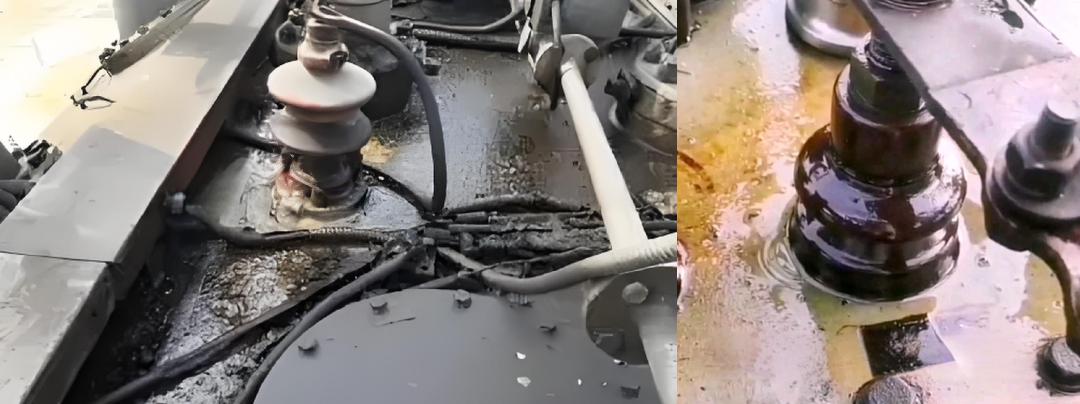
Fresh, healthy transformer oil is clear and bright yellow, looking clean and pristine. But if it turns dark red, black, or emits a burnt odor, it's like its "blood has gone bad"! Once the oil color changes, it usually signifies a relatively serious internal problem in the transformer, requiring immediate attention.
Common Causes:
Internal Faults: Insulation aging, local overheating, discharge, or short circuits, which generate impurities that contaminate the insulating oil.
Moisture or Contamination: Insulating oil becomes damp or contaminated by other substances, leading to a decline in quality.
External Irregularities
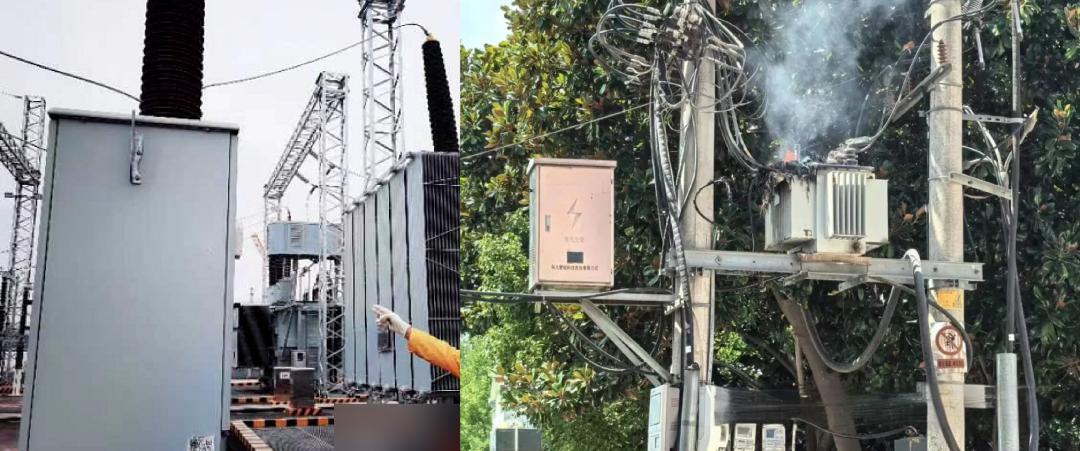
Beyond sounds, temperature, oil level, and oil color, we can also "read the exterior" to determine if a transformer is malfunctioning. If you notice the transformer oil tank or radiator tubes are deformed, leaking oil, or seeping, or if high-voltage terminals are burnt or high-voltage bushings show severe damage and flashover marks, these are visible signs of "injury."
Common Causes:
Tank Deformation: Could be caused by high temperatures generated by an internal fault, "baking" it out of shape, or excessive internal pressure.
Damaged High-Voltage Components: Often result from external line short circuits, powerful current surges, or lightning strikes, causing them to withstand unbearable "pressure."
II. Troubleshooting Methods for Distribution Transformer Faults
When a transformer abnormality is detected, timely and correct action is crucial. Here are the troubleshooting steps for different abnormal phenomena:
Addressing Unusual Sounds
When you hear abnormal sounds from a transformer, follow these steps for inspection:
Locate the Source: Use an ultrasonic detector to pinpoint the sound source, like a "GPS for sound," accurately finding where the abnormal noise originates. Then, measure the partial discharge level to assess the severity of the discharge.
Detailed Inspection: Carefully check the connections of components like the tap-changer, high-voltage porcelain bushings, and iron core grounding to see if anything is loose or poorly connected. Also, measure the load current and power supply voltage to confirm if the abnormality is due to overload or over-voltage.
Targeted Solutions:
If tap-changer contacts are dirty, clean them; if severely damaged, replace them directly.
If iron core grounding or through-bolts are loose, tighten them immediately.
If the insulating oil is problematic, add oil as needed or replace the oil, and adjust the clearance to ground.
If the load is too high or the voltage is excessive, reduce the load and adjust the voltage to the normal range.
Managing Temperature Abnormalities
If you discover abnormal transformer temperatures, you must address them immediately to prevent greater losses:
Measure & Inspect: The first step is to measure the temperature of each winding and the iron core to identify specific hot spots. Then, check the cooling system to see if the radiators are clogged with dust or if the cooling fans are working properly. If conditions permit, use an infrared thermal imager to inspect the transformer's interior for precise hot spot locations.
Immediate Shutdown & Repair: Once a temperature abnormality is confirmed, to prevent further damage, immediately stop transformer operation for internal inspection and repair.
Specific Measures:
For dusty radiators, clean them thoroughly; for faulty cooling fans, replace them promptly.
If the ambient temperature is too high, enhance ventilation and heat dissipation, for example, by adding ventilation equipment or adjusting the transformer's operating environment to "cool it down."
Resolving Oil Level Issues
Abnormal oil levels cannot be overlooked, as they directly impact the transformer's insulation and cooling performance:
Troubleshoot Causes: First, check the sealing condition of components like the conservator and bushings for any oil leaks. Then, confirm if the breather is clear and if the desiccant has failed. Simultaneously, measure the oil temperature to determine if high ambient temperatures are causing oil expansion.
Targeted Treatment:
If the oil level is low, add oil to the normal position; for poorly sealed components, replace them as needed.
For clogged breathers or failed desiccants, clean them or replace them directly to restore normal function.
If high ambient temperatures are the cause, implement cooling measures or adjust the transformer's operating mode to prevent continued oil level abnormalities.
Handling Oil Color Changes
Discovering a change in oil color suggests a potentially serious internal problem in the transformer:
Professional Testing: The most accurate method is to take an oil sample for chromatographic analysis. Professional testing confirms if the oil quality has truly deteriorated. Concurrently, inspect the transformer's interior for signs of discharge or overheating.
Thorough Replacement & Drying: Once oil deterioration is confirmed, immediately stop transformer operation for internal inspection and repair. Completely replace the degraded insulating oil, then dry the transformer to remove residual moisture and impurities.
Enhanced Monitoring: Afterward, strengthen oil quality monitoring by regularly taking oil samples for analysis, constantly tracking changes in oil quality to ensure the transformer's "blood" remains healthy.
Rectifying External Damage
External transformer abnormalities are often the most direct signs of a fault:
Visual & Insulation Inspection: First, visually inspect components like the oil tank, radiator tubes, and high-voltage terminals for the extent of damage. Then, use tools like a multimeter to test the insulation performance of high-voltage components to assess fault severity.
Repair or Replace:
For deformed, leaking, or seeping components, repair if possible, or replace directly if severely damaged.
Burnt high-voltage terminals and damaged high-voltage bushings must be replaced immediately.
Strengthen Protection: To prevent similar problems from recurring, enhance the transformer's lightning protection by installing arresters, and perform regular inspections and maintenance to help the transformer better withstand external "attacks."
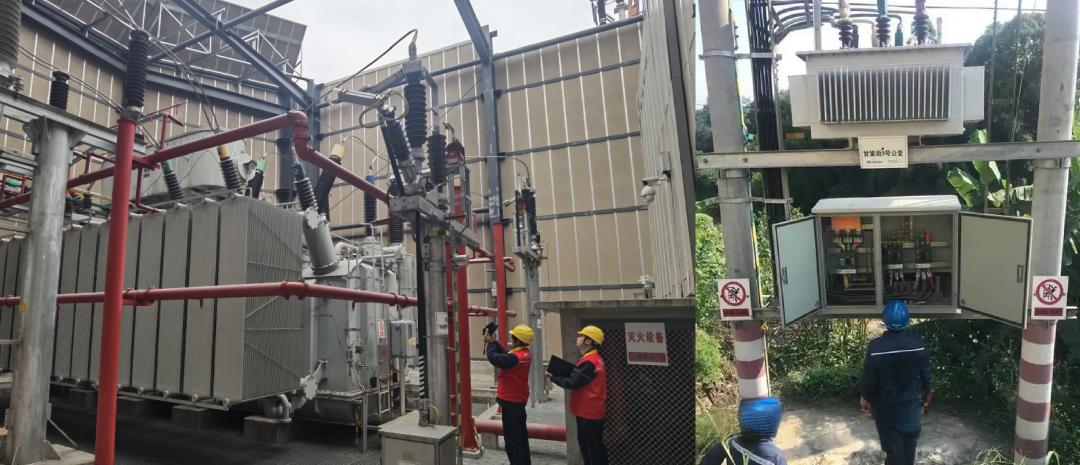
III. Routine Preventive Maintenance Tips for Distribution Transformers
Beyond addressing faults after they occur, routine preventive maintenance is key to ensuring the long-term stable operation of distribution transformers.
Regular Patrol Inspections: Periodically (e.g., daily, weekly, monthly), visually inspect the transformer for oil leaks or seepage, unusual sounds, damaged bushings, loose grounding wires, and other phenomena.
Maintain Cleanliness: Regularly clean dust and dirt from the transformer casing, radiators, and porcelain bushings to ensure proper heat dissipation and prevent flashover due to contamination.
Periodic Oil Testing: As per national standards, regularly take oil samples for testing (e.g., every 1-3 years) to check dielectric breakdown voltage, dielectric loss, moisture content, and perform chromatographic analysis. This helps detect oil degradation trends early.
Breather Maintenance: Regularly check the silica gel (desiccant) in the breather. If the silica gel changes color (from blue to pink), it indicates it's saturated with moisture and needs to be replaced or regenerated promptly.
Tightness Checks: Periodically check all connecting bolts and lead connections on the transformer for looseness or signs of overheating, and tighten them promptly.
Arrester and Grounding System Inspection: Regularly inspect arresters for external integrity, ensure grounding leads are securely connected, and check that grounding resistance meets requirements to ensure reliable lightning protection.
IV. Frequently Asked Questions (FAQ)
Q1: If I hear an abnormal sound from a transformer, can I handle it myself as a layperson?A1: No, it's not recommended for laypersons to handle it themselves. Distribution transformers are high-voltage equipment and pose an electrocution hazard. If you notice an abnormal sound, you should immediately report it to the power department or qualified maintenance personnel. The best thing you can do is document the abnormal phenomenon and report it promptly.
Q2: If the transformer oil level is low, can I just add regular engine oil?A2: Not! Transformers use special insulating oil with unique dielectric and heat dissipation properties. Adding regular engine oil or other lubricants will degrade the transformer's insulation performance and could even cause equipment damage and safety incidents. You must only use transformer oil of the same type, brand, and standard.
Q3: Is it a big deal if the transformer's temperature rises slightly?A3: Slight temperature fluctuations are within the normal range. However, if the oil temperature continuously rises, or if it significantly exceeds 10℃ above normal under unchanged load conditions, it warrants serious attention. Sustained high temperatures accelerate insulation aging, shorten the transformer's lifespan, and can lead to faults. It's advisable to contact professionals for inspection immediately.
Q4: How often should a distribution transformer undergo a comprehensive inspection?A4: According to national power industry standards and equipment operating environments, it's generally recommended to perform routine maintenance inspections annually. More detailed preventive tests and overhauls, including comprehensive oil analysis and winding insulation tests, are typically recommended every few years (e.g., every 3-5 years).
My friends, that wraps up our discussion on abnormal operating phenomena, fault handling methods, routine maintenance, and common questions about distribution transformers! I hope this content truly helps you. The safe and stable operation of transformers is vital to the quality of our daily power supply and a crucial guarantee of power system reliability.
💡 Further Reading: Want to delve deeper into power equipment maintenance and safety knowledge? Click to visit our
Your Power Partner — Wei Shoe Elec
Encountering transformer conundrums? Need professional technical solutions?Don't hesitate, contact Thor directly for one-on-one expert guidance or a custom quote!
📞 Phone Consultation: +86-0577-62788197
📱 WhatsApp Direct: +86 159 5777 0984
✉ Email Us:
[email protected]
Disclaimer: This article's content is written by Thor from Wei Shoe Elec, based on years of experience, and aims to provide general guidance. For specific operations, please always follow professional guidance and relevant safety regulations.
Copyright Notice: This article is welcome for sharing and reprinting! If reprinting, please be sure to credit the source (Source: Wei Shoe Elec Official Website