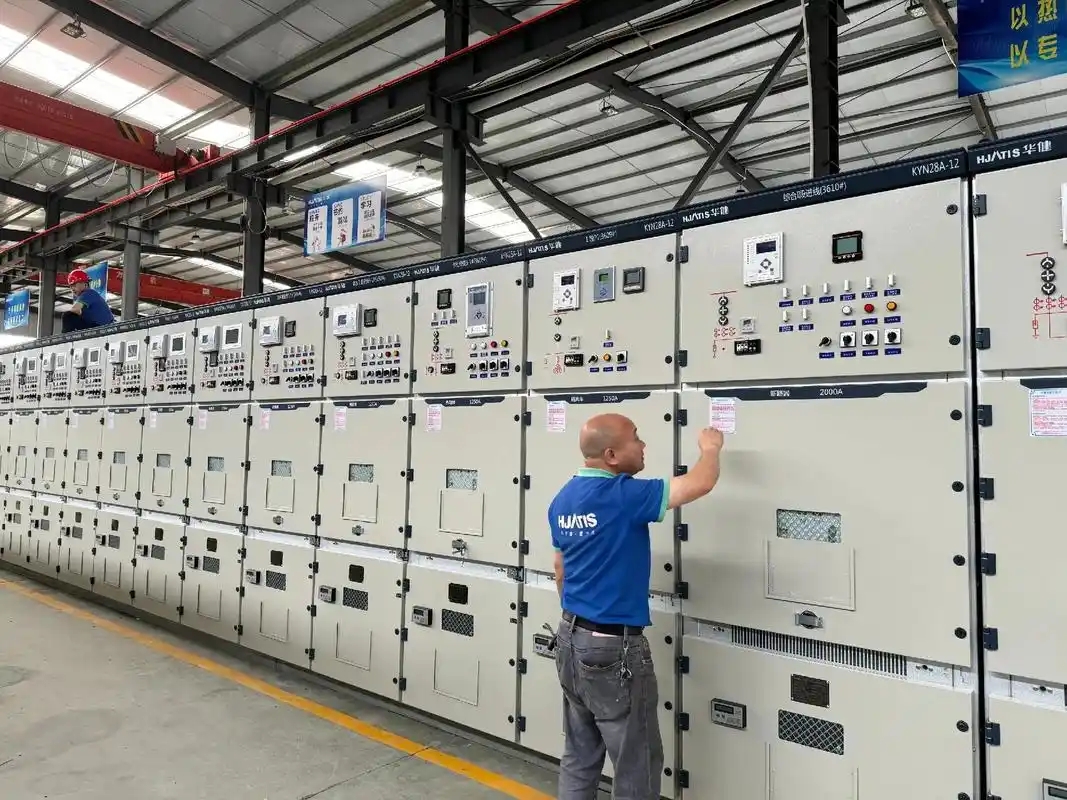
Understand the Right GIS Solution for Your Project: Indoor, Outdoor, Hybrid & Mobile
Gas-insulated substations (GIS) are the backbone of compact, high-reliability power distribution in urban, industrial, and renewable energy environments. But not all GIS systems are the same. Choosing the wrong type—whether indoor, outdoor, or mobile—can lead to installation delays, maintenance challenges, or regulatory setbacks.
As an engineer working with substation projects across Asia and the Middle East, I’ve seen firsthand how misunderstood GIS types lead to procurement errors and budget overruns. This guide helps you differentiate the main GIS configurations and choose the one best suited for your application.
🔍 What Is a Gas-Insulated Substation?
A gas-insulated substation (GIS) is a compact high-voltage switchgear system in which the main components (circuit breakers, disconnectors, busbars) are enclosed in SF₆ gas-insulated metal enclosures. This design ensures:
High dielectric strength in compact layouts
Minimal exposure to pollution, humidity, or dust
Long service life with reduced maintenance
GIS systems are preferred where space is limited, such as city centers, offshore platforms, underground substations, and mountainous terrain.
⚙️ Four Major Types of GIS (With Use Cases)
1. Indoor GIS
Best for: Urban substations, data centers, and underground power stations.
Installed in fully enclosed buildings
Offers environmental protection and noise isolation
Requires building civil works, but enables precise access and safety control
💡 Example: Singapore’s underground Marina Bay substation uses indoor GIS to save surface land.
2. Outdoor GIS (Containerized or Open-Air)
Best for: Industrial zones, desert substations, high-humidity areas
GIS units are housed in weatherproof outdoor enclosures
Easier and faster to install, with minimal civil works
Designed for harsh environments (IP65+ ratings)
💡 Example: A 132kV GIS substation installed in Riyadh with outdoor SF₆-insulated modules inside metal housings.
3. Hybrid GIS (HGIS)
Best for: Retrofit projects, budget-sensitive installations
Combines AIS (air-insulated switchgear) components with GIS modules
Reduces cost and complexity
Ideal for upgrades where space is limited but full GIS is not viable
💡 Example: Used in South Korea for upgrading 154kV switchyards within existing facilities.
4. Mobile GIS / Skid-Mounted GIS
Best for: Temporary power stations, fast-deployment projects (e.g., solar or mining)
Fully pre-assembled on skids or trailers
Plug-and-play design with factory testing
Can be relocated as needed
💡 Example: A 33kV mobile GIS trailer deployed in a remote Indonesian mining site within 14 days.
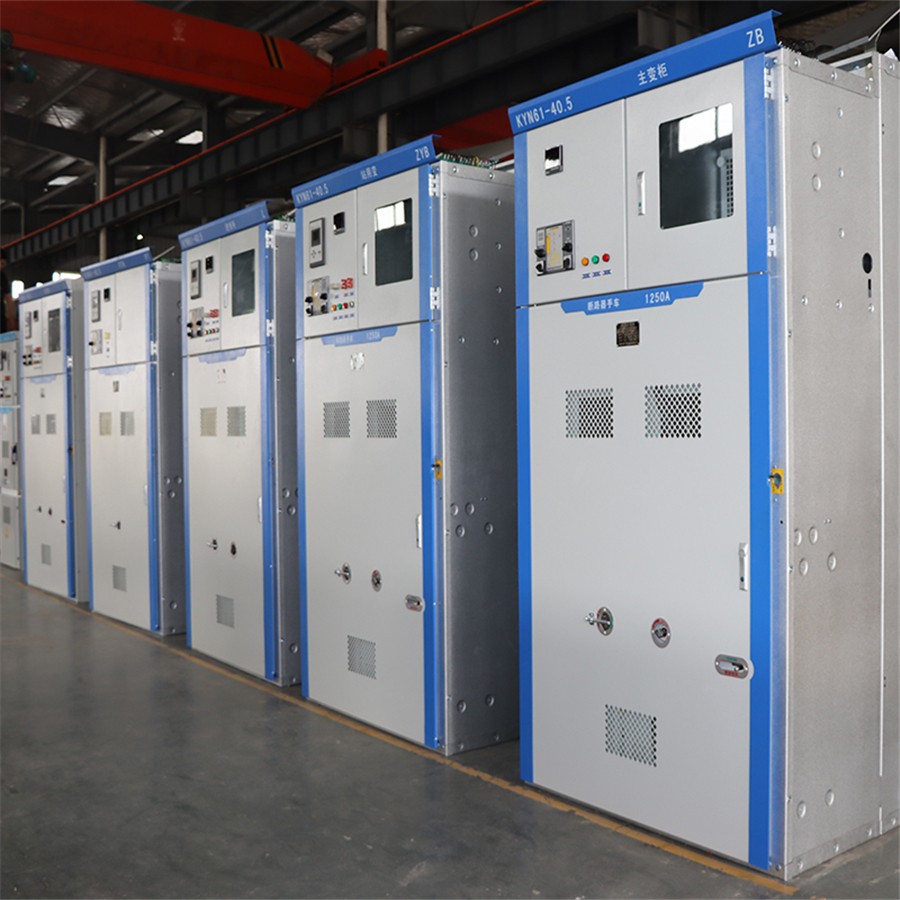
📊 Comparison Table: GIS Types at a Glance
| Type | Installation | Best Use Case | Pros | Limitations |
|---|---|---|---|---|
| Indoor GIS | In building | Urban, underground | Safety, low noise | High civil work cost |
| Outdoor GIS | Open enclosure | Harsh environment, desert | Fast deployment, compact | Weather exposure risk |
| Hybrid GIS | Partial GIS/AIS | Retrofit, budget | Cost-effective, scalable | Moderate compactness |
| Mobile GIS | Skid/trailer | Temporary, remote sites | Portable, plug-and-play | Limited to ≤145kV |
❗ Why Choosing the Right GIS Type Matters
Choosing the wrong GIS configuration can result in:
Overbuilding civil works for outdoor applications
Delays due to regulatory issues (e.g., indoor noise standards)
Underperformance in corrosion-prone areas
👉 A proper GIS type selection can save 20–35% on installation time and cost, according to a 2022 CIGRÉ study.
❓ Frequently Asked Questions
• Is SF₆ the only gas used in GIS systems?
Currently, SF₆ is the standard, but SF₆-free GIS solutions using fluoronitriles or vacuum are emerging.
• Can outdoor GIS be installed in cold climates?
Yes, with integrated heating systems and weatherproof insulation, outdoor GIS performs reliably in −40°C environments.
• What’s the typical lifespan of a GIS system?
Well-maintained GIS systems can last 30–40 years, with minimal degradation.
• Do I need a building for outdoor GIS?
No, outdoor GIS comes in sealed enclosures that require only foundation slabs or skids.
• Is GIS more expensive than AIS?
Initial cost is higher, but total lifecycle cost is often lower due to reduced maintenance and footprint.
🧠 Expert Insight
As Thor, an electrical engineer at Wei Shoe Electric, I’ve worked on GIS configurations from 11kV up to 220kV across various industries—from offshore wind to metro substations. The biggest mistake I’ve seen is treating all GIS the same. You need to match the GIS type to your project constraints, regulatory environment, and long-term maintenance resources.
📞 Tel: +86-0577-62788197
📱 WhatsApp: +86 159 5777 0984
📧 Email: [email protected]
✅ Conclusion: Match GIS Type to Application, Not Preference
Each GIS type exists for a reason. Indoor GIS works best where land is precious. Outdoor GIS shines in rugged terrain. Hybrid GIS balances cost and function, while mobile GIS offers unmatched flexibility.
👉 Choosing the right type at the design stage is not just an engineering decision—it’s a strategic one.