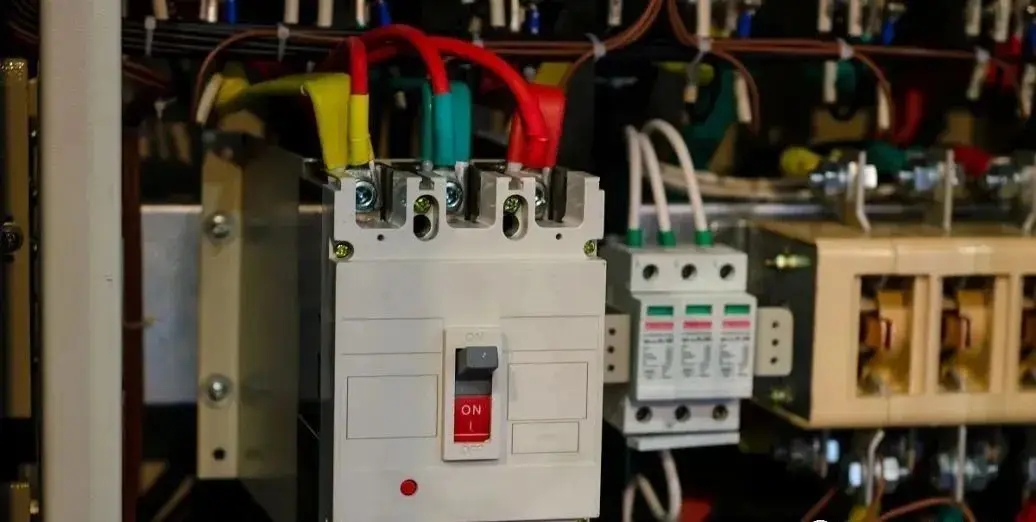
In the world of electrical protection, it’s a common misconception that lightning arresters and surge arresters (or SPDs) are the same thing. They both limit overvoltage, but they’re designed for entirely different types of threats and applications.
To help you visualize this distinction, the video below offers a concise introduction to the basic concepts and functions of both devices. After you watch it, we will dive deep into the seven core differences that set them apart.
This article will break down the seven fundamental differences, helping you understand why a professional approach to electrical safety requires a precise selection and coordinated use of these devices. It will go far beyond a simple definition to give you the knowledge you need for true system integrity.
1. Core Function and Protection Target
This is the most fundamental distinction between the two devices and is the driving force behind their design and mission. Their very purpose in an electrical system is fundamentally different.
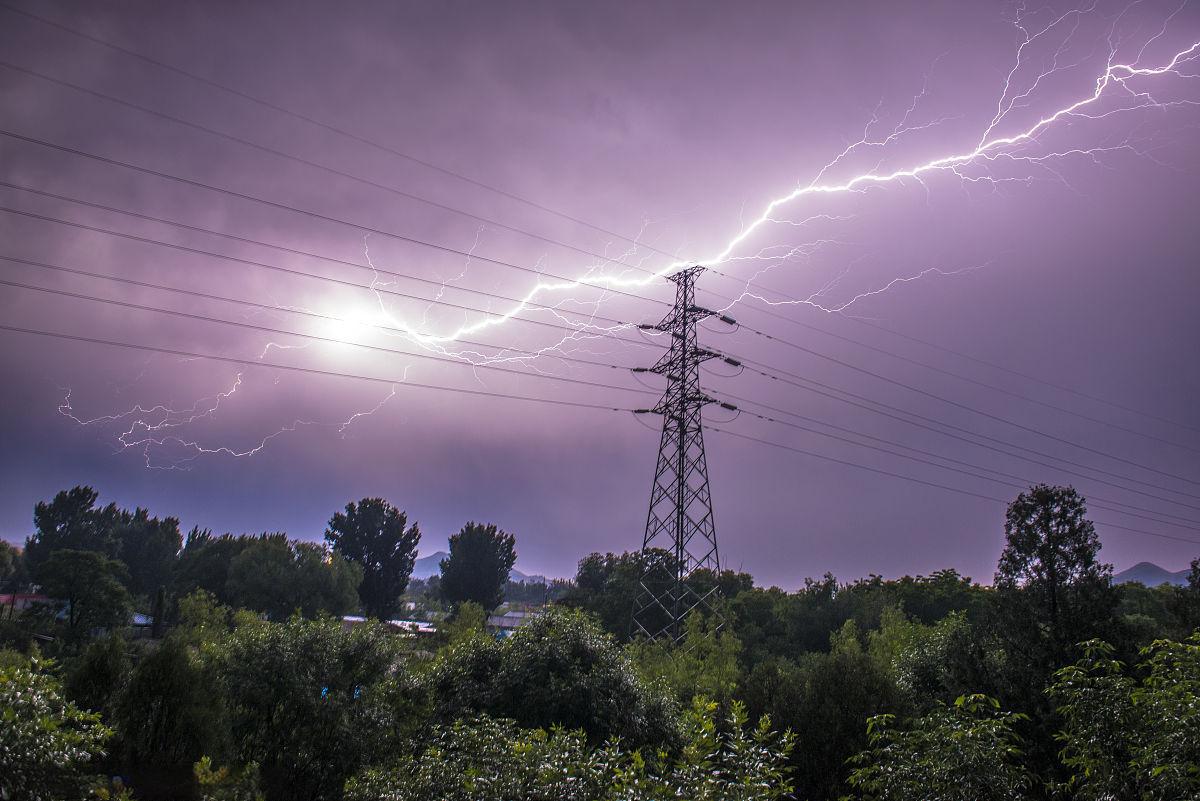
A lightning arrester’s primary function is to combat direct lightning strikes. When a lightning bolt hits a power grid—for example, a transmission tower or a substation—it unleashes a colossal, instantaneous surge of high-voltage current that can instantly obliterate equipment.
This device acts as a catastrophic floodgate for the electrical system, built specifically to withstand a once-in-a-century deluge. Its main goal isn't to precisely limit voltage but to shunt an immense amount of energy safely to the ground, preventing the system from experiencing physical destruction.
A lightning arrester is the last line of defense against a natural disaster.
A surge arrester is a diligent security guard protecting against daily threats.
In contrast, a surge arrester’s mission is much broader and more nuanced. It primarily protects against a wide array of transient overvoltages, which include lightning-induced surges from a distance. The most frequent causes, however, are generated internally by routine electrical activities like large motors starting up, the commutation of electrical circuits, or the switching of inductive loads.
These internal surges are often far smaller in magnitude than a direct lightning strike, yet they occur with much higher frequency and will, over time, relentlessly degrade the insulation of your equipment. They slowly erode the lifespan of sensitive electronics, leading to premature failure or inexplicable glitches.
2. Scope of Protection and Threat Profile
This difference is a direct extension of their core function and reveals their respective threat models. The specific type of danger they are engineered to mitigate defines their very existence.
A lightning arrester’s protection scope is very focused. Its threat model is the singular, devastating lightning wave. The voltage waveform produced by a lightning strike is incredibly steep and energy-dense, and while its duration is exceptionally brief, its destructive force is overwhelming.
The design priority here is an immense current and energy-handling capacity to ensure the device itself doesn't fail under the high-energy impulse while successfully diverting the surge. It is a specialized, brute-force solution for a catastrophic problem.
A surge arrester’s protection scope is much wider. Its threat model encompasses a variety of transient overvoltages, including lightning-induced surges, switching surges, and electrostatic discharge (ESD) events. These events have diverse waveforms and energy levels but share the potential to damage sensitive electronic equipment.
The design of a surge arrester prioritizes a rapid response time and precise voltage clamping. It must react in mere nanoseconds to accurately limit the voltage to a low, safe level that won't damage downstream electronics.
A lightning arrester is a specialized weapon for one specific, devastating enemy.
A surge arrester is a versatile tool for a host of different opponents.
3. Key Discharge Parameters and Test Waveforms
From an engineering perspective, this is the most telling difference, reflecting their core purpose and capabilities. It’s the metric that distinguishes a device’s true performance and application.
International Electrotechnical Commission (IEC) standards use distinct test waveforms to simulate different types of surges. A lightning arrester's primary discharge parameter is its impulse current (), tested with a 10/350 μs waveform. This specific waveform is considered the closest real-world simulation of a direct lightning strike; the current rises to its peak in 10 microseconds and then decays to half its value in 350 microseconds.
This waveform carries an enormous amount of energy, and devices tested to it (often called Type 1 SPDs) have an incredibly high energy-handling capability. It is the ultimate test of durability for an electrical protection device, proving its ability to withstand an apocalyptic-level event.
In contrast, a surge arrester’s primary discharge parameter is its nominal discharge current (), which is tested with an 8/20 μs waveform. This waveform is used to simulate more common events like induced lightning surges or switching operations. Its energy and duration are significantly less than the 10/350 μs waveform.
Devices tested with this waveform are typically Type 2 SPDs, and they are highly effective at handling the vast majority of day-to-day transient overvoltages. To put it simply, the 10/350 μs waveform represents a direct knockout punch, while the 8/20 μs waveform represents a series of fast, stinging jabs that must be parried and blocked.
Tip: To remember the key parameters, think of I_imp as representing a massive surge of energy from a direct lightning strike, while I_n represents the smaller, more common surges from induced lightning or switching.
4. Voltage Protection Level ()
U_p, or the Voltage Protection Level, is a critical parameter that represents the maximum residual voltage across the device during a surge discharge event. This parameter directly correlates to the safety margin for downstream equipment.
A lightning arrester is designed to manage immense energy, so its residual voltage (U_p) can be relatively high. This is perfectly acceptable for the robust, high-voltage equipment it’s designed to protect. Its purpose is to save the system from complete failure, not to perform precision surgery.
A surge arrester, however, must have a very low U_p. Its purpose is to protect sensitive electronic devices that have a low surge withstand voltage (U_w). The lower the U_p value, the more effective the protection and the safer your equipment will be.
Engineers select SPDs to ensure the U_p of the device is always below the U_w of the protected equipment, guaranteeing that the SPD clamps the voltage to a safe level before the equipment’s insulation can be compromised. This is the essence of proper insulation coordination, a critical aspect of electrical safety design.
5. Typical Installation Location and Protection Strategy
The physical location of each device is a direct result of its role in a layered defense system. Their placement is strategic, not arbitrary, and is crucial for effective protection.
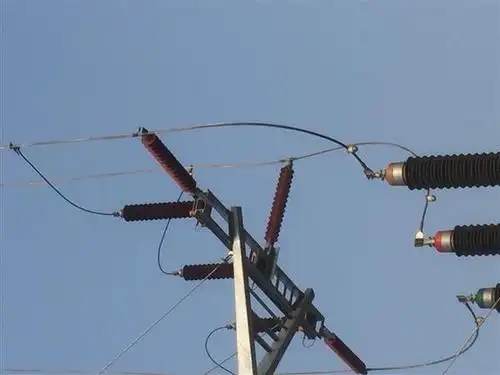
A lightning arrester is positioned as the first line of defense, at the most exposed point of the electrical system. For high-voltage grids, they’re installed at substation entrances or along transmission lines.
For low-voltage systems, a comparable Type 1 SPD is installed at the main electrical panel or service entrance. These are the points where a lightning strike's energy would first enter a building, requiring the most robust level of protection.
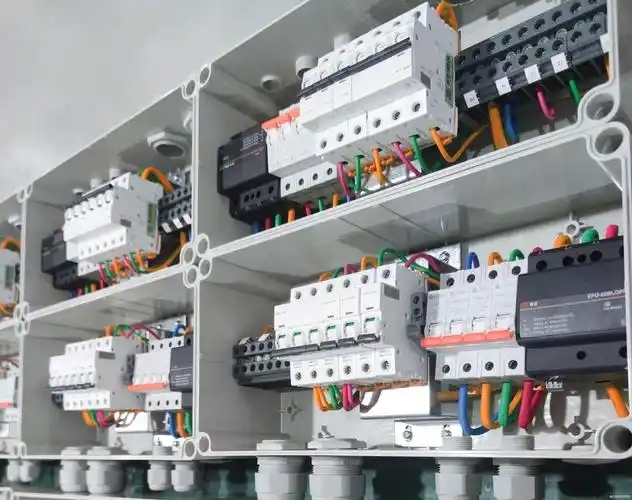
Conversely, a surge arrester is widely used inside the system to provide multi-stage protection. This approach creates a tiered shield, progressively reducing the surge energy as it travels through the electrical network. Common installation points include:
Branch circuit panels (Type 2 SPDs): These are placed to absorb residual surges that passed the first line of defense, providing a secondary barrier.
Near sensitive equipment (Type 3 SPDs): These are installed directly at the power outlet or a device's terminal, offering the final, most granular protection.
This tiered "zone of protection" strategy is a cornerstone of modern electrical safety. It mirrors a military defense system: a frontline force (the Type 1 SPD) handles the initial assault, a second wave (Type 2) deals with what gets through, and individual sentinels (Type 3) ensure the safety of critical assets.
Tip: Think of a lightning arrester as the "gatekeeper" at the main entrance, while surge arresters are stationed inside, guarding each individual room.
6. Operating Voltage and Application
The systems they are designed for and operate within are fundamentally different. This distinction is critical for selecting the correct device for the application.
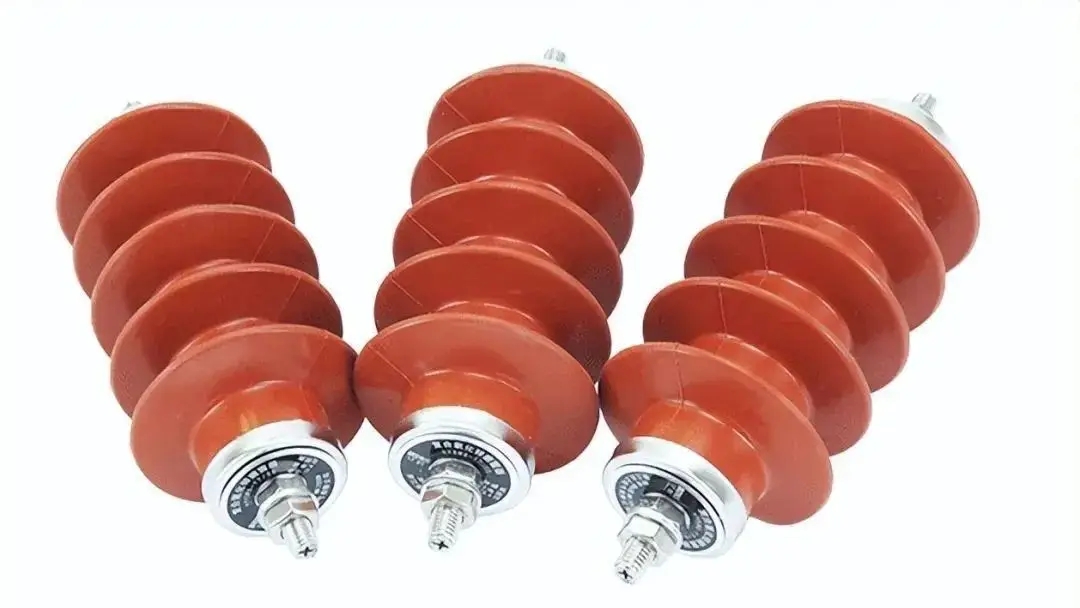
A lightning arrester is primarily designed for high-voltage (HV) and medium-voltage (MV) power systems. This is because the sheer destructive force of direct lightning is most pronounced at these high voltage levels, and the arresters' internal components are built to continuously withstand these high-potential systems.
Their rugged construction and high insulation values are essential for their survival in these demanding environments. Their use is typically confined to large-scale power infrastructure.
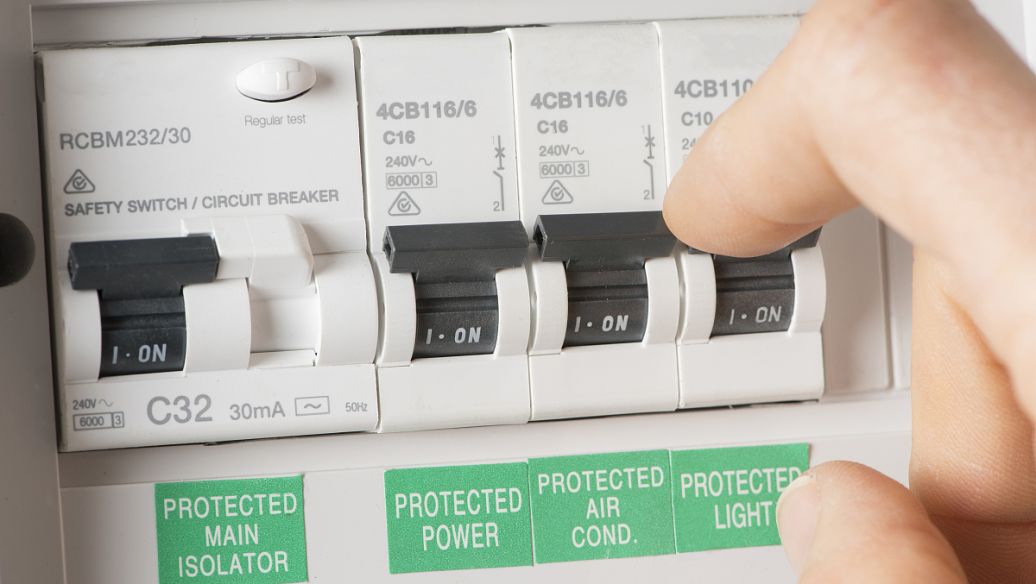
A surge arrester’s applications are much more diverse and widespread. They are used everywhere from low-voltage (LV) household appliances and communication lines to industrial control systems and even high-voltage applications. The IEC standards specifically classify SPDs based on their use in low-voltage systems, such as a typical 120V or 240V residential grid.
7. Interchangeability and Coordinated Protection
In a practical sense, they are not interchangeable, but they must work together. Using one in place of the other is a critical mistake that can lead to system failure.
A lightning arrester cannot be used as a surge arrester. Its design is focused on high-energy discharge. Therefore, its clamping voltage is typically higher, and its response time may be slower than a dedicated surge arrester, rendering it useless for protecting against a fast, low-energy internal surge.
A surge arrester can, in some cases, provide lightning protection. A Type 1 SPD with a high I_imp rating is essentially a surge arrester built to handle lightning's high energy. However, it still needs to be part of a comprehensive system with proper grounding and is typically only suitable for low-voltage systems.
The safest and most reliable approach in modern engineering is to combine them in a coordinated system. A lightning arrester (or a Type 1 SPD) handles the initial massive energy, while different classes of surge arresters progressively clamp the voltage down, providing comprehensive protection from the power source all the way to the final piece of equipment.
Note: The best protection scheme is tiered protection, not a single, powerful device. Lightning arresters and surge arresters are complementary, not substitutes.
Conclusion
By dissecting these seven core differences, we can clearly conclude that lightning arresters and surge arresters are not the same device. They are, in fact, complementary tools in a sophisticated protection strategy. A lightning arrester is the system’s "hardened defense," specifically engineered to handle the extreme forces of a direct lightning strike. Conversely, a surge arrester is the "precision bodyguard," tasked with managing a wide array of internal and external transient overvoltages.
For truly reliable electrical safety, it is essential to move beyond the false dichotomy and embrace a scientific multi-stage protection philosophy. Combining these devices strategically and ensuring they are properly grounded is the only way to provide comprehensive protection for both equipment and personnel.
Frequently Asked Questions (FAQ)
Is a lightning rod the same as a lightning arrester?
No, they are two different components of a complete lightning protection system. A lightning rod (or air terminal) is an external component designed to attract lightning and safely guide it to the ground via a down conductor.
A lightning arrester is an internal component that protects electrical equipment from the voltage surge after the lightning has been intercepted. The two devices work in tandem but have entirely different functions within the system.
My home has a surge protector power strip. Do I still need an SPD in my electrical panel?
Yes, you absolutely do. The power strip is typically a Type 3 SPD with very limited discharge capacity.
A massive surge from a grid event or a nearby lightning strike will hit your main electrical panel first, bypassing your power strip completely. For true protection, you need a Type 1/Type 2 SPD at the main panel to act as the first line of defense. The power strip then provides the final, fine-level protection for sensitive devices.
How do I know if my surge arrester is still working?
Most modern surge arresters have a status indicator light or a mechanical indicator window. A green light or a white window typically means the device is functioning correctly.
If it turns red or the light goes out, it has absorbed a surge that exceeded its capacity and has sacrificed itself to protect your equipment. It is no longer providing protection and needs to be replaced immediately.
Why is grounding so critical for surge protection?
Both lightning and surge arresters work by diverting surge energy to the ground. If your grounding system has high resistance or the ground wire is too long, the energy can't dissipate effectively. This creates a dangerous high voltage at the equipment, rendering the protection useless.
A low-impedance grounding path is the cornerstone of any effective surge protection system. This ensures that the high surge current can be safely and rapidly diverted away from your equipment.
What is impulse withstand voltage? How is it related to surge protection?
Impulse withstand voltage, or U_w, is the maximum transient overvoltage that a piece of equipment can withstand without being damaged. It is typically specified by the equipment manufacturer.
The fundamental principle of surge protection is to ensure that the surge arrester's voltage protection level () is always lower than the protected equipment's U_w. This guarantees that the arrester will activate and clamp the voltage to a safe level before the equipment’s insulation is breached.
Why do I need a multi-stage protection system instead of just one powerful SPD?
A single, powerful SPD (like a Type 1) might have a high residual voltage, which could still be deadly for sensitive electronics. A multi-stage system works like a staircase-style defense: the first SPD handles the bulk of the energy and "clips" the voltage peak. The subsequent SPDs then progressively "step down" the voltage to a level that is safe for the downstream equipment.
This coordinated approach ensures that even the most fragile electronic components are protected. It allows you to deal with massive surges at the source while ensuring precision protection at the final destination.