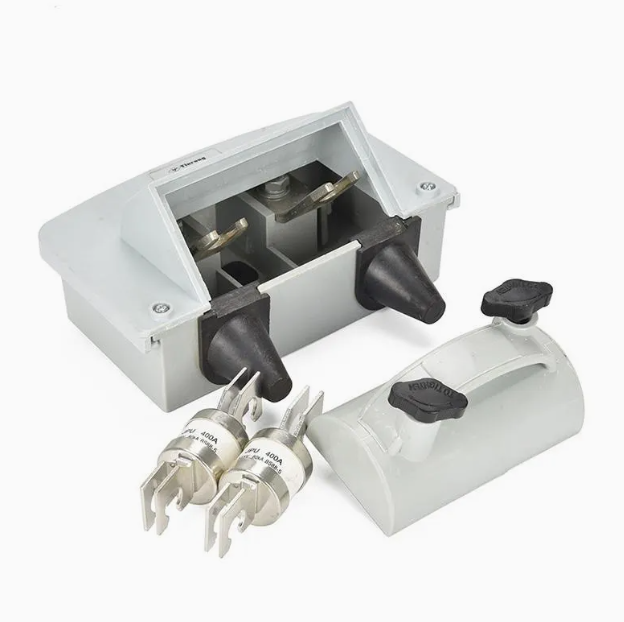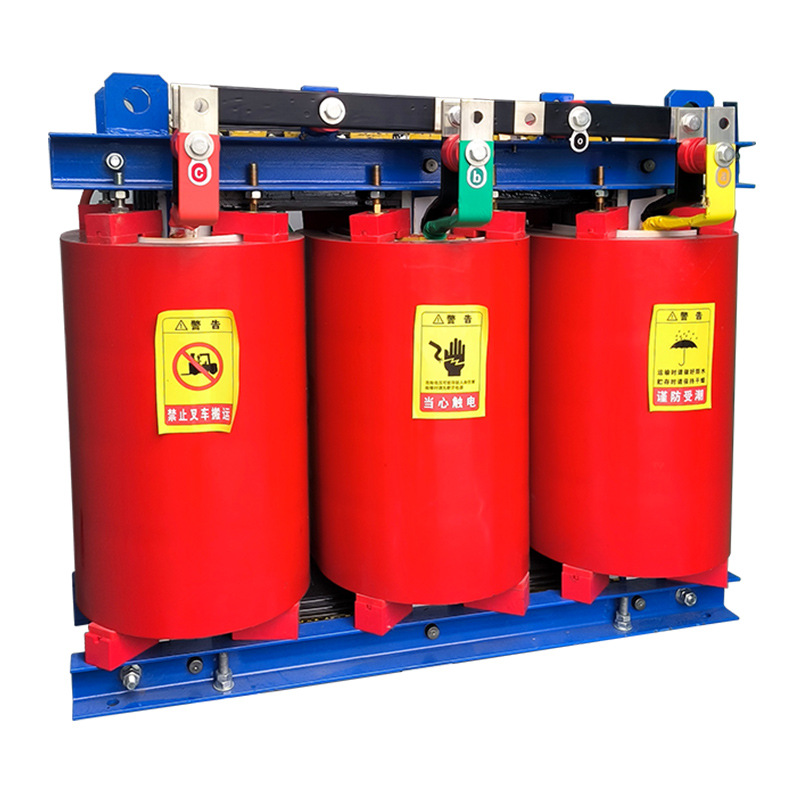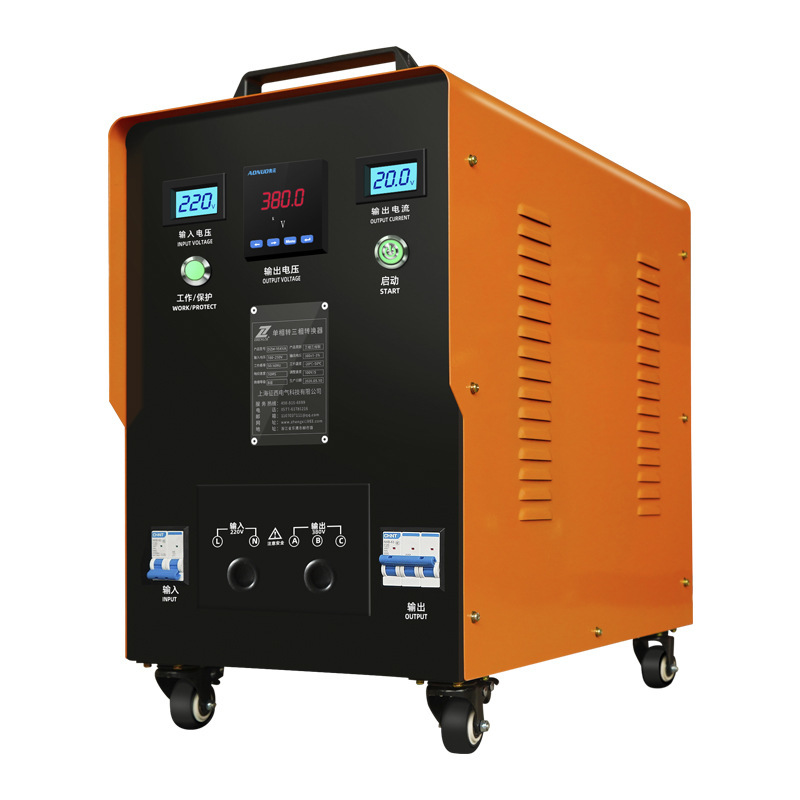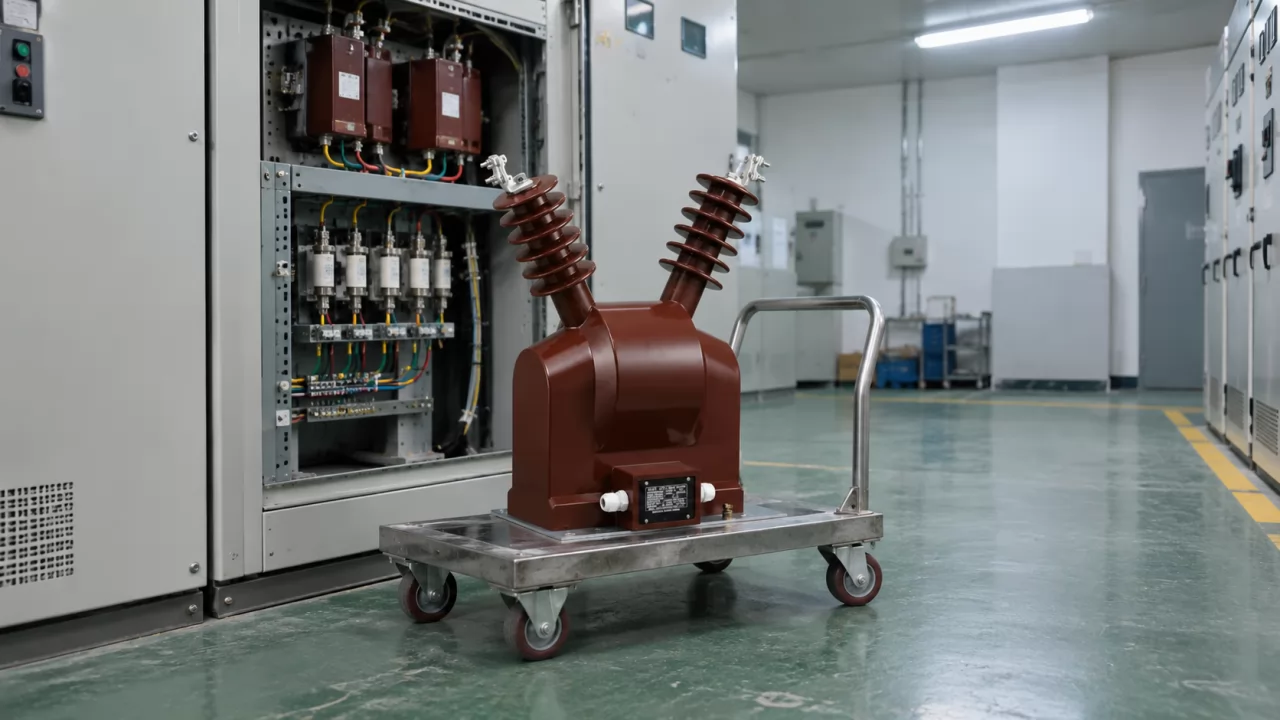
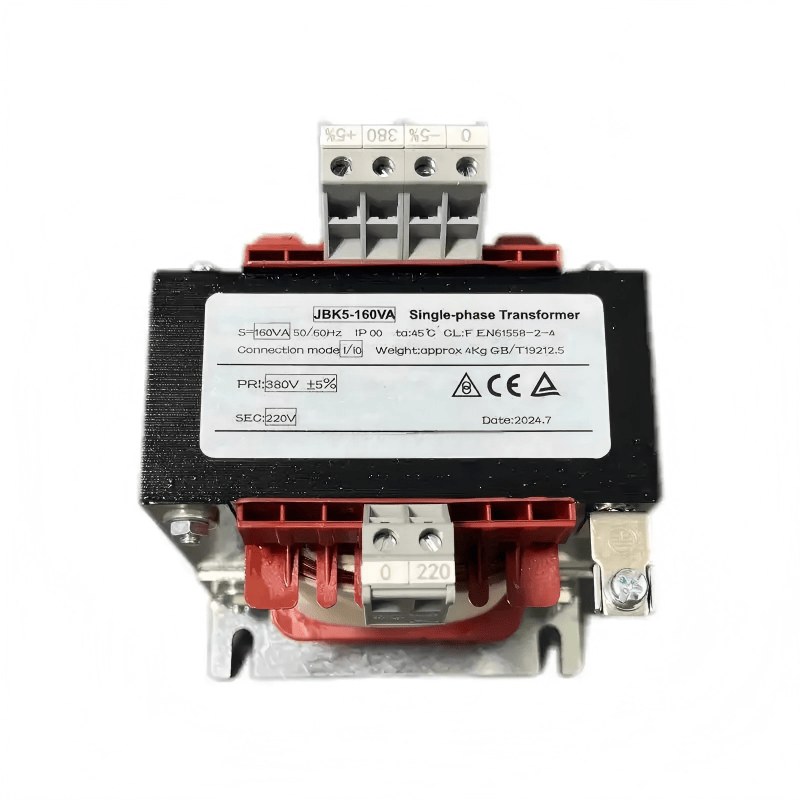
A control transformer can look almost identical to another unit on the shelf, yet cost 2x to 5x more.
The reason is simple: price is driven by far more than appearance. Voltage combination, VA rating, insulation class, enclosure type, certifications, and application duty all change the final cost of a transformer.
If you are sourcing for a panel, machine, HVAC system, or automation cabinet, understanding the control transformer price is the difference between buying a reliable asset and creating an expensive future failure point.
Why Are Control Transformer Prices So Different?
At first glance, many transformers seem interchangeable. In practice, they are not.
A small open-style 50 VA unit for a basic control circuit may cost under $30 to $60, while a heavy-duty industrial unit with uncommon input voltage, premium insulation, and UL certification can exceed $300 to $800+.
Even when two units have the same VA rating, the price can vary because one may be designed for machine tool duty, another for general panels, and another for harsh industrial environments.
Real-world buyers often see this when comparing a standard 480V to 120V transformer against a custom 600V to 24V model. The second unit usually costs more because it needs a different winding design, testing, and sometimes lower-volume production.
What Is the Real Problem Behind Comparing Control Transformer Cost?
The biggest mistake is comparing only the upfront purchase price.
A lower-cost transformer may not match the inrush load, thermal duty, or certification requirement of the application. That can cause nuisance trips, overheating, shorter life, and unplanned replacement costs.
In industrial buying, the cheapest unit is often not the lowest-cost unit over time. Total value includes compliance, service life, installation fit, downtime risk, and electrical performance.
For example, replacing a failed transformer in a production line can cost far more than the original component. In many manufacturing environments, one hour of downtime can cost hundreds or thousands of dollars, depending on output and labor conditions.
Control Transformer Price Range at a Glance
| VA Rating | Typical Voltage Configuration | Common Industrial Application | Estimated Price Range |
|---|---|---|---|
| 50-100 VA | 240V to 24V / 120V | Small control panels, relays, and contactors | $25-$70 |
| 150-250 VA | 480V to 120V | Basic automation cabinets, HVAC controls | $45-$120 |
| 300-500 VA | 480V to 24V / 120V | Machine tools, conveyor panels, OEM equipment | $80-$220 |
| 750-1000 VA | 600V to 120V / custom secondary | CNC equipment, industrial machinery | $160-$420 |
| 1500 VA and above | Custom industrial voltages | Heavy-duty automation systems, large panels | $300-$900+ |
These ranges reflect typical market-style pricing seen across standard catalog units and light customization. Actual pricing depends on supplier, quantity, and compliance requirements.
Average Control Transformer Cost by Type
| Transformer Type | Typical VA Range | Common Use | Estimated Price Range |
|---|---|---|---|
| Industrial control transformer | 100-1500 VA | Factory panels, automation systems, motor controls | $45-$500+ |
| Machine tool transformer | 150-1000 VA | CNC machines, lathes, presses, and tool equipment | $70-$450 |
| Step-down control transformer | 50-1000 VA | Converting a higher input voltage to a lower control voltage | $25-$300 |
| Control circuit transformer | 50-500 VA | Relays, contactors, PLC I/O, low-power control circuits | $20-$180 |
This comparison helps buyers understand how control transformer cost changes by purpose, duty cycle, and build quality.

What Factors Affect Control Transformer Price?
Several technical and commercial variables determine the final selling price.
Ignoring these factors often leads to bad quote comparisons and poor sourcing decisions.
VA Rating and Load Capacity
Higher VA transformers typically cost more because they use more copper, larger cores, and a more robust thermal design.
As load capacity rises, material cost rises too. This is one of the most direct links between performance and price.
Input and Output Voltage Requirements
Common voltage combinations are usually more affordable because they are mass-produced.
If you need unusual primary or secondary voltages, expect higher pricing. Custom winding configurations often require lower-volume manufacturing and more testing.
Single-Phase vs. Three-Phase Design
Three-phase designs are generally more expensive than single-phase models because they require more complex construction and more material.
For many control applications, a single-phase unit is sufficient. For more specialized systems, the cost increases with design complexity.
Insulation Class and Temperature Rise
Better insulation systems and lower temperature rise ratings increase durability, especially in hot enclosures or continuous-duty environments.
They also increase the price. Still, paying more up front can significantly reduce replacement frequency in demanding applications.
Enclosure, Mounting, and Build Quality
Open-style transformers are generally cheaper than enclosed versions.
Units built for industrial vibration, dirty environments, or protected mounting typically carry a premium because of stronger mechanical construction and housing.
Certifications and Compliance Standards
Approvals such as UL, CE, and CSA increase development, testing, documentation, and manufacturing costs.
However, these certifications are often essential for legal compliance, inspection approval, and end-user confidence.
Brand, Country of Origin, and Lead Time
Established brands usually charge more because they offer documented performance, stronger quality control, and better support.
The country of origin also matters. Import freight, tariffs, and exchange-rate fluctuations can affect the final price. Expedited lead times can add a substantial premium.
Control Transformer Cost by Common Industrial Applications
| Application | Typical Transformer Spec | Why This Price Level Occurs | Estimated Price Range |
|---|---|---|---|
| CNC panels | 500-1000 VA, 480V to 120V/24V | Higher reliability and machine-tool duty requirements | $120-$420 |
| HVAC systems | 40-150 VA, 240V to 24V | Common voltage, high-volume standard products | $20-$80 |
| Machine tools | 250-1000 VA, multi-tap primary | Higher inrush tolerance and rugged construction | $90-$450 |
| Conveyor systems | 150-500 VA, 480V to 120V | Moderate industrial duty, standard panel integration | $60-$180 |
| Automation cabinets | 100-300 VA, 480V to 24V/120V | Control circuit protection and compact footprint | $45-$140 |
These estimates reflect common buying patterns in North American and global industrial markets. HVAC units tend to be lower cost because of standardization, while CNC and machine tool applications demand heavier-duty designs.
Industrial Control Transformer vs. Machine Tool Transformer Price
| Criteria | Industrial Control Transformer | Machine Tool Transformer |
|---|---|---|
| Primary use | General control panels and automation systems | Machine tools with demanding inrush and duty cycles |
| Durability expectation | Moderate to high | High |
| Inrush handling | Standard industrial requirement | Often designed for heavier contactor and solenoid inrush |
| Typical price | $45-$500+ | $70-$450 |
| Why price differs | Broad range of standard catalog models | Built for rugged performance in machine environments |
A machine tool transformer is often priced higher than a basic control transformer with similar VA because it is designed for tougher operating conditions and repeated inrush loads.
That does not mean every machine tool unit is always more expensive. It means the design purpose often justifies a higher average price.
Step-Down Control Transformer Price: When Is It Worth It?
A step-down control transformer is often one of the best-value options when the job requires converting a higher supply voltage to a safer, lower control voltage.
Common examples include 480V to 120V and 240V to 24V applications. These models are widely used in control panels, contactor circuits, and automation systems.
They are usually worth it when:
You need a standard control voltage, like 24V or 120V
You want lower control-side risk and easier component matching
You are using common voltage combinations available as stock items
You want faster lead times than a custom-wound unit
Standard step-down models are usually more affordable than custom transformers because the design is common, repeatable, and stocked by more suppliers.
Control Circuit Transformer Pricing for OEM and Panel Builders
A control circuit transformer is often purchased in volume by OEMs, system integrators, and panel shops.
That changes pricing significantly. Unit cost typically falls when buyers order repeat quantities with standardized specs.
OEM and panel-builder pricing is influenced by:
Annual volume commitments
Standardized voltage platforms
Custom labeling or mounting options
Blanket purchase orders
Repeat production schedules
For example, a 150 VA control circuit transformer that sells for $55 to $85 in low quantities may drop noticeably on annual volume orders, depending on brand and compliance level.

Real-World Control Transformer Price Examples
| Sample Specification | Transformer Type | Estimated Market Price | Typical Use Case |
|---|---|---|---|
| 50 VA, 240V to 24V, open style | Control circuit transformer | $22-$40 | Small relay and thermostat control |
| 150 VA, 480V to 120V, UL listed | Industrial control transformer | $45-$95 | Basic industrial panel |
| 300 VA, 480V to 120V/24V multi-tap | Machine tool transformer | $90-$160 | Presses, drills, small CNC subpanels |
| 500 VA, 600V to 120V, enclosed | Industrial control transformer | $160-$280 | Heavy-duty factory control cabinet |
| 1000 VA, custom primary, 24V secondary | Step-down control transformer | $250-$480 | Special automation or export equipment |
These are realistic pricing examples, not fixed market quotes. Supplier tier, metal pricing, certification package, and order quantity all influence the final number.
Hidden Costs Beyond the Transformer Price
The component price is only part of the total spend.
Many buyers underestimate the indirect costs tied to the wrong transformer selection.
Installation labor for rewiring or mounting changes
Downtime risk if the unit fails under inrush or heat
Replacement frequency if the design is underspecified
Energy losses from lower-efficiency designs
Procurement delays from ordering the wrong voltage
Inspection or compliance issues if approvals are missing
A transformer that costs $40 less but fails prematurely can become the most expensive option in the project.
How to Choose the Right Control Transformer Without Overpaying
The smartest approach is to balance specification fit, reliability, compliance, and lifecycle cost.
Do not buy more transformers than the job needs. But do not buy less than the control circuit demands.
Match Transformer Size to Actual Control Load
Calculate the steady-state control load and include inrush demand from contactors, solenoids, and relays.
Oversizing can waste budget, while undersizing can cause voltage drop and unreliable operation.
Check Voltage Compatibility Before Ordering
Always verify both primary and secondary voltages against the actual supply and control circuit requirements.
Selecting the wrong voltage is one of the most common and costly purchasing mistakes.
Compare Standard Units vs. Custom-Built Models
Standard models are usually cheaper, more available, and faster to deliver.
Choose custom-built units only when the application truly requires a nonstandard voltage, footprint, tap arrangement, or certification package.
Review Safety Certifications for Your Industry
Confirm approval requirements early in the buying process.
A transformer without the right certifications can delay equipment approval, shipment, startup, or customer acceptance.
Best Time to Request Quotes for Better Pricing
The best pricing usually comes when you request quotes before the project becomes urgent.
Last-minute sourcing limits options and often adds expedited charges.
To improve pricing:
Compare multiple suppliers
Ask what models are in stock
Request volume discount tiers
Standardize specifications where possible
Bundle repeat requirements into one RFQ
When copper prices, shipping rates, or demand spikes rise, transformer quotes can change quickly. Early sourcing creates better leverage.
Control Transformer Price Comparison Table
| Type | Typical VA Range | Common Use | Estimated Price |
|---|---|---|---|
| Control circuit transformer | 50-500 VA | Relays, PLCs, and contactor circuits | $20-$180 |
| Step-down control transformer | 50-1000 VA | 480V/240V down to 120V or 24V controls | $25-$300 |
| Industrial control transformer | 100-1500 VA | Factory automation, panels, motor controls | $45-$500+ |
| Machine tool transformer | 150-1000 VA | CNC machines, presses, industrial tools | $70-$450 |
FAQ
How much does a control transformer cost?
A typical control transformer cost ranges from about $20 to $500+, depending on VA size, voltage combination, enclosure style, certifications, and industrial duty level. Small standard units cost far less than high-VA or custom industrial models.
Why is an industrial control transformer more expensive?
An industrial control transformer usually uses heavier-duty materials, stronger thermal design, and added certifications such as UL or CSA. These features improve reliability and compliance, but they also raise manufacturing cost.
What is the difference between a machine tool transformer and a control circuit transformer?
A machine tool transformer is typically built for tougher machine environments and higher inrush loads, while a control circuit transformer often serves lighter-duty relay, PLC, and contactor circuits. Because of that, machine tool models are often priced higher.
Is a step-down control transformer cheaper than a custom transformer?
Yes, a standard step-down control transformer is usually more affordable than a custom-built transformer. Common stock voltage combinations benefit from volume production, shorter lead times, and lower engineering cost.
What size control transformer do I need for my panel?
You need a transformer sized for the total steady-state control load plus the inrush demand of connected devices such as contactors and solenoids. The safest approach is to calculate the actual load rather than choosing by guesswork.
Do certifications affect control transformer price?
Yes, certifications such as UL, CE, and CSA usually increase transformer price because they require testing, documentation, approved materials, and compliance processes. However, they often prevent much larger costs related to failed inspections or rejected equipment.
Can bulk orders reduce control transformer cost?
Yes, OEMs and panel builders often receive lower unit pricing on volume orders. Repeat purchasing, standardized specifications, and annual agreements can reduce per-unit cost significantly.
Get a Fast Quote on the Right Control Transformer
Do not choose a transformer based on price alone.
Choose one that matches your voltage, VA requirement, application duty, and compliance needs without overspending on unnecessary features.
If you want the best-value option, request a quote with your primary voltage, secondary voltage, VA rating, application type, and quantity. Then compare standard and custom options side by side.
Ready to buy smarter? Send your specifications now and get fast pricing on the right control transformer for your panel, machine, or industrial system.