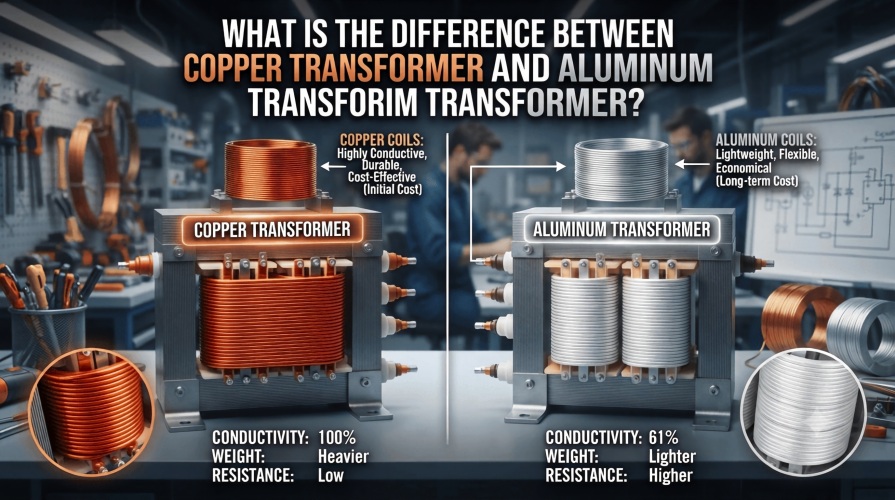
Copper vs Aluminum Transformer at a Glance
A copper transformer uses copper windings in its coils, while an aluminum transformer uses aluminum windings. That sounds simple, but the winding material directly affects conductivity, efficiency, size, heat behavior, installation practice, maintenance risk, and long-term ownership cost.
If you want the shortest possible answer, here it is: copper windings usually deliver better electrical performance, higher mechanical strength, and lower loss at a given conductor size, while aluminum windings usually reduce upfront cost and weight but often require larger cross-sections and closer attention to joint quality.
Copper Winding Transformer vs Aluminum Winding Transformer
In a direct copper winding transformer vs aluminum winding transformer comparison, copper has higher conductivity, so it can carry the same current with a smaller conductor. Aluminum is lighter and cheaper, but it needs more conductor volume to achieve similar electrical performance.
In practical buying terms, the difference between copper and aluminum transformers usually comes down to six factors: conductivity, size, efficiency, cost, weight, and maintenance sensitivity. Copper often wins on efficiency and robustness. Aluminum often wins on initial price and lower mass.
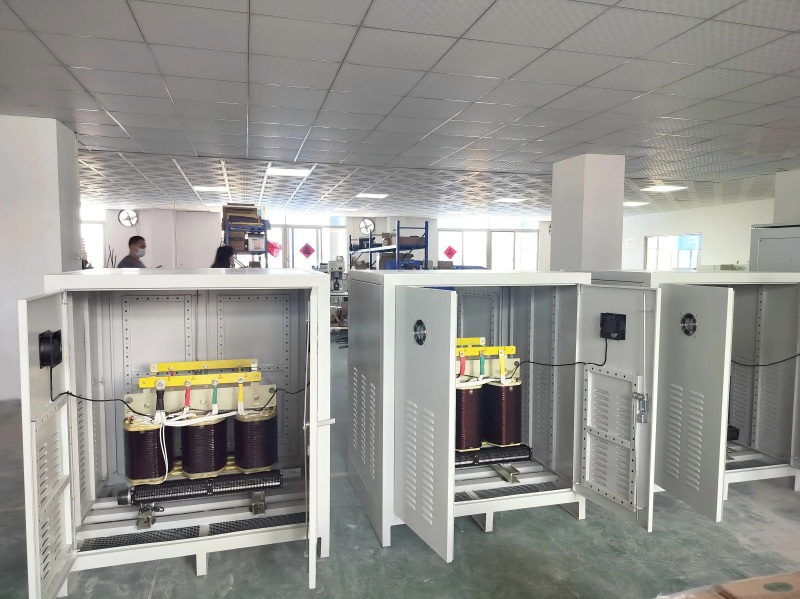
Why Choosing the Wrong Transformer Material Becomes a Costly Problem
Many buyers focus too much on purchase price and too little on how a transformer behaves over 10 to 25 years. That is where the real money is made or lost.
Winding material changes load loss, connection reliability, fault tolerance, enclosure design, and even downtime risk. In high-duty applications, a small mistake in transformer selection can cost far more than the initial savings.
For example, if a lower-cost transformer runs hotter, loses more energy, or develops connection issues under repeated thermal cycling, the owner may pay more through electricity bills, maintenance visits, and production interruptions. That is why a serious transformer winding material comparison is not optional.
Where Buyers Commonly Get Confused
The biggest misunderstanding is this: lower upfront price does not automatically mean lower total project cost. A cheaper transformer can become more expensive if its losses are higher and the installation requires larger conductors, larger terminations, or more frequent service work.
Another common confusion is assuming all copper and all aluminum transformers perform the same. They do not. Core design, conductor geometry, cooling method, load profile, and manufacturer quality all matter. Still, winding material remains a major decision variable.
Why Transformer Winding Material Comparison Matters in Real Projects
For utilities, the issue is long service life, loss capitalization, and network reliability. A transformer that saves even a small amount of loss across thousands of operating hours can have a measurable system-level impact.
For factories, winding choice affects fault tolerance, uptime, and heat performance under heavy cyclic loads. A production line does not care that the transformer was cheaper if an outage costs tens of thousands of dollars per hour.
For commercial buildings, space, noise, maintenance access, and energy cost matter. For solar plants and backup power systems, thermal cycling and fluctuating loading make connection quality and winding stability especially important.
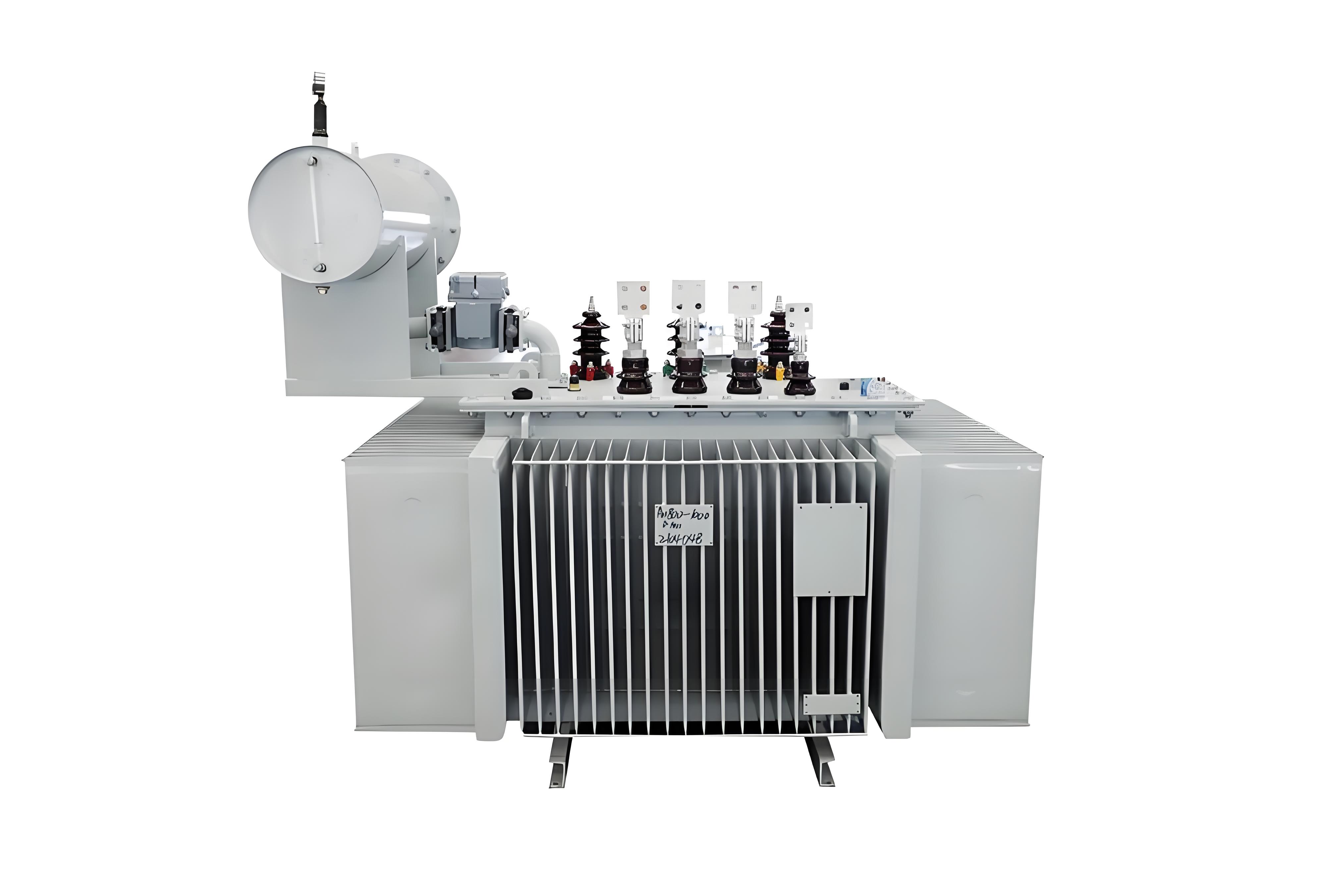
Difference Between Copper and Aluminum Transformers
This is the core question buyers search for, and the answer should be direct: copper and aluminum transformers differ mainly in conductivity, conductor size requirement, weight, efficiency, thermal behavior, mechanical strength, oxidation behavior, and long-term service characteristics.
Electrical Conductivity and Current Carrying Capacity
Copper is a significantly better electrical conductor than aluminum. In standard engineering terms, copper is used as the reference at 100% IACS, while aluminum is around 61% IACS.
That means an aluminum winding needs a larger cross-sectional area to carry the same current with similar resistance. This is one of the most important facts in any copper winding transformer vs aluminum winding transformer decision.
In practical design, engineers can compensate for lower aluminum conductivity by increasing conductor size. So aluminum transformers can absolutely be built to perform well. But that performance usually requires more conductor volume and careful design balancing.
Transformer Size and Weight
Aluminum is much lighter than copper. Its density is roughly 2.70 g/cm³, while copper is about 8.96 g/cm³.
Even though aluminum needs more cross-sectional area, it is still often lighter overall. This makes aluminum attractive where transportation, rooftop loading, or handling weight matters.
However, because aluminum requires more volume for equivalent conductivity, transformer windings and related structural design may need adjustments. So the final transformer is not always smaller just because aluminum is used. In fact, copper often supports more compact winding design.
Efficiency and Energy Loss
When people ask about copper vs aluminum transformer efficiency, they are really asking about resistance, load loss, and how the unit behaves under actual operating load.
All else equal, copper’s lower resistivity helps reduce I²R losses. Lower winding resistance generally means lower load loss, less heat generation, and slightly better efficiency.
In reality, manufacturers can redesign an aluminum transformer to narrow the gap. But if you compare two units under similar design constraints, copper often has the edge in efficiency, especially under sustained load.
This matters because a transformer runs for years, not days. A modest annual loss difference multiplied by thousands of operating hours can create a meaningful lifecycle cost gap.
Heat Resistance and Thermal Performance
Heat is a transformer killer. Not dramatic at first, but relentless over time.
Higher resistance creates more heat under load. Since copper usually offers lower resistance for a given conductor size, it often supports better thermal performance, especially in compact or high-duty applications.
Aluminum also has a higher coefficient of thermal expansion than copper. That means it expands and contracts more during heating and cooling cycles. Over time, this can place additional stress on joints and terminations if the design or installation is not done well.
Insulation life is strongly tied to operating temperature. A commonly cited industry rule of thumb is that every 6°C to 8°C rise above design temperature can significantly reduce insulation life, depending on insulation class and standards used. That is why thermal margin matters far more than many buyers realize.
Mechanical Strength and Short-Circuit Withstand Capability
Copper generally offers higher tensile strength and better mechanical durability. This matters in real fault events, not just in datasheets.
During a short circuit, electromagnetic forces inside the winding can be severe. Stronger winding material and robust support structures help the transformer survive these stresses without deformation or damage.
That is one reason copper is often preferred in applications where fault current exposure, repeated inrush, or high mechanical stress is expected. Aluminum designs can also be reliable, but they are more design-dependent in this area.
Corrosion, Oxidation, and Joint Reliability
One of the most important service issues with aluminum is oxidation. Aluminum naturally forms an oxide layer on its surface, and that oxide layer is electrically resistive.
If joints, lugs, and terminations are not prepared correctly, contact resistance can increase. Increased resistance means more local heating, and that can snowball into connection failure.
Copper also oxidizes, but its contact behavior is generally less problematic in power connections. This is why the difference between copper and aluminum transformers is not only about conductor performance inside the coil; it is also about what happens at every termination point during years of field operation.
Proper aluminum terminations usually require correct connector selection, surface preparation, torque control, and anti-oxidation compounds where specified. When done right, aluminum can be dependable. When done poorly, it can become a headache.
Maintenance and Repair Considerations
From a maintenance perspective, copper transformers are often less sensitive at connection points. They still need inspection, but they generally present fewer termination-related concerns over time.
Aluminum transformers often benefit from more disciplined inspection routines, especially where thermal cycling is frequent. Loose joints, oxidation at connectors, and uneven contact pressure are the areas maintenance teams watch most closely.
Repair and rewinding economics also differ by market. In some regions, copper rewinding is more familiar to service shops. In others, replacement rather than rewind is common. The point is simple: service support capability in your local market should influence the material choice.
Lifespan and Reliability
A well-designed aluminum transformer can last a long time. A poorly designed copper transformer can fail early. Material alone does not guarantee quality.
That said, under demanding service conditions, copper often provides a wider reliability margin because of its better conductivity, stronger mechanical behavior, and lower sensitivity at electrical joints. In stable, well-controlled installations, aluminum can also deliver long service life.
So if your question is whether one always lasts longer, the honest answer is no. But if your project involves harsh duty cycles, limited maintenance access, or critical uptime requirements, copper usually reduces risk.
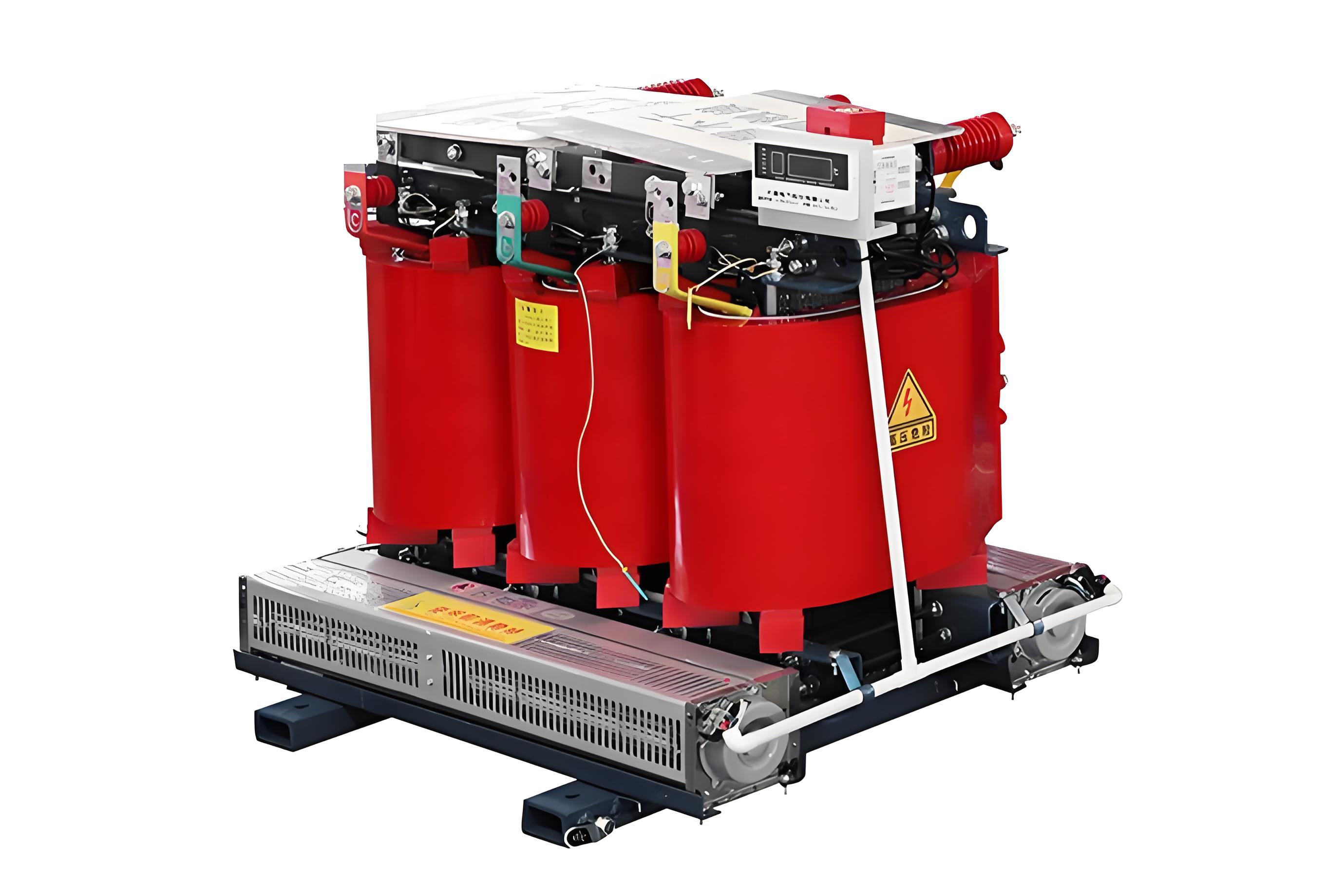
Copper and Aluminum Transformer Cost and Performance Comparison
Buyers rarely choose by engineering criteria alone. They choose by the combination of engineering, budget, operating cost, and risk tolerance. That is why a serious look at copper and aluminum transformer cost and performance is essential.
Initial Material Cost
Aluminum usually costs less than copper as a raw material. That cost difference is the main reason aluminum winding transformers often have a lower selling price.
Commodity markets move, so the exact gap changes over time. But in general, aluminum gives manufacturers a cost advantage on winding material, especially in price-sensitive segments.
That lower purchase cost is real. It should not be dismissed. The mistake is stopping the analysis there.
Installation and Design Cost
An aluminum transformer may require larger conductor sections, different lug arrangements, or more careful connector selection. In some projects, those factors add little. In others, they change the installed cost noticeably.
Enclosure dimensions, cable bending space, busbar layout, and termination hardware can also influence final project cost. If floor space is tight, a more compact copper design may save money elsewhere in the installation.
It is common for procurement teams to compare transformer invoice prices without fully evaluating these secondary costs. That can distort the decision.
Operating Cost Over Time
Operating cost comes mainly from no-load loss and load loss. Winding material mostly affects load loss.
If an aluminum design has slightly higher winding resistance, annual energy loss can be higher, especially in applications with sustained loading. The actual cost impact depends on average load factor, annual operating hours, and electricity price.
For example, a difference of only 0.5 kW in average effective load loss translates to:
0.5 kW × 8,760 hours = 4,380 kWh/year
At $0.12/kWh, that equals $525.60/year
Over 10 years, that becomes $5,256, without escalation
That is why copper vs aluminum transformer efficiency is not a theoretical question. It directly affects operating budgets.
Total Cost of Ownership
Total cost of ownership includes capital cost, loss cost, maintenance cost, downtime exposure, and replacement risk. For critical infrastructure, downtime risk may outweigh all other categories.
Over 10 to 25 years, copper often becomes more competitive than its purchase price suggests. Aluminum often remains attractive when budgets are tight, weight matters, and maintenance practices are strong.
The right answer depends on your load profile and your cost of failure. That is the adult version of the decision, and it is the one experienced engineers actually use.
Transformer Winding Material Comparison Table
Table: Copper Winding Transformer vs Aluminum Winding Transformer
| FACTOR | COPPER WINDING TRANSFORMER | ALUMINUM WINDING TRANSFORMER |
|---|---|---|
| Conductivity | Higher | Lower |
| Required conductor size | Smaller | Larger |
| Weight | Heavier | Lighter |
| Upfront cost | Higher | Lower |
| Efficiency | Typically higher | Typically lower at same design target |
| Mechanical strength | Better | Lower than copper |
| Short-circuit performance | Stronger | More design-dependent |
| Oxidation behavior | Lower connection risk | Higher if joints are poor |
| Maintenance sensitivity | Lower | Higher at terminations |
| Common use cases | Critical loads, compact designs | Cost-sensitive, weight-sensitive projects |
Real-World Data and Example Calculations
Decision-makers do not need vague claims. They need numbers that connect design differences to money, performance, and risk.
The examples below are simplified but realistic enough to guide first-stage selection. Final decisions should always be based on actual manufacturer test data, applicable IEC or IEEE standards, site temperature, harmonics, and loading conditions.
Example: 1000 kVA Distribution Transformer Comparison
Consider a 1000 kVA three-phase distribution transformer in a commercial or light industrial facility. Assume both versions meet the same voltage ratio and insulation requirements, but the aluminum design has slightly higher load loss due to higher effective winding resistance.
Let us use a practical scenario:
Rated capacity: 1000 kVA
Average load factor: 60%
Operating hours: 8,760 hours/year
Electricity cost: $0.12/kWh
Difference in effective average loss cost impact: about 0.45 kW
Annual extra energy consumed by the higher-loss unit:
0.45 kW × 8,760 = 3,942 kWh/year
3,942 × $0.12 = $473.04/year
That number may look small at first glance. But over 15 years, without any rise in energy prices, it becomes:
$473.04 × 15 = $7,095.60
Now add even one extra service intervention for hot terminations or connection retorque, and the apparent savings can disappear. This is exactly why experienced buyers do not reduce the decision to raw material cost alone.
In utility procurement, utilities often monetize losses through capitalization formulas. In those models, even a small difference in guaranteed losses can materially change the acceptable bid price. That is a real-world purchasing behavior, not a theoretical one.
Example: Material Conductivity Data Table
Basic material properties explain most of the performance differences discussed above. The values below are common engineering reference points.
Copper vs Aluminum Material Properties
| PROPERTY | COPPER | ALUMINUM |
|---|---|---|
| Electrical conductivity (% IACS) | 100 | ~61 |
| Relative resistivity impact | Lower | Higher |
| Density (g/cm³) | 8.96 | 2.70 |
| Tensile strength (general trend) | Higher | Lower |
| Thermal expansion | Lower | Higher |
| Oxide layer conductivity | Better contact behavior | Oxide layer can increase contact resistance |
These numbers support the key points in any transformer winding material comparison. Copper’s conductivity advantage helps electrical performance. Aluminum’s lower density helps with weight. The trade-off is straightforward, but the consequences can be significant in the field.
Example: Lifecycle Cost Scenario Table
Below is a simplified 10-year ownership example for a commercial installation. The figures are illustrative, but the logic matches how engineers and facility owners evaluate real assets.
Sample 10-Year Cost Comparison for a Commercial Installation
| COST ELEMENT | COPPER TRANSFORMER | ALUMINUM TRANSFORMER |
|---|---|---|
| Purchase price | $28,000 | $24,000 |
| Estimated annual loss cost | $3,200 | $3,650 |
| 10-year energy loss cost | $32,000 | $36,500 |
| Estimated maintenance/connection cost | $2,000 | $3,500 |
| Total 10-year estimated cost | $62,000 | $64,000 |
This table illustrates a reality many procurement teams discover late: the lower-cost transformer is not always the lower-cost asset. In this example, aluminum saves $4,000 at purchase but ends up costing $2,000 more over 10 years.
Of course, if electricity prices are lower, load is lighter, or the aluminum design is especially optimized, the conclusion can change. But the method of comparison should stay the same.
Manufacturers such as Weisho Electric and other experienced transformer suppliers often guide buyers through exactly this kind of lifecycle analysis because it leads to better-fit equipment and fewer disputes after installation.
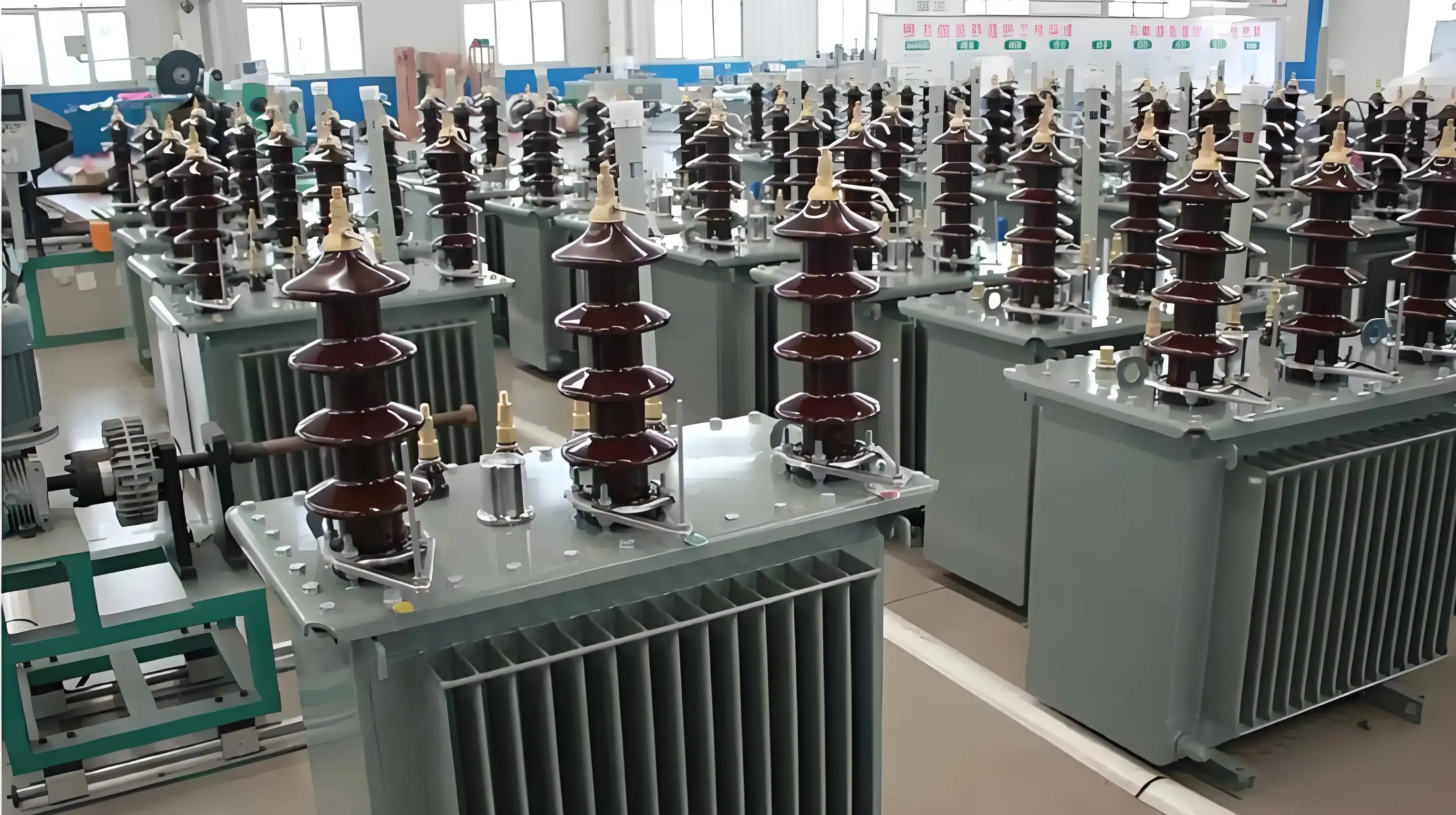
Which Is Better: Copper or Aluminum Transformer?
The honest answer is not one word. Copper is usually better when efficiency, compactness, fault durability, and long-term reliability matter most. Aluminum is usually better when lower upfront cost and lower weight are top priorities.
So the better choice depends on what problem you are really trying to solve.
Choose Copper Transformers When Efficiency and Reliability Matter Most
Choose copper when the transformer serves critical loads, operates under high duty cycles, or sits in a location where failure is expensive and maintenance access is limited.
Copper is also the safer choice when space is tight and thermal margin matters. Its higher conductivity and smaller required conductor size often support compact, durable designs.
Typical cases include:
Industrial plants with continuous operation
Data-sensitive facilities and critical commercial loads
Hospitals and infrastructure systems
Installations with high fault current exposure
Projects where lifecycle energy cost matters more than first cost
Choose Aluminum Transformers When Lower Upfront Cost and Lighter Weight Matter
Choose aluminum when the project is highly budget-sensitive, weight reduction is important, and the installation team can ensure high-quality terminations and periodic inspections.
Aluminum can be a smart choice for many commercial and utility applications, especially where loading is moderate and maintenance practices are disciplined. The key is not to treat aluminum as “cheap and simple.” It still needs competent engineering.
Typical cases include:
Budget-driven commercial developments
Applications where shipping and handling weight matters
Projects with well-controlled installation quality
Sites with planned preventive maintenance
Situations where capital budget is the main constraint
Best Choice by Application Type
Here is a practical application-based recommendation framework:
Industrial plants: Usually copper, because uptime, thermal performance, and fault tolerance matter.
Commercial buildings: Either can work; copper for premium reliability, aluminum for budget-controlled projects with proper terminations.
Utilities: Depends on loss capitalization, standards, and fleet strategy; both are used, but long-term economics drive the decision.
Solar farms: Often project-specific; thermal cycling and outdoor connection reliability should be evaluated carefully.
Temporary installations: Aluminum can be attractive if lower weight and lower initial cost are priorities.
Backup power systems: Copper is often favored where emergency performance must be dependable without compromise.
That is usually the most useful answer to “which is better.” Not ideology. Application fit.
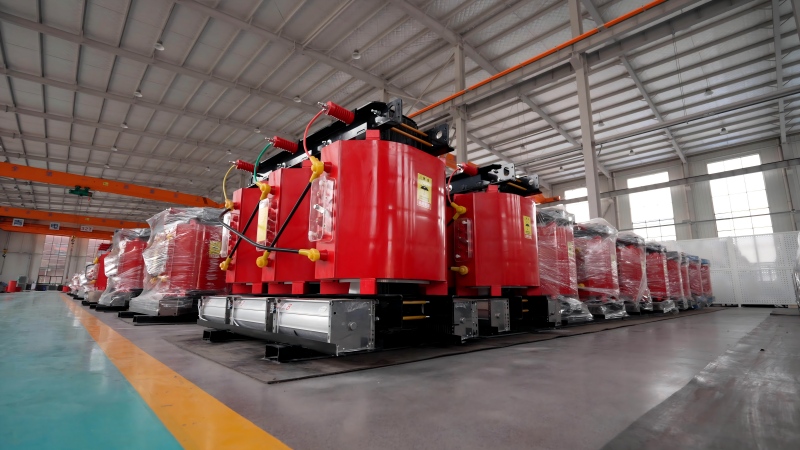
Pros and Cons of Copper and Aluminum Transformers
Below is the balanced summary buyers actually need. No hype, just trade-offs.
Copper Transformer Advantages and Disadvantages
Advantages of copper transformers:
Higher electrical conductivity
Smaller conductor size for the same current
Typically better efficiency
Better mechanical strength
Stronger short-circuit withstand capability
Lower connection sensitivity
Often better long-term reliability in demanding service
Well-suited for compact, high-performance designs
Disadvantages of copper transformers:
Higher upfront material cost
Heavier than aluminum designs
May increase purchase budget in price-sensitive projects
Aluminum Transformer Advantages and Disadvantages
Advantages of aluminum transformers:
Lower raw material cost
Usually lower purchase price
Lighter weight
Can perform well when properly designed
Useful for cost-sensitive and weight-sensitive applications
Disadvantages of aluminum transformers:
Lower conductivity
Larger conductor size required
Often more sensitive at joints and terminations
Higher oxidation-related connection risk if installation is poor
Mechanical performance is generally lower than copper
Lifecycle cost can exceed copper in high-use applications
FAQ
What is the main difference between copper and aluminum transformers?
The main difference is the winding material’s conductivity and physical behavior. Copper has higher conductivity, better mechanical strength, and usually better efficiency, while aluminum is lighter and cheaper but often needs a larger conductor size and more careful connection management.
Which transformer is more efficient, copper or aluminum?
In many comparable designs, copper is more efficient because it has lower resistance and lower load loss. However, actual efficiency depends on the full transformer design, not only the metal, so a well-engineered aluminum transformer can still perform well.
Why are aluminum transformers usually cheaper?
Aluminum transformers are usually cheaper because aluminum costs less than copper as a raw material. That lower material cost often reduces the selling price, although the final project cost may still depend on installation, losses, and maintenance.
Do aluminum winding transformers last as long as copper winding transformers?
They can, if the design quality is high, loading is appropriate, and installation and maintenance are done correctly. In harsher operating conditions or where connection quality is inconsistent, copper often provides a stronger long-term reliability margin.
Is a copper winding transformer better for industrial use?
Yes, in many industrial settings copper is the preferred option because it handles high load, thermal stress, and fault forces more confidently. For facilities where downtime is expensive, copper is often the safer investment.
Can aluminum transformers be reliable in commercial buildings?
Yes, aluminum transformers can be reliable in commercial buildings when the unit is properly designed and installed with suitable connectors, correct torque, and periodic inspection. Reliability problems usually come from poor termination practice, not from aluminum alone.
How does transformer winding material affect maintenance?
Winding material affects connection stability, oxidation behavior, and inspection needs. Copper generally requires less attention at terminations, while aluminum usually demands stricter control of contact surfaces, connector quality, and thermal cycling effects over time.
Which is better for total cost of ownership: copper or aluminum?
Copper is often better for total cost of ownership in high-load or long-life applications because lower losses and lower maintenance sensitivity can offset its higher purchase price. Aluminum can still be the better financial choice when first cost is critical and operating conditions are less demanding.
Final Verdict on Copper vs Aluminum Transformer
If you want the cleanest bottom line, here it is: choose copper when you value efficiency, compact size, fault strength, and long-term reliability. Choose aluminum when you need lower upfront cost and lighter weight, and you can control installation quality and maintenance discipline.
The best buying decision is not based on material bias. It is based on load profile, project budget, maintenance capability, available space, and cost of failure.
For high-duty industrial systems, critical infrastructure, and long operating life, copper usually justifies its premium. For cost-sensitive commercial projects and some utility applications, aluminum can be entirely rational if the design is solid and the connections are treated with respect.
If you are comparing quotations, ask for more than nameplate kVA and price. Ask for load loss data, termination details, thermal rise, short-circuit withstand design, warranty terms, and estimated lifecycle cost. That is how professionals separate a cheap bid from a smart investment.
Experienced suppliers, including Weisho Electric, understand that the real question is not “Which metal is better in theory?” but “Which transformer is better for this exact project?” That is the question worth paying attention to.
CTA
Do not choose your transformer by upfront price alone. Compare the full specification, evaluate efficiency and loss cost, check termination design, and match the winding material to your actual duty cycle.
Request a transformer selection consultation today if you are deciding between copper and aluminum windings for an industrial plant, commercial building, utility project, solar installation, or backup power system.
Get a quote based on your load, voltage, installation space, and budget, and make the decision with real engineering numbers behind it. The right transformer will save you money for years. The wrong one will remind you of the mistake every month.