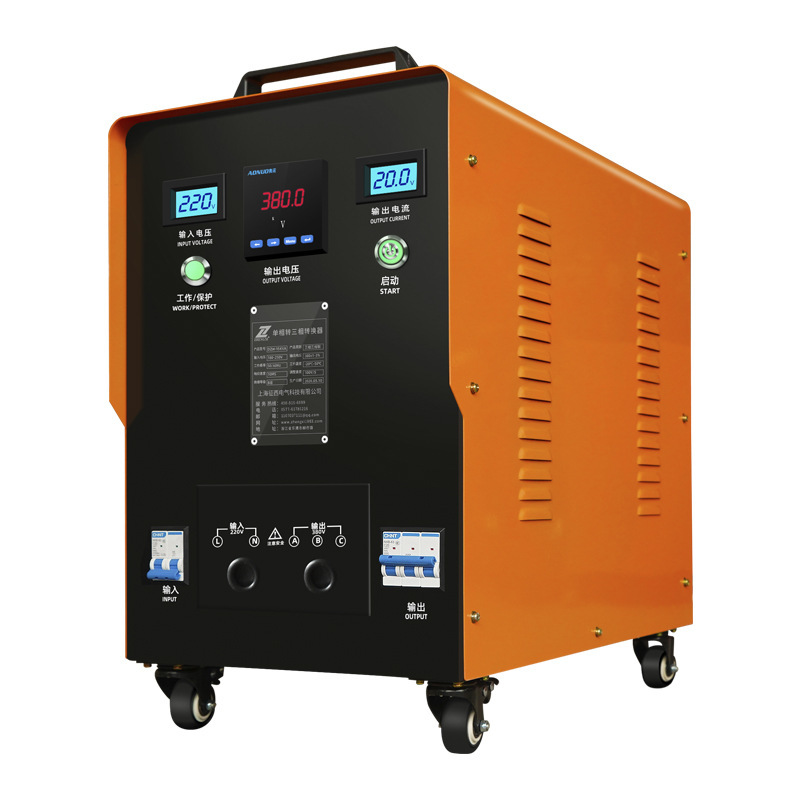
Here is the short answer most people get wrong: a standard single phase to three phase transformer does not actually create true three-phase power.
It can change voltage very efficiently, but it cannot create the missing phase angles that define real three-phase electricity. That is why so many buyers end up confused by product names, forum advice, and vague sales language.
The Short Answer Most People Get Wrong
Many people search for a single phase to three phase transformer because they have a 240V single-phase service and need to run a 208V or 480V three-phase machine.
The surprise is simple: a transformer changes voltage, not the number of phases. If you start with single-phase power, a transformer alone cannot directly output true three-phase power.
This matters in the real world because the wrong purchase can cost thousands of dollars, delay production, and even damage motors or controls.
The Real Problem: Why People Need Three-Phase Power from Single-Phase Supply
The need is extremely common. Many homes, farms, rural buildings, and small commercial sites only have single-phase utility service.
Yet the equipment people want to run is often three-phase because three-phase motors are more efficient, smoother, and better suited for demanding work.
Home workshops with CNC routers, lathes, and mills
Small factories with machine tools
Farms with irrigation pumps and grain equipment
HVAC systems with three-phase compressors
Commercial refrigeration and process equipment
Water pumps, air compressors, and conveyor systems
In North America, single-phase 240V service is very common in smaller buildings, while many industrial machines are built around 208V, 230V, 400V, or 480V three-phase power.
That gap is exactly why people search for single-phase to three-phase transformer conversion solutions.
Can a Transformer Create 3-Phase Power from Single-Phase?
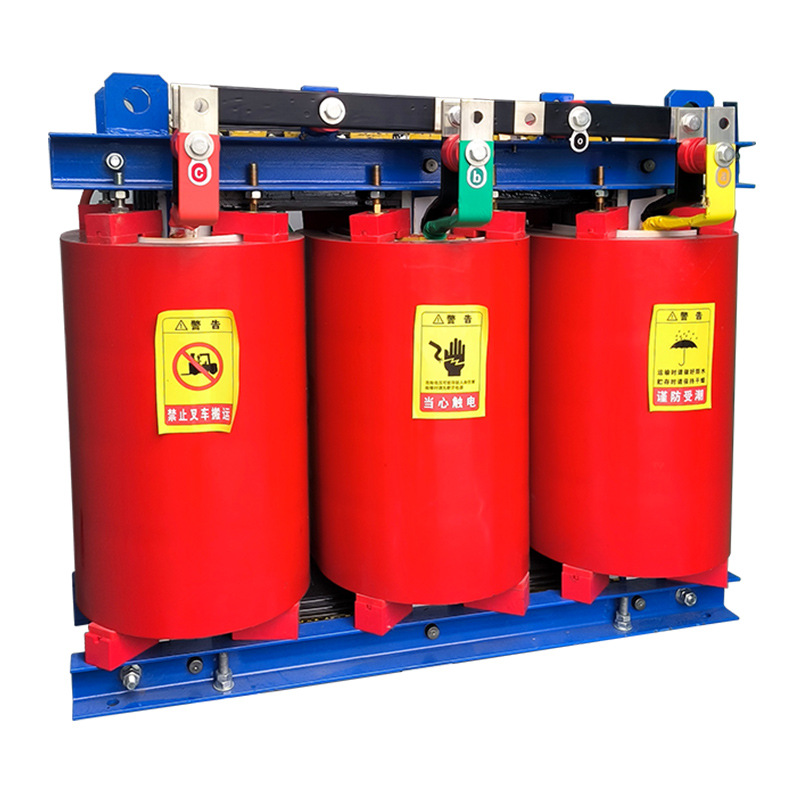
No. A transformer alone cannot create true three-phase power from a single-phase input.
If you need a featured-snippet version: a transformer can step voltage up or down, but it cannot generate the additional phase relationships needed for real three-phase output.
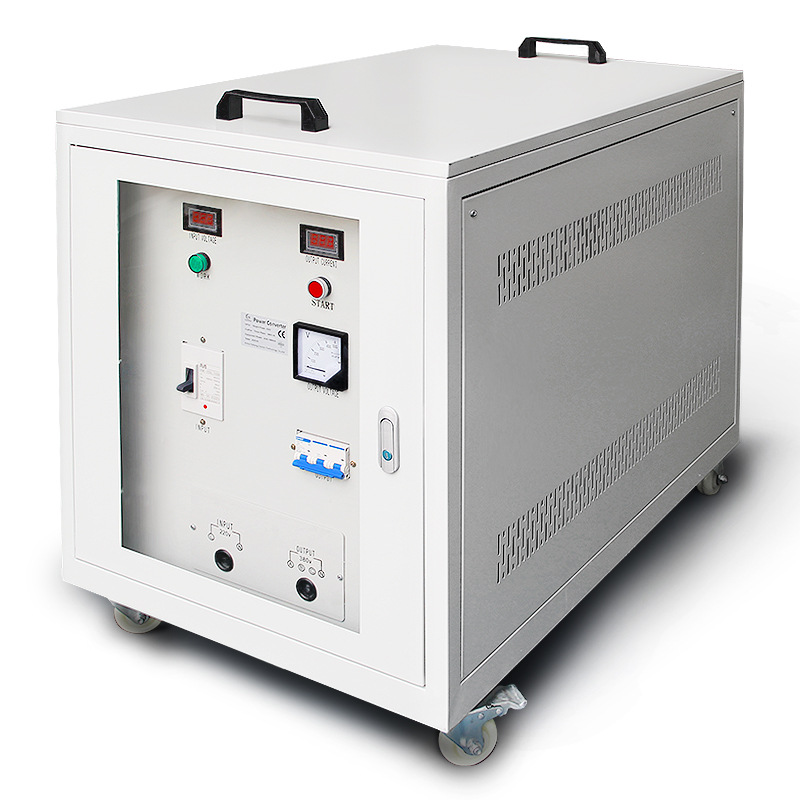
Why a Transformer Alone Cannot Convert Single-Phase to Three-Phase
A transformer works through electromagnetic induction. AC in one winding creates a changing magnetic field, which induces AC voltage in another winding.
That process is excellent for voltage conversion. It is not a method for inventing new phase angles from nowhere.
True three-phase power consists of three AC waveforms separated by 120 electrical degrees. A single-phase source provides only one alternating waveform.
Without an additional electronic or electromechanical conversion process, there is no source for the other two properly spaced phases.
So when people ask, can a transformer create 3-phase power from single-phase, the technically correct answer is no.
Key principle: Transformers transfer AC power and change voltage ratios. They do not synthesize missing phases.
What a Transformer Can Do in Single-Phase to Three-Phase Systems
This does not mean transformers are unimportant. In many systems, they are necessary.
A transformer may be used before or after phase conversion to match the voltage that the converter or the load requires.
Step 240V single-phase up to a needed input voltage for a conversion system
Step converted power to 208V, 400V, or 480V three-phase for the load
Provide isolation in some system designs
Help align equipment voltage with motor or control requirements
For example, a workshop may have 240V single-phase service but need to operate a 480V three-phase machine. In that case, the complete solution may include a phase-conversion device and a step-up transformer.
This is where specialized suppliers become important. Weisho Electric is often relevant in these applications because voltage matching is a real issue, especially where users need a 240v single phase to 208v 480v three phase step up transformer as part of a larger, properly engineered system.
What Actually Works Instead of a Single-Phase Input Three-Phase Output Transformer
When people search for a single-phase input three-phase output transformer, they are usually looking for one of four real technologies.
Rotary phase converter
Static phase converter
Variable frequency drive (VFD)
Digital phase converter
These are the actual tools that create or synthesize usable three-phase output from a single-phase source.
Rotary Phase Converter vs Transformer for Three-Phase
A rotary phase converter uses an idler motor and control components to generate a third phase. It is one of the most established ways to convert single-phase power into three-phase power.
Unlike a transformer, it does not merely change voltage. It creates a usable three-phase output that can run multiple motors and mixed shop equipment.
Rotary phase converters are especially common in:
Machine shops
Woodworking facilities
Agricultural pump installations
Sites with several motor loads
In practice, well-designed rotary systems can deliver roughly 85% to 95% effective efficiency, depending on loading, balance, and equipment quality.
They are often favored when one converter must serve several machines over the course of a day.
Static Phase Converter vs Transformer for Three-Phase
A static phase converter is much simpler. It helps a three-phase motor start from a single-phase supply, but after startup the motor usually runs on an imbalanced condition.
That is why a static converter is not the same as true continuous three-phase generation.
Static converters can work for light-duty applications, but motor output commonly drops. Real-world performance often lands around 60% to 80% of full motor capability.
For demanding applications, that limitation is significant.
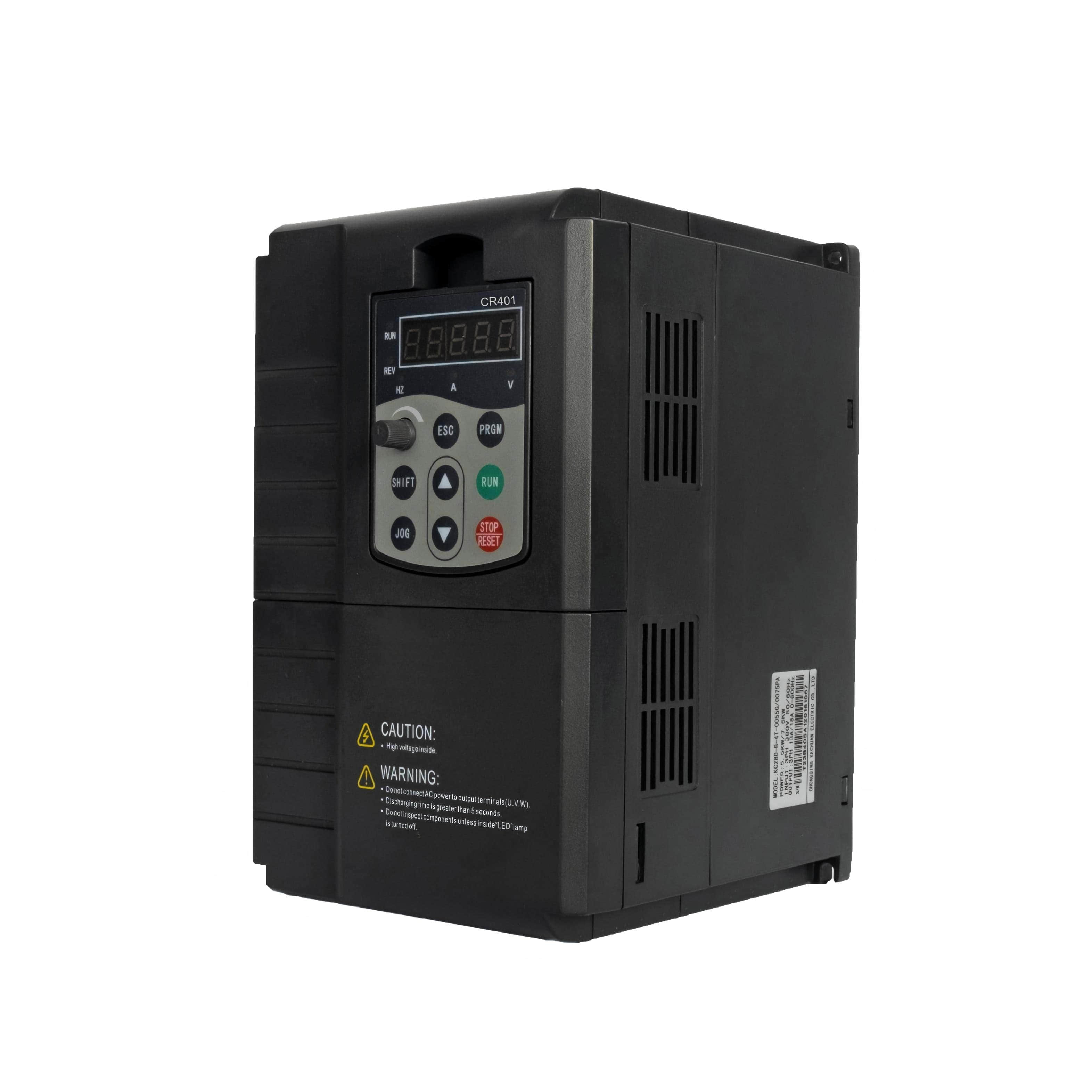
Variable Frequency Drive (VFD) for Three-Phase Power from Single-Phase Supply
A VFD is often the smartest option for a single compatible motor. It electronically rectifies incoming AC power to DC and then inverts it into controlled three-phase output.
That means a VFD can provide both phase conversion and speed control.
In many modern installations, a VFD is the most efficient answer to the question of whether a transformer can create 3-phase power from single-phase. The transformer cannot, but the VFD can synthesize the needed three-phase output electronically.
VFDs are especially attractive for:
CNC equipment
Pumps and fans
Single machine tools
Compressors with compatible controls
Well-matched VFD systems often achieve 90% to 98% efficiency. They also reduce mechanical stress through soft starting and can improve energy use in variable-speed applications.
Digital Phase Converter as an Advanced Alternative
A digital phase converter is a more advanced solution that electronically controls the manufactured phase to improve balance.
Compared with basic rotary systems, digital converters often provide better voltage symmetry, which can matter for sensitive controls and mixed loads.
They are often used where equipment quality, motor life, and performance consistency matter more than lowest upfront cost.
Typical effective performance ranges are around 92% to 98%, depending on system design and the type of load.
Single-Phase to Three-Phase Transformer Conversion: Common Misunderstandings
The term single-phase to three-phase transformer conversion is widely used, but often inaccurately.
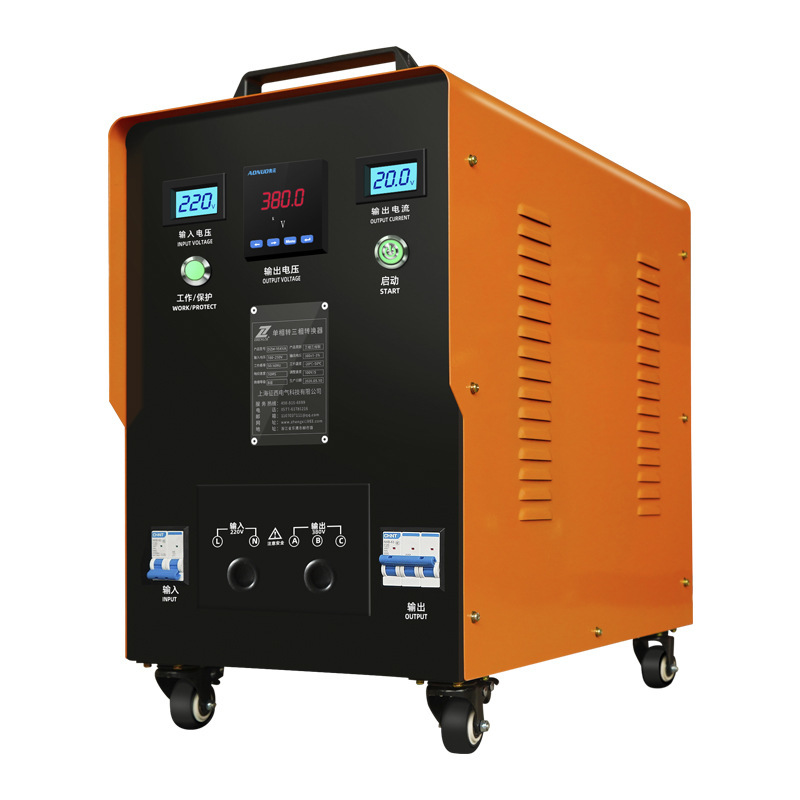
In many cases, it refers to a complete power-conversion setup that includes:
A phase converter or VFD
A transformer for voltage adjustment
Protection devices
Disconnects and overcurrent control
Proper wiring and grounding
So when you see a product described as a single phase to three phase transformer, read carefully. The phrase may be shorthand for a broader integrated conversion package.
This marketing confusion is one of the biggest reasons buyers ask whether can a transformer create 3-phase power from single-phase. The name suggests yes, but the physics says no.
Real-World Examples of Three-Phase Power from Single-Phase Supply
Let us look at realistic applications. These examples show how actual engineers and electricians choose the right approach.
Home CNC Workshop
A small garage shop has 240V single-phase utility service and one CNC mill with a 5 HP three-phase spindle motor.
In this case, a VFD is often the best answer. It can run the single motor efficiently, provide speed control, and avoid the complexity of a larger converter system.
If the machine voltage must be adjusted, a transformer may be added to the system, but it is not the device creating three-phase output.
Agricultural Irrigation Pump
A farm has only rural single-phase service but needs to run a large three-phase pump motor during irrigation season.
For this kind of heavy motor load, a rotary phase converter is often the practical choice. It handles motor starting demands better than a light static solution and can be robust in tough environments.
Small Commercial Machine Shop
A repair shop has several machines: a lathe, mill, air compressor, and coolant pump systems. The building has only 240V single-phase power.
Running multiple loads from separate VFDs can work in some cases, but a rotary or digital phase converter is often more practical for the whole shop.
If some machines require different voltages, a transformer may be included downstream. This is where a specialized product such as a 240v single phase to 208v 480v three phase step up transformer becomes highly relevant within the broader conversion architecture.
Commercial HVAC or Refrigeration Setup
A small building has single-phase service but uses a compressor or blower package designed around a three-phase motor.
The best solution depends on the motor design and control board compatibility. Some systems work well with a VFD, while others need a more carefully engineered converter-plus-transformer arrangement.
This is another reason careful specification matters more than relying on a vague label like single-phase input three-phase output transformer.
Data Table: Transformer vs Phase Converter vs VFD
| OPTION | CREATES TRUE 3-PHASE? | MAIN USE | EFFICIENCY RANGE | TYPICAL COST RANGE | BEST FOR |
|---|---|---|---|---|---|
| Standard Transformer | No | Voltage step-up/step-down | 95–98% | Low to medium | Voltage matching only |
| Static Phase Converter | Partial | Motor starting | 60–80% effective motor performance | Low | Light-duty loads |
| Rotary Phase Converter | Yes (generated) | Multiple motor loads | 85–95% | Medium to high | Shops and mixed equipment |
| VFD | Yes (electronic output) | Speed control + motor operation | 90–98% | Low to medium | Single motor applications |
| Digital Phase Converter | Yes | Balanced power generation | 92–98% | High | Sensitive or varied loads |
The table shows why the phrase phase converter vs transformer for three-phase matters. They are not competing versions of the same device.
A transformer is primarily about voltage. A phase converter or VFD is about phase creation or synthesis.
Data Table: Real-World Use Cases and Recommended Solution
| APPLICATION | AVAILABLE SUPPLY | REQUIRED EQUIPMENT | RECOMMENDED SOLUTION | REASON |
|---|---|---|---|---|
| Home workshop CNC | Single-phase 240V | 3-phase motor machine | VFD | Efficient for one machine |
| Farm irrigation pump | Single-phase rural service | Large 3-phase motor | Rotary phase converter | Handles heavy motor loads |
| Small machine shop | Single-phase utility service | Multiple 3-phase machines | Rotary or digital phase converter | Supports several machines |
| HVAC/compressor unit | Single-phase building supply | 3-phase compressor motor | VFD or converter system | Depends on motor/control compatibility |
Real-World Data: Efficiency, Cost, and Performance Considerations
Actual market costs vary by horsepower, voltage, enclosure type, and regional labor rates. Still, broad real-world ranges are useful for planning.
For smaller systems around 3 HP to 10 HP:
VFDs are often the lowest total installed cost for one motor
Static converters are cheap upfront but weaker in motor performance
Rotary converters cost more but support multiple machines
Digital converters cost more initially but can provide better power quality
Typical equipment-only pricing in many markets often falls into ranges like these:
| EQUIPMENT TYPE | TYPICAL SMALL-SYSTEM RANGE | PERFORMANCE NOTE |
|---|---|---|
| Standard transformer | $300–$2,000+ | Depends on kVA rating and voltage class |
| Static phase converter | $150–$1,000+ | Lower performance under load |
| Rotary phase converter | $800–$5,000+ | Scales well for multi-machine setups |
| VFD | $200–$2,500+ | Very strong value for one compatible motor |
| Digital phase converter | $2,000–$8,000+ | Better balance and sensitive-load performance |
Installed costs can be significantly higher once wiring, breaker upgrades, disconnects, enclosures, line reactors, filters, and labor are included.
That is why focusing only on product price is risky. A cheaper converter that causes overheating, nuisance trips, or reduced motor output may cost more over time.
Real operating performance also depends on:
Motor starting torque requirements
Duty cycle
Ambient temperature
Voltage drop on long feeder runs
Harmonic sensitivity of the system
Whether one or many machines must be supported
How to Choose the Right Solution
The best choice depends less on buzzwords and more on the load profile.
Ask these five questions first:
Is this for one motor or multiple machines?
What is the exact motor horsepower and full-load current?
Do you need speed control?
Does the machine have sensitive electronics?
Do you also need voltage conversion, such as 240V to 208V or 480V?
Choose a VFD If
A VFD is usually the best fit when you have one compatible three-phase motor and want efficient electronic conversion.
One machine only
Variable speed is helpful
Soft start is beneficial
Energy efficiency matters
The motor and controls are VFD-compatible
This is one of the most common answers for home shops and dedicated pump or fan systems.
Choose a Rotary Phase Converter If
A rotary phase converter is often the better answer when you need to run multiple machines from a single source.
Several machines share the same service
Heavy-duty startup loads are expected
The environment is a traditional machine shop
You need proven practical flexibility
It is not as elegant as a VFD for one motor, but it is often more practical for a shop with changing loads.
Choose a Digital Phase Converter If
Digital conversion is a strong choice when phase balance and equipment sensitivity matter.
Mixed loads
More sensitive electronics
Need for better voltage balance
Willingness to pay more for higher power quality
This option is attractive for higher-value machinery where downtime is expensive.
Use a Transformer Only If
Use a transformer when the real issue is voltage mismatch, not phase creation.
You already have a converter or VFD
The equipment voltage must be stepped up or down
Isolation or distribution design requires it
The system engineer specifies it as part of the whole architecture
If your source is 240V single-phase and your equipment needs 208V or 480V three-phase after conversion, then a properly specified transformer may be essential.
This is where Weisho Electric stands out for users who specifically need a 240v single phase to 208v 480v three phase step up transformer integrated into a safe, correctly sized conversion solution.
Installation and Safety Considerations
This topic is not just about “what works.” It is also about what is safe, code-compliant, and reliable over years of operation.
Every installation should be reviewed by a licensed electrician or qualified electrical engineer, especially for industrial or agricultural equipment.
Critical factors include:
Correct sizing for motor inrush and continuous load
Overcurrent protection
Grounding and bonding
Short-circuit current rating
Motor insulation compatibility
Cooling and enclosure rating
Harmonics and line quality
Voltage drop and conductor sizing
Local code and utility requirements
VFD systems may need reactors, filters, or shielded cable depending on motor lead length and the surrounding equipment.
Rotary and digital converter systems must also be sized for the actual load mix, not just the largest motor nameplate.
Undersizing is one of the most common causes of poor performance in systems marketed casually as single-phase input three-phase output transformer solutions.
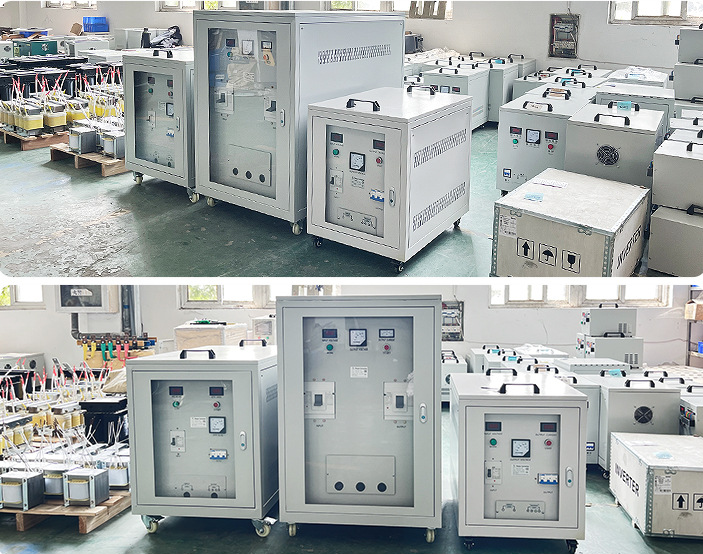
Featured Snippet Summary: Can a Transformer Convert Single-Phase to 3-Phase?
No. A transformer alone cannot convert single-phase power into true three-phase power. A transformer changes voltage, but it does not generate the additional 120-degree phase relationships required for three-phase output. To get three-phase power from a single-phase supply, you need a phase converter or a VFD, and sometimes a transformer is added for voltage matching.
FAQ
Can a transformer convert single-phase to 3-phase by itself?
No. A standard transformer alone cannot generate true three-phase output from a single-phase input. It can only transfer AC energy and change voltage.
Can a transformer create 3-phase power from single-phase if wired differently?
No. Special wiring does not create the missing 120-degree phase relationship required for true three-phase power. Wiring changes may alter voltage configuration, but not the fundamental phase count.
What is the difference between a phase converter vs transformer for three-phase?
A transformer changes voltage from one level to another. A phase converter generates or synthesizes additional phases so three-phase equipment can operate from a single-phase supply.
Is there a single-phase input three-phase output transformer available?
Products described that way are usually complete converter systems, or they use marketing shorthand. In technical terms, a transformer-only device does not create true three-phase power from single-phase input.
What is the best way to get three-phase power from single-phase supply?
The best option depends on the load. A VFD is often best for one compatible motor, while a rotary phase converter is usually better for multiple machines or heavier mixed loads.
Can a VFD replace a single-phase to three-phase transformer conversion setup?
In many single-motor applications, yes. A VFD can often be the simplest and most efficient solution, though a transformer may still be required if the voltage must be stepped up or down.
Is three-phase power from single-phase supply safe for industrial equipment?
Yes, it can be safe and reliable when the system is properly sized, correctly installed, and matched to the motor and controls. Professional design and installation are strongly recommended.
Need Help Choosing the Right Single-Phase to Three-Phase Solution?
Do not let the label single phase to three phase transformer mislead you into buying the wrong equipment.
Start with the real questions: your motor size, voltage, number of loads, starting torque, and whether you need speed control. Then compare VFDs, rotary converters, digital converters, and transformers based on actual system requirements.
If you need safe, cost-effective, and technically correct results, consult a qualified electrician or experienced equipment supplier before you buy.
For applications involving voltage matching as part of a complete conversion system, especially when you need a 240v single phase to 208v 480v three phase step up transformer, evaluate high-quality options carefully and specify the system around the actual load.
Take the next step now: review your machine nameplate, confirm your available power, and get expert guidance on the right conversion setup before installation.