Introduction
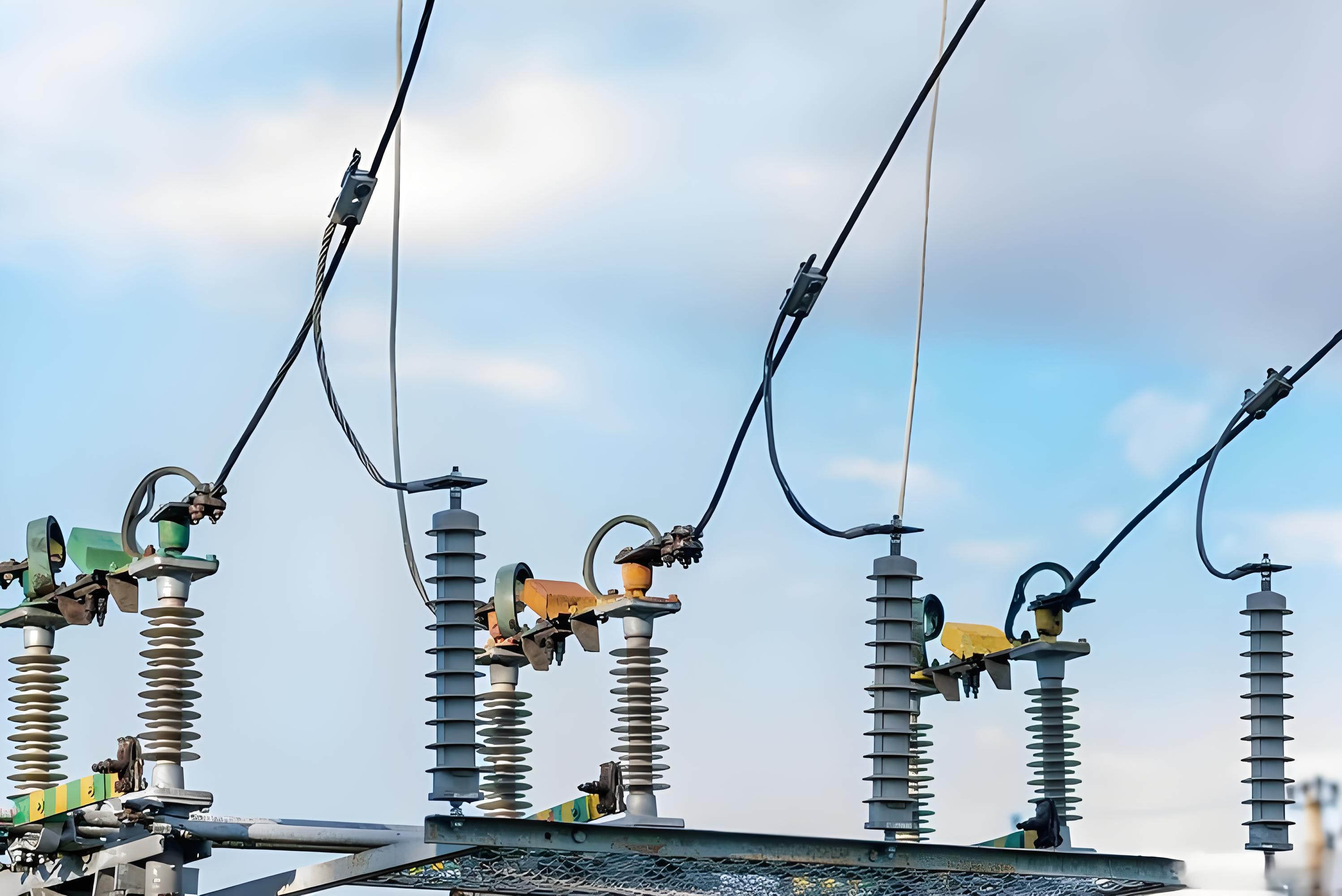
As an electrical engineer in power operations, few things are as frustrating as a circuit breaker that just won't close. This key "safety guard" in our electrical systems controls power flow. Its proper closure is vital for a stable supply.
When a breaker doesn't close, it disrupts daily life and production. It can also hide deeper electrical problems, which makes quick resolution essential.
With 12 years of hands-on experience at Weishoelec, I've seen countless such failures. My work has shown me the immense value of quickly diagnosing and fixing these issues; this helps keep the grid stable and safe.
This article draws on my real-world experience. It details the five main reasons a circuit breaker might refuse to close, along with practical solutions and preventive measures.
Why Your Circuit Breaker Won't Close: Causes and Solutions
Control Power Issues
Missing Power
Cause Analysis: A blown fuse in the control circuit is often the cause. This might happen due to a quick current surge or a short in other parts.
Tripped power switches, loose wiring, and broken lines also lead to a lack of power control. When the control coil doesn't receive power, the breaker simply can't close.
Solution: First, check the fuse in the control circuit. If it's blown, replace it immediately with the correct rating, then investigate any short-circuit risks in the circuit.
Check the power switch; if it’s tripped, reset it manually. Then, figure out why it tripped to stop it from happening again.
Thoroughly inspect all control wiring. Tighten any loose terminals and repair any breaks; this will ensure that connections are secure.
Prevention: Regularly assess the control circuit's load to ensure proper fuse sizing. Always use high-quality cables and terminals, checking them often to stop loose connections from cutting off the power supply.
Insufficient Voltage
Cause Analysis: If the control power voltage falls below 85% of the closing coil's rated voltage, the coil will struggle. This follows the IEC 62271-1 standard, which ensures reliable operation even with voltage changes.
Without enough voltage, the coil cannot produce sufficient electromagnetic force. This can't overcome the breaker's resistance, so it won't finish closing. Common reasons are a weak power supply or large voltage drops over long distances.
Solution: Use a multimeter to check the control power voltage. Make sure it doesn’t drop below 85% of the coil’s rating.
If the voltage is too low, think about swapping the power supply unit for a larger one. This will help meet the demand.
To fix voltage drop from long lines, shorten the line or upgrade to a thicker wire. Wide voltage fluctuations? Install a voltage stabilizer; it keeps your power steady.
Prevention: Always ensure you have enough control power capacity when designing your system. For long power runs, calculate the voltage drop and add an extra margin. In areas with frequent grid fluctuations, consider dedicated voltage stabilizers for control power.
Closing Circuit Faults
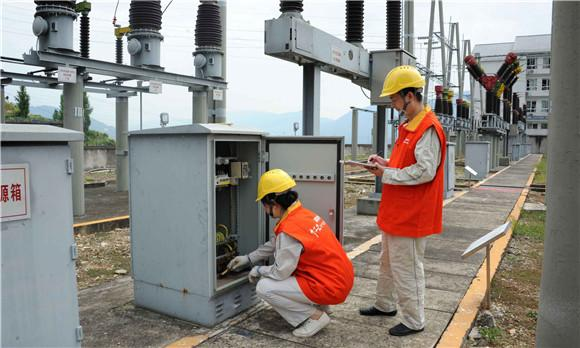
Closing Button Malfunction
Cause Analysis: Over time, the closing button's internal contacts can wear out or oxidize, leading to poor electrical contact.
When pressed, the button doesn’t close the circuit. This stops the closing command from getting to the coil.
Solution: Take apart the closing button. Check the contacts for any wear or oxidation.
If oxidized, gently buff the contact surfaces with fine sandpaper to remove the layer. Replace the button if it’s worn out and can’t be fixed; use the same model to make sure it works well when pressed.
Prevention: Opt for industrial-grade, high-durability closing buttons in your systems. Perform regular visual checks and functional tests on buttons, fixing any contact problems or sticking right away.
Relay Failure
Cause Analysis: Relays, such as auxiliary or anti-pumping relays, are vital in the closing control circuit. They convert and amplify signals.
If a relay coil burns out, it won't energize and will break the circuit. Also, sticky or bad terminals can stop the closing signal from working correctly. A faulty anti-pumping relay can block the closing circuit, and this mistake stops the breaker from closing.
Solution: Use a multimeter to test the relay coil for continuity; replace the coil if it's burned out. For sticky contacts, clean off any residue.
Replace the contacts if they are heavily damaged. If contact is poor, adjust the contact pressure for a proper connection.
Regularly test key relays, such as the anti-pumping relay. This keeps them working properly and helps avoid circuit-blocking issues.
Prevention: Schedule regular cleaning and testing for all relays. Prevent relays from prolonged overloading.
For critical relays, consider using smart models with indicator lights or diagnostic features.
Lockout Circuit Activation
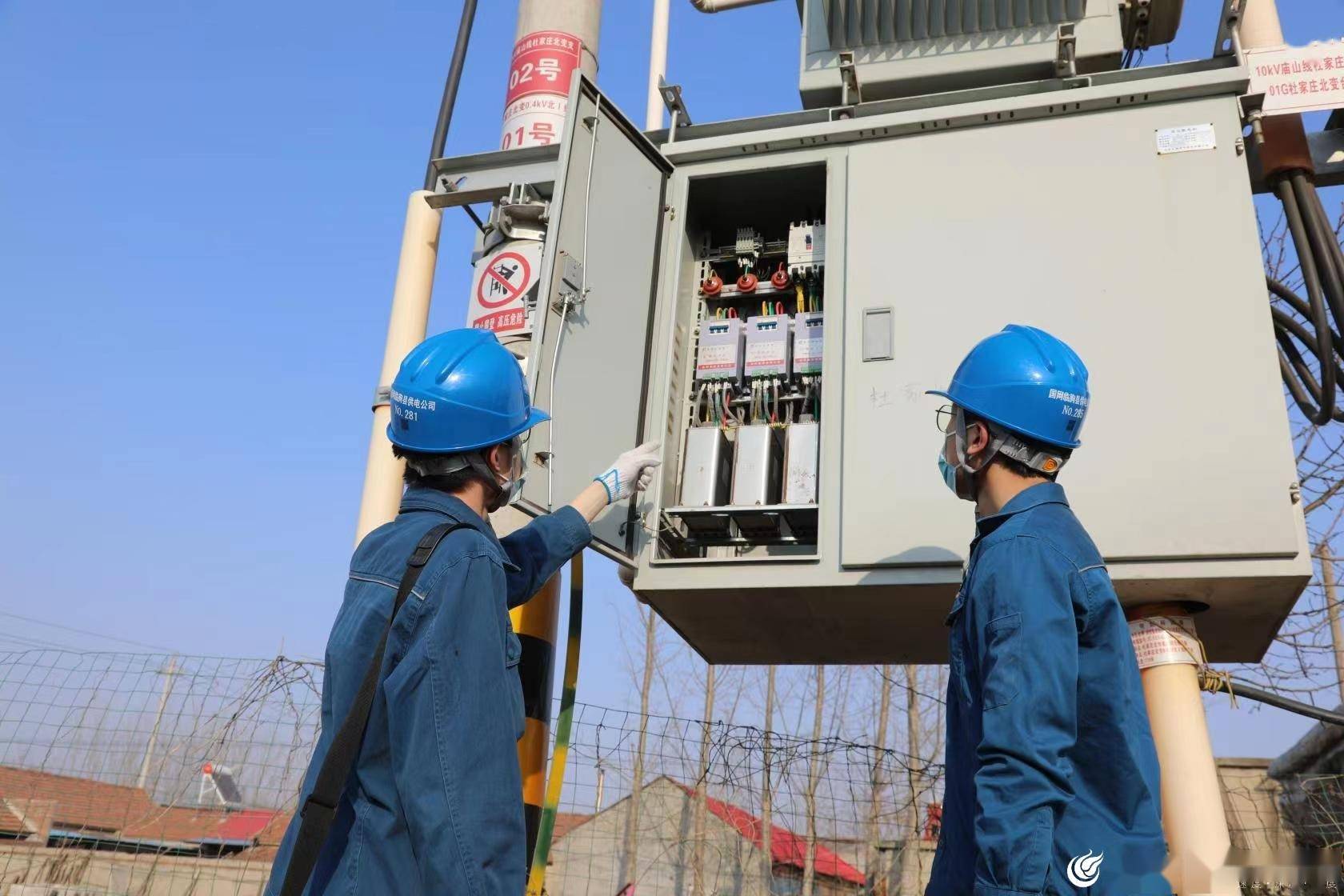
Cause Analysis: Many circuit breakers include safety interlock functions. You can have ground interlocking, live display interlocking, or undervoltage lockout.
If these conditions aren't met, the closing circuit will stop. This can happen when someone closes the ground switch, or if the interlock circuit itself fails, such as with a broken interlock relay. This will keep the breaker from closing.
Solution: Check all breaker interlock conditions, including ground switch position and live display status.
Make sure they meet the closing requirements. If conditions aren't met, adjust the relevant equipment first to allow for closing.
Should the interlock circuit malfunction (e.g., an interlock relay is incorrectly energized), replace the faulty relay and recalibrate the interlock logic to ensure it activates only when needed.
Prevention: Always follow strict procedures. Ensure that all interlock conditions are met before you close the breaker.
Check interlock circuit sensors and relays regularly. This ensures that they work accurately and reliably.
Auxiliary Switch Issues
Cause Analysis: Auxiliary switches show whether the breaker is open or closed. They send this signal back to the control circuit.
A misaligned auxiliary switch or damaged contacts might hide the breaker's real status. This can accidentally stop the closing circuit, as a result, it stays open even after the breaker trips.
Solution: Check the position of the auxiliary switch. Adjust it according to whether the breaker is open or closed, making sure it shows the correct status.
Replace damaged auxiliary switch contacts or the whole switch assembly. This keeps the circuit reliable when it makes or breaks.
Prevention: Carefully calibrate auxiliary switch positions during breaker installation or after major overhauls. Periodically clean auxiliary switch contacts and check their travel and reset functions.
Mechanical Malfunctions
Closing Spring Problems
Cause Analysis: The closing spring is crucial. It supplies the force needed for closing.
After long use, the spring may get tired, change shape, or even break. This can stop it from holding enough energy to close the breaker.
Solution: Check the closing spring closely. Look for signs of wear, bending, or breaks.
Replace the spring right away if you find any; use one that matches the same specifications and type. If the spring is just fatigued, adjust it and test again, ensuring it can store enough energy for closing.
Prevention: Test or replace closing springs regularly. Follow the manufacturer's maintenance manuals or industry standards, such as DL/T 593-2012 for high-voltage switchgear.
This standard suggests regular testing and overhauls. Avoid frequent breaker operations to reduce spring fatigue.
Linkage Mechanism Failure
Cause Analysis: The closing linkage mechanism transmits energy to close the breaker contacts. If the linkage is deformed, loose, or broken, it disrupts the normal transfer of this energy.
This can lead to the contacts failing to close precisely during the closing process.
Solution: Take apart the closing linkage mechanism. Check for any bends, looseness, or breaks.
a. Correct deformed linkages with special tools. b. Tighten loose linkages by securing the connecting bolts. c. Replace broken linkages with new ones.
After putting it back together, run tests to check for a stable and smooth energy flow. Ensure the contact closes with precision.
Prevention: Lubricate and check the tightness of the linkage mechanism at regular intervals. Avoid forceful operations that could deform the linkage. For critical connection points, consider using self-locking nuts.
Tripping Mechanism Anomaly
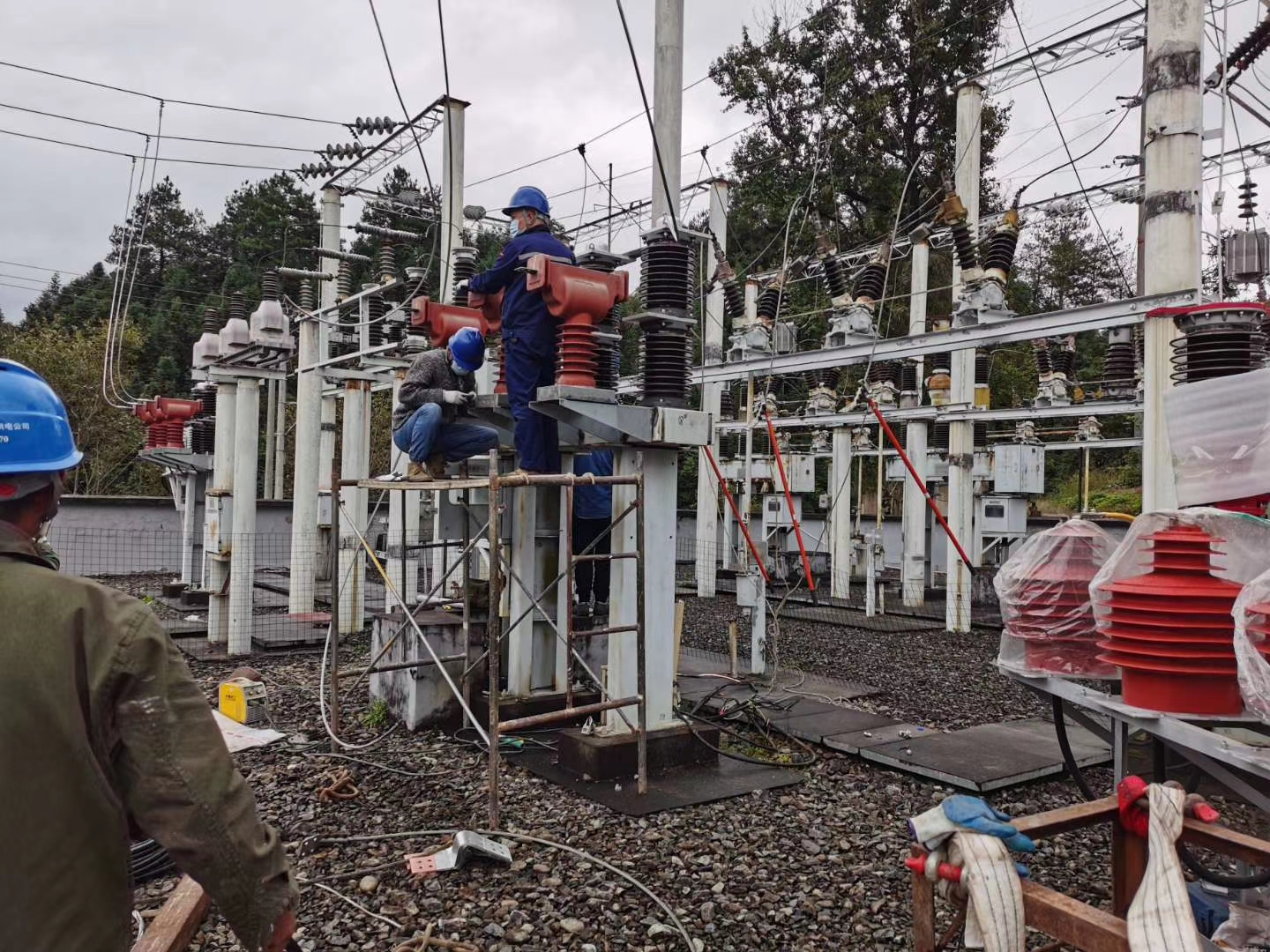
Cause Analysis: The tripping mechanism holds the circuit breaker in the closed position. If it gets stuck, wears out, or isn't adjusted correctly, it may not latch the breaker properly when closed.
This can cause it to trip right away, making it seem like it hasn’t closed at all.
Solution: Clean the tripping mechanism well. Remove dust and grease, and check for sticking points; if needed, apply the right lubricant.
Replace severely worn components. Change the latching position of the trip unit; this will help it lock the mechanism accurately and securely, preventing immediate tripping after closing.
Prevention: Schedule regular cleaning and lubrication for the tripping mechanism. Verify its movement path and latching precision. During breaker commissioning, precisely calibrate the trip values and operating characteristics.
Contact System Faults
Deformed or Damaged Contacts
Cause Analysis: High currents or short circuits can damage the circuit breaker contacts; long exposure leads to wear and tear.
Deformed contacts can't align properly, while ablated surfaces develop oxidation layers or unevenness. This raises contact resistance and reduces conductivity; it can also increase closing resistance, making normal closure difficult.
Solution: Use special tools for minor contact deformation. But for severe damage, you need to replace the contact.
For ablated contacts, gently polish the surfaces with fine sandpaper. This removes oxidation and smooths out uneven areas; this ensures a flat contact surface, reducing resistance and closing force.
Prevention: Strictly operate the breaker within its rated parameters. Check contacts regularly, fixing any early signs of ablation or wear right away; this helps stop bigger problems later on. Always perform a thorough contact inspection after any short-circuit fault.
Insufficient Contact Insertion Depth
Cause Analysis: If the breaker's contacts aren't set right during installation, the contact area will be too small. It can't carry regular current.
It may also cause arcing from a bad contact. This affects closing stability and could stop the breaker from closing.
Solution: Check the breaker's manual. Then, re-measure and adjust the contact depth to meet the standards.
After making adjustments, run tests to check the contact area. This helps prevent arcing from bad connections and ensures a stable close.
Follow the instruction manual for contact depth calibration in breaker installation and maintenance. Don’t deviate from it. Use professional tools to ensure precise measurements and adjustments.
Other Contributing Factors
Overload or Short-Circuit Protection Activation
Cause Analysis: If there’s an overload or a short circuit, the breaker's protection device kicks in. This causes the breaker to trip, which stops it from reclosing.
If the fault hasn't been cleared, the breaker won't respond even if an operator tries to close it. A short circuit in a line will trigger the breaker's overcurrent trip unit; this means you must clear the fault and manually reset the trip unit before closing the breaker.
Solution: Start with a detailed line inspection. Look for overloads or short-circuit faults, like a shorted device or damaged wiring.
Manually reset the breaker's trip unit after clearing the fault. Then, you can try to close it.
Before closing, use testing equipment to ensure the fault is fully resolved. This helps prevent it from happening again.
Prevention: Regularly check lines and equipment. This helps spot and fix safety hazards quickly. Ensure protection device settings are appropriate, and perform periodic trip tests.
Environmental Factors
Low Temperature
Cause Analysis: In cold weather, lubricating oil can stiffen. Rubber seals may also become brittle.
Thickened lubricant increases friction in moving parts, hindering the closing mechanism. Changed rubber seals can cause leaks; this impacts how the breaker works and stops it from closing.
Solution: In cold settings, use low-temperature oil for the breaker's mechanism. This keeps fluidity high and cuts down friction.
Think about adding heating devices or insulation jackets around the breaker. This will help raise the temperature so the components work well and stay safe from the cold.
Prevention: In cold climates, select breaker models designed for low-temperature environments. Before winter, perform a comprehensive cold-weather inspection and maintenance on the breaker.
Humidity or Condensation
Cause Analysis: High humidity or condensation can harm the breaker's insulation. This can cause short circuits or corrode electrical parts.
Moisture entering the closing coil, for example, could cause it to short out and burn. Corroded metal parts impact mechanical and conductive performance, affecting closing operations.
Solution: Place a dehumidifier near the breaker. This will reduce humidity and stop condensation.
Place desiccants inside the breaker to absorb internal moisture and protect electrical components. Dry out any already damp parts.
For corroded metal parts, first remove rust. Then, apply anti-rust paint. If parts are severely corroded, replace them; this ensures proper mechanical and conductive function for normal closing.
Prevention: In humid regions, enhance ventilation and dehumidification in the breaker room. Regularly check breaker seals to prevent moisture ingress. Consider smart breakers equipped with anti-condensation heating features.
Frequently Asked Questions (FAQ)
Q: Why can't I immediately re-close a circuit breaker after it trips?
A: When a circuit breaker trips, it often means there’s a problem. This could be an overload or a short circuit that activated its safety features.
You can't close it right away. Trying to restore power while the fault is still there might cause more damage or safety risks.
First, find and fix the fault. Then, manually reset the tripping mechanism. After that, you can try to close the breaker.
Q: How often should I maintain a circuit breaker?
A: How often you need maintenance depends on several factors. These include the breaker type, where it’s used, how often it’s used, and the manufacturer's recommendations.
It's best to do a routine inspection each year. Then, plan for a deeper maintenance check or preventive test every 3 to 5 years.
Check your breaker's user manual. If you need help, ask a professional engineer.
The State Grid Corporation of China has guidelines for keeping transmission and transformation equipment in good shape. They specify overhaul cycles and steps for breakers based on voltage and importance. These guidelines usually suggest a major overhaul every 5 to 10 years.
Q: What if I've checked everything, and the circuit breaker still won't close?
A: If you've tried all the troubleshooting steps and the issue continues, it may be a bigger problem.
Reach out to a qualified electrical engineer or the manufacturer's tech support for help with diagnosis and repairs. Do not attempt any forceful operations.
Q: How can I tell if a breaker problem is electrical or mechanical?
A: You can often distinguish between electrical and mechanical issues through simple observations. If the closing coil doesn't activate or you see no control voltage, it's likely an electrical problem; if there's resistance during manual operation or the breaker physically fails to latch, it typically indicates a mechanical issue.
Conclusion
A circuit breaker might fail to close for several reasons. These issues include control power, the closing circuit, mechanical structure, the contact system, and environmental factors. Each factor can cause a closing fault alone or with others.
Maintenance staff should link fault symptoms to a clear troubleshooting process daily. They need to check each possible cause carefully.
We hope these tips will help maintenance staff solve problems quickly. This will restore normal circuit breaker function.
To reduce future non-closing incidents, we also need to improve daily breaker maintenance. Regular inspections, cleaning, lubrication, and testing are key. They help find and fix issues early, which keeps your circuit breakers working well and ensures safe and stable power system operation.
Contact Us: Get Professional Electrical Solutions
For expert help with circuit breakers, reach out to Weishoelec Co., Ltd. We can assist with selection, installation, maintenance, and fault resolution.
The engineering team is ready to assist you. We deliver high-quality electrical products and custom solutions to clients worldwide.
Phone: +86-0577-62788197
WhatsApp: +86 159 5777 0984
Email: [email protected]
Author and Company Information
Author: Thor
Thor is an experienced electrical engineer with 12 years in the field. He specializes in power system operation, maintenance, and equipment manufacturing.
He delivers efficient and reliable electrical solutions to global clients. He knows core electrical products well, including circuit breakers and switchgear.
His unique insights cover design, production, installation, and troubleshooting.
Weishoelec Co., Ltd.
Weishoelec Co., Ltd. is a Chinese foreign trade manufacturer. They focus on switchgear for high and low voltage; they also handle transmission and distribution equipment and related accessories.
We dedicate ourselves to delivering top-quality electrical products and solutions. We spread our clients across the globe; they are in Europe, the Americas, the Middle East, and Belt and Road countries.
Weishoelec is your reliable electrical partner. We focus on "Excellence and Innovation for Distant Horizons."