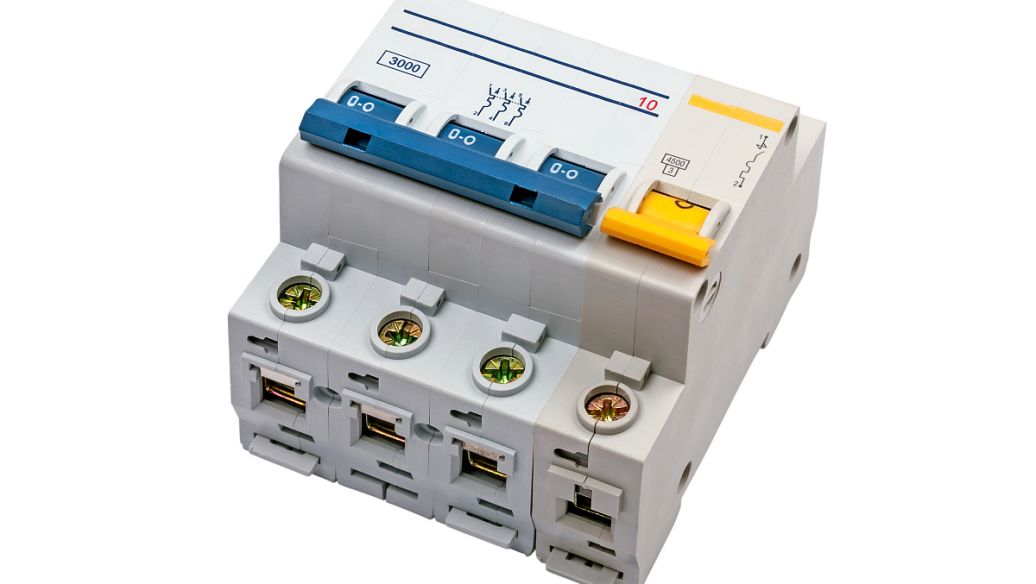
Introduction: From Your Home to the Electrical Grid, The Unseen Lifeline
Have you ever stopped to think about what keeps our modern electrical world running safely and smoothly? From the simple outlets in your home to the towering substations that power entire cities, there’s one essential device at the heart of it all: the circuit breaker switch.
This isn't just a simple on/off button; it’s a sophisticated piece of equipment and the cornerstone of electrical safety and system reliability.
As an electrical engineer, I've seen firsthand just how vital this component is. It’s the true lifeline of any electrical system. It works tirelessly at various voltage levels to protect our homes, industrial equipment, and the entire power grid from catastrophic failure.
This article will provide a comprehensive look at the world of circuit breakers, from basic principles to advanced applications. It will help you understand their crucial role.
I. The Core Function and Common Principles of a Circuit Breaker
While circuit breakers vary greatly in size, design, and complexity, they all operate on the same fundamental principle. They are designed to quickly and automatically interrupt the flow of electricity when an electrical fault occurs.
This rapid action prevents serious damage to expensive equipment. More importantly, it keeps people safe from electric shock and fire hazards.
All breakers rely on a dual-protection system to handle the most common electrical faults: overloads and short circuits. When too many devices are plugged into a single circuit, the thermal trip mechanism activates. When a severe surge of current happens, a magnetic trip takes over.
Overload Protection (Thermal Trip): This system uses a bimetallic strip—a small component made of two different metals bonded together. When an overload occurs, the strip heats up and bends at a precise rate.
This bending triggers a mechanical latch, causing the breaker's contacts to open and cut power. This mechanism is crucial for protecting against long-term, low-level faults that could otherwise go unnoticed.
Short-Circuit Protection (Magnetic Trip): A short circuit is one of the most dangerous electrical faults, causing a massive and instantaneous surge of current. Inside the breaker, this surge energizes an electromagnet that instantly pulls a small plunger.
This action trips the breaker’s latch, opening the circuit in a fraction of a second—often within milliseconds. This lightning-fast response is vital for preventing arc blasts and catastrophic equipment failure.
The distinction between these two systems highlights why a breaker is more than just a breaker switch.
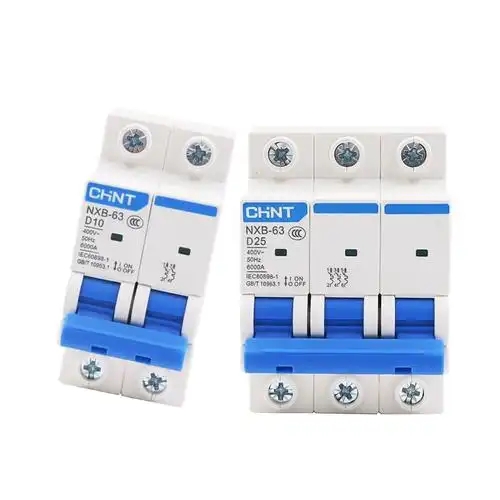
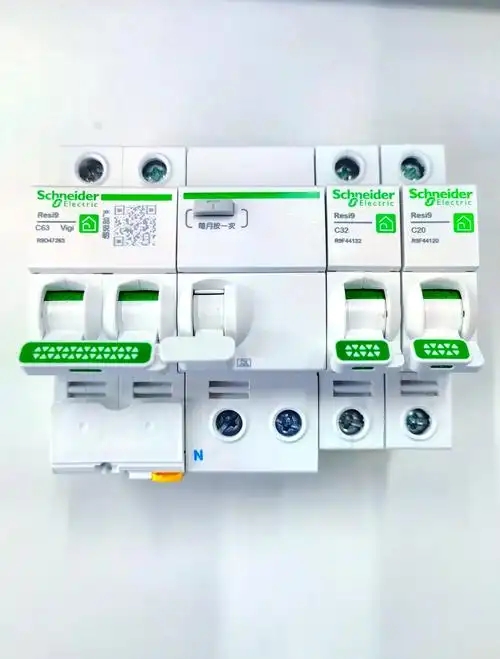
II. Low-Voltage Circuit Breakers: The Guardians of Homes and Buildings
Low-voltage breakers are the ones we're most familiar with; they're designed to be small, smart, and easy to use. They protect individual devices and circuits, typically operating at less than 1,000V.
You'll find them in residential circuit breaker panels and commercial distribution boards.
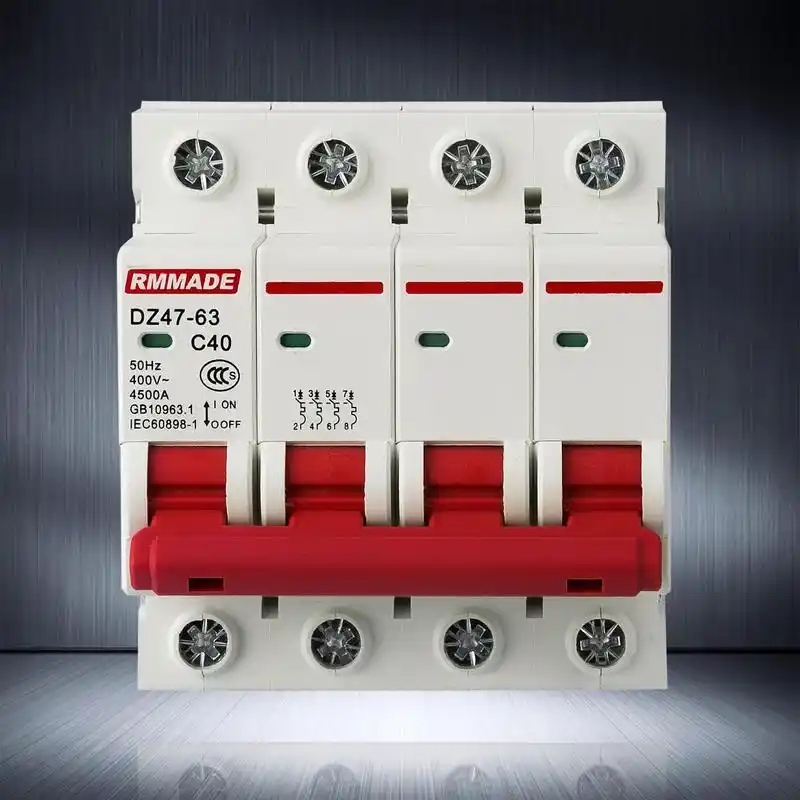
Main Types and Applications: The two most common types are Miniature Circuit Breakers (MCBs) and Molded Case Circuit Breakers (MCCBs). MCBs are small, single-pole or double-pole devices used for branch circuits, like your home's lighting and outlets. They are the first line of defense against faults in individual rooms.
MCCBs, on the other hand, are larger, more robust breakers used to protect feeder circuits. You’ll find them in the main panel in a commercial building or the distribution board for a small factory.
Advanced Safety Features: Many modern low-voltage breakers come with advanced features that are now mandated by electrical codes. These include Ground Fault Circuit Interrupters (GFCIs), which protect against electric shock.
They also have Arc Fault Circuit Interrupters (AFCIs), which protect against dangerous electrical arcing that can cause fires. These features have dramatically improved electrical safety in homes and commercial properties.
Common Issues: Users often face problems with a circuit breaker switch that won't stay on or a circuit breaker switch loose. While these might seem like minor issues, they can be signs of a deeper electrical problem that requires professional attention.
A breaker that constantly trips, for example, is not faulty. It's doing its job, warning you of an underlying issue like an overloaded circuit or a short.
III. Medium and High-Voltage Breakers: The Backbone of the Grid
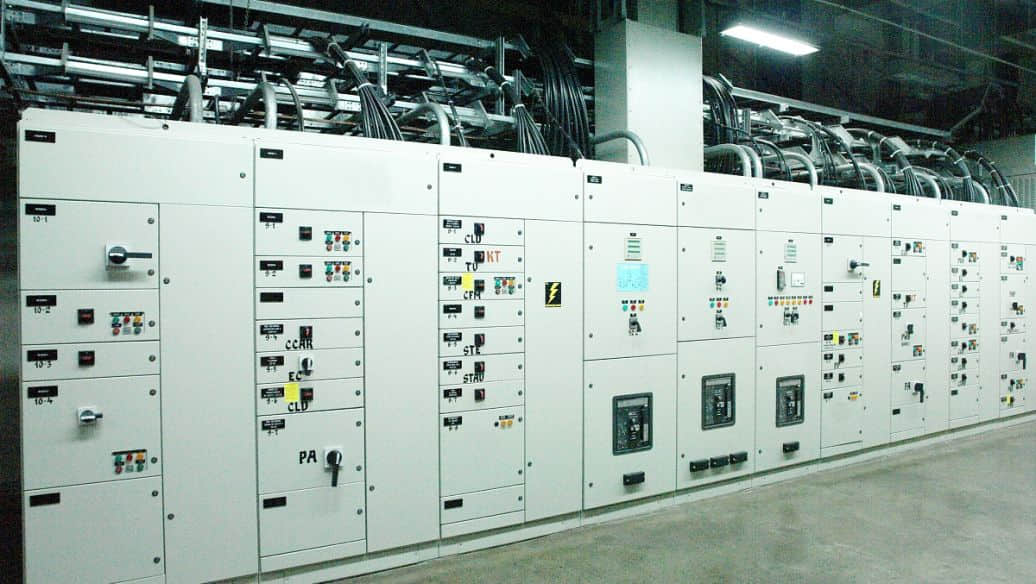
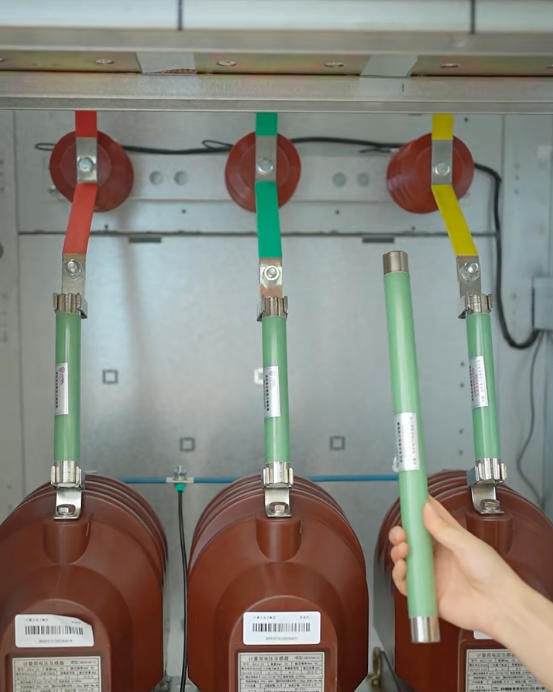
Medium and high-voltage breakers are the workhorses of the electrical grid, built for reliability, power, and precision. They are used in power plants, substations, and large-scale industrial facilities, handling voltages from thousands to millions of volts.
A key component of modern switchgear, they ensure the continuous and safe supply of power.
Key Types and Arc Extinguishing: To handle the immense power of these systems, these breakers use specialized materials to extinguish the arc created when a circuit is opened.
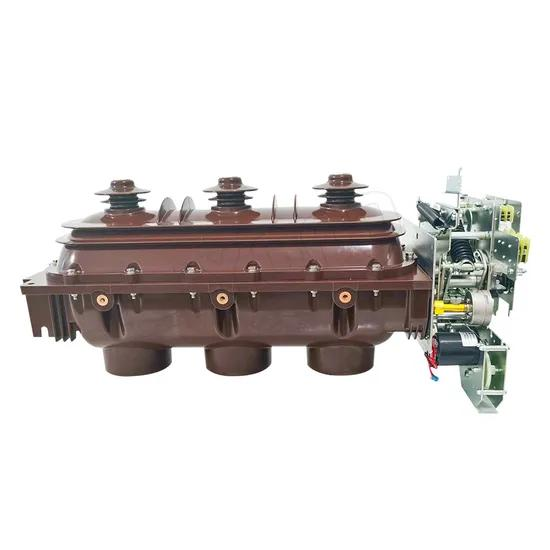
Vacuum Breakers: Common in medium-voltage applications (up to 40.5 kV), they use a vacuum's superior insulating properties to quickly extinguish the arc. They offer a long operational life and require minimal maintenance, making them ideal for industries with frequent operations like mining and metallurgy. Their sealed design also makes them highly reliable in harsh or contaminated environments.
SF6 Breakers: Primarily used for high and extra-high-voltage applications, SF6 (Sulfur Hexafluoride) gas has exceptional insulating and arc-extinguishing properties. SF6 breakers are the gold standard for high-voltage grids, as they can reliably cut off immense fault currents. They are a critical component for large-scale power transmission systems where space is a constraint and high reliability is paramount.
Professional Considerations: Selecting a medium or high-voltage circuit breaker switch is a complex task that goes beyond simple voltage and current ratings. It requires a deep understanding of interrupting ratings, operating frequencies, and environmental factors.
Engineers must perform complex coordination studies to ensure the correct breaker trips at the correct time, preventing a minor fault from cascading into a major power outage. This process, along with factors like arc flash protection and remote monitoring capabilities, is key to maintaining grid stability.
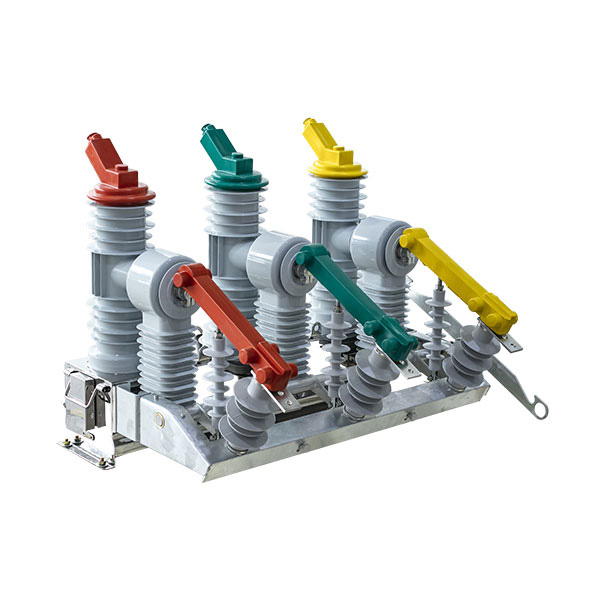
IV. A Practical Case Study: A Medium-Voltage Project
To better illustrate the importance of medium-voltage breakers, here’s a real-world project we handled. We were tasked with designing a new power distribution station for a large steel mill.
The mill's old system experienced frequent breaker trips when a massive rolling machine would start, causing costly production delays. Our team's solution began with a detailed analysis of the machine's inrush current characteristics. We discovered the old breakers lacked the right trip curve to handle the 15kV, 2,000A inrush current without nuisance tripping.
We then specified a vacuum breaker with a high interrupting rating and a specific D-type trip curve to tolerate the large but momentary current surge without tripping. To prevent future unplanned downtime, we also integrated wireless sensors and monitoring modules, allowing for remote status checks and predictive maintenance.
This strategic upgrade not only solved the tripping issue but also saved the mill hundreds of thousands of dollars in lost production. This case study perfectly demonstrates why partnering with experts for your electrical infrastructure is a wise long-term investment.

V. Maintenance and Fault Prevention for Medium and High-Voltage Breakers
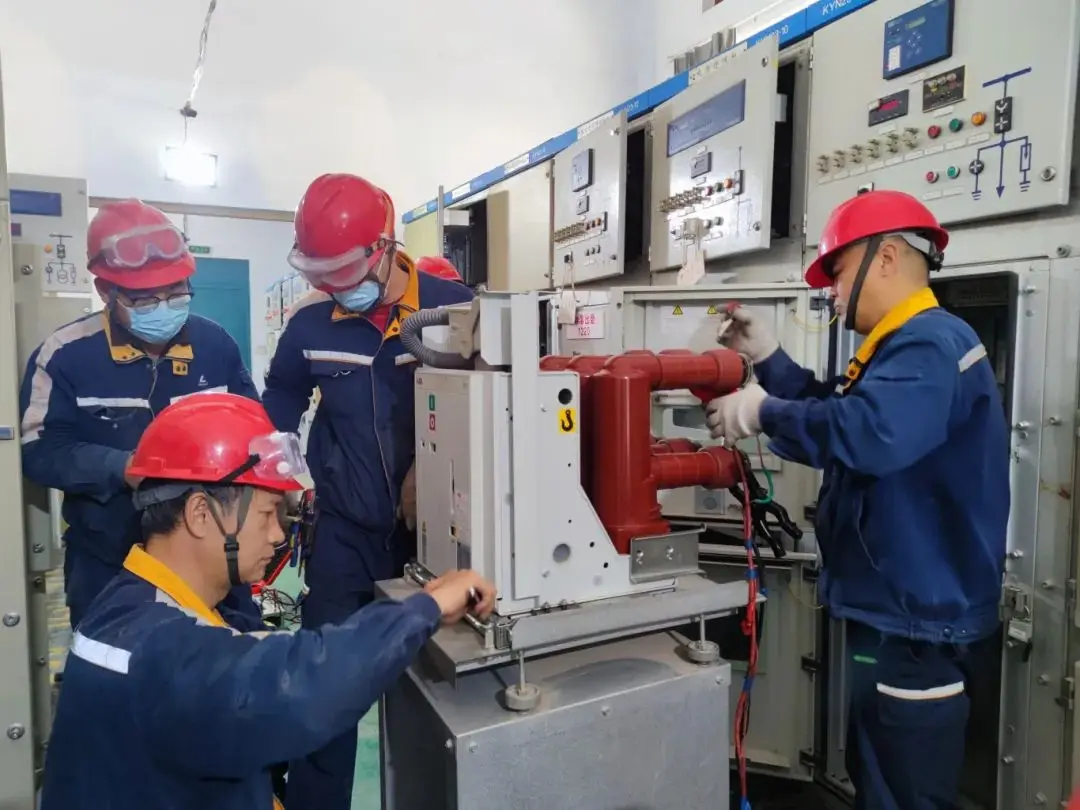
Unlike low-voltage breakers, maintaining medium and high-voltage breakers is a highly specialized process. Proper maintenance is critical for extending equipment life and preventing catastrophic failures. These procedures are often mandated by industry standards and best practices.
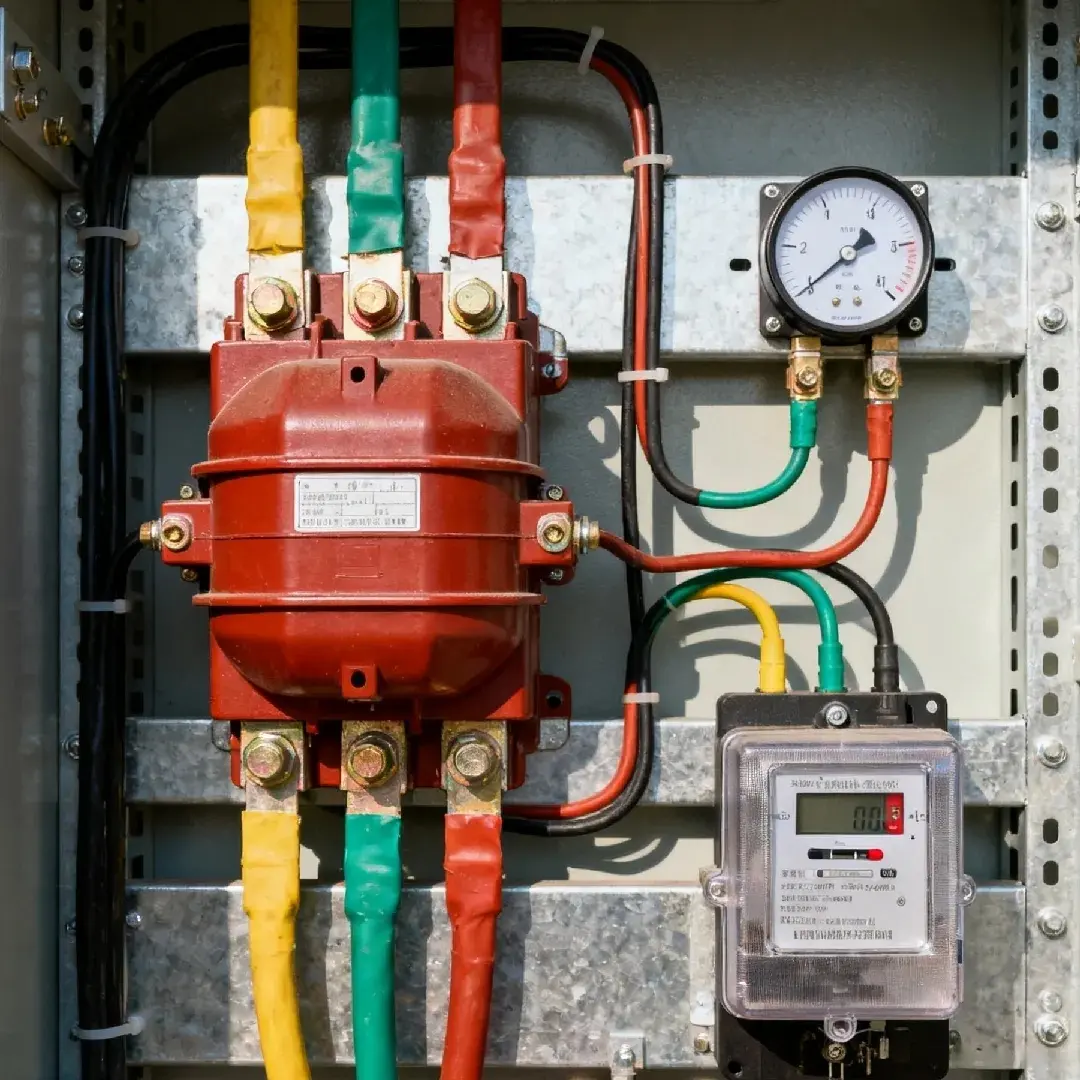
Routine Inspections: A visual check for external damage, such as cracks in insulators, is essential. For SF6 breakers, regularly monitoring the gas pressure is a critical step, as a pressure drop could indicate a leak and compromise the breaker's insulating properties. We also check for any signs of overheating or unusual sounds.
Periodic Testing: Professional teams perform regular diagnostic tests, including insulation resistance testing, to check the integrity of the insulation system. They also do contact resistance testing to ensure connections are solid.
A poor contact resistance reading, for example, could indicate a loose connection, a major cause of overheating and failure in a main circuit breaker switch. These tests are non-negotiable for ensuring long-term reliability.
Predictive Maintenance: Advanced technologies like partial discharge monitoring and infrared thermography allow us to identify potential risks before a fault occurs. This shifts the focus from reactive repairs to proactive prevention.
This helps facilities avoid costly unscheduled outages and plan maintenance activities efficiently. This proactive approach saves both time and money.
VI. Industry Standards and Authoritative Certifications
As a key player in the electrical industry, we understand the importance of standards. All of our products must pass rigorous international and national certifications. This is a non-negotiable part of our commitment to safety and quality.
International Standards: Our products strictly comply with the IEC 62271 series published by the International Electrotechnical Commission. This ensures our designs and performance meet the highest global benchmarks. This also helps our clients, who operate globally, to meet their own compliance requirements.
National Standards: We also adhere to national standards (GB/T) in China, guaranteeing our products are fully compliant with local electrical grid and industrial requirements.
Third-Party Certifications: Our partnerships with well-known third-party certification bodies provide customers with a guarantee of quality and reliability. When you buy our products, you're not just buying a piece of equipment; you're buying a solution that has been independently verified for performance and safety.
A circuit breaker switch replacement for a non-compliant unit is a major hassle, making certification a key consideration from the start.
VII. Conclusion and FAQ
From safeguarding your home to ensuring the stability of the power grid, the circuit breaker switch is an indispensable guardian of our electrical world. While their functions may vary by voltage, their shared purpose is to provide safety and reliability.
FAQ
Q: My circuit breaker handle is stuck in the middle. What does that mean?
A: This indicates the breaker has tripped. The middle position is a safety feature designed to prevent you from resetting it without first turning it completely off. If it trips again after you reset it, the fault is still there, and you should call a professional electrician.
Q: Our company is buying a medium-voltage breaker for a new production line. What should we look for besides the usual specs?
A: You should pay close attention to the mechanical and electrical life ratings. For production lines with frequent operations, a high-cycle vacuum breaker can significantly reduce maintenance costs. Also, consider models with remote control and monitoring capabilities for predictive maintenance.
Q: How can I tell if a low-voltage breaker is suitable for an industrial environment?
A: Industrial-grade breakers are designed for tougher conditions. Look for products with higher interrupting ratings, durable contact materials, and options for accessories like auxiliary contacts, which are essential for integration into automation systems.
Q: How can I tell if my home breaker needs to be replaced? I heard it’s expensive.
A: Signs it's time for a circuit breaker switch replacement include a loose handle, a burning smell from the panel, or constant, unexplained tripping. While the cost (how much does it cost to replace a circuit breaker switch) can vary, it’s a small investment compared to the potential risk of an electrical fire.
Q: Our factory’s main breaker keeps tripping without any of the branch breakers tripping. Why is this happening?
A: This typically indicates either that the total load is exceeding the main breaker's rating without exceeding any single branch, or the main breaker itself is faulty. Do not keep resetting it. This can cause further damage. Instead, contact a professional to conduct a full inspection.
Need a professional electrical solution? Contact Us!
Author: Thor,
Engineer, Weisho Electric Co., Ltd.
📞 Phone: +86-0577-62788197
📱 WhatsApp: +86 159 5777 0984
✉️ Email: [email protected]
🌐 Resources: weishoelec.com