I. Introduction: Deconstructing the 'Green Box' Enigma
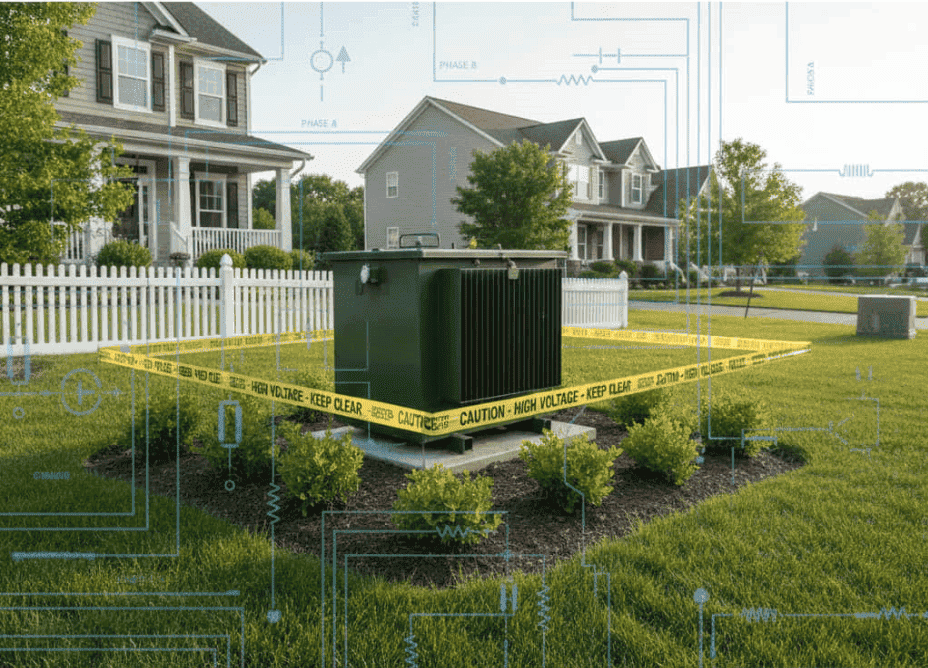
You’ve undoubtedly encountered them in modern cities and sprawling suburban developments—those unassuming, often olive-green metal cabinets situated discreetly near sidewalks or commercial zones.
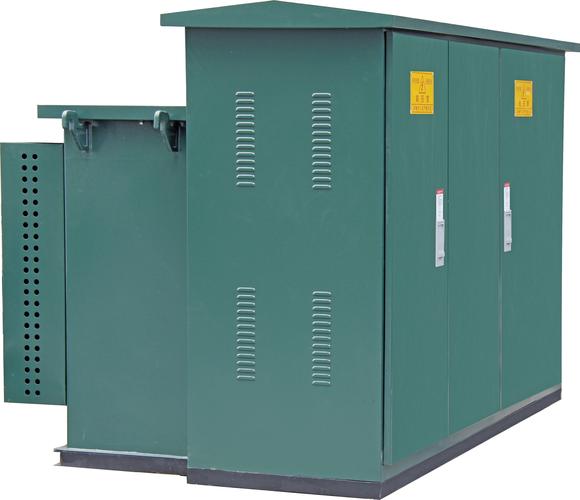
These are the ubiquitous pad-mounted transformers, the quiet workhorses of the low-voltage distribution grid. They function as the electrical heart of neighborhoods, tirelessly ensuring that our homes, businesses, and essential appliances receive consistent, reliable power.
Unlike their older, aerial counterparts mounted on utility poles, pad-mounted units sit directly at ground level, which naturally provokes public inquiry and apprehension regarding their proximity and overall safety. This close-range deployment of essential power infrastructure mandates exceptionally high safety standards.
Understanding the inherent safety mechanisms, potential engineering vulnerabilities, and the specific duties of every community member is paramount. It is not merely a matter of personal security but a shared responsibility for maintaining the stability of the entire urban electrical system.
This article moves beyond generalized safety slogans to provide a rigorous, professional perspective from an electrical engineering standpoint. We will meticulously dissect the multi-layered safety mechanisms embedded in pad-mounted transformer design, objectively quantify potential risks such as electromagnetic fields (EMF), and offer a detailed, actionable guide for both public safety compliance and professional maintenance management.
Our goal is to empower readers with the knowledge necessary to coexist safely and confidently with these crucial pieces of neighborhood technology.
Key Takeaways: The Essentials of Pad-Mount Safety
Engineering Security: Pad-mounted transformer enclosures are robustly grounded and incorporate internal fuses and sophisticated pressure-release devices. This design guarantees maximum isolation and superior fault-containment capabilities, significantly minimizing risk.
Primary Risks: The most critical safety hazards stem overwhelmingly from external physical damage, such as accidental vehicle impact, unauthorized tampering (like opening the locked cabinet), and the profound danger of unmarked underground excavation.
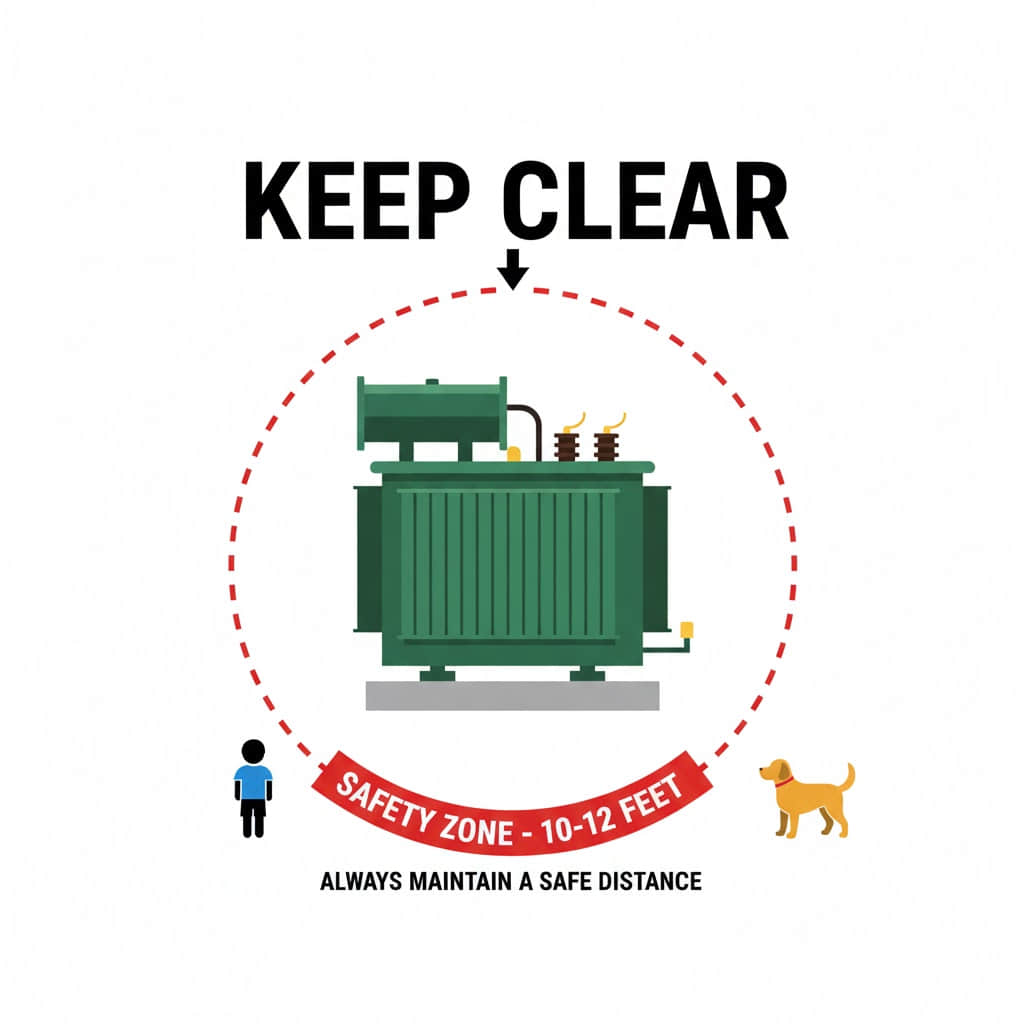
Public Accountability: Residents must stringently adhere to the required clear zone, which mandates a distance of 10–12 feet from the transformer’s operational side. It is absolutely forbidden to open, paint, or perform any digging near the unit (always remember to call 811 or your local utility marking service before disturbing the soil).
EMF Exposure: Beyond the mandatory public safety perimeter, the unit’s electromagnetic field (EMF) intensity rapidly dissipates to levels comparable to or below typical ambient background readings. These levels remain comfortably far below established international safety limits.
Professional Oversight: Utility providers utilize advanced diagnostic technologies, including Dissolved Gas Analysis (DGA) and thermal imaging, to execute predictive maintenance. This proactive approach ensures early detection and intervention for any impending internal component failures, enhancing longevity and safety.
II. An Engineer's Perspective: The Multi-Tiered Safety Defense
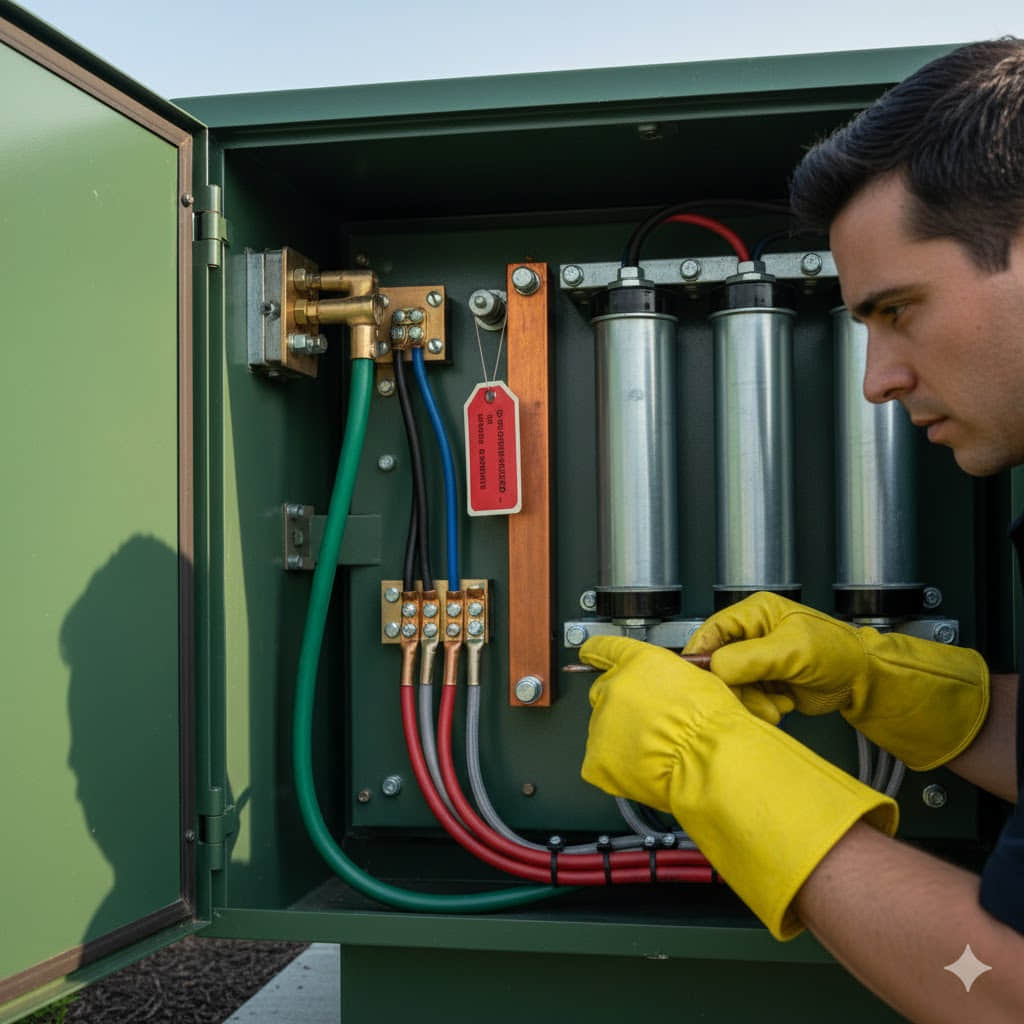
A pad-mounted transformer is far more than just a steel cabinet containing oil and wire coils; it is a highly sophisticated, integrated system. Every aspect of its design is meticulously focused on one central imperative: to completely isolate high-voltage components from the external environment, ensuring that hazards are contained even in the event of an electrical fault.
The Grounding System: Our First Line of Electrical Defense
Among all electrical safety precautions, the grounding system stands out as the most fundamental and crucial protection mechanism available. A compliant pad-mounted unit incorporates robust, often redundant, grounding features to mitigate shock hazards.
The transformer's substantial metal casing, commonly referred to as a “Dead Tank,” is mandatorily bonded to the earth itself. This critical connection ensures that if high voltage were to inadvertently transfer to the exterior casing—due to internal insulation failure, lightning strikes, or accidental line contact—the electrical current is immediately shunted into the low-resistance path of the earth instead of passing through any person who might be touching the enclosure.
The system's neutral point is also meticulously grounded, a vital step in stabilizing the system voltage. This concurrent grounding also ensures that the downstream protective devices, like relays and fuses, can accurately detect a fault and rapidly disconnect power before dangerous conditions escalate.
Grounding is specifically designed to minimize "touch potential" (the voltage across a person’s body when contacting the energized metal) and "step potential" (the voltage difference between a person’s two feet standing near a fault). Rigorous engineering standards, such as those published by IEEE C57, strictly mandate maximum allowable ground resistance values, guaranteeing that even under the most severe fault scenarios, standing near the unit poses no lethal electrocution risk.
Note: The grounding system functions as the transformer’s ultimate electrocution "fuse." Should the casing or the ground connection be damaged, compromised, or intentionally removed, the unit's intrinsic safety drops instantaneously to zero. This is why any unauthorized modification to the transformer base or surrounding soil is strictly prohibited.
Robust Structure and Internal Containment Devices
Beyond the essential grounding, the physical structure and internal components of the transformer provide multiple layers of both physical and electrical protection. The pad-mount design is inherently a comprehensive isolation measure.
All energized high-voltage terminals, tap changers, and connection points are securely locked within the durable metal cabinet. The enclosure is typically fabricated from heavy-gauge steel, offering formidable resistance to corrosion, harsh weather conditions, and moderate physical impacts.
Its lockable access doors serve as the most direct physical barrier, preventing unauthorized personnel, especially children, from accessing the dangerous internal high-voltage circuits.
Within the transformer’s operational core, specialized internal protection components are installed, including heavy-duty fuses and current limiters. These components are intentionally engineered to be sacrificial elements within the electrical system, designed to melt and swiftly interrupt the power flow—often in milliseconds—upon detecting an internal short circuit or severe overload.
This rapid response capability effectively prevents an internal fault from escalating into a catastrophic fire, explosion, or causing widespread damage to the greater utility network. This system is the second critical layer of defense, mitigating internal thermal or electrical runaway conditions.
The following video provides an in-depth explanation of the design, safety, and maintenance of pad-mounted transformers, as well as how the public can minimize potential risks by keeping a safe distance and following safety guidelines.:
III. Assessing Potential Engineering Risks and Failure Modes
While the design parameters of a transformer are overwhelmingly oriented toward safety, no complex piece of electrical equipment is entirely devoid of residual risk. As engineers, our focus must be on potential failure modes and external triggers that could potentially bypass or overwhelm these established safety barriers.
Identifying and mitigating these scenarios is crucial for long-term system integrity.
Insulation Failure and the Peril of Internal Pressure
The transformer’s fundamental operation relies on its insulation system—primarily the insulating oil and specialized paper—to maintain electrical separation between the internal windings and the tank walls. This insulation must endure decades of thermal and electrical stress.
The insulation materials inevitably degrade due to sustained high temperatures and chronological aging. Once the insulation material deteriorates at a specific point, it can lead to Partial Discharge (PD), which progressively erodes the remaining insulation, ultimately resulting in an internal short circuit between the windings or between a winding and the tank.
This severe internal fault generates enormous, instantaneous heat and pressure within the sealed tank, representing one of the most hazardous types of transformer failure.
To counteract this extreme condition, transformers are mandated to include a Pressure Relief Device (PRD). When the internal short circuit causes the insulating oil to rapidly vaporize, and the pressure inside the tank exceeds a carefully calibrated threshold, the PRD immediately opens.
This essential passive feature vents the internal pressure, preventing the possibility of an explosive failure. The activation of the PRD is a passive, last-resort safety barrier; if a major fault occurs and the device is activated, personnel in the vicinity must evacuate the area immediately and treat the situation as an imminent danger.
Excavation and the Undocumented Subsurface Hazard
Pad-mounted transformers are supplied by high-voltage cables typically run underground, making the "unseen" portion of the system a primary source of hidden danger. Unauthorized soil disruption is, shockingly, one of the most common external threats to system integrity and public safety.
Unpermitted excavation, whether for landscaping, utility installation, or building construction, carries the immense risk of accidentally severing a high-voltage cable. A damaged high-voltage cable can instantly produce a violent Arc Flash event and a severe electrocution hazard, often energizing the surrounding soil with lethal potential.
The necessity of making the "811 Call Before You Dig" is therefore absolute and mandatory. In virtually all jurisdictions, contacting the local utility location service (like the national 811 service in the US) is a legal requirement before any ground disturbance.
This step is the sole mechanism to ensure that all subterranean utilities, including the hidden high-voltage cables, are accurately marked and avoided. This step should never be omitted for any planned soil disturbance near a transformer.
Tip: Any digging activity, regardless of its depth or intended scope—even just a few inches—can pose a lethal risk. Cable burial depths are often inconsistent and may not conform to standard codes due to previous disturbances or environmental changes. Remember this cardinal rule around transformers: When in doubt, don't dig, or call 811 (or your local equivalent) first, without exception.
Vehicle Collision and Structural Integrity Compromise
Because these units are placed adjacent to roadways, parking areas, and driveways, accidental vehicle impact remains a frequent external physical risk. A severe collision can compromise the transformer’s multi-layered defenses with shocking speed and unpredictable consequences.
A major impact can rapidly breach the hermetic integrity of the enclosure’s seal. This breach may allow moisture ingress, potentially leading to internal short circuits and eventual failure.
The force of the impact may violently distort the cabinet or the concrete pad, damaging the crucial grounding connections or displacing internal components. Such structural compromise can expose previously isolated live electrical components.
A collision also risks causing an oil leak. Insulating oil leakage is not only an immediate environmental concern but, if spilled onto hot components or ignition sources, can instantly trigger a dangerous fire.
IV. Scientific Clarity: Quantifying the EMF (Electromagnetic Field) Concern
A widespread concern among the public regarding electrical infrastructure in residential areas is the potential health risk posed by the electromagnetic fields (EMF) generated by operating equipment like transformers. As electrical engineers, we are obligated to address these fears with objective, scientific data and quantification, not speculation.
Introduction to EMF and Public Apprehension
A pad-mounted transformer generates Extremely Low Frequency Electromagnetic Fields (ELF-EMF) as a result of the powerful alternating current flowing through its internal windings. The magnetic field's strength is directly proportional to the magnitude of the electrical current (load) passing through the unit and, critically, inversely proportional to the square of the distance from the source.
This latter point is essential for public safety planning.
Engineer's Table: Professional Data Comparison
We rely on established safety guidelines from authoritative bodies such as the International Commission on Non-Ionizing Radiation Protection (ICNIRP) and the Institute of Electrical and Electronics Engineers (IEEE C95.1) to quantify and assess typical magnetic field intensities near a transformer. Measurements are consistently given in milligauss (mG).
| Measurement Zone | Typical Magnetic Field Strength (mG, Milligauss) | Scientific Safety Standard (ICNIRP/IEEE) | Conclusion and Analysis |
| 1 Foot from Casing | 20 mG – 200 mG (Highly load-dependent) | ICNIRP: 2,000 mG (Public Exposure Limit) | While relatively high at this extreme proximity, the field strength remains significantly below the internationally accepted threshold for short- and long-term health risks. |
| 10 Feet from Casing | 1 mG – 5 mG | Typical Home Background: ~ 0.5 mG – 4 mG | Intensity decays rapidly, becoming comparable to or often lower than the magnetic fields produced by common household appliances (e.g., a television or a hair dryer) measured at a distance of just a few feet. |
| Under High-Voltage Transmission Line | 100 mG – 500 mG (Comparative Data) | Maximum Permitted Exposure | The EMF generated by a pad-mounted transformer, even up close, is substantially less potent than the fields measured beneath major overhead transmission lines. |
Conclusion: From a rigorous engineering and scientific standpoint, the EMF produced by a pad-mounted transformer exhibits a pattern of "high intensity at close range, with rapid decay over distance."
Crucially, at distances where the public is required to stand (the 10–12 foot safety zone), the magnetic field strength quickly attenuates to ambient background levels. Therefore, a transformer operating outside of the restricted safety distance poses no demonstrable EMF-related health risk to the public.
V. Seven Mandatory Safety Precautions for the Public (Community Responsibility)
Even the most robustly designed transformer relies entirely on public cooperation to maintain its operational safety profile. These seven principles serve as the final, most critical defensive line for securing the community’s electrical environment and protecting human life.
Compliance is non-negotiable.
| Safety Action | Core Requirement | Distance/Notes | Risk Mitigation Focus |
| Keep a Safe Clearance Zone | You must maintain ample space from the unit, ensuring operational access is never obstructed. | Front (Operational Side): 10–12 feet (approx. 3–3.6 meters); Sides/Rear: 3–5 feet (approx. 1–1.5 meters). Planting shrubs, trees, or erecting any structures nearby is strictly forbidden. | Guarantees utility crews can rapidly and safely access the operational compartment during emergencies, and prevents accidental human contact. |
| Do Not Open or Deface | Never attempt to open, move, paint, or tamper with the transformer in any capacity whatsoever. | Only authorized and highly trained utility personnel possess the specialized keys needed for access. | Avoids the immediate, fatal risk of electrocution and prevents potential internal equipment damage that could trigger a wider outage. |
| Call 811 Before Any Digging | You are legally required to contact the local utility line location service before undertaking any form of excavation near the unit. | (Underground cable faults are severe) | Prevents cutting the hidden high-voltage feed cables, which is one of the most likely and most lethal causes of serious injury around transformers. |
| Immediately Report Any Issue | If you observe any abnormal signs or conditions, you must report them immediately to the utility provider. | Abnormal Signs Include: Oil leaks (often a brownish liquid on the ground), unusual noises (a sharp buzzing, clicking, or loud hum), burning odors, or a visibly damaged/open casing. | Proactively prevents potential fire hazards and electrical accidents from escalating into major disasters. |
| Maintain Dryness and Isolation | Ensure that irrigation sprinklers, hoses, or other water sources do not spray directly onto the transformer’s enclosure. | (Water is a conductor; avoid creating a fault path) | Water may infiltrate tiny casing cracks or ventilation openings, leading to internal short circuits or the external casing becoming unexpectedly energized. |
| Restrict Children and Pets | Ensure that children and pets are never allowed to play, climb on, or sit directly on the transformer enclosure. | (Physical Separation is Key) | Children's innate curiosity can lead them to tamper with or attempt to climb the secured, hot surface, resulting in serious burns or potential injury. |
| Handling Collision Emergencies | If a vehicle strikes a transformer or a unit is on fire, stay a safe distance away and dial emergency services (911) immediately, then notify the power company. | Never approach or attempt to extinguish an electrical fire; wait for professional emergency responders and utility technicians. | Protects life by preventing electrocution or explosion hazards in a chaotic, compromised environment. |
VI. Maintenance and Life Cycle Safety Management
The sustained, long-term safety of a pad-mounted transformer is inextricably linked to the professional management and rigorous maintenance performed by the utility company. The "health checkups" performed by engineers are the single most decisive factor in preventing unforeseen, catastrophic equipment failure.
These are proactive, rather than reactive, measures.
The Crucial Role of Predictive Maintenance
Utility companies operate under stringent predictive and preventative maintenance schedules, ensuring problems are identified and mitigated long before they lead to service interruption or safety hazards. This systematic approach is an absolute cornerstone of reliable power delivery.
Condition Monitoring and Predictive Analysis: Utility crews routinely use advanced non-invasive diagnostic tools to assess the internal health of the transformers without requiring a shutdown.
Thermal Imaging Inspections: Infrared thermal cameras are periodically employed to scan the transformer casing and connection points, specifically searching for "hot spots." Anomalous temperatures are often the earliest, clearest indicator of loose internal connections, localized excessive current flow, or, critically, the initial stages of insulation deterioration.
Dissolved Gas Analysis (DGA): This is arguably the most critical and powerful diagnostic tool available to transformer engineers. Samples of the insulating oil are regularly extracted and analyzed for the concentrations of gases dissolved within the fluid (such as acetylene, methane, and hydrogen).
The presence of increased concentrations or specific ratios of these gases can precisely predict whether the transformer is suffering from internal overheating, arcing, or partial discharge, allowing for preventative intervention before a catastrophic failure is imminent.
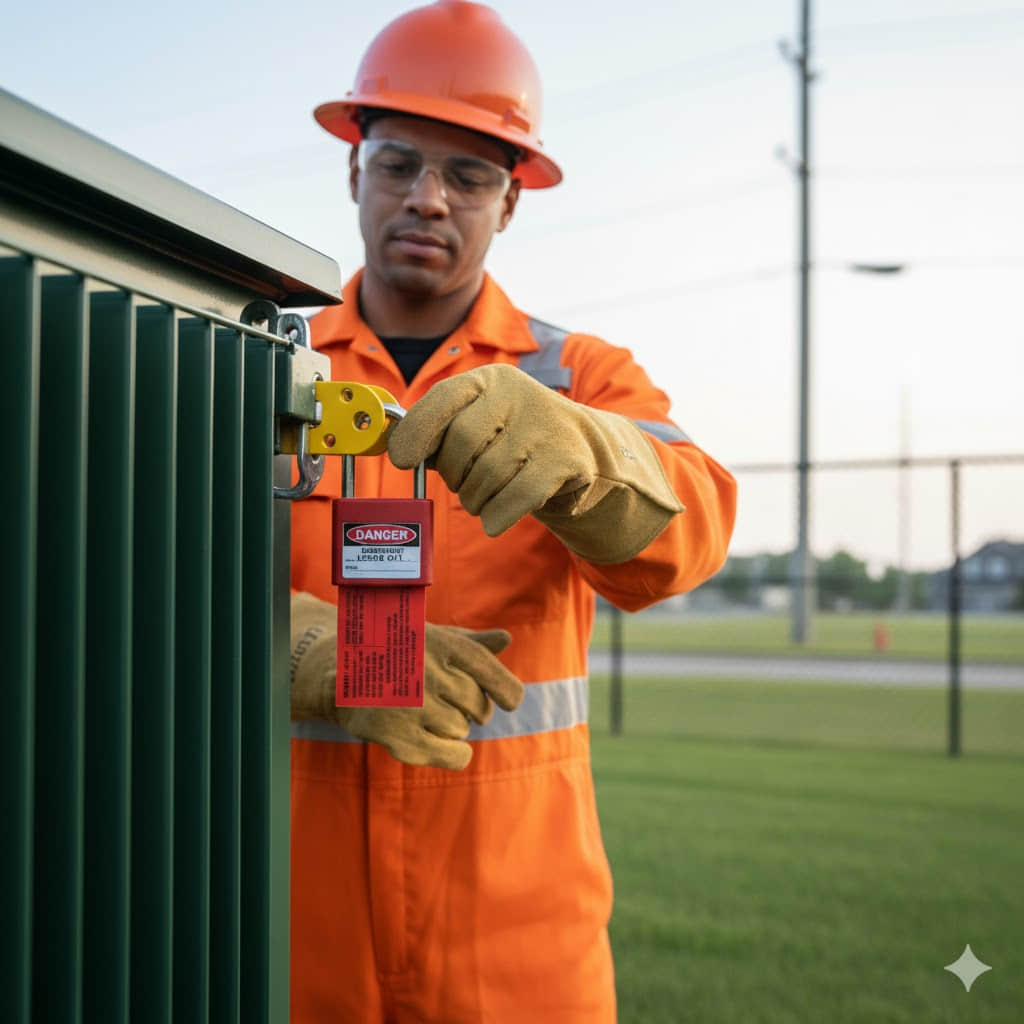
De-Energized Operational Safety (LOTO): Maintenance personnel must rigorously follow the Lockout/Tagout (LOTO) procedure before initiating any internal work on the unit. This procedure mandates that the equipment is completely and positively de-energized, locked in the off position, and tagged with the technician’s identification.
This protocol is essential for guaranteeing the safety of the maintenance worker by preventing any accidental re-energization of the equipment during a repair or inspection.
End-of-Life and Disposal Safety Protocols
The typical lifespan of a well-maintained transformer often exceeds 30 years; however, its eventual decommissioning requires strict adherence to specialized safety and environmental protocols. Improper disposal poses significant environmental risks.
Insulating Oil Handling: The transformer oil, especially in older units, may contain Polychlorinated Biphenyls (PCBs), which are classified as hazardous substances.
Retired units must undergo professional assessment, safe removal, and meticulous disposal of all oil and oil-saturated components by certified specialists to prevent severe environmental contamination.
Asset Security and Recycling: All metal components—the core, windings, and casing—must be securely recycled after thorough decontamination. This prevents untreated or contaminated scrap electrical equipment from falling into the hands of unauthorized individuals or being disposed of improperly, thus protecting both public health and environmental integrity.
VII. Conclusion
Core Assertions and the Engineer’s Final Summary
Through a detailed, technical examination of the pad-mounted transformer’s design, from its grounding systems and internal protective devices to modern predictive maintenance techniques, we arrive at an unequivocal conclusion: Pad-mounted transformers are inherently safe. This safety profile is not a matter of chance; it is the direct result of compliance with rigorous electrical engineering codes, meticulous installation practices, and continuous, professional oversight.
Their entire design philosophy is centered on isolating the high-voltage circuit to ensure a safe, harmonious co-existence with the surrounding community.
However, it is vital to acknowledge that every single layer of engineered safety can be tragically bypassed by external negligence, recklessness, or malicious tampering. The public’s strict adherence to safety protocol—maintaining distance, avoiding contact, and never digging—is functionally as important as the utility’s professional maintenance.
Provided these guidelines are meticulously respected, the transformer will remain a reliable, harmless, and essential guarantor of your community's electrical supply.
A Final Call to Action for the Community
We implore every resident to consider themselves a "co-manager" of community power safety. Please never view the "big green box" as merely a convenient platform for storing personal items or planting aesthetic foliage.
Upon seeing it, acknowledge its crucial utility and potential hazards, and ensure that both you and your family maintain the mandated, respectful safety distance. Understanding and honoring the transformer's sophisticated engineering design is the most responsible, proactive step you can take toward maintaining the health of your community's electrical system and ensuring your own personal safety.
VIII. Authentic and Helpful FAQ (Frequently Asked Questions)
Q1: If my child accidentally touches a pad-mounted transformer, is there an immediate risk of electrocution?
A1: In the overwhelming majority of cases, no, there would not be an immediate, direct risk. As detailed in the article, the unit’s metal casing is rigidly grounded, meaning that any fault current is safely shunted deep into the earth, and the exterior casing should theoretically remain non-energized.
Danger only arises if the casing has been severely damaged, the critical grounding system is compromised, or internal high-voltage parts are openly exposed. Please immediately teach children to maintain the required distance and verify the enclosure’s physical integrity.
Q2: Does the noticeable humming noise coming from the transformer mean it is about to fail or break down?
A2: A normal, consistent humming sound is a perfectly natural consequence of the transformer's operation, known technically as "magnetostriction"—a slight mechanical vibration produced by the iron core under the influence of the alternating magnetic field. This sound usually confirms the transformer is operating as designed.
However, if the hum suddenly becomes significantly louder, piercingly sharp, or is accompanied by cracking sounds or a burnt odor, this is a strong indication of an internal fault (like a loose connection or partial discharge) and requires immediate attention. You must immediately report the anomaly to the utility company and withdraw to a safe distance.
Q3: Can I plant a hedge or build a fence right next to the pad-mounted transformer to hide it?
A3: Absolutely not; this is a serious and extremely common safety violation. You are legally required to maintain a sufficient clearance zone around the entire transformer, with a mandatory 10–12 feet of clear access specifically in front of the operational doors.
Planting vegetation or constructing any permanent obstruction severely impedes emergency access for maintenance crews and can also impede the unit’s critical heat dissipation, leading to potentially dangerous overheating and a reduced lifespan. Utilize non-obstructive landscape features elsewhere, but always prioritize the safety zone.
Q4: If my car accidentally hits the transformer, what is the first thing I should do?
A4: Crucially, do not under any circumstances exit the vehicle immediately! Remain calm, and immediately assume that both the vehicle and the ground surrounding the transformer could be energized.
Stay inside the car and immediately call emergency services (911), then notify the utility company. Only if there is an urgent, life-threatening situation, such as an active fire, should you attempt to leave the vehicle.
If you must exit, jump clear of the vehicle with both feet held together, then shuffle or hop away from the danger zone (at least 30–40 feet) while keeping your feet together at all times to avoid the lethal risk of step potential.
Q5: Is the oil that sometimes leaks from a transformer dangerous?
A5: Yes, any oil leak must be treated with the utmost seriousness. The insulating oil inside the unit (usually mineral or vegetable-based) is not highly toxic, but its leakage signifies that an internal fault is developing and presents a definite environmental contamination issue.
Critically, older transformers may contain insulating oil contaminated with Polychlorinated Biphenyls (PCBs), which are known carcinogens. Should you ever discover any oil seepage or unusually damp soil, stay away, do not touch it, and report it immediately to the power company.
Q6: Why doesn't the utility company just put a fence around every transformer?
A6: While fencing appears safer on the surface, most utilities actively avoid building permanent enclosures around pad-mounted transformers. The reasons are multifaceted: Firstly, the unit’s core design already provides high-level security through grounding and locking mechanisms; secondly, a fence can significantly obstruct safe and rapid access during an urgent power outage or emergency; and thirdly, the fence itself could potentially become energized during a severe internal fault.
Maintaining an open, accessible clearance zone is generally considered a better and more flexible operational safety standard than installing a permanent barrier.
Q7: Is it okay to lean my trash cans or bike against the transformer casing?
A7: No, absolutely no objects should ever be leaned or placed against or near the transformer. Placing items against the casing directly obstructs the unit’s natural thermal dissipation (transformers generate significant operational heat), leading to critical overheating, potentially reducing the equipment's lifespan, and drastically increasing its failure risk.
Moreover, this action is a direct violation of the clearance zone requirements and obstructs essential maintenance access. Always keep the transformer area completely clear and unobstructed.