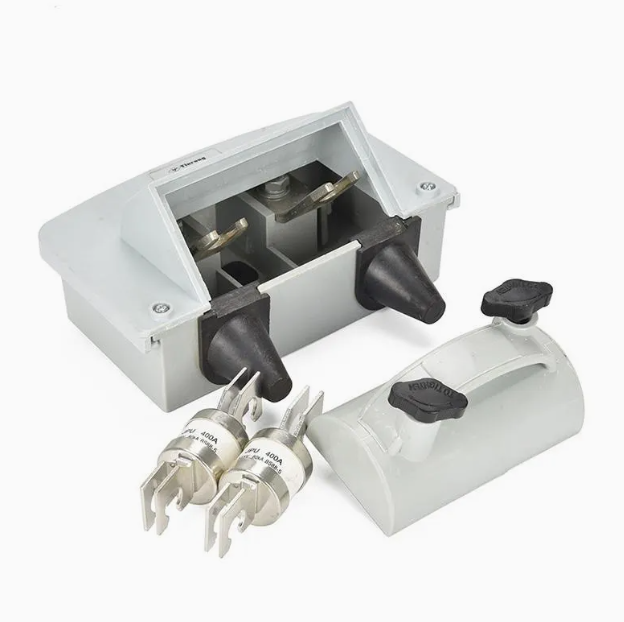
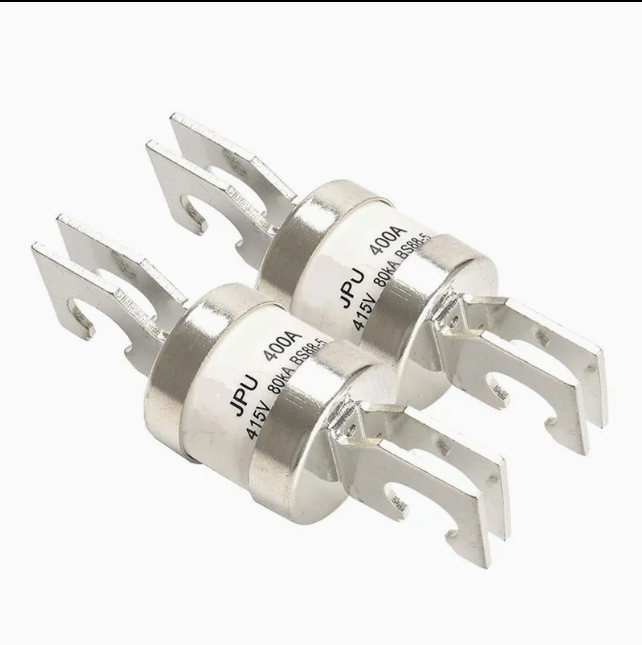
A 400A J fuse pole mounted fuse cutout is a serious piece of overhead distribution protection equipment. It is not a commodity item that should be chosen by price alone, because the wrong specification can lead to nuisance operations, poor fault clearing, damaged transformers, and longer restoration times after line events.
Utilities, EPC contractors, and industrial power engineers usually look at these units when standard lower-current dropouts are no longer enough for feeder taps, high-load transformer positions, capacitor banks, or rugged switching points on overhead networks. In practice, the selection process involves more than current rating. It also requires matching voltage class, insulation level, interrupting capability, material system, and maintenance philosophy.
This guide explains how a 400A pole mounted fuse cutout works, what technical specifications matter most, where it is typically installed, how it compares with 100A and 200A units, and how to evaluate 400a j fuse pole mounted fuse cutout manufacturers and 400a j fuse pole mounted fuse cutout suppliers with confidence.
What Is a 400A J Fuse Pole Mounted Fuse Cutout?
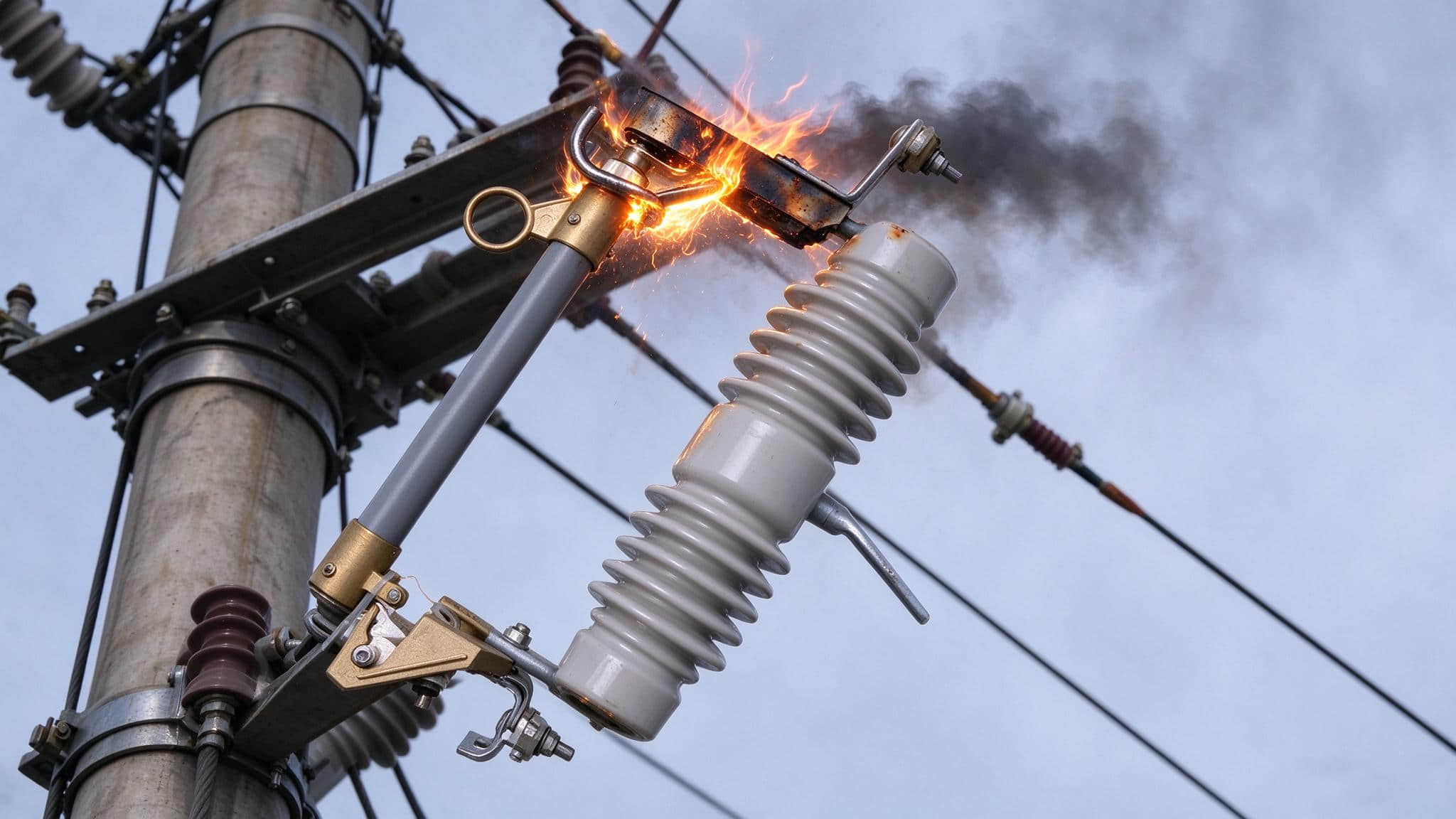
A 400A J fuse pole mounted fuse cutout is an outdoor protective and switching device used on medium- and high-voltage overhead distribution systems. It combines a fuseholder, contacts, insulation structure, and mounting hardware into a unit that can carry load current and disconnect automatically when a fault causes the fuse element to melt.
When engineers refer to a 400A J fuse cutout switch, they are generally describing a heavy-duty dropout design intended for higher continuous current applications than standard distribution cutouts. These are often mounted on wood, concrete, or steel utility poles and installed on transformer primaries, feeder branches, capacitor circuits, and industrial taps.
In the field, the device serves two jobs at once. First, it gives fault protection. Second, it provides visible isolation, which line crews value during troubleshooting and restoration.
A typical utility line drop out fuse assembly includes:
Insulator body, in porcelain or polymer
Upper and lower contacts
Fuseholder or fuse tube
Arc-extinguishing liner or venting structure
Mounting bracket and terminal pads
Replaceable fuse link compatible with system protection studies
These units are typically used on systems ranging from distribution class voltages such as 11kV, 15kV, 24kV, 27kV, and 33kV, depending on utility standards and the manufacturer’s design envelope.
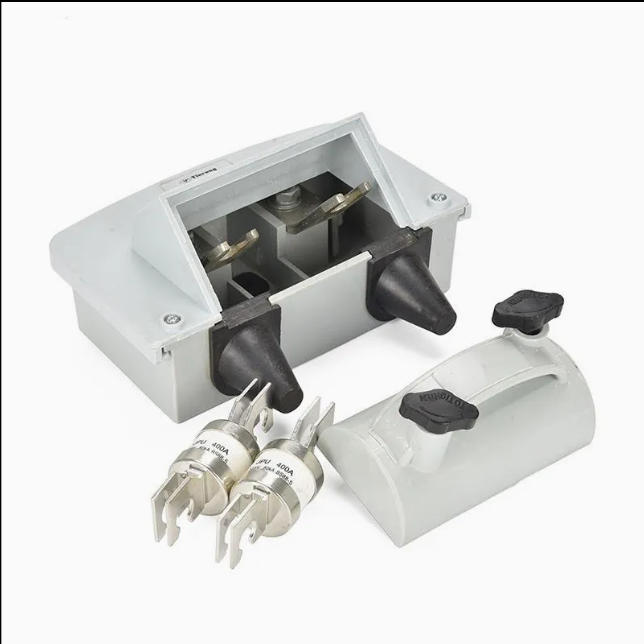
Why Utilities and Contractors Need a 400A J Fuse Cutout
Overhead distribution networks are exposed to birds, wind-driven debris, lightning-induced surges, tree contact, conductor slap, contamination, and equipment aging. When a fault occurs on a transformer primary or branch line, the protective device must operate quickly enough to prevent wider network damage.
Without a properly rated overhead distribution fuse cutout 400 amp, several expensive outcomes become more likely:
Transformer tank overheating or internal winding damage
Feeder interruption extending beyond the faulted section
Excessive thermal stress on jumpers and connectors
Longer outage duration because crews cannot see an open point clearly
Repeat outages caused by under-rated devices operating too often
Contractors also need 400A-class cutouts where project loads have grown. A pole line originally designed for small agricultural service may now feed irrigation pumps, grain drying equipment, telecom shelters, or distributed energy interfaces. In those cases, older 100A or 200A assemblies can become a bottleneck.
From a utility operations standpoint, the right cutout improves sectionalizing discipline. Crews can isolate a failed transformer bank or lateral quickly, confirm a visible open gap, and restore healthy sections with less uncertainty.
How a 400A J Fuse Pole Mounted Fuse Cutout Works
The operating principle is simple, but good performance depends on precise mechanical and electrical design.
Under normal conditions, the fuse link inside the fuseholder carries current. The contacts remain closed, and the circuit stays energized. If fault current rises above the fuse link’s designed response curve, the element melts.
When the element melts, an arc forms. The fuse tube’s internal arc-control system lengthens, cools, and extinguishes that arc. As tension is released, the fuseholder drops open under gravity, creating the well-known dropout action.
This achieves three important outcomes:
Interrupts fault current within the limits of the device and fuse link
Provides a visible open point for crews on the ground or in the bucket
Identifies the faulted branch faster than enclosed equipment can in many rural overhead settings
In a complete utility line drop out fuse assembly, the opening motion must be decisive. Weak hinge geometry, poor contact pressure, or inferior arc-liner material can cause partial dropout, contact burning, or shortened service life.
This is why experienced buyers ask for more than a catalog photo. They request interruption test records, contact temperature-rise data, material declarations, and dimensional drawings.
Key Technical Specifications to Compare Before Buying
Choosing a 400A J fuse cutout switch starts with the electrical system, not the product brochure. A cutout that looks robust can still be wrong if the voltage class, BIL, or clearances do not match the network.
Rated Voltage
The rated voltage must align with the system’s highest operating voltage and the utility’s insulation coordination rules. Common classes include 15kV, 27kV, and 38kV designs for different networks.
Continuous Current
A 400A rating is not just about momentary load. It must withstand real field loading, solar heating, connector resistance, and ambient temperature swings without excessive temperature rise at contacts and terminals.
Interrupting Capacity
This defines how much fault current the cutout-and-fuse combination can safely interrupt. For substations, dense urban feeders, or short line sections close to a strong source, available fault current may be far higher than on a remote rural spur.
Insulation Level and BIL
Basic Insulation Level matters because overhead equipment sees switching impulses and lightning stress. A unit used on a coastal 27kV line should not be selected purely on nominal voltage without checking BIL and contamination performance.
Creepage Distance
In polluted, humid, desert, or salt-laden zones, creepage distance matters a lot. Insufficient creepage increases the risk of tracking and flashover, especially where cutouts face fertilizer dust, cement particles, or industrial emissions.
Material System
Porcelain still has a strong reputation in many utility fleets for rigidity and long-term UV stability. Polymer designs can reduce weight and improve contamination performance, but quality varies significantly by manufacturer.
Mounting Compatibility
The high voltage pole top fuse holder assembly must fit actual field hardware. Buyers should verify bracket geometry, NEMA pad compatibility, conductor pad hole spacing, and line-side/load-side orientation before ordering in bulk.
Mechanical Strength
Wind loading, vibration, ice, and repeated live-line operations place stress on the frame and hinge. Mechanical endurance is especially important where crews use hot sticks frequently for sectionalizing.
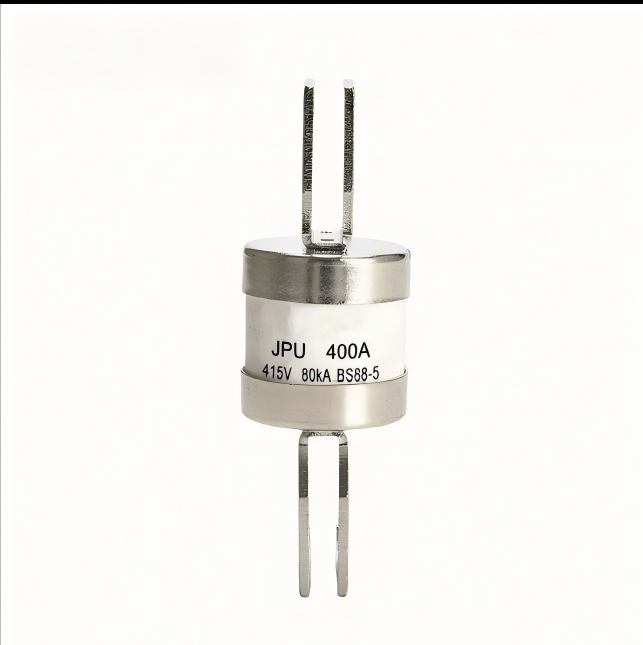
400A J Fuse Pole Mounted Fuse Cutout Specification Table
| SPECIFICATION ITEM | TYPICAL RANGE / OPTION | WHY IT MATTERS IN SERVICE |
|---|---|---|
| Voltage Class | 15kV, 27kV, 38kV | Must match system voltage and utility insulation coordination |
| Continuous Current | 400A | Supports higher-load transformer taps, feeders, and switching duties |
| BIL | 95kV, 125kV, 150kV, 170kV | Determines impulse withstand against lightning and switching surges |
| Frequency | 50Hz / 60Hz | Must match regional grid standard |
| Interrupting Design | Arc-extinguishing fiber liner, vented fuse tube | Controls arc energy and ensures reliable dropout behavior |
| Insulator Material | Porcelain or polymer | Affects weight, contamination resistance, and impact behavior |
| Contact Material | Copper, bronze, silver-plated contact surfaces | Influences conductivity, heating, and contact life |
| Mounting Type | Pole bracket, crossarm compatible | Ensures fit with existing overhead hardware |
| Applicable Standards | ANSI / IEEE, IEC utility specifications | Verifies test discipline and procurement compliance |
Typical Applications for 400A Pole Mounted Fuse Cutouts
The most common use cases are not theoretical. They come directly from overhead distribution practice, especially where operators need both high current capability and visible isolation.
Pole-top transformer protection: Large distribution transformers or transformer banks serving commercial clusters, irrigation loads, or industrial customers.
Capacitor bank isolation: Switching and protecting overhead capacitor installations where current duty exceeds lower-rated hardware.
Overhead feeder sectionalizing: Branch circuits and lateral takeoffs where line crews need a visible open point.
Industrial overhead tap lines: Dedicated supply taps to quarries, mills, pumping stations, and process facilities.
Substation outgoing pole protection: First overhead structure outside the fence line where robust dropout protection is preferred.
High current renewable interconnection auxiliaries: Selected medium-voltage interfaces requiring visible isolation at pole top.
High voltage pole top fuse holder applications: Sites where elevated mounting and live-line operation are routine.
In utility planning meetings, engineers often reserve 400A-class units for positions where load growth, switching needs, and operational reliability justify the higher-duty design.
400A J Fuse Cutout vs Other Fuse Cutout Ratings
Not every circuit needs a 400A unit. Over-specifying can increase cost and weight, while under-specifying can create thermal and operational problems. A comparison by application profile is more useful than just reading the nameplate.
| RATING CLASS | TYPICAL LOAD PROFILE | FAULT DUTY ENVIRONMENT | INSTALLATION HEIGHT / ACCESS | REPLACEMENT FREQUENCY TREND |
|---|---|---|---|---|
| 100A | Small transformers, light rural laterals | Lower available fault current in remote lines | Standard pole-top access | Higher where wildlife or storm faults are frequent |
| 200A | General distribution transformer protection | Moderate branch and lateral duty | Common utility pole installations | Moderate depending on feeder exposure |
| 400A | Heavy load taps, capacitor banks, industrial feeders | Higher-duty overhead distribution positions | Often chosen where visible isolation is operationally critical | Lower nuisance replacement when correctly coordinated |
The practical difference is not simply that a 400A model carries more current. It is also designed for tougher contact duty, stronger mechanical construction, and use in circuits where crews need better performance margin.
How to Choose the Right 400A J Fuse Cutout Switch
Selection should follow a disciplined process. The best procurement teams start with the single-line diagram, protection coordination study, and actual field environment.
1. Match the System Voltage
Confirm nominal voltage, maximum system voltage, and surge environment. A 15kV-class device on a 27kV network is an obvious mismatch, but smaller mistakes happen too, especially around BIL and creepage requirements.
2. Confirm Continuous Load Margin
Do not size to average load only. Consider peak summer load, motor starting effects, distributed generation backfeed conditions, and future growth.
3. Check Coordination with Fuse Links and Upstream Devices
The cutout does not operate alone. It must coordinate with reclosers, breakers, upstream fuses, and transformer damage curves. A good selection avoids both unnecessary outages and under-protection.
4. Assess Environmental Conditions
Salt fog, cement dust, ammonia, wildfire ash, and high UV exposure all affect service life. In coastal and polluted areas, creepage distance and hydrophobic surface behavior deserve close attention.
5. Review Maintenance Practices
If the utility performs frequent live-line switching, contact wear and hinge durability become more important. If the network is remote and inspected only annually, corrosion resistance and long-term sealing matter more.
6. Verify Mounting and Retrofit Fit
Even a strong product can create field headaches if brackets do not align with existing crossarms or conductors require awkward bending. Always compare drawings against actual pole-top arrangements.
7. Evaluate Manufacturer Support
The best suppliers provide routine test reports, installation instructions, spare parts support, and responsive engineering answers. This is one reason many buyers shortlist established partners such as Weisho Electric when consistent documentation and export support are required.
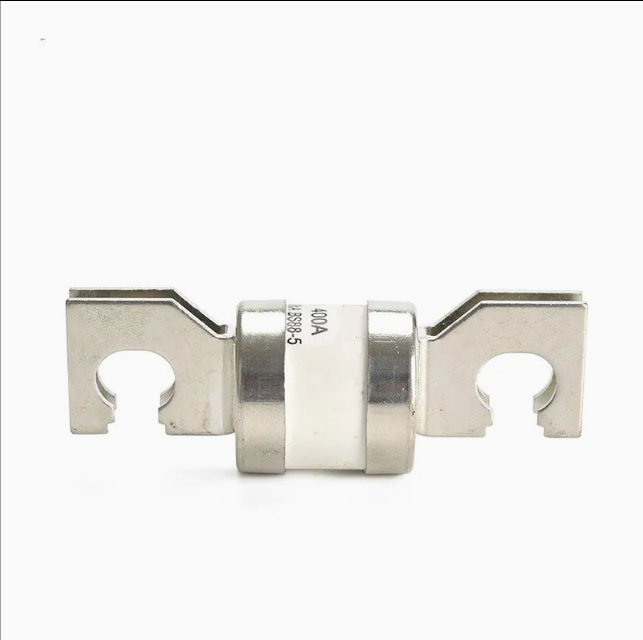
Real-World Utility Examples and Field Data
Buyers want evidence, not adjectives. Below are field-style examples based on common utility and contractor operating conditions seen across overhead distribution networks.
Rural Feeder Protection Upgrade
A regional utility in Southeast Asia upgraded several long agricultural laterals from mixed older 100A/200A cutouts to coordinated 400A-class positions at heavy irrigation pump taps. The utility reported fewer summer overload complaints and better isolation of branch faults during monsoon season.
Measured results over 12 months showed a 17% reduction in transformer-related service calls on the upgraded sections. Crew notes also recorded faster fault location because opened dropout positions were visible from the access road.
Substation Outgoing Pole Application
An industrial park operator installed 27kV 400A cutouts on outgoing overhead poles just beyond a compact substation. Before the change, troubleshooting depended heavily on enclosed switchgear indications and took longer during single-branch failures.
After installation, average isolation time during branch faults fell from 41 minutes to 24 minutes. That difference mattered because the park included cold-storage loads where outage duration translates directly into product risk.
Industrial Overhead Tap Line
A quarry operation in Africa used heavy-duty dropout units on a dedicated overhead tap feeding crushers and conveyor auxiliaries. Dust contamination had caused tracking issues on older hardware with insufficient creepage.
After moving to longer-creepage polymer units and tightening maintenance intervals, unplanned cutout-related incidents dropped from 6 events per year to 2 events per year. The maintenance supervisor specifically noted improved surface performance after seasonal cleaning.
Coastal Distribution Retrofit
On a coastal distribution line, a contractor replaced corroded cutouts with corrosion-resistant assemblies using hot-dip galvanized steel fittings and silvered contact interfaces. Salt fog had previously accelerated hinge wear and contact heating.
Infrared inspections six months after installation showed terminal temperatures reduced by 8°C to 14°C under comparable load conditions. Lower contact resistance was the likely driver.
These examples reflect what experienced line engineers already know: correct specification and quality manufacturing improve reliability in measurable ways, not just in marketing claims.
Performance Data Table: Service Reliability and Fault Protection
| INSTALLATION SCENARIO | BASELINE CONDITION | MEASURED IMPROVEMENT AFTER UPGRADE | OPERATIONAL BENEFIT | TYPICAL MAINTENANCE INTERVAL |
|---|---|---|---|---|
| Rural irrigation feeder | Frequent overload complaints and branch fault ambiguity | 17% fewer transformer-related service calls in 12 months | Better fault isolation and fewer nuisance operations | 12 months visual, 24 months detailed inspection |
| Substation outgoing pole | Average branch isolation time 41 minutes | Reduced to 24 minutes | Faster restoration and clearer visible open point | Annual inspection plus post-fault check |
| Quarry overhead tap line | 6 cutout-related incidents per year | Reduced to 2 incidents per year | Improved contamination performance and uptime | 6 months cleaning in high dust seasons |
| Coastal feeder retrofit | High contact heating due to corrosion | 8°C to 14°C lower terminal temperatures | Reduced resistive losses and lower thermal stress | 6 to 12 months depending on salt exposure |
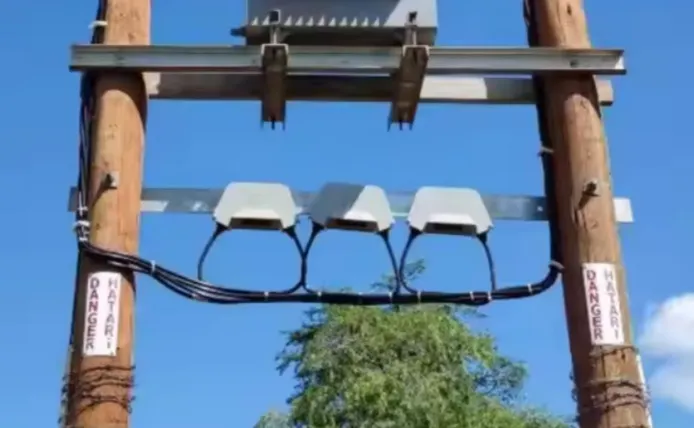
400A J Fuse Pole Mounted Fuse Cutout Installation Best Practices
Even a well-designed cutout can fail early if installed poorly. Most field issues trace back to alignment, torque, contamination, or wrong fuse link handling rather than inherent product defects.
Pole-Top Mounting Position
Install the cutout where the dropout path is unobstructed. The fuseholder must swing open freely and remain visible to crews.
Bracket Alignment
Misalignment puts mechanical stress on insulators and contacts. Ensure the assembly sits square to the crossarm or mounting structure and that line tension does not twist the base.
Conductor Connection Torque
Loose connectors increase contact resistance and heating. Over-tightening can damage pads or deform connectors. Always follow the manufacturer’s torque values and use calibrated tools.
Fuse Link Handling
Fuse links should be stored dry, identified clearly by rating, and installed exactly as specified. Field crews should never improvise link substitution to “get through the day,” because that defeats coordination studies.
Electrical Clearances
Maintain line-to-ground and phase-to-phase clearance according to utility construction standards. This is especially important on retrofits where larger equipment is being fitted into an older pole-top arrangement.
Live-Line Safety Procedures
Use approved hot sticks, PPE, cover-up methods, and crew communication protocols. A visible open point is valuable, but only when created under disciplined switching practice.
Commissioning Inspection
Before energization, verify hinge action, contact seating, terminal tightness, hardware finish, tube orientation, and absence of cracks or shipping damage.
Common Failure Modes and Maintenance Checklist
Most cutouts do not fail suddenly without warning. They usually show visible signs first. A structured inspection routine catches these before they become outages.
Tracking and Surface Contamination
Dust, salt, industrial pollution, and moisture can create conductive paths. Look for chalking, discoloration, arc marks, or erosion along insulator surfaces.
Corrosion
Corroded steel fittings and oxidized contacts increase resistance and weaken mechanical integrity. Coastal areas and fertilizer-intensive agricultural zones are especially harsh.
Cracked Insulators
Porcelain may crack from impact, thermal shock, or installation stress. Polymer housings should be checked for cuts, punctures, or deep weathering.
Loose Contacts and Heating
Poor seating pressure causes localized heating. Infrared thermography is one of the best predictive tools for identifying cutouts that look acceptable from the ground but are beginning to degrade electrically.
Weak Hinge Action
If the fuseholder does not drop decisively, fault clearing visibility can be compromised. Check pivot wear, spring tension where applicable, and hinge contamination.
Maintenance Checklist
Inspect insulator surface condition
Check hardware for rust or coating loss
Verify terminal tightness
Look for contact pitting or burn marks
Confirm fuseholder alignment and free dropout movement
Review load history and any fault-operation records
Use thermal scanning on critical high-load locations
Replace aged or questionable fuse links with approved types only
Preventive inspection extends service life and reduces emergency truck rolls. In many fleets, annual visual inspection is the minimum, while harsh environments justify six-month cycles.
Compliance, Testing, and Standards
Credible 400a j fuse pole mounted fuse cutout manufacturers should be able to document compliance with recognized standards and routine production testing. Serious buyers do not stop at “meets standard” language. They ask what was tested, how often, and by whom.
Common expectations include:
ANSI / IEEE utility references: Frequently used in North American and export utility specifications for distribution cutouts and fuse hardware.
IEC references: Important for many international tenders and EPC projects.
Dielectric testing: Power-frequency withstand and impulse tests to verify insulation integrity.
Short-circuit or interrupting tests: Demonstrates safe fault interruption performance.
Mechanical endurance testing: Confirms contact and hinge durability over repeated operations.
Temperature-rise testing: Validates current-carrying behavior under load.
Galvanization and corrosion checks: Critical for long outdoor life.
Routine factory inspection: Dimensional checks, assembly verification, and traceability.
When reviewing a supplier, ask for type test reports, routine inspection records, material certificates, and quality system information. Reliable manufacturers will provide them without hesitation.
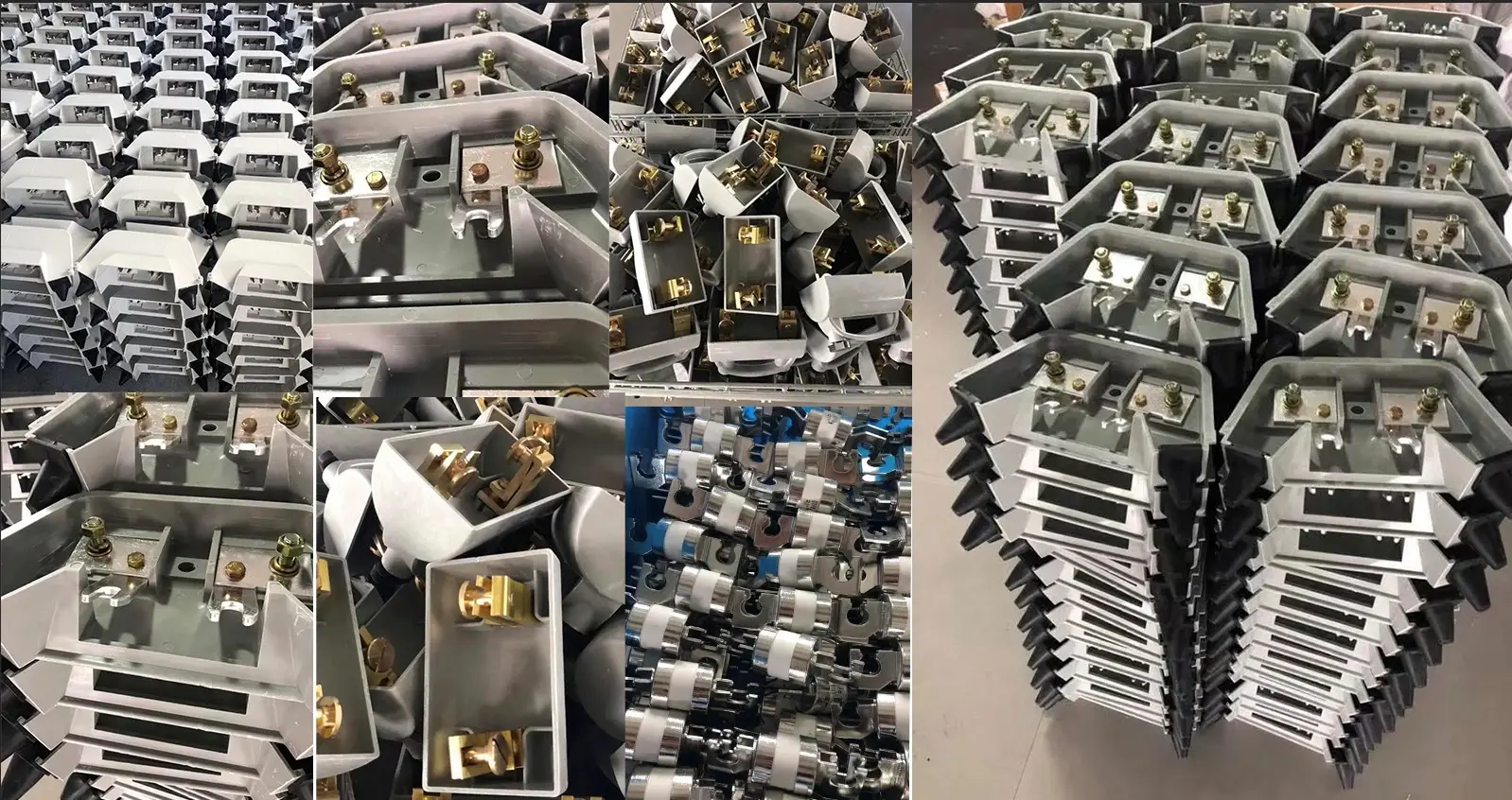
400A J Fuse Pole Mounted Fuse Cutout Manufacturers and Suppliers
The market includes many factories, trading firms, and OEM-oriented exporters. The challenge is separating actual engineering capability from simple reselling.
When comparing 400a j fuse pole mounted fuse cutout suppliers, look at the following factors:
Certification depth: ISO systems help, but product test evidence matters more.
Voltage class coverage: Can the supplier support 15kV, 27kV, and 38kV variants?
Material options: Porcelain and polymer should both be available if your utility approves both.
OEM customization: Brackets, terminal pads, branding, packaging, and creepage variants often matter in projects.
Lead time stability: Delivery performance is critical in framework agreements.
Traceability: Batch control and serial tracking reduce dispute risk.
Export experience: Documentation, palletizing, and compliance paperwork should be routine.
After-sales support: Buyers need drawings, installation guidance, and quick response for technical queries.
In practical procurement, experienced buyers often prefer suppliers that can provide not only a datasheet, but also test records, production photos, packing plans, and engineering communication that feels precise. That is one reason companies like Weisho Electric attract attention in export-focused sourcing discussions, especially for buyers who want a balance of manufacturing support and project responsiveness.
Manufacturer Comparison Table
| SUPPLIER EVALUATION CRITERION | WHAT STRONG MANUFACTURERS PROVIDE | WHY BUYERS SHOULD CARE |
|---|---|---|
| Voltage Class Offerings | 15kV, 27kV, 38kV or utility-specific variants | Supports standardization across multiple projects |
| Material Options | Porcelain and polymer, multiple creepage designs | Allows fit for climate, contamination, and utility preferences |
| Standards Compliance | ANSI / IEEE, IEC, routine test documentation | Reduces technical and tender risk |
| MOQ Flexibility | Sample order support plus bulk production capability | Useful for qualification trials before large rollout |
| Warranty | Clear warranty terms with documented claim process | Improves accountability after delivery |
| Export Capability | HS code support, test records, packing lists, certificates | Prevents customs and project documentation delays |
| Lead Time | Transparent schedule by model and quantity | Important for outage windows and project milestones |
| Engineering Support | Drawings, torque data, installation guidance, customization review | Reduces field mismatch and procurement errors |
Pricing Factors and Bulk Procurement Tips
Price differences between suppliers are rarely random. They usually reflect material choices, testing depth, hardware finish, and production control.
Raw Materials
Copper and bronze content affect electrical and mechanical performance, but they also affect cost. So do silver-plated contact surfaces and high-quality galvanized steel.
Porcelain vs Polymer Design
Porcelain designs may carry different manufacturing and shipping economics than polymer designs. Polymer can reduce weight and freight cost, but quality resin systems and molding control are essential.
Order Volume
Bulk orders typically reduce unit pricing, but buyers should verify whether accessories, fuse tubes, and spare parts are included. A low headline quote can become expensive once all required hardware is added.
Logistics and Packaging
Export packing matters more than many first-time buyers realize. Poor packaging can turn a good product into a claim dispute after long-distance shipment.
Customization
Special brackets, pad drilling, branding, nonstandard creepage, and project labeling all add cost. However, thoughtful customization often saves far more money during installation than it adds at the factory.
Bulk Procurement Tips
Ask for samples before committing to a framework order
Request type test reports and routine test checklists
Confirm exact accessory scope in the quotation
Check interchangeability with your existing fleet
Include spare fuseholders or critical small parts in the PO
Negotiate packing method and labeling details in writing
Align Incoterms with your actual logistics capability
A disciplined bid comparison should evaluate landed lifecycle value, not just ex-works price.
Best Keywords Buyers Also Search For
Search behavior in this category is highly practical. Buyers often use several technical phrases interchangeably depending on region, tender language, and application focus.
The most relevant search-intent terms include:
400A pole mounted fuse cutout
400A J fuse cutout switch
overhead distribution fuse cutout 400 amp
high voltage pole top fuse holder
utility line drop out fuse assembly
400a j fuse pole mounted fuse cutout manufacturers
400a j fuse pole mounted fuse cutout suppliers
These terms map to slightly different buyer needs. Some users are looking for protection coordination information, some want dimension drawings, some need utility approval data, and others are ready to compare quotations from qualified suppliers.
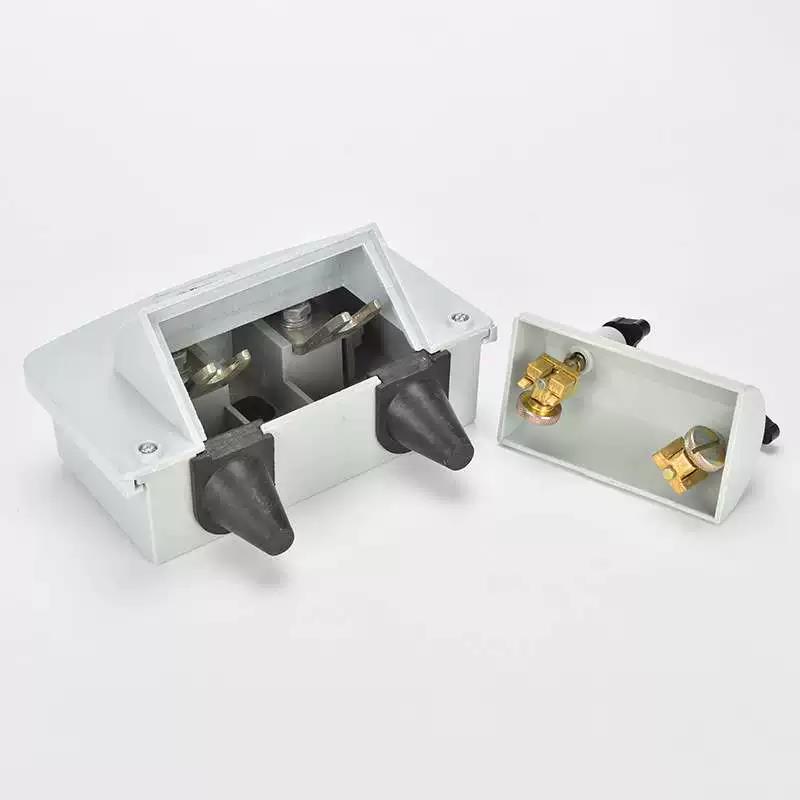
FAQ
What is a 400A J fuse pole mounted fuse cutout used for?
It is used for fault protection and visible isolation in overhead distribution systems. Typical uses include transformer primary protection, feeder branch isolation, capacitor bank protection, and industrial overhead taps where higher continuous current capability is required.
What is the difference between a 400A J fuse cutout switch and a standard dropout fuse cutout?
The main difference is the current class and duty level. A 400A J fuse cutout switch is intended for higher load applications and usually features stronger contacts, heavier construction, and better suitability for demanding overhead switching positions than many standard lower-rated dropout cutouts.
How do I select the correct voltage rating for a 400A pole mounted fuse cutout?
Match the cutout to the system’s nominal voltage, maximum operating voltage, required BIL, and utility insulation standards. Also review creepage distance, altitude effects where relevant, and any local contamination requirements before final selection.
Can a 400A J fuse cutout be used for transformer protection?
Yes, it is commonly used for transformer protection when the transformer size, load profile, and system fault levels justify a 400A-class assembly. The key is proper coordination between the fuse link, transformer damage curve, and upstream protective devices.
What are the main materials used in high voltage pole top fuse holders?
Common materials include porcelain or polymer for insulation, copper or bronze for current-carrying contacts, and galvanized steel for mounting hardware. Some designs also use silver-plated contact surfaces to reduce resistance and improve long-term performance.
How often should an overhead distribution fuse cutout 400 amp be inspected?
A practical baseline is annual inspection for normal service areas. In coastal, dusty, heavily polluted, wildfire-prone, or high-load environments, inspections every 6 months are often more appropriate, with immediate checks after major fault events or storms.
What standards should 400A J fuse pole mounted fuse cutout manufacturers meet?
Buyers should verify relevant ANSI / IEEE or IEC compliance, along with dielectric testing, interrupting performance testing, temperature-rise validation, mechanical endurance checks, corrosion protection controls, and documented routine factory inspection procedures.
How do I compare 400A J fuse pole mounted fuse cutout suppliers?
Compare them by test documentation, consistency of materials, voltage-class range, customization ability, lead time reliability, technical support, export experience, warranty clarity, and responsiveness after shipment. A supplier that answers detailed technical questions clearly is usually safer than one that competes on price alone.
Request a Quote for 400A J Fuse Pole Mounted Fuse Cutouts
If you are sourcing a 400A pole mounted fuse cutout for utility, contractor, or industrial overhead projects, now is the time to compare real specifications instead of generic catalog language.
Request a quote from verified 400a j fuse pole mounted fuse cutout manufacturers or trusted 400a j fuse pole mounted fuse cutout suppliers and ask for the essentials: datasheets, dimensional drawings, type test reports, material details, packing method, lead time, and bulk pricing.
Send your voltage class, BIL requirement, mounting preference, and project quantity today to receive a tailored recommendation, technical support, and a fast commercial offer for your next overhead distribution protection project.