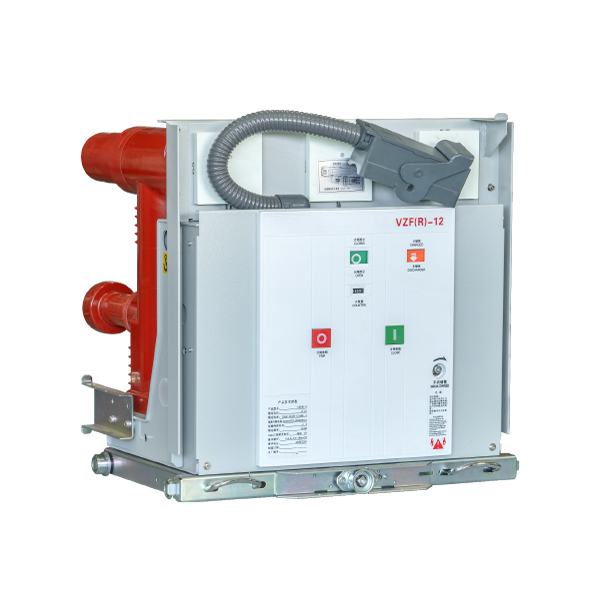
What is a 12 kV Vacuum Circuit Breaker?
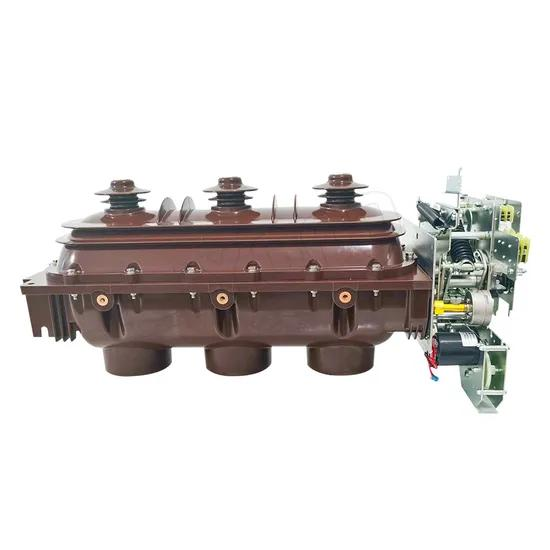
A 12 kV Vacuum Circuit Breaker (VCB) is a critical switching device designed to protect and control medium voltage power distribution systems operating between 7.2 kV and 12 kV. At Weisho Electric, our VCBs serve as the primary defense mechanism against electrical faults, ensuring the safety of infrastructure in urban grids, industrial mining operations, and renewable energy projects. By utilizing a high-vacuum environment for arc extinction, these breakers offer a compact, maintenance-free solution capable of handling significant short-circuit currents ranging from 12.5kA to 40kA.
Overview of 12 kV Medium Voltage Technology
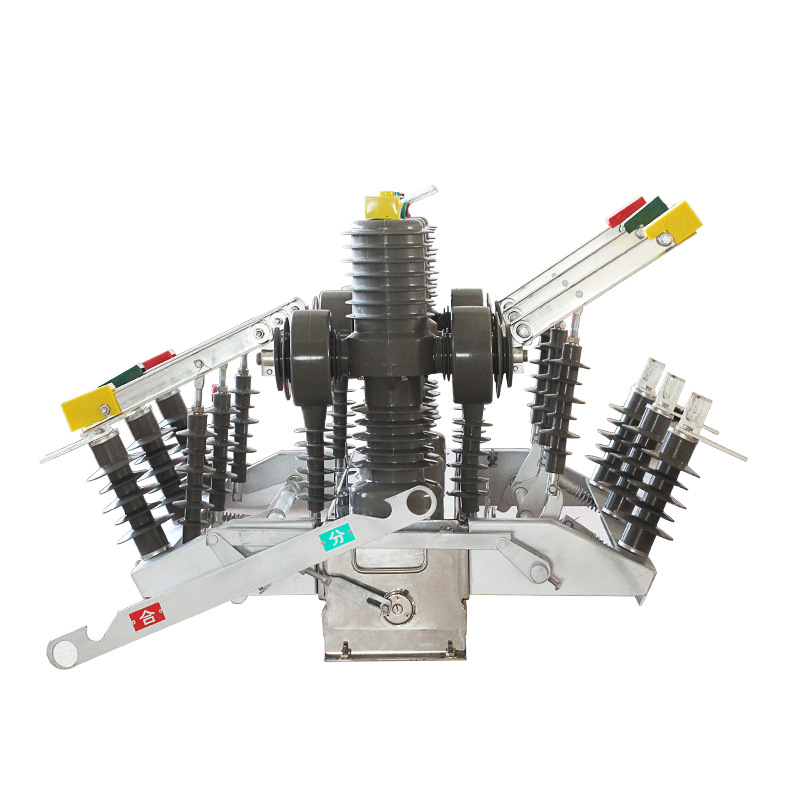
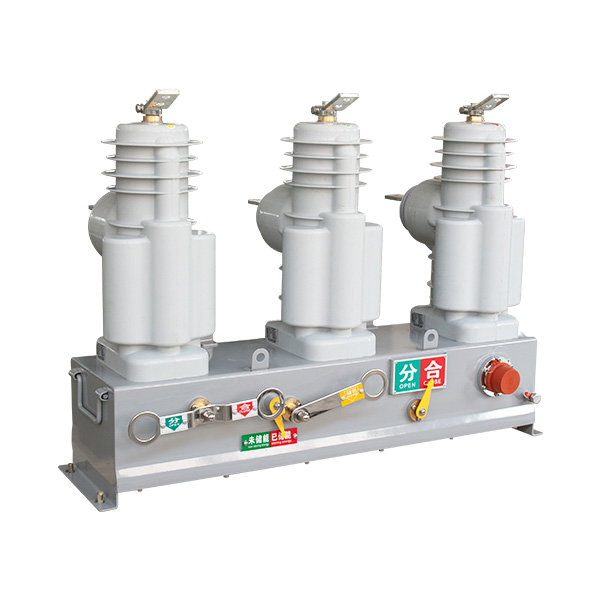
The 12kv circuit breaker sector represents a vital segment of electrical infrastructure, bridging the gap between high-voltage transmission and low-voltage consumption. Our technology is engineered to withstand the rigorous demands of modern distribution networks. Whether deployed in indoor metal-clad switchgear (like our ZN63A/VS1 models) or mounted on outdoor poles (such as the ZW32 series), these units provide reliable insulation and mechanical endurance.
Key characteristics of our medium voltage technology include:
Voltage Rating: Rated for 12kV, supporting operations down to 7.2kV.
Current Handling: Rated currents from 630A up to 2500A.
Durability: Designed for extended mechanical life, achieving ≥ 10,000 operations without requiring internal servicing.
Core Working Principle and Vacuum Interruption
Understanding what is vacuum circuit breaker technology starts with the vacuum interrupter, the heart of the device. Unlike oil or air-blast breakers, the vacuum circuit breaker function relies on extinguishing the electric arc within a sealed vacuum chamber. When a fault occurs and the contacts separate, the metal vapor arc is quickly diffused and extinguished at the first current zero-crossing due to the high dielectric strength of the vacuum.
Our engineering approach enhances this principle through:
Solid-Sealed Insulation: We utilize epoxy resin to encapsulate the vacuum interrupter, protecting it from external contaminants like dust and moisture.
Fast Recovery: The dielectric strength recovers almost instantly, ensuring the circuit remains broken even under severe stress.
SF6-Free Operation: This method eliminates the need for greenhouse gases, aligning with environmental safety standards.
The Role of VCBs in Modern Electrical Grids
The electrical vacuum breaker is no longer just a passive switch; it is an active component of smart grid architecture. In modern distribution systems, our VCBs perform the dual role of control and protection. They allow operators to manually or remotely switch load currents during maintenance while automatically isolating faults to prevent system-wide blackouts.
Weisho Electric VCBs are integral to grid modernization due to:
Smart Grid Readiness: Integration with Intelligent Controllers allows for remote monitoring via SCADA, GPRS/4G, and Modbus protocols.
Fault Isolation: Rapidly breaking overload and short-circuit currents prevents damage to expensive transformers and downstream equipment.
Safety Interlocks: Mandatory mechanical and electrical interlocking prevents misoperation, a critical feature for indoor three-station models like the VZG-12GD.
Key Features and Technical Advantages
Arc Extinguishing and Interruption Efficiency
Our 12kV vacuum circuit breaker technology relies on advanced vacuum interrupters to handle arc extinction safely and rapidly. When the contacts separate, the metal vapor arc is extinguished at the first current zero-crossing, ensuring high dielectric recovery speed. This allows our units to handle short-circuit breaking currents ranging from 12.5kA up to 40kA without sustaining damage.
The vacuum circuit breaker function is critical for minimizing contact erosion. Because the arc is contained within a sealed vacuum chamber, there are no decomposition products or oxidation, ensuring consistent performance even during frequent switching operations.
Compact and Space-Saving Modular Design
Space is often at a premium in modern substations and industrial facilities. We designed our indoor models, such as the ZN63A (VS1) and C-GIS compatible units, to be highly compact. This modularity allows for easy integration into standard air-insulated switchgear or compact HGGN-12 medium voltage ring main units, reducing the overall footprint of your distribution equipment.
Design benefits include:
Retrofit Capability: Models like the ZN28-12 fit existing fixed cabinets, replacing obsolete air-break units without structural changes.
Versatile Installation: Suitable for both withdrawable (handcart) and fixed mounting configurations.
Reduced Clearance: The high dielectric strength of the vacuum gap allows for smaller pole-to-pole distances compared to older technologies.
Low Maintenance and Long Service Life
One of the biggest advantages of an electrical vacuum breaker is the “fit and forget” reliability. Our operating mechanisms—whether spring-operated or permanent magnet—are designed for durability. The vacuum interrupters are sealed for life, requiring no gas refilling or internal maintenance.
Maintenance Metrics:
| Feature | Specification |
| :— | :— |
| Mechanical Life | ≥ 10,000 operations |
| Interrupter Service | Maintenance-free for full service life |
| Lubrication | Long-term lubrication for operating mechanisms |
This longevity significantly lowers the total cost of ownership compared to oil or air-blast breakers, making them a smart investment for utilities looking to optimize operational budgets.
Environmental Sustainability and Sealed-for-Life Poles
We engineer our breakers to withstand harsh environmental conditions while maintaining high insulation standards. By utilizing solid-sealed epoxy resin insulation, we embed the vacuum interrupter directly into the pole. This protects the core components from external contaminants like dust, moisture, and salt fog.
This solid insulation technology is particularly effective for our outdoor vacuum circuit breaker solutions, ensuring reliable operation in temperatures ranging from -40°C to +45°C. The absence of oil and the minimal use of SF6 gas in the breaking unit itself make these VCBs an environmentally friendly choice for modern green grids.
Technical Specifications and Performance Parameters
When selecting a 12kV vacuum circuit breaker, understanding the technical data is critical for ensuring grid stability and safety. We engineer our breakers to meet rigorous international standards, ensuring they handle the demands of modern distribution systems, from urban substations to remote industrial sites.
Rated Current and Short-Circuit Breaking Capacity
The core performance of a VCB is defined by its ability to carry load current and interrupt faults. Our 12kV series offers flexibility to match specific site requirements, ranging from standard distribution loads to high-demand industrial applications.
Rated Current: We provide options starting at 630A for standard feeders, scaling up to 1250A, 1600A, and 2500A for main incomers and heavy-duty circuits.
Short-Circuit Breaking Current: To protect against massive fault currents, our units are rated from 12.5kA up to 40kA. This high breaking capacity ensures the breaker can safely isolate faults without sustaining damage.
Our complete range of vacuum circuit breakers and switchgear components is engineered to meet these diverse load requirements, ensuring reliable operation whether you are managing a small facility or a major utility grid.
Insulation Levels and Dielectric Strength
Safety is non-negotiable in medium voltage systems. Our 12kV vacuum circuit breaker specifications include robust insulation ratings to prevent flashovers and ensure personnel safety, even during voltage surges.
| Parameter | Specification |
|---|---|
| Rated Voltage | 12 kV (Supports 7.2kV operations) |
| Power Frequency Withstand (1 min) | 42 kV |
| Lightning Impulse Withstand (BIL) | 75 kV / 85 kV (Across gap) |
| Insulation Type | Solid-sealed epoxy resin / Air / Composite |
We utilize solid-sealed epoxy resin insulation in many of our models (like the ZW32 and VS1 series). This technology encapsulates the vacuum interrupter, protecting it from dust, moisture, and external contaminants, which significantly enhances dielectric strength compared to older air-insulated designs.
Operating Mechanism and Stored Energy Systems
The reliability of a vacuum circuit breaker operating mechanism determines how effectively it can open or close during a fault. We offer multiple mechanism types to suit different maintenance capabilities and automation needs.
Spring-Operated Mechanism: The industry standard for reliability. It uses a motor to charge the closing spring, allowing for rapid reclosing cycles (O-0.3s-CO-180s-CO).
Permanent Magnet Mechanism: Offers a simpler design with fewer moving parts, ideal for applications requiring high mechanical life and minimal maintenance.
Mechanical Life: Our units are tested for ≥ 10,000 operations, ensuring a long service lifecycle without the need for frequent internal servicing.
Standard Environmental Operating Conditions
Our 12kV circuit breaker lineup is built to withstand harsh environments. Whether installed in a controlled indoor switchgear room or mounted on an outdoor pole, the equipment is designed for “all-weather” performance.
Ambient Temperature: Operates reliably between -40°C and +45°C.
Protection Rating: Outdoor models (like the ZW32) feature IP65 enclosures to block water ingress and dust.
Climate Adaptability: Treated with anti-salt fog and anti-condensation measures, making them suitable for coastal, alpine, and tropical regions.
These robust environmental specs ensure that where a vacuum circuit breaker is used—be it a humid mine or a freezing substation—the protection remains consistent and reliable.
Main Types of 12 kV Vacuum Circuit Breakers
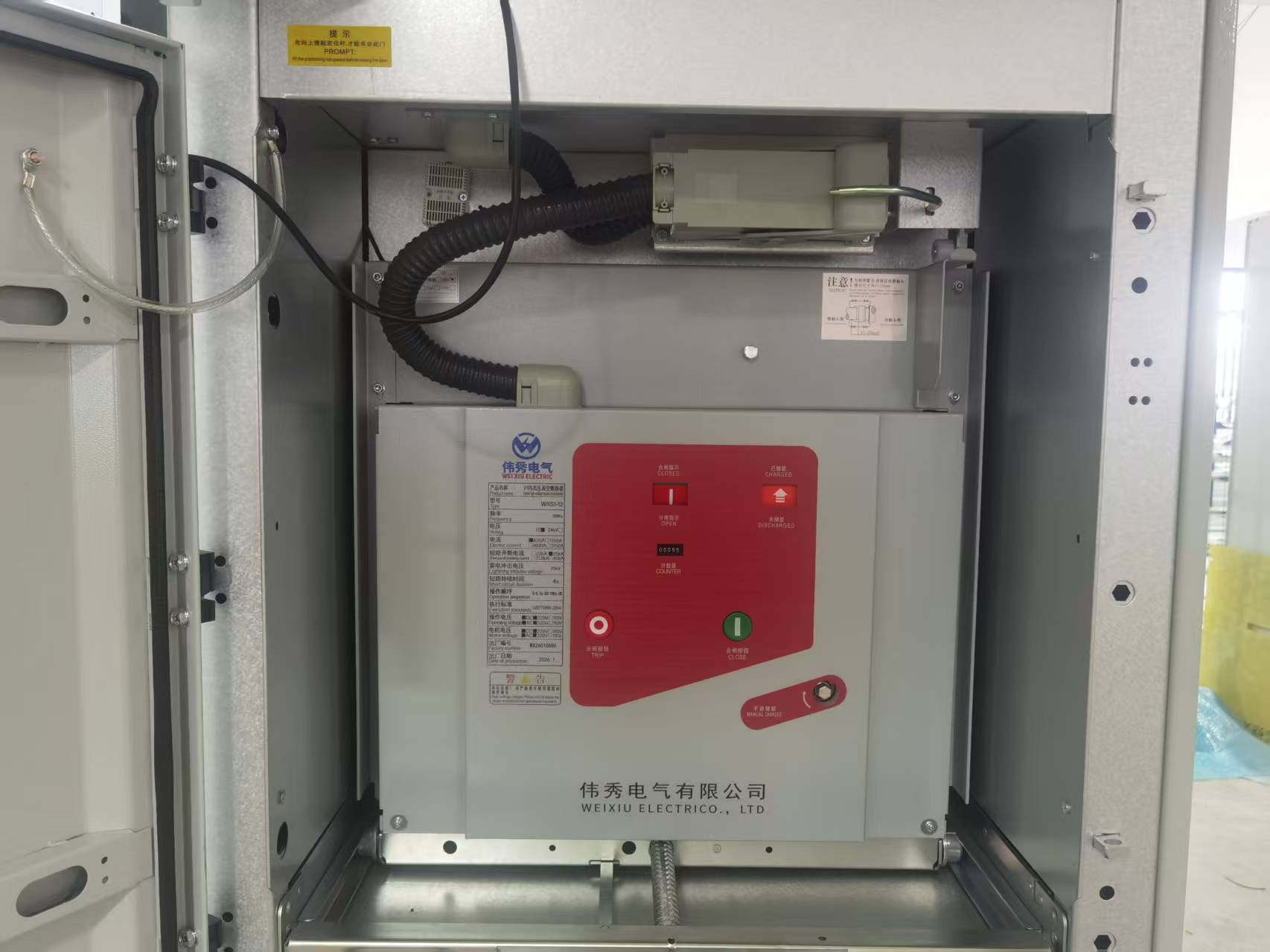
We categorize our vacuum circuit breaker 12 kv lineup based on installation requirements and environmental exposure. Whether you are upgrading legacy infrastructure or building a new smart grid, choosing the right configuration is critical for system reliability.
Fixed Type Vacuum Circuit Breakers
For facilities with older metal-clad cabinets, fixed-type units are the most practical solution. We design models like the ZN28-12 specifically for retrofitting projects. These units are bolted directly into the switchgear structure, making them a cost-effective choice for modernizing obsolete air-break units without requiring major structural modifications to the existing cabinet.
Best for: Retrofitting aging switchgear and static installations.
Key Benefit: Direct replacement capability with minimal downtime.
Withdrawable and Draw-out VCB Units
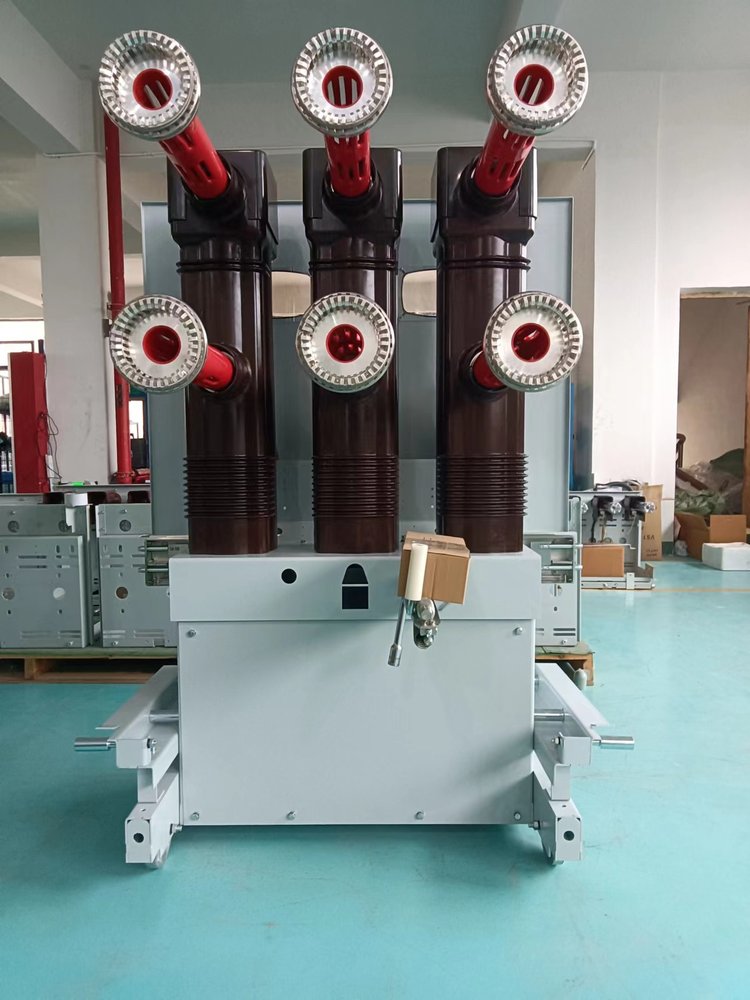
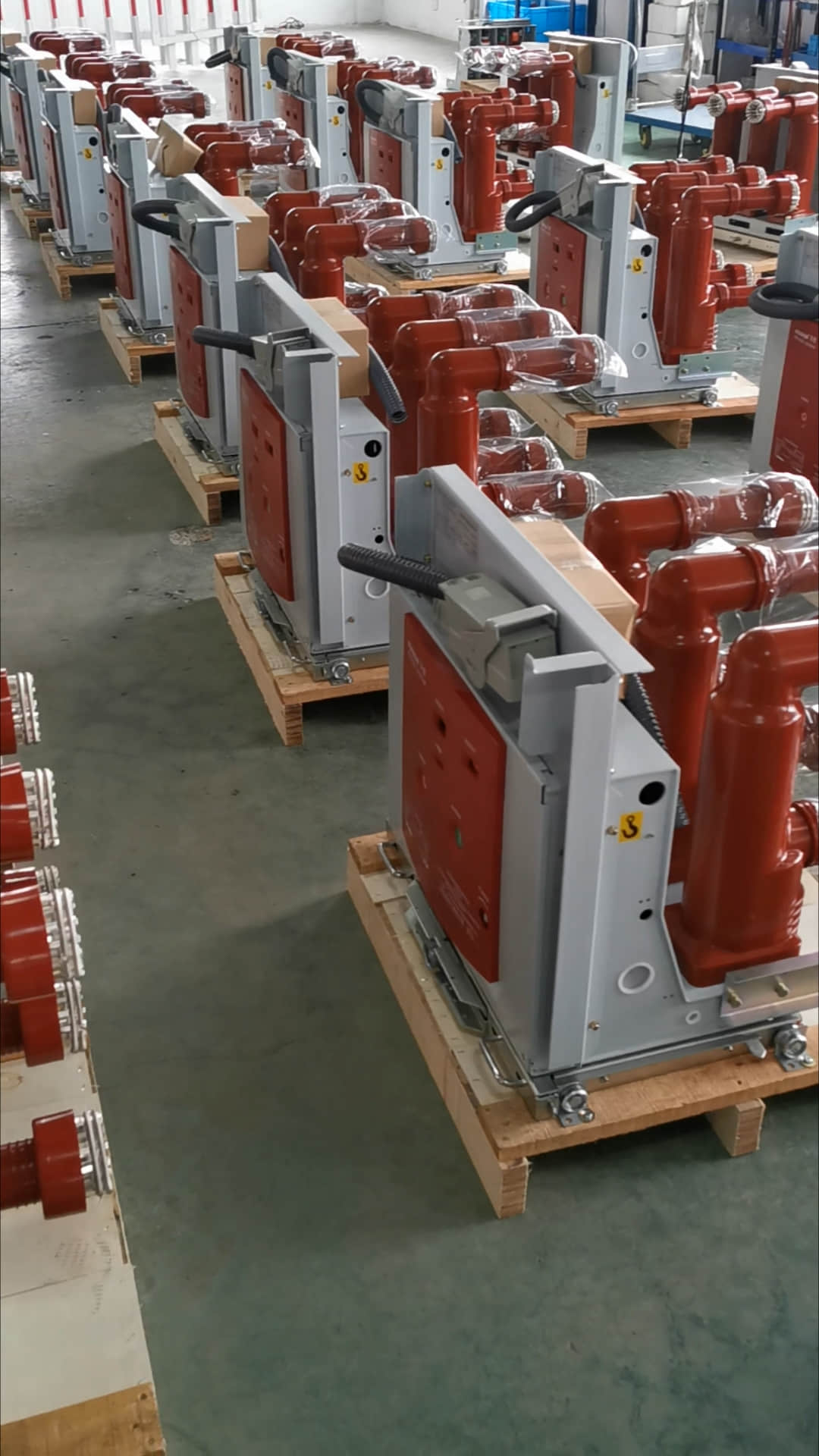
In modern power distribution, minimizing maintenance downtime is a priority. Our withdrawable units, such as the ZN63A (VS1), are mounted on a chassis or truck mechanism. This allows operators to rack the breaker out to a “test” or “disconnected” position without de-energizing the entire busbar. This design is standard for high-reliability industrial applications where quick replacement and safety are paramount.
Indoor vs. Outdoor Application Designs
The operating environment dictates the mechanical structure and protection level of the breaker.
Outdoor Models: Units like the ZW32-12 and ZW43A-12F are built to withstand harsh elements. They feature IP65 protection ratings, anti-condensation treatments, and rugged housings capable of operating in temperatures from -40°C to +45°C. These are typically pole-mounted for overhead distribution.
Indoor Models: Our indoor series (VS1, VZG-12GD) focuses on compact design and safety interlocking for switchgear integration. When planning a substation, understanding the layout differences in a Ring Main Unit vs. Switchgear setup will help you decide if you need our compact gas-insulated options or standard air-insulated breakers.
Solid-Insulated and Resin-Embedded Pole Variations
To ensure consistent 12kv vacuum circuit breaker ratings across different climates, we utilize solid-sealed insulation technology. Instead of relying solely on air or oil, we embed the vacuum interrupter in high-quality epoxy resin.
This solid insulation technique creates a maintenance-free pole that is impervious to dust, moisture, and salt fog. By sealing the primary conductive parts, we significantly extend the equipment’s life and eliminate the risk of flashovers caused by environmental contamination.
Primary Applications and Scenarios
Our 12kV vacuum circuit breaker lineup is engineered to handle diverse operational demands, from urban utility grids to remote industrial sites. We design these units to provide reliable control and protection across 10-12kV distribution systems, ensuring safety and continuity wherever they are installed.
Power Distribution in Industrial Facilities
In heavy industrial environments, power stability is non-negotiable. Our indoor VCB models, such as the **ZN63A (VS1)**, are widely used to control and protect high-voltage motors, capacitor banks, and feeder circuits. These breakers are capable of handling rated currents up to **2500A** and short-circuit breaking currents up to **40kA**, making them ideal for manufacturing plants with high load demands. The high mechanical life of 10,000 operations ensures that maintenance downtime is kept to an absolute minimum, keeping production lines running smoothly.
Integration with Air Insulated Switchgear (AIS)
Retrofitting aging infrastructure is a major focus for many US utilities and facilities. Our fixed-type and withdrawable VCBs are designed for seamless integration into standard **Air Insulated Switchgear (AIS)** cabinets. Specifically, models like the **ZN28-12** are built to replace obsolete air-break units in fixed metal-clad cabinets without requiring structural modifications. This compatibility allows operators to modernize their switchgear with superior vacuum interruption technology while avoiding the capital expense of replacing the entire cabinet assembly.
Renewable Energy and Transformer Protection
As the grid incorporates more distributed generation, the need for precise fault isolation grows. Our breakers serve as critical protection nodes in solar and wind farms, managing the connection between generation sources and the grid. They are essential for protecting the primary [step-down transformer](https://www.weishoelec.com/product/step-down-transformer/) from overloads and short circuits. By quickly isolating faults, our VCBs prevent catastrophic damage to expensive transformer assets and ensure that renewable energy feeds remain stable.
Mining and Harsh Environmental Applications
Mining operations and coastal installations present some of the toughest conditions for electrical equipment. Our outdoor models, such as the **ZW32-12** and **ZW43A-12F**, feature **solid-sealed epoxy resin insulation** and specialized anti-salt fog treatments. These units are rated up to **IP65**, making them impervious to dust, moisture, and condensation common in mining pits or alpine regions. Whether it is a smart recloser on a remote pole or a breaker protecting a substation, these units deliver consistent performance in temperatures ranging from -40°C to +45°C.
Selection Guide and Installation Requirements
Choosing Between Fixed and Withdrawable Versions
When selecting a 12kv vacuum circuit breaker, the mounting style is the first major decision we make based on your facility’s maintenance needs and budget.
Fixed Type: These units are bolted directly into the switchgear. They offer a lower 12kv vacuum circuit breaker price, making them ideal for tight budgets where frequent maintenance isn’t expected. However, replacing or servicing them requires a complete busbar shutdown.
Withdrawable (Draw-out) Type: These sit on a truck or cassette mechanism. You can rack them out for testing or maintenance while keeping the main busbar live. This flexibility is crucial for critical US industrial facilities where uptime is money.
| Feature | Fixed Type | Withdrawable Type |
|---|---|---|
| Cost | Lower | Higher |
| Maintenance | Harder (Requires shutdown) | Easier (Rack-out capability) |
| Application | Simple distribution | Critical power systems |
Alignment with Switchgear Cabinet Standards
Your 12kv circuit breaker must physically and electrically match the switchgear cabinet, usually adhering to standard dimensions like the 210mm or 275mm phase spacing common in 12kV systems. The vacuum circuit breaker function relies on precise mechanical alignment; if the contact arms don’t mate perfectly with the busbar spouts, you risk dangerous arcing or mechanical jamming.
When designing your switchgear layout, it is essential to ensure the breaker integrates seamlessly with other safety components. For instance, pairing the breaker with a reliable indoor isolator switch ensures you have a visible break point for safe maintenance operations, adding a necessary layer of safety for your technicians.
Installation Procedures and Safety Clearances
Installing an electrical vacuum breaker requires strict adherence to safety protocols to prevent flashovers. For indoor 12kV applications, we generally maintain a minimum air clearance of 125mm for phase-to-phase and phase-to-ground insulation. Before installation, always inspect the vacuum circuit breaker operating mechanism to ensure no parts loosened during shipping.
If your project involves overhead distribution rather than indoor cabinets, the installation requirements change drastically. You would need a specialized outdoor vacuum circuit breaker designed to mount directly on utility poles, providing the necessary weatherproofing and integrated protection that indoor units lack.
Key Installation Steps:
Visual Inspection: Check the vacuum interrupter for cracks or damage.
Torque Check: Tighten all terminal connections to the manufacturer’s specified torque.
Mechanical Test: Perform manual open/close operations to verify smooth movement.
Compliance with International Standards and Certifications
In the United States, compliance is non-negotiable. We ensure our equipment meets ANSI/IEEE C37 standards as well as IEC 62271-100. Understanding what vacuum circuit breaker compliance entails helps you avoid liability issues and ensures the device performs safely under fault conditions.
Always verify the 12kv vacuum circuit breaker specifications on the nameplate against your system requirements. This includes checking the rated voltage, continuous current, and the short-circuit breaking capacity. These 12kv vacuum circuit breaker ratings dictate where the vacuum circuit breaker is used—whether it’s protecting a small transformer or a main substation feeder. Never install a breaker that isn’t certified for the specific fault levels of your grid.