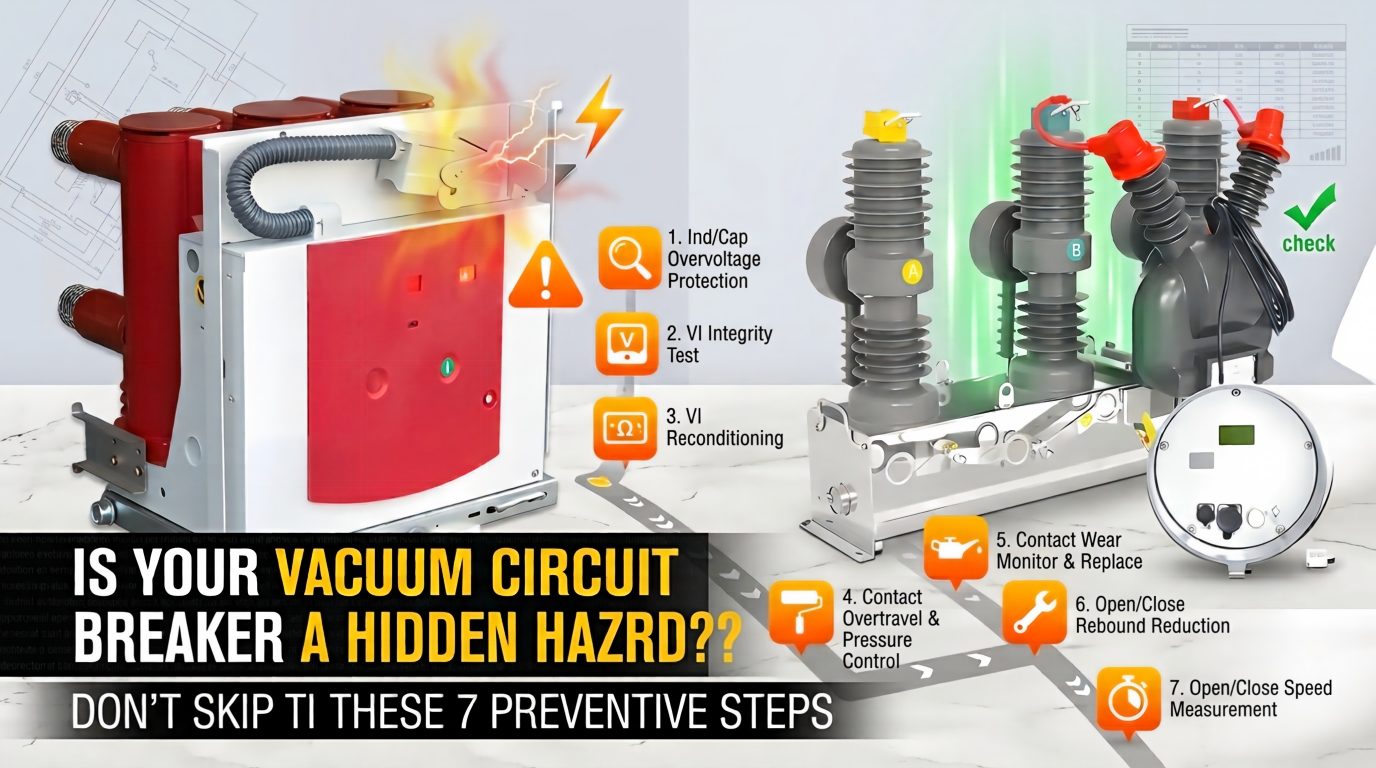
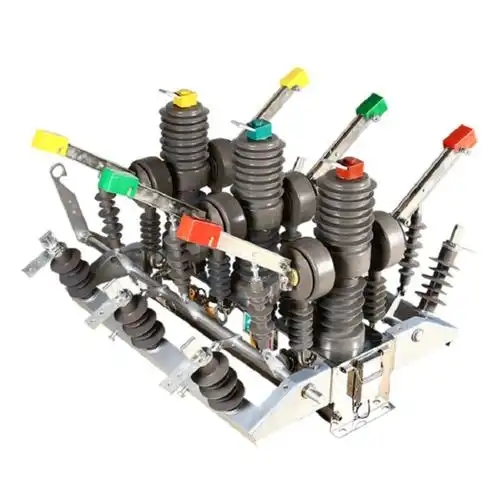
If you are familiar with 10kV vacuum circuit breakers, you know that faults like vacuum bottle leakage or mechanism jams can cause serious downtime and safety risks. In this article, we will explore the most common faults in 10kV vacuum circuit breakers and how you can prevent and handle them effectively.
At Wei Shoe Elec, I’ve seen firsthand how proper quality control throughout the product lifecycle—from selection and installation to operation and maintenance—makes all the difference. Together, let’s dive into the key failure types, real-world examples from Europe and the US, and practical solutions you can implement today to keep your systems safe and reliable.
Understanding 10kV Vacuum Circuit Breakers
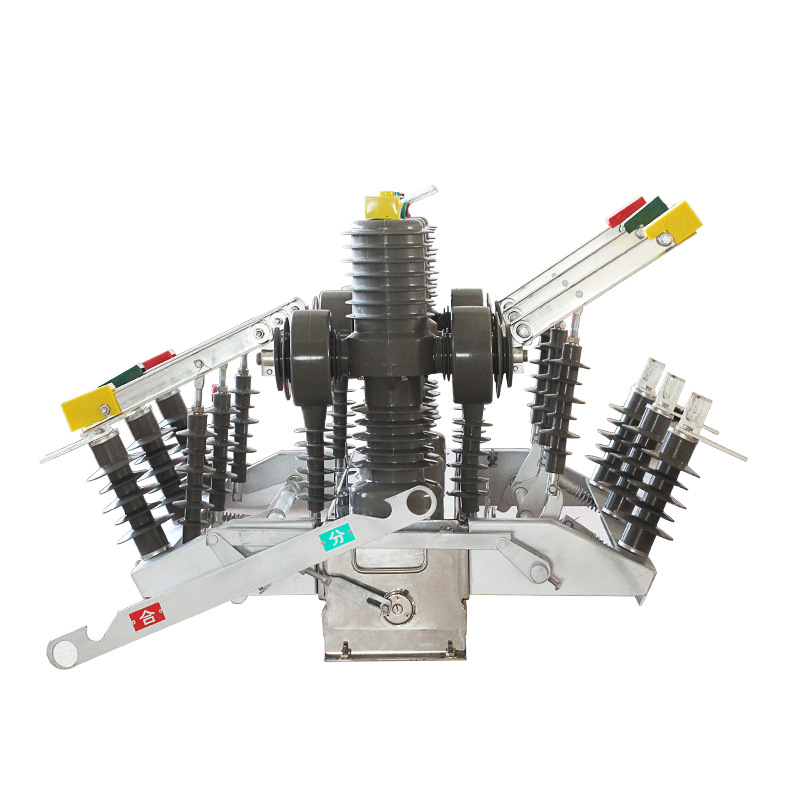
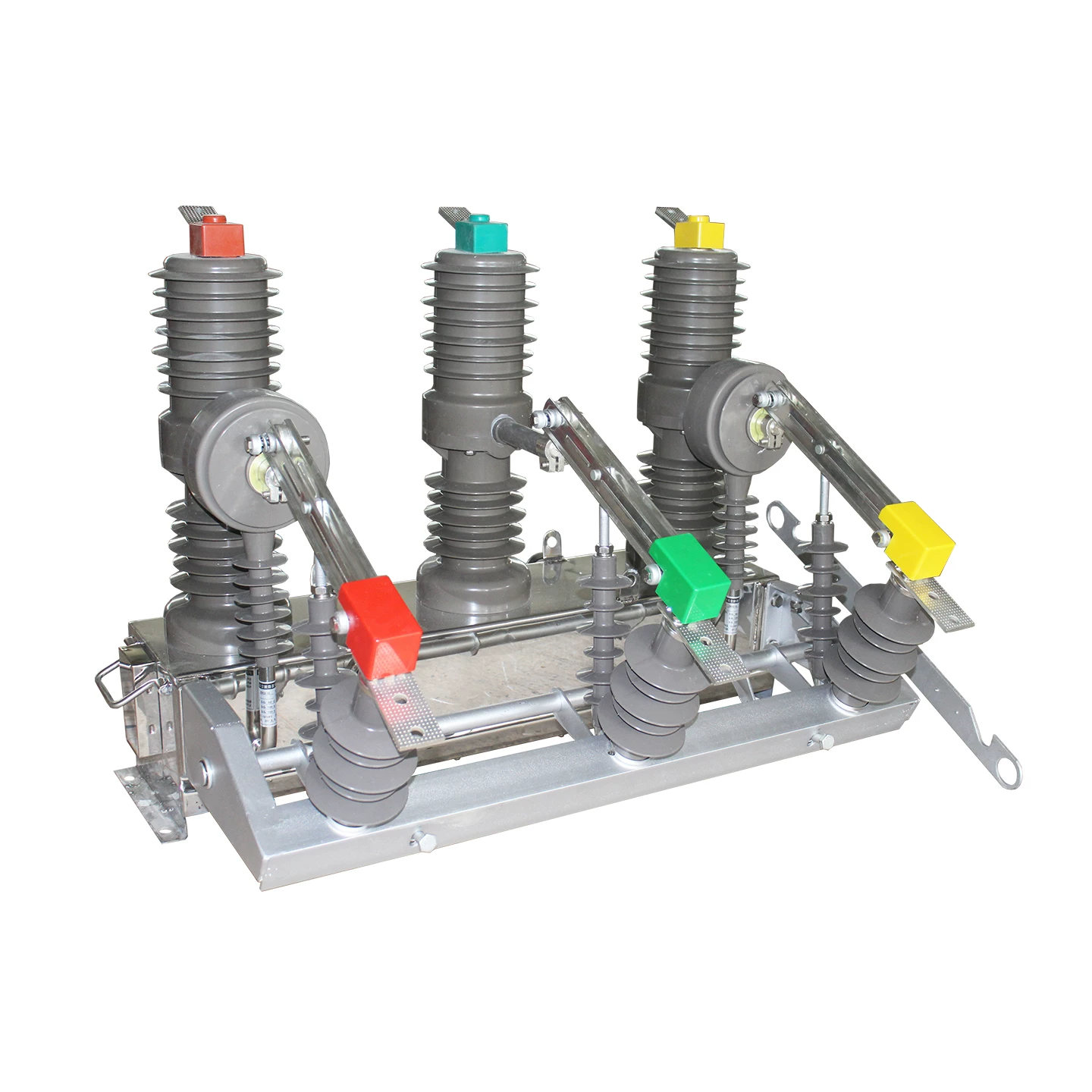
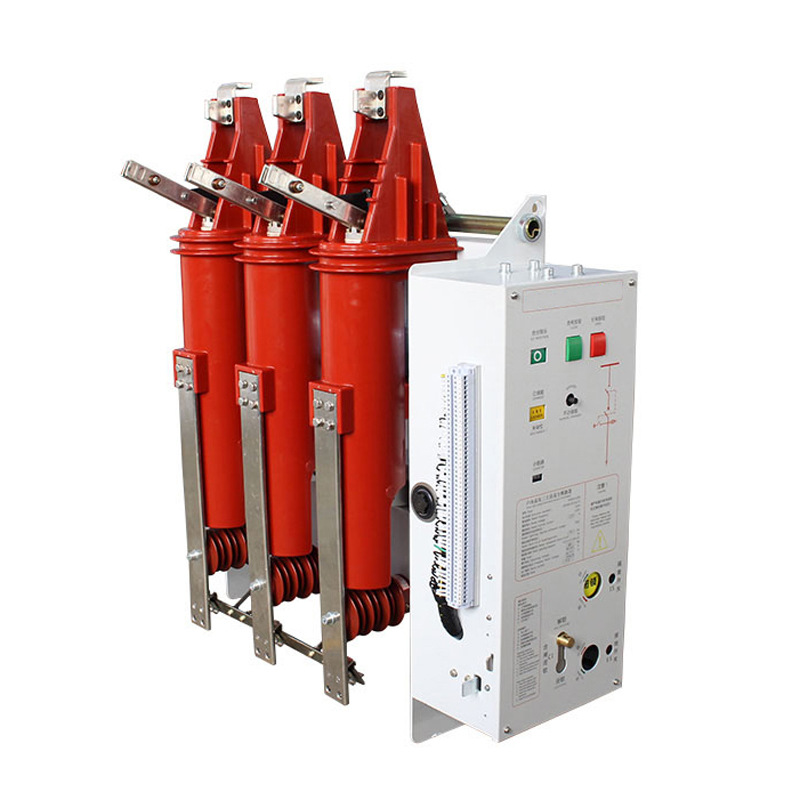
A 10kV vacuum circuit breaker mainly consists of three parts:
Vacuum Interrupter (vacuum bottle): Where the arc is extinguished in a high vacuum environment.
Operating Mechanism: Controls the opening and closing actions.
Supporting Structure: Holds components securely.
The vacuum interrupter works by using the high insulation strength of vacuum to quickly extinguish arcs formed during circuit interruption. The arc is forced to move rapidly by magnetic fields, which helps in fast extinction and reduces wear.
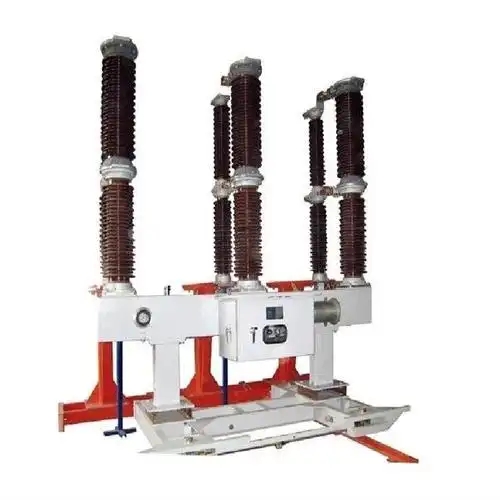
Common Fault Types and Their Handling
1. Vacuum Interrupter Leakage
Fault Phenomenon:
A drop in vacuum pressure reduces the interrupter’s ability to break the circuit and withstand voltage. The normal vacuum range is between 6.5×10⁴ and 1.3×10³ Pa.
Common Causes:
Environmental factors: Corrosion of the bellows due to pollution, moisture, and salt spray.
Mechanical stress: Contact bounce during switching causes cracks in contacts or bellows.
Hidden issues: Lack of vacuum monitoring devices can delay detection, increasing risks.
Prevention:
Visual inspection of the glass envelope—when vacuum declines, the shielding cover appears dull and arcs glow dark red.
Perform power frequency withstand tests every 3 years at 42kV. Any flashover or glow discharge indicates vacuum failure.
Handling Methods:
Adjust contact overtravel, keeping wear within 3mm.
Measure opening distance and overtravel to monitor wear.
Replace vacuum interrupters or the entire breaker.
Re-test operation parameters such as travel, timing, and bounce.
2. Insulation Failures
Fault Phenomenon:
Insulation faults occur frequently in vacuum circuit breakers, especially those with second-generation composite insulators exposed to harsh environments.
Data Insight:
Between 1998 and 2008, insulation failures accounted for 46% of faults in 6–35kV vacuum breakers (source: IEEE Transactions on Power Delivery).
Prevention:
Select breakers adapted to environmental conditions.
Avoid mechanical damage during installation and maintenance.
Regularly clean insulators and monitor insulation resistance.
Handling:
Replace damaged insulators.
Conduct insulation resistance and withstand voltage tests after repairs.
3. Refusal to Operate or Misoperation
Fault Phenomenon:
Failures in electromagnetic or spring operating mechanisms can cause unwanted trips, failure to trip, coil burnout, or auxiliary switch malfunction.
Prevention:
Mechanical parts:
Use anti-loosening measures on critical joints.
Clean and lubricate regularly with molybdenum disulfide grease.
Prevent moisture ingress to avoid rust and insulation degradation.
Control circuits:
Ensure firm wiring and compliant insulation.
Secure auxiliary switches and adjust linkage to avoid rust and poor contact.
Handling:
Inspect and replace defective coils or switches.
Tighten or replace worn mechanical parts.
Test the mechanism timing and response after repairs.
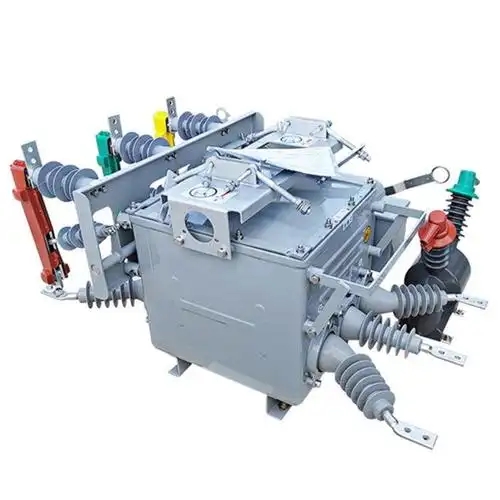
Real-World Example: ABB VM1 Vacuum Circuit Breakers in Germany
In Germany’s power grid, ABB VM1 vacuum circuit breakers are widely used in 10kV distribution networks. Operators noticed increased failures due to moisture ingress and pollution, leading to vacuum bottle leakage. By implementing a strict three-year test cycle and improving sealing materials, the failure rate dropped by 35% within two years (Source: ABB Technical Bulletin, 2019).
Summary and Best Practices
Reliable operation of 10kV vacuum circuit breakers depends on good structural design, careful environmental control, and consistent maintenance. Early detection of hidden faults like vacuum loss can prevent catastrophic failures. Regular inspections, strict testing schedules, and proper handling during installation and repair are key.

Final Thoughts from Wei Shoe Elec
I hope this guide helps you better understand and manage common faults in 10kV vacuum circuit breakers. By following these prevention and handling methods, you can significantly extend equipment life and improve safety in your electrical systems. For tailored technical solutions or support, feel free to contact us at [email protected] — we’re here to help!