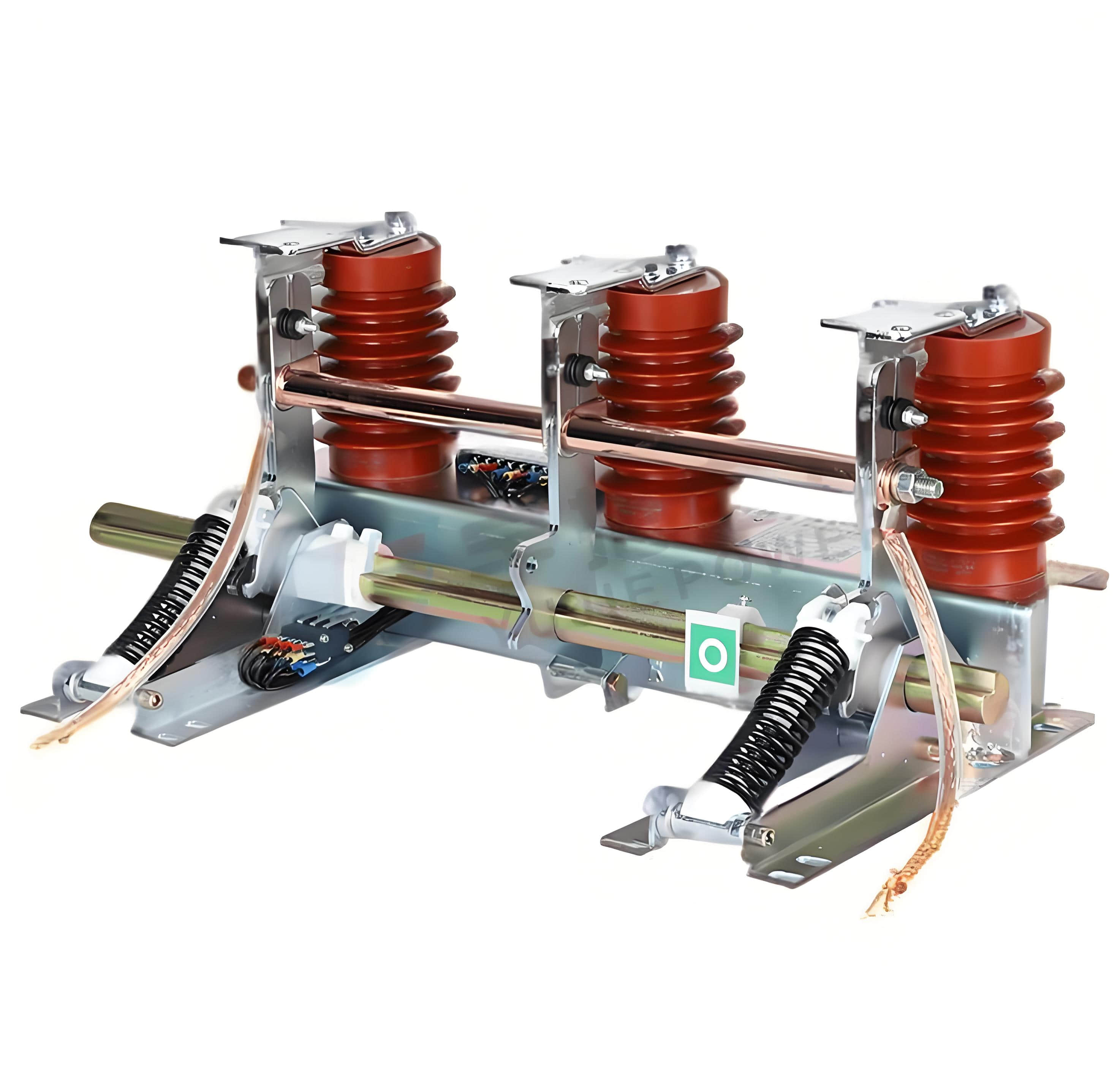
In 10kV power distribution systems, the proper setup of an earthing switch (or grounding switch) is critical. It's essential for safe equipment maintenance.
Its core purpose is to provide reliable and visible grounding protection once equipment is de-energized. This prevents accidents caused by accidental re-energization, backfeeding, or induced voltages. It ensures both personnel and equipment safety.
Setting up earthing switches strictly follows a series of technical and safety regulations. Let's dive into the details from various angles.
1. Safety First: Preventing Maloperation
"Five Preventions" Core Requirements
The earthing switch setup is deeply integrated into the high-voltage switchgear's "Five Preventions" interlock system. This system actively prevents operating errors.
It prevents things like accidentally opening or closing a circuit breaker or operating a disconnector under load. It also stops you from closing an earth switch on a live circuit.
Furthermore, it prevents closing a circuit breaker with an earthing switch engaged or mistakenly entering a live compartment. This ensures the highest safety and standardization of all operational procedures.
In Europe and the U.S., standards from the National Electrical Manufacturers Association (NEMA) and the International Electrotechnical Commission (IEC) explicitly include earthing switch interlocks as a vital part of these "Five Preventions."
Mandatory Interlocking: Mechanical and Electrical "Double Security"
Mechanical and electrical interlocking devices act as a "double security" for safe earthing switch operation. For instance, in Siemens 8BK20 series switchgear, the mechanical interlock uses precise rod and slot structures.
This ensures the earthing switch's operating handle can only be unlocked for closing when the circuit breaker is open and the disconnector is fully disengaged. Conversely, when the earthing switch is closed, the operating mechanisms of both the circuit breaker and disconnector are mechanically locked, preventing them from being opened.
Electrical interlocking uses auxiliary contacts and control circuits. In ABB's UniGear ZS1 switchgear, for example, once the earthing switch is closed, a signal is sent to the circuit breaker's control circuit, prohibiting its closure.
In a real-world incident, a California substation experienced a live earthing switch closure due to an interlock device failure. This prompted authorities to further tighten inspection and maintenance standards for interlock devices, highlighting their indispensable role in safety.
2. Setup Location (For Isolatable Circuits)
The precise placement of an earthing switch is a key factor in ensuring maintenance safety.
(1) Power Side (Incoming Line Side): Generally Not Set, But With Exceptions
Typically, on the power side of a main incoming panel (or incoming line cubicle)—such as the power side of an incoming disconnector—an earthing switch is usually not installed. This is because the upstream power source is generally controlled by a higher-level substation.
It's not within the scope of operations for this specific panel. Installing an earthing switch here wouldn't reliably isolate the upstream power. It could even introduce risks due to accidental operation.
For example, 10kV substations in the UK, adhering to BS EN 62271 standards, generally don't have earthing switches on the incoming panel's power side. This reflects a global consensus on simplifying operations and avoiding redundant risks.
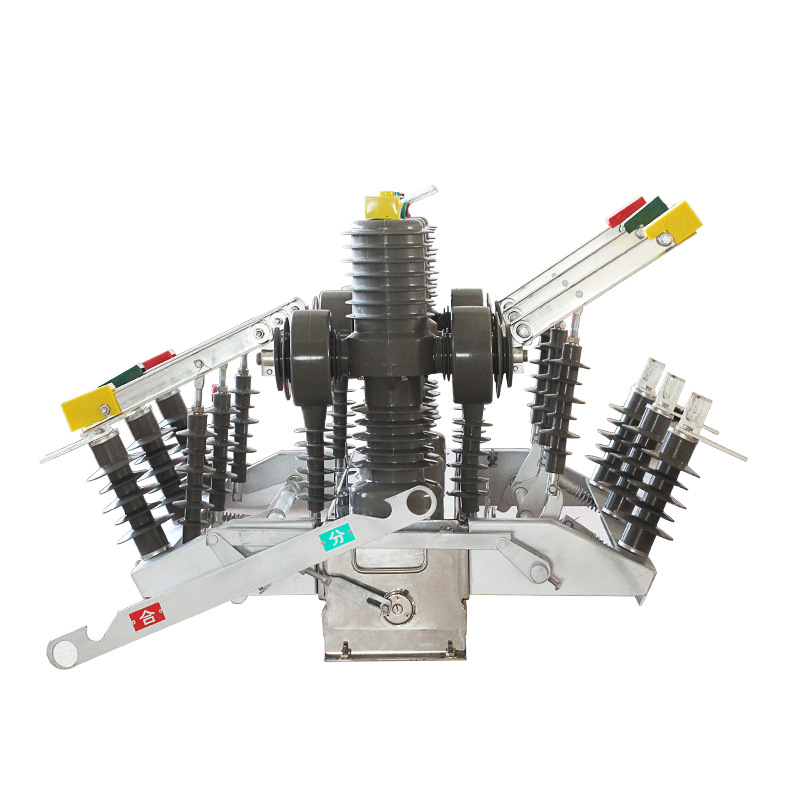
However, in specific ring main units, an earthing switch might occasionally be installed on the power side (busbar side) of the incoming load break disconnector (usually located below the circuit breaker). This happens when the incoming panel serves as a clear breaking point in the system.
This is only if the upstream power has already been reliably isolated and grounded elsewhere. For instance, a 10kV ring main unit in a German industrial park utilized such an arrangement.
In these cases, the earthing switch is electrically interlocked with the upstream circuit breaker. The upstream breaker can only be closed when the earthing switch is in the open position.
Additionally, strict operational permit procedures and a two-person supervision system are mandatory. This ensures utmost safety during operations. Nevertheless, this particular setup is not widely common and requires extreme caution.
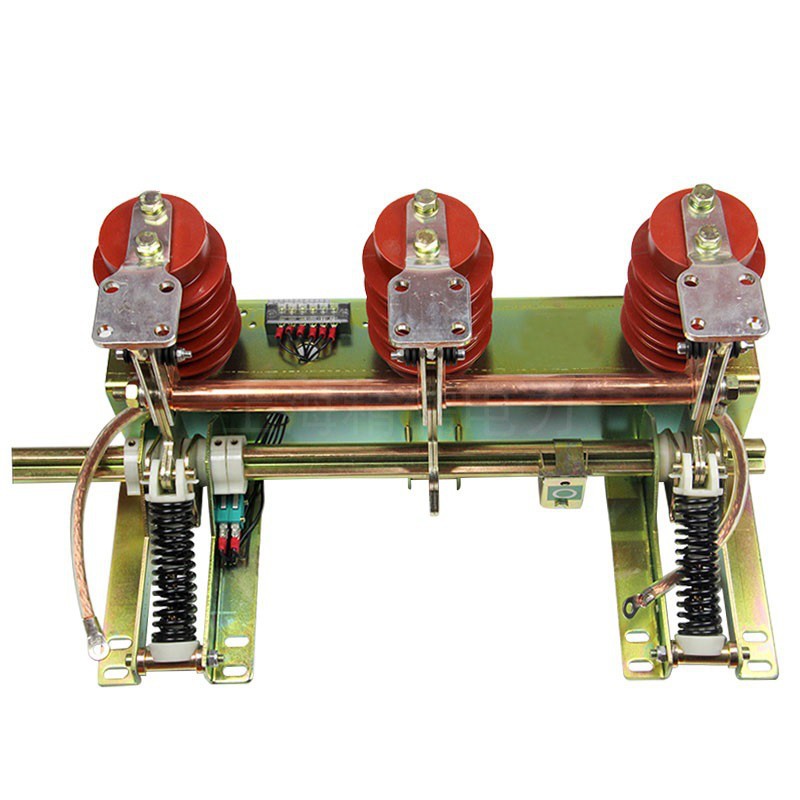
(2) Load Side (Outgoing Line Side): An Indispensable Safety Feature
On the load side of a feeder panel (outgoing cubicle)—that is, after the circuit breaker and load break disconnector, connecting to the cable or line—the earthing switch is an indispensable safety configuration. Take the 10kV distribution system in Manhattan, New York, for example.
All feeder panels on the load side are equipped with earthing switches. When performing maintenance on feeder cables or line-side equipment, operators first open the circuit breaker and disconnector, then close the earthing switch.
This grounds the line side reliably. It effectively prevents electric shock incidents from accidental re-energization by an upstream substation or backfeeding from distributed power sources. Furthermore, some advanced earthing switches include voltage presence indicators. If voltage is detected on the line side, an audible and visual alarm is triggered, further enhancing operator safety.
(3) Busbar Side: Temporary Measures Are Common
Generally, the busbar side of 10kV switchgear does not have a dedicated earthing switch. When maintenance is required on the busbar itself or equipment connected to that busbar section, temporary busbar grounding measures are typically used.
For instance, during substation maintenance operations in Europe, specialized busbar grounding kits are employed. These kits reliably ground the busbar using grounding stakes and cables. This method offers greater flexibility, allowing for precise grounding operations tailored to specific maintenance needs.
3. Visibility: A Clear Indication of Safety
The operating status of an earthing switch must have high visibility. Common methods include observation windows and mechanical indicators.
For example, Schneider Electric's MVnex switchgear features transparent observation windows next to the earthing switch operating mechanism. This allows operators to directly view the open or closed status of the earthing switch contacts.
Eaton's Power Xpert 15 switchgear, on the other hand, uses mechanical indicators. These provide clear color coding (red for closed, green for open) and pointer positions, intuitively displaying the earthing switch status.
In practice, the U.S. Occupational Safety and Health Administration (OSHA) requires operators to verify the earthing switch status by two or more methods before performing any maintenance work. This is a crucial step to ensure operational safety.
4. Reliability: The Foundation of Stable Operation
Earthing switches and their contacts must possess excellent mechanical strength and electrodynamic stability. Consider General Electric (GE)'s earthing switch products.
Their moving and stationary contacts are made from high-strength copper alloy, treated with special processes. This design enables them to withstand thermal stability of up to 31.5kA short-circuit current and dynamic stability impacts of 80kA.
The conductive circuit resistance is strictly controlled to be within 50μΩ, ensuring excellent grounding performance. Operating mechanisms often employ spring-stored energy or hydraulic operation. They've passed over 10,000 mechanical life tests.
This guarantees flexible and reliable opening and closing actions. It also ensures accurate feedback signals for fully open or closed positions.
5. Maintainability: Streamlining Operations and Enhancing Efficiency
The design of earthing switches fully considers the needs for inspection, maintenance, and testing. For example, Mitsubishi's 10kV switchgear earthing switches in Japan feature a modular design.
This simplifies the disassembly and replacement of contacts, operating mechanisms, and other components. For circuit resistance testing, dedicated test ports are pre-reserved.
Operators can complete tests without complex dismantling, significantly improving maintenance efficiency. Additionally, the equipment comes with detailed maintenance manuals and troubleshooting guides, making it easier for operations and maintenance personnel to quickly pinpoint and resolve issues.
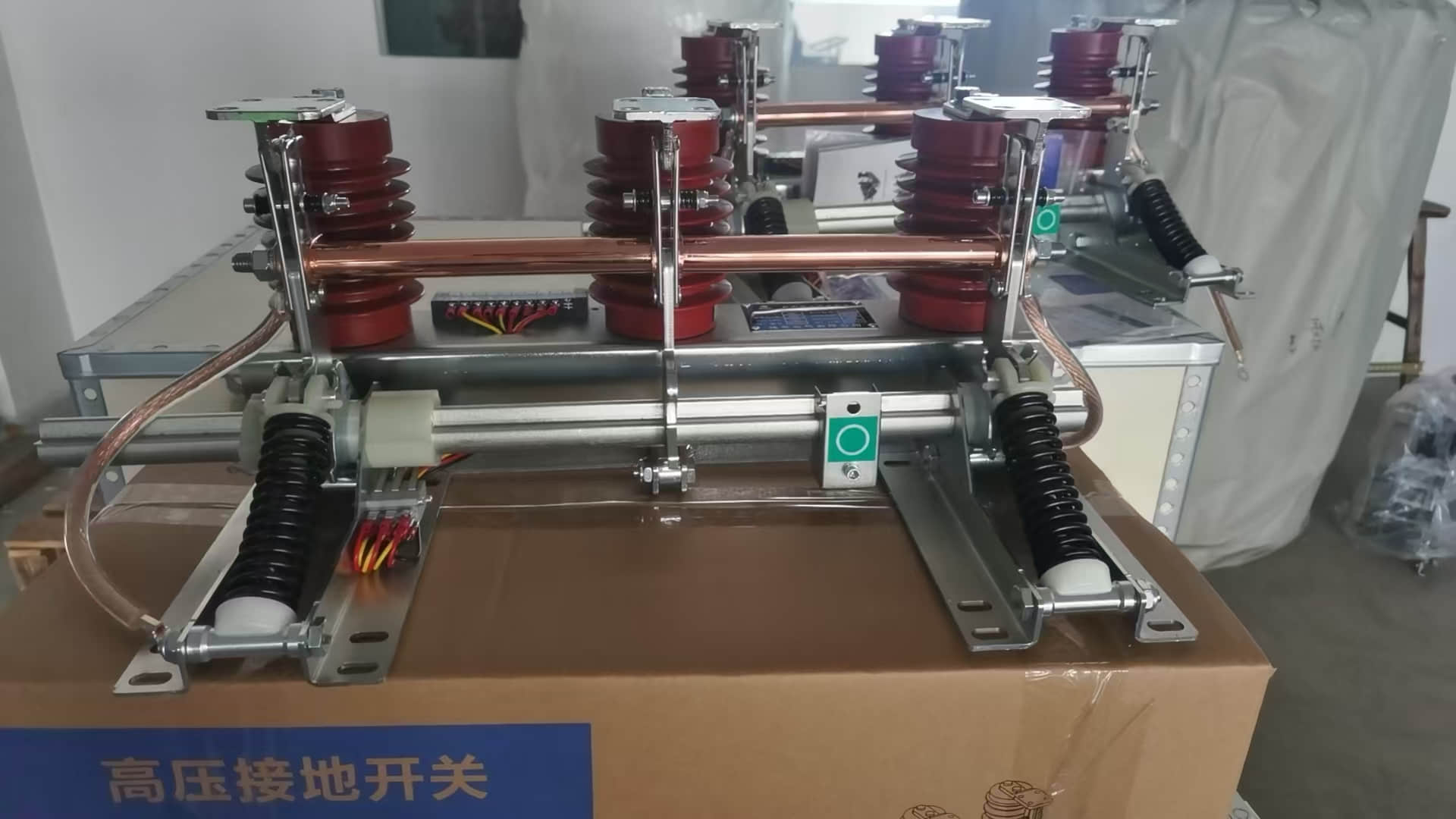
6. Core Principles: The Bedrock of Safe Setup
The setup of an earthing switch must precisely adhere to three core principles:
First, it must be installed on the side of equipment or lines that can be reliably isolated from the power source or load and require maintenance. This ensures the grounding action directly serves safety maintenance needs.
Second, a dependable interlocking mechanism is a robust defense against maloperation. This includes both mechanical and electrical double interlocks, alongside a strict operational permit and two-person supervision procedures.
Third, a visually clear breaking point and grounded status are fundamental prerequisites for ensuring operational safety. Operators must be able to confirm that the equipment is safely grounded.
In actual engineering projects, it's essential to consider the specific system wiring, operational requirements, and safety standards. A comprehensive approach to determining the earthing switch setup ensures the safe and stable operation of your 10kV switchgear system.
This article aims to provide you with a clear explanation of the critical details involved in setting up 10kV switchgear earthing switches. Understanding and correctly applying these principles is vital for ensuring the safety and reliability of your electrical power system.
As a leading electrical product manufacturer from China, Weishoelec is dedicated to supplying high-quality, reliable power equipment to customers worldwide. We specifically focus on the U.S., Europe, and other overseas markets. Our products strictly adhere to international standards and hold multiple certifications, including CE and RoHS, designed to meet your most demanding engineering requirements.
About the Author:
Thor Senior Electrical Engineer at Weishoelec
Need professional 10kV switchgear earthing switch solutions?
Contact Weishoelec today for tailored advice and products!
Phone: +86-0577-62788197 WhatsApp: +86 159 5777 0984 Email: [email protected]
Choose Weishoelec for exceptional quality and unwavering reliability!