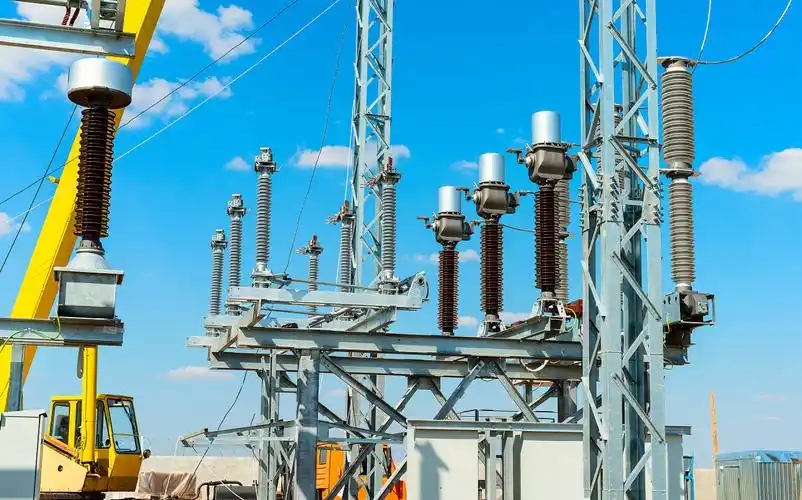
In the design and construction of any 10kV power system, selecting the right equipment is crucial for ensuring a stable and safe grid.
Current transformers (CTs), voltage transformers (VTs), high-voltage circuit breakers, fuses, and surge arresters are core components. How you choose their parameters directly impacts the accuracy of energy metering, the reliability of protective devices, and the lifespan of the equipment itself.
This guide will walk you through the detailed parameter calculation methods for these five essential equipment types, offering a practical reference for your engineering projects.
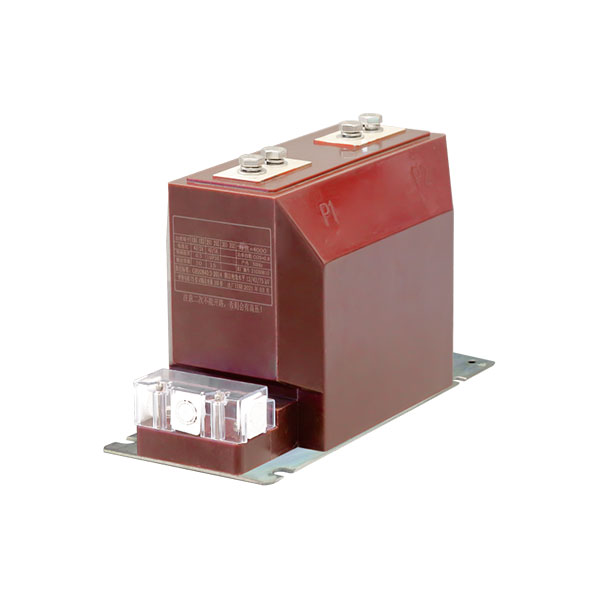
I. Current Transformer (CT) Selection Parameter Calculations
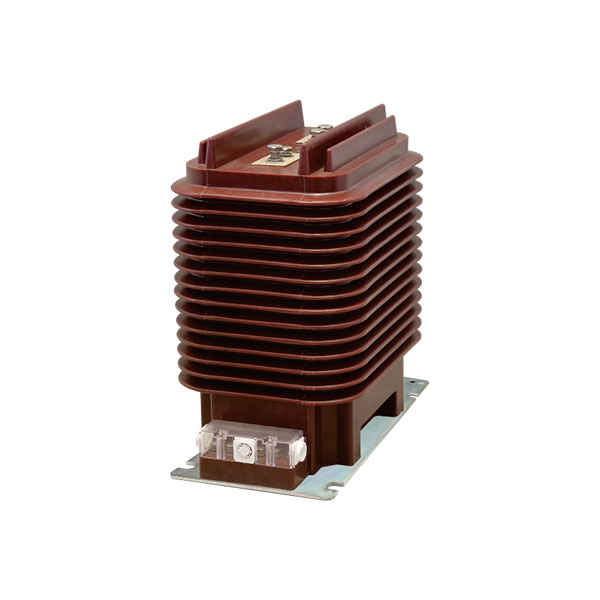
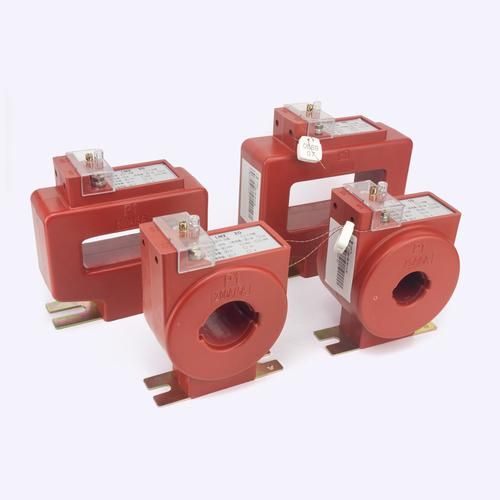
Current transformers act as a "bridge," connecting the high-voltage system to lower-voltage measurement and protection devices. Their selection must meet both measurement accuracy and protection reliability requirements.
1. Choosing the Rated Secondary Current
CTs typically have rated secondary currents of either 1A or 5A.
For new power plants and substations, if conditions allow, it's generally better to use 1A secondary currents, as this helps reduce losses in the secondary circuit.
However, for expansion projects, situations where installation needs to be simplified, or when you need to lower the secondary open-circuit voltage, 5A can be a good choice.
It's worth noting that it's perfectly fine to have both 1A and 5A CTs within the same facility to accommodate different equipment needs.
2. Determining the Accuracy Class
The accuracy class for measurement CTs is based on the maximum permissible current error at their rated current. Standard classes include 0.1, 0.2, 0.5, 1, 3, and 5.
For energy metering, you should always select 0.2S or 0.5S class CTs to ensure high precision.
For protection CTs, the focus is on error performance under short-circuit conditions. Generator and transformer main circuits, along with transmission lines 220kV and above, typically use 5P or 5PR class. Their accuracy limit factor (ALF, which represents the ratio of the maximum primary current to the rated primary current allowed within specified error limits) can be selected as 5, 10, 15, 20, 30, or 40, depending on the system's short-circuit current. In special cases, a larger factor can be negotiated with the manufacturer.
3. Calculating the Rated Primary Current
According to industry standards (such as DL/T866-2015 in China, with similar principles found in IEC/ANSI standards globally), the CT's rated primary current should be determined based on the rated current of the associated primary equipment or the maximum operating current of the line.
Standard values include 10A, 15A, 20A, 25A, 30A, 40A, 50A, 60A, 75A, and their decimal multiples or submultiples.
For CTs used with indicating instruments, to ensure clear readings during normal and overload operation, the rated primary current shouldn't be less than 1.25 times the rated current of the primary equipment or the maximum load current of the line.
For CTs used with measuring instruments for direct motor starting, the rated primary current shouldn't be less than 1.5 times the motor's rated current.
Calculation Example: An 800kVA transformer needs a primary side CT. Here's how to calculate it:
Transformer rated current:
The CT's primary rated current needs to be at least:
Considering standard values, you should select a 75/5A CT (75A primary, 5A secondary).
4. Secondary Burden and Stability Verification
Secondary Burden: The CT's secondary burden must match the secondary load. Standard values include 5, 10, 15, 20, 25, 30, 40, 50, 60, 80, 100VA, and must be determined based on the total impedance of the secondary circuit.
Thermal and Dynamic Stability Check:
The rated short-time thermal current needs to be selected from standard values like 3.15kA, 6.3kA, and 8kA. The short-circuit duration is specified for different voltage levels (e.g., 4 seconds for 3.6kV~72.5kV).
The dynamic stability check ensures the CT can withstand the electrodynamic forces generated by short-circuit currents. Refer to relevant standards for detailed methods.
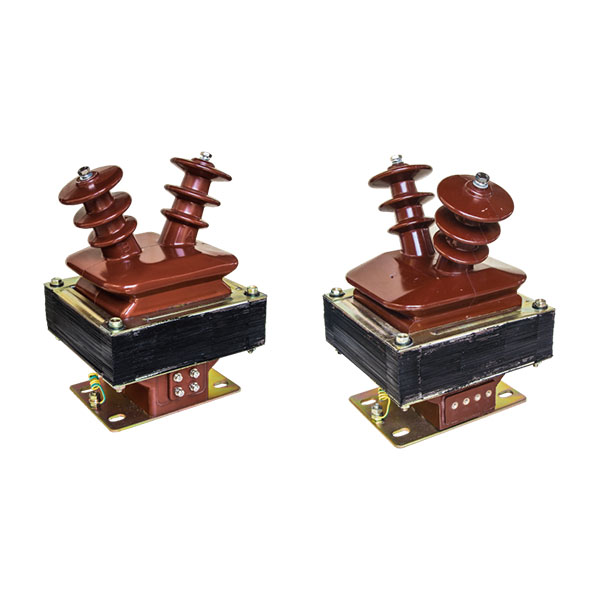
II. Voltage Transformer (VT) Selection Parameter Calculations
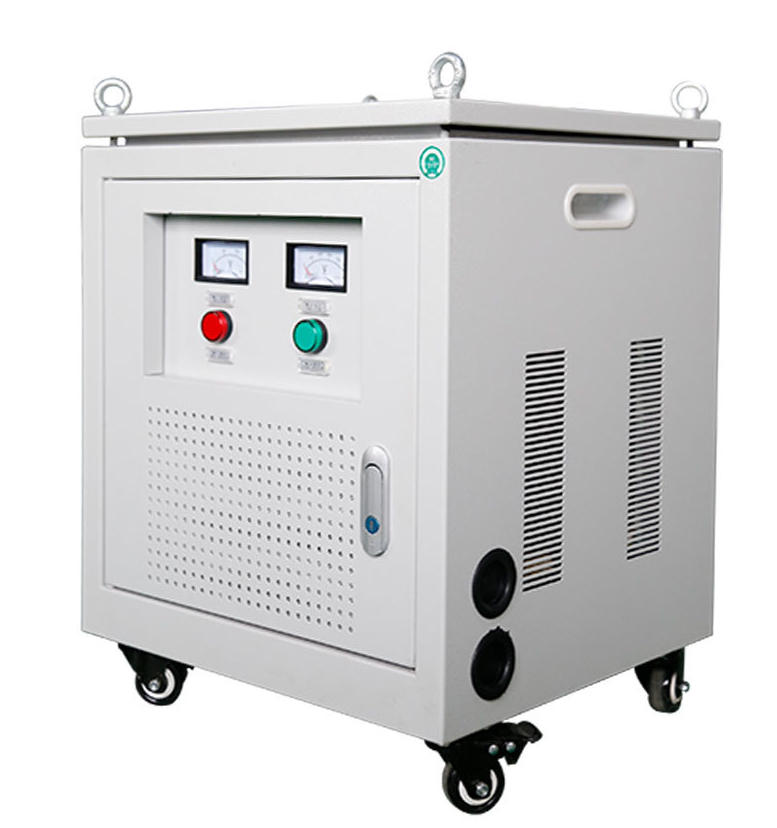
Voltage transformers are used to step down high voltages to lower voltages, providing voltage signals for measuring instruments and protection devices. Their selection requires balancing measurement accuracy and protection reliability.
1. Connection Type and Ratio
For three-phase three-limb VTs used in a star connection, the primary neutral point should not be grounded.
For three-phase five-limb VTs, the primary neutral point can be grounded. Their transformation ratio is UL/3/0.1/3/0.1/3kV.
Two-VT "VV" connections have a ratio of UL/3/0.1kV and are suitable for scenarios where phase voltages don't need to be measured.
2. Accuracy Class Selection
The accuracy class for measurement of VTs is based on voltage error. Standard values include 0.1, 0.2, 0.5, 1.0, and 3.0, with 0.2 class commonly used for metering circuits.
Protection VTs require an accuracy class that meets error requirements within 5% of the rated voltage up to the rated voltage factor. Standard classes are 3P and 6P.
3. Secondary Burden Calculation
The VT's secondary burden must be determined based on the total load of the connected equipment.
The calculation formula is: Actual Secondary Burden each device's single-phase burden. The rated secondary burden should be chosen within 25% to 100% of the actual secondary burden to ensure measurement accuracy.
Calculation Example: A 10kV busbar uses a single busbar connection with high-side metering. It's configured with 5 multi-function energy meters (2VA/phase each), 3 busbar protection and control devices (0.5VA/phase each), and 1 transformer protection and control device (1VA/phase).
Metering VT Secondary Burden: The rated secondary burden should be between 12.5VA and 20VA. A 20VA, 0.2 class JDZ10-10/0.1kV VT can be selected.
Protection VT Secondary Burden: The rated secondary burden should be between 3.5VA and 5VA. A 10VA, 6P class VT can be selected.
III. High-Voltage Vacuum Circuit Breaker Selection Parameter Calculations
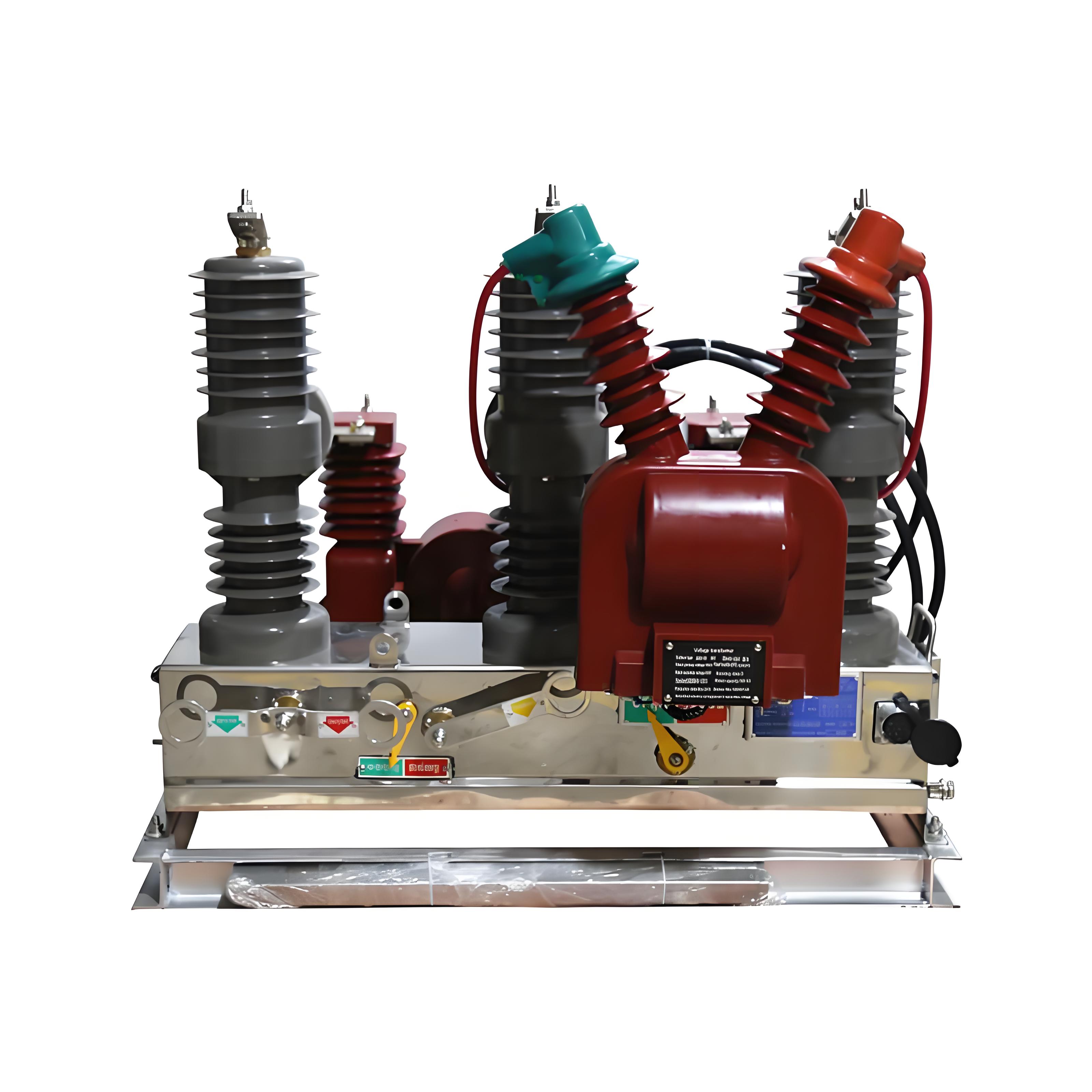
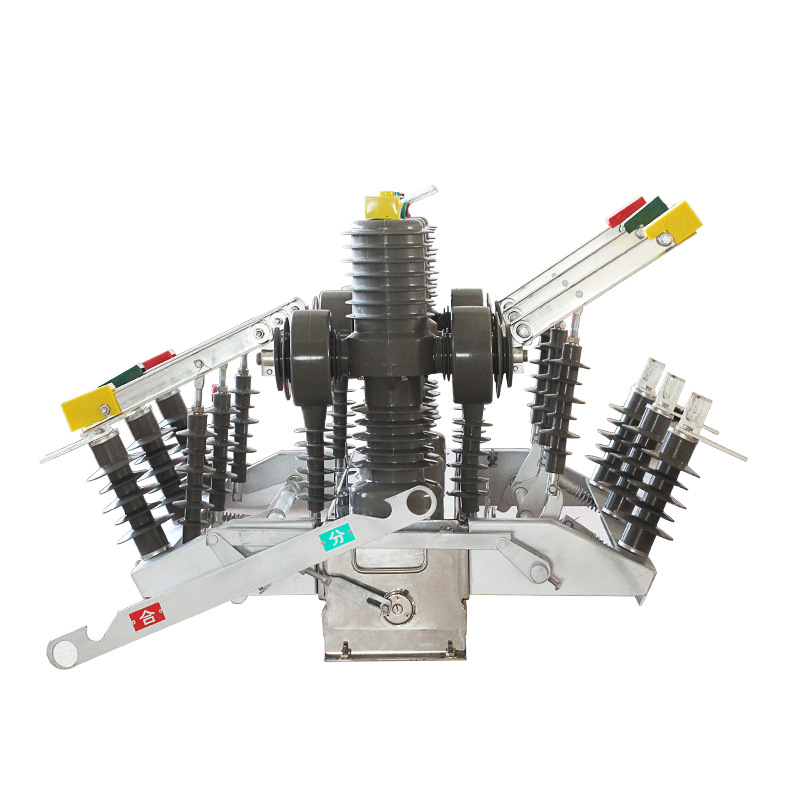
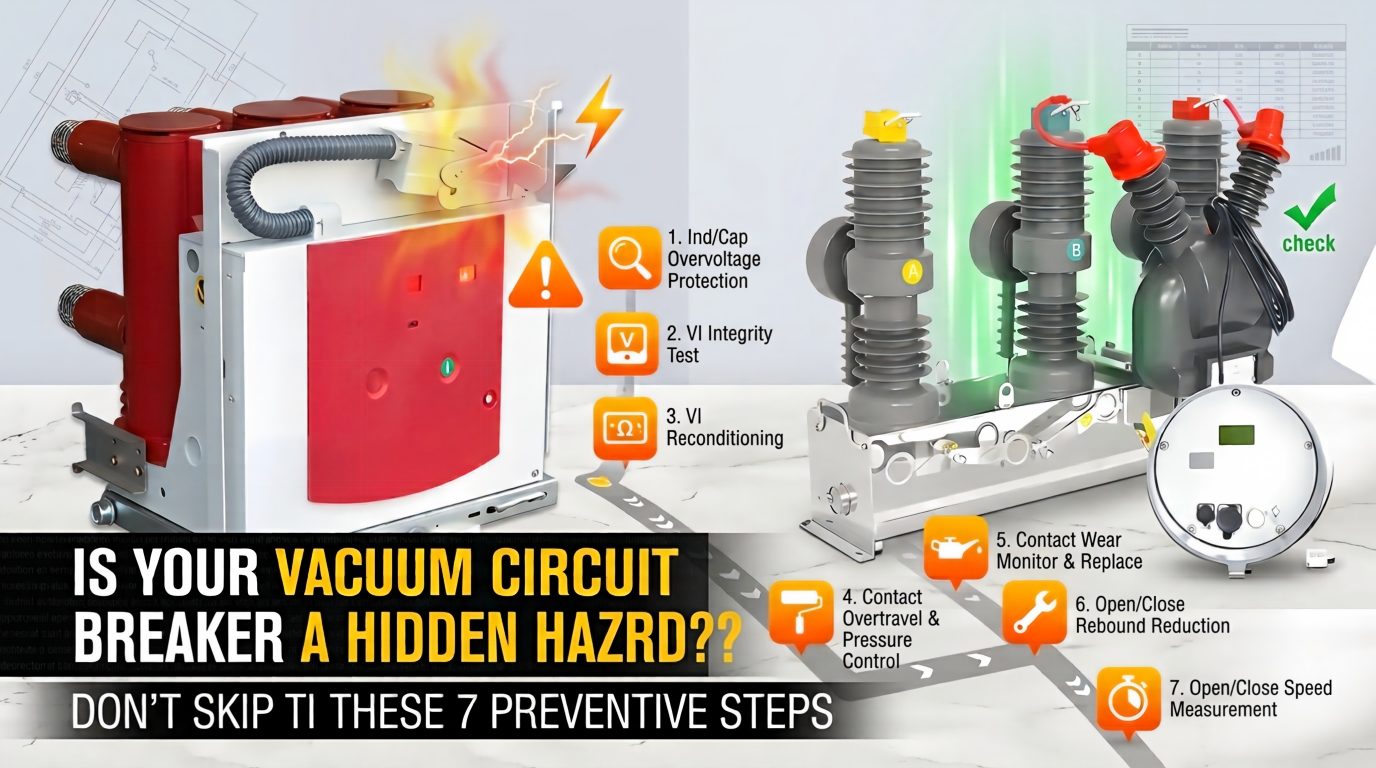
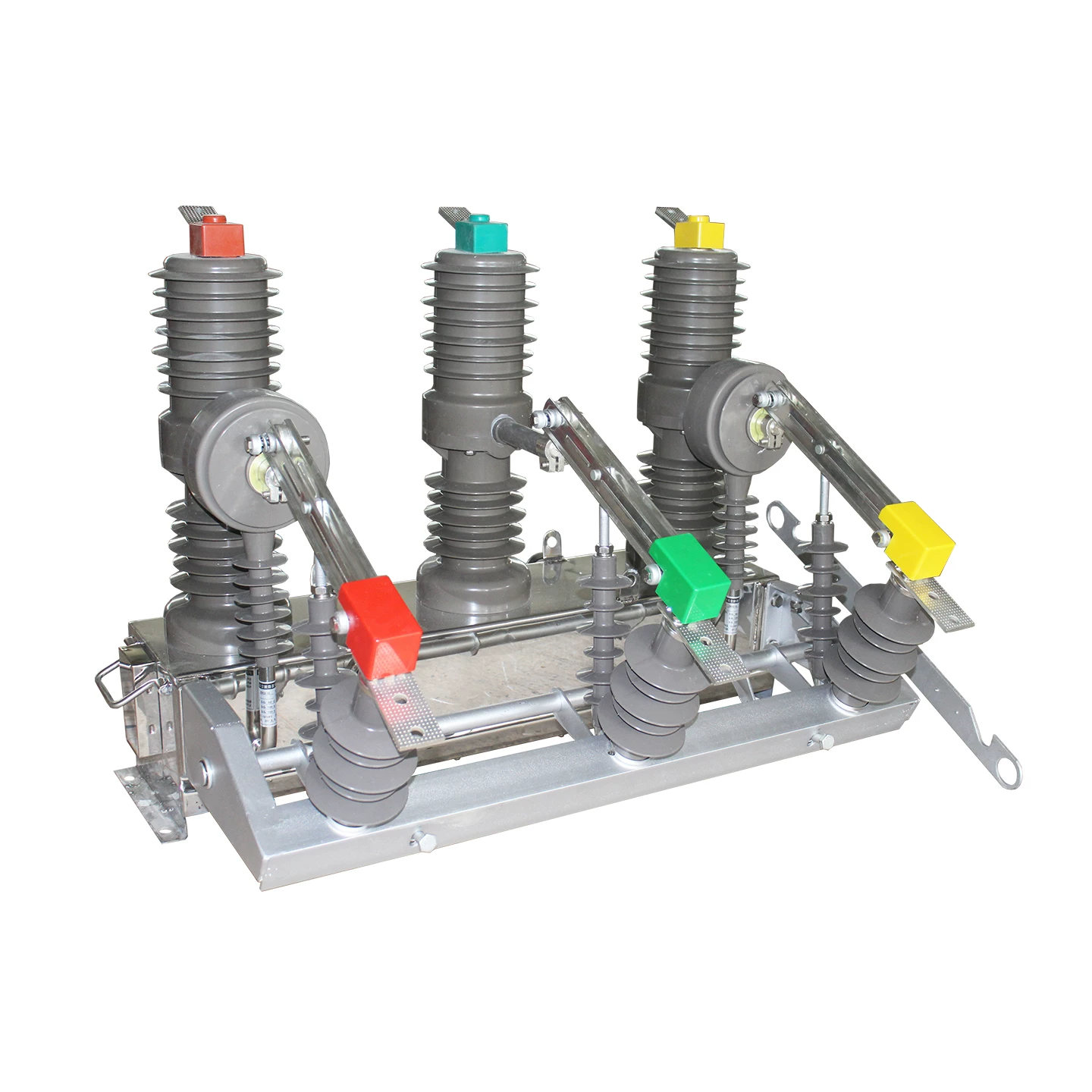
High-voltage vacuum circuit breakers are the core control and protection devices in 10kV systems. Their parameters must meet requirements for rated voltage, current, and short-circuit breaking capacity.
1. Rated Parameter Selection
Rated Voltage: The equipment's rated voltage must be greater than the system's operating voltage (for 10kV systems, 12kV is typically chosen).
Rated Current: Determine this based on the circuit's maximum operating current. Common rated currents include 630A, 1250A, and 1600A. Ensure the rated current is greater than the calculated operating current (e.g., for an 800kVA transformer with an operating current of about 48.5A, a 630A breaker can be selected).
2. Breaking and Stability Performance Verification
Rated Breaking Current: Must be greater than the system's three-phase short-circuit current (e.g., if the system short-circuit current is 1.43kA, a breaker with a 25kA breaking current can be selected).
Thermal Stability Check: The rated short-time thermal current must be greater than the calculated thermal stable current during the short-circuit duration (for 12kV equipment, this is usually taken as the rated breaking current value).
Dynamic Stability Check: The peak current must be greater than the three-phase short-circuit impulse current (usually 2.55 times the short-circuit current).
Verification Example: A 12kV-630A vacuum circuit breaker (rated breaking current 25kA, peak current 63kA) is selected for an 800kVA transformer's incoming line.
Rated voltage 12kV > 10kV, rated current 630A > 48.5A.
Rated breaking current 25kA > 1.43kA.
Both thermal and dynamic stability parameters meet system requirements, so the selection is feasible.
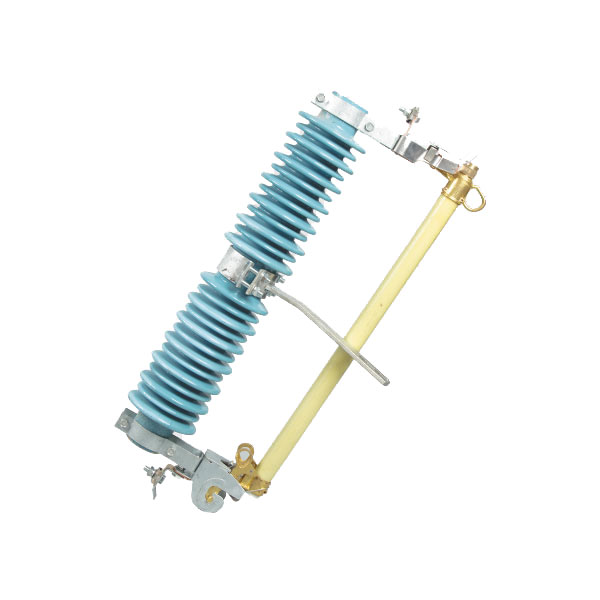
IV. High-Voltage AC Fuse Selection Parameter Calculations
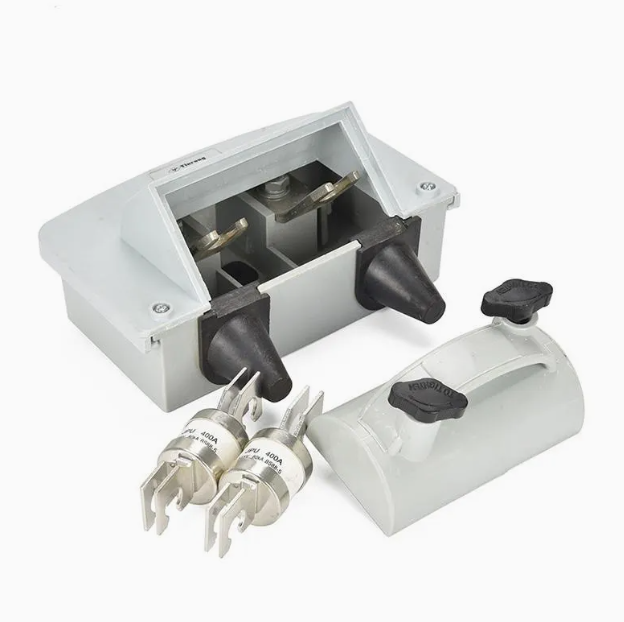
High-voltage fuses serve as short-circuit protection devices. Their selection should be based on the maximum operating current of the protected equipment, ensuring rapid melting during a fault.
1. Transformer Circuit Fuses
The fuse link's rated current is calculated using the formula, where:
Igmax is the transformer's maximum operating current (typically 1.1 times its rated current).
K is a coefficient, generally taken as 1.1-1.3. If motor starting is a factor, K may be 1.5-2.0.
Calculation Example: An 800kVA transformer has a high-voltage side rated current of 46.2A.. Taking, then. You should choose an 80A XRNT-12-80A fuse.
2. Voltage Transformer Circuit Fuses
For metering, the fuse link's rated current is generally 0.5A. For protection and measurement, 1A is usually chosen. To simplify spare parts management, you can standardize on 1A (e.g., XRNP-12-1A).
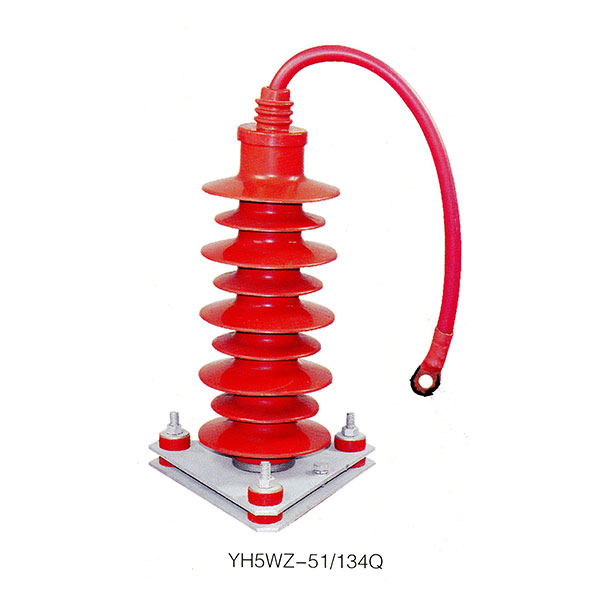
V. High-Voltage Surge Arrester Selection Parameter Calculations
High-voltage surge arresters are vital for limiting overvoltages, protecting equipment from lightning strikes, and switching overvoltages. Their parameters depend on the system's grounding method and the expected overvoltage levels.
1. Rated Voltage and Continuous Operating Voltage
Effectively grounded or low-resistance grounded systems (fault clearing time ≤ 10s): Rated voltage (system temporary overvoltage). For a 10kV system, select ≥ 12kV. The continuous operating voltage is typically 0.8 × 12kV = 9.6kV.
Non-effectively grounded systems: Rated voltage. Select ≥ 15kV. The continuous operating voltage is 12kV.
2. Discharge Current and Residual Voltage
Nominal Discharge Current: For distribution equipment 110kV and below, use 5kA. For motors, use 2.5kA.
Residual Voltage: Must be less than the lightning impulse withstand voltage of the protected equipment (e.g., for an arc suppression coil grounded system, the residual voltage should be ≤ 60kV).
Selection Example: For a 10kV non-effectively grounded system, you can select a HY5WZ (S)-17/45 surge arrester. Here, 17kV is the rated voltage, and 45kV is the residual voltage at a 5kA discharge current, which meets the system's overvoltage protection requirements.
These parameter calculation methods cover the key technical specifications for five core equipment types in 10kV systems. In practical applications, you'll need to combine system parameters, equipment performance, and relevant standard requirements to ensure the safe and efficient operation of your power system.
About the Author
I'm Thor, an Electrical Engineer with Weishoelec. As a Chinese manufacturer serving the U.S., European, and global overseas markets, Weishoelec is dedicated to providing high-quality, internationally compliant power solutions.
We deeply understand the critical role of high-voltage electrical equipment in power systems. That's why we meticulously control every stage—from design and material selection to production—to ensure our products offer superior performance, stable operation, and utmost reliability and safety.
Beyond our advanced products, we also have a professional engineering team ready to provide technical consultation and support. If you have any questions about this article or specific needs for 10kV high-voltage equipment or related power solutions, please feel free to reach out.
Weishoelec looks forward to partnering with you!
Phone: +86-0577-62788197
WhatsApp: +86 159 5777 0984
Email: [email protected]