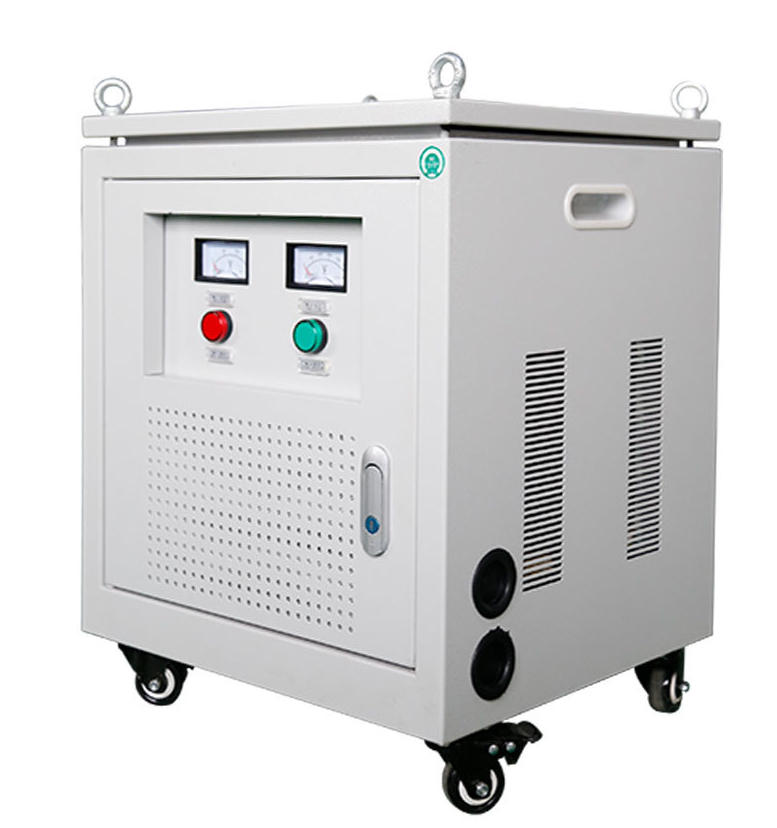
One wire to ground can undo the entire safety advantage of an isolation transformer. That is the counterintuitive truth many installers, buyers, and even maintenance teams miss.
An isolation transformer is valuable because its secondary is electrically isolated and left floating. If that secondary is grounded, the output can immediately behave much more like ordinary mains power, bringing back line-to-ground shock risk, increasing fault exposure, and allowing earth-borne interference into sensitive equipment.
The One Ground Wire That Cancels Isolation Safety
In standard isolation-for-safety applications, the core principle is simple: the primary and secondary windings have no direct electrical connection, and the secondary side is intentionally designed as a floating circuit.
Because the floating output has no earth reference, touching only one secondary conductor normally does not complete a shock path to ground. That is a major reason isolation transformers are widely used in manufacturing equipment, laboratory instruments, and precision control systems.
But if one secondary conductor is bonded to earth, that protection is largely lost. The remaining conductor can now present dangerous voltage to ground, similar to normal utility power.
What Is an Isolation Transformer and Why Is the Secondary Left Floating?
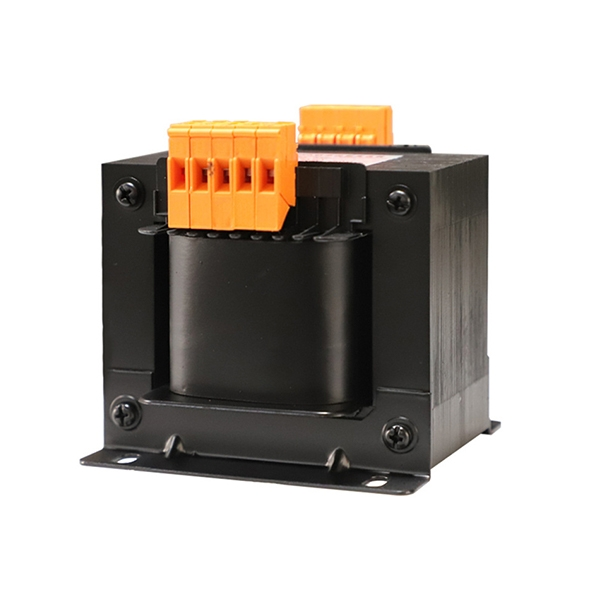
An isolation transformer transfers energy magnetically from the primary winding to the secondary winding. Under normal operation, there is no direct conductive path between them.
This design creates electrical separation between the input supply and the output circuit. In standard use, the secondary is left ungrounded, also called a floating secondary circuit.
The purpose of that floating design is twofold:
Personnel safety: touching a single secondary conductor alone usually does not create a return path through earth.
Interference control: keeping the output unreferenced to earth helps block ground-borne noise, ground loops, and common-mode disturbance from reaching downstream equipment.
Why the Secondary Side of an Isolation Transformer Cannot Be Grounded
The reason is not merely tradition or habit. It is rooted in the operating principle of isolation.
Grounding the secondary removes the main protective benefit of the transformer. It restores reference-to-earth voltage, increases electric shock risk, can create line-to-ground fault conditions, and often reintroduces electrical noise into sensitive loads.
Electrical isolation between primary and secondary
In a true isolation transformer, the primary and secondary are separated by insulation and magnetic coupling. This means there is no normal direct current path from input to output.
That physical and electrical separation is what allows the secondary to operate independently from the building earth. It is also why the system can help interrupt the usual shock pathway that exists in grounded mains circuits.
Floating secondary circuit safety
In a floating secondary circuit safety arrangement, neither output conductor is tied to earth. As a result, a person who touches only one secondary wire while standing on the ground will usually not complete a circuit.
This is the key human-safety advantage. It does not mean the output is harmless, but it does mean a single-point touch is fundamentally different from touching a normal grounded mains conductor.
Grounding restores dangerous reference-to-earth voltage
Once one side of the secondary is bonded to earth, the other side now carries full output voltage relative to ground. At that point, a person touching that live conductor while grounded can become the return path.
In other words, isolation transformer secondary grounding cancels the floating protection and recreates ordinary shock conditions.
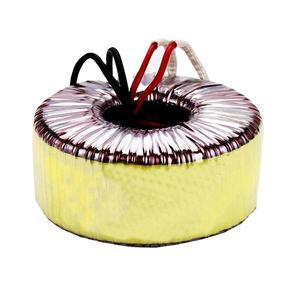
What Happens If You Ground the Secondary of an Isolation Transformer?
Three major consequences typically follow:
Loss of personal shock protection
Higher risk of line-to-ground or single-phase short circuits
Return of ground loop currents and common-mode noise
Loss of personal shock protection
With a floating secondary, one-hand contact on a single conductor usually does not form a complete path to earth. After grounding one side, that condition changes immediately.
The human body can now close the circuit through the earth. From a practical shock perspective, the output behaves far more like standard mains.
Ungrounded transformer secondary hazards vs grounded output risks
Ungrounded transformer secondary hazards are often misunderstood. A floating output does not eliminate all danger, but it does reduce the risk of shock from touching only one conductor.
A grounded output, by contrast, introduces a defined earth reference. That makes single-conductor contact more dangerous and increases the chance that accidental earth contact becomes a fault event.
Increased risk of single-phase short circuits
When the secondary is grounded, accidental contact between the opposite conductor and chassis, conduit, machine frame, or earth can become a direct fault. Depending on transformer size and protection coordination, this may trip breakers, overheat conductors, or damage the transformer.
In real installations, this kind of fault can burn terminal blocks, damage downstream wiring, and create nuisance outages in production equipment.
Ground loop currents and common-mode noise
Grounding the secondary can also connect the isolated output to the plant grounding network. That can allow ground loop currents and common-mode noise to enter control electronics, test systems, and instrumentation.
In precision environments, these disturbances can cause unstable measurements, false triggers, communication errors, analog drift, and unexplained machine faults.
Floating vs Grounded Secondary: Quick Comparison Table
| Feature | Floating Secondary | Grounded Secondary |
|---|---|---|
| Reference to Earth | None by design | Established through a bond |
| Single-wire touch risk | Usually lower, no normal earth return path | A higher body-to-earth path can complete a circuit |
| Line-to-ground fault behavior | Less likely to become an immediate earth fault | Can become a direct short-circuit or a protective trip |
| Noise immunity | Better isolation from ground-borne interference | More vulnerable to ground loops and common-mode noise |
| Typical use | Machine tools, labs, precision controls | Only where specific engineered grounding is required |
Real-World Examples: Where Floating Secondary Design Matters Most
The value of a floating secondary is easiest to understand in actual applications. In many industrial and technical environments, the goal is not only safety but also stable, noise-resistant operation.
Machine tools in manufacturing
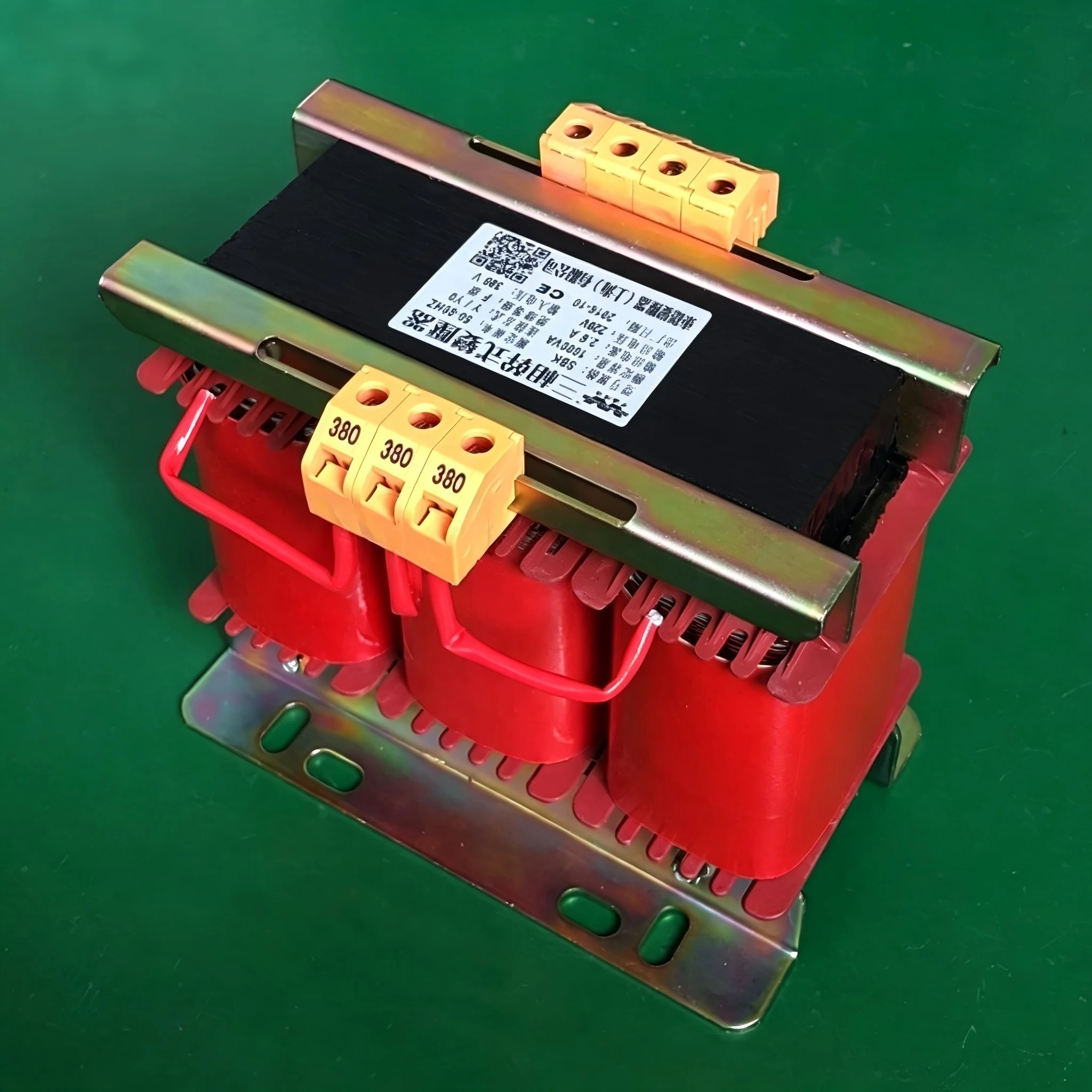
Manufacturing facilities often contain large motors, variable-frequency drives, welders, and switching loads. These generate electrical noise that can disturb CNC controllers, sensors, and machine logic.
A floating isolation transformer output helps decouple sensitive circuits from plant ground disturbances. In practice, this can reduce nuisance alarms, random PLC input behavior, and intermittent control failures.
For example, in a machine tool cabinet feeding 120 V control power from an isolation transformer, keeping the secondary floating can prevent ground-referenced noise from coupling into relay logic and analog input circuits.
Laboratory precision instruments
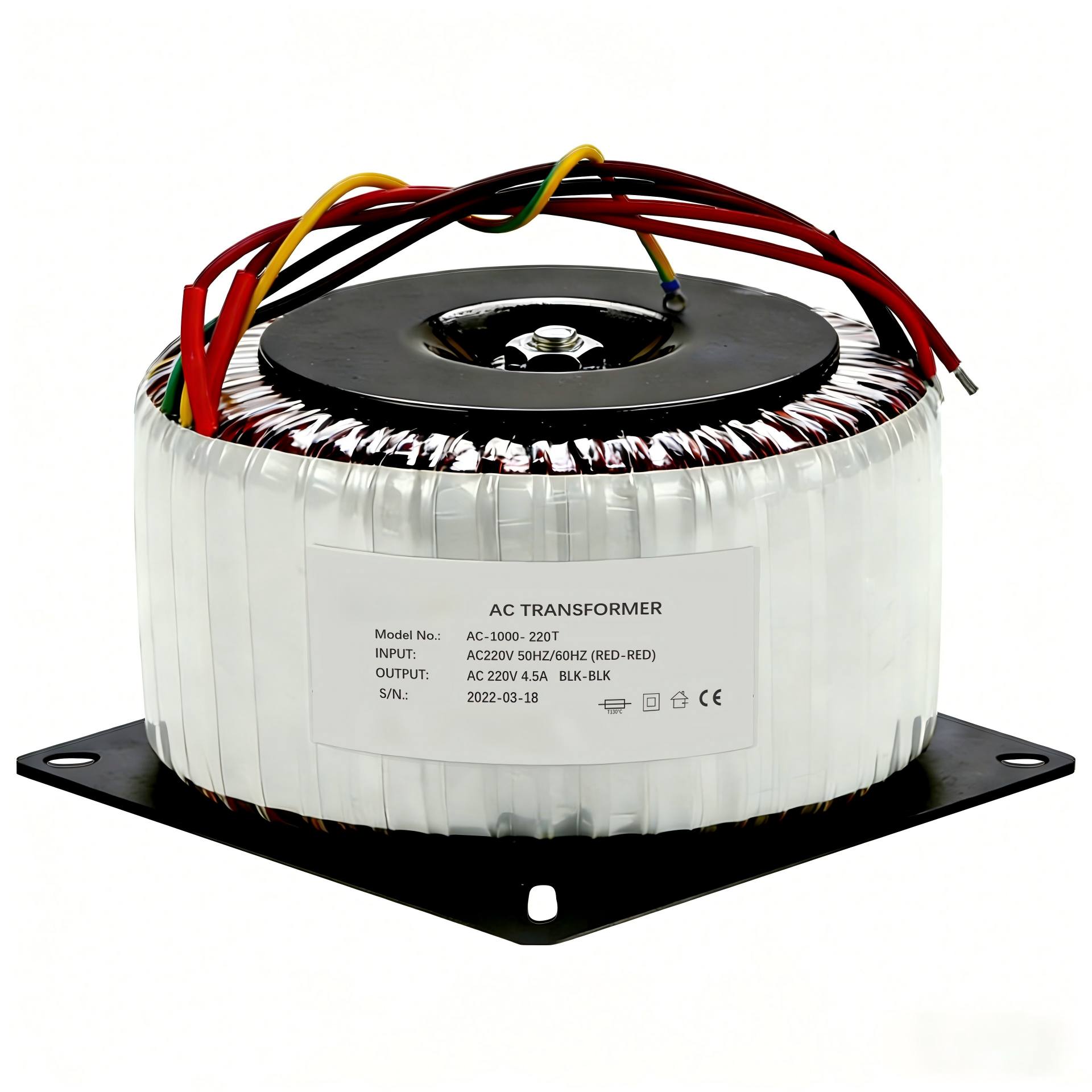
Laboratory power systems often support oscilloscopes, analyzers, calibration rigs, and measurement electronics. These instruments can be highly sensitive to common-mode interference and ground contamination.
Floating isolated power can improve stability by reducing conductive noise paths. In many labs, this helps reduce baseline drift, unexplained reading variation, and false measurement artifacts.
Sensitive automation and inspection systems
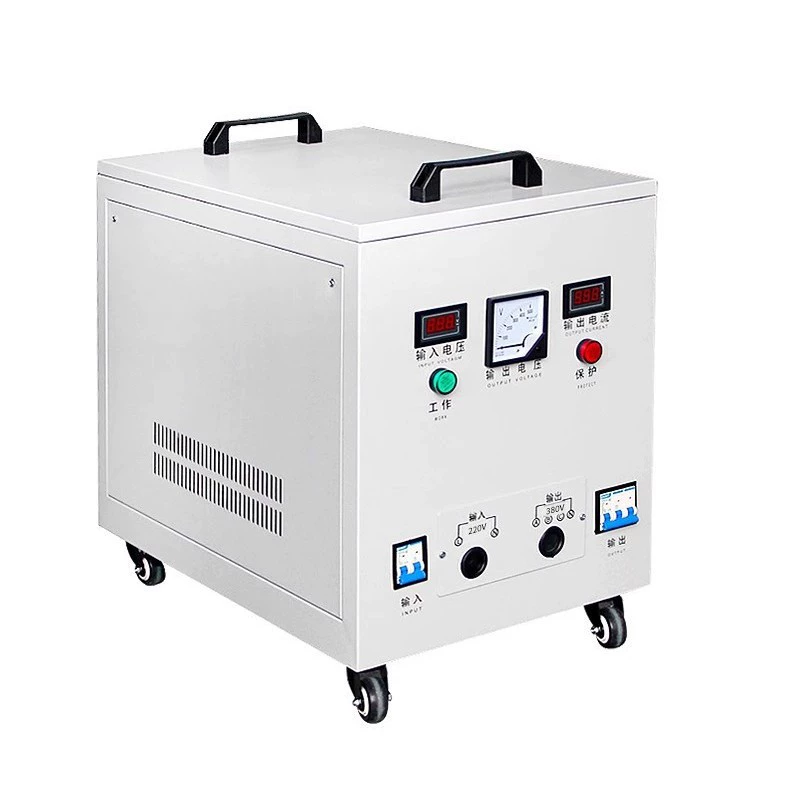
Automated inspection stations, vision systems, and industrial detection platforms rely on clean, predictable power. Ground loops can introduce communication glitches, sensor errors, and timing instability.
By avoiding unnecessary earth reference on the secondary, engineers preserve the transformer’s noise-blocking function and improve operational reliability.
Proof and Practical Data: Safety and Performance Effects
Electrical behavior changes measurably when a floating secondary becomes grounded. The practical effects show up in touch safety, fault response, and interference coupling.
Below are concise evidence-style comparisons based on standard transformer behavior seen in industrial and laboratory systems.
Table: Floating secondary vs grounded secondary behavior
| Condition | Floating Secondary | Grounded Secondary |
|---|---|---|
| Touch one output conductor while standing on Earth | Usually no complete circuit to ground | Can complete shock path through the body to the earth |
| Touch both output conductors | Shock is possible across the full secondary voltage | Shock is possible across the full secondary voltage |
| Accidental contact from one conductor to the grounded frame | May not become an immediate earth-fault path in the same way | Can create a direct fault current path |
| Common-mode noise from the plant ground | Reduced coupling into the output circuit | More direct coupling through grounded reference |
| Downstream equipment effect | Often improved stability for sensitive loads | Higher chance of interference-related malfunction |
Table: Typical fault scenarios and outcomes
| Scenario | Floating Secondary Outcome | Grounded Secondary Outcome |
|---|---|---|
| Person touches one wire only | Normally, no earth-return loop formed | Shock risk similar to ordinary mains increases |
| Person touches both wires | Serious shock risk | Serious shock risk |
| One output conductor contacts the machine chassis | Behavior depends on leakage and system design, but the isolation benefit remains higher | Can produce fault current, trip event, or equipment damage |
| Secondary tied to building ground network | Ground loops are largely avoided | Ground loop formation becomes much more likely |
| Precision measurement load connected | Better rejection of earth-borne disturbances | Higher chance of noise ingress and unstable readings |
The Critical Distinction Many People Get Wrong: Secondary Output vs Transformer Case Grounding
This is the most important misconception to correct.
The transformer metal enclosure and iron core must be grounded to protective earth (PE). But the secondary output winding itself must normally remain ungrounded in standard isolation applications.
Protective earth for enclosure and core
The housing, frame, accessible metal parts, and core must be connected to PE. This protects people if insulation fails and prevents dangerous leakage voltage from appearing on touchable metal surfaces.
That PE bond is a protective requirement. It is not the same thing as grounding the isolated output conductors.
No grounding for the secondary output winding
For ordinary machines, lab, and noise-isolation service, the secondary conductors should remain floating. This preserves both the shock-protection logic of single-wire contact and the interference-reduction advantage of isolation.
Confusing case grounding with output grounding is one of the most common installation errors.
Important Safety Warning: Floating Does Not Mean Shock-Proof
Floating does not mean harmless. It only means that touching one conductor alone usually does not complete a circuit to earth.
If a person touches both secondary output wires at the same time, current can flow through the body across the full secondary voltage. A severe or fatal electric shock is still possible.
Important reminder: A floating secondary protects mainly against single-conductor-to-earth contact. It does not protect against two-wire contact.
Codes, Standards, and Separately Derived System Grounding Rules
Separately derived system grounding rules depend on the purpose of the installation, local code, equipment design, and engineered system requirements.
In standard isolation-for-safety applications, the secondary is typically kept floating because that is what preserves the isolation function. Grounding may be used only where a specific system design requires it, and protective measures are built accordingly.
When a separately derived system may be grounded
Some derived systems are intentionally grounded for distribution, fault detection, overcurrent coordination, or regulatory reasons. In such cases, the transformer is no longer being used purely as a floating isolation source for shock reduction and noise isolation.
That decision must be made by a qualified engineer, based on code compliance, system architecture, and the actual function of the circuit.
Medical isolation transformer grounding requirements
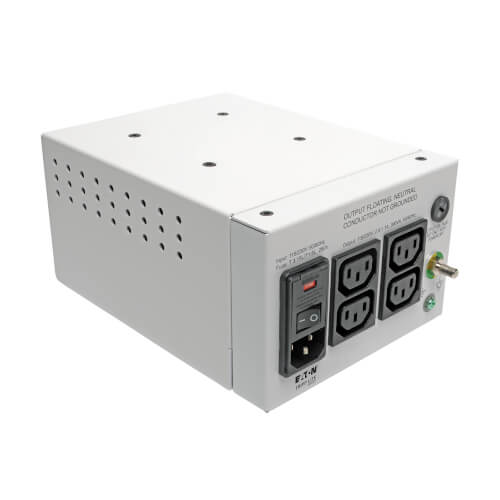
Medical isolation transformer grounding requirements can be different. Certain medical IT systems are special cases with dedicated design rules, insulation monitoring, and strict compliance requirements.
These systems should never be treated as ordinary industrial transformer installations. Their grounding approach depends on the medical standard and application environment.
When Grounding the Secondary May Be Allowed or Required
Exceptions do exist, but they are not the norm for ordinary industrial isolation transformer use.
Grounding may be allowed or required in:
Special engineered, separately derived systems
Certain code-driven distribution arrangements
Medical systems with dedicated monitoring and regulated design
Specific functional circuits where reference to earth is intentionally required
For standard machine tools, laboratory equipment, precision test benches, and noise-sensitive automation loads, grounding the secondary usually defeats the reason the isolation transformer was installed in the first place.
Best Practices for Using an Isolation Transformer Safely
Keep the secondary floating
In standard isolation applications, do not bond either secondary output conductor to earth. This preserves the intended floating secondary circuit safety behavior.
Ground the enclosure only
Connect the transformer enclosure, frame, and core to protective earth. This is mandatory for exposed metal safety and leakage protection.
Protect against two-wire contact
Use covers, barriers, labels, insulated terminals, and safe maintenance procedures. Remember that touching both wires remains hazardous even on a floating secondary.
Match the transformer to the application
Manufacturing machinery, laboratory instruments, and precision automation systems often benefit the most from a floating isolated supply. Choose the transformer and wiring method according to the actual safety and interference-control objective.
Common Misconceptions About Isolation Transformer Secondary Grounding
“Grounding always makes systems safer”
This is false in the context of standard isolation-transformer secondary safety design. Grounding the output can remove the very shock-protection benefit that floating isolation provides.
“If the case is grounded, the secondary should be too”
These are two different functions. The case must be grounded for protective safety, while the isolated secondary usually must remain ungrounded to preserve isolation performance.
“Floating means no shock is possible”
This is also false. If both secondary conductors are touched at once, the body can still carry current, and electric shock can occur.
FAQ
Can the secondary of an isolation transformer be grounded?
In normal isolation-safety applications, it should remain floating. Grounding is appropriate only in specific engineered or regulated systems where the design intentionally requires it.
Why is a floating secondary safer?
Because touching one conductor alone usually does not complete a circuit to earth. Without an earth return path, the normal single-wire shock scenario is reduced.
What happens if one side of the secondary is grounded?
The system regains earth-referenced voltage, and the ungrounded conductor can present full shock voltage to ground. In practice, it behaves much more like ordinary mains regarding shock risk.
Is the transformer enclosure supposed to be grounded?
Yes. The metal case, frame, and core should be connected to protective earth to prevent dangerous leakage on accessible metal parts.
Can you still get shocked from a floating secondary?
Yes. If both secondary conductors are touched at the same time, current can flow through the body and cause an electric shock.
Are medical isolation transformer systems different?
Yes. Some medical IT systems follow special grounding, monitoring, and compliance requirements that differ from standard industrial isolation transformer practice.
Does grounding the secondary reduce electrical noise?
Often, the opposite happens. Grounding can allow ground loops and common-mode interference to enter sensitive equipment, reducing stability and measurement accuracy.
Conclusion: Keep Isolation Effective by Keeping the Secondary Floating
The safety and performance logic is clear: an isolation transformer works best when its secondary remains floating and its enclosure alone is bonded to PE.
Grounding the secondary defeats the main benefit of isolation transformer secondary grounding avoidance. It restores dangerous line-to-ground voltage, increases fault risk, and can inject earth noise into precision industrial and laboratory equipment.
For most machine tools, precision instruments, automation systems, and inspection equipment, the correct rule is simple: ground the case, do not ground the secondary winding.
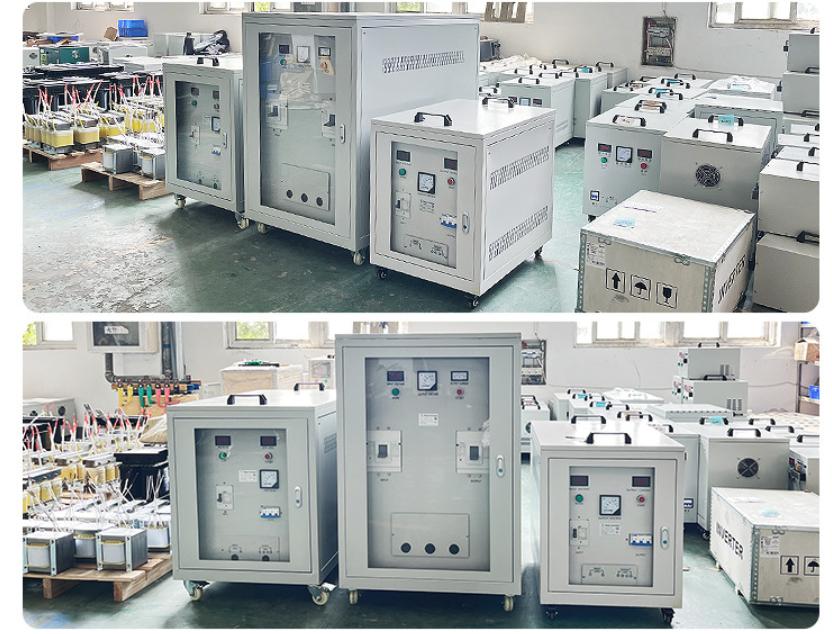
When reliability, operator safety, and clean power matter, choosing the right transformer and wiring method is critical. Weisho Electric stands out as a trusted partner for high-quality isolation transformers designed for industrial safety, stable floating output performance, and dependable operation in demanding environments.
Need Help Choosing or Wiring an Isolation Transformer?
Do not make grounding decisions that could compromise safety, compliance, or equipment reliability.
Contact a qualified electrical engineer or speak with Weisho Electric today for expert guidance on selecting, applying, and wiring the right isolation transformer for your machine tools, laboratory systems, and sensitive industrial equipment.