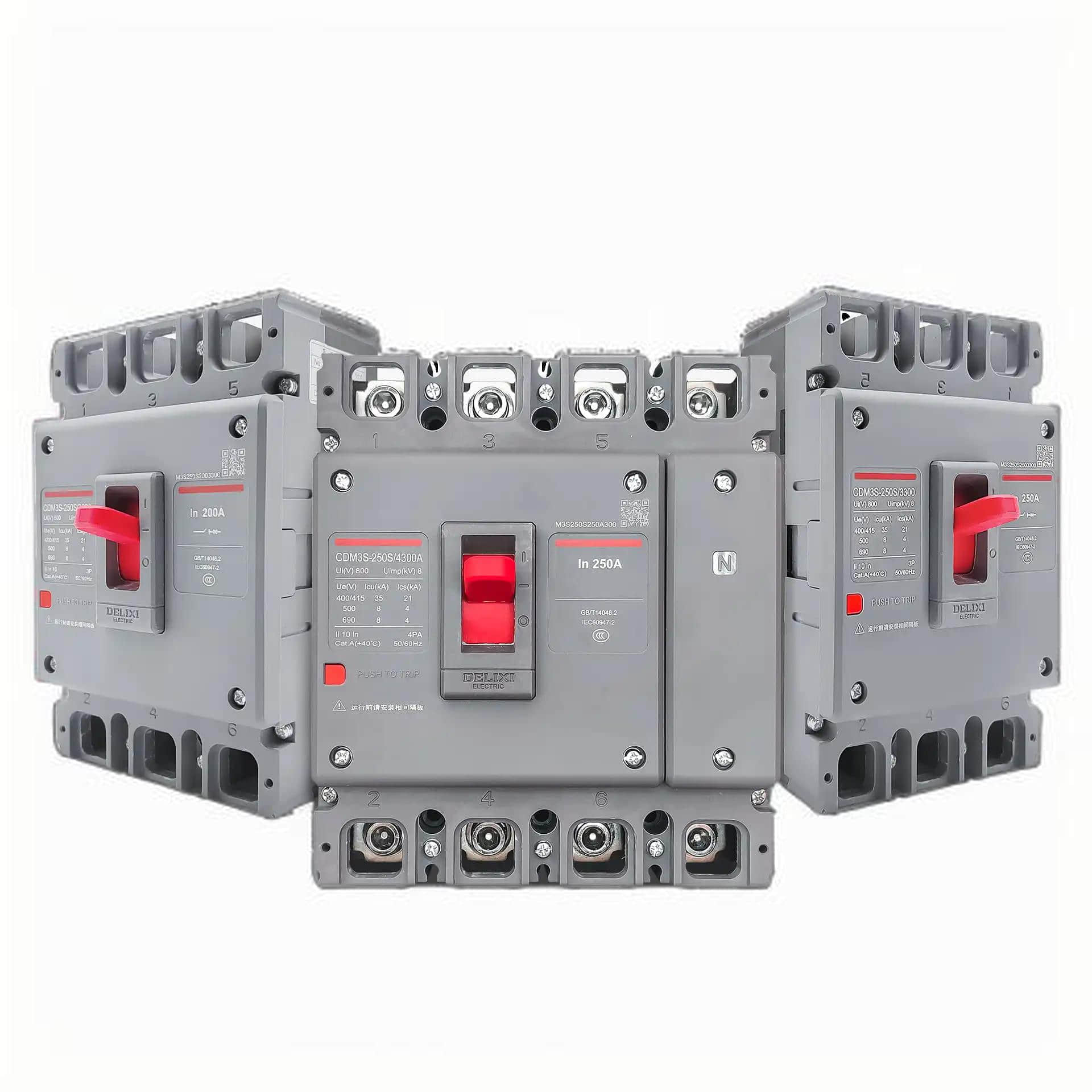
As an electrical engineer, the answer is clear: use an MCCB when the circuit current exceeds 100A, the short-circuit current is high, or the system demands high reliability.
MCCBs protect circuits and equipment while offering adjustable protection settings and intelligent monitoring for modern industrial and commercial systems.
• Using the wrong breaker can lead to downtime, equipment damage, and even safety hazards.
• This article explains when and why MCCBs are essential, covering principles, features, applications, standards, selection logic, engineering cases, cost analysis, and future trends.
Basic Concept of MCCB
MCCB stands for Molded Case Circuit Breaker. It is a low-voltage protective device with an insulated casing enclosing its internal mechanisms.
It protects circuits against overload, short circuits, and ground faults.
• Compared to MCBs, MCCBs handle higher current and interrupting capacity.
• They can be equipped with thermal-magnetic or electronic trip units for precise protection.
Key Specifications
| Parameter | Range |
|---|---|
| Rated Current | 100A ~ 3200A |
| Rated Voltage | AC 400V ~ 1000V |
| Interrupting Capacity | 10kA ~ 150kA |
| Poles | 1P, 2P, 3P, 4P |
Note: Always consider MCCB when system current exceeds 100A or short-circuit levels are significant.
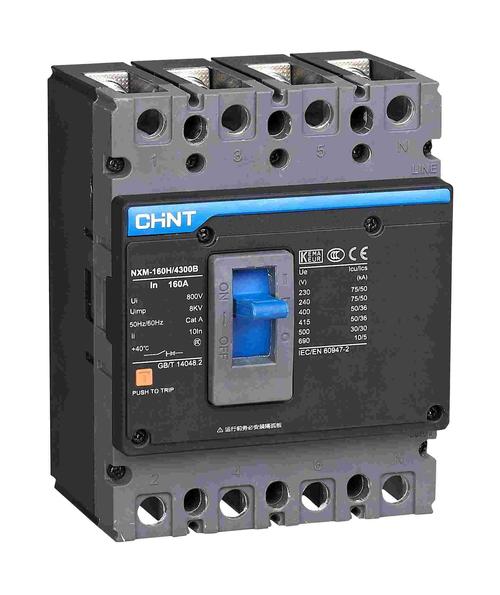
How MCCB Works
MCCB's core is the trip unit:
• Thermal Trip (Overload Protection): Bimetal bends under heat and trips the breaker. It protects against prolonged overloads.
• Magnetic Trip (Short-Circuit Protection): The Electromagnetic coil instantly trips the breaker during short circuits.
• Electronic Trip (Intelligent Protection): Microprocessors monitor current and allow adjustable settings.
• They also log events, ideal for data centers and hospitals.
Tip: For fluctuating loads or sensitive equipment, electronic MCCBs provide precise protection and monitoring data.
Functions and Advantages
• Overload protection prevents damage to cables and equipment.
• Short-circuit protection isolates faults in milliseconds.
• Ground fault detection is available on some models.
• Remote operation supports electric or network control.
• Adjustable settings allow fine-tuning of overload and short-circuit thresholds.
• Smart monitoring records current, voltage, and power for energy management.
Note: MCCBs serve both as protective devices and as energy management units in industrial systems.
Typical Applications
• Industrial Main Distribution: Factory main lines with currents ≥100A.
• Data Centers: UPS output and distribution buses with high short-circuit currents.
• Hospitals and Critical Facilities: Operating rooms and ICUs where power reliability is crucial.
• Renewable Energy Systems: PV inverters and wind turbines output side.
• Large Motors: High inrush currents require thermal-magnetic trip units.
Tip: Residential and office circuits typically use MCBs.
Industrial and critical applications require MCCBs.
MCCB vs. Other Breakers
| Feature | MCB | MCCB | ACB | Fuse |
|---|---|---|---|---|
| Current Range | 1A ~ 100A | 100A ~ 3200A | 800A ~ 6300A | Various |
| Interrupting Capacity | 6kA ~ 10kA | 10kA ~ 150kA | Up to 150kA | High, single-use |
| Adjustability | Fixed | Adjustable | Highly adjustable | None |
| Operation | Manual reset | Manual / Electric / Remote | Electric / Intelligent | Replace fuse |
| Applications | Home / Office | Industrial / Commercial / Renewable | Power plants / Main feeders | Simple device protection |
| Cost | Low | Moderate | High | Low |
Note: MCCBs strike the best balance between cost and performance for industrial distribution.
Standards and Regulations
• IEC 60947-2: International standard for MCCB performance and testing.
• UL 489: North American standard with strict safety requirements.
• GB/T 14048.2: Chinese standard largely aligned with IEC.
Tip: Always verify standards during design and procurement to avoid compliance issues.
Engineering Selection Process (Table Format)
| Step | Condition | Recommendation |
|---|---|---|
| Determine operating current | < 100A | Use MCB |
| Determine operating current | ≥ 100A | Use MCCB |
| Check the interrupting capacity | ≥ short-circuit current | Standard MCCB |
| Check the interrupting capacity | < short-circuit current | High-capacity MCCB or ACB |
| Number of poles | Three-phase load | 3P |
| Number of poles | Three-phase + neutral | 4P |
| Environmental factors | High temp, humidity, corrosive | High IP rating and derating |
| Trip unit type | Standard industrial load | Thermal-magnetic |
| Trip unit type | Sensitive load / remote monitoring | Electronic |
Note: This table helps engineers quickly decide the proper MCCB configuration.
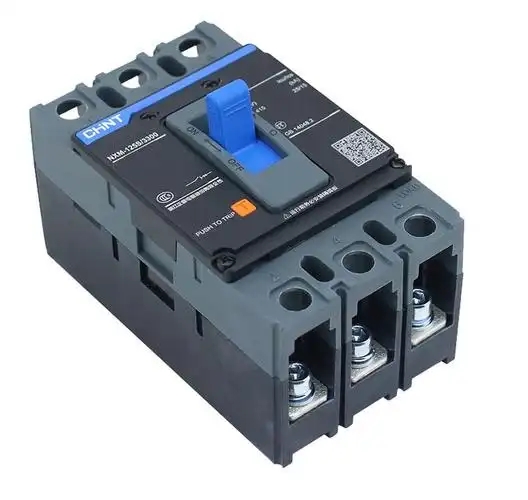
Engineering Case Studies
• Factory Main Distribution: 250A main line, 35kA short-circuit. Old 100A MCB failed. Upgrade to 250A MCCB, 50kA capacity, remote monitoring. ROI > 300%.
• Data Center UPS Output: 400A, 40kA short-circuit. Old MCB tripped during UPS startup. Solution: 400A MCCB, 63kA, electronic trip, remote monitoring. Stable operation achieved.
• PV Grid-Tied System: 5MW, 150A output, 20kA short-circuit. MCB insufficient. Solution: 200A MCCB, 25kA, electronic trip, selective protection. Twelve months of operation without downtime.
• Motor Protection: 400kW motor, 720A inrush. MCB tripped, risk of overload. Solution: 800A MCCB, 50kA, thermal-magnetic with delayed trip. Motor protected; maintenance cost reduced by approximately $30,000/year.
Tip: Real-world cases quantify MCCB value and support decision-making.
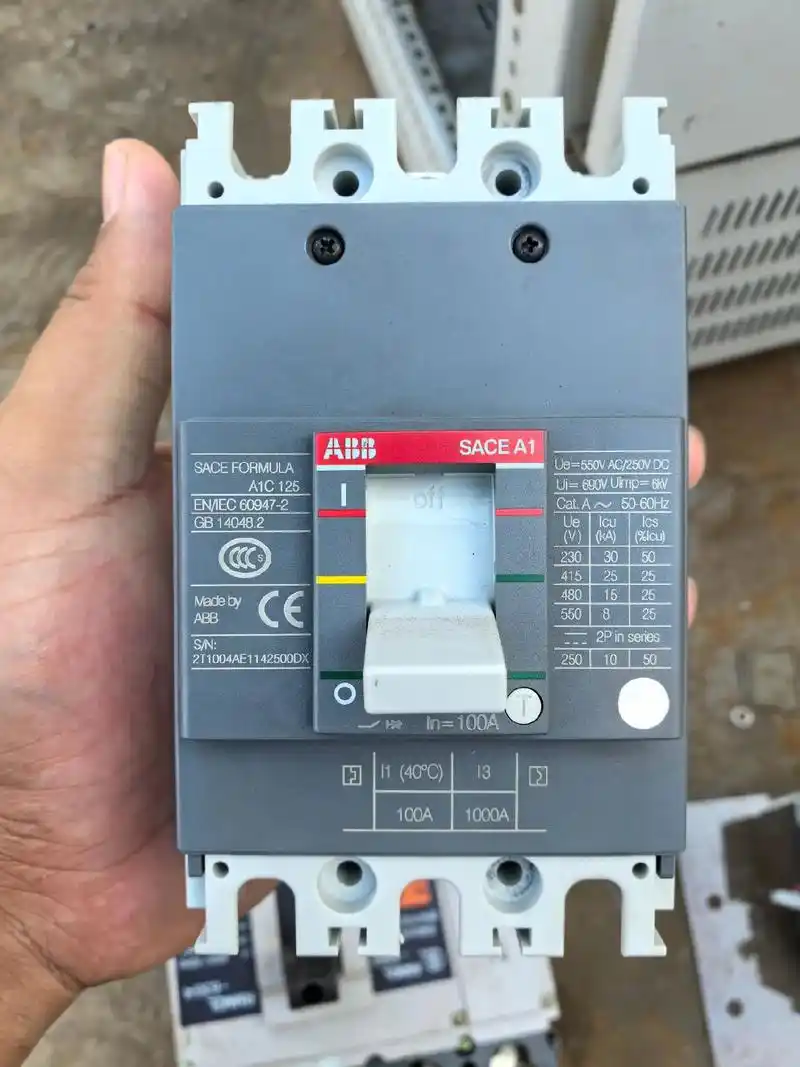
Cost and Lifecycle Analysis
| Item | MCCB | MCB |
|---|---|---|
| Initial cost | Moderate (3-5x MCB) | Low |
| Mechanical life | > 10,000 operations | < 5,000 |
| Electrical life | 15-20 years | 5-10 years |
| Maintenance | Low (remote monitoring) | High (manual inspection) |
| ROI | High (avoids downtime costs) | Moderate |
Note: MCCB ROI comes from longer lifespan and reduced downtime.
Future Trends
• Smart MCCBs: Electronic trip units integrated with IoT for real-time monitoring.
• Modular design: Integration with energy management and remote diagnostics.
• Eco-friendly materials: Halogen-free and flame-retardant components.
• Higher interrupting capacity: Meeting renewable energy and data center requirements.
Tip: Future projects should prioritize intelligent MCCBs for operational efficiency and energy savings.
FAQ
• Q: What is the main difference between MCB and MCCB?
• A: MCBs suit ≤100A small loads; MCCBs handle ≥100A industrial and commercial circuits.
• Q: When must I use an MCCB?
• A: Whenever the current exceeds 100A, the short-circuit current is high, or the load is critical.
• Q: Can MCCBs be used in single-phase systems?
• A: Yes, choose 1P or 2P MCCB.
• Q: How to choose between an electronic and a thermal-magnetic trip?
• A: Thermal-magnetic is standard for industry; electronic is for sensitive or remotely monitored loads.
• Q: How often should MCCBs be maintained?
• A: Every 1-2 years, checking contact wear and trip sensitivity.
Conclusion
MCCBs are indispensable for modern power systems.
Use them whenever current exceeds 100A, short-circuit currents are significant, or reliability is critical.
• Proper selection ensures safety, minimizes downtime, and protects equipment.
• Intelligent MCCBs will play an even bigger role in energy management and system protection in the future.