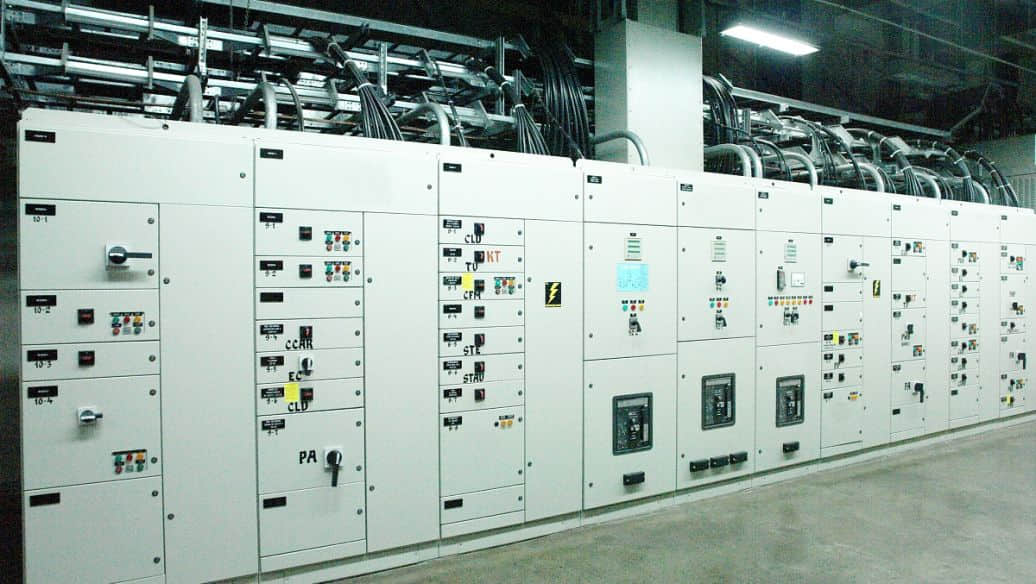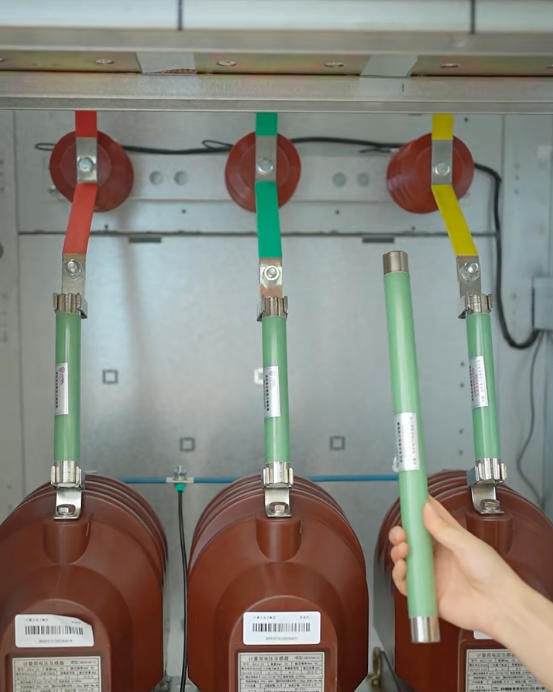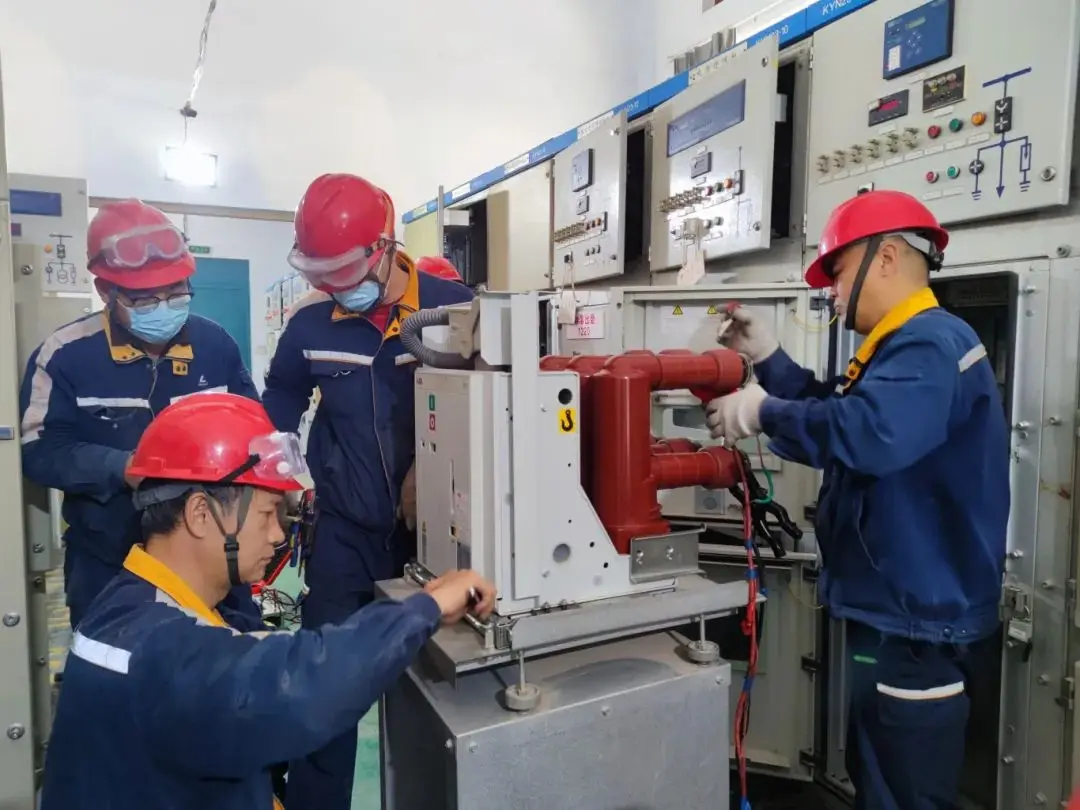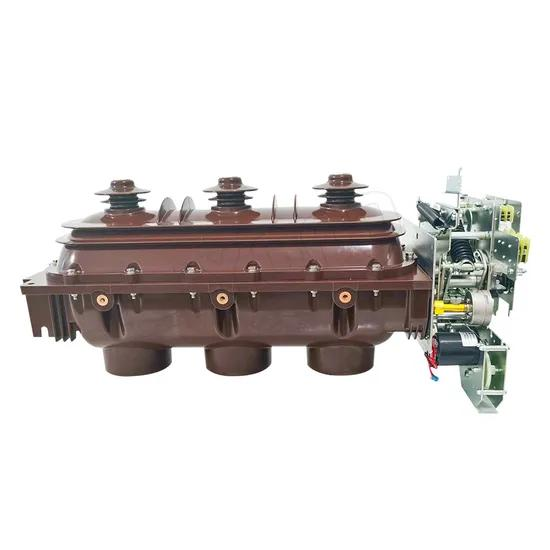
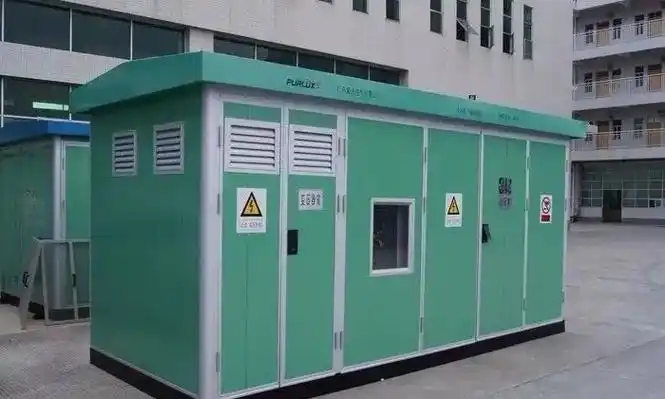
As cities grow and renewable energy projects expand, traditional substations often struggle to keep up due to their large size and long construction time. Compact substations solve this problem by offering a fully integrated system in a smaller footprint.
They handle power conversion and distribution efficiently, even in space-constrained areas. This article explains their design, standards, uses, and main benefits to help you improve your power system easily.
What Is a Compact Substation?
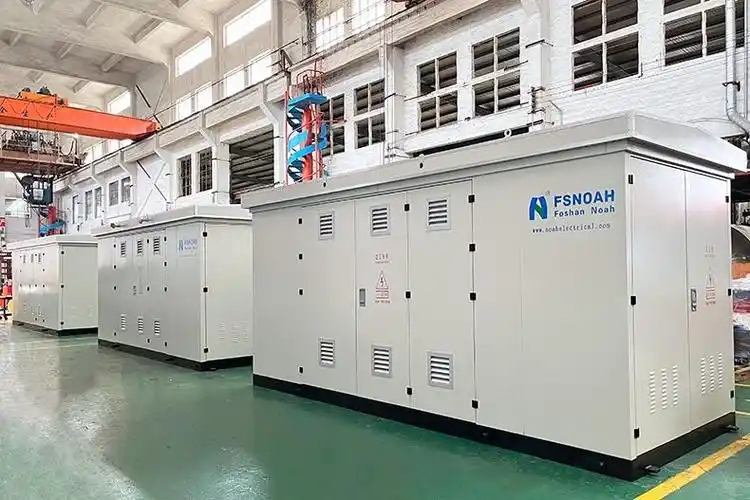
A compact substation is an advanced version of a prefabricated substation designed specifically for limited-space environments.
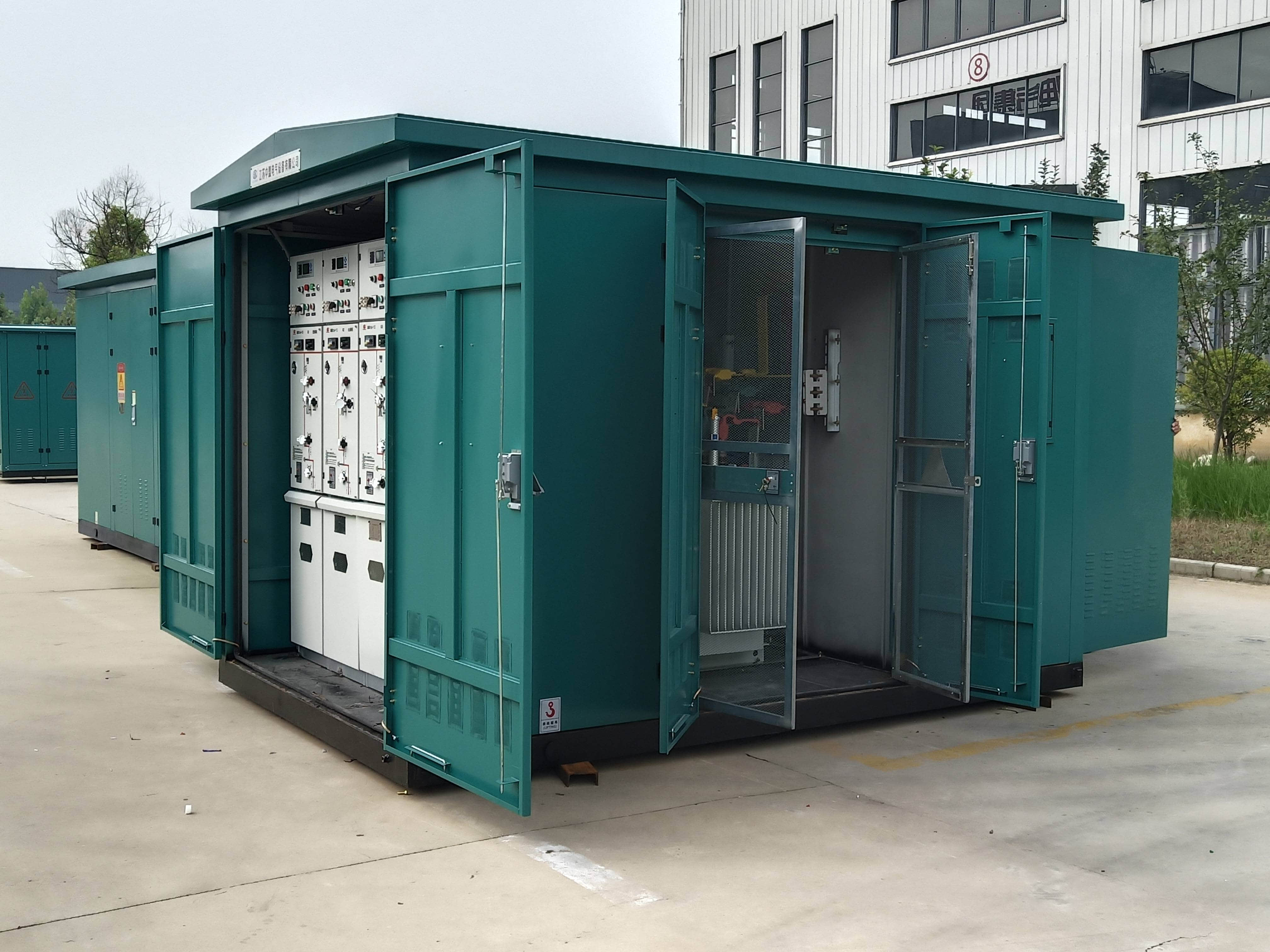
It combines the medium-voltage switchgear, transformer, and low-voltage distribution unit into one enclosure. Compared to standard substations, it eliminates unnecessary components such as main incoming breakers and extra feeder switches. Most models limit output circuits to four and reduce reactive compensation to 15% of the transformer's capacity.
For example, a 630kVA unit stands only 2.1 meters tall, while a 400kVA version can be just 1.9 meters high. These compact dimensions make them perfect for tight spaces like alleyways, street corners, rooftops, or temporary construction zones.
Optimized Design and International Compliance
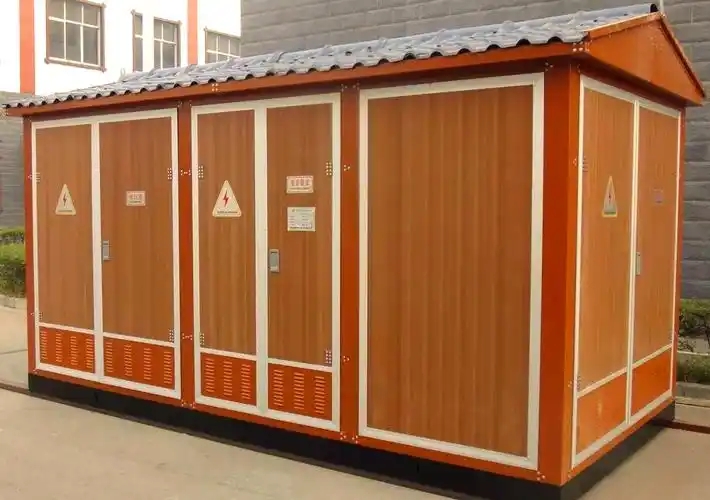
Modular construction and standardization are key to the compact substation's success.
Simplified Layout
The low-voltage compartment retains only essential features. They remove extra switching devices to save space.
Standard Dimensions
The housing follows consistent sizing guidelines for 10kV systems and supports transformers from 400kVA to 630kVA.
Both metal and composite enclosures adopt modular designs, allowing for fast replacement and scalability.
Compliance with Global Standards
The MV switchgear complies with IEC 62271-200 for metal-enclosed systems.
Units are CE-certified (Europe) and UL-listed (North America), ensuring global acceptance.
Factory Assembly for Faster Delivery
Products like Siemens' SIVACON 8PT are preassembled, with 90% of wiring and testing completed in the factory. Workers can finish on-site work in under 48 hours.
Key Differences from Standard Prefabricated Substations
Compact substations are more than just smaller boxes—they are a result of a complete system redesign.
Feature | Standard Substation | Compact Substation |
Space Layout | Separate compartments for HV, transformer, LV | Stacked modules in a single enclosure |
Equipment Setup | Full switchgear, 6–8 feeder outputs | Simplified LV side, 4 standard outputs |
Ideal Locations | Industrial zones, suburban installations | Urban cores, renewables, and temporary setups |
Certifications | Local or national standards only | IEC, CE, UL-compliant for global use |
Case in Point
In Hamburg, Germany, a compact substation was embedded into a historic site. It upgraded the local grid without changing the building’s exterior or requiring heavy civil work.
Applications and Industry Use Cases
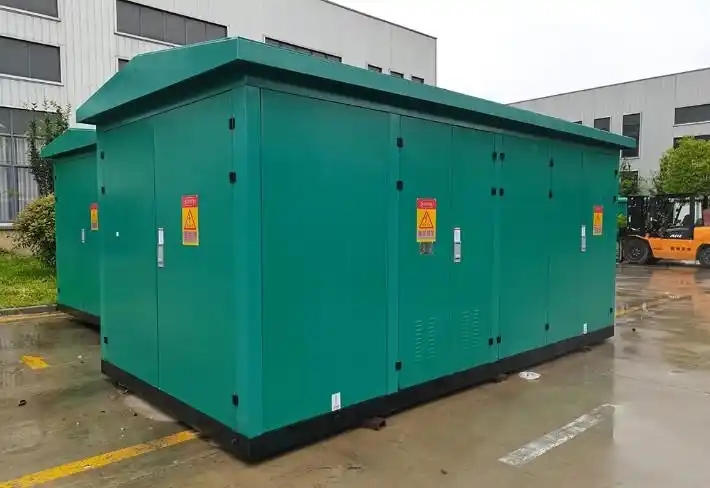
Compact substations offer flexible power distribution where space or time is limited.
Urban Modernization
London’s financial district installed compact substations to replace old systems. Without expanding the existing rooms, they increased the power supply by 20%.
Temporary Installations
In the U.S., mobile compact substations serve solar and construction projects. After completion, they’re relocated and reused elsewhere, maximizing asset value.
Renewable Energy
A Danish offshore wind project integrated compact substations directly onto the dockside, eliminating the need for a standalone distribution room.
Emergency Backup
Wildfire-prone areas in California deploy compact substations with built-in diagnostics. These units connect to SCADA systems and support rapid response in emergencies.
Choosing the Right Compact Substation: What to Consider
Selecting a compact substation involves more than just picking a model based on capacity. Here are key factors to guide your decision:
1. Site Constraints
Measure available space and determine access points. Some models require just 3m² of surface area.
2. Voltage and Load Requirements
Match the unit’s rated voltage (commonly 10kV or 11kV) and transformer capacity (typically 400–630kVA) to your network demand.
3. Integration Needs
Check compatibility with SCADA systems, protection relays, and communication protocols like Modbus or IEC 61850.
4. Environmental Conditions
Choose between air-cooled or oil-immersed designs based on temperature, humidity, and dust levels. Enclosure material matters—metal for durability, non-metal for corrosion resistance.
5. Mobility
For short-term projects, select models with forklift access, lifting hooks, or wheel-mounted designs for easy transport.
Compact vs GIS vs Pad-Mounted Substations: Which Is Right for You?
Type | Best For | Pros | Cons |
Compact | Urban, renewables, temporary setups | Space-saving, easy to deploy, certified | Limited output circuits |
GIS (Gas-Insulated) | High-reliability zones, critical loads | Fully enclosed, no arc risk, long service life | High cost, complex installation |
Pad-Mounted | Suburban areas, basic distribution | Simple setup, low cost | Larger footprint, less flexible |
Use compact substations when flexibility, small size, and fast installation matter most. They're not a universal solution, but they fill a critical gap between traditional and GIS systems.
Advantages of Compact Substations
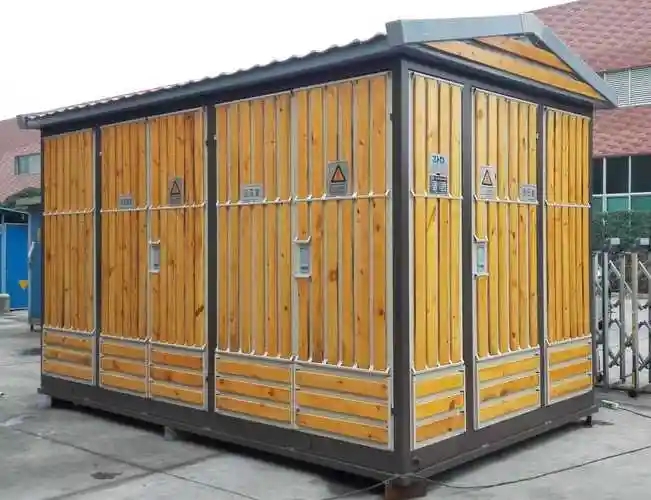
Compact substations combine the benefits of advanced technology, compact structure, and environmental compatibility.
Lower Installation Costs
Install units directly on hardened surfaces without concrete bases. Save up to 40% in civil work costs and reduce build time by 70%.
Adapt to Complex Sites
Some models require only 2m × 1.5m of space. You can install them in basements, parking garages, or narrow alleyways.
Smart Monitoring and Maintenance
Built-in temperature, humidity, and load sensors feed real-time data to SCADA platforms. Operators can manage faults remotely and reduce response times.
Eco-Friendly Design
Modern compact substations use low-emission materials and integrate energy-efficient transformers, supporting global green energy goals.
Frequently Asked Questions (FAQ)
Q1: How long does it take to install a compact substation?
Most models are factory-assembled and can be installed in 24–48 hours on-site.
Q2: Can compact substations be relocated?
Yes. Many units are designed for mobile use and can be moved with minimal effort.
Q3: Are these substations safe for public areas?
Absolutely. Enclosures meet IEC/UL/CE safety standards, and they are fully enclosed to prevent public contact or tampering.
Q4: Do compact substations support SCADA integration?
Yes. They come with digital monitoring modules compatible with SCADA and other smart grid platforms.
Q5: What’s the lifespan of a compact substation?
With proper maintenance, units can operate reliably for 20–30 years.
Rethinking the Future of Power Infrastructure
Compact substations redefine what’s possible in modern energy distribution. They offer flexible, safe, and cost-effective solutions for power supply challenges in dense cities, renewable energy sites, and emergency zones.
As energy systems evolve, compact substations make it easier to deploy smart grids, reduce environmental impact, and adapt to changing urban landscapes.
Need help choosing the right model for your project?
Our international engineering team is ready to assist.
📧 Email: [email protected]
🌐 Website: www.weishoelec.com