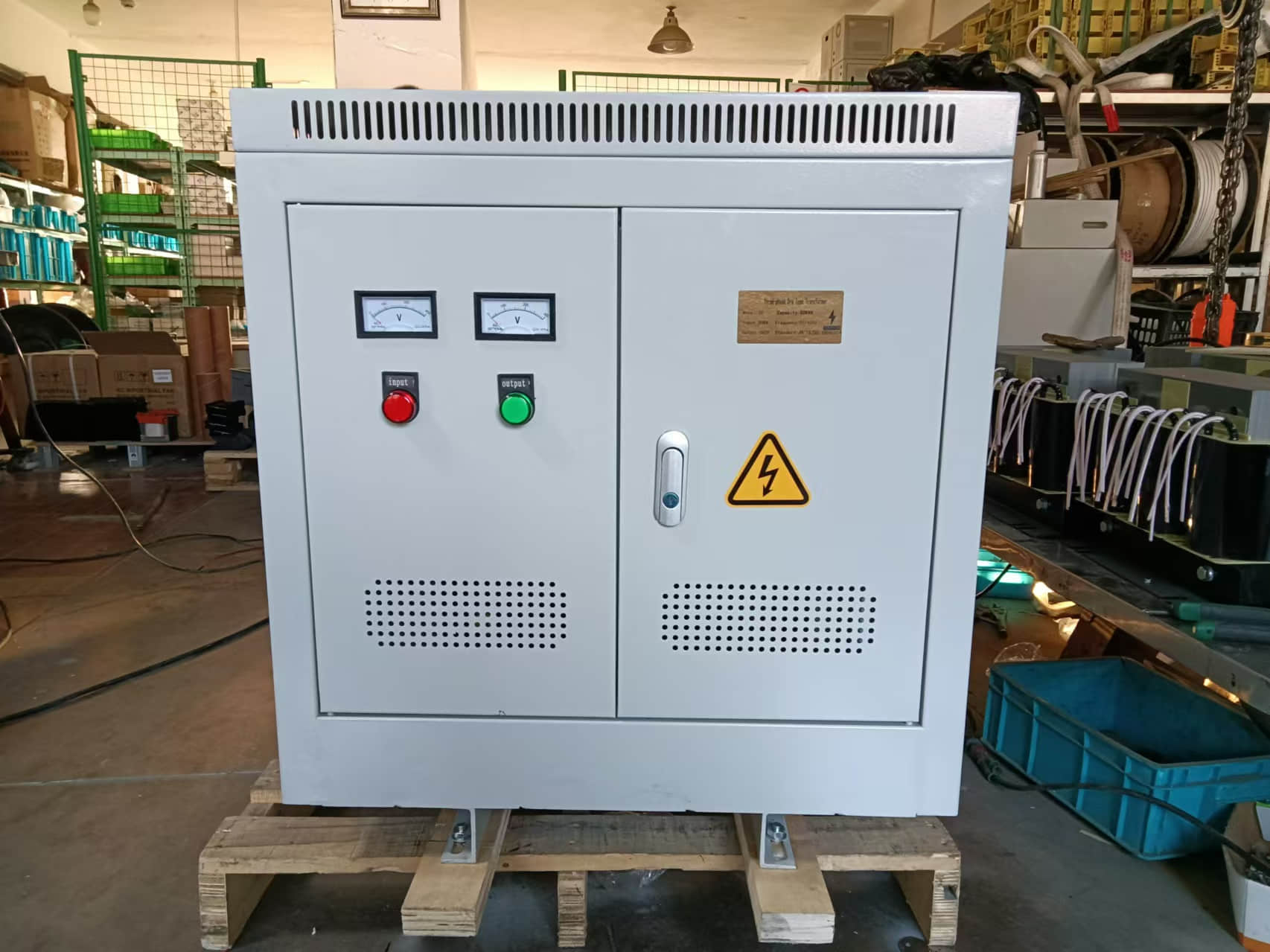
Weisho Engineering Guide: Isolation Transformers – Principle and Safety
In any critical environment where operational safety and signal integrity are paramount, the isolation transformer is a foundational component. It serves a unique function distinct from standard voltage conversion: providing Galvanic Isolation.
This fundamental separation between the input (primary) and output (secondary) circuits is achieved without direct electrical contact, transferring power solely through a magnetic field. This design delivers a critical advantage by mitigating electrical hazards and noise, which is essential for sensitive equipment.
Key Takeaways: The Foundational Advantages
The specialized engineering of the isolation transformer provides several non-negotiable benefits:
1. Superior Electrical Safety: The primary advantage is the prevention of electrical shock by isolating the secondary winding from the ground reference, effectively breaking the circuit path to earth.
2. Noise and Interference Mitigation: They are expertly designed to attenuate high-frequency noise and eliminate ground loops and common-mode interference, which can severely disrupt sensitive digital and analog equipment.
3. Protection of Equipment: They shield delicate downstream devices from damaging voltage spikes and transients originating on the main power line.
4. Essential for Critical Applications: Their function is mandatory in specialized fields, including medical life support systems and high-precision testing laboratories.
5. Maintenance Safety: When used correctly, they provide a safe working environment by isolating high-voltage lines during equipment servicing and repair.
To choose the optimal isolation transformer, operators must carefully assess the required voltage and power ratings, the specific environmental needs, and the adherence to relevant safety compliance standards.
Isolation Transformer Overview
1. Defining the Isolation Transformer
What Is an Isolation Transformer?
An isolation transformer is a specialized device engineered to provide Galvanic Isolation—a critical form of electrical separation—between two power circuits. Unlike standard transformers, its primary purpose is not solely voltage change, but rather safety and noise mitigation.
It achieves this by transferring AC power from the input (primary) to the output (secondary) circuit solely through magnetic induction, completely blocking any DC component from passing through. This design is paramount for protecting personnel and sensitive electronic devices from electric shock hazards and disruptive electrical interference.
2. Core Structure and the Principle of Galvanic Isolation
Primary and Secondary Windings
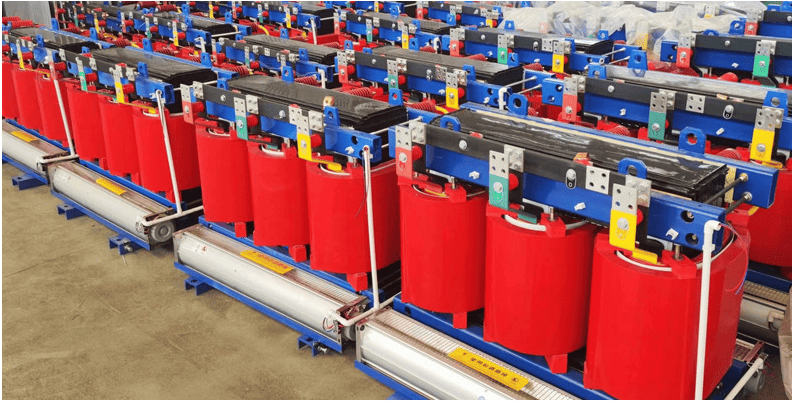
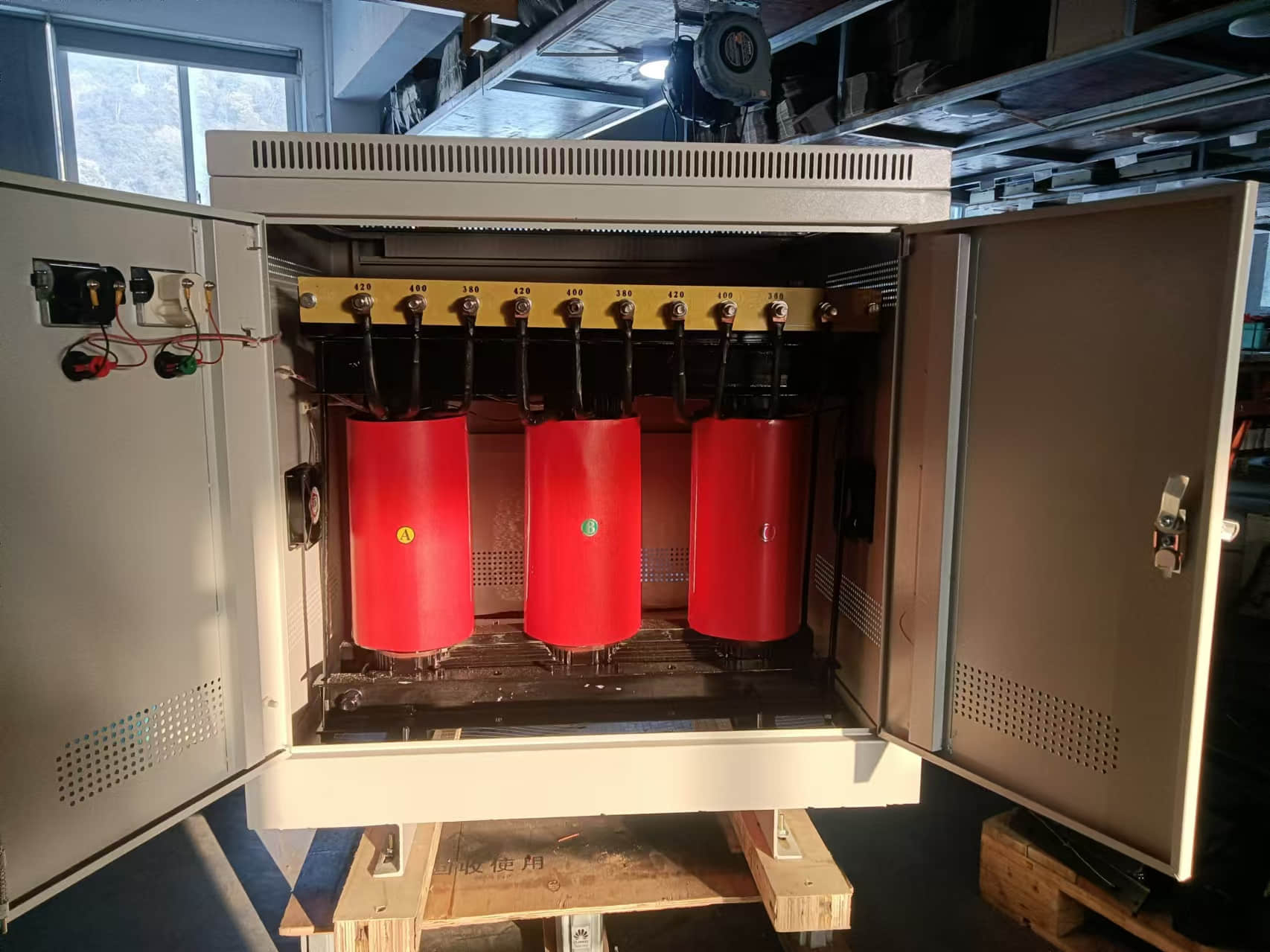
The transformer's specialized construction involves two distinct, separate sets of coils: the primary winding and the secondary winding. Both wrap around a common ferromagnetic core, typically made of iron.
The primary winding connects to the power source and creates a magnetic field when AC current is applied.
The secondary winding is physically and electrically separated from the primary, intercepting the magnetic field to induce a new AC voltage for the load device.
This unique two-winding setup creates the electrical separation required: there is no direct metallic path connecting the input to the output.
How Magnetic Coupling Works
The mechanism is magnetic coupling (or mutual induction):
1. Input (Primary): The alternating current (AC) in the primary winding generates a changing magnetic field.
2. Transfer (Core): This magnetic field is guided by the core to the secondary winding.
3. Output (Secondary): The changing magnetic field induces a new AC voltage in the secondary winding, completing the power transfer.
This method effectively blocks DC and isolates high-frequency electrical noise, ensuring the output is a clean and safe power source.
3. The Safety and Integrity Advantage
The absence of a direct electrical link provides two non-negotiable engineering benefits:
Electric Shock Protection: The output circuit (secondary winding) can be safely ungrounded, breaking the path for fault currents to return to earth. This dramatically reduces the risk of electric shock to personnel performing maintenance or using connected equipment.
Mitigation of Ground Loops and Interference: The separation prevents the transfer of common-mode interference and eliminates ground loops. Ground loops occur when unwanted currents flow through multiple ground paths, severely degrading signal quality. The isolation transformer is highly effective at eliminating this issue, which is crucial for sensitive equipment like audio systems, testing equipment, and medical devices.
Weisho Insight: This ability to provide clean power with enhanced safety makes the isolation transformer an indispensable component in critical 120V setups, laboratory environments, and specialized applications like ship power systems.
1. Safety and Personnel Protection: Achieving Galvanic Isolation
The primary and most critical function of an isolation transformer is to achieve Galvanic Isolation for superior safety.
Shock Hazard Prevention
Isolation transformers effectively break the direct electrical connection between the utility power source and the load device. The unique two-winding design ensures that the secondary circuit is independent of the earth ground reference. This is crucial for personnel safety:
Fault Path Interruption: In the event of an accidental contact with a live secondary wire, the current has no return path to the earth/ground through the body, drastically reducing the risk of a fatal electric shock.
Maintenance Safety: The isolation provided during servicing or repair work ensures that technicians are not exposed to hazardous high voltages on the primary side, adhering to stringent work safety protocols.
Protection from Voltage Spikes (Coordinated Strategy)
Isolation transformers offer inherent protection against certain types of transient noise, particularly common-mode spikes. However, for comprehensive equipment safety against severe transient overvoltages, a coordinated protection strategy is necessary:
| Device Type | Primary Function | Effectiveness Against Spikes | Weisho Engineering Tip |
| Isolation Transformers | Galvanic Isolation and Common-Mode Noise Attenuation | Good (Common-Mode Only) | Provides the first line of defense against high-frequency interference. |
| Surge Protective Devices (SPD) | Transient Voltage Clamping | Excellent (Both Common and Differential Mode) | Must be used in conjunction with isolation transformers for comprehensive protection against severe voltage surges. |
2. Power Quality Enhancement: Eliminating Noise and Interference
The secondary function is the dramatic improvement of power quality, essential for high-precision and sensitive electronic equipment.
Noise and Ground Loop Attenuation
Isolation transformers are highly effective at suppressing electrical noise and interference:
Common-Mode Noise Elimination: By separating the input and output ground references, the transformer blocks unwanted common-mode currents (noise present on both lines relative to ground) from reaching sensitive equipment.
Ground Loop Mitigation: They eliminate ground loops—unintended circuits created by multiple grounding points—which are a common source of 60Hz hum (or 50Hz hum, depending on the region) and signal distortion in sensitive analog devices, such as audio/video systems and precision lab instruments.
This capability to convert noisy AC into clean, stable AC via electromagnetic induction ensures that downstream electronics receive power with minimal distortion.
Filtering High-Frequency Interference
The design acts as a low-pass filter, effectively blocking high-frequency electrical noise originating from sources like switching power supplies, variable frequency drives (VFDs), and power transistors. This is paramount for maintaining the integrity and performance of critical industrial controls and medical diagnostic machinery.
Types of Isolation Transformers: Classification by Application
While voltage ratings (such as 120V to 120V) are common specifications, professional isolation transformers are fundamentally classified by their design standard and intended application, reflecting their specific safety and noise requirements.
1. Standard-Duty Isolation Transformers (120V Systems)
These single-phase units are widely used in North American power systems where the goal is basic safety separation and ground loop elimination for consumer and light commercial devices.
| Specification Focus | Value Example | Application Benefit |
| Capacity | Typically 0.5 kVA to 10 kVA | Supports common IT equipment and smart home devices. |
| Voltage | 120V AC Primary to 120V AC Secondary | Maintains consistent voltage output while ensuring isolation. |
| Noise Attenuation | Moderate Common-Mode Noise Reduction | Protects sensitive electronics and landscape lighting from standard electrical interference. |
2. Medical-Grade Isolation Transformers (Highest Safety Standard)
This is a critical, specialized type where safety is non-negotiable. These units must comply with strict standards like IEC 60601 to ensure the lowest possible leakage current.
Key Requirement: They protect both patients and medical staff from micro-shock hazards—minute currents that can be lethal when equipment is connected directly to a patient.
Unique Feature: They often incorporate specialized shielding and monitoring to prevent failures in operating rooms, ICUs, and diagnostic labs.
3. Industrial/Ultra-Low Noise Isolation Transformers
These units are designed for highly sensitive industrial and laboratory settings.
Industrial Applications: Used to protect PLCs (Programmable Logic Controllers), robotics, and industrial controls from high-level electrical noise and voltage fluctuations prevalent in factory environments.
Precision Applications: Engineered with multiple shields (Faraday shields) between the windings to achieve exceptional noise attenuation, eliminating the common and differential-mode noise that can corrupt data in high-precision testing, calibration labs, and professional audio/video studios.
Weisho Expertise: Selecting the correct isolation transformer is determined by the safety compliance level (e.g., medical vs. industrial) and the required noise immunity for the specific downstream equipment, not just the voltage.
Specialized Applications: Where Isolation is Non-Negotiable
The unique ability of the isolation transformer to provide Galvanic Isolation and filter noise makes it mandatory in specific, high-stakes environments where safety or signal integrity cannot be compromised.
1. Medical-Grade Safety and Compliance (IEC 60601)
Medical applications represent the most stringent use case. Isolation transformers in hospitals and clinics must adhere to strict international standards like IEC 60601-1.
Hazard Mitigation: The core function is to ensure the lowest possible leakage current to protect both patients and healthcare personnel from micro-shock hazards—minute currents that can be life-threatening when a patient is connected to multiple electrically powered devices.
Weisho Standard: Weisho’s medical-grade units are designed with specialized shielding and rigorously tested dielectric strength to meet these regulations, providing clean, secure power for life support and diagnostic equipment.
2. Eliminating Noise in High-Fidelity Audio and Testing
In studio, concert hall, and high-precision testing environments, the enemy is electrical interference.
Ground Loop Prevention: Audio isolation transformers specifically break the ground loop path that often generates disruptive 60Hz hums or buzzing in audio systems, ensuring sound quality and clarity.
Signal Integrity: By attenuating both common-mode noise and other high-frequency interference, they protect sensitive microphones, mixers, and testing instruments from signal corruption, which is vital for accurate data collection or high-fidelity sound reproduction.
3. Marine and Industrial Environments (K-Rating and Durability)
For installations exposed to challenging physical or electrical conditions, the transformer must be robustly engineered.
Ship Installations: Ship-to-shore power connections require ship isolation transformers to prevent galvanic corrosion of the vessel's hull caused by unwanted leakage currents from the shore connection. They also manage voltage and frequency differences inherent in global shore power.
Harmonic Resilience: Industrial environments (e.g., factories, data centers) often generate high levels of harmonic distortion due to variable speed drives or switching power supplies. Transformers used here must be K-rated to safely handle non-linear loads and prevent overheating, ensuring the longevity and stability of the power system.
Common Applications
Maintenance and Operational Safety
Isolation transformers are engineered for longevity, but ensuring their 30+ year lifespan and consistent safety requires adherence to best practices, particularly regarding personnel safety during servicing.
Safety During Machine Repair and Maintenance
The core benefit of Galvanic Isolation is its role in workplace safety. Isolation transformers provide an essential safety barrier between service technicians and the primary power source.
Shock Hazard Mitigation: When technicians utilize an isolation transformer on a test bench or repair station, the secondary circuit remains ungrounded. This breaks the electrical return path, rendering accidental contact with the secondary side non-lethal, as the fault current cannot easily return to the earth ground through the body.
Protection of Test Equipment: The isolation function blocks noise and harmonics from the main line, protecting sensitive diagnostic tools (like oscilloscopes and multimeters) from damage and ensuring the accuracy of measurements.
Weisho Tip: Always ensure the isolation transformer's current rating and voltage rating precisely match the requirements of the equipment being tested and the tools being used, with a slight capacity buffer for safety and reliability.
Professional Selection Guide: Achieving Optimal Protection
Selecting the correct isolation transformer is a specialized task that requires balancing power requirements with application-specific safety and noise standards.
Key Selection Criteria
| Criterion | Technical Focus | Why It Matters (EEAT) |
| Power Capacity | kVA Rating and Full Load Current | Must handle both continuous and instantaneous current demands (e.g., motor inrush current) without overheating. |
| Environmental Ratings | NEMA Enclosure Ratings (e.g., NEMA 4X for marine/corrosion resistance) | Determines protection against dust, moisture, and extreme temperatures, crucial for reliability in industrial and marine settings. |
| Isolation Voltage | Dielectric Strength (High Isolation Voltage) | Specifies the transformer's ability to withstand voltage spikes and surges without breakdown, crucial for safety and equipment life. |
| Noise Filtering | Common-Mode Rejection Ratio (CMRR) | Critical for precision environments (Audio/Lab/Data Center) to guarantee clean, interference-free power for sensitive electronics. |
| Fault Current Limits | Specific Limits | Mandatory for medical-grade transformers to ensure ultra-low leakage current, adhering to safety standards like IEC 60601-1. |
Quality Assurance: Certifications and Compliance
The ultimate assurance of an isolation transformer's safety and performance is its adherence to international and regional standards. For critical applications, certification is non-negotiable.
Essential Design Features and Certifications (Weisho Standard)
| Certification Body/Feature | Relevance | Application |
| IEC 60601-1 | Safety standard for medical electrical equipment. | Hospitals, Clinics, ICUs. |
| UL / ANSI Standards | North American safety and industrial standards. | Industrial Control Systems, Data Centers. |
| ISO 9001 | Quality Management System certification. | Manufacturer Quality and Process Reliability. |
| NEMA Enclosure Rating | Protection against environmental ingress (dust, water). | Marine, Outdoors, Factory Floors. |
| Overload Protection & Monitoring Systems | Ensures thermal safety and provides condition monitoring data. | All Continuous-Duty Applications. |
Conclusion: Securing Your Critical Infrastructure
The isolation transformer is far more than a simple winding device; it is a safety mechanism, a noise filter, and a long-term economic investment that protects your most valuable assets—your personnel, your data, and your sensitive equipment.
Weisho Electric Co., Ltd. specializes in engineered isolation solutions, providing units certified for the most demanding applications, from medical life support to industrial automation.
Ready to enhance the safety and signal integrity of your critical systems?
Contact the Weisho engineering team today for a consultation tailored to your specific safety and noise mitigation requirements.
Installation and Maintenance Protocol
Ensuring the longevity and safety of an isolation transformer requires adherence to strict installation protocols and a disciplined maintenance schedule. Proper practice protects your investment and maintains the integrity of the galvanic isolation.
Professional Installation Guidelines
Correct installation is fundamental to maximizing the safety and performance of the unit:
Environmental Siting: Choose a location that offers ample ventilation and is protected from direct exposure to moisture, dust, and corrosive chemicals, ensuring the transformer operates within its rated ambient temperature limits.
Structural Integrity: Install the transformer on a stable, vibration-dampening base. This prevents physical stress on the internal components and helps to maintain quiet operation, which is critical for precision lab/audio environments.
Grounding System: Establish an independent and effective earth ground system. Proper grounding is paramount for personnel safety and is vital for the transformer's ability to effectively suppress common-mode noise.
Connection Integrity: Verify that all primary and secondary wiring connections are secure and tightened to the manufacturer's specified torque values. Loose connections are a leading cause of overheating, failure, and fire risk.
Weisho Tip: Always consult the transformer's specific NEMA enclosure rating to ensure the environmental protection level matches the installation site (e.g., NEMA 4X for corrosive environments).
Essential Maintenance Schedule
Routine maintenance focuses on condition monitoring to detect and address issues before they compromise the safety barrier or noise attenuation capabilities.
| Maintenance Task | Frequency | Technical Rationale (EEAT) |
| Visual/Structural Inspection | Every 3-6 months | Checks for enclosure integrity, corrosion, and ensures ventilation paths remain clear to prevent thermal stress. |
| Connection Tightness Check | Every 6 months | Prevents resistance buildup that leads to excessive I²R losses and potential fire hazards. |
| Dielectric Strength Testing | Yearly | (Required for liquid-filled units only) Measures the insulating fluid's resistance to electrical breakdown. |
| Insulation Resistance Test | Yearly | (All units) Confirms the dielectric strength of the winding insulation (primary to secondary; windings to ground). |
| Load Management Audit | Ongoing | Ensures the unit does not exceed its rated kVA capacity to prevent accelerated thermal degradation. |
Note on Fluid: Isolation transformers are predominantly dry-type or encapsulated. If using a liquid-filled isolation unit (less common), the dielectric fluid must be tested annually for moisture content and breakdown voltage.
Frequently Asked Questions (FAQs)
Q: What is the main purpose of an isolation transformer?
A: The main purpose is to provide Galvanic Isolation between the primary and secondary circuits. This is essential for personnel safety (shock prevention) and for signal integrity by eliminating ground loops and common-mode noise.
Q: Can you use an isolation transformer with any device?
A: Yes, provided the transformer's voltage and power ratings (kVA) match the device's requirements. You must always confirm the specifications to avoid overloading the transformer, which could lead to overheating.
Q: How does an isolation transformer prevent electric shock?
A: It creates an electrically separate secondary circuit that is typically ungrounded. This breaks the return path to the earth for any fault current, drastically reducing the risk of a fatal electric shock to a person touching a live wire.
Q: Does an isolation transformer remove all electrical noise?
A: No. It is exceptionally effective at suppressing common-mode noise and eliminating ground loops. However, differential-mode noise and severe transient spikes may still pass through, requiring the use of supplementary filters or Surge Protective Devices (SPD).
Q: What is the difference between an isolation transformer and a regular transformer?
A: A regular transformer’s primary function is voltage conversion (step-up or step-down). An isolation transformer’s primary purpose, however, is to provide galvanic isolation for safety and noise reduction, typically using a 1:1 voltage ratio (e.g., 120 V to 120 V).
Q: Do you need to ground an isolation transformer?
A: Yes, the primary winding side must be correctly connected to the safety earth ground. The secondary winding side is typically left ungrounded to maintain its unique safety feature (breaking the fault path), especially in critical applications.
Q: Where do you see isolation transformers used most often?
A: They are mandatory in medical facilities (adhering to IEC 60601 standards), high-fidelity audio studios, precision testing laboratories, and in industrial control systems to protect sensitive PLCs and IT infrastructure.
Q: Can an isolation transformer save your equipment from power surges?
A: They provide some protection against voltage spikes by reducing common-mode transients. However, for robust defense against major transient overvoltages, a Surge Protective Device (SPD) must be installed in coordination with the isolation transformer.