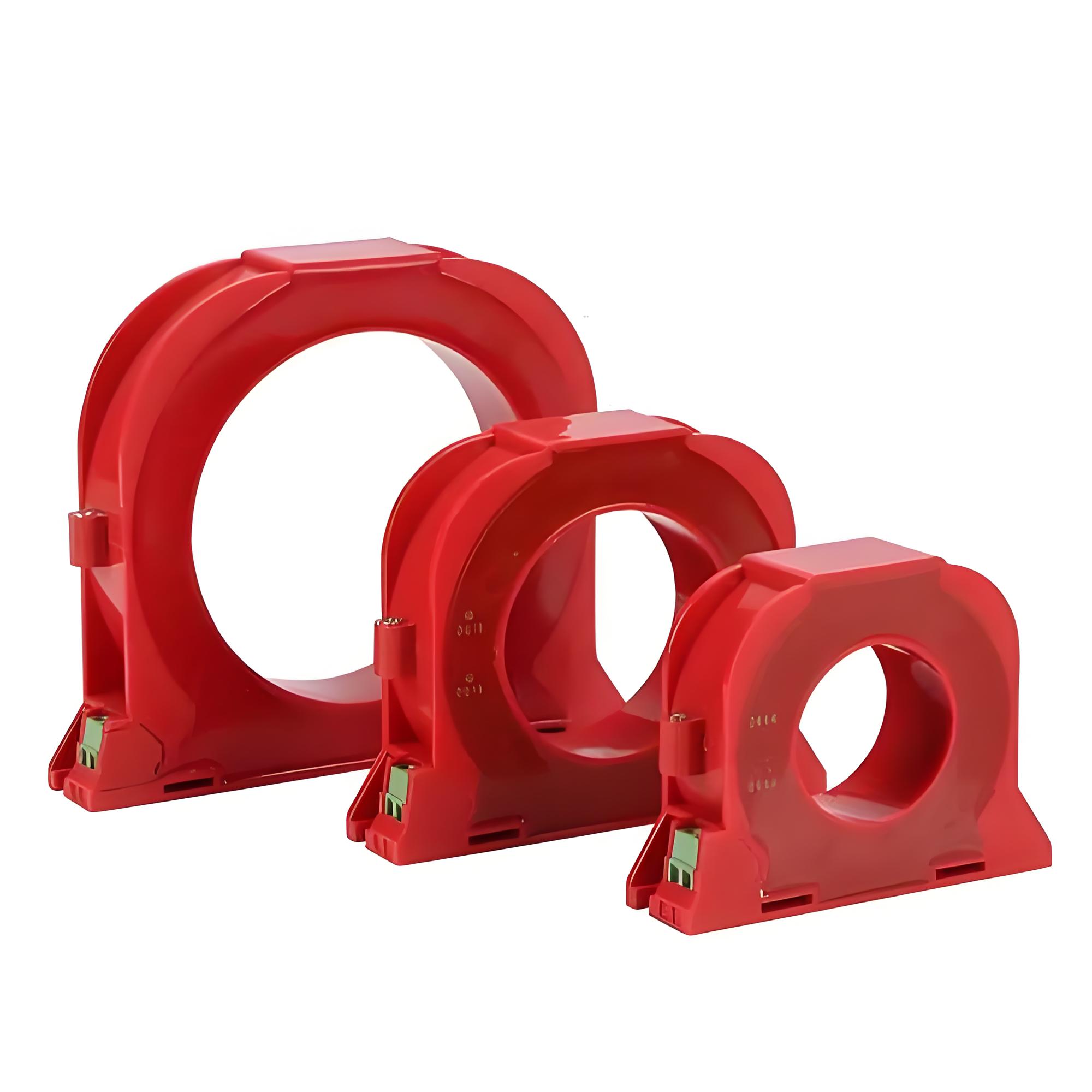
Zero-sequence current transformers, often abbreviated as ZCT, are vital in modern electrical protection systems. They provide precise ground-fault detection, improve system safety, and are widely used in industrial and utility applications.
What is a Zero-Sequence Current Transformer?
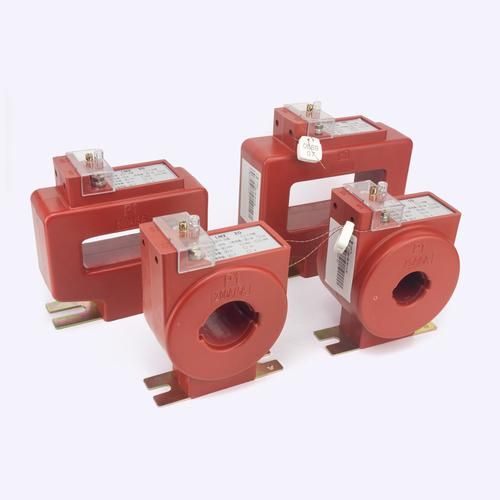
A zero-sequence current transformer is a specialized type of transformer designed to detect ground faults by monitoring the imbalance of current in a three-phase system. Unlike conventional CTs that measure the current in a single conductor, the ZCT monitors the vector sum of all three phases.
When all three phases are balanced, the magnetic flux inside the ZCT core cancels out completely. Once a leakage or fault occurs, the imbalance creates a measurable secondary current that protection relays can respond to.
—
Tip: Planning to include ZCTs during the design phase of a distribution network avoids costly retrofits later.
Why ZCT Matters in Modern Systems
Ground faults may not produce large overcurrents, making them difficult to detect with traditional CTs. However, they pose severe risks such as equipment damage, fire hazards, and personnel safety issues.
The ZCT provides a highly sensitive detection mechanism that can quickly identify even small leakage currents. This ensures timely disconnection of the faulty circuit while minimizing unnecessary trips.
—
Note: ZCT is not just an option in modern industrial designs; in critical facilities like data centers, it has already become a default requirement.
How ZCT Works
The principle is straightforward but powerful. All three phase conductors are passed through the ZCT core, and under balanced conditions, the currents cancel each other.
When insulation damage, leakage, or an earth fault occurs, the imbalance produces a residual magnetic flux. This induces a secondary current, which is used by protective relays to trip the circuit.
—
Note: In a perfectly balanced three-phase system, the ZCT secondary output is zero. This is the fundamental logic enabling fault detection.
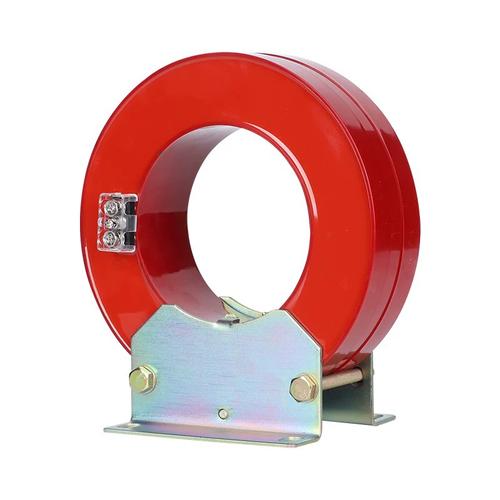
Difference Between CT and ZCT
While a current transformer (CT) and a zero-sequence current transformer (ZCT) may look similar, their applications are significantly different. CTs are designed to measure current in one conductor for metering or protection purposes.
ZCTs, on the other hand, monitor multiple conductors simultaneously to detect leakage or ground faults. This difference makes them complementary devices in any complete protection scheme.
| Feature | Current Transformer (CT) | Zero-Sequence Current Transformer (ZCT) |
|---|---|---|
| Measured Object | Single conductor | Three-phase conductors together |
| Primary Function | Current measurement & protection | Ground fault detection |
| Output Signal | Proportional to line current | Proportional to leakage/imbalance current |
| Accuracy Class | Metering or protection grade | Protection-focused |
| Installation Method | Mounted on an individual phase | All conductors pass through one core |
Technical Parameters and Selection Considerations
Choosing the right ZCT requires careful review of both system characteristics and protection needs. Standard parameters include rated primary current, secondary current, frequency, accuracy class, and withstand levels.
In many installations, the rated secondary current is standardized at 1A or 5A, aligning with relay input specifications. Accuracy class selection depends on the sensitivity of protection and the allowable error margin in fault detection.
—
Tip: Always balance sensitivity and selectivity. An overly sensitive ZCT may trigger nuisance trips, while a less sensitive one may miss critical faults.
Note: The secondary circuit of any ZCT must never be left open. Doing so can generate dangerously high voltages that endanger personnel.
Typical Technical Parameters of ZCTs
| Parameter | Typical Value Range |
|---|---|
| Rated Primary Current | Based on the system current, often 100–3000 A |
| Rated Secondary Current | 1 A or 5 A |
| Rated Frequency | 50 Hz / 60 Hz |
| Accuracy Class | 5P, 10P, or protection class |
| Short-Time Thermal Current | Up to 25–31.5 kA (1s) |
| Dynamic Withstand Current | Up to 63–80 kA |
| Insulation Level | According to IEC 61869 or GB/T 20840 standards |
Installation Guidelines for ZCT
Proper installation is the key to ensuring reliable operation. The three-phase conductors must pass through the ZCT core together, and their direction must remain consistent.
The neutral conductor may or may not be included, depending on the specific protection scheme. In many low-voltage systems, the neutral is excluded, while in medium-voltage systems, it may be included for enhanced accuracy.
—
Tip: Always check conductor orientation before finalizing installation. Incorrect alignment will cause false signals and unreliable protection.
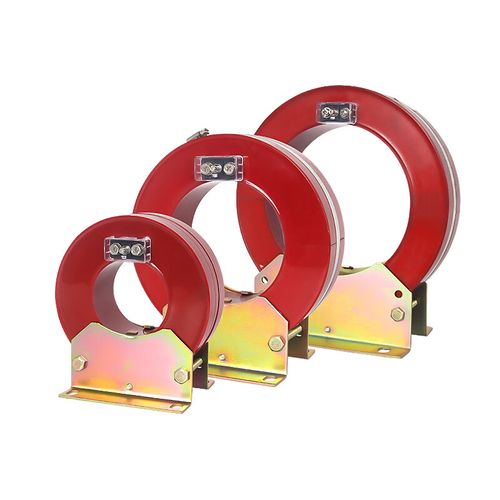
Maintenance and Common Issues
Routine inspection of ZCTs ensures long-term stability and reliability. Periodic insulation checks, secondary circuit continuity testing, and mechanical stability assessments should be performed.
Common faults include insulation degradation, loose iron cores, open secondary circuits, and drifting measurement errors. Early detection of these issues prevents protection failures during critical faults.
—
Note: Regular calibration of ZCTs is not merely a formal requirement—it ensures ground protection remains fully functional when it matters most.
Real-World Application Examples
• Data Centers
In data centers, uninterrupted power is critical. ZCTs are widely deployed in switchgear and panelboards to ensure quick isolation of ground faults, protecting both servers and operators.
• High-Voltage Motors
Large industrial motors are susceptible to insulation wear. ZCTs help detect early-stage leakage currents before a catastrophic breakdown occurs, extending motor life.
• Renewable Energy Systems
Wind and solar farms use ZCTs extensively in inverter and transformer protection. These systems demand both high sensitivity and reliability under fluctuating loads.
Frequently Asked Questions (FAQ)
Q1: Can I use a CT instead of a ZCT for ground-fault detection?
No. Standard CTs measure individual phase currents but cannot detect the residual current that represents ground faults.
Q2: Should the neutral wire always pass through the ZCT?
It depends on the design. For low-voltage systems, it often remains outside, but for high-voltage systems, including it improves accuracy.
Q3: What happens if the secondary circuit is left open?
It may generate dangerously high voltages. Always short or connect the secondary to a protective relay.
Q4: How often should ZCTs be tested?
At least once a year for critical systems, though some industries perform testing every six months.
Q5: Are ZCTs mandatory in renewable energy systems?
Yes, in most cases. Grid codes often require ground-fault protection in solar and wind systems, making ZCTs a standard component.
—
Tip: In modern data centers, solar plants, and wind farms, ZCTs are no longer optional. They are a default part of engineering specifications.
Conclusion
Zero-sequence current transformers are indispensable in the protection strategy of any advanced power system. They safeguard equipment, improve operational safety, and ensure compliance with modern electrical codes.
As the demand for reliable energy expands into renewable generation and microgrids, ZCTs will continue to evolve. Their role in ensuring safe, smart, and sustainable energy delivery is set to grow even more critical in the years ahead.