By Thor (Electrical Engineer with 12 years of experience, Weishoelec Co., Ltd.)
In power electronics, switching power supplies and transformers are crucial for energy conversion. Both adjust voltage but differ in principles, design, and uses.
As an electrical engineer with 12 years of experience, I will compare these devices. I will discuss core definitions, working principles, advantages and disadvantages, and their applications.
Section 1: Core Definitions: Essential Differences in Functional Positioning
1. Switching Power Supplies: The "Smart Regulated Power Source"
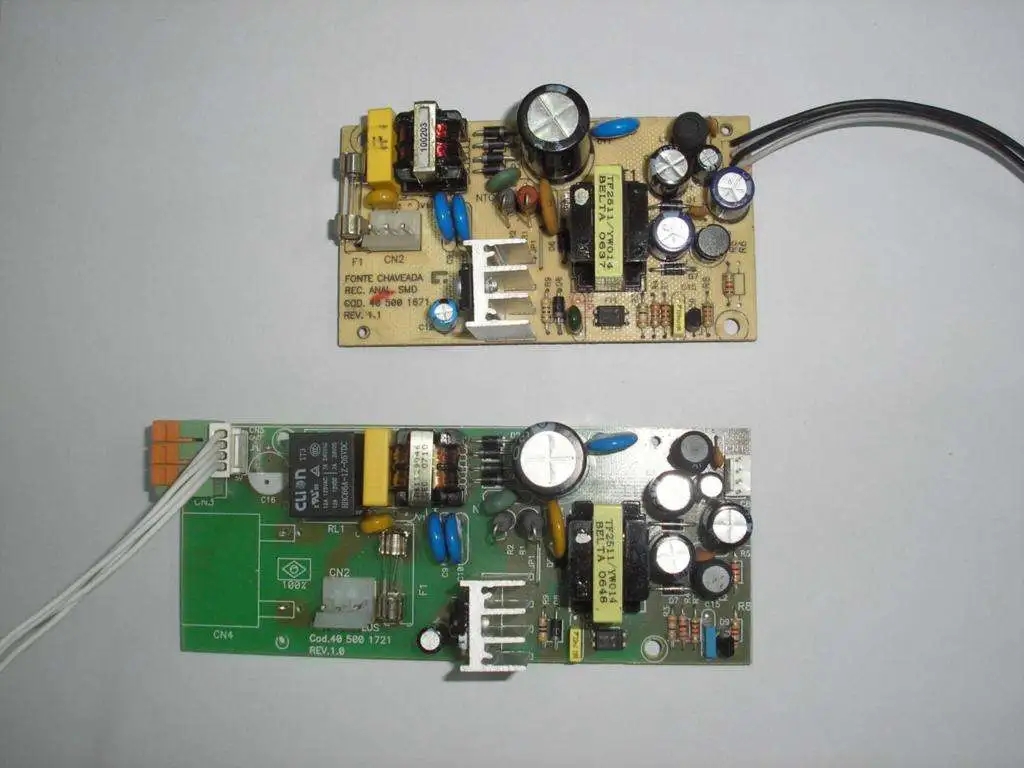
A switching power supply converts electrical energy using modern technology.
You can classify them by conversion type: AC/DC or DC/DC. You can also categorize them by electrical isolation: isolated or non-isolated.
Isolated types use transformers for safety between the input and output. Non-isolated types connect the input and output directly, which simplifies their design.
Switching power supplies often include protection features like overcurrent and short-circuit protection. Some isolated models offer high input-output isolation voltages. This feature is great for complex electrical environments.
2. Transformers: The "Energy Transfer Device"
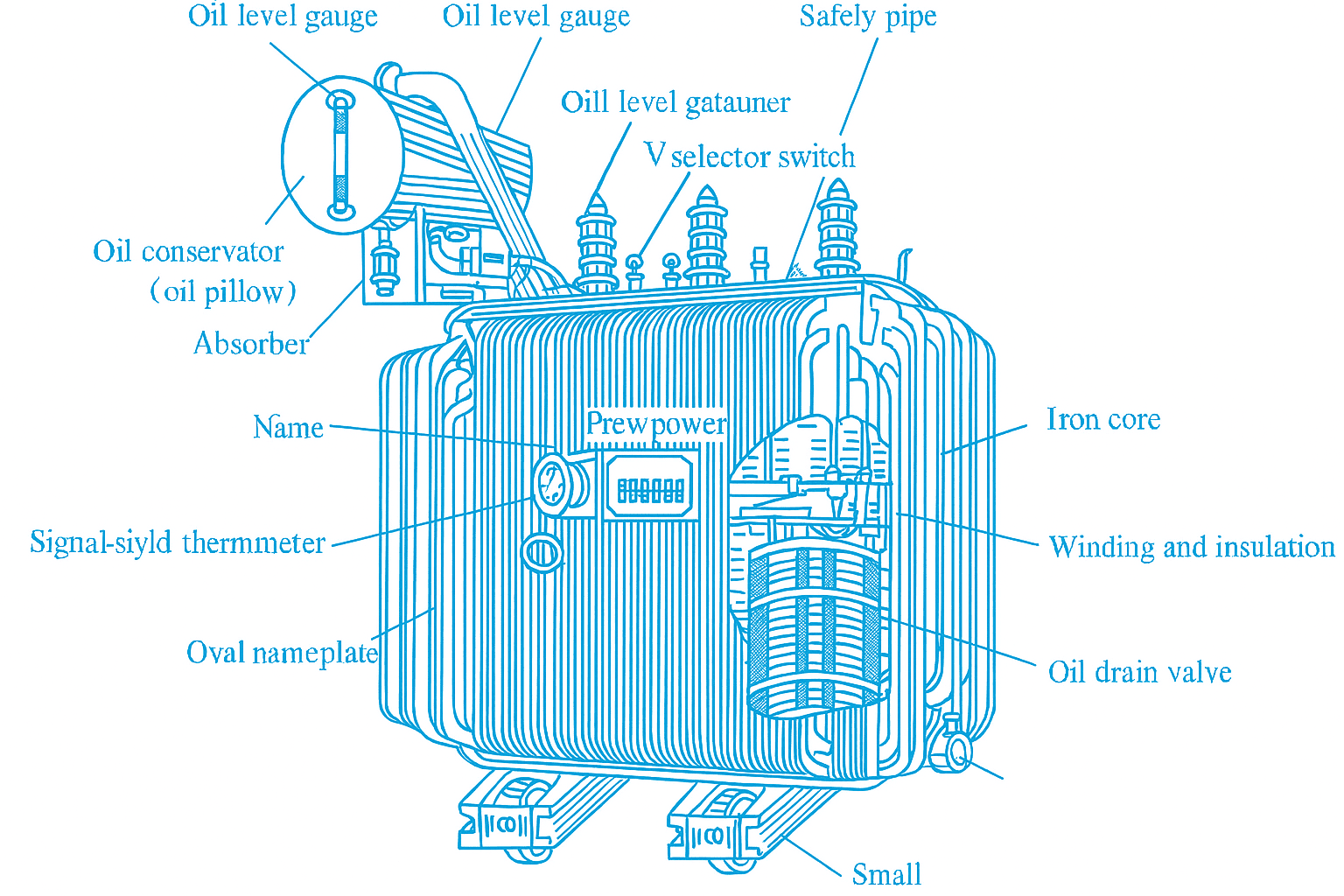
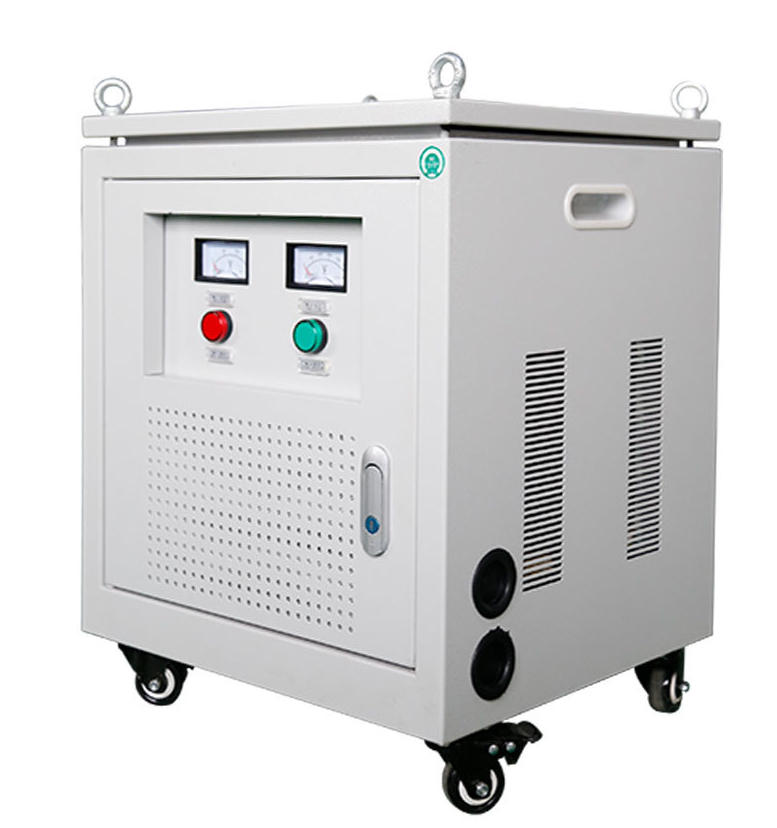
A transformer transfers electrical energy through electromagnetic induction.
Transformers only work with alternating current.
Their main functions are "transformation" and "isolation." They convert voltage, current, or impedance using the turns ratio of the coils.
They achieve electrical isolation through insulation between the coils.
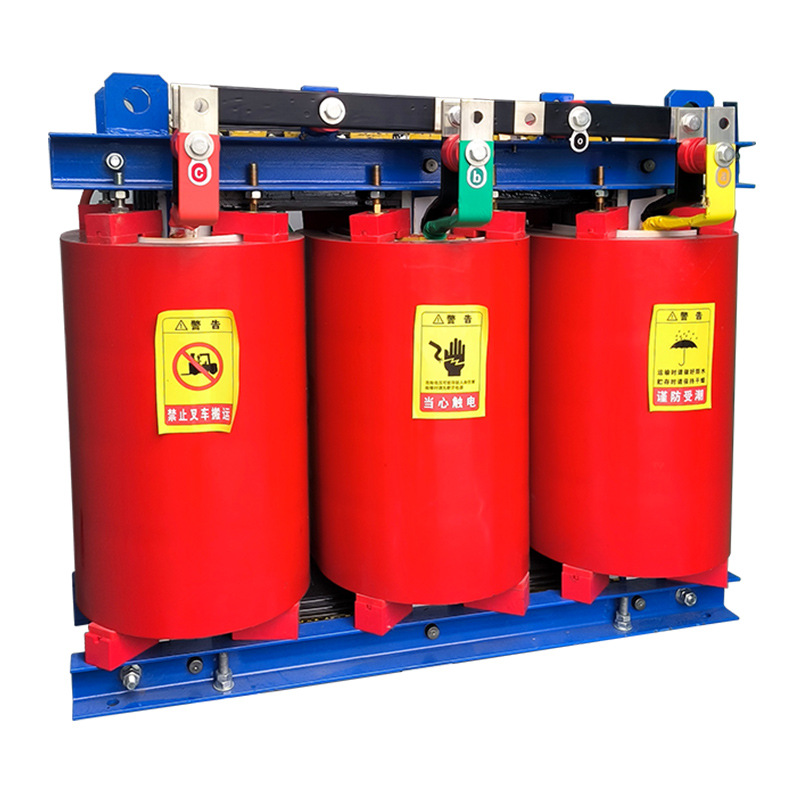
We group transformers into power transformers and special transformers. Power transformers convert high voltage to low voltage in power grids.
They are essential for moving energy and keeping electrical systems separate.
Section 2: Working Principles: Core Distinctions from "Energy Conversion Methods"
Switching power supplies and transformers differ in their energy-conversion methods.
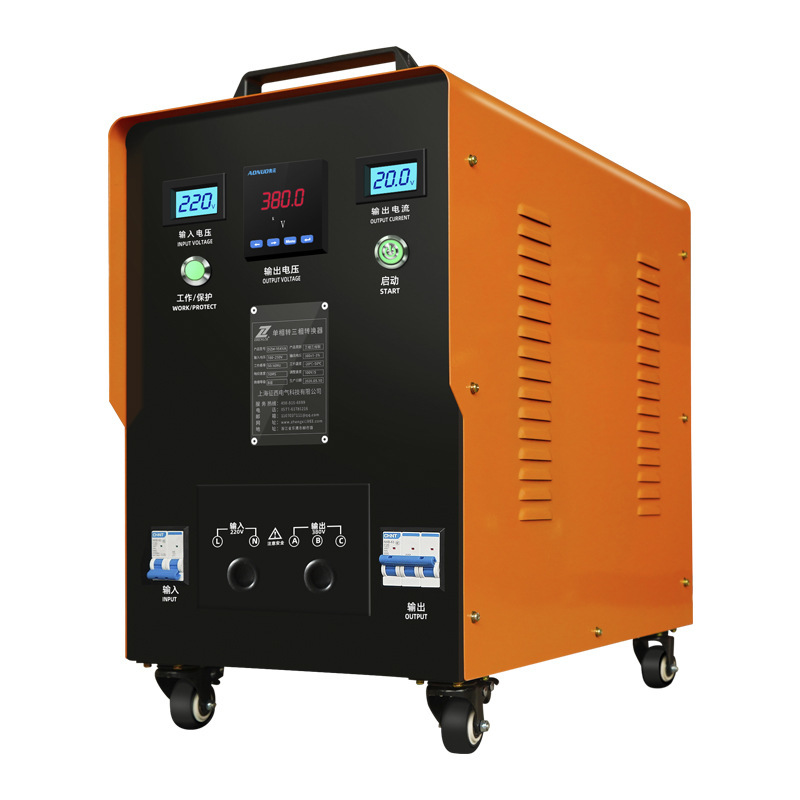
Switching Power Supplies: These systems combine "electronic circuits + a transformer." An AC/DC switching power supply takes AC input, rectifies it, and filters it into DC. It uses high-frequency chopping by switching transistors.
A high-frequency transformer provides isolation for isolated types. Then, it rectifies and filters to ensure a stable output.
Transformers: These devices rely exclusively on electromagnetic induction.
The secondary coil then induces an alternating voltage due to changing magnetic flux. This voltage ratio equals the turns ratio of the coils. For example, a 100-turn primary and a 10-turn secondary change 220V AC to 22V AC.
Transformers perform "magnetic coupling transfer" of energy without voltage regulation.
A transformer is a device that converts AC power without any active intervention.
Some switching power supply models use a transformer for isolation. But the control circuitry does most of the work.
Section 3: Pros and Cons Comparison: The Basis for Application Choices
1. Advantages and Disadvantages of Switching Power Supplies:
Advantages:
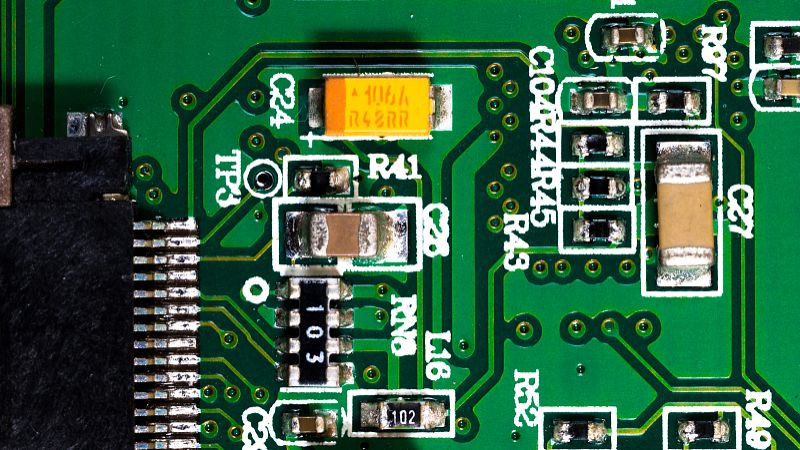
High Efficiency and Compact Size: High-frequency switching reduces core losses.
Wide Voltage Input: Input voltage usually ranges from 160V to 270V (AC). This allows it to adapt to changing grids.
Integrated Functions: Many include overcurrent and short-circuit protection. Some models offer adjustable voltage outputs.
Disadvantages:
Significant Electromagnetic Interference (EMI): High-frequency switching can disrupt audio and video equipment.
Complex Design, Hard to Fix: Precise parts, such as PWM control chips, make repairs tough. This can lead to high costs for non-professionals.
Heat Dissipation and Reliability Concerns: Tightly packed parts can trap heat. This can cause shorter lifespans.
Inconsistent industry quality: Many low-end products carry safety or performance risks.
2. Advantages and Disadvantages of Transformers:
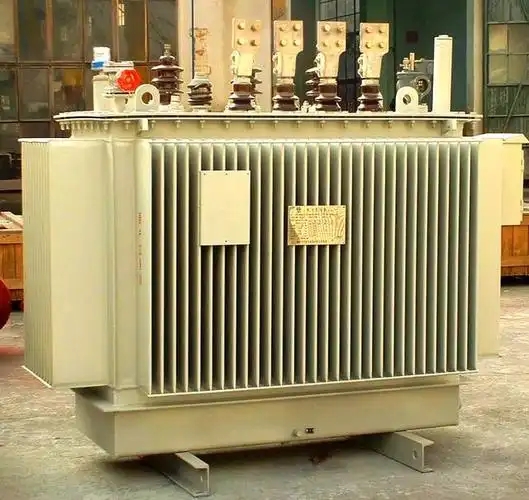
Advantages:
Low Interference, High Purity: They steer clear of high-frequency operations. This leads to minimal output voltage ripple. This suits sensitive equipment, such as audio systems.
Simple Design, Easy Care: The main parts are coils and an iron core. Repairs often involve simple coil replacements.
Strong Surge Resistance: Their design suppresses instantaneous high voltages, protecting downstream equipment.
Disadvantages:
Low efficiency, bulky size: Industrial-frequency transformers are less than 70% efficient. They also need heavy iron cores.
Narrow Input Voltage Range: Conventional transformers have a fixed input voltage. Output issues can arise with significant input fluctuations.
Section 4: Applicable Scenarios: A Practical Guide for Selection
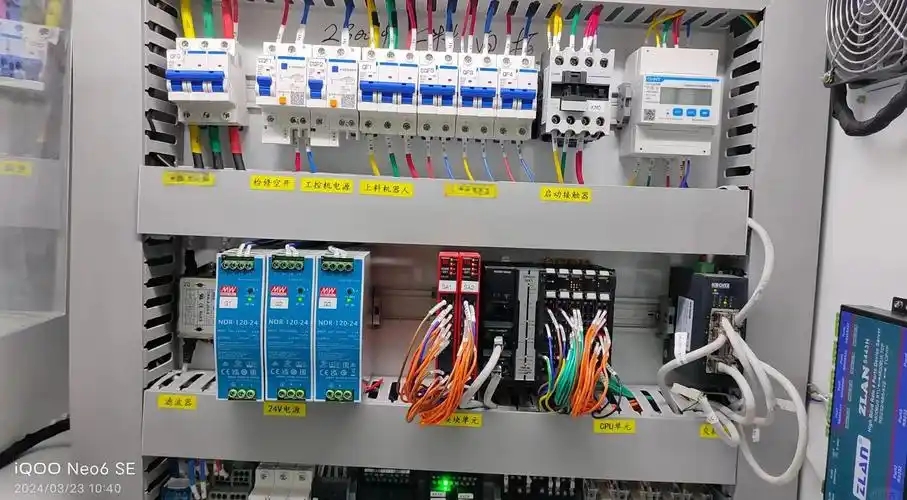
Based on their characteristics, selection in practical applications can follow these principles:
Prioritize Switching Power Supplies in Scenarios:
Where space is limited (e.g., small electronic devices, laptop chargers).
Where a wide input voltage range is needed (e.g., equipment in remote areas).
For places that need high efficiency, like new energy equipment, and where electromagnetic interference isn’t a big issue.
Prioritize Transformers in scenarios:
Where high power purity is critical (e.g., audio systems, high-precision measuring instruments).
Where long-term stable operation is essential (e.g., industrial control equipment).
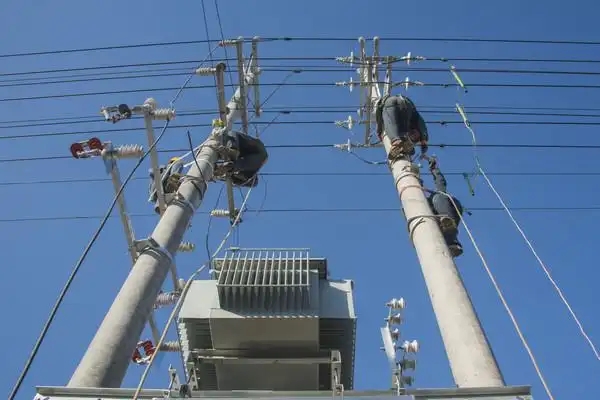
Risks like lightning strikes or surges matter for outdoor surveillance and security systems. Also, maintenance should be simple.
For outdoor surveillance systems, you can use a switching power supply for a short time if space is tight. Transformer-based power supplies are great for long-term reliability.
A lightning strike destroyed all the surveillance equipment that used switching power supplies. But the devices powered by transformers worked fine.
Summary: Not "Substitutes," but "Complementary Components"
Switching power supplies and transformers aren't substitutes. They are complementary components that work on different principles. A switching power supply is a "power system that can regulate itself." It fits well for efficient and flexible power needs.
A transformer is a key energy transfer device.
To see their main differences, think about their control over things. Also, think about how they balance energy conversion efficiency with purity. For practical use, designing an optimal power system requires careful choices. Key factors include space, cost, environmental impact, and reliability.
Frequently Asked Questions (FAQ)
Q1: Which is safer, a switching power supply or a transformer?
A1: Isolated switching power supplies and transformers ensure safety by providing electrical isolation.
Traditional transformers usually handle surges better during extreme overvoltage, such as lightning strikes.
Q2: Why does my audio system get static when using a switching power supply?
A switching power supply switches on and off quickly.
Q3: Can I repair a switching power supply myself?
A3: Switching power supplies contain precise high-voltage circuits and control chips. Nonprofessionals should not try to fix things on their own. This can lead to electric shock or further damage.
Q4: What types of power supply products does Weishoelec offer?
A4: Weishoelec is a professional power electronics manufacturer. We provide high-quality switching power supplies and custom transformer solutions. Our products meet the varied needs of different industries and applications.
About the Author
Thor is an experienced Electrical Engineer at Weishoelec Co., Ltd. He has 12 years of practical experience in power system design. He also has skills in installation, operation, and maintenance. Weishoelec Co., Ltd. is a top export-focused maker of electrical equipment. It supplies products to clients in Europe, North America, the Middle East, Belt and Road Initiative countries, and around the world. Thor aims to make complex technical ideas clear and easy to understand. This helps industry professionals learn about the safety and use of electrical equipment.
Connect with Weishoelec.
Got questions about power supplies, transformers, or other electrical products? Contact us!
Phone: +86-0577-62788197 WhatsApp: +86 159 5777 0984 Email: [email protected]
We’re excited to work with you. Together, we’ll provide safe and efficient power solutions for your projects.