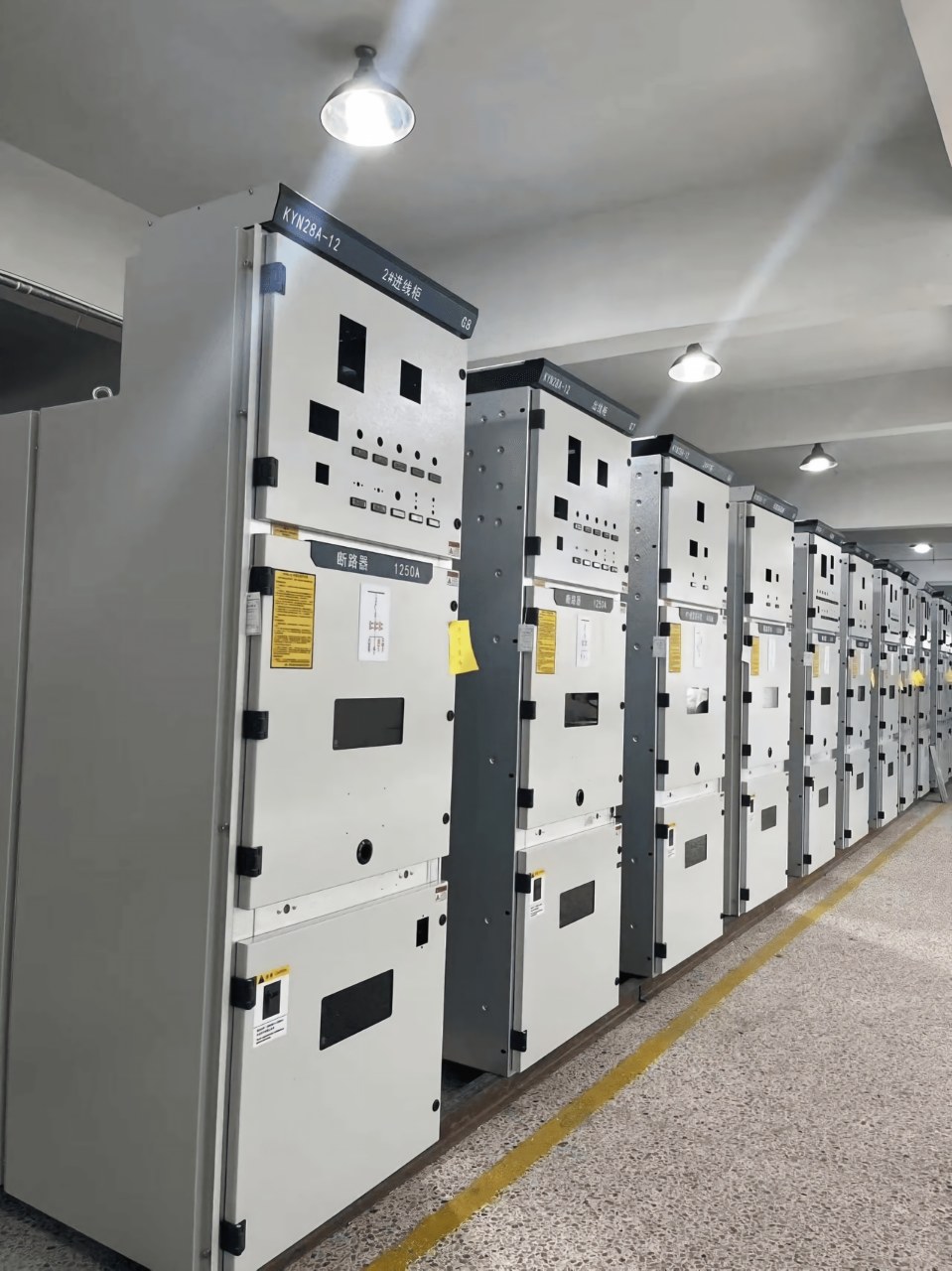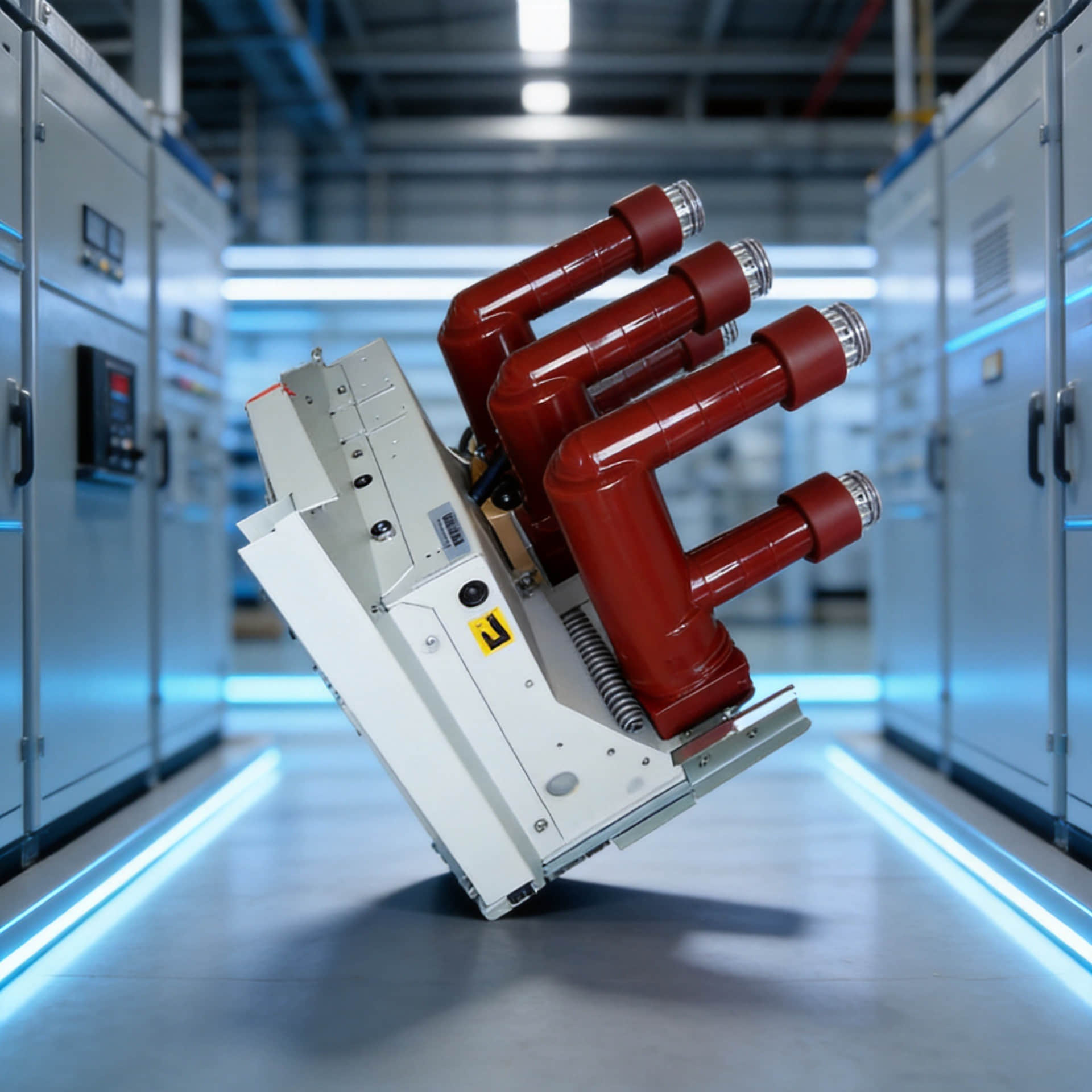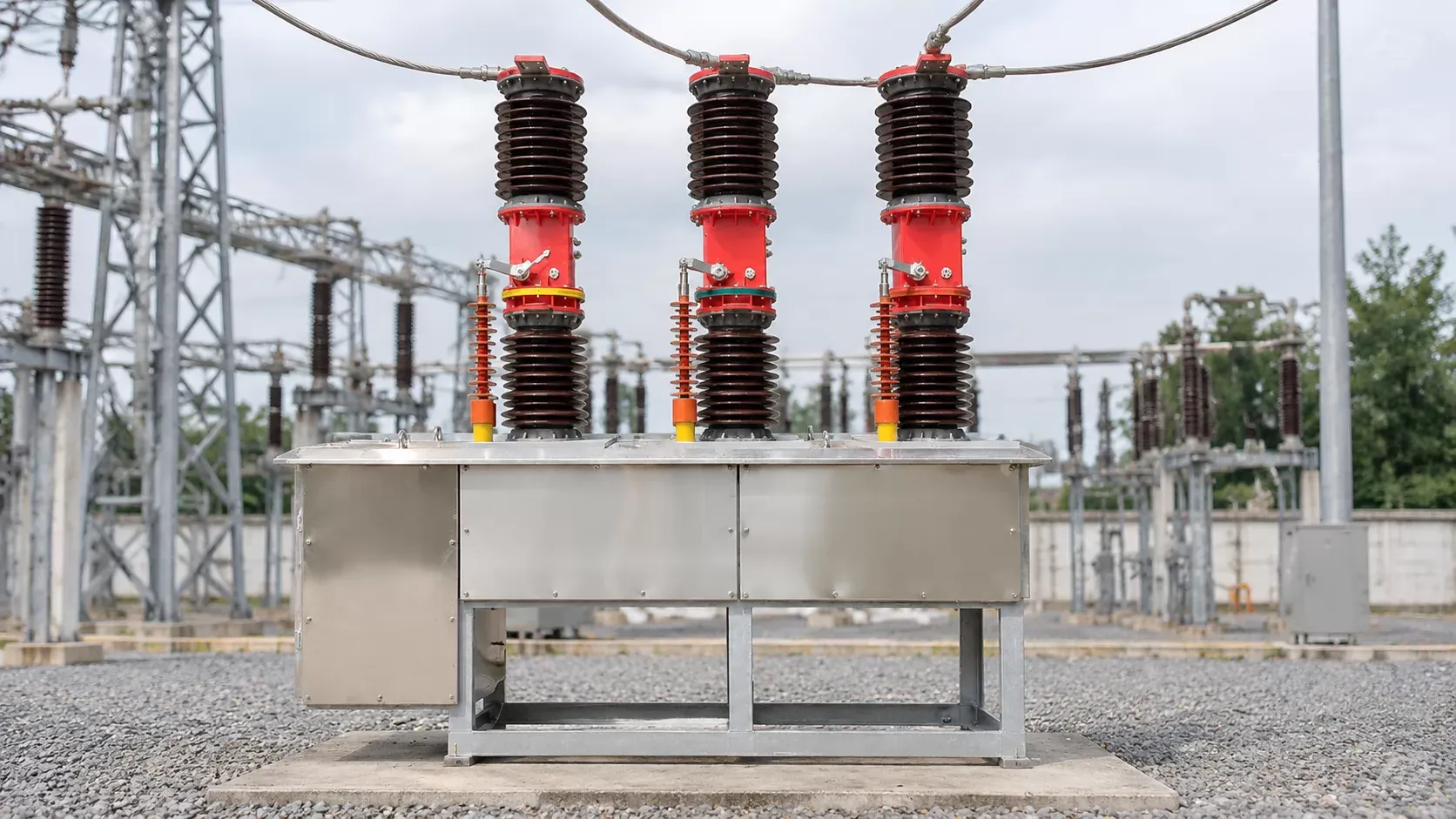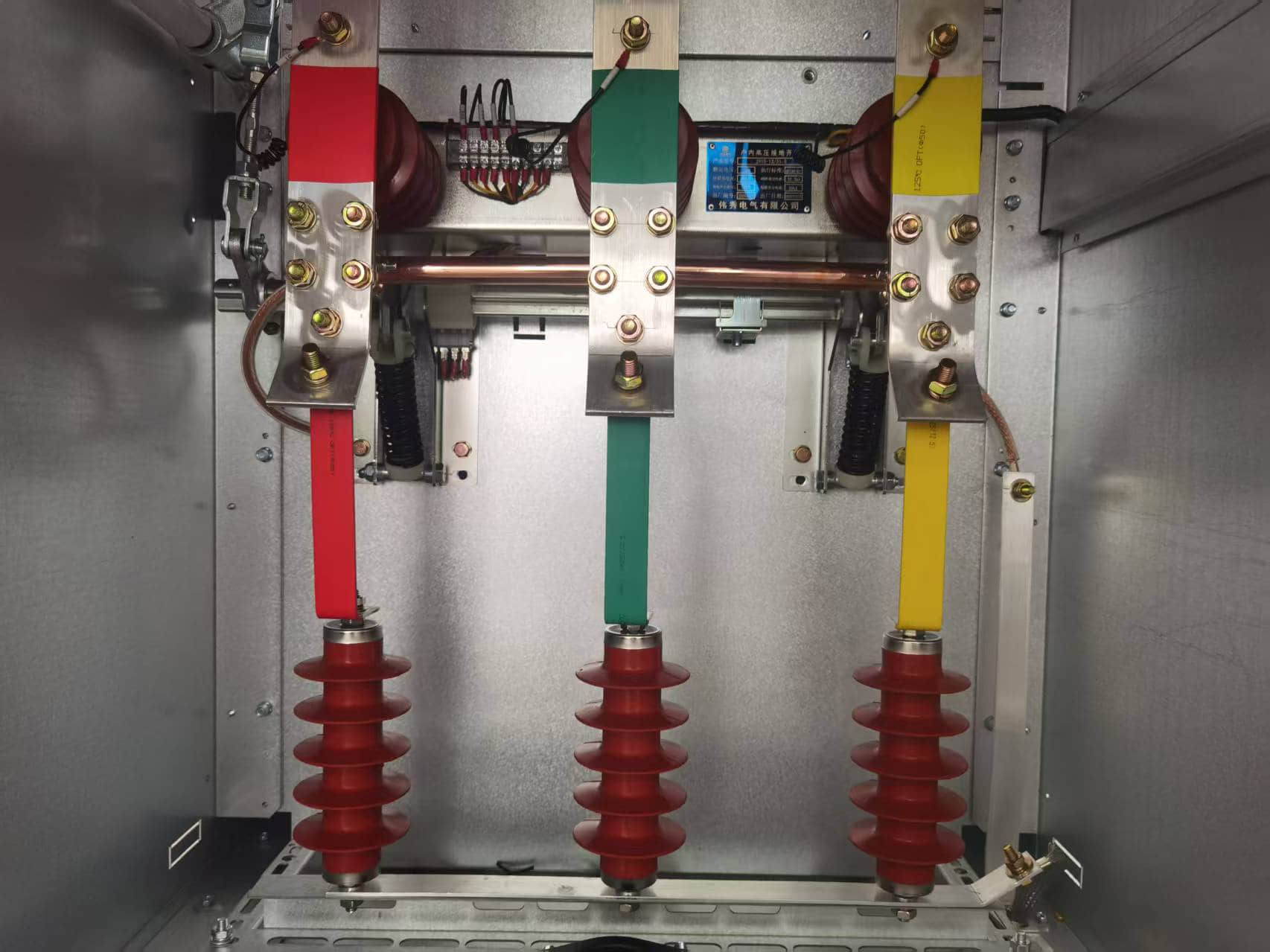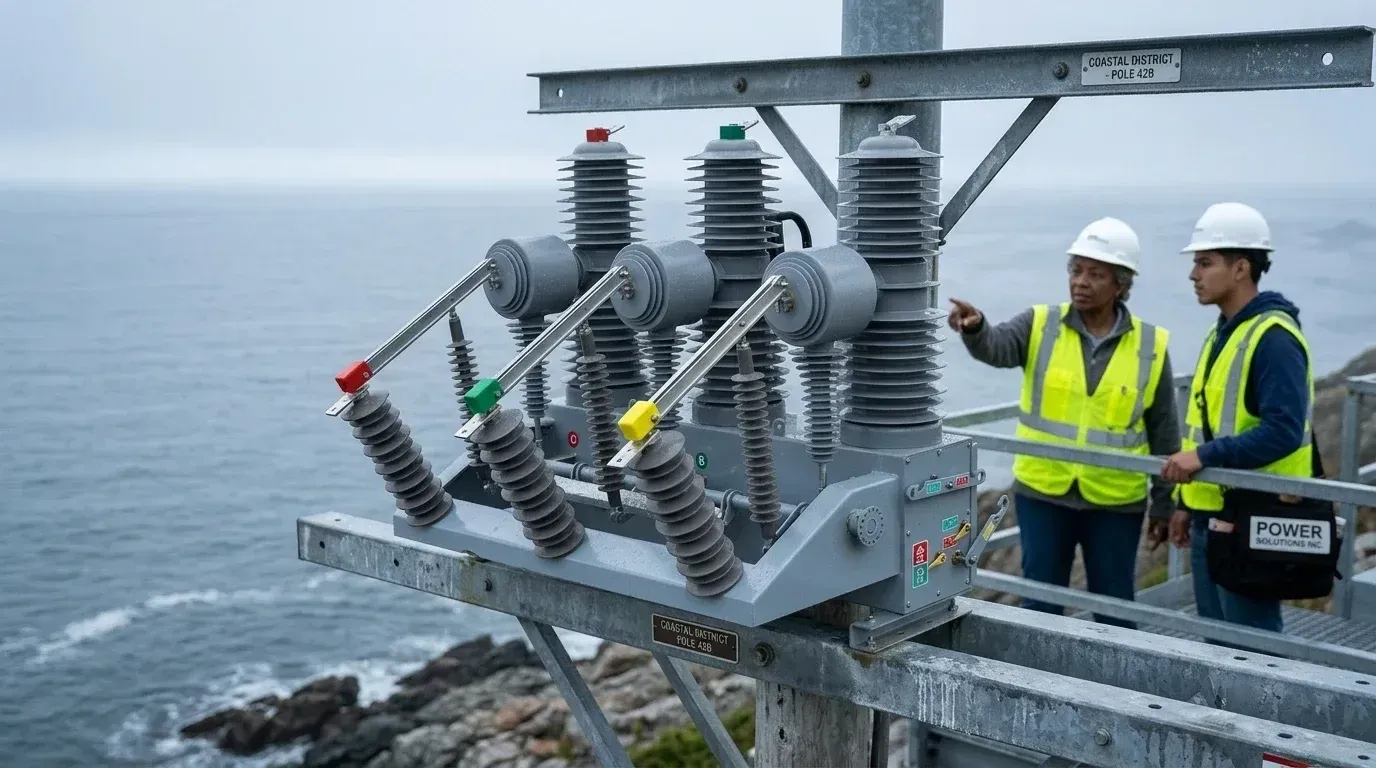
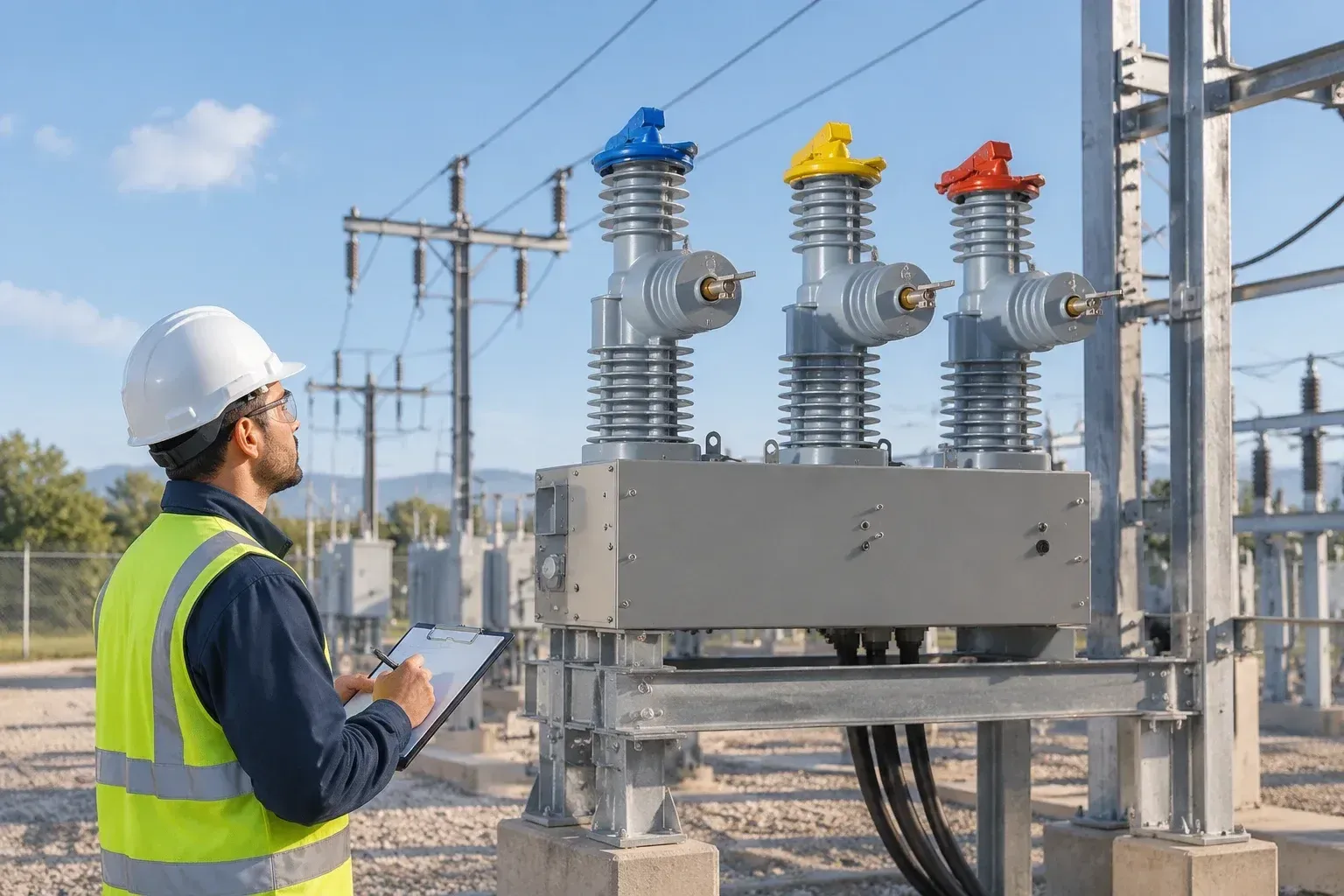
Most specifiers expect a recloser to be a smaller circuit breaker with a timer, then find that settings, coordination and field environment decide whether it clears faults or creates outages; this guide sets out a selection path from feeder data to a final specification for a three-phase automatic recloser.
A three phase automatic recloser is a pole- or pad-mounted switching device that detects overcurrent, interrupts it, recloses on a programmed sequence and locks out if the fault persists. Select it by matching voltage, load and fault current first, then protection compatibility, environment, maintainability and lifecycle cost.
What Does a Three Phase Automatic Recloser Actually Do on a Feeder?
The expectation is simple: a fault happens, the device trips, the lights come back. The field reality is a probabilistic bet on what kind of fault it is. On overhead lines, a large share of faults are transient: a branch touching a conductor, a bird, a lightning flashover. They clear once the arc is extinguished and the line is de-energised for a moment. Permanent faults, such as a downed conductor or a failed cable termination, do not clear, and reclosing into them only adds stress.
The recloser's job is to separate the two. It trips on overcurrent, waits through a programmed open interval, recloses, and repeats for a set number of shots. If the fault is still there after the final shot, it locks out and isolates the faulted section. Typical sequences use up to four operations, often with one or two fast trips followed by delayed ones.
That sequence is only as good as its settings. A fast curve that is too aggressive will trip for inrush or for faults beyond a downstream fuse, turning a lateral outage into a feeder outage. A sequence that is too patient exposes equipment and customers to repeated fault current.
Three phase units also decide whether all phases open together. Gang-operated three phase tripping protects motors and other three phase loads from single-phasing, which matters on feeders serving pumps and industrial customers. The hardware matters less than the logic that drives it, which is why the rest of this guide spends as much time on control and coordination as on ratings.
Where Should a Recloser Sit on an Overhead Feeder?
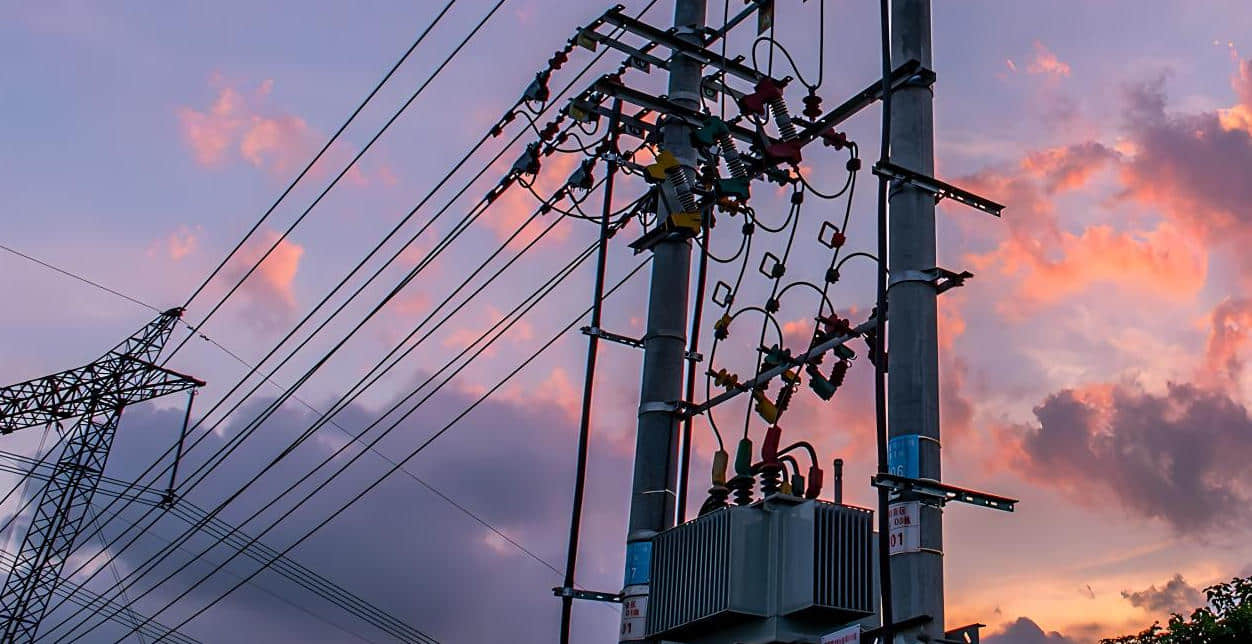
Consider a long rural feeder with a substation breaker at one end, a few dozen customers per kilometre, and tree exposure along most of the route. Every fault, wherever it occurs, trips the substation breaker and takes out everyone downstream. Adding reclosers splits that exposure into zones, so a fault in one zone leaves the others energised.
Three locations come up repeatedly. At the feeder head, a recloser can stand in for or back up a substation breaker, particularly where the original relay scheme lacks reclosing. At mid-line section points, it divides the feeder so that roughly equal fault exposure or customer count sits on each side. At branch tees, it protects the main line from faults on a long or exposed lateral.
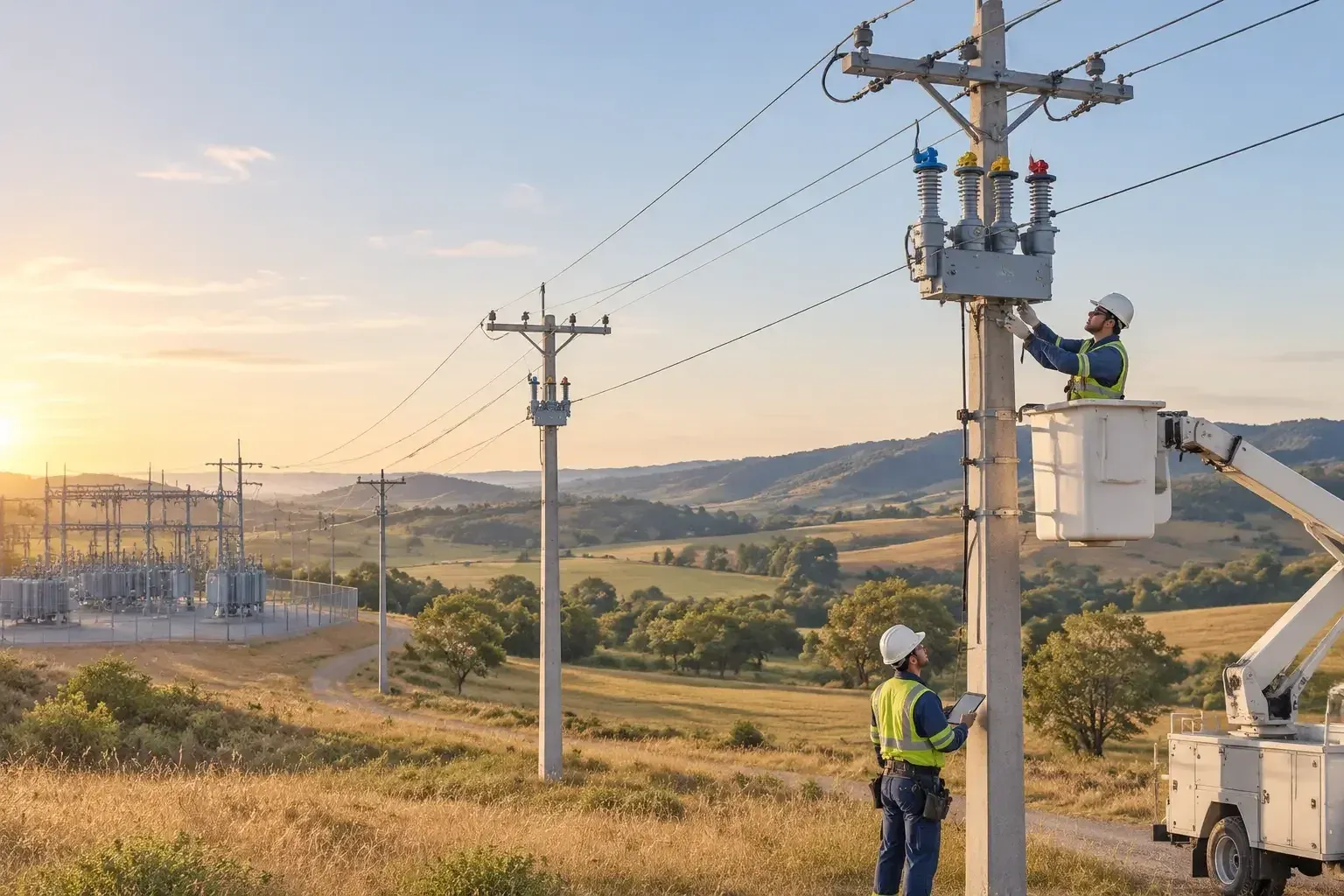
Location sets three things you must know before choosing a model. It sets the available fault current, which falls with distance from the substation as impedance builds up. It sets the load current, including what the segment may carry when neighbouring feeders transfer onto it. And it sets the coordination partners: which upstream relay or downstream fuse the recloser has to work with.
A practical limit applies. More units do not always mean better reliability. Each added recloser is another device to coordinate, maintain and communicate with, and in a short feeder with few customers the benefit may not justify it. Place devices where fault exposure, customer count or restoration difficulty justify them, and where the fault current at the pole still leaves a workable gap between fast and delayed curves.
How Do You Work Out What Size Recloser for a Distribution Line?
"Size" for a recloser means matching voltage, continuous current and interrupting capacity to the installation point. Anyone asking what size recloser for distribution line applications is needed will find the answer in a short sequence.
1. Confirm the nominal system voltage and the highest system voltage, including the grounding arrangement (solidly grounded, impedance grounded or isolated).
2. Establish the maximum load current at the point, using measured peaks where available and adding the emergency transfer case, when the segment picks up load from an adjacent feeder.
3. Obtain the maximum three phase and single phase-to-ground fault current at the pole from a short-circuit study, not from the substation figure.
4. Add margin for growth, commonly a planning horizon of ten to twenty years, and allow for future network reinforcement that raises fault levels.
5. Select the next standard rating above the worst case, then check that the minimum fault current at the end of the protected zone still exceeds the pickup setting with room to spare.
Step five is where many selections go wrong. Oversizing the continuous current rating is harmless, but a high minimum-trip setting driven by a large rating can leave distant faults undetected. The equipment rating and the protection setting are separate decisions, and the control must be able to pick up the smallest credible fault.
Where the future is uncertain, favour a unit whose interrupting rating covers the network's likely fault level after planned reinforcement, since replacing a device on a pole costs far more than the price difference between adjacent ratings. Document the assumptions so the next engineer can see why a rating was chosen.
Recloser Ratings for Medium Voltage Networks: Voltage, Current and Interrupting Capacity
Recloser ratings for medium voltage networks come down to five checks, and this medium voltage recloser selection guide compares each one with the worst case at the site rather than the average.
Rated voltage. Common classes are 15.5 kV, 27 kV and 38 kV, with some IEC designs rated 12, 24 or 36 kV. Choose the class that covers the highest system voltage, with attention to the neutral grounding scheme, since ungrounded or resonant-grounded systems put higher stress on healthy phases during a ground fault.
Basic insulation level (BIL). This is the impulse withstand voltage the insulation must survive. Typical figures run around 110 kV BIL for 15 kV class, 125 to 150 kV for 27 kV class, and 150 to 200 kV for 38 kV class, depending on the standard and design. Areas with high lightning density or long exposed lines may justify the higher option.
Continuous current. Typical ratings fall between 400 A and 1,250 A. Match the emergency load case with margin, and check that temperature rise limits still hold at the site's ambient maximum.
Short-circuit breaking current and duration. Common ratings are 12.5 kA, 16 kA and 20 kA, with 25 kA and above for stronger networks. The rating applies for a stated duration, typically one or three seconds for short-time withstand, so confirm it covers the clearing time of your upstream protection.
Operating duty cycle. This defines how many fault interruptions at rated current the device can perform and in what sequence. A feeder with frequent transient faults consumes the duty cycle faster than a quiet urban one. Ask for the mechanical endurance figure (no-load operations) and the electrical endurance figure at rated and full fault current, and compare them with the expected operations over the planning life.
Which Interrupter and Insulation Technology Fits Your Network?
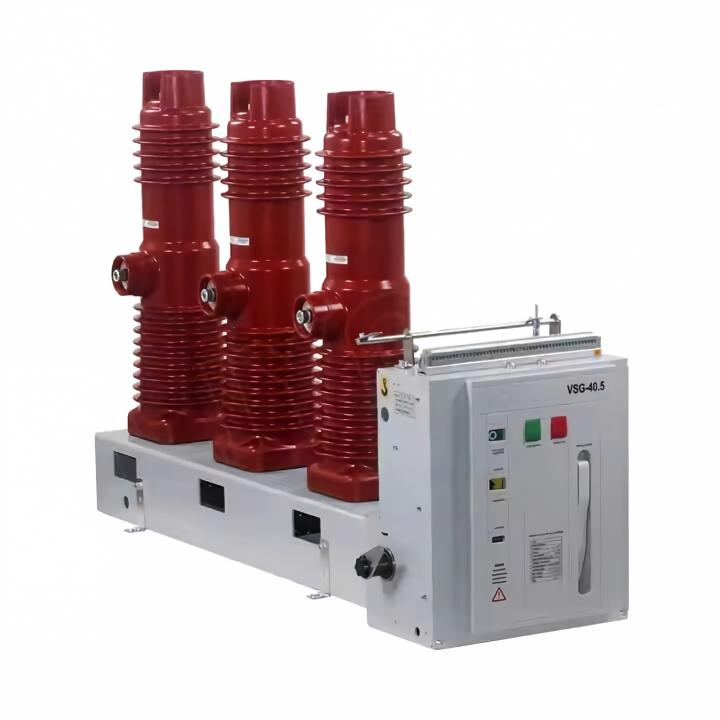
Vacuum interrupters are the common choice for switching in modern reclosers. A vacuum interrupter is a sealed chamber in which contacts open in vacuum, extinguishing the arc quickly with little contact wear. The real decision is the insulation system around the interrupter, and three families dominate.
SF6 gas insulation gives compact dimensions and has a long track record, but SF6 is a potent greenhouse gas, and regulators in several regions are restricting it in new medium voltage equipment. SF6-free solid dielectric designs use cast epoxy or similar solid insulation around the interrupter, with no gas to monitor or handle. Other SF6-free options use alternative gases or dry air, which need pressure monitoring but can be lighter than solid designs.
| Insulation system | Maintenance | Environmental policy fit | Size and weight | Lifecycle consideration |
|---|---|---|---|---|
| SF6 gas | Gas density monitoring and handling | Lower, subject to restrictions | Compact, lighter | End-of-life gas recovery required |
| Solid dielectric (epoxy) | Minimal insulation upkeep | Higher, no fluorinated gas | Larger, heavier | Simple disposal, no leak risk |
| Alternative gas or dry air | Pressure monitoring | Generally higher | Between the two | Depends on gas type and supplier support |
| Oil (older designs) | Oil sampling and servicing | Spill and disposal concerns | Heavy | Frequent maintenance, now less common |
The key takeaway: solid dielectric and other SF6-free designs trade extra weight for lower maintenance and fewer regulatory worries. Check pole-top weight against your crossarm and pole class before assuming a swap is straightforward.
How Much Do Climate and Pollution Change the Specification?
The pitfall is specifying a recloser from the electrical data alone and installing it where the environment ages the housing in a few years. It shows up as surface tracking on the insulator, flashover on a foggy morning, or cracked polymer after repeated freeze and thaw.
Coastal salt and industrial contamination raise surface conductivity when moisture settles. The response is longer creepage distance. IEC 60815 classifies pollution severity from light to very heavy, with specific creepage in the range of roughly 20 mm/kV up to 31 mm/kV and above. Specify to the site class, and add margin where cleaning is unlikely.
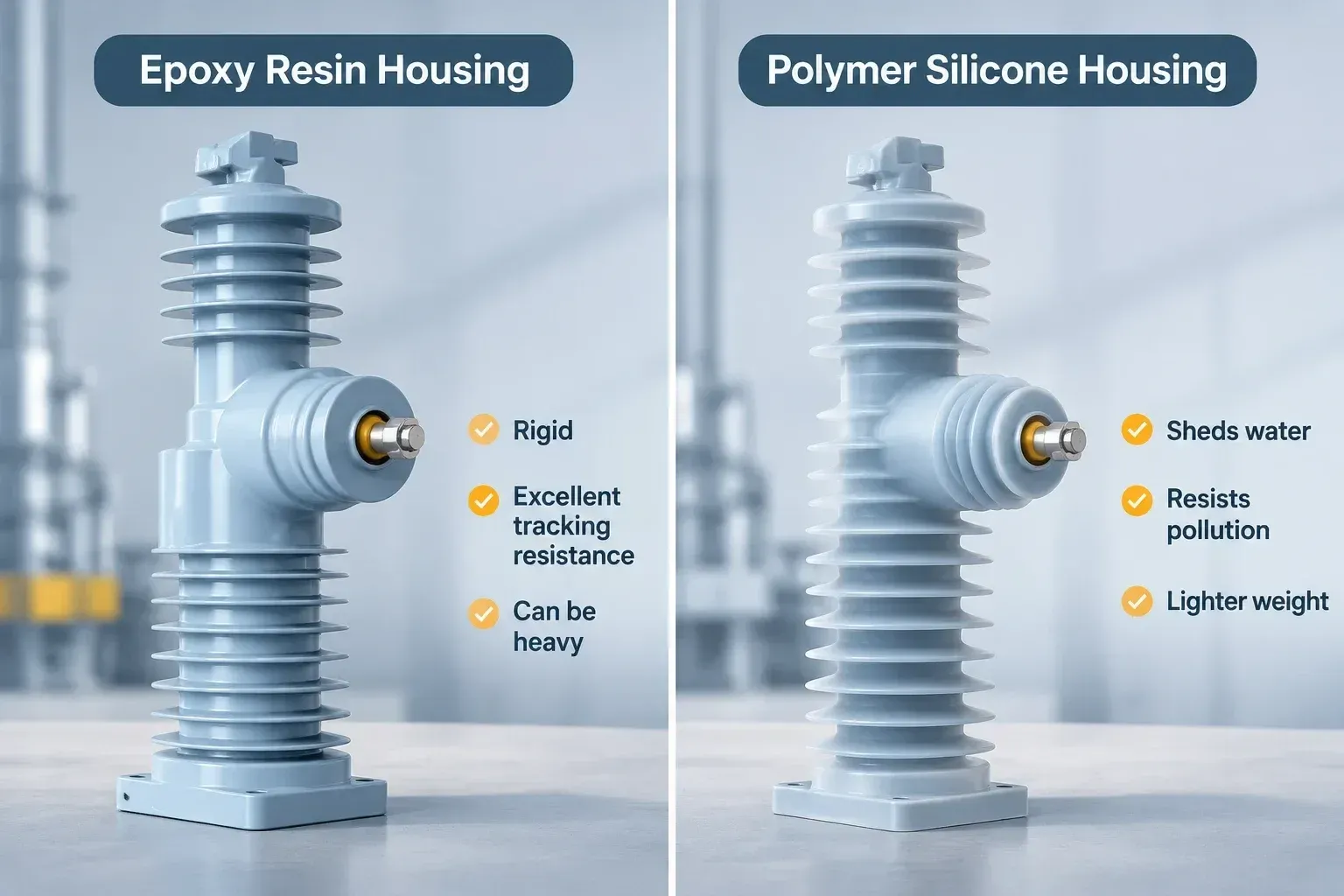
Housing material matters as well. Epoxy resin housings are rigid, have excellent tracking resistance and work well for solid dielectric designs, though they can be heavy. Polymer (silicone rubber) housings shed water, resist pollution and weigh less, which suits heavy contamination and difficult access. Weigh these against handling and local experience.
Altitude reduces the dielectric strength of air. Above about 1,000 m, external clearances and sometimes the rated voltage need correction, and suppliers should state the derating they apply. Extreme temperatures affect more than insulation: the control's battery, display and electronics have their own limits, so check the operating range (often around -40 °C to +55 °C) for both the switch and the cabinet.
Wildlife exposure is a reliability factor that rarely appears on a datasheet. Squirrels, birds and snakes cause faults at bushings and terminals. Specify insulated or shrouded terminals and animal guards where this is a known cause of outages.
What Should the Recloser Control and SCADA Interface Offer?
The control should offer programmable protection curves, ground and sensitive earth fault settings, event recording and a communication port compatible with your SCADA remote terminal unit (RTU). Without these, the hardware cannot be coordinated or monitored properly, regardless of its ratings.
Start with protection. Look for a library of standard inverse-time curves (IEC and IEEE/ANSI families) plus the ability to define custom curves, since matching an existing fuse or relay characteristic often requires it. Multiple setting groups let you switch between normal and alternate configurations, for example when a feeder is reconfigured. Cold-load pickup and inrush restraint help avoid nuisance trips after long outages.
Ground fault protection deserves separate attention. Sensitive earth fault elements detect low-magnitude faults, such as a conductor on dry ground, that phase elements miss. These faults carry a safety risk, so settings should reflect the network's grounding. On isolated or compensated systems, directional or admittance-based elements may be needed.
Event recording turns outages into evidence. Time-stamped logs of trips, reclose attempts, currents and voltages let you tell a transient from a permanent fault, and verify that coordination worked as designed. Ask how many events are stored and how they are retrieved.
On communications, check protocol support against your SCADA system: DNP3 and IEC 60870-5-104 are common, and IEC 61850 is increasingly requested. Confirm the physical interface (serial, Ethernet, cellular or radio), cybersecurity features such as role-based access and encrypted links, and whether the control can be replaced without changing the switch. Weisho Electric and other manufacturers differ in how openly they document these interfaces, so request the protocol implementation sheet before comparing quotes.

How Do You Coordinate a Recloser with Fuses, Sectionalizers and Upstream Relays?
Coordination means the device closest to the fault operates first, so the outage stays as small as possible. Work through it in order.
1. Collect the time-current characteristics of the upstream relay, the recloser curves available, and the downstream fuses, with fault levels at each location.
2. Set the recloser's fast curve so it operates before the downstream fuse melts, which lets transient faults clear without a fuse blowing. This is the fuse-saving approach.
3. Set the delayed curve so the downstream fuse clears a permanent fault before the recloser trips again. This is the fuse-blowing stage that isolates the lateral.
4. Define shot count and reclose intervals. Typical open intervals are around one to five seconds for the first reclose, longer for later shots, depending on utility practice and the need for arc deionisation.
5. Set the reset time long enough for the recloser to ignore a brief fault clearing, but short enough that the sequence is ready for the next event.
6. Confirm the upstream device remains slower than the recloser across the full range of fault current, with a typical margin of 0.2 to 0.4 seconds.
Sectionalizers add another condition. A sectionalizer counts the recloser's operations and opens during the dead time after a set count. Its count must be lower than the recloser's number of shots to lockout, otherwise the recloser locks out before the sectionalizer isolates the fault. Many modern installations use a recloser with its own sectionalizing logic in place of a separate device, which avoids this mismatch.
Fuse-saving is not always the right policy. On feeders with many fused laterals and mostly permanent faults, or with significant distributed generation, fast tripping can cause more momentary interruptions than it prevents. Review the policy with fault statistics before locking it in.
Which Standards and Type Tests Should a Recloser Meet?
The rule is simple: require compliance with the standard that applies in your region, and ask for the type-test reports for the exact model and rating offered, not a similar one.
IEC 62271-111, "High-voltage switchgear and controlgear – Part 111: Automatic circuit reclosers and fault interrupters for alternating current systems up to and including 38 kV", is the main international standard. IEEE C37.60, "IEEE Standard Requirements for Overhead, Pad-Mounted, Dry-Vault, and Submersible Automatic Circuit Reclosers and Fault Interrupters for Alternating Current Systems up to 38 kV", is the North American counterpart. Which one governs depends on your utility's specification, and some buyers accept either.
Type tests that should be covered include dielectric tests (power frequency and lightning impulse), temperature rise, short-time withstand and peak withstand current, short-circuit making and breaking, mechanical endurance, and operation sequences at rated fault current. For the control, request electromagnetic compatibility and environmental test evidence, often referenced to the IEC 60255 series for protection relays and IEC 61000 for immunity.
Read the reports with care. Check that the test laboratory is independent or accredited, that the tested configuration matches the offered one (same interrupter, same insulation, same housing), and that the report covers every rating claimed. A test on a 12.5 kA unit does not support a 16 kA claim.
Do not accept a certificate as a substitute for the underlying report, and do not assume that a company's general quality management certification says anything about a particular product's type tests. Where a supplier states a certification or test result, ask for the document itself.
What Are the Common Selection Mistakes and Myths?
Sizing to load current only. Many people assume that a recloser rated above the feeder's load will do. It will carry the load, but if its interrupting rating sits below the available fault current, it may fail while clearing the very event it was bought for. Size from the short-circuit study, with load as one input among several.
Assuming any recloser fits any control. Controls and switchgear are often matched by proprietary cables, sensor scaling and firmware. Mixing them can mean inaccurate current measurement or no support at all. Confirm compatibility in writing, and check whether the control is replaceable without changing the interrupter.
Ignoring mechanical operation counts. A device rated for 10,000 mechanical operations sounds generous until you count reclose attempts on a storm-prone feeder. Estimate annual operations, including routine switching and fault shots, and compare them with the electrical endurance at fault current, which is far lower than the mechanical figure.
Treating maintenance-free as zero lifecycle cost. Solid dielectric and sealed designs reduce routine servicing, but the control battery, the electronics, the communication modem and the bushings still age. Plan battery replacement every few years, periodic checks of operation counters and eventual control upgrades. A maintenance-free interrupter does not make a maintenance-free installation.
Copying a previous specification. Reusing the last tender's ratings without checking current fault levels is common and risky. Networks change; a recloser that suited the feeder ten years ago may sit below today's fault current after a transformer upgrade or new generation. Recalculate before each purchase.
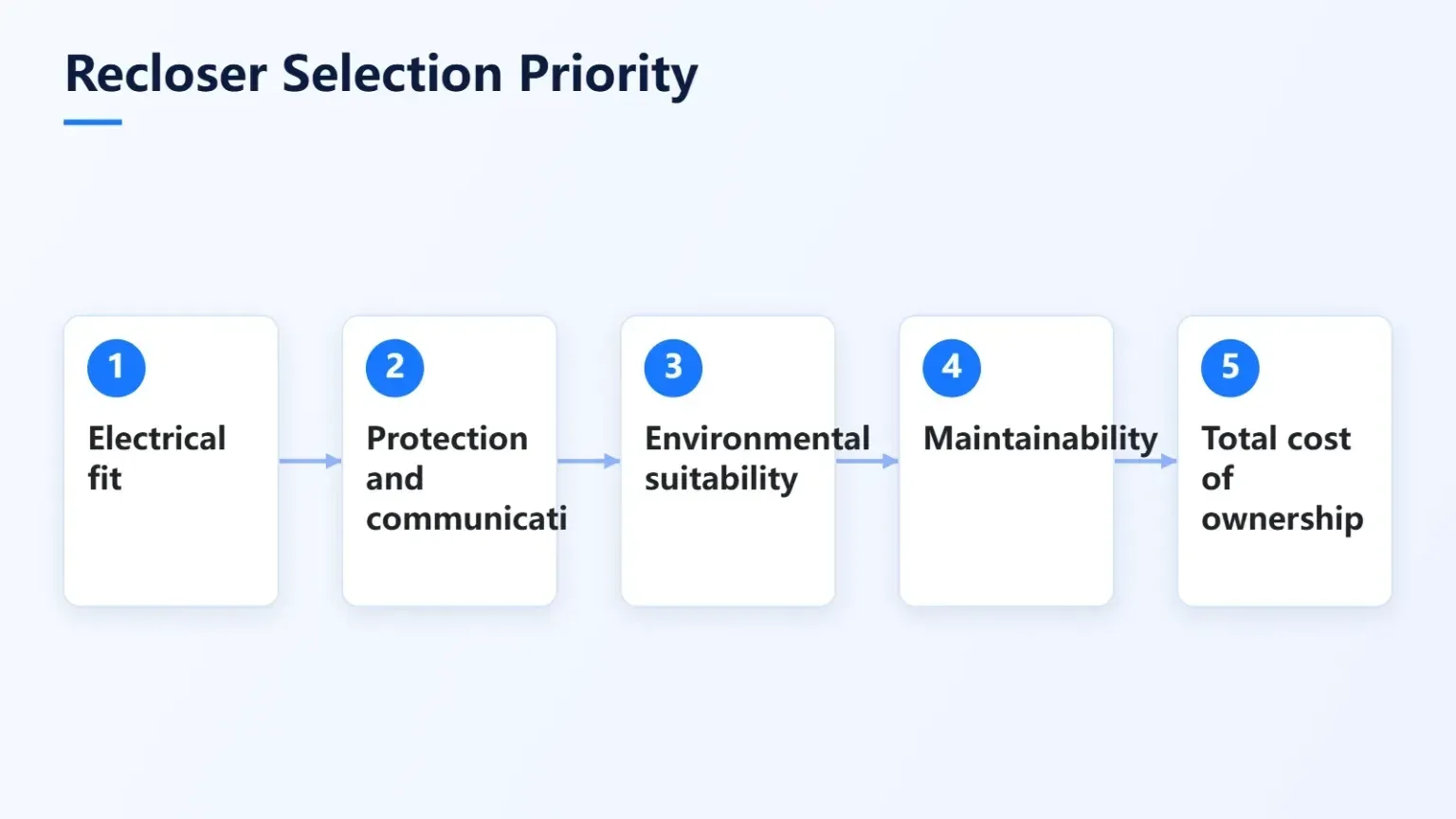
How to Select an Automatic Recloser: Decision Criteria in Priority Order
Here is how to select automatic recloser options, in an order that follows what is hardest to change after installation. Work down the list, and name the trade-off at each step.
1. Electrical fit. Voltage class, BIL, continuous current, breaking current and duty cycle against the worst case at the pole. This is non-negotiable, since an under-rated device is a safety hazard. The trade-off is cost and weight: higher ratings add both, so avoid paying for margin that your network cannot use.
2. Protection and communication compatibility. Curves, ground fault elements, setting groups and protocols that match your coordination plan and SCADA. The trade-off is openness versus integration: a control from a single vendor may work smoothly with its own switch, while an open-protocol control eases mixed fleets but needs more commissioning effort.
3. Environmental suitability. Creepage, housing material, temperature range, altitude and wildlife protection. The trade-off is polymer's light weight against epoxy's rigidity and tracking resistance, and both against the site's pollution class.
4. Maintainability. Insulation type, spare parts availability, local service capacity and training. SF6-free solid designs cut routine work but add weight; gas designs are lighter but need monitoring and handling procedures.
5. Total cost of ownership. Purchase price, installation, battery and control replacement, outage cost avoided and end-of-life handling. The lowest price rarely gives the lowest lifecycle cost, especially on remote feeders where each site visit is expensive.
Rule of thumb: never trade electrical fit for price, and never trade protection compatibility for convenience. Everything else can be balanced against cost and local conditions.
Specification Checklist Before You Request Quotes
The rule is to gather your own data first, so that every supplier quotes against the same facts. A tender written from vague requirements produces quotes that cannot be compared. Use the list below as a working check before issuing requests.
Collect the nominal and highest system voltage, frequency and neutral grounding method.
Confirm maximum load current, including emergency transfer, and the planning margin.
Obtain three phase and ground fault levels at the installation point, with the future case.
State the required BIL, creepage distance and pollution class for the site.
Define altitude, temperature range and known wildlife or vandalism risks.
Specify the required curves, setting groups, ground fault and sensitive earth fault functions.
List the communication protocols, physical interfaces and cybersecurity requirements of your SCADA RTU.
Request IEC 62271-111 or IEEE C37.60 type-test reports for the exact model, and review the laboratory and tested configuration.
Ask for mechanical and electrical endurance figures against your expected annual operations.
Confirm weight, mounting arrangement and compatibility with existing poles and crossarms.
Check the control's battery type, replacement interval and the availability of spares.
Clarify commissioning support, training and documentation language.
Compare warranty terms, including what the warranty covers for the control and the interrupter separately.
Send the same list to every supplier, including Weisho Electric if it is on your shortlist, and ask each to respond item by item. Gaps in a response are as informative as the answers.
FAQ
What is a typical recloser operating sequence?
A common sequence is two fast operations followed by two delayed operations, ending in lockout, often written 2F2D. Open intervals of around one to five seconds are typical for the first reclose. Utility practice and fault history set the final values.
Should I choose a single phase or three phase unit?
Choose single phase on lightly loaded lateral lines where single-phase faults dominate and customers are mainly single phase. Choose three phase where three phase loads such as motors must be protected from single-phasing, or on main feeders. Cost and the number of phases exposed to faults guide the decision.
Can a new recloser replace an existing unit on the same pole?
Usually yes, but check weight, mounting pattern, bushing spacing and bypass arrangement first. Solid dielectric units are often heavier than gas-insulated ones. The existing control wiring and communications may also need changes.
How long does a recloser last in service?
Many units are designed for service lives of around 20 to 30 years, subject to operation counts and environment. The control electronics and battery normally need replacing sooner. Fault interruptions at high current consume electrical endurance faster than routine switching.
What does an SF6-free design change in practice?
It removes gas handling, leak monitoring and end-of-life recovery, and eases compliance with SF6 restrictions. The usual cost is higher weight and size, particularly with solid dielectric designs. Confirm that the interrupting rating and type tests are the same as the gas version.