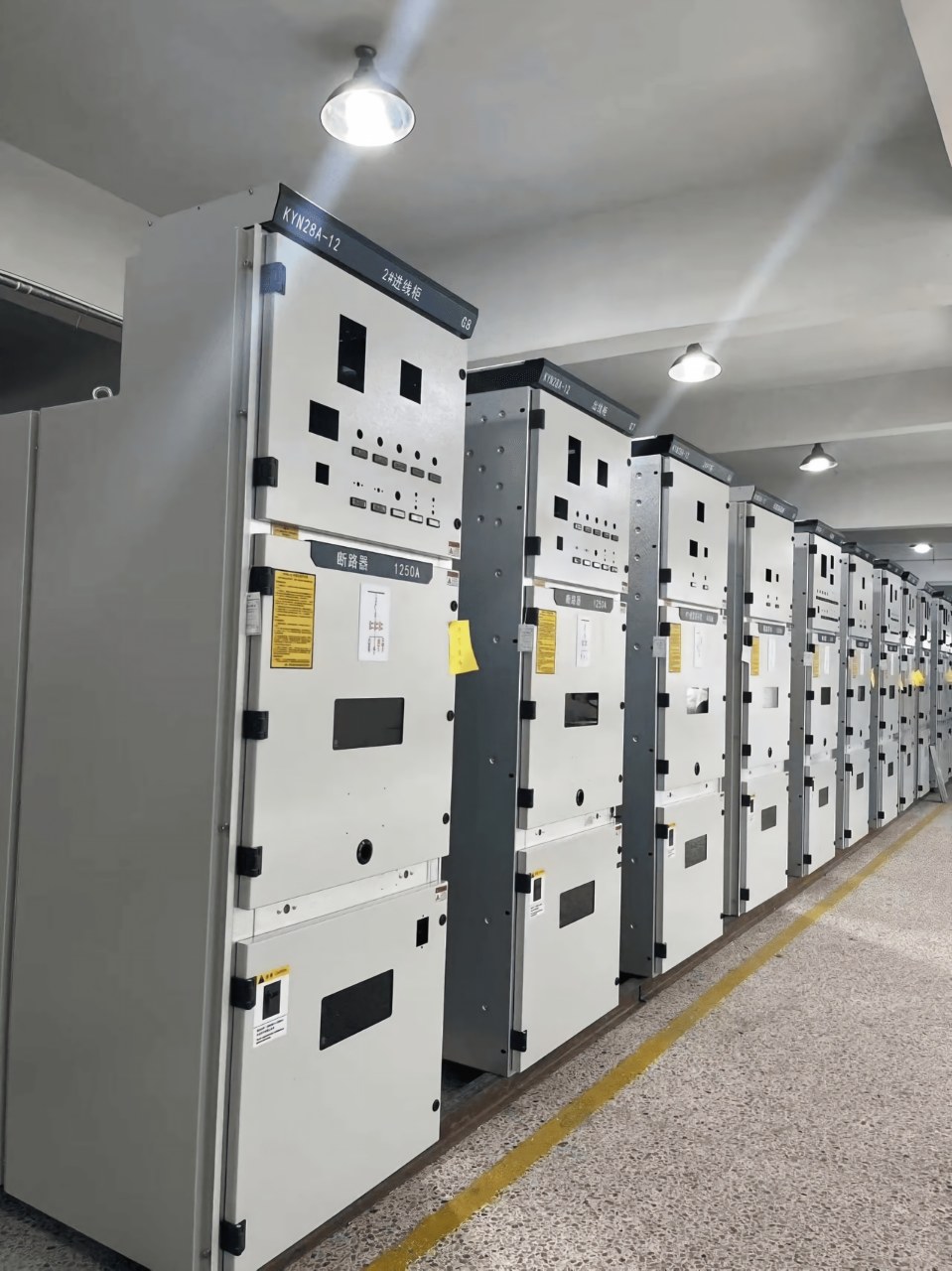
At 13.8 kV, a 1250A bus carries roughly 30 MVA, enough to feed a mid-sized plant from one incomer. The arithmetic is the easy part. The decisions below follow the order of a real project, with 15kV vacuum circuit breaker switchgear as the reference point for price, lead time and site acceptance.
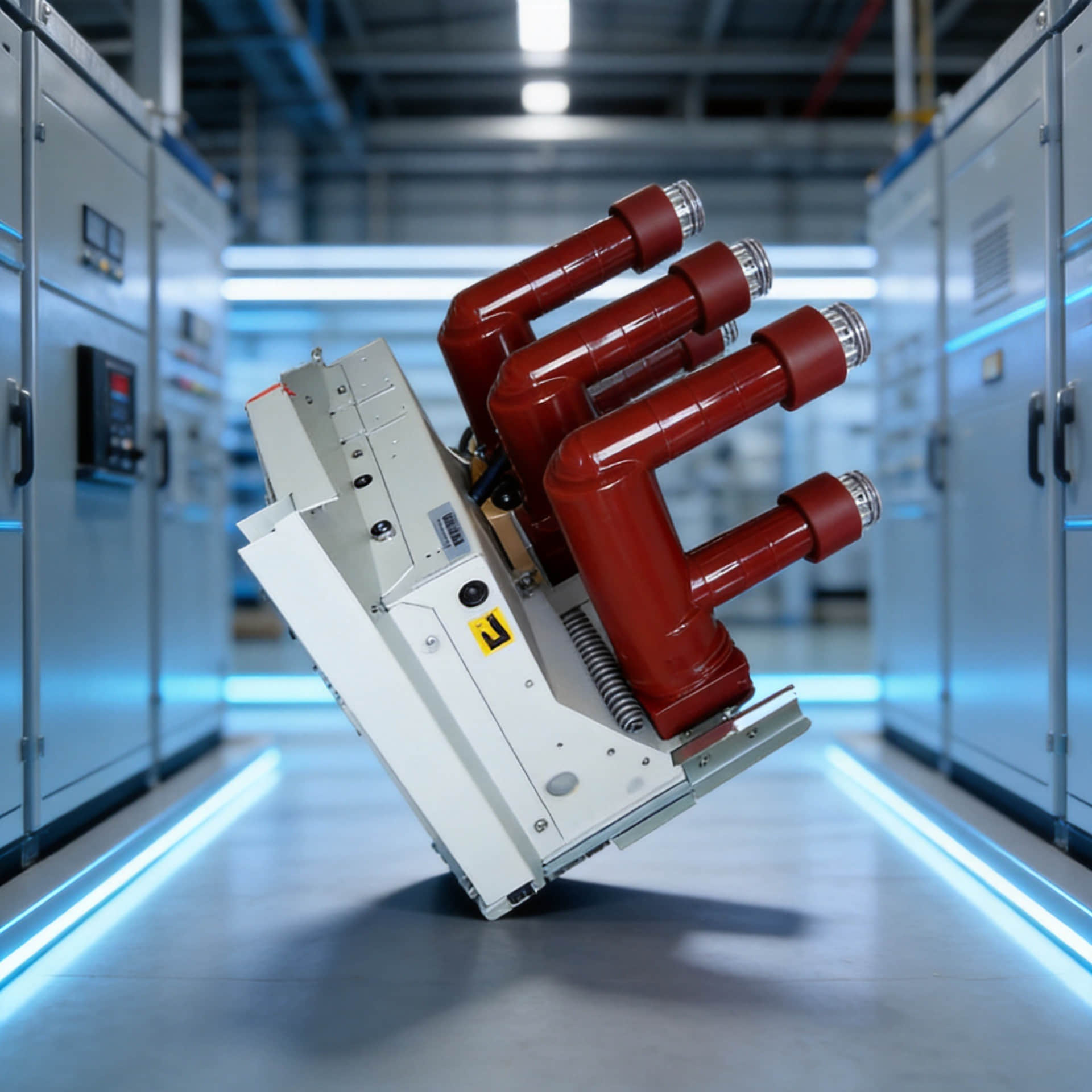
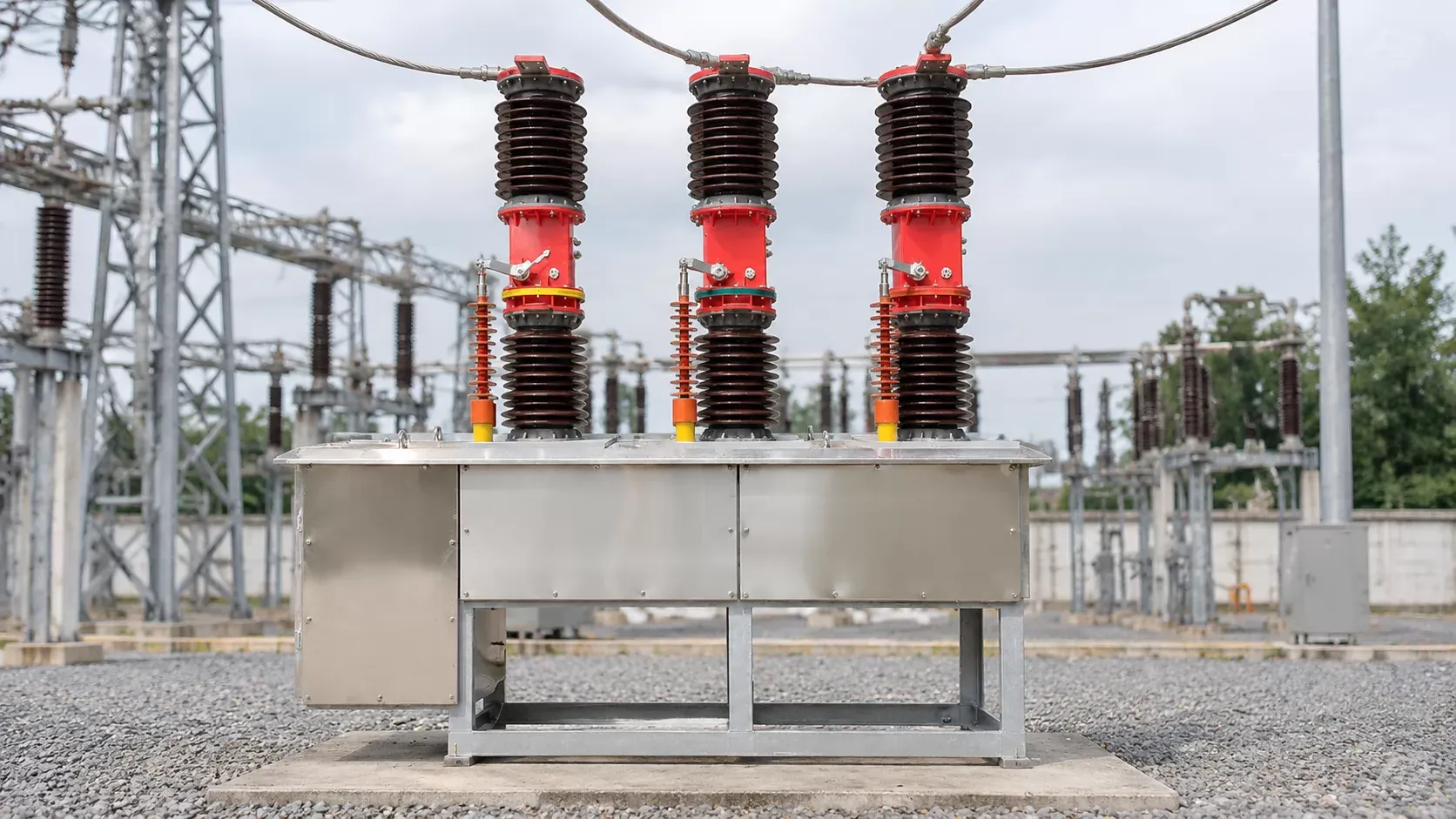
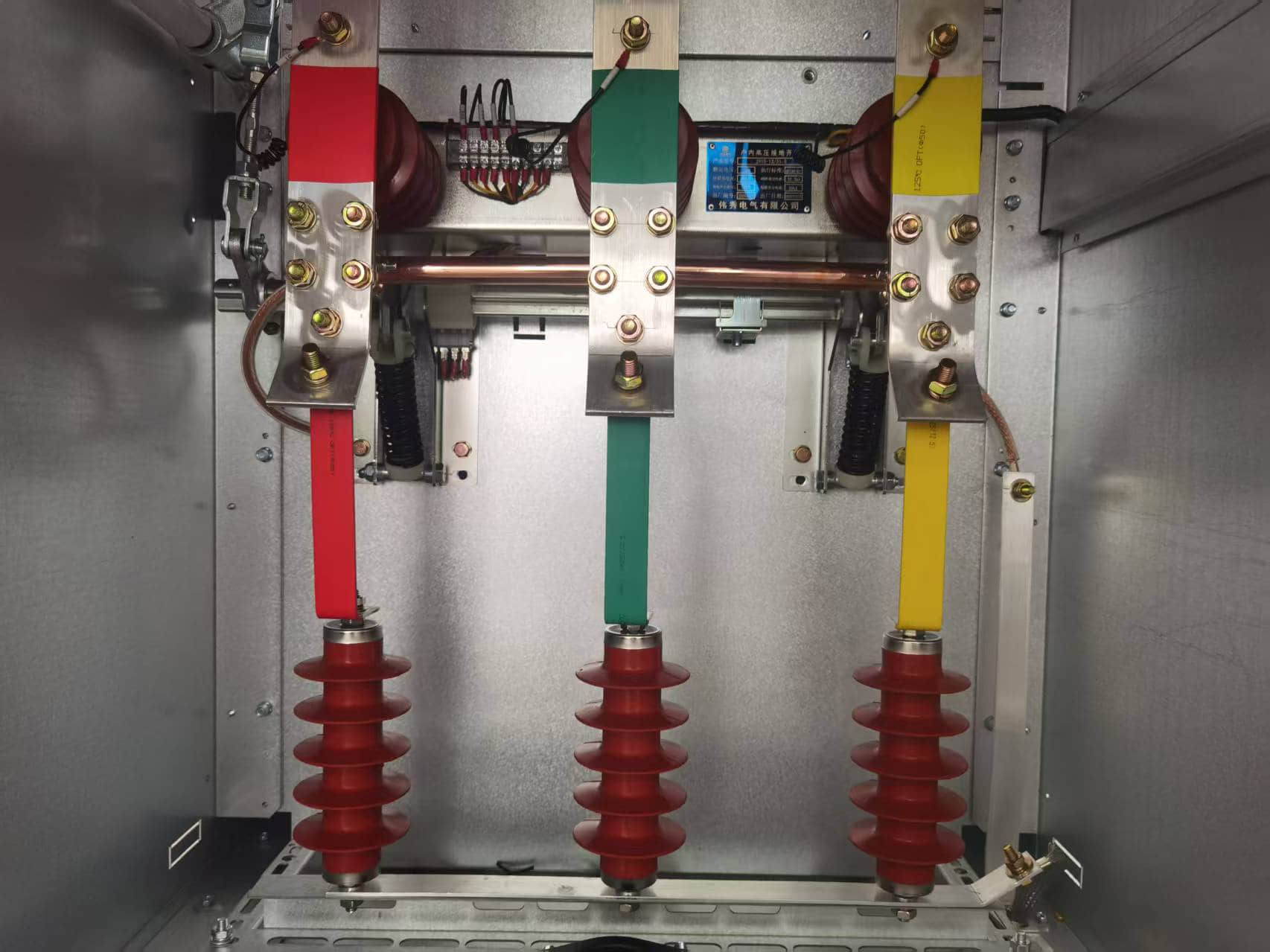
A 15kV 1250A vacuum circuit breaker (VCB) lineup is medium voltage switchgear in which sealed vacuum interrupters switch load and clear faults on a 15 kV-class system. It suits plants drawing up to roughly 25 MVA. Fit depends mainly on fault level, design standard and enclosure type. The current rating alone does not settle it.
Is 1250A the Right Frame?
A 1250A frame is the right choice when the continuous load at the incomer, plus planned growth, stays well below 1,000 A. At 13.8 kV, that covers most single-transformer plant services up to about 20 MVA. Larger services and main-tie-main schemes usually need 2000A. Small IEC feeders can often drop to 630A.
One detail trips up a lot of quotes. 1250A is an IEC preferred value. IEEE C37.20.2 lists 1200A, 2000A and 3000A for metal-clad gear. If a North American project receives a "1250A" offer, ask which standard the rating was tested under before comparing prices.
Sizing From Load and Transformer Data
Start from the transformer, not the connected load. Full-load current equals kVA divided by (√3 × kV). A 20 MVA transformer at 13.8 kV draws about 837 A. At 25 MVA the figure rises to about 1,046 A, which already leaves a 1250A incomer with little margin. If the transformer has forced cooling (ONAF or a fan-cooled stage), size the incomer to the top cooled rating, because the breaker has to carry whatever the transformer can deliver. Connected load is useful as a sanity check, and it matters more for feeders. Expansion is the variable people underestimate. If the site master plan shows a second process line within the switchgear's service life, put that figure into the calculation now. Replacing an incomer frame later costs far more than buying the larger one at the start.
When 1250A Is Not Enough
Three signals point to a bigger frame. The first is large running motor groups (compressors, mills, pumps), whose combined continuous current adds up quickly even though starting current is short-lived. The second is a main-tie-main arrangement. When one source is out, each main breaker and the tie may have to carry the whole plant.
The third is site conditions. Standard current ratings assume a maximum ambient around 40 °C and installation up to about 1,000 m altitude. A hot electrical room, a tropical site or a plant at elevation calls for derating under the standard's correction factors. Sometimes that pushes a borderline 1250A selection into 2000A territory.
Which 15kV Vacuum Circuit Breaker Switchgear Ratings Matter?
Beyond voltage and continuous current, four ratings decide whether a lineup is fit for the site. These are short-circuit breaking current, short-time withstand, basic insulation level (BIL) and control voltage. BIL is the peak lightning-impulse voltage the insulation must withstand without flashover. Get any of these wrong and the panel may pass FAT and still be rejected by the engineer of record.
Core Ratings at a Glance
Every 1250A VCB panel specification should state the values below. Treat them as typical ranges to confirm against your single-line diagram.
| PARAMETER | TYPICAL VALUE |
|---|---|
| Rated maximum voltage (kV) | 15 (IEEE) or 17.5 (IEC) |
| Rated continuous current (A) | 1200 (IEEE) or 1250 (IEC) |
| Short-circuit breaking current (kA) | 25, 31.5 or 40 |
| Short-time withstand duration (s) | 2 (IEEE); 1 or 3 (IEC) |
| Lightning impulse withstand, BIL (kV) | 95 |
| Power-frequency withstand (kV) | 36 (IEEE) or 38 (IEC) |
| Rated operating sequence | O–0.3 s–CO–3 min–CO |
| Control voltage (V DC) | 48, 110 or 125 |
For most industrial services, the short-circuit row moves the price most. Pick it from data rather than habit.
Matching Fault Level to the Utility Supply
Ask the utility in writing for the available fault current and X/R ratio at your point of connection. Then add contributions from large motors and any on-site generation. Choose the breaking rating only after you have that total. An undersized breaker may fail to interrupt a fault. The consequences go beyond the breaker: bus bracing, current transformers and the enclosure are all rated to the same short-circuit level and can be damaged together. Keep an eye on X/R as well. Standard breaker ratings assume a DC time constant of 45 ms, which corresponds to an X/R of about 17 at 60 Hz. Close to generators or large transformers, X/R can run higher. In that case the asymmetrical breaking duty needs a separate check, and the breaker's nameplate kA figure is not enough on its own.
Breaker Mechanism and Duty
Most VCBs use a spring-operated stored-energy mechanism. It is well understood, field-serviceable and widely stocked. Magnetic-actuator mechanisms have fewer moving parts and are often offered for high operation counts, but spares can be supplier-specific. Under IEC 62271-100, mechanical endurance class M1 covers 2,000 operations and M2 covers 10,000. Electrical endurance is classed E1 or E2. Feeders that switch frequently, such as motor starters on cyclic loads, justify M2.
Tip: If any feeder switches a capacitor bank or long cable, specify capacitive-switching class C2 (very low restrike probability) rather than C1. Then confirm the type test covers the bank current you actually have.
Metal-Clad or Metal-Enclosed
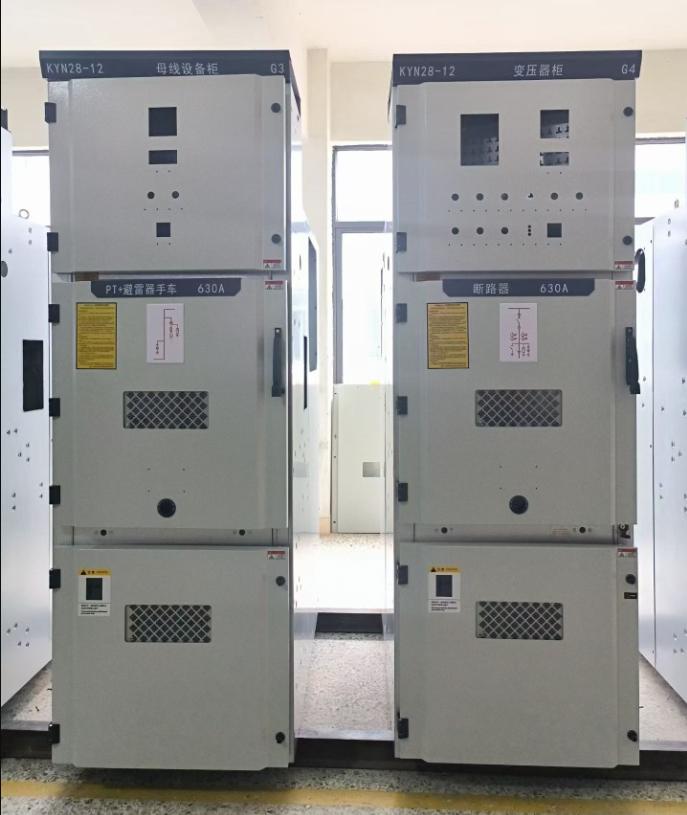
The enclosure choice sets footprint, maintenance method and a large share of cost. Under IEEE C37.20.2, metal-clad gear has withdrawable breakers, grounded metal barriers between compartments and automatic shutters. IEC 62271-200 expresses similar ideas through loss-of-service-continuity class LSC2B and partition class PM.
| CRITERION | METAL-CLAD WITHDRAWABLE | METAL-ENCLOSED FIXED | GAS-INSULATED (GIS) |
|---|---|---|---|
| Breaker access | Racks out on rails | Fixed in place | Fixed inside sealed tank |
| Footprint | Largest | Moderate | Smallest |
| Breaker maintenance | Without bus outage | Usually needs bus outage | Little primary maintenance |
| Relative cost | Higher | Lower | Usually highest |
| Best for | Continuous-process plants | Simple, small distribution | Tight rooms, dusty or humid sites |
Continuous-process plants usually end up with metal-clad, because a spare breaker can be racked in within minutes. If you consider GIS for an EU destination, check the insulating gas. The revised EU F-gas Regulation restricts SF6 in new medium-voltage switchgear up to 24 kV from 2026.
Standards for Your Market
The destination decides the design basis, and the price follows from that. The local inspector, the utility and the owner's engineer approve against one family of standards. A panel type-tested to the other family often cannot be accepted, however good it is. North America generally follows IEEE/ANSI and often expects third-party listing. Much of Europe, the Middle East, Asia, Africa and Latin America follows IEC. Some projects mix the two, and that should be settled in the specification before the RFQ goes out.
IEEE/ANSI Path
IEEE C37.20.2 is the standard for metal-clad switchgear assemblies. Breaker ratings come from IEEE C37.04, with preferred values in IEEE C37.06 and test procedures in IEEE C37.09. If the owner asks for arc-resistant construction, IEEE C37.20.7 defines the internal arcing test and accessibility types (Type 1, 2 and 2B). These describe which sides of the gear are protected and whether the low-voltage compartment door can be open.
IEC Path
IEC 62271-200 covers AC metal-enclosed switchgear from 1 kV up to 52 kV. IEC 62271-100 covers the circuit breaker, and IEC 62271-1 sets the common specifications. Internal arc classification (IAC) is stated as accessible sides plus arc current and duration, for example IAC AFLR 31.5 kA 1 s. A 15 kV system has no exact IEC voltage class. The nearest is 17.5 kV, which is what an IEC supplier will normally quote for a 13.8 kV network.
Documents Worth Requesting
Ask for type-test reports from an ISO/IEC 17025-accredited high-power laboratory. Ask for a routine test record for each panel that will ship and a current ISO 9001 certificate for the manufacturing site. Certificates of conformity are useful. The underlying test reports are what an owner's engineer actually reviews.
Note: A type test is valid only for the design and rating tested. A 25 kA report does not cover a 31.5 kA offer, and a 1250A report does not cover a 2000A panel. Check the enclosure dimensions and IAC rating in the report against the quoted lineup.
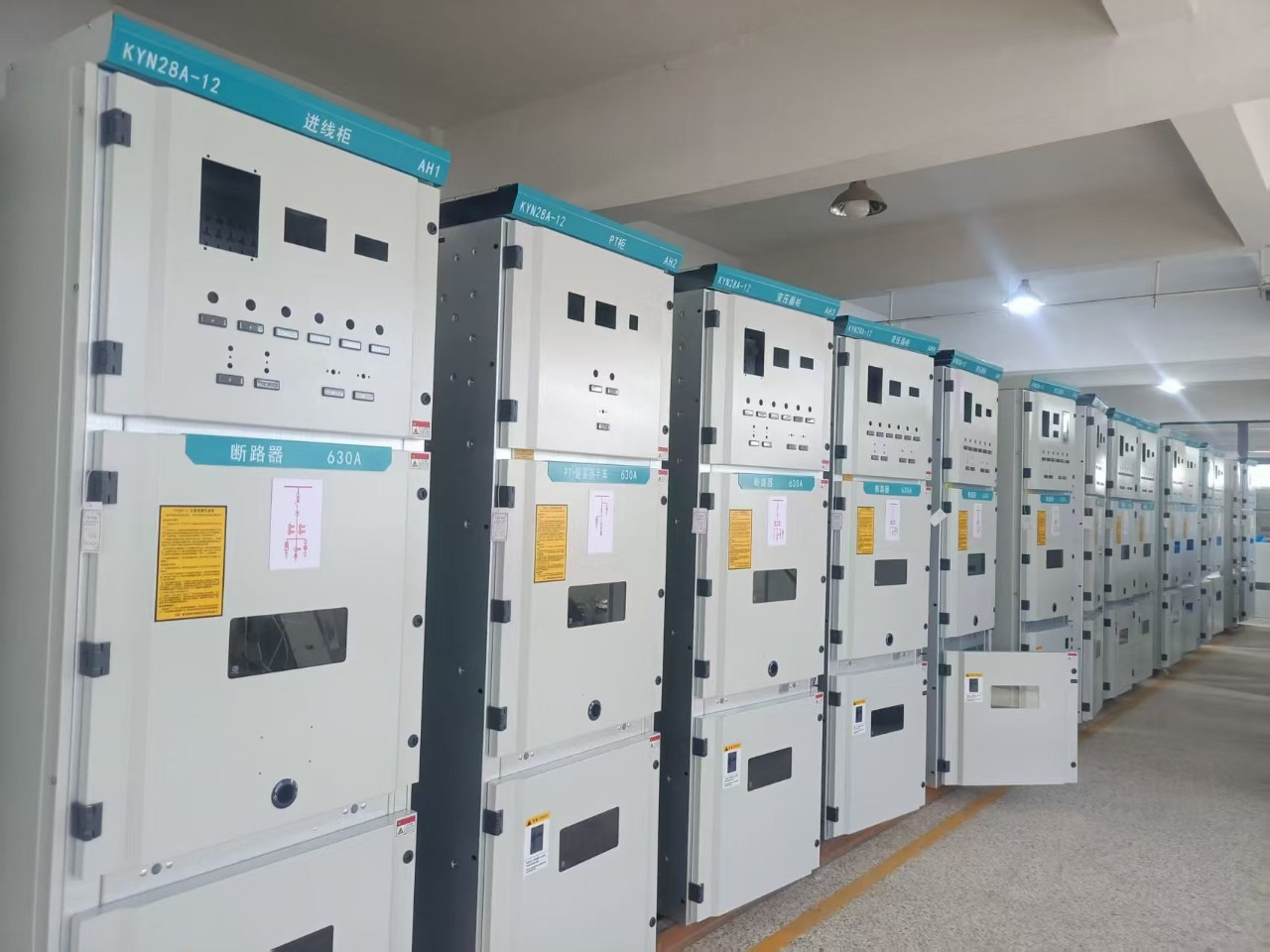
How to Choose 15kV Switchgear for an Industrial Plant
Assume fault rating and standard are already fixed. Arc resistance then separates quotes most often. It adds cost and may need ducting or a plenum to vent arc gases, so decide early whether the owner's safety rules require it. Protection relays come next. The relay brand and communication protocol (IEC 61850, Modbus or DNP3) should match the plant's existing SCADA and maintenance skills, or every future setting change becomes a service call. Interlocking is third. Mechanical interlocks between breaker, earthing switch and doors are standard, but key interlocks with upstream transformers or downstream drives must be specified explicitly. Cable entry and space are fourth: top or bottom entry, the number and size of cables per phase, front-only or front-and-rear access, and ceiling height. Spares come last. They rarely decide the award, but they decide how long a trip keeps a line down. Rule of thumb: if two quotes meet the ratings, choose the one whose relays and spares your own staff can support.
RFQ Checklist
Comparable quotes need identical inputs. Send the same package to every supplier and ask for the same items back.
Send with the RFQ
Single-line diagram with utility fault level and X/R.
Design standard, IAC or arc-resistant type, and site ambient and altitude.
Room layout with cable entry direction and access sides.
Confirm in every quote
Type-test report numbers matching each quoted rating.
Relay model, protocol and included spares list.
FAT scope, shipping splits and packing standard.
Any quote that leaves one of these items blank is not yet comparable on price.
From Order to Energization
Delays on switchgear projects rarely come from the factory floor. Drawing approval loops are the usual cause: wiring diagrams sent back three or four times because relay settings, interlock logic or the cable schedule were not frozen. Late FAT witness dates are another, along with site rooms that are not ready when the crates land. Extra costs usually come from scope added after approval, such as an extra metering panel or a changed CT ratio, and from storage charges. The table below shows what must be signed at each stage so that nothing waits on a missing document.
Project Stages and Deliverables
| STAGE | WHAT HAPPENS | DOCUMENT OR SIGN-OFF |
|---|---|---|
| Drawing approval | GA, single-line, schematics reviewed | Approved-for-construction drawings |
| Manufacturing | Enclosure, bus and wiring built | Progress report, material certificates |
| FAT | Routine tests, functional checks witnessed | Signed FAT report, punch list |
| Packing | Shipping splits sealed and marked | Packing list per crate |
| Shipping | Transport to site | Bill of lading, shock indicator record |
| Installation | Splits joined, cables terminated | Torque and alignment records |
| SAT | Insulation, timing and protection tests | Signed SAT report, energization permit |
Most schedule risk sits in the first and third rows. Freeze relay logic before approval and book the FAT witness date when you place the order.
Packing, Shipping and Site Handling
Sea freight is hard on switchgear. Ask for export packing: vapor-barrier wrapping, desiccant, a sealed wooden crate and tilt or shock indicators on each split. Shipping splits are usually two to four sections per crate. They have to fit the container, the site door and the crane, so send the access route dimensions with the order. Lift only at the marked points. Once on site, store the gear indoors on a level floor. If storage runs more than a few weeks, connect temporary power so the anti-condensation space heaters can run, because condensation on insulators is a common cause of failed insulation tests at SAT.
FAQ
What is the difference between 15kV and 17.5kV switchgear ratings?
The difference is the standard family. 15 kV is the IEEE/ANSI rated maximum voltage and 17.5 kV is the IEC equivalent. Both serve 11–13.8 kV networks with a 95 kV BIL, but the test regimes differ, so match the one your inspector accepts.
Can a 1250A VCB panel be used as both an incomer and a feeder?
Yes. The same breaker frame often serves both roles. The differences lie in CT ratios, relay functions, metering and interlocks, so each panel is engineered for its position.
How often does a vacuum circuit breaker panel need maintenance?
Typically every few years, or after a set number of operations or fault interruptions, per the manufacturer's manual. Vacuum interrupters need little contact maintenance. Mechanisms, lubrication, racking parts and relays still need regular inspection.
Is arc-resistant switchgear required for an industrial plant?
Not always. Requirements vary by country, owner standards and site safety rules. Many plants specify it because it reduces arc-flash exposure for staff working in front of the gear.
Where This Advice Changes
This guide assumes a solidly or resistance-grounded 11–13.8 kV industrial service with conventional loads. Generator switchgear, arc furnace supplies, large drive systems with harmonic heating, and utility-owned substations follow different duty rules. For those, the breaker selection has to start with a system study rather than the steps above.