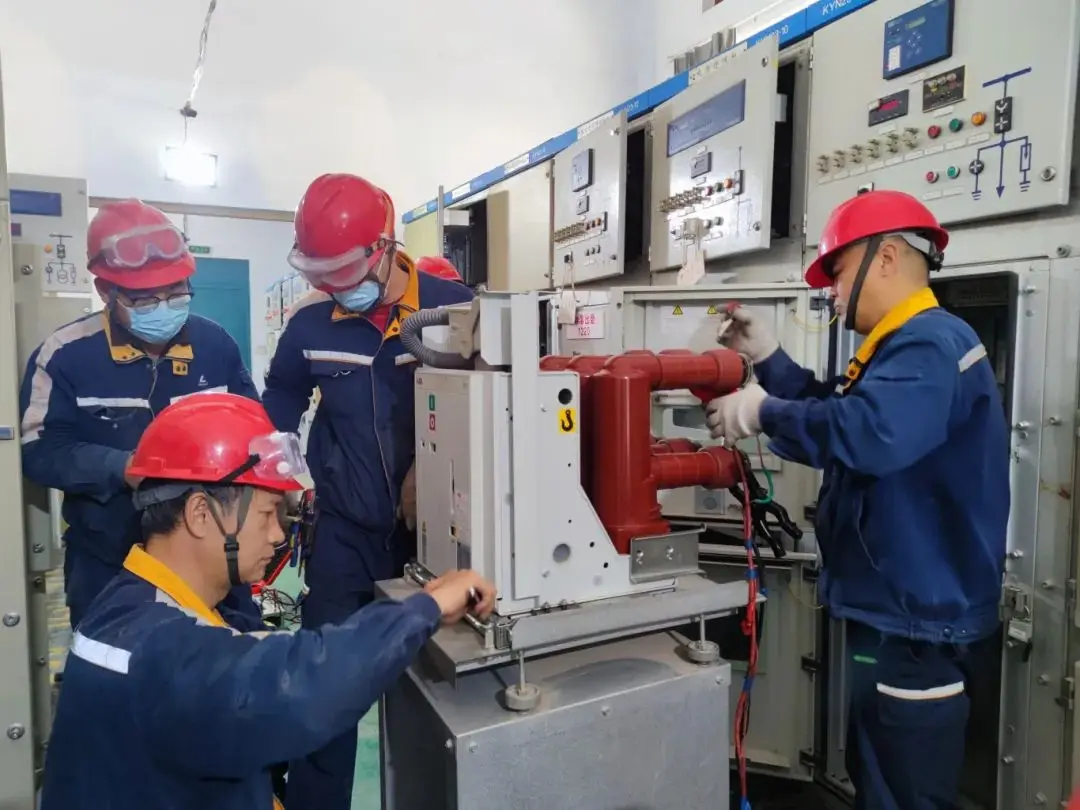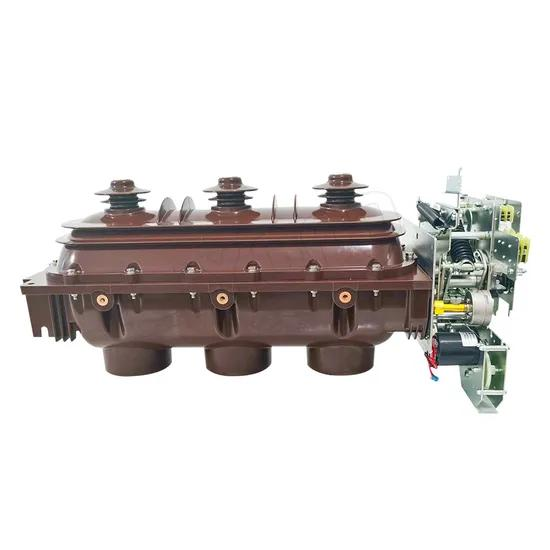
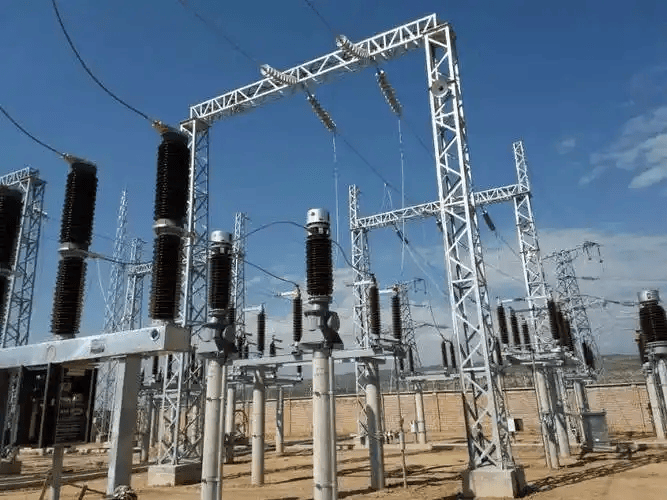
If you work with high-voltage equipment, you know the importance of correctly filling SF6 gas in circuit breakers. Whether it’s after maintenance, a leak repair, or commissioning new breakers, precise SF6 gas filling is critical for safe operation, efficient arc quenching, and reliable insulation. But this task isn’t as simple as just opening a valve — it demands strict compliance with IEC 62271-100 and IEEE C37 standards, expert handling to prevent moisture ingress, and attention to gas purity and pressure levels.
In this guide, you’ll get a step-by-step, professional procedure on how to fill SF6 gas in circuit breakers, complete with safety precautions, recommended tools, and tips to avoid common mistakes. If you want to fill your SF6 breakers safely and effectively, this is the definitive resource you’ve been looking for. Let’s get started.
Safety Precautions Before Starting
Before filling SF6 gas in a circuit breaker, safety is your top priority. Follow these essential precautions:
Wear Mandatory PPE: Always wear insulated gloves, safety goggles, and protective clothing. SF6 gas is inert but can cause frostbite if it escapes under pressure.
Ensure Adequate Ventilation: Work in a well-ventilated area. Use gas monitors to detect any SF6 leaks since it is heavier than air and can accumulate in low spots.
Follow Lock-Out/Tag-Out Procedures: De-energize the breaker and apply lock-out/tag-out to prevent accidental operation during filling. Proper earthing of the breaker is critical to avoid electrical hazards.
Handle SF6 Responsibly: SF6 is a potent greenhouse gas with a high global warming potential. Never vent SF6 gas directly into the atmosphere. Use recovery systems and minimize emissions throughout the process.
Adhering to these steps keeps you safe and protects the environment during SF6 gas filling.
Required Tools and Equipment
To properly fill SF6 gas in a circuit breaker, make sure you have the right tools and equipment on hand:
SF6 gas cylinder with dip tube: Allows safe and efficient withdrawal of gas, whether filling in liquid or gas phase.
Approved SF6 filling kit: Includes hoses, valves, and connectors designed to meet industry standards and prevent leaks.
Vacuum pump: Essential for evacuating the breaker and hoses before filling to remove moisture and air.
SF6 gas analyzer: For checking gas purity and detecting contaminants like moisture, air, and decomposition products.
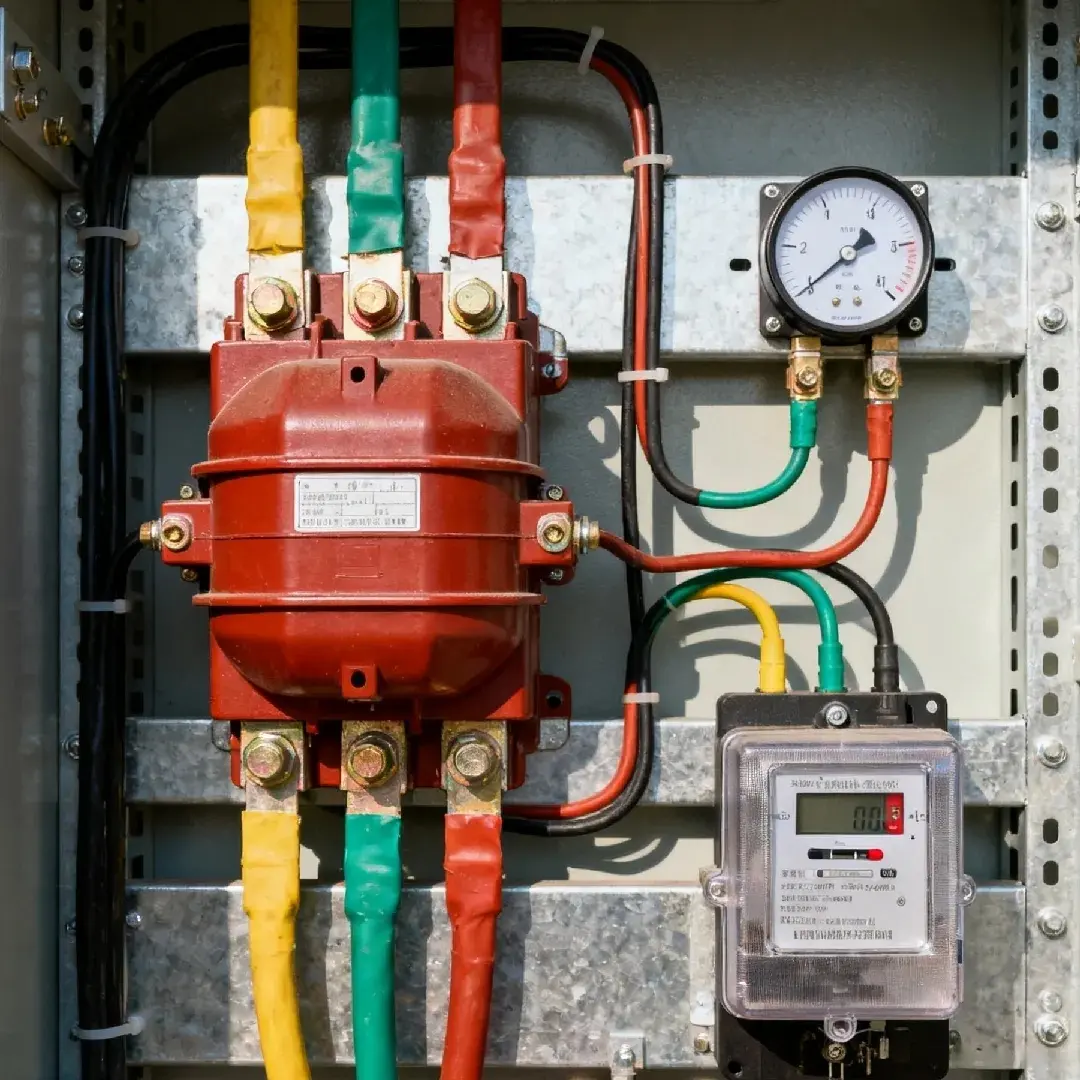
Digital pressure gauge and filling software: Helps monitor and control precise gas pressure during filling, including temperature-compensated adjustments.
Using the correct equipment is key to a smooth and safe SF6 gas filling procedure. For high-quality and reliable tools, many U.S. technicians trust genuine SF6 gas handling kits like those offered by WEISHO, which also provide user-friendly filling software tailored for compliance with IEC 62271-100 SF6 filling standards.
Pre-Filling Checks and Preparation
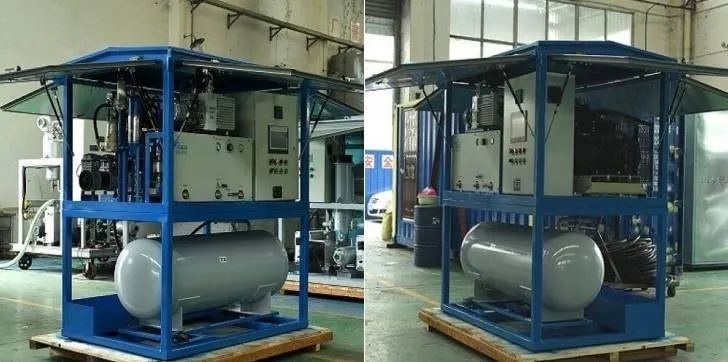
Before starting the SF6 gas filling procedure, begin by verifying the circuit breaker's nameplate data. This ensures you fill with the correct rated gas pressure specified by the manufacturer. Next, perform a thorough SF6 leak test around all seals and connection points to prevent any gas loss during or after filling.
Once you confirm the breaker is leak-free, evacuate the breaker chamber using a vacuum pump. Hold the vacuum for the recommended time to remove any remaining air and moisture. Removing moisture and air is crucial because they can cause insulation problems and reduce the breaker’s performance and lifespan. Moisture in the SF6 gas can lead to corrosion and reduce dielectric strength, so always aim to reach a dew point well below −40°C before filling.
Proper evacuation and drying prepare the breaker for the best possible gas insulation, making sure the SF6 gas filling runs smoothly and safely with no contamination. For more insights into proper switchgear maintenance and checks, refer to our detailed guide on solid-insulated switchgear vs vacuum circuit breaker.
Step-by-Step SF6 Gas Filling Procedure
Filling SF6 gas in a circuit breaker follows a clear process to ensure safety and accuracy. Here’s the step-by-step procedure:
1. Connect the Filling Hose
Attach the SF6 gas cylinder to the circuit breaker using an approved filling hose and fittings. Make sure all connections are tight to prevent leaks.
2. Evacuate the Hose Line
Use a vacuum pump to evacuate the filling hose and connections. This removes any air or moisture before introducing SF6 gas.
3. Set Cylinder Regulator Pressure
Adjust the regulator on the SF6 gas cylinder to the recommended starting pressure, typically slightly higher than the breaker’s rated filling pressure.
4. Open Valves Slowly and Fill
Open the cylinder valve slowly to start filling. SF6 can be filled either as a gas or liquid phase—liquid phase filling speeds up the process. Monitor the flow carefully to avoid sudden pressure spikes.
5. Monitor Temperature and Pressure
Keep an eye on the digital pressure gauge and ambient temperature. Because SF6 gas pressure changes with temperature, it’s important to use temperature compensation calculations to determine the correct filling pressure.
6. Fill to 90–95% of Rated Pressure
Initially fill the breaker to about 90–95% of its rated pressure. Pause filling to allow gas temperatures inside the breaker to stabilize.
7. Temperature Compensation Calculation
Calculate the final pressure setting based on the current temperature, ensuring the gas density and pressure match the breaker’s requirements as per IEC 62271-100 guidelines.
8. Final Topping-Up to Rated Pressure
Complete filling by topping off the gas to the exact rated pressure. This ensures optimal insulation and switching performance.
9. Close Valves and Perform Final Leak Test
Shut all valves securely and disconnect the filling hose. Perform a leak test around all fittings and the breaker to confirm no SF6 gas escapes.
The precise control and monitoring during filling guarantee the circuit breaker operates safely and efficiently. For reference on related equipment and handling procedures, consider checking out high-quality switching gear resources like this medium voltage metal clad switchgear knowledge.
Post-Filling Quality Verification
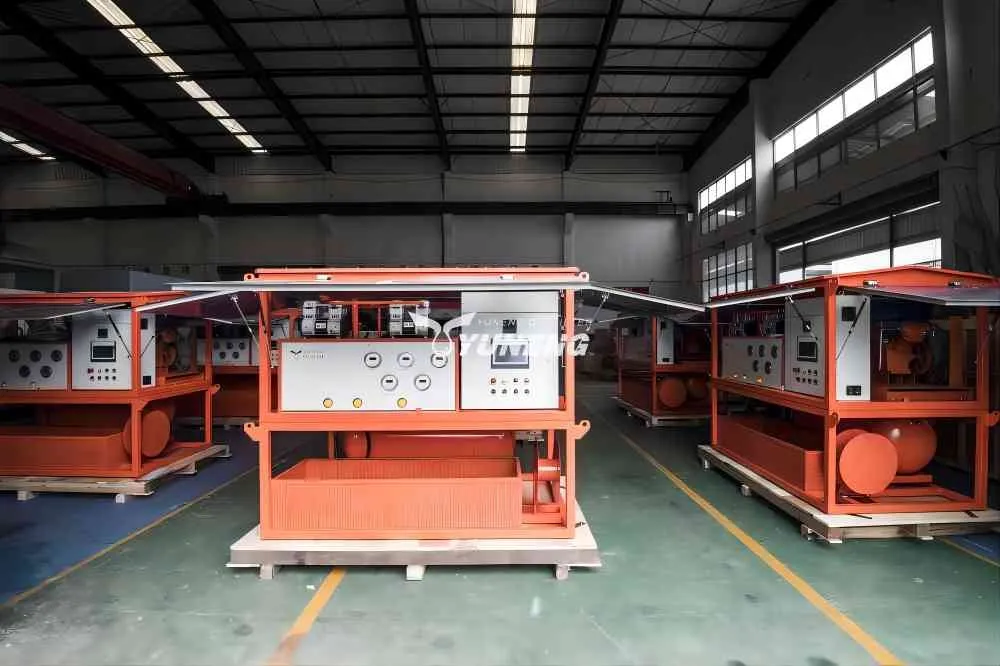
After completing the SF6 gas filling procedure, it’s crucial to verify the quality to ensure the circuit breaker operates safely and reliably. Here’s what you need to check:
SF6 Gas Purity Test: Confirm the gas purity is at least 99.9%. Impurities can reduce insulation performance and cause breakdowns.
Dew Point Check: Make sure the moisture content is low, with a dew point at or below −40°C. Moisture can lead to corrosion and affect the breaker’s lifespan.
SO2 and Decomposition Products: Test for sulfur dioxide (SO2) and other decomposition products. Their presence indicates possible internal arcing or insulation degradation.
Functional Tests: Perform operational checks and verify that the pressure switch activates correctly to ensure proper gas pressure monitoring.
By completing these quality verifications, you help maintain the circuit breaker’s optimum performance and extend its service life. For a detailed overview of circuit breaker basics and maintenance, you can refer to our guide on isolator vs. circuit breaker.
Common Mistakes and How to Avoid Them
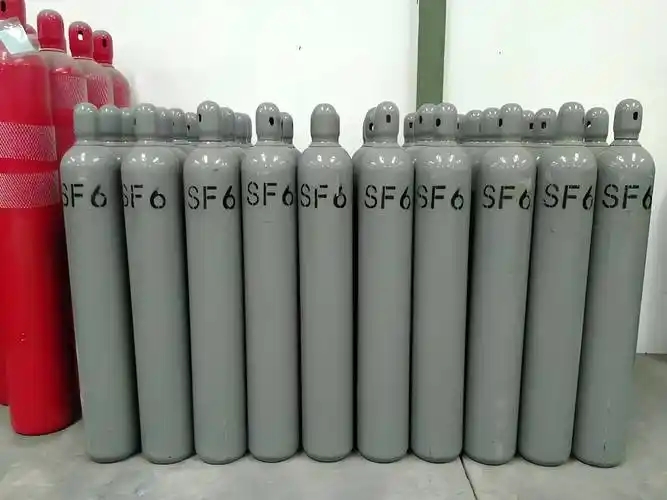
Filling SF6 gas in a circuit breaker might seem straightforward, but skipping a few critical steps can cause serious issues. Here are common mistakes to watch out for and how to avoid them:
Filling Without Evacuation: Never fill SF6 gas without first evacuating the breaker. Moisture and air inside can compromise insulation and cause false pressure readings. Always perform a thorough evacuation to remove contaminants before refilling.
Over-Pressurizing the Breaker: Overfilling beyond the rated filling pressure of SF6 can damage the internal components and affect breaker performance. Monitor pressure closely and follow the manufacturer’s recommended limits, adjusting for temperature using proper temperature compensation calculations.
Using Non-Approved Adapters or Kits: Using unapproved or ill-fitting adapters can lead to gas leaks during the filling or venting process. Always use an approved SF6 gas handling kit designed for your specific breaker type to ensure a proper seal.
Ignoring Temperature Compensation: SF6 gas pressure varies with temperature. Ignoring temperature effects during filling can lead to under- or over-pressurizing once the breaker is in operation. Use temperature-compensated filling methods for accurate pressure readings and safe operation.
Avoiding these pitfalls ensures your SF6 circuit breaker fills correctly, stays reliable, and maintains safety standards. For reliable SF6 handling tools and expert support, consider trusted solutions like WEISHO’s genuine SF6 gas handling kits and services. Learn more about their professional power solutions here.
SF6 Gas Recovery and Recycling (Environmental Responsibility)
Handling SF6 gas responsibly is crucial since it’s a potent greenhouse gas. Never vent SF6 gas directly into the atmosphere during maintenance or refilling processes. Instead, always use specially designed recovery units that comply with the IEC 60480 standard for safe gas reclamation.
These recovery systems capture SF6 gas, filter impurities, and store it properly for future reuse or safe disposal. Not only does this prevent environmental damage, but it also reduces costs by recycling valuable gas. Committing to these practices ensures your SF6 circuit breaker maintenance aligns with environmental safety standards and US regulations.
WEISHO Recommended Tools & Services
For reliable SF6 gas filling in circuit breakers, using genuine WEISHO tools makes a big difference. WEISHO’s certified SF6 gas handling kit includes everything you need— from approved filling kits to digital pressure gauges—ensuring safe and efficient SF6 gas pressure filling every time.
If you’re looking for hands-on support, WEISHO offers on-site SF6 gas filling and testing services, so you can avoid common mistakes and get expert help right at your facility. Plus, their targeted training programs for technicians cover safe handling of sulphur hexafluoride and detailed SF6 gas filling procedures, helping your team stay compliant with IEC 62271-100 standards and reducing downtime.
Using WEISHO tools and services guarantees precise, temperature-compensated filling and post-filling quality checks that meet SF6 gas purity requirements and moisture limits, giving you peace of mind for your SF6 circuit breaker maintenance.
Explore WEISHO solutions designed specifically for high-voltage equipment, like their indoor load break switches, and maintain your switchgear with confidence.