Why Dead‑Tank SF6 Circuit Breakers Still Matter in High-Voltage Grids
Walk through any major transmission substation built for harsh weather, seismic exposure, or high short-circuit duty, and one fact becomes obvious: the dead‑tank SF6 circuit breaker is still one of the grid’s most trusted fault-clearing assets.
That matters now more than ever. Utilities across Europe, North America, Japan, and parts of Asia are replacing aging installed bases, while new pumped-storage, nuclear, and renewable grid-connection projects continue to demand proven high-reliability interruption technology.
In practical terms, the current dead-tank SF6 circuit breaker market analysis is not about a disappearing product. It is about a product category in transition: still essential in the field, increasingly shaped by environmental policy, and steadily upgraded through smarter monitoring, tighter sealing, and alternative-gas research.
For buyers, investors, EPCs, and manufacturers, the real question is not whether dead-tank breakers still matter. It is where they remain indispensable, how the supply chain is evolving, and which companies are best positioned for the transition beyond conventional SF6.
The Core Problem: Why Utilities Need Safer, Higher-Reliability High-Voltage Interruption
High-voltage grids do not forgive switching failure. A circuit breaker that cannot clear a short circuit within milliseconds can cascade damage into transformers, generators, GIS bays, busbars, and entire substations.
That is why utilities prioritize four performance factors above almost everything else: fault-clearing capability, low leakage risk, structural resilience, and long operating life.
Fault-clearing strength: high short-circuit currents must be interrupted reliably at current zero.
Leakage control: gas loss affects dielectric integrity, maintenance cost, and environmental compliance.
Seismic and mechanical stability: substations in earthquake zones and windy open-air sites need rigid, durable equipment.
Low lifecycle maintenance: fewer interventions mean lower outage risk and lower total ownership cost.
Dead-tank designs address these concerns in a very direct engineering way. By housing the interrupting system inside a grounded metal enclosure, they improve personnel safety, simplify CT integration, and enhance mechanical robustness in difficult installation environments.
What Is a Dead‑Tank SF6 Circuit Breaker?
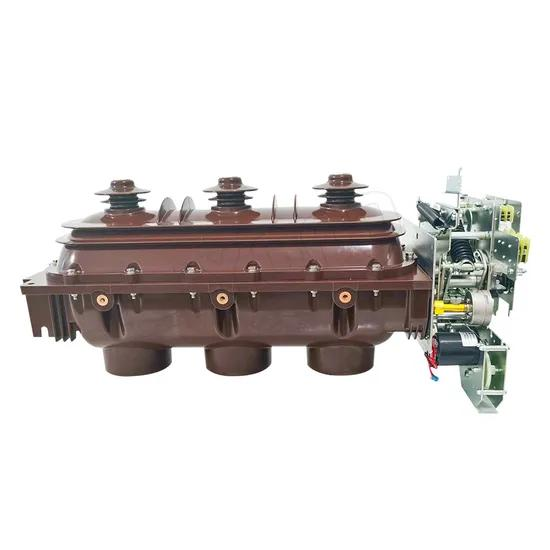
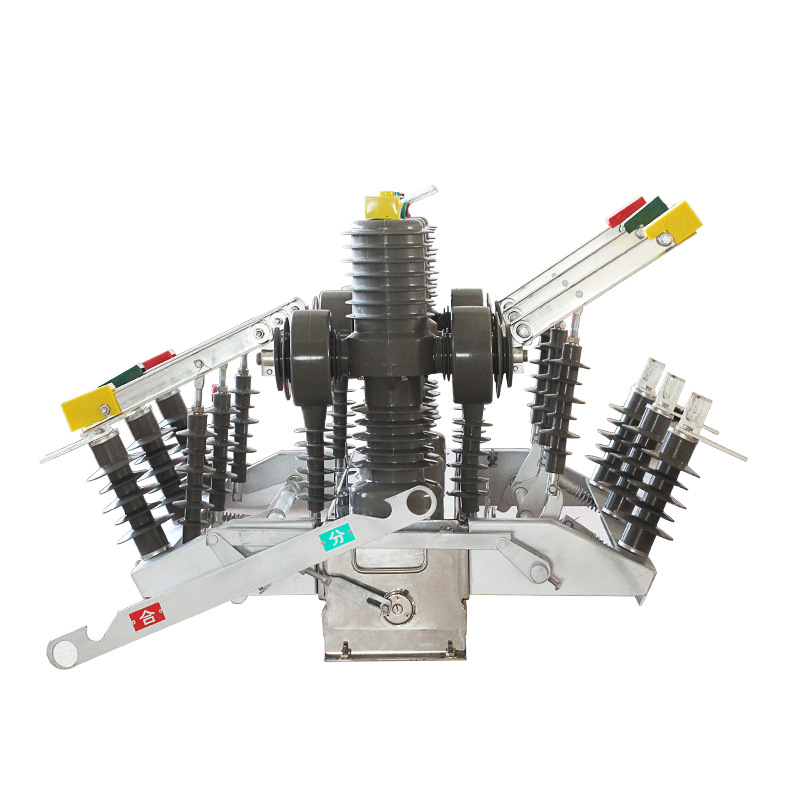
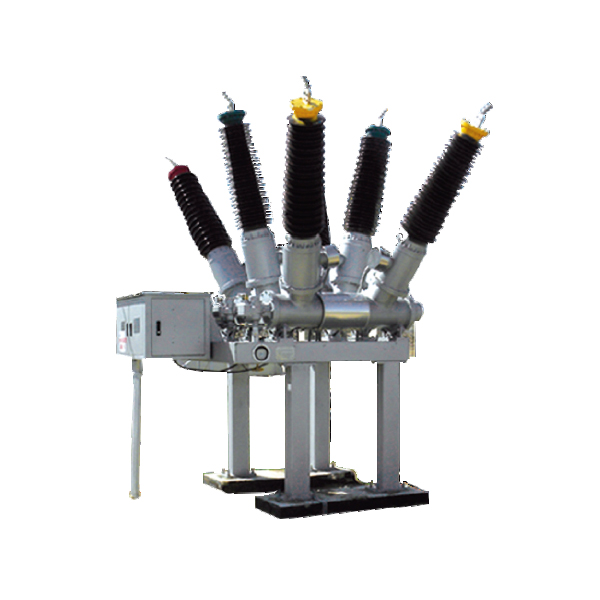
A dead‑tank SF6 circuit breaker is a high-voltage circuit breaker in which the interrupter assembly is enclosed within a grounded metal tank. The tank itself is at earth potential, while the energized conductors are insulated from the tank through external bushings.
Inside the tank, SF6 gas serves two functions at the same time: it provides the main insulation and also acts as the arc-quenching medium during switching.
This grounded-enclosure concept is one reason dead-tank breakers remain widely used in transmission systems, generation switchyards, and industrial high-voltage networks that place a premium on reliability and operational safety.
Dead‑Tank vs Live‑Tank Circuit Breakers
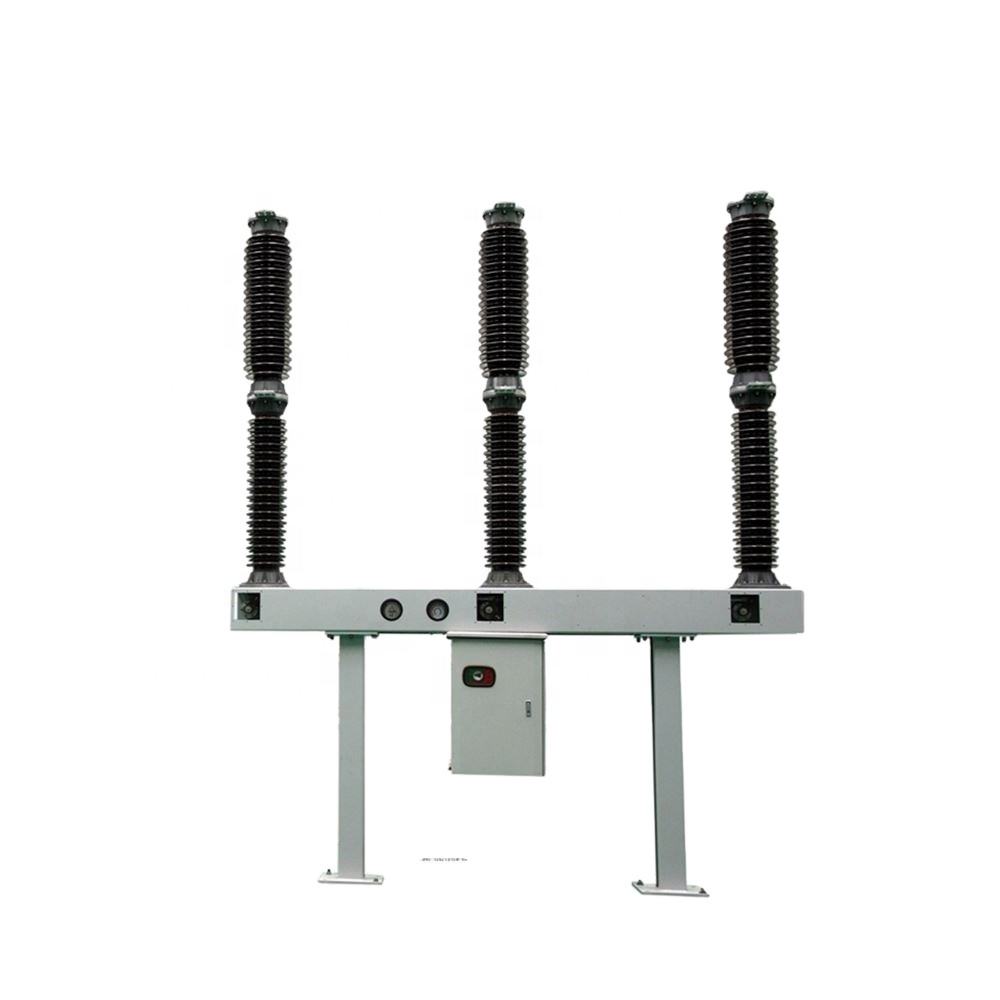
The difference is fundamental. In a live‑tank circuit breaker, the interrupting chamber is mounted on insulators and sits at line potential. In a dead‑tank circuit breaker, the interrupting chamber is enclosed in a grounded tank.
That design difference changes maintenance practice, CT integration, structural behavior, and perceived operating risk.
Safety: dead-tank grounded enclosures reduce exposure risk for personnel.
Integrated current transformers: dead-tank units can more easily include built-in CTs inside the grounded housing.
Structural rigidity: dead-tank equipment usually performs better in seismic applications.
Sealing architecture: fewer critical external sealing points can support lower gas leakage risk.
For this reason, dead-tank products are especially favored in applications where utilities want compact functional integration, strong fault duty, and robust behavior under earthquake or harsh environmental conditions.
How a Dead‑Tank SF6 Circuit Breaker Works
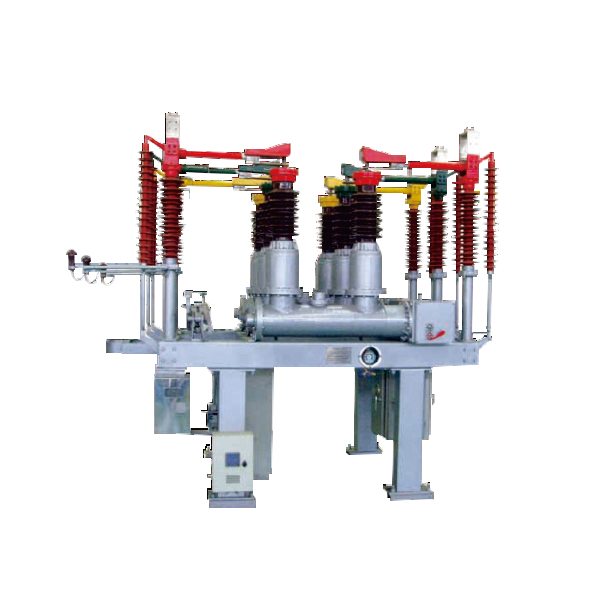
The operating principle is precise but elegant. The moving contact, arcing contact, and interrupter chamber are all sealed inside the grounded metal tank.
When the breaker opens, the operating mechanism drives the moving contact apart from the fixed contact. As the contacts separate, an arc forms.
A gas-blast or puffer-type mechanism then drives compressed SF6 gas through the arc zone. The gas cools and de-ionizes the arc plasma so that at the next natural current zero, dielectric strength recovers rapidly enough to prevent restrike.
This is why SF6 became dominant in high-voltage interruption: it combines excellent dielectric strength with exceptional arc-extinguishing performance.
Main Structural Components
Grounded metal tank: encloses and protects the interrupting system.
Bushings: insulate energized conductors from the grounded tank.
Interrupter chamber: contains the contact system and arc-extinguishing path.
Moving and arcing contacts: perform normal conduction and controlled arc transfer during interruption.
Operating mechanism: usually spring or hydraulic-spring driven, providing stored-energy switching.
Sealing system: critical for long-term gas tightness and lifecycle reliability.
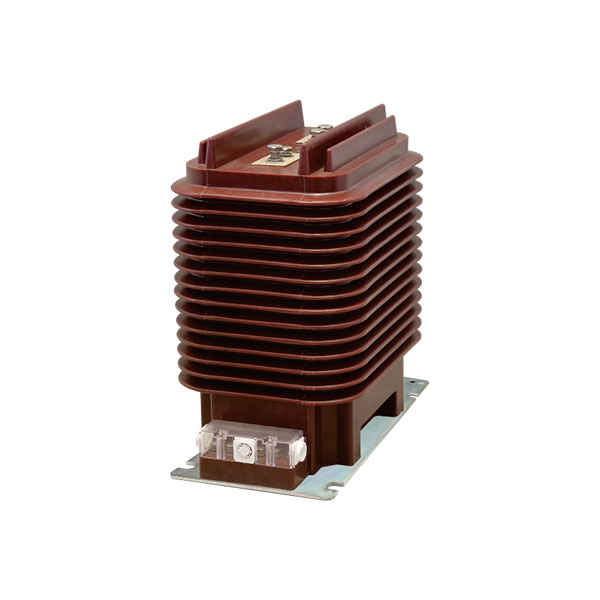
Optional built-in current transformers: often integrated for protection and metering.
Why the Grounded Tank Design Is Preferred in Harsh Environments
Field conditions are rarely ideal. Utilities install breakers in mountain substations, coastal sites, earthquake-prone regions, underground stations, and industrial zones with contamination or temperature extremes.
In these settings, the grounded-tank arrangement delivers clear practical benefits.
Better personnel safety because the main enclosure is grounded.
Improved anti-seismic performance thanks to higher structural rigidity.
Fewer leakage-prone interfaces in many designs, helping reduce SF6 loss.
Higher integration potential, especially for internal CTs and monitoring devices.
Lower maintenance burden due to robust construction and high internal reliability.
This is also why many engineering teams evaluating gas-insulated substation circuit breaker technology continue to rank dead-tank configurations highly for critical bays.
Key Advantages and Limitations of Dead‑Tank SF6 Circuit Breakers
No serious buyer should look at this product category through a one-sided lens. Dead-tank SF6 breakers offer major engineering strengths, but they also carry real environmental and cost pressures.
Main Advantages
High breaking reliability: SF6 remains one of the most effective media for high-voltage arc extinction.
Strong insulation performance: supports compact and dependable HV design.
Low maintenance: grounded tank construction and mature interrupter technology reduce intervention frequency.
Excellent seismic behavior: especially important in Japan, western North America, and parts of China.
Integrated CT capability: simplifies bay layout and functional integration.
Smart monitoring compatibility: density, travel, contact wear, and mechanism signatures can all be digitized.
Lower leak risk than many alternatives in practice: due to fewer external exposed components and mature sealing systems.
Main Limitations
SF6 has extremely high global warming potential: this is the category’s biggest strategic vulnerability.
Environmental regulation is tightening: especially in Europe under F-Gas rules.
Replacement and compliance costs are rising: gas handling, monitoring, and reporting add expense.
Advanced technology dependence: interrupter design, precision sealing, and reliable mechanisms are not easy to localize quickly.
Alternative-gas transition is incomplete: customers still face technology uncertainty when moving beyond SF6.
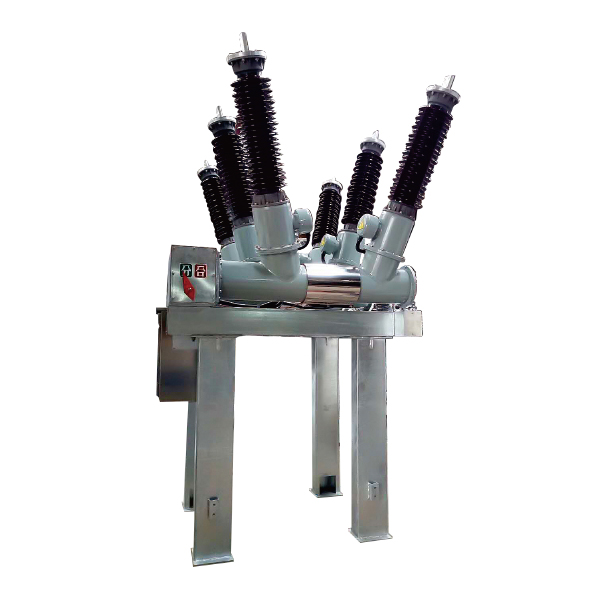
Dead‑Tank SF6 Circuit Breaker Industrial Chain Analysis
A proper dead-tank circuit breaker supply chain review must start upstream, move through manufacturing and assembly, and end with the utility and industrial applications that ultimately define demand quality.
This is not a simple commodity business. It is a layered system where gas chemistry, metallurgy, precision mechanics, insulation design, testing capacity, and after-sales service all directly affect competitiveness.
Upstream: Arc-Quenching Media and Insulation Gas
The mainstream medium remains SF6, because few gases match its combined dielectric and interruption performance in high-voltage duty.
But the environmental downside is severe. SF6 has a very high GWP, so regulators increasingly pressure OEMs and utilities to reduce leakage, improve recovery, and prepare substitute technologies.
The most prominent environmental route today is C4F7N-based gas mixtures, often blended with buffer gases. These mixtures are promising, but still in the early commercialization stage for many applications.
Key issues include:
Higher cost than conventional SF6 systems.
Low-temperature liquefaction risk in cold-climate applications.
Less long-term operating data than the mature SF6 installed base.
Stricter engineering control during design, manufacturing, and maintenance.
During the transition, the industry is also building stronger SF6 recovery, purification, and reuse loops to reduce total emissions from installed assets.
Upstream: Metal Raw Materials
The metal bill of materials is substantial. Dead-tank breakers depend on cast aluminum, cast steel, copper, and silver alloys for tank structures, conductive paths, contact systems, and mechanical assemblies.
Commodity price volatility has become a real pressure point. When copper or alloy prices move sharply, gross margins can narrow quickly unless manufacturers offset the impact through design optimization.
Common cost-control approaches include:
Topology-driven lightweighting of structural parts.
Contact geometry optimization to reduce material consumption without compromising performance.
Process improvement in casting, machining, plating, and assembly.
Supplier consolidation for better purchasing leverage and quality consistency.
Upstream: Core Components
The most important competitive battleground is not the tank shell. It is the core component set.
Interrupter chamber: determines breaking performance, thermal endurance, and electrical life.
Operating mechanism: spring or hydraulic-spring systems determine speed, consistency, and maintenance profile.
Built-in current transformers: add integration value but require insulation and accuracy discipline.
Sealing system: one of the most decisive factors in gas-tight reliability.
These areas are where top-tier SF6 high-voltage switchgear manufacturers differentiate themselves most clearly. Poor sealing, unstable mechanical timing, or weak interrupter design will quickly show up in type tests, field failures, or elevated maintenance costs.
Midstream: Indoor Dead‑Tank SF6 Circuit Breakers
Indoor dead-tank breakers are typically used in substation buildings, underground substations, and data center high-voltage systems. In these applications, compactness, gas tightness, and thermal management become central design priorities.
They do not require the same degree of external weather resistance as outdoor equipment, but they demand highly controlled sealing because indoor leakage management is especially sensitive.
Design priorities usually include:
Compact structure for limited building space.
Low-leak sealing to minimize environmental and operational risk.
Heat dissipation planning for enclosed equipment rooms.
Compatibility with digital monitoring and modern substation automation.
Over time, indoor segments will likely migrate more quickly toward low-SF6 or SF6-free solutions in some voltage classes. Still, in the near term, the installed base remains important and replacement demand remains real.
Midstream: Outdoor Dead‑Tank SF6 Circuit Breakers
Outdoor dead-tank breakers are the backbone of many high-voltage and extra-high-voltage open-air substations. Here, the equipment must survive UV exposure, pollution, humidity, thermal cycling, wind load, and in some geographies, severe icing or seismic motion.
As a result, outdoor products typically include:
Corrosion-resistant tanks and hardware.
IP54 or higher protection for relevant enclosure sections.
Low-temperature anti-liquefaction design.
Anti-seismic and anti-wind structural reinforcement.
Online monitoring interfaces for density, mechanism condition, and lifecycle diagnostics.
This outdoor category remains the main deployment segment for transmission-class dead-tank breakers. The forward path is clear: environmental gas substitution plus intelligent online monitoring.
Downstream: Substations
In substations, dead-tank breakers sit in incoming and outgoing line bays, transformer bays, and bus coupler arrangements. Their mission is immediate and non-negotiable: isolate faults before they damage adjacent primary equipment or destabilize the wider grid.
Utilities are increasingly specifying devices with:
digital density monitoring,
mechanical operation counters,
contact wear estimation,
remote diagnostics integration.
This is gradually shifting the breaker from a passive asset to an intelligent node in substation condition-based maintenance systems.
Downstream: Power Plants
In thermal, hydro, nuclear, wind, and solar step-up stations, dead-tank breakers protect generator and transformer circuits where fault energy can be enormous.
Generator-side and plant switchyard applications demand very fast and dependable isolation. A delayed or failed trip can expose expensive main transformers, generator units, and auxiliary systems to catastrophic stress.
Large pumped-storage plants and nuclear projects, in particular, continue to support demand for high-specification transmission-class breakers with excellent reliability records.
Downstream: Industrial High-Voltage Power Systems
Heavy industry still needs robust interruption. In metallurgy, chemical plants, data centers, and rail transit systems, dead-tank breakers are often used as incoming line breakers or bus-tie switches.
Here the priority is continuity. When a fault occurs, it must be isolated selectively and quickly so the entire plant or transport system does not go dark.
Market Data Snapshot: Where Real Demand Comes From
The strongest demand is coming from a mix of replacement cycles and high-value new infrastructure.
In mature markets, a significant installed base of transmission switchgear commissioned in the 1980s, 1990s, and early 2000s is now entering major refurbishment or replacement windows. Utilities often prefer proven dead-tank solutions for like-for-like bay replacement because outage windows are tight and reliability tolerance is low.
In parallel, large energy-transition projects are creating selective but high-value demand:
Pumped-storage hydropower: requires highly reliable high-voltage switching at step-up and grid interconnection points.
Nuclear power: places a premium on long-life, fault-tolerant switchgear.
Renewable integration: transmission reinforcement for wind and solar often drives substation expansion.
Grid resilience upgrades: especially in weather-stressed or wildfire-prone networks.
Europe’s regulatory phase-down of fluorinated gases is real, but it does not instantly eliminate installed-base demand. In many replacement projects, utilities still choose conventional SF6 technology during the transition because it offers the lowest technical risk for critical service.
North American utilities continue multi-year substation modernization programs, especially where aging breakers must be replaced under IEEE-based specifications. In Asia, China has advanced pilot activity and export engineering around C4F7N-based alternatives, while still maintaining significant SF6 equipment output for current market needs.
Table: Dead‑Tank SF6 Circuit Breaker Value Chain Overview
| VALUE CHAIN STAGE | MAIN ELEMENTS | KEY TECHNICAL/COMMERCIAL FOCUS | TYPICAL RISK POINTS |
|---|---|---|---|
| Upstream Gas Media | SF6, C4F7N-based gas mixtures, buffer gases | Dielectric strength, arc quenching, environmental compliance | Regulation, high cost of alternatives, low-temperature behavior |
| Upstream Metals | Cast aluminum, cast steel, copper, silver alloys | Mechanical strength, conductivity, weight optimization | Commodity price volatility, machining cost, sourcing stability |
| Upstream Core Components | Interrupter chamber, spring/hydraulic-spring mechanism, CTs, seals | Breaking capacity, lifecycle reliability, leakage control | High technology barriers, qualification difficulty, import dependence |
| Midstream Indoor Products | Indoor dead-tank breakers for substations, underground stations, data centers | Compactness, sealing, thermal management | Leakage sensitivity, space limits, future no-SF6 migration pressure |
| Midstream Outdoor Products | Outdoor dead-tank breakers for open-air substations | Corrosion resistance, IP54+, low-temperature design, smart monitoring | Harsh climate duty, seismic design, lifecycle service requirements |
| Downstream Utility Demand | Transmission and distribution substations | Rapid fault clearing, high availability, remote diagnostics | Strict procurement standards, long qualification cycles |
| Downstream Generation Demand | Thermal, hydro, nuclear, wind, solar step-up stations | Protection of expensive primary equipment | High reliability expectations, project-specific technical approvals |
| Downstream Industrial Demand | Metallurgy, chemicals, data centers, rail transit | Continuity of supply, selective isolation | Capex sensitivity, custom engineering needs |
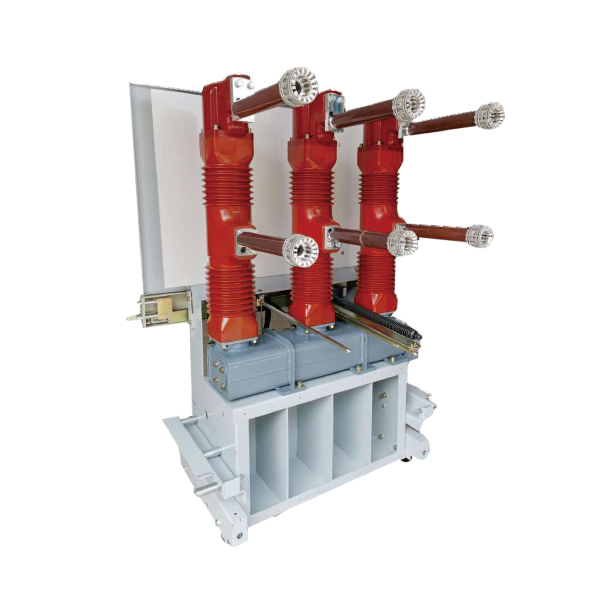
Table: Indoor vs Outdoor Dead‑Tank SF6 Circuit Breakers
| COMPARISON ITEM | INDOOR DEAD‑TANK SF6 CIRCUIT BREAKERS | OUTDOOR DEAD‑TANK SF6 CIRCUIT BREAKERS |
|---|---|---|
| Main Applications | Substation buildings, underground stations, data centers | Open-air substations, transmission switchyards, generation interconnection |
| Design Priority | Compactness, gas sealing, heat dissipation | Weather resistance, corrosion protection, structural durability |
| Environmental Requirements | Controlled indoor environment, lower weather exposure | Wide temperature range, wind, UV, humidity, pollution, icing |
| Protection Level | Less emphasis on severe outdoor weathering | Typically IP54 or above for relevant enclosure sections |
| Mechanical Considerations | Space optimization and maintenance access | Anti-seismic, anti-wind, low-temperature anti-liquefaction design |
| Leakage Focus | Very high, due to enclosed building operation | High, with emphasis on long outdoor service life |
| Future Direction | Gradual shift toward low-SF6 or SF6-free solutions in selected scenarios | Alternative gas plus intelligent online monitoring for HV/EHV duty |
Global Leading Players in Dead‑Tank SF6 Circuit Breakers
The global market is concentrated among a small number of experienced manufacturers with long operating histories, advanced test capability, and strong installed-base trust. These are not easy positions to build.
In practical purchasing decisions, utilities usually favor companies with decades of field validation, deep service teams, and proven conformity to IEC or IEEE frameworks.
At the same time, capable emerging manufacturers can still win business, especially in export markets, if they demonstrate robust engineering, competitive cost-performance, and reliable lifecycle support. This is where brands such as Weisho Electric can become increasingly relevant in discussions around replacement projects, OEM partnerships, and international bidding where buyers seek a balance between technical confidence and commercial agility.
Hitachi Energy

Hitachi Energy is one of the best-known global names in the dead-tank segment. Its portfolio covers dead-tank circuit breakers up to 245 kV, with a modular design philosophy that supports practical serviceability.
A notable feature is support for live current transformer replacement in certain configurations, which can reduce outage complexity in specific utility applications.
Its platforms typically offer:
Spring or hydraulic-spring operating mechanisms.
Short-circuit breaking capability up to 90 kA.
Strong asymmetrical breaking performance.
Suitability for severe environments, including seismic and high-altitude sites.
Digital condition monitoring support.
The company’s strongest advantage is not only product design but also its global service network, which utilities value highly for installed-base support.
Mitsubishi Electric

Mitsubishi Electric has long been a major player in high-voltage switching equipment, with dead-tank coverage spanning roughly 72.5 kV to 800 kV.
Its dead-tank designs are associated with puffer interruption technology, broad standards compliance, and low-maintenance operating philosophy.
Key characteristics include:
Maintenance-free spring mechanism options in certain designs.
Optional SF6/CF4 mixed-gas configurations for low-temperature adaptability.
Single-pole independent operation (IPO) availability for specific system requirements.
IEC and IEEE compliance, helping across regional procurement environments.
Mitsubishi’s strength lies in combining a wide voltage range with conservative, field-proven engineering that utilities often regard as low operational risk.
Siemens Energy

Siemens Energy is especially strong in outdoor high-voltage switching through its 3AP and 3AT product platforms, reaching up to 550 kV.
The company is well recognized for low-leakage engineering and operation under severe climate conditions.
Outdoor-focused platforms dominate its dead-tank positioning.
SF6/CF4 gas mixture options support operation down to very low temperatures, including around -60°C in specific solutions.
Excellent annual leakage-rate control is a competitive plus.
Active SF6-free development includes vacuum circuit breaker prototypes undergoing field testing.
One strategic point is worth noting: Siemens Energy does not position indoor dead-tank products prominently, because indoor applications are often served through GIS alternatives instead.
HICO America

HICO America is a significant supplier in the North American market, covering roughly 72.5 kV to 800 kV and aligning closely with IEEE-based utility requirements.
Its product proposition is built around ruggedness, North American compliance, and practical lifecycle features.
Double sealing systems to reduce gas leakage.
Spring or hydraulic-pneumatic mechanisms.
Integrated CT and intelligent monitoring options.
Suitability for high-altitude and seismic regions.
HICO’s strong regional fit makes it particularly relevant for utility replacement and renewable interconnection projects in the US and Canada.
Table: Global Leading Dead‑Tank SF6 Circuit Breaker Manufacturers
| MANUFACTURER | VOLTAGE RANGE | KEY TECHNOLOGY FEATURES | OPERATING MECHANISM | TARGET MARKETS | COMPETITIVE STRENGTHS |
|---|---|---|---|---|---|
| Hitachi Energy | Up to 245 kV | Modular design, live CT replacement support, strong asymmetrical breaking, digital monitoring | Spring / hydraulic-spring | Global utilities, harsh-environment substations | Global service network, strong reliability reputation |
| Mitsubishi Electric | 72.5–800 kV | Puffer interruption, low-maintenance options, SF6/CF4 low-temperature adaptability, IPO | Spring | Utilities and generation projects worldwide | Wide voltage coverage, IEC/IEEE compliance |
| Siemens Energy | Up to 550 kV | 3AP/3AT platforms, low leakage, very low-temperature gas-mixture operation, SF6-free prototype testing | Platform-dependent stored-energy mechanisms | Outdoor HV/EHV substations | Outdoor specialization, transition strategy beyond SF6 |
| HICO America | 72.5–800 kV | Double sealing, integrated CTs, smart monitoring, IEEE-based designs | Spring / hydraulic-pneumatic | North American utilities and renewable projects | Regional compliance strength, seismic and altitude suitability |
Latest Global Power Transmission Equipment Industry Trends
The current global power transmission equipment industry trends affecting dead-tank breakers can be summarized in four words: decarbonize, digitize, extend, qualify.
Manufacturers must decarbonize gas technology, digitize monitoring, extend service life intelligently, and qualify new products under tougher technical and regulatory scrutiny.
Trend 1: Environmental Transition Beyond SF6
The biggest structural trend is the move away from unrestricted SF6 use. In Europe, the F-Gas regulatory framework has established a clear direction of travel, with progressively tighter pressure on fluorinated greenhouse gases.
The industry response is split across two main routes:
C4F7N-based gas mixtures as a nearer-term substitute path for some high-voltage classes.
Vacuum interruption plus alternative insulation concepts as a longer-term SF6-free solution.
China’s manufacturers and research ecosystem have already pushed C4F7N equipment into pilot projects and export-oriented engineering activity, which is a meaningful sign that commercialization is no longer purely theoretical.
Trend 2: Smart Monitoring and Condition-Based Maintenance
Digitalization is no longer optional in premium projects. Buyers increasingly expect breakers to support condition-based maintenance instead of fixed-interval servicing.
Typical monitoring points include:
Gas density monitoring.
Mechanical signature and travel analysis.
Operation count and timing consistency.
Contact wear or life estimation.
Temperature and auxiliary status diagnostics.
This trend helps utilities reduce unnecessary maintenance while intervening earlier when deterioration starts to appear.
Trend 3: SF6 Recovery, Purification, and Reuse During the Transition
The installed base is too large to replace overnight. That is why one of the most practical transition strategies is not immediate elimination, but closed-loop gas lifecycle management.
Recovery, purification, and reuse systems help reduce emissions during maintenance, refurbishment, and decommissioning. This approach is particularly important in regions where fleets of older equipment will remain operational for years before complete replacement.
Trend 4: Demand from Grid Modernization and Energy Transition Projects
Grid modernization is supporting demand even in markets with strong environmental pressure. Renewable integration, resilience reinforcement, and major generation projects all require dependable switching assets.
Key growth anchors include:
Renewable transmission interconnection.
Pumped hydro expansion.
Nuclear power investment.
Replacement of aging substations.
Climate-resilient transmission infrastructure.
Real-World Industry Examples and Evidence
Consider Europe first. Utilities there are under some of the world’s strongest environmental pressure regarding SF6 use. Yet in many critical transmission replacement projects, operators still specify proven dead-tank or equivalent gas-insulated interruption solutions because technical risk, outage scheduling, and system reliability outweigh immediate technology experimentation.
In North America, utility asset replacement programs continue to target older high-voltage breakers with improved low-leakage, digitally monitored products. IEEE compliance, seismic rating, and lifecycle service capability remain central in procurement scoring.
In China, environmental gas substitution has moved past lab-only discussion. Pilot deployments and export-oriented engineering based on C4F7N mixed-gas solutions show that alternative pathways are developing, though wide-scale long-duration field confidence still takes time to build.
At the same time, many EPC contractors and utility buyers in emerging markets still prioritize three things above all else: availability, affordability, and proven fault-clearing performance. That explains why conventional SF6 dead-tank breakers continue to sell, even while the industry openly prepares for cleaner successors.
Manufacturers that can bridge both eras will have an edge. In that context, companies such as Weisho Electric have an opportunity if they can combine dependable conventional product engineering with a credible roadmap for smarter monitoring, tighter leakage control, and future alternative-gas adaptation.
Growth Opportunities in the Dead‑Tank SF6 Circuit Breaker Market
The opportunity set is still meaningful, but it is selective. Winning in this market requires knowing exactly where the best revenue pools are.
Replacement Demand in Mature Markets
Europe, the United States, Japan, and parts of developed Asia have large installed fleets approaching replacement age. For utilities, replacing like-for-like with a proven high-reliability platform is often the least disruptive path.
This creates near-term opportunities for manufacturers that can offer:
strong installed references,
tight outage execution support,
low leakage performance,
full standards compliance.
New Energy and Large Infrastructure Projects
Some project types will remain strong demand anchors regardless of broader market cyclicality.
Pumped storage: large unit sizes and critical grid-balancing role favor premium switchgear.
Nuclear power: reliability and qualification standards support high-value orders.
Major transmission corridors: still require robust breaker fleets for line and transformer bays.
Export Expansion in Emerging Markets
Southeast Asia, Africa, the Middle East, and Latin America continue to build and upgrade transmission infrastructure. In these regions, there is often a practical market opening for cost-competitive but technically credible suppliers.
For qualified exporters, this can be one of the most attractive growth channels, especially when backed by local service capability, regional certification strategy, and financing support.
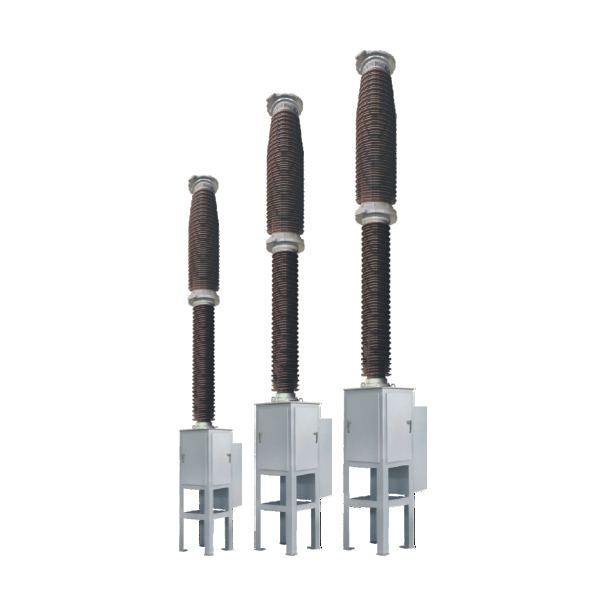
Key Challenges Facing the Industry
The market is attractive, but the friction points are real and cannot be glossed over.
Environmental Alternative Technology Gaps
Alternative-gas products still face several hard engineering challenges.
Low-temperature liquefaction risk can complicate cold-region deployment.
Limited long-term operating evidence creates caution among conservative utilities.
Higher manufacturing cost reduces immediate commercial competitiveness versus mature SF6 designs.
Supply Chain Dependence
Some parts of the industry remain dependent on externally sourced advanced mechanisms, sensors, and specialty gas technologies. This creates vulnerability in lead times, cost structure, and localization efforts.
For newer entrants, it also makes quality consistency harder to control across batches and export destinations.
Price Competition and Margin Compression
Not every project rewards innovation. In many tenders, especially price-led ones, manufacturers face strong downward pressure from utilities, EPCs, or industrial buyers.
The danger is strategic: if margin compression becomes severe, suppliers may struggle to maintain high R&D intensity just when the market demands greener and smarter product evolution.
Entry Barriers for New Manufacturers
This industry is firmly technology-intensive and capital-intensive. Entering it is difficult; scaling credibly is harder.
High Technical Complexity
Success requires command of multiple engineering disciplines at once:
gas discharge physics,
high-voltage insulation coordination,
precision mechanical design,
dynamic operating mechanism behavior,
long-life sealing technology,
interrupting chamber optimization.
These are not competencies that can be assembled overnight from generic industrial know-how.
Heavy Capital Investment
The capex burden is substantial. Serious market participants need:
high-power test stations,
type-test capability,
precision production lines,
tooling and fixtures,
quality systems and traceability infrastructure.
Without this foundation, it is nearly impossible to compete for utility-grade business at scale.
Certification and Qualification Hurdles
IEC, IEEE, and third-party certifications such as KEMA or equivalent type-test validation are major barriers. Even after formal testing, many utilities still require lengthy approval processes, reference checks, and site-specific technical reviews.
That slows new market entry dramatically.
Brand Trust and Installed-Base Advantage
Perhaps the hardest barrier is trust. Grid customers buy breakers expecting decades of dependable service under fault conditions they hope never to experience.
As a result, buyers strongly prefer vendors with a long fault-free record, service depth, spare parts assurance, and a known response capability during emergencies. Established global brands therefore hold a durable moat through experience, patents, channels, and installed references.
Table: Opportunities, Challenges, and Entry Barriers at a Glance
| CATEGORY | MAIN POINTS | STRATEGIC IMPLICATION |
|---|---|---|
| Opportunities | Installed-base replacement in Europe, US, Japan | Proven SF6 products still have near-term sales relevance |
| Opportunities | Pumped storage, nuclear, major transmission projects | High-specification demand supports premium margins |
| Opportunities | Emerging market exports in Southeast Asia, Africa, Middle East, Latin America | Qualified exporters can scale through infrastructure growth |
| Challenges | Alternative-gas cost and low-temperature limits | SF6-free transition will be gradual, not immediate |
| Challenges | Supply chain dependence on advanced components and specialty gases | Localization and sourcing resilience become competitive priorities |
| Challenges | Price competition and compressed margins | R&D funding and product differentiation are under pressure |
| Entry Barriers | High technical complexity in interruption, insulation, mechanics, sealing | New entrants need deep multidisciplinary engineering capacity |
| Entry Barriers | Heavy capex for testing and manufacturing | Scale-up requires long-term capital commitment |
| Entry Barriers | IEC/IEEE/KEMA and utility qualification hurdles | Certification timeline delays commercialization |
| Entry Barriers | Brand trust and installed-base reputation | Field references and after-sales support are decisive |
Strategic Outlook: What Buyers, Investors, and Manufacturers Should Watch Next
The dead-tank breaker business is evolving on two tracks at once.
Track one is the cash-generating installed-base and replacement market, where conventional SF6 equipment still plays a central role because reliability, qualification maturity, and project timing matter more than theoretical future preference.
Track two is the technology transition market, where alternative gases, vacuum-based architectures, and intelligent diagnostics are reshaping long-term competition.
Smart market participants should watch the following signals closely:
Regulatory timing: especially EU and other regional limits on SF6 use.
Field validation of C4F7N-based products: not just pilot launches, but multi-year operating data.
SF6-free high-voltage platform maturity: especially for harsh outdoor duty.
Utility digitalization requirements: online monitoring is becoming a bid qualifier, not an option.
Regional replacement cycles: aging substations in mature markets remain the most immediate demand source.
Supply-chain sovereignty: control over mechanisms, sensors, and gas technologies will matter more.
For manufacturers, the winning strategy is unlikely to be “all old” or “all new.” It will be the ability to monetize today’s SF6 replacement demand while building credible capability for tomorrow’s low-GWP or SF6-free switching portfolio.
FAQ
What is the difference between a dead‑tank and a live‑tank circuit breaker?
A dead-tank circuit breaker places the interrupter inside a grounded metal enclosure, while a live-tank breaker places the interrupting chamber at line potential on insulating supports. The grounded tank improves personnel safety, supports integrated current transformer design, and usually offers better structural rigidity in seismic applications.
Why is SF6 used in dead‑tank circuit breakers?
SF6 is used because it combines excellent dielectric insulation with very strong arc-quenching capability. That makes it highly effective for high-voltage interruption, especially in transmission-class applications requiring dependable short-circuit clearing.
Are dead‑tank SF6 circuit breakers being phased out?
Not immediately. Environmental regulation is pushing the market toward lower-GWP and SF6-free alternatives, but dead-tank SF6 breakers remain critical for installed-base replacement, high-reliability utility projects, and applications where long-proven field performance is still the top priority.
What industries use dead‑tank SF6 circuit breakers most?
The main users are electric utilities, power plants, heavy industrial facilities, data centers, and rail transit systems. These sectors rely on them for fast fault isolation, continuity of supply, and protection of expensive primary electrical assets.
Who are the leading global dead‑tank SF6 circuit breaker manufacturers?
Among the most recognized global leaders are Hitachi Energy, Mitsubishi Electric, Siemens Energy, and HICO America. These companies stand out through voltage-class coverage, standards compliance, installed-base references, and strong service capability.
What are the biggest challenges in SF6-free alternatives?
The biggest barriers are higher cost, low-temperature performance risk, and limited long-term operating experience compared with conventional SF6 technology. Utilities generally want more field data before adopting alternative-gas or SF6-free platforms at large scale in critical transmission applications.
Why are entry barriers so high in this market?
Entry barriers are high because the market demands advanced interruption physics, precision mechanical design, high-voltage insulation expertise, costly testing infrastructure, strict certifications, and strong brand credibility. Utilities also prefer suppliers with decades of proven operating history.
Conclusion: The Market Is Evolving, Not Disappearing
The story of the dead-tank SF6 circuit breaker is not a simple decline narrative. It is a story of enduring technical relevance under rising environmental pressure.
Today, dead-tank SF6 breakers remain essential in substations, power plants, and industrial high-voltage systems because they deliver what operators need most: safe grounded construction, reliable high-current interruption, strong structural performance, and low lifecycle maintenance.
At the same time, the competitive landscape is shifting. Environmental regulation, alternative-gas development, smart monitoring, and stronger lifecycle gas management are all changing how the next generation of products will be designed, qualified, and purchased.
For buyers, the right decision is rarely ideological. It is about matching technical risk, compliance timing, lifecycle cost, and service support to the application in front of them.
For manufacturers, the path is equally clear: protect today’s installed-base opportunity, invest in tomorrow’s cleaner technologies, and prove value through quality, test credibility, and field performance.