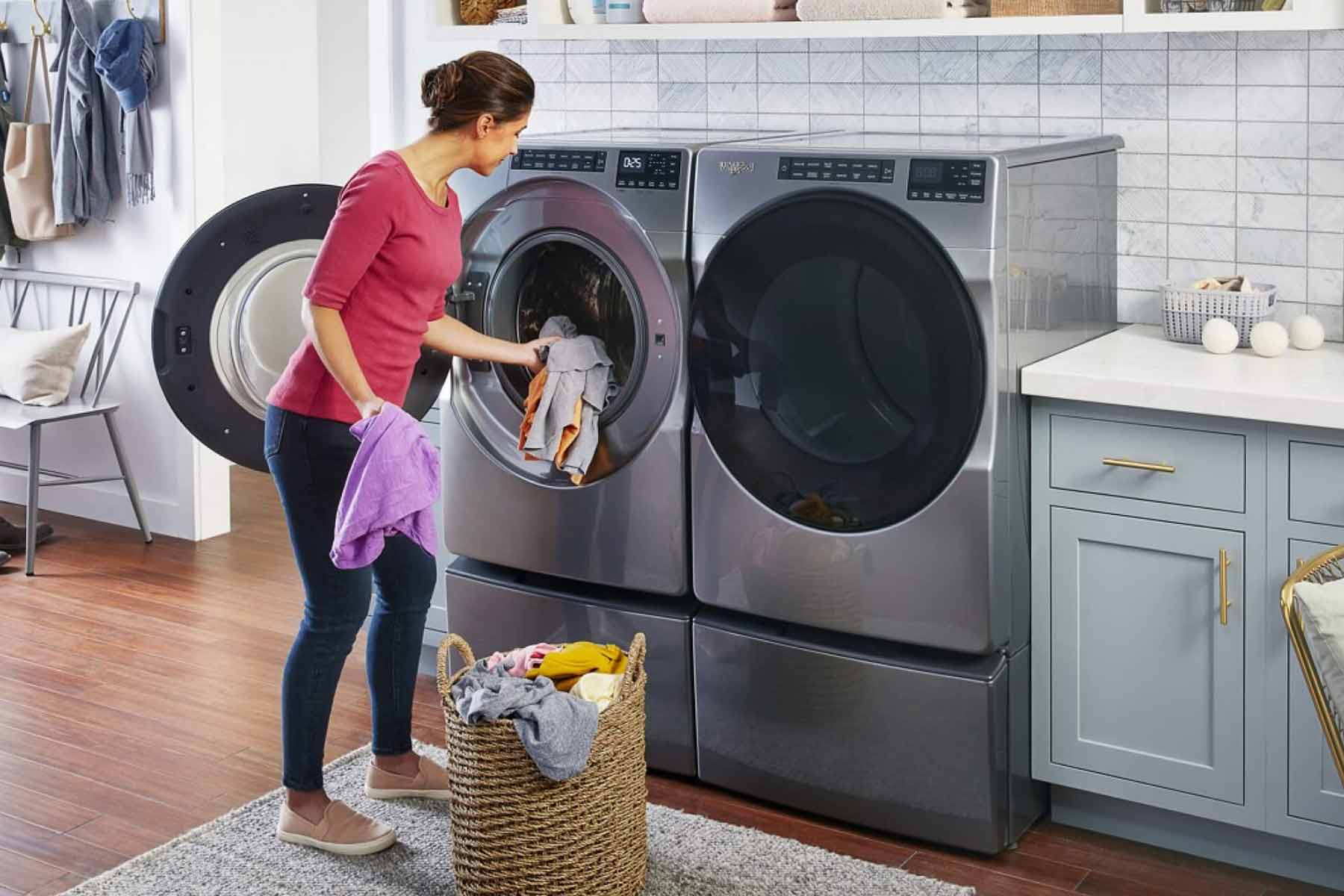
When it comes to your electric dryer, choosing the right circuit breaker is a critical and often overlooked safety step. An incorrect choice can lead to anything from annoying trips to a severe fire hazard.
This guide will provide you with a professional, step-by-step walkthrough. We'll ensure you make the most precise and safest choice possible, covering everything from reading your dryer's label to understanding electrical code.
Part One: The Definitive Source for All Decisions
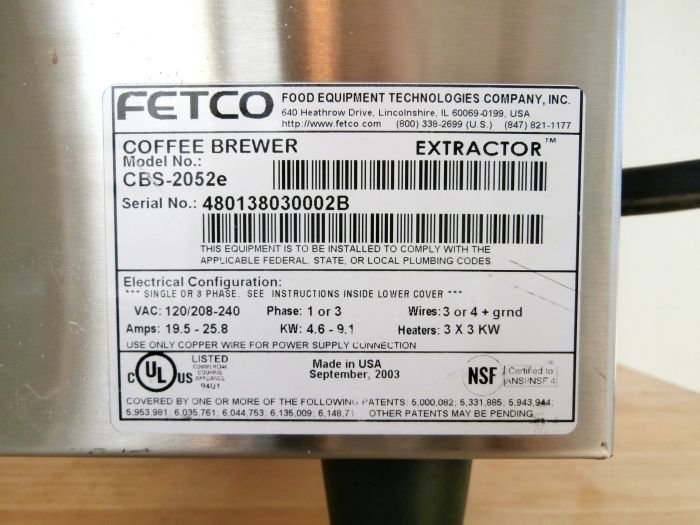
You should never guess or rely on internet forums for electrical work. Your dryer's manufacturer label is the only authoritative source for all the electrical data you need.
This "appliance ID" lists your machine's voltage, wattage, and amperage. Ignoring this crucial information is the number one mistake that leads to dangerous outcomes.
Note: The label is a sticker or plate typically located on the back of the dryer, on its base, or just inside the door frame. No matter if you have a Whirlpool, an LG, or another brand, this is the first thing you need to find to get key info like the LG dryer amperage.
Part Two: The Simple Math for a Safe Choice
How to size a breaker for a 240V or 208V dryerIf your label doesn’t directly list the amps, you can easily figure it out with a simple electrical formula. This rule is derived from Ohm’s Law and is the basis for all electrical sizing.
Formula: Amps (A) = Watts (W) ÷ Volts (V)
Example: For a dryer rated at 5400W and 240V, the calculation is 5400W ÷ 240V = 22.5A. If you are on a 208V system, commonly found in some apartments, the result is 5400W ÷ 208V = 25.96A. This is the number you'll use to select your breaker.
Why a 30A double-pole breaker is the. The National Electrical Code (NEC) requires a circuit breaker for a continuous-load appliance like a dryer to be rated for at least 125% of the required current. This adds a crucial safety buffer to prevent the breaker from overheating during long cycles.
Final Choice: Using our 25.96A example, the minimum breaker size you need is 25.96A x 1.25 = 32.45A. Since breakers come in standardized sizes, the correct and closest choice is a 30-amp, double-pole breaker, and this is why a double-pole 30-amp breaker for a dryer is the standard for most homes.
Part Three: Inside a Breaker & The Wire Match
How a breaker protects your home typical breaker contains two protection mechanisms: a thermal trip and a magnetic trip. The thermal trip is a bimetallic strip that bends and trips the breaker when a long-term overload occurs. The magnetic trip is a coil that instantly pulls the breaker open during a sudden short circuit.
The golden rule of matching wires and breakers breaker's only job is to protect the wiring. If the breaker and wire don't match, the whole system becomes a hazard. This is why a 30A breaker must always be paired with the correct wire.
Wire size for a 30A dryer circuitAccording to the NEC, a wire used for a 30-amp circuit must be able to safely handle at least that much current. For copper wire, this means you must use 10 AWG copper wire, a standard that is non-negotiable for safety. Using a smaller wire, like 12 AWG, will cause it to overheat during the dryer's operation, which can lead to a fire.
Part Four: Debunking a Dangerous Myth
Is a 40A breaker safer for a dryer? This is an incredibly common misconception that is also extremely dangerous. A 40-amp breaker for a dryer is a fire waiting to happen, as breakers are designed to protect the wiring, not the appliance itself.
If your circuit uses 10 AWG wire (rated for a max of 30A) but has a 40A breaker, the breaker will likely not trip during an electrical fault. This allows the wire to continuously overheat until its insulation melts, leading to a fire.
Part Five: FAQ & Safety
Q: Why does my dryer breaker keep tripping?
A: A tripping breaker is usually doing its job, protecting the circuit. Common causes include an overloaded circuit, a loose connection, or a failing heating element.
Q: Are there any signs of a bad breaker?
A: A bad breaker may feel hot to the touch or fail to reset after it has tripped. In these cases, it must be replaced immediately by a professional.
Q: Where can I find my dryer's breaker?
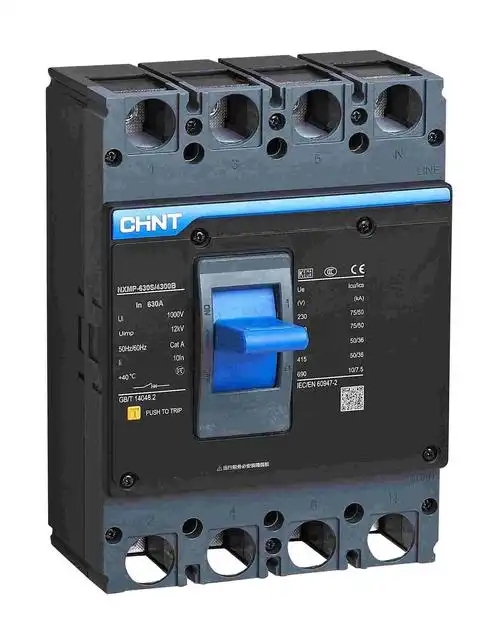
A: The dryer circuit breaker location is typically in your home's main electrical panel. It is usually a large, double-pole switch labeled "Dryer."
Q: When should I hire a professional?
A: If you are unsure about any part of this process, including finding the correct ratings or installing the breaker, you should hire a licensed electrician. Their expertise is the safest possible investment.
Summary: A Quick Guide to Safety
Choosing the right breaker is a fundamental step in ensuring your home's electrical safety. Always follow the golden rule of "check the label, then pick the breaker," and never take shortcuts.
Here's a quick summary of the key steps:
Step 1: Read the Label: The manufacturer's label is your only source for ratings, regardless of the brand.
Step 2: Calculate & Choose: Use the formula Amps = Watts / Volts, then select a breaker rated for 125% of that result.
Step 3: Match Your Wires: A 30A breaker must always be paired with 10 AWG copper wire.
Step 4: Avoid the Risk: Never use a larger-than-needed breaker; it's a major fire hazard.
Step 5: Call a Pro: If you have any doubts, hire a licensed electrician to do the job right.