Neither dry type transformers nor oil immersed transformers are universally better. The right choice depends on where the transformer will be installed, what fire code applies, how much maintenance support the site has, what the load profile looks like, and how the total installed cost works out.
For most indoor, occupied, and fire-sensitive buildings in the U.S., dry type is often the practical first choice. For outdoor, high-capacity, and utility or industrial duty, oil immersed is often the stronger fit.
If you are evaluating dry type transformer vs oil immersed transformer options for a real project, the smartest approach is not to ask which one is “best” in the abstract. The real question is which one is code-compliant, cost-effective, and operationally realistic for your site.
Why Transformer Selection Matters for U.S. Projects
Transformer selection affects much more than equipment price. It can change the room layout, fire-rating requirements, containment scope, ventilation design, maintenance plan, insurance review, and even permit approval timing.
On U.S. commercial and industrial projects, a poor transformer choice often creates hidden costs. A unit that looked cheaper on the purchase order can become more expensive once oil containment, fire barriers, access clearances, ventilation upgrades, and long-term maintenance are added.
This is especially true in indoor vs outdoor transformer applications. A transformer that works perfectly well outdoors may become much more complicated indoors due to fire protection and Authority Having Jurisdiction, or AHJ, review.
Engineers, facility owners, electrical contractors, and developers all run into the same reality: transformer selection is a compliance decision as much as an electrical decision.
In healthcare, mixed-use buildings, schools, office towers, data centers, and underground electrical rooms, the installation environment can dominate the choice. In substations, solar farms, wind collection systems, and heavy industrial yards, loading and thermal performance often dominate instead.
That is why experienced suppliers such as Weisho Electric do not start with a one-size-fits-all recommendation. They start with location, fire risk, load duty, maintenance expectations, and local code constraints.
Dry Type Transformer vs Oil Immersed Transformer: Core Design Differences
The basic design difference is straightforward, but its consequences are major.
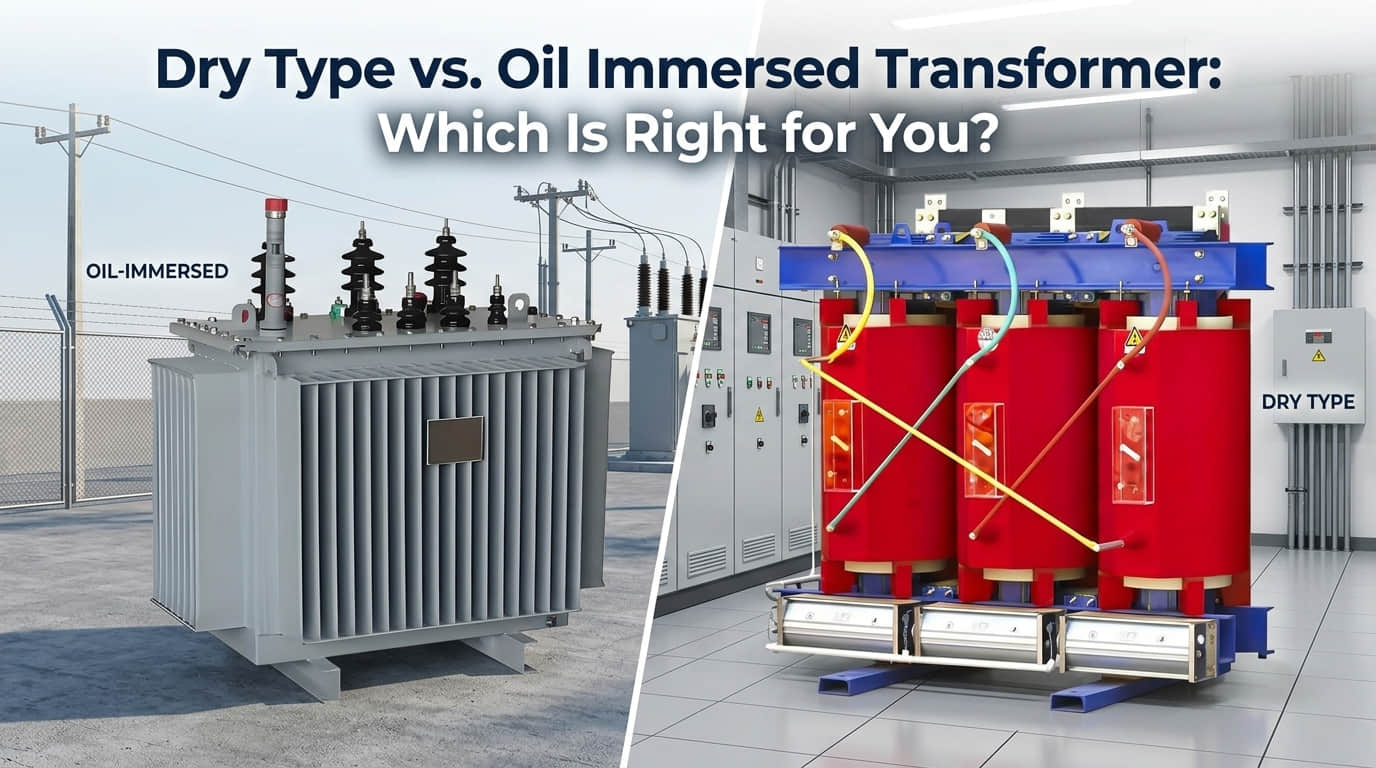
Oil immersed transformers use insulating liquid, typically mineral oil, around the core and windings. That oil provides both electrical insulation and heat removal.
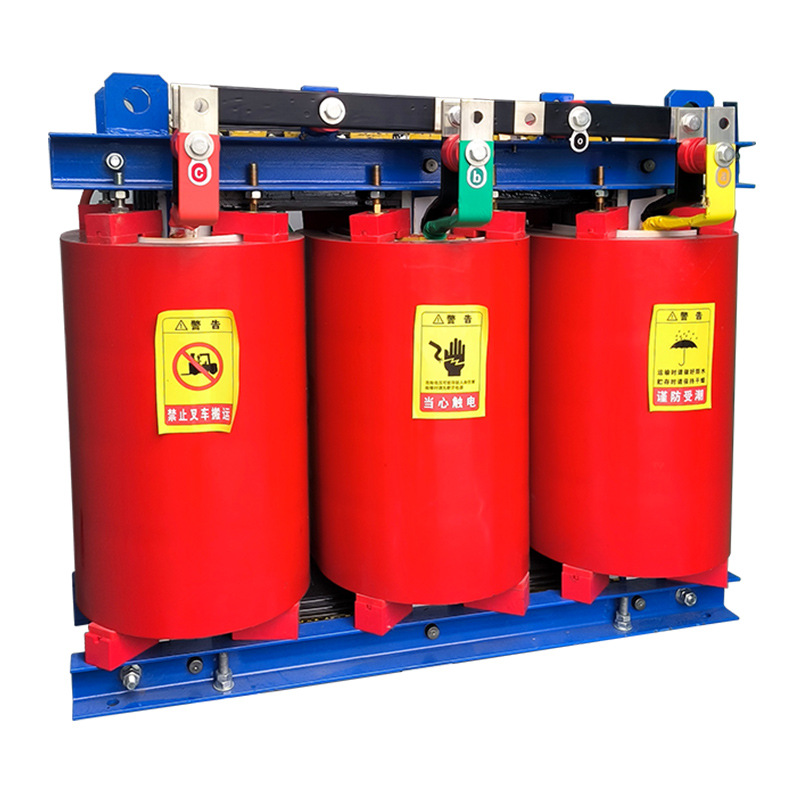
Dry type transformers do not use insulating oil. Their windings are commonly cast in epoxy resin or otherwise insulated and cooled by air, either natural air circulation or forced-air fans.
This one design difference drives most of the practical differences in transformer fire safety and insulation comparison, maintenance burden, indoor suitability, leakage risk, overload behavior, and project cost.
How an Oil Immersed Transformer Works
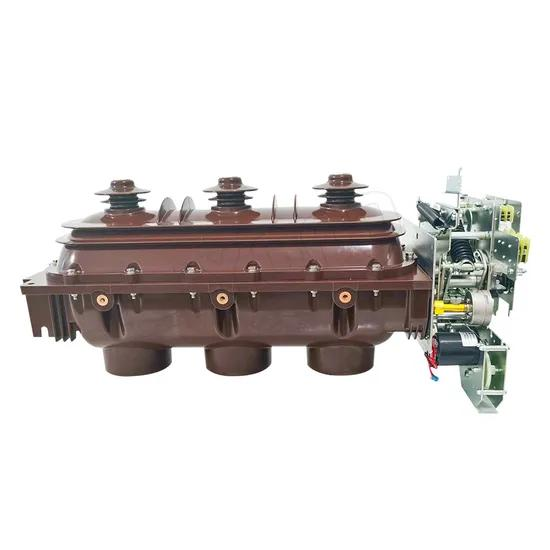
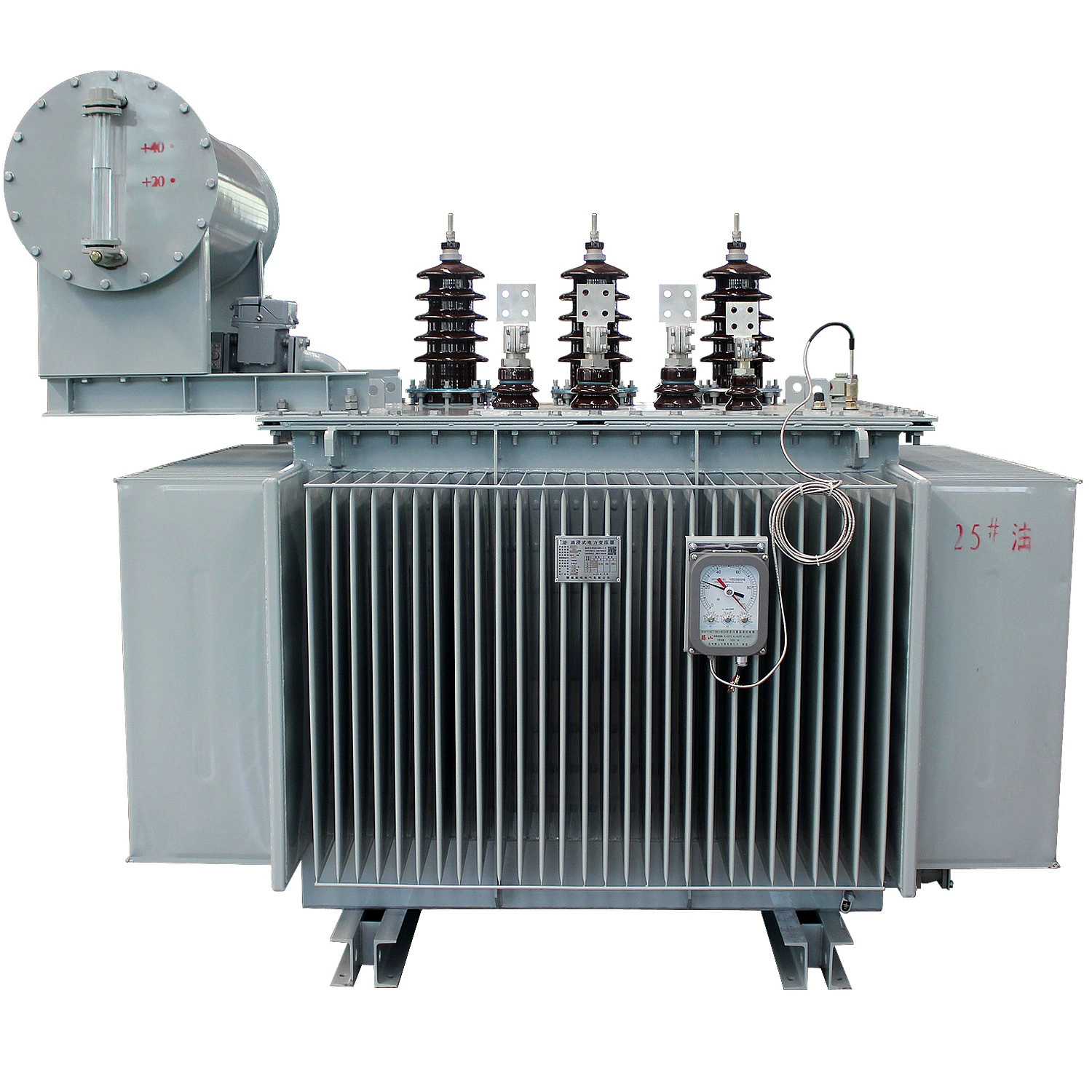
In an oil immersed transformer, the core and coils are immersed in insulating oil inside a sealed tank. The oil acts as a dielectric medium and also absorbs heat generated by electrical losses.
That heat moves through the oil and is released through the tank walls and radiators. In larger designs, oil circulation and radiator geometry give these transformers a strong thermal advantage, especially under heavy continuous loading.
This is one reason oil immersed units remain the standard choice in many outdoor substations and utility-scale projects. They are thermally efficient, proven, and often more compact at higher ratings than comparable dry type units.
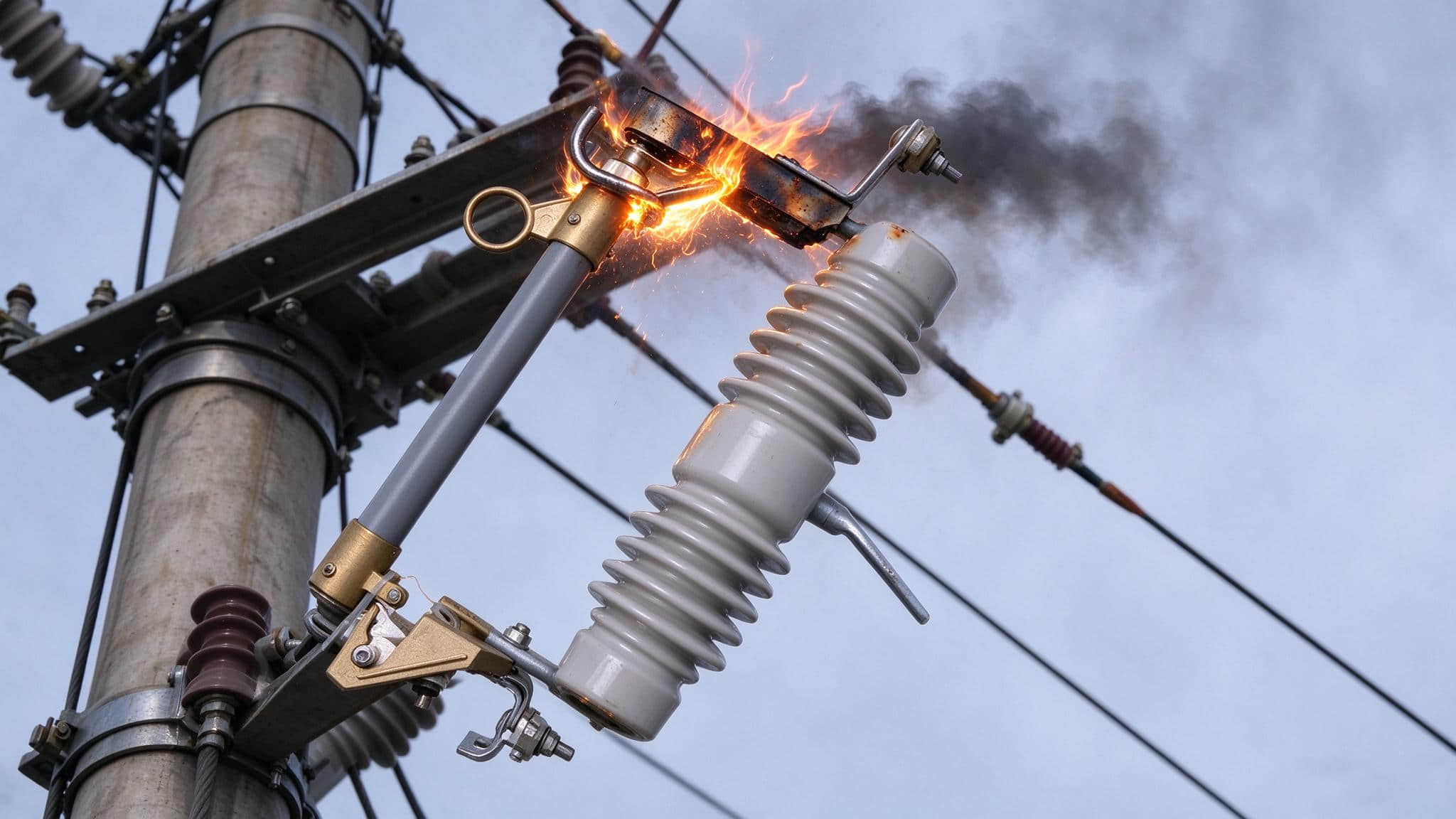
But oil introduces tradeoffs. Mineral oil is combustible, leaks are possible, seals must be monitored, and oil condition matters over time.
How a Dry Type Transformer Works
In a dry type transformer, the windings are usually cast in epoxy resin or protected by non-liquid insulation systems. Heat is removed directly to surrounding air.
Cooling is either air natural, often abbreviated AN, or forced air, often called AF. Since there is no insulating oil, there is no oil leak risk and no liquid fuel source inside the transformer enclosure.
That makes dry type transformers especially attractive inside buildings. Hospitals, office towers, shopping centers, schools, airports, data centers, and basement substations frequently use them because they simplify indoor risk management.
The tradeoff is thermal headroom. In many comparable applications, dry type units have less overload tolerance than oil immersed designs and become physically larger at high kVA ranges.
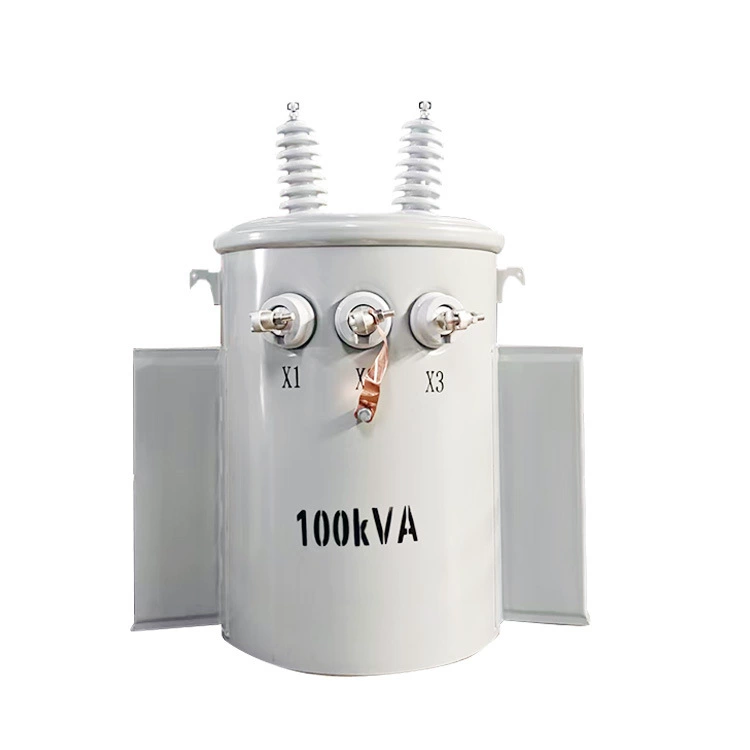
Dry Type vs Oil Immersed Transformer Comparison Table
| SELECTION FACTOR | DRY TYPE TRANSFORMER | OIL IMMERSED TRANSFORMER | BEST FIT |
|---|---|---|---|
| Insulation medium | Epoxy resin / air | Mineral oil | Depends on site risk |
| Cooling method | Air natural or forced air | Oil circulation + radiators | Oil for heavier thermal duty |
| Fire safety | Self-extinguishing, lower fire risk | Combustible oil increases fire risk | Dry type for occupied buildings |
| Leak risk | No oil leak risk | Possible oil leakage | Dry type for indoor sensitive sites |
| Installation location | Strong for indoor use | Often preferred outdoors | Site-dependent |
| Initial purchase cost | Higher at same kVA | Lower at same kVA | Oil immersed for lower capex |
| Maintenance needs | Low, mostly cleaning | Higher, includes oil testing | Dry type for limited staff |
| Overload capability | More limited thermally | Better thermal and overload performance | Oil immersed for industrial loads |
| Large-capacity suitability | Bulkier at high ratings | Strong for large capacity/high voltage | Oil immersed |
| Fire-protection construction | Usually simpler | May require containment/fire barriers | Dry type indoors |
| Lifecycle economics | Often favorable indoors | Often favorable outdoors/high power | Depends on project design |
Fire Safety and Insulation Comparison
In real projects, transformer fire safety and insulation comparison is often where the decision becomes clear.
It is not that every oil immersed transformer is unsafe. Far from it. Oil immersed units are widely used and can be installed safely when the site design, separation, containment, and maintenance practices are right.
But if the transformer is going inside an occupied building, fire protection complexity usually shifts the advantage toward dry type equipment.
Why Dry Type Transformers Are Preferred Indoors
Dry type transformers are commonly chosen for hospitals, office buildings, shopping malls, universities, airports, data centers, and underground electrical rooms because they do not contain combustible insulating oil.
That matters for two reasons. First, there is lower fire risk. Second, there is no oil leak concern around occupied spaces, finished interiors, sensitive electronics, or below-grade rooms.
In practical terms, that can simplify room design. Owners may avoid oil containment details, dedicated collection pits, extra fire-rated construction, and the long-term concern of a liquid-filled device inside a building core.
For example, in multi-story office towers in U.S. cities, service transformers are frequently located in basement electrical rooms or lower service floors. In those conditions, dry type often wins even when the equipment itself costs more, because the building-side compliance burden is lower.
Why Oil Immersed Transformers Face More Fire-Protection Requirements
Oil immersed transformers contain a combustible insulating fluid. Because of that, installation details may trigger extra design measures depending on transformer size, fluid type, room location, ventilation, separation distance, and local code interpretation.
Possible measures include oil containment, spill control, clear separation from the building, fire-rated barriers, or other protective construction. Outdoor placement is often preferred because it reduces the difficulty of meeting these requirements.
From a project budgeting standpoint, this is where many early estimates go wrong. Teams compare only the transformer purchase price and miss the cost of the surrounding infrastructure.
That is why a lower-priced oil immersed transformer can end up costing more if the site is indoors and the design must add room modifications, containment work, or fire-protection features.
U.S. Code and Compliance Considerations
Final selection must align with the National Electrical Code (NEC), local fire code, utility interconnection rules where applicable, insurer requirements, and AHJ review.
In many projects, NEC compliance alone is not the whole story. Local building departments, fire marshals, utilities, and owner standards can each add conditions.
Some developers working across regions also compare international requirements. If a project team is sourcing globally or standardizing designs across countries, they may also need to consider AS/NZS standards alongside U.S. requirements for reference or parallel compliance strategy.
The key point is simple: do not select by catalog alone. Select by code path, location, and installation context.
Maintenance Requirements: Dry Type vs Oil Immersed Transformer
Maintenance is one of the most underestimated parts of transformer ownership.
People often focus on nameplate rating and price, but long-term reliability depends on whether the site can realistically support the maintenance regime required by the transformer type.
This is especially important in distributed facilities, remote sites, lean-staff buildings, and owner-operated plants.
Dry Type Transformer Maintenance Checklist
Dry type units are generally simpler to maintain. That is one of the biggest practical advantages in commercial buildings.
Typical tasks include:
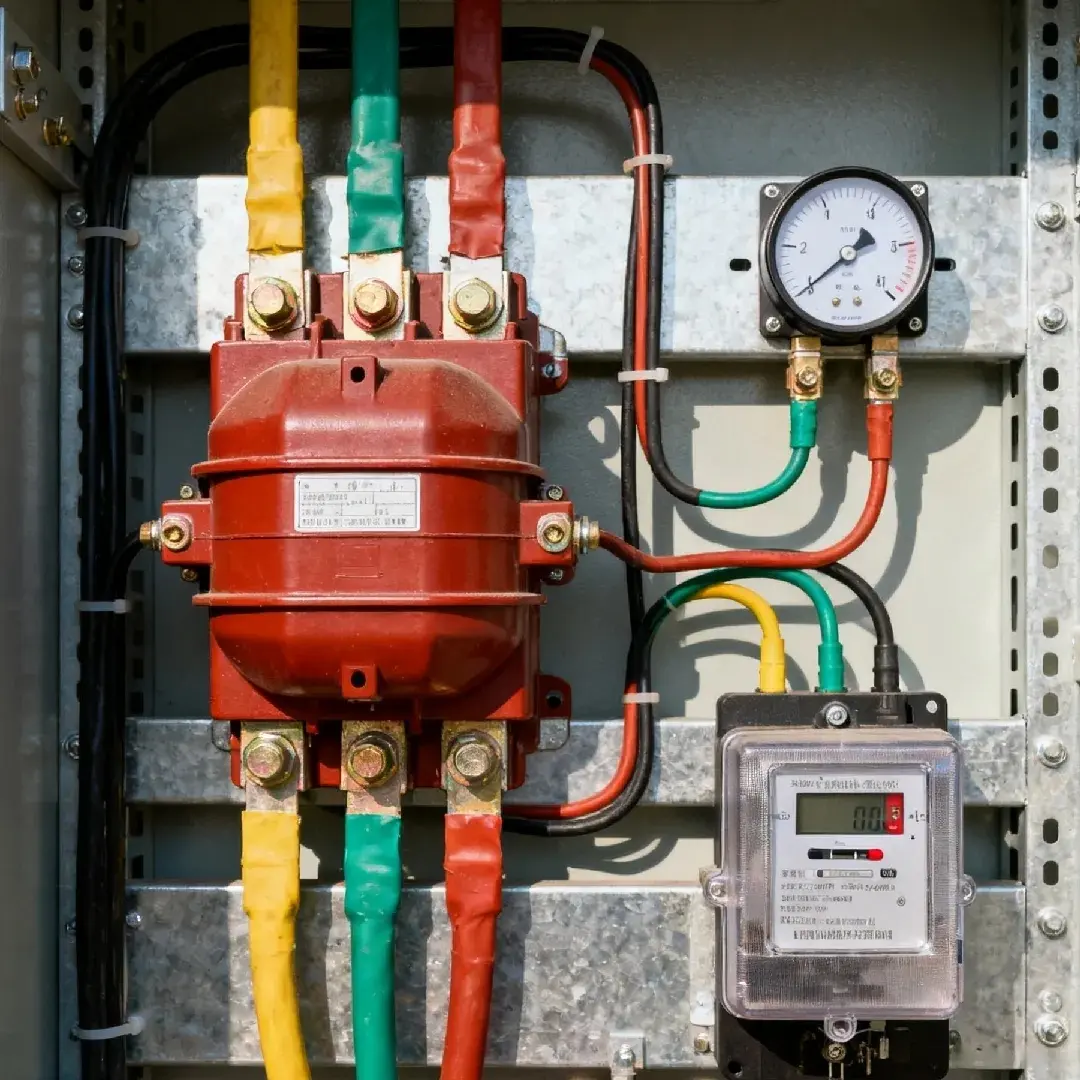
Visual inspection of windings, insulation surfaces, and terminations
Removal of dust and debris that can impair cooling or tracking resistance
Ventilation path inspection
Fan operation check on forced-air models
Thermal scanning of connections during preventive maintenance
Inspection for overheating signs, discoloration, or loose hardware
In most indoor facilities, these tasks fit naturally into standard electrical preventive maintenance programs. No oil sampling, no fluid handling, and no chemical analysis are required.
Oil Immersed Transformer Maintenance Requirements
Oil immersed transformer maintenance requirements are broader and more technical. That does not make them a poor choice, but it does mean the owner needs a realistic service plan.
Typical maintenance tasks include:
Dissolved Gas Analysis, or DGA, to identify internal fault indicators
Oil level inspection
Seal and gasket inspection
Moisture monitoring
Dielectric testing of insulating oil
Leak inspection and spill prevention review
Bushing inspection
Temperature indicator and pressure device checks
Radiator and cooling system inspection
DGA is especially important on medium and large oil immersed units because it can detect developing issues before failure. Utilities and large industrial operators rely on this heavily.
According to widely used industry maintenance practice, annual or periodic oil testing is routine for critical transformers, while more comprehensive analysis intervals depend on duty, age, and asset criticality. For mission-critical equipment, some operators sample more frequently.
This is where staffing matters. If a facility has no in-house high-voltage maintenance capability and limited service contractor access, an oil immersed transformer may become an operational burden.
Which Transformer Is Better for Low-Maintenance Facilities?
For low-maintenance facilities, dry type is usually better.
If the site is a hospital campus support building, a commercial tower, a school, a municipal building, or a property portfolio with lean technical staffing, dry type transformers usually align better with available maintenance resources.
Oil immersed transformers make more sense where preventive maintenance infrastructure already exists. That includes utilities, renewable energy sites, heavy industry, and larger outdoor electrical yards.
Cost, Performance, and Lifecycle Value
Cost comparison is where many buyers make the wrong decision if they look only at purchase price.
A transformer is not just an equipment line item. It is part of an installed system that includes room design, fire protection, access, ventilation, civil work, containment, maintenance, and service life.
The right question is not “Which transformer is cheaper?” It is “Which transformer is cheaper for this site over its service life?”
Initial Cost Comparison
At the same kVA rating, oil immersed transformers are usually cheaper to buy than dry type transformers. In many routine commercial and industrial procurement comparisons, oil immersed pricing comes in lower.
Dry type units often cost more upfront because cast resin winding construction and indoor-oriented insulation systems are more expensive.
Real-world procurement ranges vary by voltage class, BIL, enclosure, efficiency level, and manufacturer, but a common market benchmark is that dry type can be roughly 10% to 30% higher in equipment price at comparable ratings. In some specialty indoor or low-noise applications, the gap can be wider.
That said, this gap does not tell the full story.
Operating Performance Under Heavy Loads
Oil immersed transformers usually perform better under sustained heavy thermal duty. The oil and radiator system remove heat effectively, which supports higher continuous loading and stronger overload tolerance.
This is why large outdoor substations, industrial process loads, and utility-scale renewable projects frequently use oil immersed units. At higher capacities, they are often more compact and more thermally forgiving.
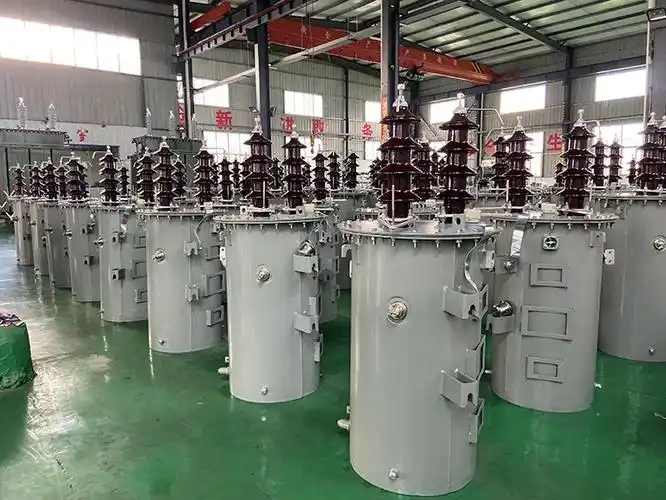
For example, in utility-scale solar installations using pad-mounted step-up transformers, outdoor ambient conditions and continuous daytime loading favor oil immersed designs. The thermal margin is valuable when daytime peaks coincide with elevated ambient temperature.
Dry type transformers can absolutely serve demanding loads, but as ratings increase they often become larger, heavier indoors, and more constrained by ventilation and room heat rejection.
Lifecycle Cost for Indoor Projects
In indoor projects, dry type transformers often have the better lifecycle value despite higher purchase cost.
Why? Because the owner may avoid a chain of building-side expenses: oil containment, added fire-rated separation, spill-control design, more complex insurer review, and ongoing oil monitoring programs.
A practical example: an indoor 2500 kVA transformer serving a mixed-use building may show a dry type equipment premium of tens of thousands of dollars. But if choosing oil immersed requires room redesign, containment curb work, added fire construction, and more involved maintenance contracts, the indoor dry type option can become the cheaper total solution.
This is a very common result in city-center commercial construction.
Indoor vs Outdoor Transformer Applications
Indoor vs outdoor transformer applications should be one of the first screens in the selection process.
If a transformer will sit inside a building, especially in an occupied or below-grade area, dry type often has the advantage because it avoids combustible oil and leak management.
If the transformer will sit outdoors, especially in a dedicated electrical yard, substation, renewable site, or industrial process area, oil immersed often becomes more attractive because the thermal and cost advantages come through more clearly.
Below are common application tendencies that reflect actual market behavior:
Choose dry type transformers for indoor electrical rooms, hospitals, office towers, schools, airports, data centers, shopping centers, underground substations, and leak-sensitive environments.
Choose oil immersed transformers for outdoor substations, solar farms, wind projects, heavy industrial plants, large-capacity outdoor feeders, and high-voltage utility applications where maintenance support exists.
This does not mean exceptions are impossible. It means these are the starting points that usually align with cost, safety, and operations.
Best Applications Table by Project Type
| PROJECT TYPE | TYPICAL INSTALLATION | RECOMMENDED TYPE | WHY |
|---|---|---|---|
| Hospital | Indoor electrical room | Dry type | Lower fire risk and no oil leak concern |
| Office tower | Basement or service floor | Dry type | Easier indoor compliance and lower fire-protection burden |
| Shopping mall | Indoor utility room | Dry type | Better for occupied public spaces |
| Data center | Indoor critical power area | Dry type | Cleaner indoor deployment and simpler safety planning |
| Underground distribution room | Enclosed indoor space | Dry type | No oil containment risk |
| Utility substation | Outdoor yard | Oil immersed | Better for larger power and outdoor thermal performance |
| Solar farm | Outdoor pad/substation | Oil immersed | Strong for large-capacity outdoor duty |
| Wind project | Outdoor collection system | Oil immersed | Better for utility-scale loading |
| Heavy industrial plant | Outdoor or segregated area | Oil immersed | Better overload capability and lower initial capex |
| Mixed-use building | Indoor service transformer room | Dry type | Better fit for occupied buildings and fire-sensitive design |
Real-World Data and Example Benchmarks
Owners and engineers usually want more than general statements. They want practical benchmarks that reflect how these transformer types behave in real procurement and design environments.
Here are several grounded observations used in project planning:
In many North American commercial procurements, a comparable dry type transformer may carry an upfront premium of 10% to 30% versus oil immersed.
For indoor projects, building-side fire protection and containment costs can narrow or erase that difference.
At higher ratings, dry type transformers often need more physical space and stricter ventilation planning.
Oil immersed transformers usually offer better overload tolerance, especially where load cycles are harsh or ambient temperatures are high.
Maintenance labor and test program cost can materially change lifecycle economics over 20 to 30 years.
As a rough market reality, a medium-voltage dry type transformer installed indoors in a commercial building may be favored not because it is the cheapest device, but because it is the cheapest complete solution.
On the other hand, a pad-mounted oil immersed transformer in a solar or industrial yard may remain the most economical choice even after accounting for maintenance, because the outdoor setting avoids many indoor fire-protection penalties.
Sample Data Table: Typical Decision Benchmarks
Exact values vary by manufacturer, rating, efficiency requirements, enclosure design, and jurisdiction. The ranges below are practical planning benchmarks rather than fixed specification guarantees.
| METRIC | DRY TYPE TRANSFORMER | OIL IMMERSED TRANSFORMER | PRACTICAL TAKEAWAY |
|---|---|---|---|
| Relative upfront cost at same kVA | Typically 10%–30% higher | Typically lower | Oil immersed often wins on purchase price |
| Routine maintenance intensity | Low | Medium to high | Dry type suits lean maintenance teams |
| Indoor fire-protection adders | Usually lower | Can be significant | Dry type often saves building-side costs |
| Large-capacity footprint | Larger at higher kVA | More compact for same duty | Oil immersed suits high-capacity projects |
| Typical preferred location | Indoor | Outdoor | Location is a primary decision driver |
| Overload handling | Moderate | Stronger | Oil immersed suits harsher load swings |
U.S. Project Example: Indoor Commercial Building
Consider a 22-story office building in a major U.S. city with a basement electrical room serving tenant floors, elevators, and mechanical systems. The design team needs a medium-voltage to low-voltage service transformer in the building interior.
At first glance, the oil immersed option is cheaper to purchase. But once the team reviews fire protection, spill control, room detailing, insurance comments, and long-term maintenance access, the numbers change.
The dry type transformer costs more as equipment. Yet it avoids oil containment detailing, reduces concern about combustible fluid inside the structure, and simplifies coordination with the building architect and fire protection engineer.
The owner also prefers low-maintenance infrastructure because the property management team is lean. Annual dust cleaning and thermal scans are easier to manage than a recurring oil testing program.
In this scenario, the dry type transformer is selected. Not because oil immersed is “bad,” but because the indoor environment makes dry type the more compliant and financially rational choice.
Utility-Scale Example: Outdoor Solar or Industrial Site
Now consider a 75 MW solar project in the Southwest, with outdoor inverter stations, collector circuits, and a substation yard exposed to high ambient temperatures. The project needs robust thermal performance, utility-style serviceability, and controlled capital cost.
Here, oil immersed transformers usually make more sense. The transformers are outdoors, the site can incorporate containment and maintenance procedures, and the thermal advantage under sustained loading is valuable.
The project operator already expects periodic oil testing as part of high-voltage asset management. That means the maintenance burden is not a surprise; it is built into the operating model.
In this case, oil immersed transformers align with both cost and technical performance. The lower purchase price and stronger overload behavior outweigh the extra maintenance because the application is outdoor, utility-like, and maintenance-supported.
How to Choose the Right Transformer for Your Site
The most reliable way to choose is to follow a structured selection process. That keeps the conversation anchored in compliance, engineering practicality, and total cost rather than preference or habit.
Step 1: Confirm Installation Location
Start with the most basic question: Where will the transformer be installed?
Is it indoors, outdoors, underground, on a service floor, in a basement, next to occupied space, or in a fenced utility yard? This single answer eliminates many poor-fit options immediately.
If the transformer is inside a building or below grade, dry type often moves to the front of the line. If it is in an outdoor electrical yard, oil immersed deserves serious consideration.
Step 2: Review Fire Code and AHJ Requirements
Next, confirm the fire code path and AHJ expectations early. Do not wait until submittals.
Ask whether the design will require oil containment, fire barriers, rated rooms, separation distances, spill controls, or special ventilation measures. Requirements can vary with voltage class, fluid type, room placement, and local interpretation.
Early coordination with the electrical engineer, fire protection consultant, and AHJ can save major redesign cost later.
Step 3: Define Load Profile and Capacity
Now look at electrical duty.
What is the kVA requirement? What voltage class is involved? Will the transformer face frequent overloads, high ambient temperatures, non-linear loads, or a harsh duty cycle?
For high-capacity, high-voltage, or thermally demanding service, oil immersed often performs better. For moderate building service loads in controlled indoor environments, dry type is often fully adequate and easier to integrate.
Step 4: Assess Maintenance Resources
Be honest about maintenance support.
Can the site handle oil sampling, DGA, seal monitoring, dielectric testing, and leak inspection? Is there qualified in-house staff, or a dependable service contractor under long-term agreement?
If the answer is no, a dry type transformer may be the safer operational choice. This is especially true for property owners with small facilities teams.
Step 5: Compare Total Installed Cost
Finally, compare total installed cost, not just equipment cost.
Include transformer price, shipping, rigging, room construction, ventilation, containment, fire protection, civil work, maintenance testing, spare parts, and expected service interventions over life.
This is where many final decisions become obvious. The “more expensive” unit on paper often turns out to be the less expensive unit in the actual project.
Dry Type Transformer Advantages and Disadvantages
For buyers comparing dry type transformer advantages and disadvantages, the summary below captures the main tradeoffs.
| PROS | CONS |
|---|---|
| Better for indoor and occupied spaces | Higher upfront cost at same rating |
| No oil leaks | Bulkier at larger capacities |
| Lower routine maintenance | Lower thermal headroom than oil immersed in many cases |
| Simpler fire-risk planning in many buildings | May be less economical in large outdoor utility applications |
| Self-extinguishing insulation and lower fire risk | Limited cooling performance in very high-load applications |
| Good fit for hospitals, offices, malls, and underground rooms | Ventilation and dust control still matter for reliable operation |
The biggest takeaway is that dry type transformers solve many indoor installation problems elegantly. But that convenience comes with higher purchase cost and less thermal flexibility at the upper end.
Oil Immersed Transformer Advantages and Disadvantages
If your project leans toward outdoor power distribution, it is equally important to understand the oil immersed side of the comparison.
| PROS | CONS |
|---|---|
| Lower initial equipment cost | Requires more maintenance |
| Strong cooling and overload performance | Combustible insulating oil |
| Better fit for large-capacity/high-voltage duty | Leak risk and environmental handling concerns |
| Often preferred for outdoor substations and renewable projects | Indoor compliance can be more expensive |
| More compact than dry type at higher capacities | May require oil containment, fire barriers, or separation measures |
| Excellent long-term service life when properly maintained | Ongoing oil testing, seal checks, and moisture control add operating burden |
In other words, oil immersed transformers are often the best answer when the site supports them properly. They remain a cornerstone of utility and industrial distribution for good reason.
Final Recommendation: Which Transformer Is Right for You?
If the transformer will be installed inside a building, especially in an occupied, underground, or fire-sensitive environment, dry type is usually the first choice.
If the transformer will be installed outdoors, and the project values lower equipment capex, higher capacity, stronger overload performance, and has maintenance support, oil immersed is often the better choice.
The most important conclusion is this: do not try to declare an absolute winner. There is no universal best transformer.
The right transformer is the one that matches your installation location, fire code obligations, maintenance reality, budget structure, and load profile. Final selection should also be checked against applicable U.S. electrical requirements and, where project frameworks require it, relevant AS/NZS standards for cross-market consistency.
For project teams that want a practical and compliant recommendation rather than a generic sales answer, experienced manufacturers and supply partners such as Weisho Electric can help evaluate the whole picture: indoor versus outdoor placement, fire-protection impact, capacity range, and long-term operating burden.
FAQ
Which is safer, a dry type transformer or an oil immersed transformer?
Dry type is generally safer for indoor occupied spaces because it avoids combustible oil and eliminates oil leak risk. That is why it is commonly preferred in hospitals, offices, malls, and basement electrical rooms.
Are oil immersed transformers allowed indoors in the U.S.?
Yes, they can be allowed indoors in some cases, but indoor use may require added fire protection, containment, separation, and AHJ approval depending on the installation details and local code interpretation.
Why are dry type transformers more expensive?
Dry type transformers usually cost more upfront because cast resin construction and indoor-oriented insulation systems are generally more expensive than oil immersed designs of the same rating.
Do oil immersed transformers last longer than dry type transformers?
Oil immersed units often have excellent service life, especially when loading is controlled and maintenance is done properly. Actual longevity depends on temperature, environment, duty cycle, moisture control, and maintenance quality rather than transformer type alone.
Which transformer is better for a hospital, office, or shopping mall?
Dry type is usually preferred because these are indoor occupied environments where lower fire risk and no-oil-leak operation are major advantages.
Which transformer is better for solar farms, substations, or industrial plants?
Oil immersed is often preferred for these outdoor, high-capacity, and high-voltage applications because it offers stronger cooling performance, better overload tolerance, and lower initial equipment cost.
What maintenance does an oil immersed transformer require?
It typically requires oil sampling, dissolved gas analysis, seal checks, oil level review, moisture monitoring, dielectric testing, and leak inspection as part of an ongoing preventive maintenance program.
What maintenance does a dry type transformer require?
It usually requires visual inspection, dust removal, ventilation checks, fan checks where applicable, and periodic thermal scanning to verify connection integrity and cooling performance.
How do I choose between dry type and oil immersed transformer for code compliance?
Selection should be based on installation location, fire code, AHJ requirements, maintenance capability, ventilation or containment needs, and total installed cost rather than equipment price alone.
Talk to a Transformer Specialist
If you are comparing a dry type transformer vs oil immersed transformer for a real project, do not leave the decision to guesswork or supplier habit.
Get a project-specific recommendation based on location, fire code, load profile, maintenance capacity, and total installed cost. Whether you are planning an indoor commercial electrical room, a hospital upgrade, a data center, a solar farm, or an outdoor industrial substation, the right transformer choice starts with the actual jobsite conditions.
Request a code-focused review, technical recommendation, or quotation now. Share your kVA, voltage, installation environment, and project drawings, and get a practical selection path that supports compliance, safety, and long-term value.