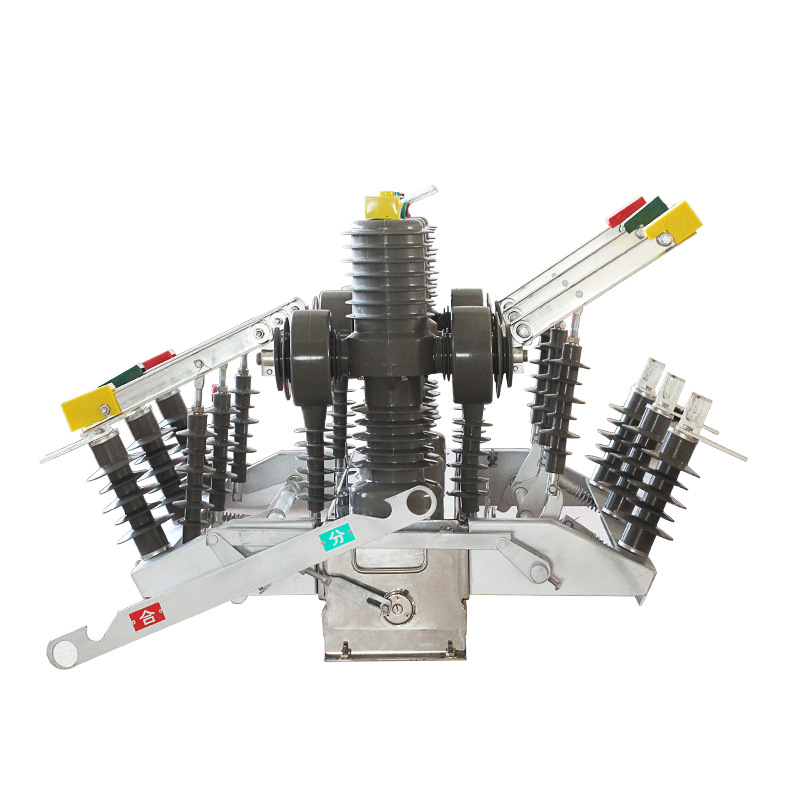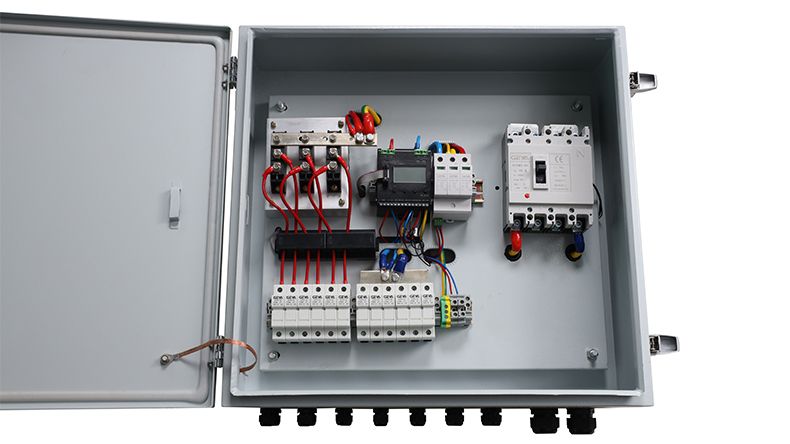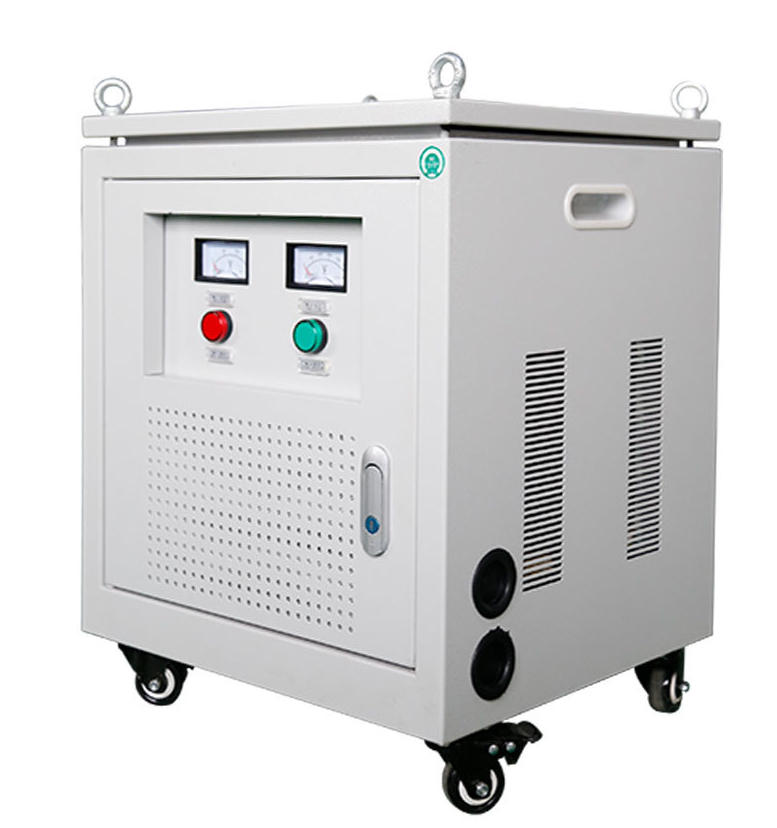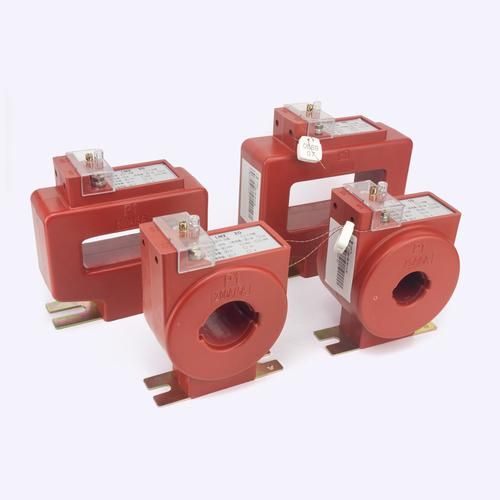
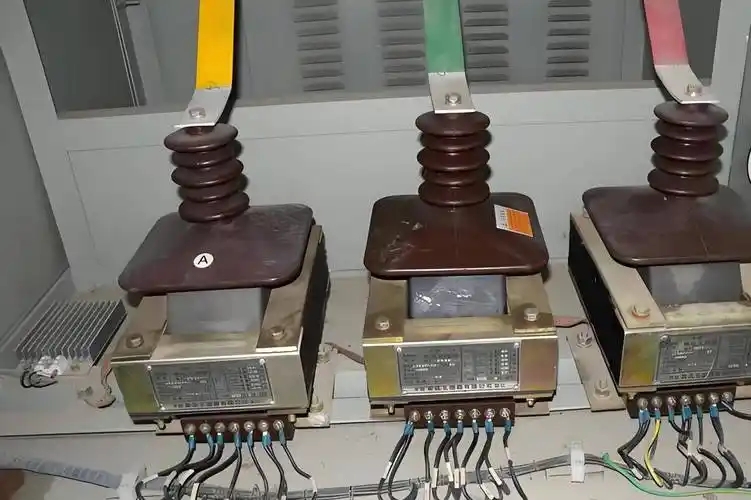
I. Introduction: The Core Steps to Connecting a Transformer
The fundamental approach to connecting any transformer or voltage transformer is centered on strict adherence to safety protocols. This involves accurately identifying the terminals of both the primary (input) and secondary (output) windings.
Following identification, the process moves sequentially through power source hookup, load connection, safety grounding, and finally, the energization test, all tailored to the specific transformer type (single-phase or three-phase) and the load requirements. A transformer plays a central role in any electrical power system; its core function is to safely and efficiently transfer electrical energy from one circuit to another while simultaneously altering the voltage level.
Generally, the term "Voltage Transformer" is used to refer to a Power Transformer (PT), which is utilized for power supply applications. Conversely, the "Potential Transformer (PT, or Voltage Transformer, VT)" is exclusively dedicated to metering and protection, safely stepping down high system voltages by a precise, fixed ratio (typically to 100V or 110V) to feed instruments and protective relays. Regardless of the type, a correct connection is absolutely foundational for ensuring the system's safety, reliability, and data accuracy. Connection errors can range from minor inefficiencies and equipment damage to serious outcomes like fire or catastrophic harm to personnel.
II. Critical Preparation and Safety Assurance Before Connection
In any electrical connection task, safety must be the paramount concern, holding the highest priority. Before any hands-on work begins, the engineer must execute a rigorous and non-negotiable set of preparatory procedures.
Top Safety Protocol: LOTO and Personal Protective Equipment (PPE)
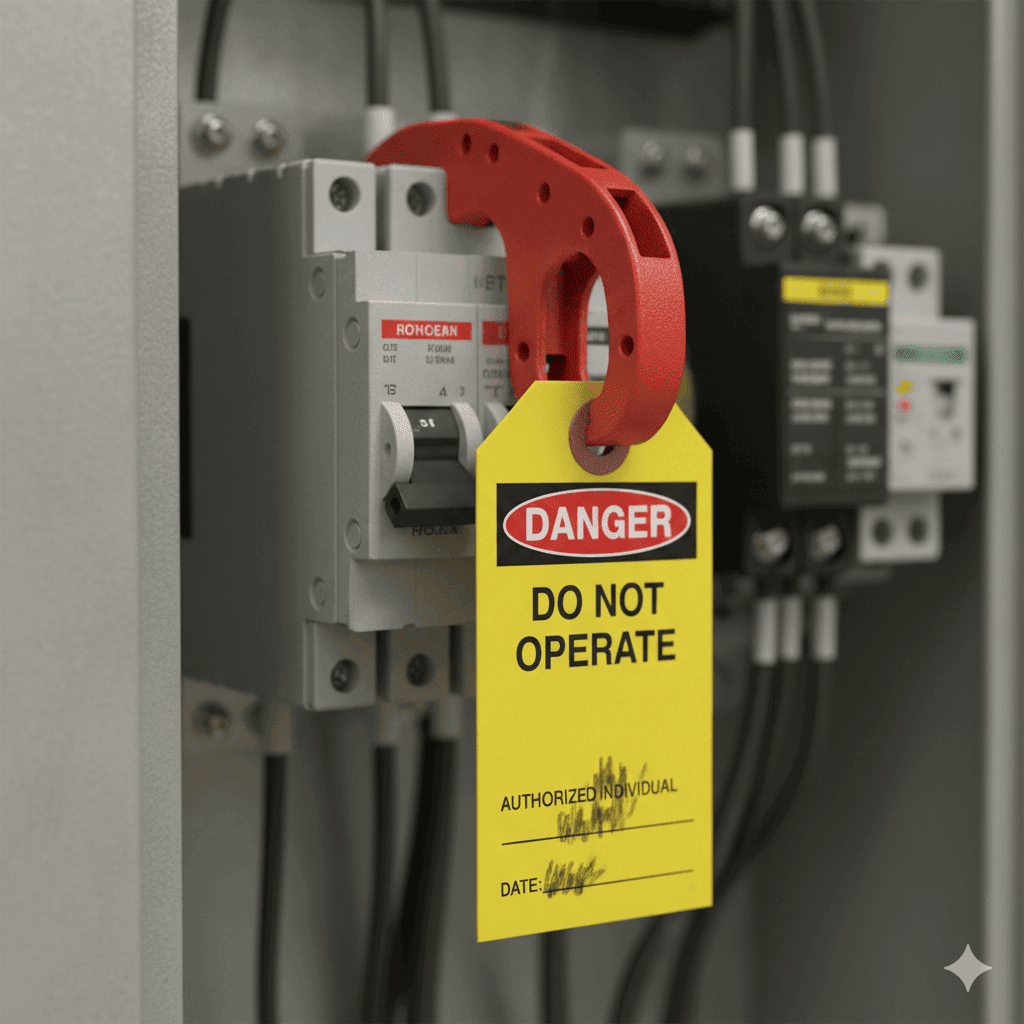
First and foremost, you must verify that all power sources supplying the transformer have been completely isolated and de-energized. This must be followed by locking the switches in the open (disconnected) position using the Lockout/Tagout (LOTO) safety procedure.
The entire purpose of this crucial step is to prevent any other personnel from inadvertently restoring power while work is in progress. All working personnel must wear the full complement of Personal Protective Equipment (PPE), which includes insulating gloves, safety glasses, dielectric boots, and arc-rated (FR) clothing; this level of protection is mandatory and must be increased when working near high-voltage systems.
Note: Always treat Lockout/Tagout (LOTO) as the absolute first step in any electrical work; it is specifically designed to prevent fatal accidental re-energization. Work must not commence without LOTO being rigorously implemented.
Transformer Specification Confirmation
The careful cross-checking of the transformer’s nameplate data is a critically essential task before connection. This plate holds all the design and operational information necessary for a safe setup.
Rated Voltage (Primary/Secondary Voltage): You must ensure that the incoming system voltage perfectly matches the transformer's specified rated primary voltage.
Rated Capacity (kVA or VA): Verify that the transformer’s capacity is greater than or at least equal to the total combined capacity of all connected loads, ideally with a conservative margin (a minimum of 20% headroom is generally recommended).
For PTs/VTs, the capacity is rated in Volt-Amperes (VA), and this value must correspond accurately to the burden imposed by the attached metering equipment.
Winding Configuration: Clearly determine if the unit is a single-phase or three-phase transformer, and if it is three-phase, whether it uses a Wye (Y) or Delta (Δ) configuration.
III. Terminal Identification and Understanding Polarity
The prerequisite for correct wiring is the accurate identification of the winding terminals; these terminals are universally marked according to international or industry standards. Failure to correctly identify these terminals is a common source of critical errors.
Primary Winding (High Voltage Side / Input) Identification
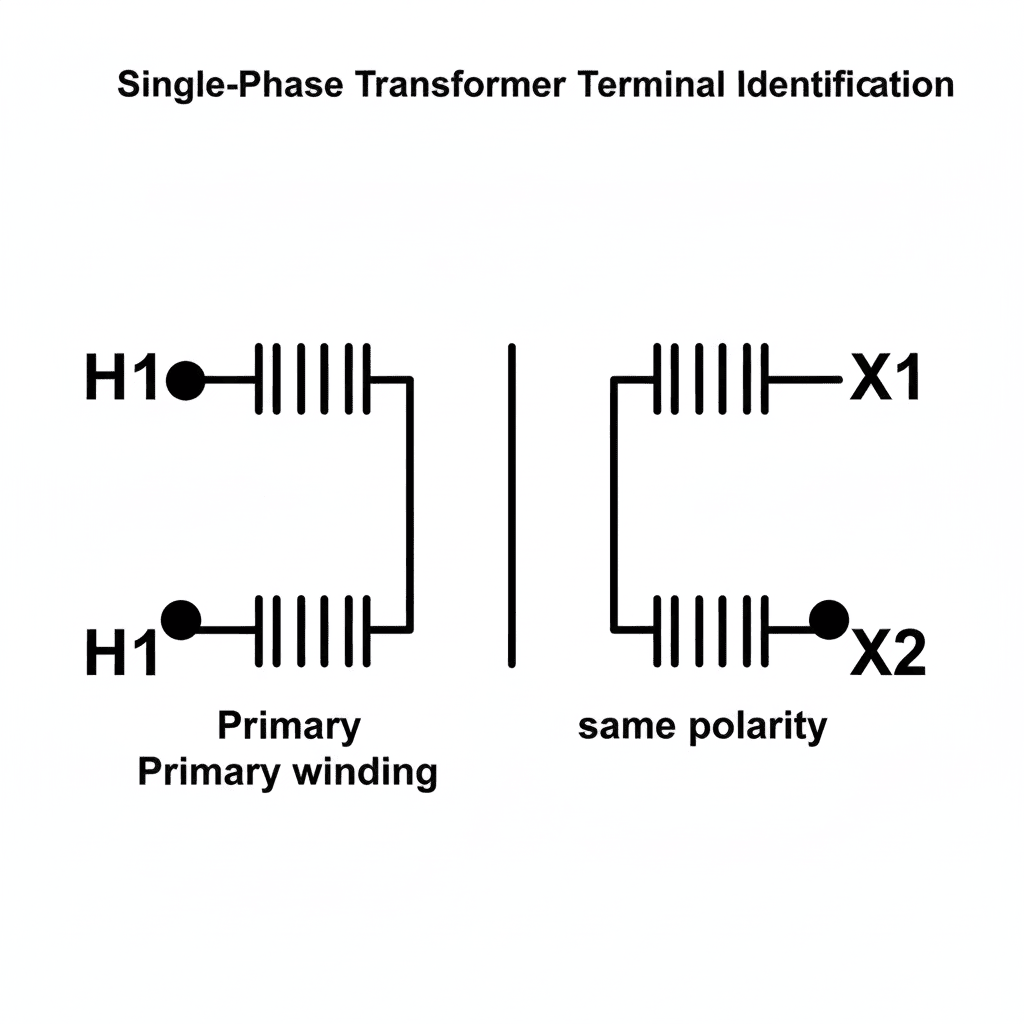
The primary winding is responsible for receiving the electrical energy from the source, and its terminals are typically marked as H1, H2 (for single-phase) or H1, H2, H3 (for three-phase), with the higher numbers usually indicating the winding's end terminal. For significantly higher voltage applications, alternative letters like A, B, and C may be used for phase identification. The system’s input power lines must be connected only to these specific, designated primary terminals.
Secondary Winding (Low Voltage Side / Output or Metering Side) Identification
The secondary winding provides the stepped-down electrical energy output to the loads, and its terminals are conventionally marked as X1, X2 (for single-phase) or X1, X2, X3 (for three-phase). In power transformers, the secondary is connected to the load distribution; for voltage transformers, the secondary leads are routed to the measuring instruments and protective relays.
Polarity and Phase Sequence
The transformer's polarity designation (either Additive or Subtractive) indicates the instantaneous directional relationship of the induced voltage between the primary and secondary windings. For operations like parallel running of single-phase transformers or specific two-phase/three-phase wiring combinations, the polarity must be consistent across all units, as a polarity reversal will lead to dangerously high short-circuit currents.
Within three-phase systems, the Phase Sequence must be rigorously maintained in the designated order, such as L1-L2-L3 (A-B-C); a failure to adhere to the correct sequence will cause three-phase equipment (like motors) to run in reverse or to fail to operate correctly.
Visual Aid: The use of Dot Markings (usually a black dot) is the standard method for indicating the terminals of similar instantaneous polarity (H1 and X1).
IV. Engineering Calculation Core: Wire Sizing, Current Density, and Voltage Drop (Expert-Level Content)
Professional electrical connection goes far beyond simply "grabbing a wire and hooking it up"; it must be solidly grounded in rigorous engineering calculations. These calculations are non-negotiable for system longevity.
Current Carrying Capacity (Ampacity) Calculation
The primary factor dictating the required wire cross-sectional area is the ampacity, which is the maximum current the conductor can safely carry without overheating and damaging its insulation. You must determine the conductor size by referring to the transformer's rated current and consulting national or industry standards (such as the National Electrical Code - NEC, or IEC standards) cable ampacity tables.
Concurrently, it is crucial to apply necessary correction factors that account for ambient temperature, the installation method (e.g., exposed air, in a conduit, or direct burial), and whether multiple cables are bundled together.
Voltage Drop () Analysis
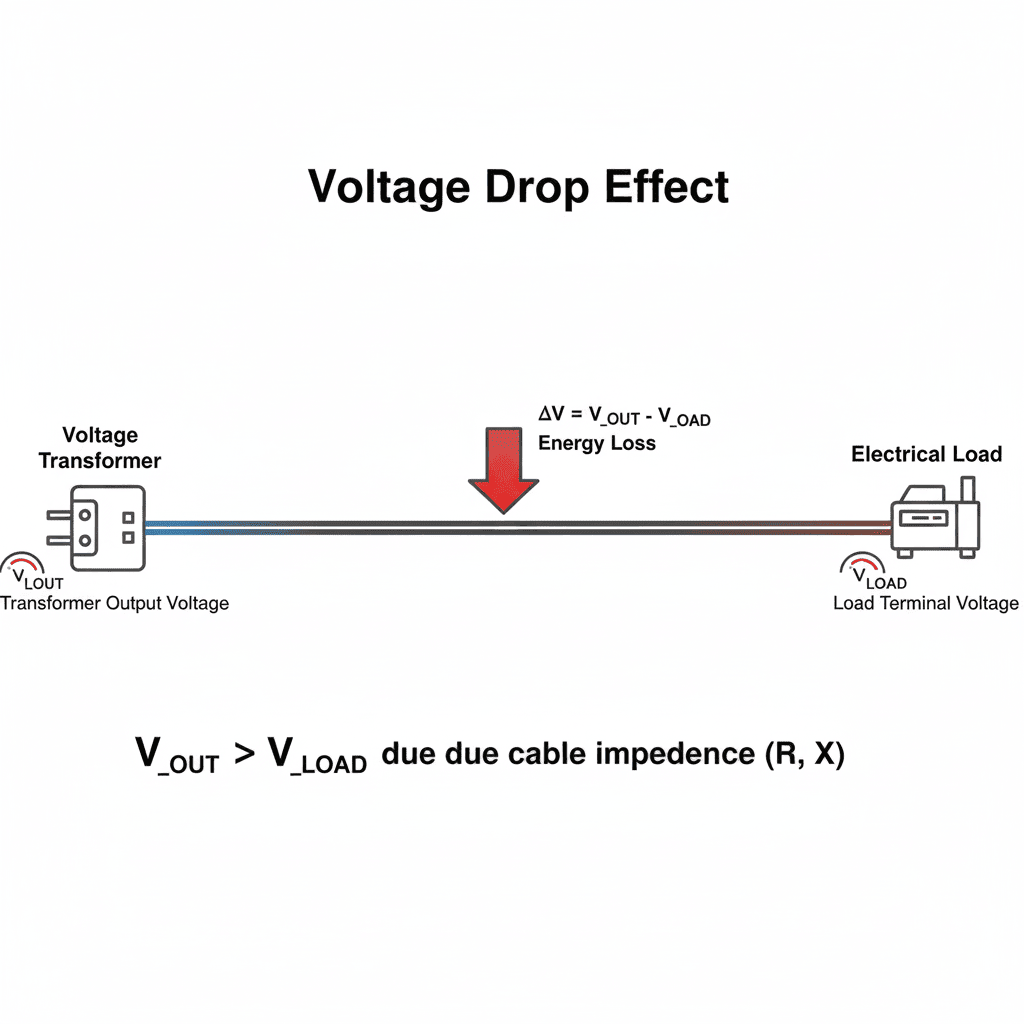
Even if the conductor size satisfies the ampacity requirements, voltage drop remains a major concern that can severely affect the load's proper operation, especially over long connection distances. The electrical engineer is professionally obligated to perform a Voltage Drop Analysis to ensure the percentage decrease in secondary voltage at the load terminals remains within the accepted industry tolerance (which typically ranges from 1% to 5%).
A commonly used simplified formula for calculating three-phase AC voltage drop is:
In this formula, I represents the current, L is the length of the cable run, R is the conductor's resistance, X is the conductor's reactance, and cosϕ is the power factor of the load. If the calculated voltage drop exceeds the allowable limit, the only solution is to increase the conductor's cross-sectional area.
Tip: For long cable runs, you must always perform a voltage drop calculation, even if the conductor meets the ampacity requirements. Voltage drop, rather than ampacity, often dictates the minimum required wire size.
Short-Circuit Current Consideration
The transformer leads and connection terminals must be mechanically and thermally rated to withstand the required short-circuit current. The conductors and connection components must be capable of enduring the immense thermal and electromagnetic stresses generated instantaneously during a system short-circuit event. This ensures they do not melt or sustain damage before the protective device (breaker or fuse) has time to trip and clear the fault.
V. Detailed Steps for Single-Phase Transformer Wiring
Connecting a single-phase transformer is relatively straightforward in comparison to a three-phase unit, but it still demands strict procedural adherence to achieve efficient power transfer or voltage conversion.
Connecting the Primary Winding (Power Input)
After rigorously confirming that all power is disconnected, proceed to connect the primary terminals H1 and H2 to the incoming supply lines. H1 is typically connected to the Phase line (L1), and H2 is connected to the Neutral line (N) or the second Phase line (L2), depending entirely on the source voltage configuration (e.g., a 220V single-phase or a 110V-0-110V center-tapped system).
Connecting the Secondary Winding (Load Output)
Connect the secondary terminals X1 and X2 to the load equipment or the distribution panel. If the secondary winding is designed to provide dual voltage output (e.g., 240V/120V), you must correctly tap into the center connection point according to the specific voltage demand of the load.
Common Single-Phase Transformer Connection Voltage Scenarios
The table below provides a quick reference for common single-phase transformer connections, detailing their purpose and the required voltage matching.
VI. Three-Phase Transformer (or Transformer Bank) Configuration and Wiring
Three-phase transformers involve more complex wiring configurations than their single-phase counterparts; these configurations fundamentally determine the voltage, current relationships, and the availability of a neutral point.
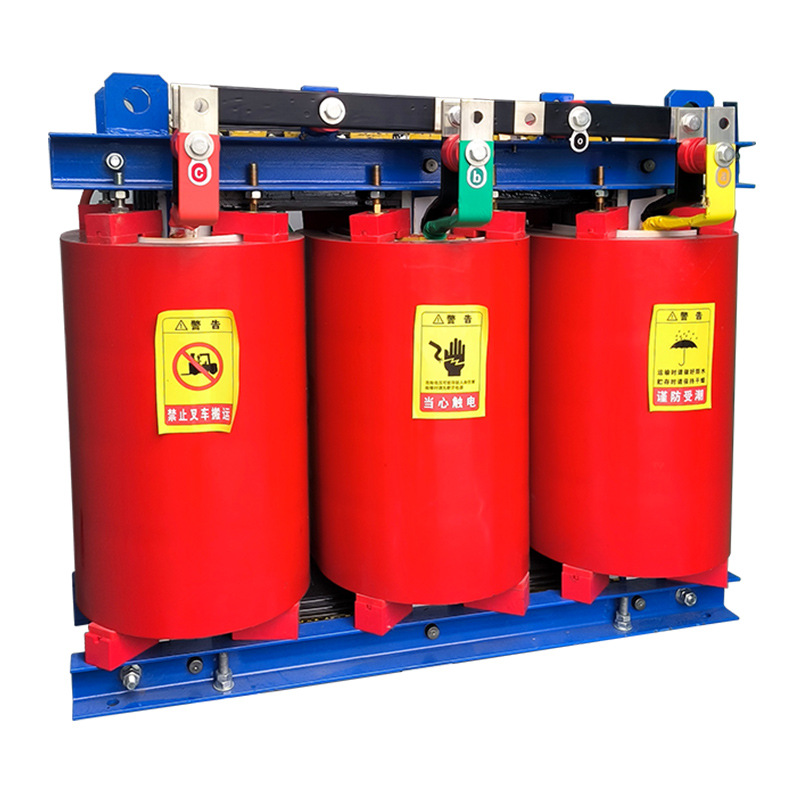
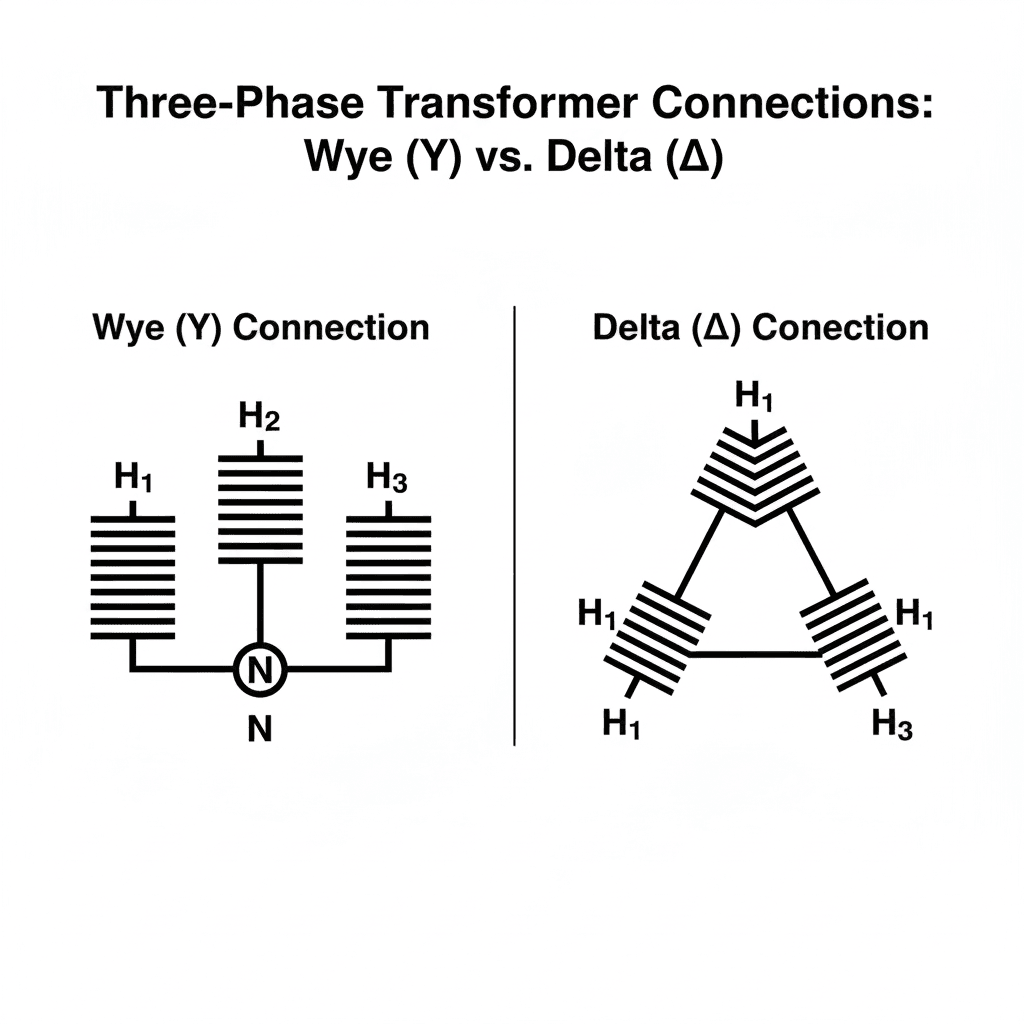
Common Connection Types: Wye vs. Delta
Wye Connection (Y / Star): This configuration connects one end of all three windings (e.g., X2, X2, X3 or H2, H2, H3) together to form a common Neutral Point (N). The main advantage is its ability to provide two voltage levels (line voltage and phase voltage), and the neutral point is easily grounded. This setup is highly suitable for loads that include a mix of both single-phase and three-phase equipment.
Delta Connection ( / Triangle): This configuration connects the end of one winding to the start of the next, forming a closed loop, where no central neutral point is established. The advantage here is that the winding voltage is solely limited by the turns ratio, making it ideal for high-current applications and pure three-phase loads where a neutral conductor is not required.
Common Combination Connection Schemes
In practical applications, different primary and secondary configurations are often combined to meet various requirements. This flexibility allows engineers to optimize the system for specific transmission needs.
-Y (Delta-Wye): The primary absorbs balanced three-phase power, and the secondary allows for the extraction of a neutral point, making it the most common step-down solution used in power distribution systems.
Y- (Wye-Delta): This is typically employed in step-up applications or in situations where the system has high capacitance to the ground.
- (Delta-Delta): Used when flexibility is critical, such as when the replacement or parallel operation of transformers is anticipated.
Transformer Bank Wiring (V-Connection)
For scenarios demanding economic feasibility or emergency backup, engineers may utilize two single-phase transformers to create a V-Connection (Open Delta) to supply three-phase power, although the resulting capacity is limited to only approximately 57.7% (3/3) of the capacity of three full-sized transformers. This two-unit V-connection is also frequently adopted in three-phase voltage transformer metering circuits to achieve three-phase voltage measurement with reduced equipment.
VII. Expert-Level Metering Connection Analysis: Voltage Transformer (VT/PT) Burden Analysis
Voltage Transformers (VT/PTs) are engineered to step down high voltages to a safe and standardized measurement voltage; the entire connection process for VTs is fundamentally driven by the need for accuracy, which is primarily influenced by the Burden. The slightest deviation in accuracy can lead to protection failure.
Definition and Importance of Burden
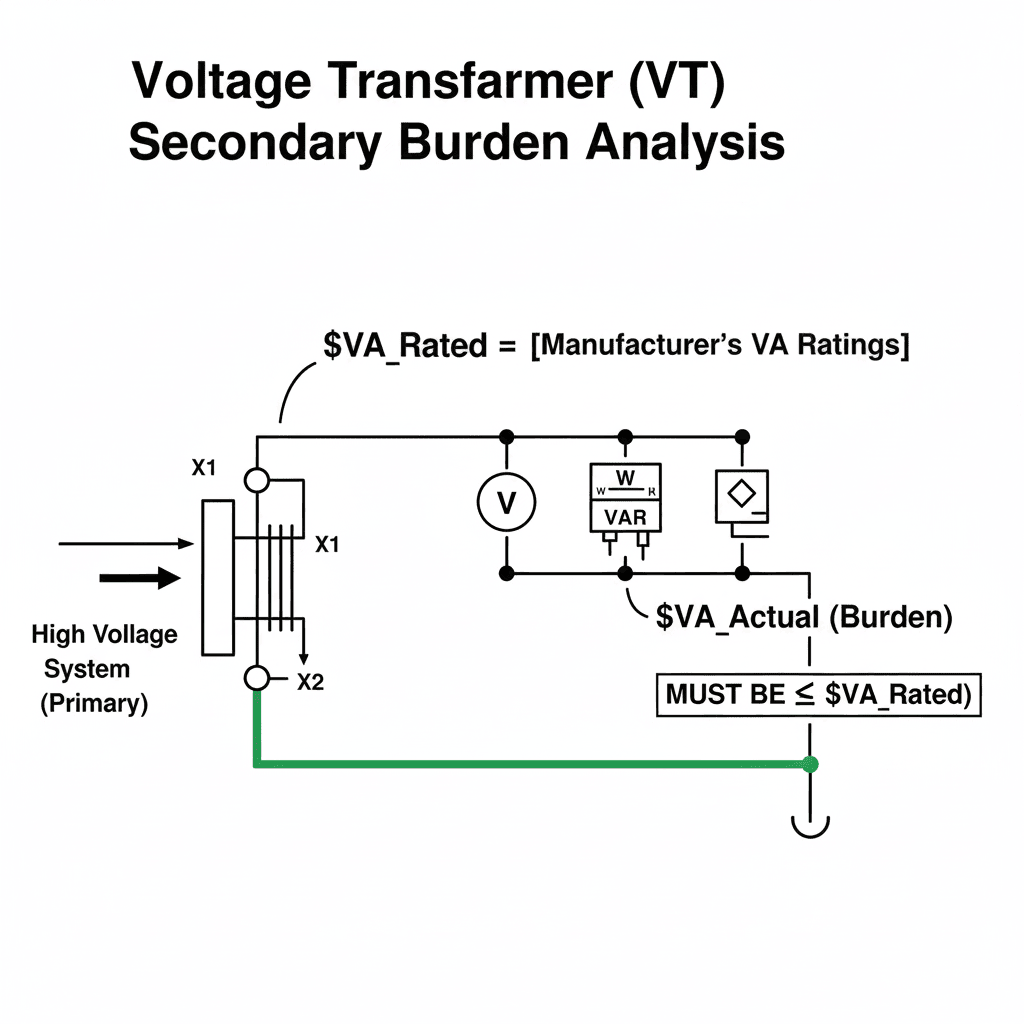
The VT’s Burden is defined as the total apparent power (measured in VA, or Volt-Amperes) of all components connected to its secondary winding. This includes all meters, relay coils, lead wires, and terminal blocks. Every VT is manufactured with a defined rated burden (e.g., 50VA, 100VA) that specifies the maximum load it can accurately support.
The Necessity of Burden Verification
The actual secondary burden on the VT must always be less than or equal to its rated burden. If the actual burden exceeds this rating, the VT's output voltage and phase angle will experience significant errors. This critical error will lead to protective relays either mal-operating (tripping falsely) or failing to operate (failing to trip when necessary), and it will cause measurement instruments to be inaccurate.
This need for careful burden verification is the most significant difference between connecting a VT/PT and a standard power transformer. The engineer must meticulously sum the VA value for every single component in the entire metering circuit to perform an exact verification.
Note: The core connection principle for VT/PTs is absolute: The actual operating burden must never, under any circumstances, exceed the transformer’s rated burden. Overloading will directly compromise measurement accuracy.
Accuracy Class and Its Impact
VTs are assigned an accuracy class (e.g., Class 0.2 for revenue metering, Class 0.5P for protection), and this specified accuracy is only guaranteed when the VT operates precisely within its rated burden range. If the actual operating burden is too low (below approximately 25% of the rating) or if it is too high (exceeding the rating), the VT will operate outside its guaranteed accuracy envelope, thus jeopardizing the reliability of the entire protection and metering system.
VIII. Safety Grounding and Circuit Protection
Correct grounding and the implementation of overcurrent protection are the final and essential lines of defense for ensuring safe transformer operation. These systems safeguard both personnel and equipment.
The Necessity of Grounding
Grounding fundamentally connects the transformer system to the earth, limiting the potential-to-ground and providing a critically low-impedance path in the event of an insulation failure. This low-impedance path is essential for preventing lethal electric shock to personnel.
Transformer Enclosure Grounding
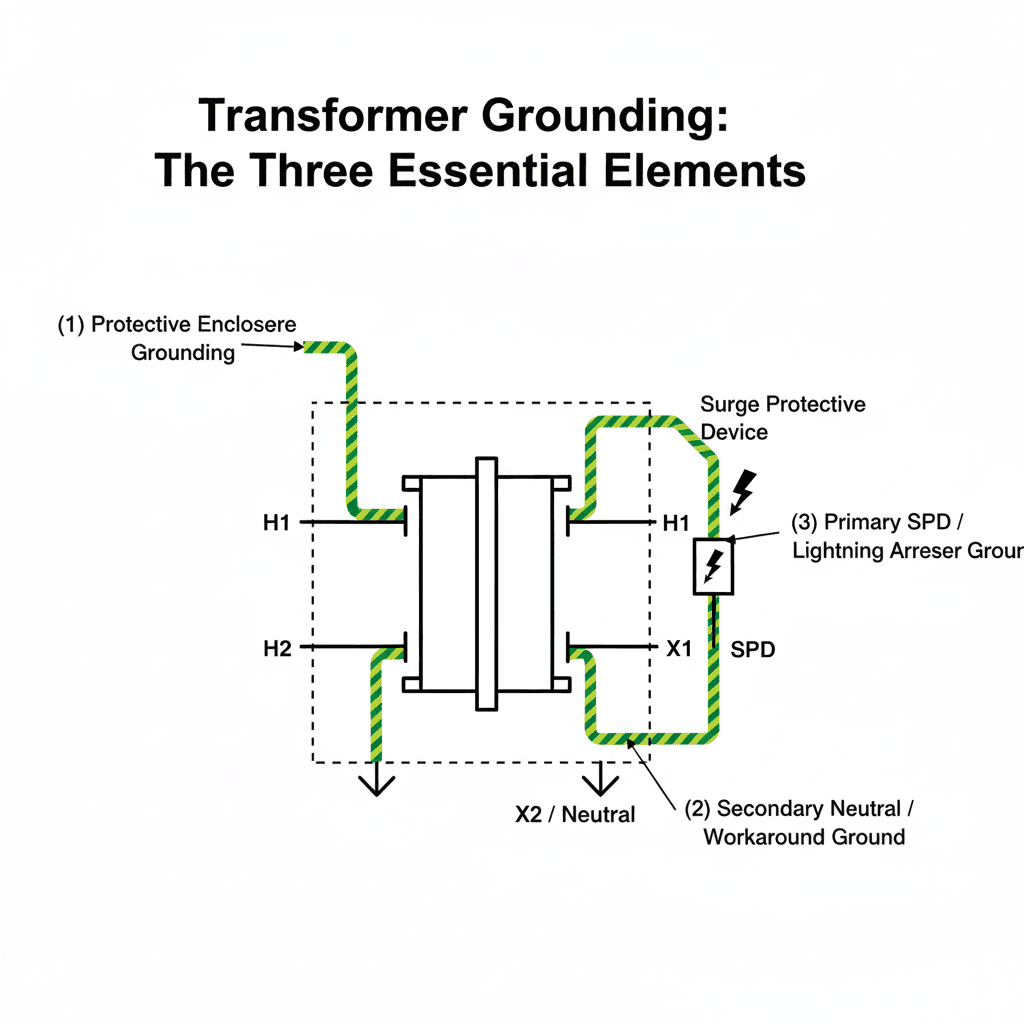
All metallic enclosures of transformers must be reliably connected to earth ground. This is the most basic requirement for protective grounding and is intended to prevent personnel from touching an enclosure that has become energized due to an internal insulation breakdown.
Secondary Circuit Grounding
For power transformers, the neutral point (N-point) of the secondary winding is typically grounded to provide an operating ground, stabilizing the voltage to ground and enabling the use of single-phase loads. For all voltage transformers (VT/PTs), the secondary winding's X2 terminal or neutral point must also be grounded to protect both the connected equipment and maintenance personnel.
Tip: Regardless of whether you are connecting a power transformer or a metering transformer, grounding the secondary circuit's neutral point or X2 terminal is a mandatory safety measure to strictly limit high-voltage intrusion.
Installation of Overcurrent Protection Devices
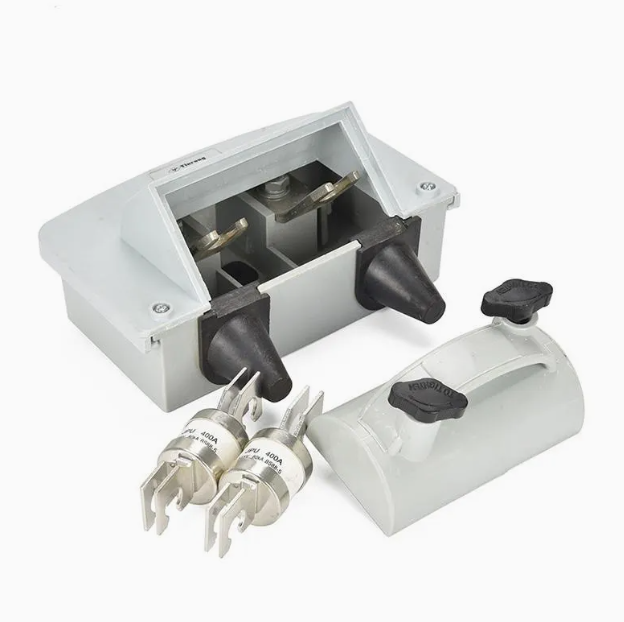
Appropriate fuses or circuit breakers must be installed in both the primary and secondary circuits of the transformer, selected based on the calculated maximum current values. These protective devices are designed to rapidly interrupt the power supply during an overload or short-circuit event. This swift action is critical for preventing the transformer windings from burning out and for limiting the spread of system faults.
IX. Advanced Considerations: Surges, Harmonics, and Environmental Factors (Expert-Level Content)
To achieve an expert level of installation quality, you must look beyond the basic connections and actively consider the complex impacts of the external environment and power quality. These factors determine the longevity of the equipment.
Transient (Surge) Protection
Surges, or transient overvoltages, are predominantly caused by lightning strikes or system switching operations. These high-voltage pulses pose a lethal threat to the transformer winding insulation. Installing Surge Protective Devices (SPDs) on the primary side is a key protective measure, particularly for transformers installed outdoors or connected to overhead lines.
Harmonics and the K-Factor
Modern industrial and commercial facilities extensively use non-linear loads (such as Variable Frequency Drives - VFDs, Uninterruptible Power Supplies - UPS, computers, and LED lighting), which generate current harmonics. These harmonic currents cause excessive heating in standard transformer windings, reducing efficiency and dramatically accelerating the aging process of the winding insulation.
For systems connected to a significant number of non-linear loads, the engineer must consider utilizing specialized transformers with a K-Factor (K-rating). These specialized units are explicitly designed to withstand the extra thermal stress imposed by harmonic currents.
Note: When dealing with numerous non-linear loads (e.g., VFDs or IT equipment), it is essential to consider using a transformer with a K-Factor to safely manage the additional temperature rise caused by harmonics.
Environmental Protection and Cooling
The chosen installation location for the transformer must guarantee that its NEMA/IP rating (enclosure protection rating) is fully suitable for the environment (e.g., IP54 or higher is required for outdoor use). Dry-type transformers, which rely on natural air cooling, must have adequate, unblocked clearance reserved at both the top and bottom to ensure unrestricted airflow for heat dissipation. Excessive ambient temperature is recognized as one of the leading causes of premature transformer failure.
X. Post-Connection Testing and Commissioning
After all physical connections are completed, never energize the system immediately; a rigorous and systematic electrical testing process must be executed. This step validates the safety of the entire installation.
Insulation Resistance Test (Megger Test)
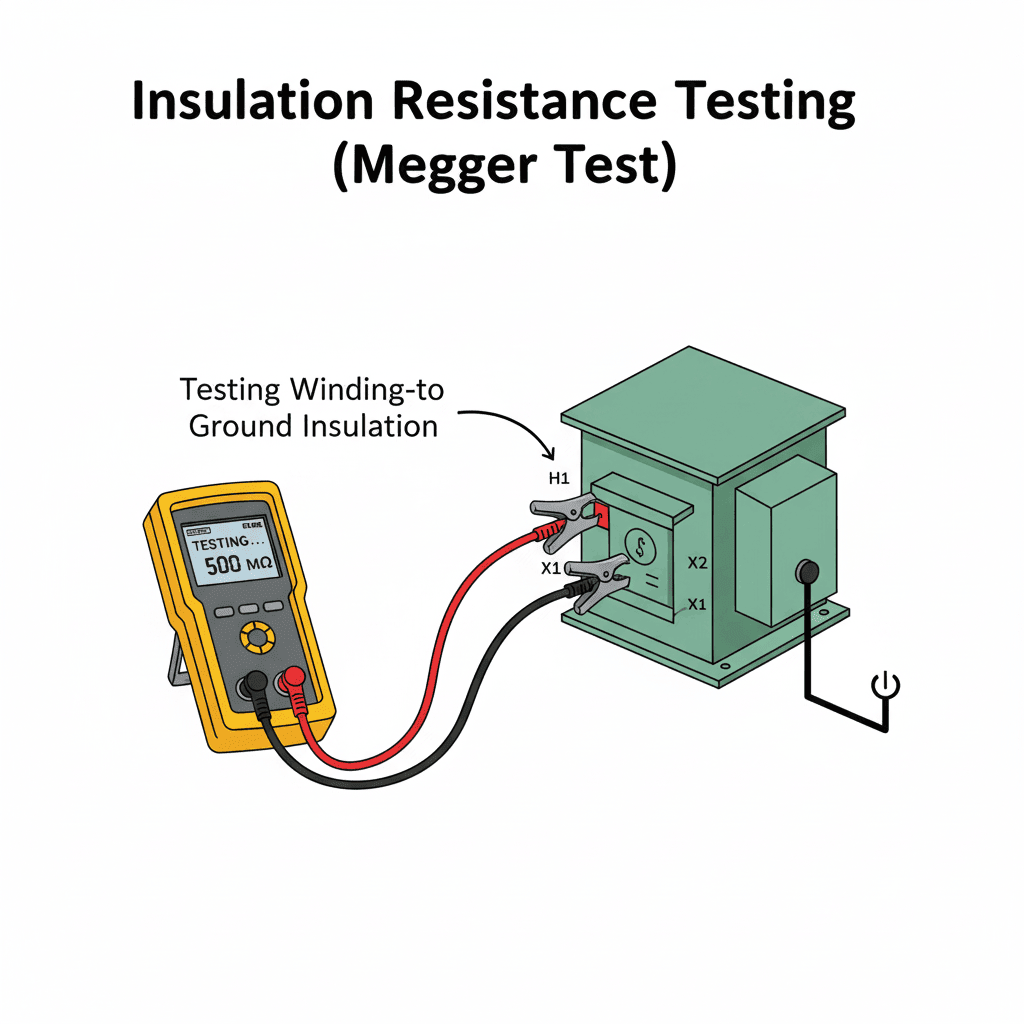
Use a Megohmmeter (Megger) to precisely measure the insulation resistance between the transformer windings and also between the windings and the earth ground. The recorded resistance values must exceed the minimum values specified by the manufacturer or industry standards, a process that verifies the integrity of the winding insulation and prevents potential short circuits.
Tip: Before applying power, the insulation resistance test is the only critical step that can confirm whether the transformer windings and cables were damaged during the installation process. If the insulation fails the test, energization is strictly forbidden.
No-Load Test
With the primary power source connected but with the load disconnected, energize the transformer and measure the secondary output voltage. The measured output voltage should correspond accurately to the calculated value (input voltage divided by the turns ratio). Simultaneously, the primary side no-load current must be monitored; it should be substantially lower than the rated current.
Load Test
The load should be connected incrementally and gradually brought up to the rated capacity. Under rated load conditions, check that the secondary voltage remains stable and that both the primary and secondary currents are within the rated limits. Special attention must be paid to monitoring the transformer's temperature rise; the temperature increase must not exceed the limit indicated on the nameplate.
Phase Sequence Check (Three-Phase)
For all three-phase systems, a phase sequence meter must be used to verify that the output side phase rotation (L1-L2-L3) is correct. This verification is crucial to prevent the reverse rotation of connected three-phase motors.
XI. Conclusion: Key Principles for Transformer Connection
Transformer connection is a comprehensive task that integrates safety, physical installation, rigorous engineering calculations, and systematic protection. The secret to a successful connection lies in this three-part principle: Prioritize Safety, Strictly Follow the Manufacturer's Wiring Diagrams, and Utilize Expert Engineering Knowledge (such as conductor voltage drop analysis and VT burden assessment) for final verification. Only by adhering entirely to these standards during both the physical connection and the electrical testing phases can the transformer guarantee long-term, efficient, and safe operation, particularly within complex power and metering systems.
Frequently Asked Questions (FAQ)
Why must the secondary circuit of a Voltage Transformer (VT/PT) be grounded?
The secondary circuit must be grounded primarily for safety protection. The VT/PT's primary winding is directly connected to the high-voltage system. If the insulation between the primary and secondary fails, high voltage could potentially intrude into the secondary circuit. Grounding one point of the secondary circuit (usually the X2 terminal or the neutral point) safely directs this dangerous high voltage to the earth, effectively limiting the potential-to-ground and thereby protecting the connected instrumentation and the operating personnel.
If my transformer is running too hot under heavy load, what steps should I take ?
Excessive transformer temperature rise can stem from various factors, most commonly: load overload (the most frequent cause), excessive harmonic currents, failure of the cooling system (fans or oil pumps), inadequate environmental ventilation, or primary voltage that is too high or too low. Your first action should be to verify the load current using an ammeter. If the load is within the normal range, you should check the ventilation and ensure adequate heat dissipation space is available. If the system contains a high amount of non-linear loads, you may need to consider installing harmonic filters or using a K-Factor rated transformer. Sustained high temperatures will drastically reduce the transformer's service life.
How do I determine if a three-phase transformer uses a Wye (Y) or Delta () connection ?
The most direct and reliable way is to consult the transformer's nameplate and factory documentation. If the documentation is unavailable, you can determine the configuration through measurement: if you can clearly identify a single common connection point (the Neutral point N) and the measured voltage from any line terminal to that neutral point (phase voltage) is approximately 1/3 times the voltage between any two line terminals (line voltage), the connection is Wye. If no neutral point can be found and the windings are connected end-to-end to form a closed loop, the connection is Delta.
What is "Inrush Current" in a transformer connection, and how should I deal with it ?
Inrush current is the enormous, instantaneous current that the primary winding can draw when the transformer is first connected to the power source. This surge, which can momentarily reach 10 to 15 times the rated current, is caused by residual magnetism and saturation phenomena and typically lasts only for a few tens of milliseconds. The correct countermeasure is to use a circuit breaker or fuse on the primary side that has time-delay characteristics. This time-delay feature ensures that the device can withstand the momentary inrush current without tripping, while still providing rapid interruption during a sustained short-circuit fault.
Why is the Insulation Resistance Test (Megger Test) necessary when wiring a transformer?
The insulation resistance test is one of the most vital diagnostic tests to be performed after installation but before energization. The test's purpose is to confirm that the transformer has not sustained any insulation damage or absorbed moisture between the windings, or between the windings and the ground, during transportation or installation. If the test results fall below the required standard value, it indicates a defect or moisture problem, and immediate energization would highly likely result in a short-circuit or explosive failure. This is a critical preventive test essential for ensuring long-term equipment reliability.