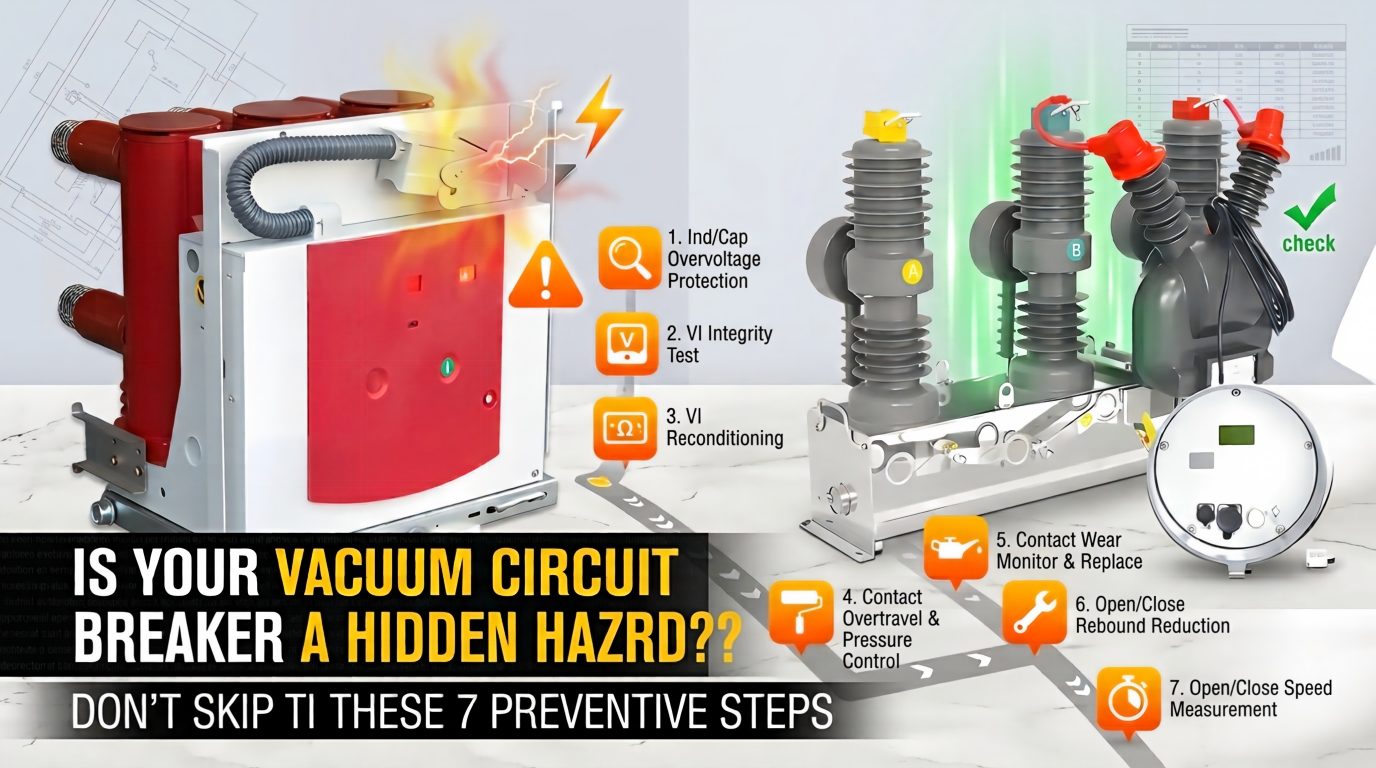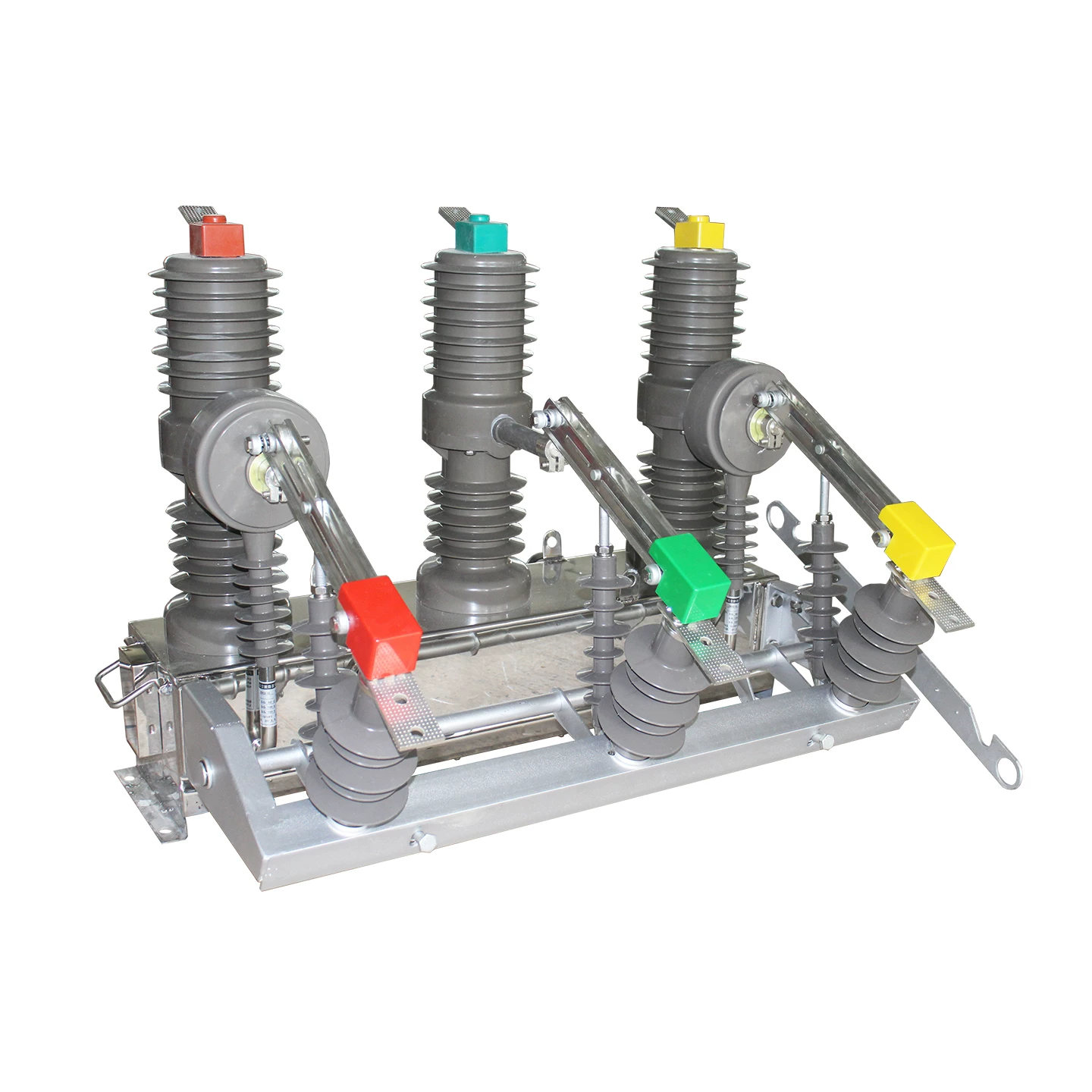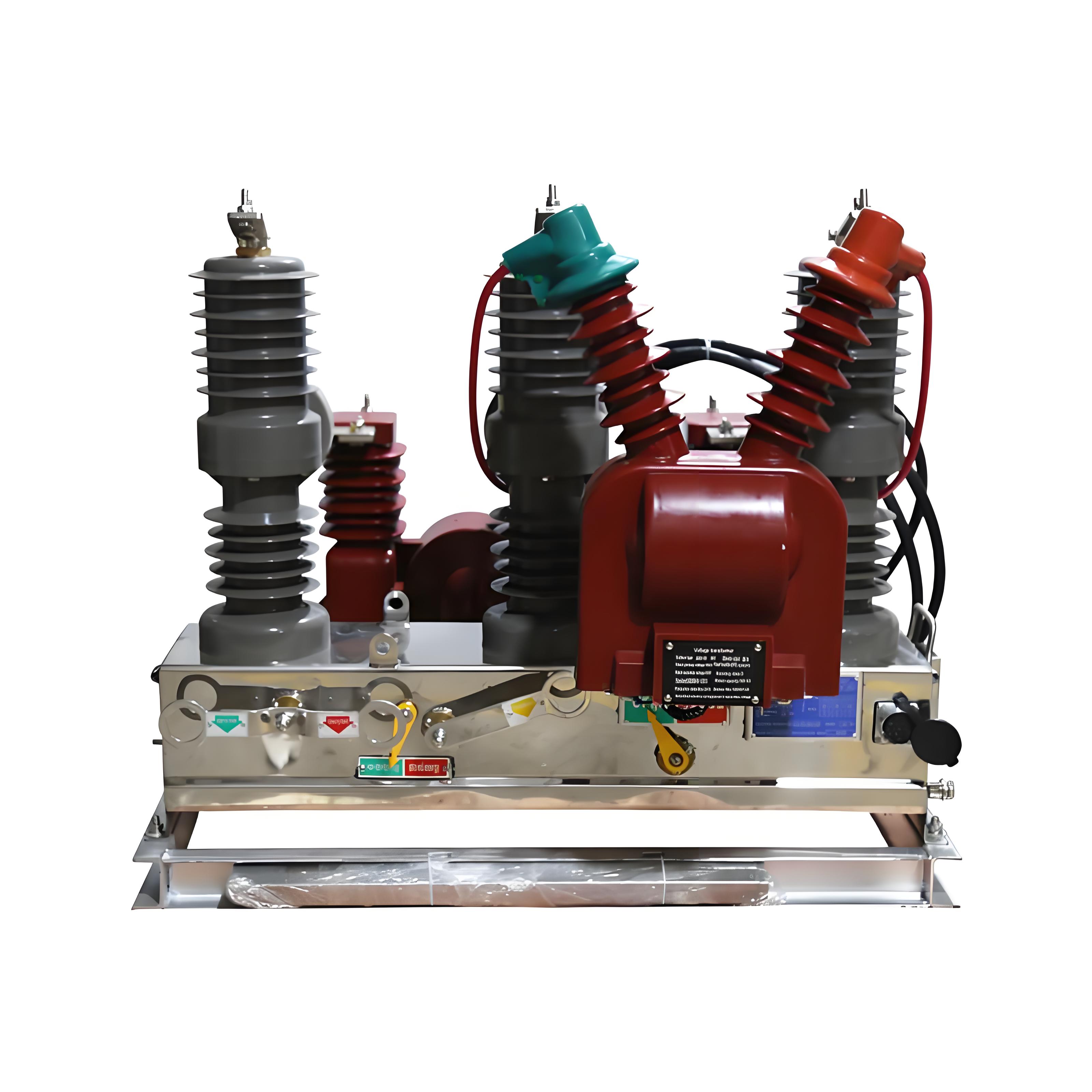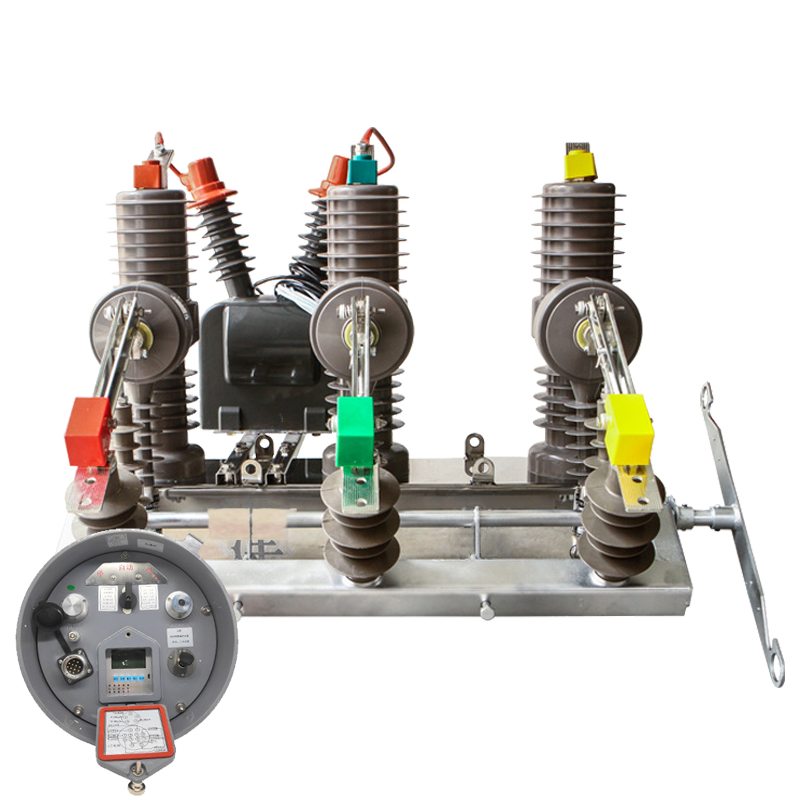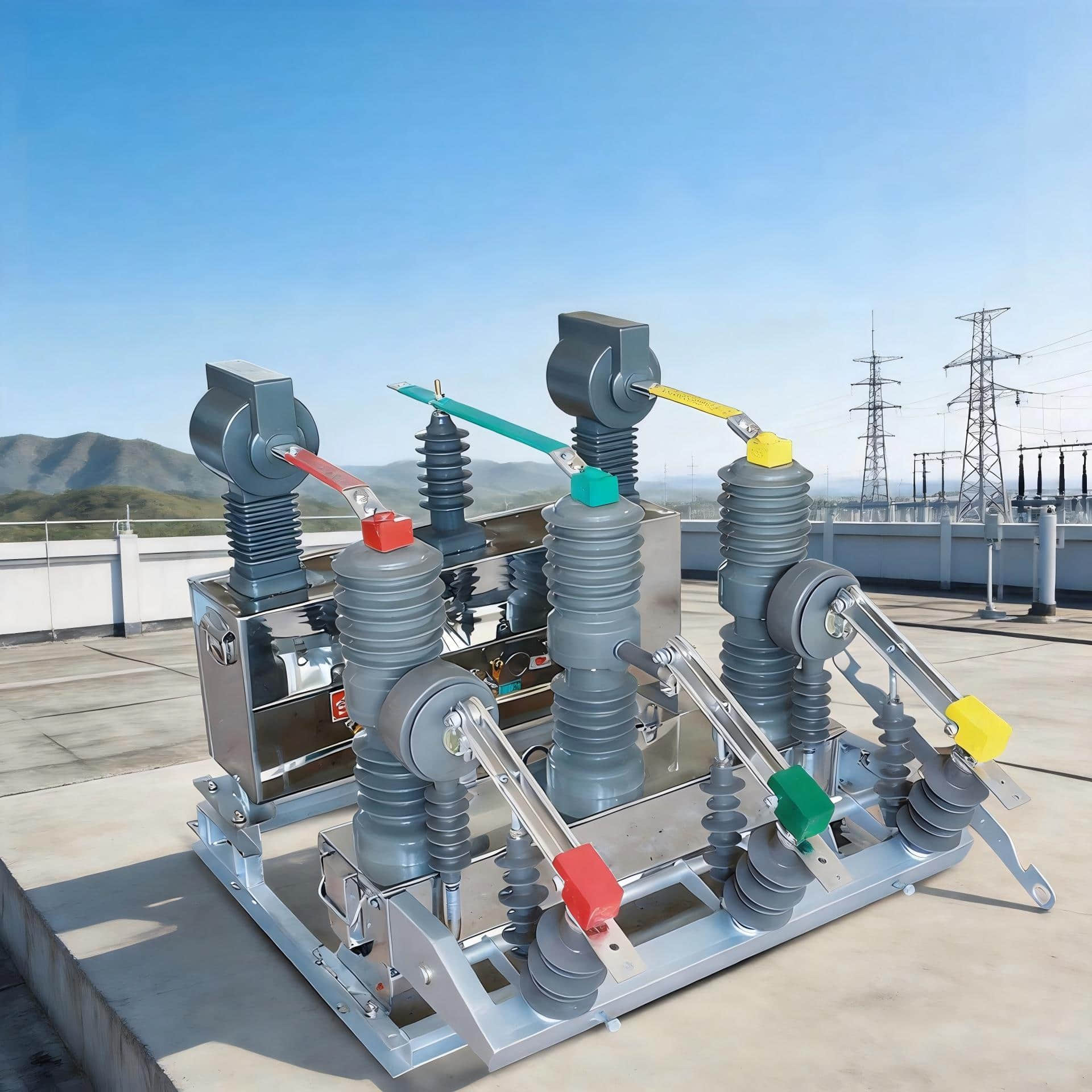
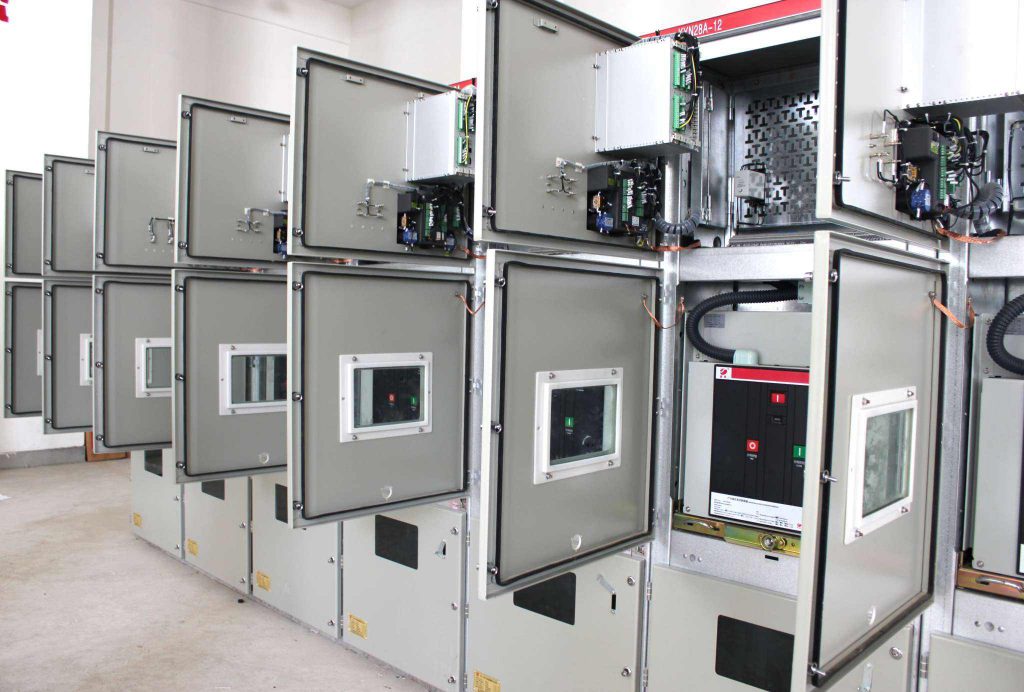
Yes, vacuum circuit breakers can be tested in-situ. Field testing of installed VCBs is technically feasible, standards-endorsed (IEEE, IEC, NETA), and covers 85–90% of critical diagnostics without removing the breaker from its switchgear cubicle. Facilities using in-place testing programs report up to 60% reduction in maintenance-related downtime and significant logistics cost savings compared to traditional rack-out-and-bench-test approaches.
Now consider the traditional alternative: racking each breaker out, transporting it to a workshop, performing bench tests, and reinstalling it. For a plant with 48 medium-voltage breakers across six substations, you're looking at three days of downtime per breaker, crane rentals, specialized transport, handling damage risk, and a six-figure cost projection. In-situ testing eliminates most of that burden.
This guide provides a comprehensive, standards-backed framework for on-site circuit breaker diagnostics. We'll cover every testable parameter, the equipment required, step-by-step procedures, limitations you must respect, and a decision framework for when removal becomes necessary.
Understanding Vacuum Circuit Breaker Architecture and Why Testing Matters
How Vacuum Interrupters Work
A vacuum circuit breaker interrupts current by separating contacts inside a sealed vacuum bottle (interrupter). The vacuum environment — typically maintained at 10⁻⁴ to 10⁻⁶ Pa — provides exceptional dielectric strength. When contacts part under fault conditions, the arc that forms is rapidly extinguished because the metallic vapor produced has no gas molecules to sustain ionization beyond the next current zero.
The contact structure typically employs a butt-contact or cup-contact design with copper-chromium (CuCr) alloy faces. This material provides the optimal balance of arc erosion resistance, current-carrying capacity, and chopping current characteristics. A metal bellows allows the moving contact to travel while maintaining the hermetic seal.
Degradation occurs through three primary mechanisms. Contact erosion removes material with each interruption — particularly severe during fault-current operations. Vacuum loss through micro-leaks in the bellows seal or ceramic-to-metal braze joints destroys the interrupting capability entirely. Mechanical wear in the operating mechanism affects timing, travel, and contact pressure. Typical lifespan benchmarks range from 10,000 operations at rated normal current to as few as 30–50 operations at full short-circuit rating, depending on the manufacturer and voltage class.
Consequences of Untested or Failed VCBs
The consequences of a vacuum circuit breaker failing to interrupt are severe. Industry data from CIGRE Working Group A3.12 indicates that medium-voltage switchgear failures result in average direct repair costs of $50,000–$200,000, with downstream production losses frequently exceeding $500,000 per event. Arc flash incidents from breaker failures carry catastrophic personnel safety implications.
Beyond safety, regulatory frameworks increasingly mandate demonstrated testing compliance. OSHA requirements, NFPA 70E arc flash analysis assumptions, and insurance underwriters all presuppose that protective devices function as rated. A breaker that cannot interrupt because its vacuum has degraded invalidates every protective coordination study downstream of that device.
These realities make periodic testing non-negotiable. The question isn't whether to test — it's whether you can accomplish that testing efficiently without unnecessary removal.
In-Situ VCB Testing Methods — What Can Be Done Without Removal
Vacuum Integrity (Bottle) Testing
Vacuum integrity testing is the single most critical diagnostic for any vacuum interrupter. A breaker with lost vacuum cannot interrupt fault current — period. The standard field method uses a magnetron or Penning gauge principle, applying high voltage across the open contacts and measuring leakage current. Under good vacuum conditions, virtually no current flows. If the vacuum has degraded, ionization of residual gas produces a measurable current.
Field-adapted techniques include both AC and DC hipot approaches. IEEE C37.09 permits reduced voltage testing for field conditions — typically 75% of the factory withstand test voltage. For a 15 kV class breaker with a 36 kV factory BIL, field vacuum integrity testing is commonly performed at 27 kV DC or equivalent.
Pass/fail criteria are straightforward: leakage current below 100 µA at the test voltage indicates adequate vacuum. Current above this threshold, or any sudden increase during the voltage application, indicates vacuum loss requiring interrupter replacement. The primary limitation in metal-clad switchgear is physical access — test leads must reach the interrupter terminals, which can be challenging in compact compartment designs.
Contact Resistance Measurement (DCRM)
Contact resistance measurement uses a micro-ohmmeter injecting 100–200 A DC through the closed contacts while measuring the voltage drop. This four-wire Kelvin measurement provides micro-ohm resolution, detecting contact erosion, contamination, or misalignment that increases resistive heating.
Acceptable resistance thresholds vary by manufacturer and breaker rating but generally fall within established ranges. Trending is more valuable than any single measurement — a contact resistance that has doubled since commissioning indicates significant erosion regardless of whether it has exceeded the absolute limit.
| Breaker Class | Typical New Resistance (µΩ) | Investigation Threshold (µΩ) | Replacement Threshold (µΩ) |
|---|---|---|---|
| 5 kV, 1200 A | 15–30 | 50 | 75 |
| 5 kV, 2000 A | 10–25 | 40 | 60 |
| 15 kV, 1200 A | 25–45 | 65 | 100 |
| 15 kV, 2000 A | 20–35 | 55 | 80 |
| 38 kV, 1200 A | 40–65 | 90 | 130 |
Timing and Travel Analysis
Digital timing analyzers connect to the trip and close coils, auxiliary contacts, and a linear transducer mounted on the operating rod. This captures contact gap, over-travel, bounce duration, opening and closing velocity, and three-phase synchronization — all without removing the breaker from its compartment.
Timing measurements reveal mechanism's health that no other test can detect. A closing time that has increased by 10 ms from baseline suggests spring degradation or linkage friction. Contact bounce exceeding 2 ms on closing indicates misadjustment or worn latching surfaces. Phase desynchronization beyond 3 ms creates restrike risks during capacitor bank switching.
Results are compared to factory baseline records or the manufacturer's published specifications. Modern analyzers store historical data, enabling trend analysis that predicts mechanism degradation before catastrophic failure.
Insulation Resistance and Power Factor Testing
Insulation resistance testing uses a megohmmeter (typically 2.5 kV or 5 kV for MV breakers) to measure leakage current through the solid insulation system. Phase-to-phase and phase-to-ground measurements identify moisture ingress, surface contamination, or tracking on support insulators and bushings.
Power factor (tan delta) testing provides deeper insulation diagnostics. By measuring the dielectric loss angle of insulating materials under AC excitation, this test detects bulk deterioration that megohmmeter readings might miss. Typical acceptable power factor values for clean, dry epoxy-insulated bushings fall below 1%. Values above 3% generally warrant investigation.
Both tests can be performed with the breaker in the test/disconnected position within the cubicle. The bus section must be isolated for power factor testing to eliminate parallel paths that would skew results.
Mechanical Operation Counting and Coil Testing
Modern VCBs include electronic operation counters that log total operations, fault interruptions, and cumulative interrupted current (I²t). Reading these counters during maintenance provides essential context for interpreting other test results. A breaker showing 5,000 operations has a different risk profile than one showing 50.
Trip and close coil current signature analysis captures the coil's current waveform during operation. A healthy coil produces a characteristic inductive spike followed by a current drop as the plunger moves. Deviations indicate winding shorts, mechanical binding, or contact degradation within the coil itself. Spring charging motor current draw and charge time round out the mechanical assessment — an overloaded motor suggests spring or cam mechanism issues.
Testing Standards and Compliance for Installed VCBs
IEEE Standards (C37.09, C37.10.1)
IEEE C37.09 defines test procedures for AC high-voltage circuit breakers, including specific provisions for field testing as distinct from factory (design and production) testing. Field test voltage levels are reduced — typically 75% of rated values — recognizing that installed equipment cannot be subjected to the same stress levels as factory-fresh units without risking insulation degradation.
IEEE C37.10.1 provides a comprehensive guide for the selection of monitoring equipment for circuit breakers. This standard explicitly supports in-service and maintenance testing of installed breakers, providing guidance on which parameters can be assessed in-situ and how to interpret results in the context of the breaker's service history.
IEC 62271-100 and IEC 62271-4
IEC 62271-100 covers high-voltage switchgear and controlgear specifications, including on-site functional testing requirements. The standard supports condition-based maintenance frameworks, recognizing that fixed-interval replacement is neither economically optimal nor necessarily safer than monitored, data-driven approaches.
IEC 62271-4 specifically addresses handling procedures and environmental conditions for installed equipment testing. It provides the international framework for validating that in-situ VCB testing methods produce results comparable to laboratory conditions when proper procedures are followed.
NETA MTS and NFPA 70B Recommendations
NETA Maintenance Testing Specifications (MTS) provide the most detailed prescriptive guidance for field testing of installed electrical equipment in North America. The specifications define acceptance testing values (new equipment verification), maintenance testing intervals, and pass/fail criteria for every parameter discussed in this guide.
NFPA 70B (Standard for Electrical Equipment Maintenance) takes a performance-based approach, emphasizing reliability-centered maintenance programs. It recommends testing intervals based on equipment criticality, operating environment, and historical performance — aligning with the condition-based philosophy that makes vacuum circuit breaker testing in place the preferred methodology.
| Standard | Vacuum Integrity | Contact Resistance | Timing | Insulation Resistance | Key Notes |
|---|---|---|---|---|---|
| IEEE C37.09 | ✓ | ✓ | ✓ | ✓ | Reduced voltage for field application |
| IEC 62271-100 | ✓ | ✓ | ✓ | ✓ | Supports condition-based intervals |
| NETA MTS | ✓ | ✓ | ✓ | ✓ | Defines specific pass/fail values |
| NFPA 70B | Advisory | ✓ | ✓ | ✓ | Maintenance program focused |
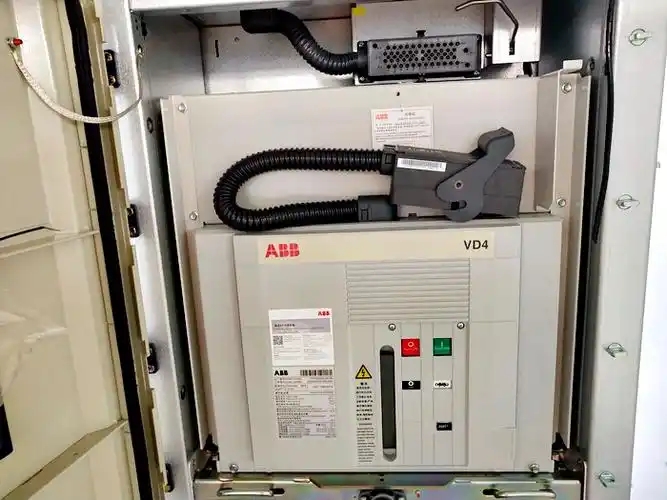
Equipment and Tools for On-Site VCB Diagnostics
Portable Vacuum Interrupter Testers
Dedicated portable vacuum interrupter testers are purpose-built for field use in confined switchgear compartments. Instruments from manufacturers like Doble, Megger, and VIDAR-type testers (originally Waukesha) employ magnetron-based high-voltage generation with sensitive leakage current measurement optimized for the vacuum testing application.
These instruments typically weigh 15–30 kg and can be positioned adjacent to or within the breaker compartment. The test leads are designed to reach interrupter terminals through the limited access points available in metal-clad switchgear. Calibration is critical — annual certification to NIST-traceable standards is the minimum requirement, with many facilities specifying semi-annual calibration for instruments used on critical protective devices.
Modern units incorporate digital data logging, automated pass/fail determination, and trending databases that maintain historical records by breaker serial number.
Digital Timing and Motion Analyzers
Multi-channel digital timing analyzers simultaneously capture all three phases during trip and close operations. Six or more channels record auxiliary contact transitions, coil currents, and transducer signals concurrently, providing complete mechanical characterization in a single operation cycle.
For rackable breakers in the test/disconnected position, transducer attachment typically uses magnetic mounting brackets on the operating rod or a direct-contact linear position sensor. The analyzer software compares measured values against stored baselines, automatically flagging parameters outside tolerance. Fleet-level trending capabilities allow engineers to compare performance across identical breaker populations, identifying outliers that warrant closer investigation.
Micro-Ohmmeters and Insulation Testers
High-current micro-ohmmeters for contact resistance testing inject 100–200 A through the breaker's main contacts using heavy-gauge test leads. Four-wire measurement technique eliminates lead resistance from the reading. When testing installed breakers, lead compensation and verification of proper contact to the breaker terminals is essential — poor test connections are the most common source of erroneous readings.
Safety interlocks become critical when testing installed equipment. Adjacent compartments may remain energized during testing. All instruments must incorporate appropriate voltage sensing and lockout features to prevent test energization of equipment connected to live bus sections.
| Test Type | Typical Instrument | Test Duration | Requires De-energization | Complexity |
|---|---|---|---|---|
| Vacuum integrity | Magnetron tester | 3–5 min/phase | Yes (breaker only) | Moderate |
| Contact resistance | Micro-ohmmeter | 2–3 min/phase | Yes | Low |
| Timing/travel | Digital analyzer | 10–15 min | Yes | Moderate–High |
| Insulation resistance | Megohmmeter | 5–10 min | Yes | Low |
| Power factor | PF test set | 15–20 min | Yes (bus section) | High |
Step-by-Step Procedure for Testing VCBs in Installed Position
Pre-Test Safety and Isolation
Safety begins with proper lockout/tagout per OSHA 29 CFR 1910.147 and your facility's energy control procedures. The breaker must be racked to the test/disconnected position — this separates the primary contacts from the bus while maintaining the breaker within its cubicle for testing access.
Verify zero-energy state on the bus-side stabs using an appropriately rated voltage detector. Confirm that adjacent compartments are identified and that personnel are clear of any compartment where test voltages will be applied. Install safety grounds where required by your facility's switching procedures.
Assess clearances within the compartment. Ensure test leads can be routed without bridging phase-to-phase or phase-to-ground gaps below minimum working distances. For 15 kV class equipment, maintain at least 127 mm (5 inches) clearance between test leads and grounded surfaces when applying high-voltage test potentials.
Conducting the Test Sequence (Recommended Order)
The recommended test sequence moves from non-invasive to invasive, and from de-energized measurement to applied-voltage testing. This approach ensures that any anomaly discovered early doesn't create hazardous conditions for subsequent tests.
1. Visual inspection and cleaning — Examine insulators, contacts (if visible), mechanism components, and connection points. Remove any debris or contamination. Document existing conditions photographically.
2. Insulation resistance — Megohmmeter testing of phase-to-phase and phase-to-ground insulation. This establishes that the insulation system is safe for subsequent higher-voltage tests.
3. Contact resistance — Micro-ohm measurement across closed contacts. Performed at low voltage, this test poses minimal risk and reveals contact condition before any mechanical cycling.
4. Vacuum integrity — High-voltage withstand test across open contacts. Now that insulation has been verified adequate, this higher-energy test can proceed safely.
5. Timing and travel — Mechanical cycling with measurement. This is performed after electrical tests because cycling the breaker could redistribute any contamination detected in earlier steps.
6. Functional operation checks — Trip-free verification, anti-pump testing, interlocking function, and auxiliary contact verification complete the assessment.
This sequence ensures that field testing of vacuum interrupters proceeds safely and that results from each test inform interpretation of subsequent measurements.
Interpreting Results and Trending
Raw test numbers in isolation tell you very little. The real diagnostic power comes from comparing each measurement against three reference points: the manufacturer's published baseline, the breaker's own commissioning data, and the trend line formed by successive maintenance intervals. A contact resistance reading of 55 µΩ on a 15 kV, 1200 A breaker might sit comfortably below the investigation threshold — but if commissioning records show 28 µΩ and the last two tests recorded 38 µΩ and 47 µΩ, the acceleration in degradation demands attention regardless of the absolute number.
Build a trending database keyed to each breaker's serial number and cubicle position. Record ambient temperature at the time of measurement, since contact resistance exhibits a positive temperature coefficient of approximately 0.4% per degree Celsius for CuCr alloys. Normalize readings to a standard reference temperature (typically 20 °C) before plotting trend lines. Without this correction, seasonal temperature variation introduces noise that obscures genuine degradation signals.
Timing data requires particular attention to rate-of-change analysis. A closing time that increases linearly by 1–2 ms per year reflects normal spring relaxation and lubricant aging — manageable with scheduled mechanism service. A sudden 5 ms jump between consecutive tests points to a discrete failure event: a cracked cam follower, a deformed latch surface, or hydraulic damper seal failure. These distinct degradation signatures dictate fundamentally different maintenance responses.
For vacuum integrity, the result is essentially binary under normal conditions — the interrupter either holds vacuum or it doesn't. However, leakage current readings in the 50–80 µA range (below the 100 µA failure threshold but above the near-zero baseline of a healthy bottle) warrant shortened retest intervals. Slow vacuum degradation from micro-leaks can transition from marginal to failed between standard maintenance cycles, so trending even these pass-range values provides early warning.
Documentation and Reporting Requirements
Every test event must produce a formal record that satisfies both your internal reliability program and external compliance obligations. At minimum, the documentation package should include breaker identification (manufacturer, model, serial number, cubicle designation), test date and environmental conditions, instrument identification with calibration certification dates, measured values for each parameter, pass/fail determination with criteria referenced, and the technician's qualitative observations.
Structure reports to support two audiences. Operations and maintenance teams need actionable summaries: what passed, what requires follow-up, what timeline applies. Engineering and compliance teams need the full dataset with trending charts, deviation analysis, and standards traceability. Many organizations use a stoplight format — green/yellow/red status per parameter — layered over the detailed numerical record.
Retain records for the life of the equipment plus a minimum of three years after decommissioning. This satisfies most regulatory retention requirements and provides the historical context necessary if a failure analysis or insurance claim arises after the breaker has been replaced.
Limitations of In-Situ Testing — When Removal Becomes Necessary
Tests That Cannot Be Performed Are Installed
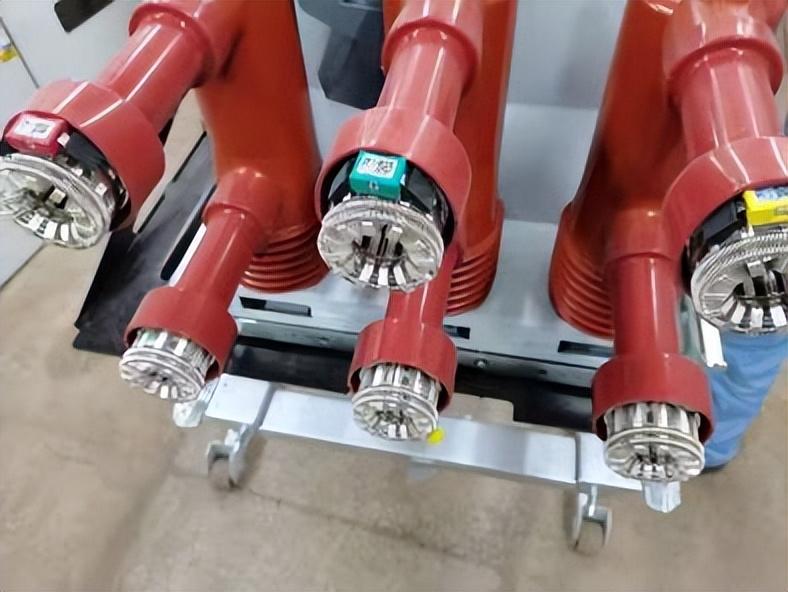
While in-place diagnostics cover the majority of assessment needs, certain evaluations genuinely require breaker removal and workshop conditions. Full-stroke contact erosion measurement — physically gauging the remaining contact disc thickness against the minimum acceptable value — requires disassembly of the interrupter assembly, which is impossible in-situ. The X-ray inspection method, used by some facilities to image internal contact profiles without disassembly, demands controlled radiation environments that cannot be established in an operating switchgear room.
Short-circuit interruption testing at rated breaking capacity is exclusively a factory or specialized laboratory procedure. No field test replicates the thermal and electromagnetic stresses of interrupting 40 kA at rated voltage. Field testing confirms the breaker's readiness for such duty through indirect indicators — vacuum integrity, contact condition, mechanism speed — but cannot prove interruption capability through direct demonstration.
Detailed bellows inspection for fatigue cracking, ceramic envelope examination under magnification for micro-fractures, and internal arc product analysis all require physical access to interrupter surfaces that are sealed within the vacuum envelope. These inspections apply primarily to breakers that have experienced multiple fault-current interruptions approaching their cumulative rating or units where age exceeds 20 years of continuous service.
Compartment Access Constraints
Older switchgear designs, particularly those manufactured before standardized test access was considered in compartment geometry, may physically prevent proper instrument connection. Insufficient clearance between phases for high-voltage test lead routing, absence of designated test points on interrupter terminals, or restricted sightlines for transducer mounting can degrade test quality to the point where results become unreliable. In such cases, partial rack-out to an intermediate position — or full removal — becomes the only option for valid testing.
Contaminated or corrosive environments present a different category of limitation. If the switchgear room atmosphere has introduced conductive deposits on insulating surfaces, in-situ testing may return anomalous insulation resistance readings that reflect surface contamination rather than bulk insulation degradation. Cleaning may resolve this, but severe contamination sometimes requires removal for controlled cleaning and re-testing in a dry environment to establish true insulation condition.
Decision Framework: Test In Place vs. Remove
Apply this decision logic systematically when planning maintenance scope:
| Condition | Recommendation | Rationale |
|---|---|---|
| Routine maintenance interval, no prior anomalies | Test in place | Full diagnostic coverage is achievable in-situ |
| Vacuum test marginal (50–100 µA) on previous cycle | Test in place with shortened interval | Monitor degradation rate before committing to replacement |
| Breaker has interrupted ≥ 70% of rated fault operations | Remove for inspection | Contact erosion assessment requires physical measurement |
| Timing deviation > 15% from baseline | Remove for mechanism overhaul | Root cause may require component replacement |
| Vacuum test failure (> 100 µA) | Remove for interrupter replacement | No field repair is possible for the lost vacuum |
| Age > 20 years, limited fault history data | Remove for comprehensive assessment | Unknown cumulative stress warrants a thorough evaluation |
| Post-event (close-onto-fault, backup protection operation) | Remove for inspection | Extreme duty may cause non-detectable internal damage |
Maintenance Intervals and Condition-Based Scheduling
Time-Based vs. Condition-Based Approaches
Traditional time-based maintenance schedules — test every 3 years, overhaul every 10 years regardless of service duty — originated when monitoring technology couldn't assess breaker condition without disassembly. This approach over-maintains lightly loaded breakers while potentially under-maintaining heavily cycled ones. A motor-operated transfer switch breaker cycling 20 times daily accumulates more mechanical wear in one year than a main feeder breaker sees in a decade.
Condition-based maintenance uses operational data and test trends to schedule interventions when they're actually needed. The inputs include cumulative operations count, cumulative interrupted current (∑I²t), trending of measured parameters, environmental severity, and criticality classification. This philosophy aligns with IEC 62271-100 Annex F guidance and represents the direction of modern asset management programs.
A practical hybrid approach works for most facilities. Establish a maximum calendar interval (often 5 years) as a backstop, but trigger intermediate testing based on operational thresholds — for example, after every 1,000 mechanical operations or after any fault interruption exceeding 50% of rated short-circuit current. This ensures that neither time nor duty escapes oversight.
Recommended Intervals by Application
| Application | Duty Severity | Suggested Test Interval | Key Trigger Events |
|---|---|---|---|
| Main incoming breaker | Low cycles, high consequence | 3 years | Any fault operation |
| Bus tie / sectionalizer | Very low cycles | 4–5 years | Transfer events, system reconfiguration |
| Motor feeder (occasional start) | Moderate | 3–4 years or per 2,000 operations | Motor fault trip |
| Capacitor bank switching | High — restrike risk | 1–2 years or per 5,000 operations | Any restrike indication |
| Frequent-cycle process load | Very high | Annually or per 5,000 operations | Cumulative I²t threshold |
| Generator breaker | Low cycles, highest consequence | 2–3 years | Any out-of-phase closure or fault trip |
Cost-Benefit Analysis: In-Situ vs. Bench Testing
The economic argument for installed testing becomes overwhelming when you factor in total cost of ownership rather than just the direct testing expense. Consider a mid-sized industrial plant with 36 medium-voltage VCBs distributed across three substations.
| Cost Factor | Bench Testing (Per Breaker) | In-Situ Testing (Per Breaker) |
|---|---|---|
| Direct testing labor | $1,200–$2,500 | $800–$1,500 |
| Rigging and transport | $500–$3,000 | $0 |
| Outage duration | 8–24 hours | 2–4 hours |
| Production loss (typical) | $10,000–$50,000 | $2,500–$10,000 |
| Handling damage risk | Moderate | Negligible |
| Diagnostic coverage | ~95% | ~85–90% |
The 5–10% diagnostic coverage gap between in-situ and bench testing primarily consists of internal visual inspection and direct contact wear measurement. For breakers operating well within their lifecycle limits (below 50% of rated fault operations, no anomalous test trends), this gap represents acceptable risk. The savings compound across a fleet — testing 36 breakers in-situ versus bench testing saves an estimated $250,000–$600,000 per maintenance cycle when production losses are included.
Insurance underwriters and reliability engineers increasingly recognize that frequent in-situ testing with condition-based removal produces better availability outcomes than infrequent bench testing. A breaker tested every two years in place receives far more diagnostic attention over its lifetime than one bench-tested every six years, even though any single bench test session is slightly more comprehensive.
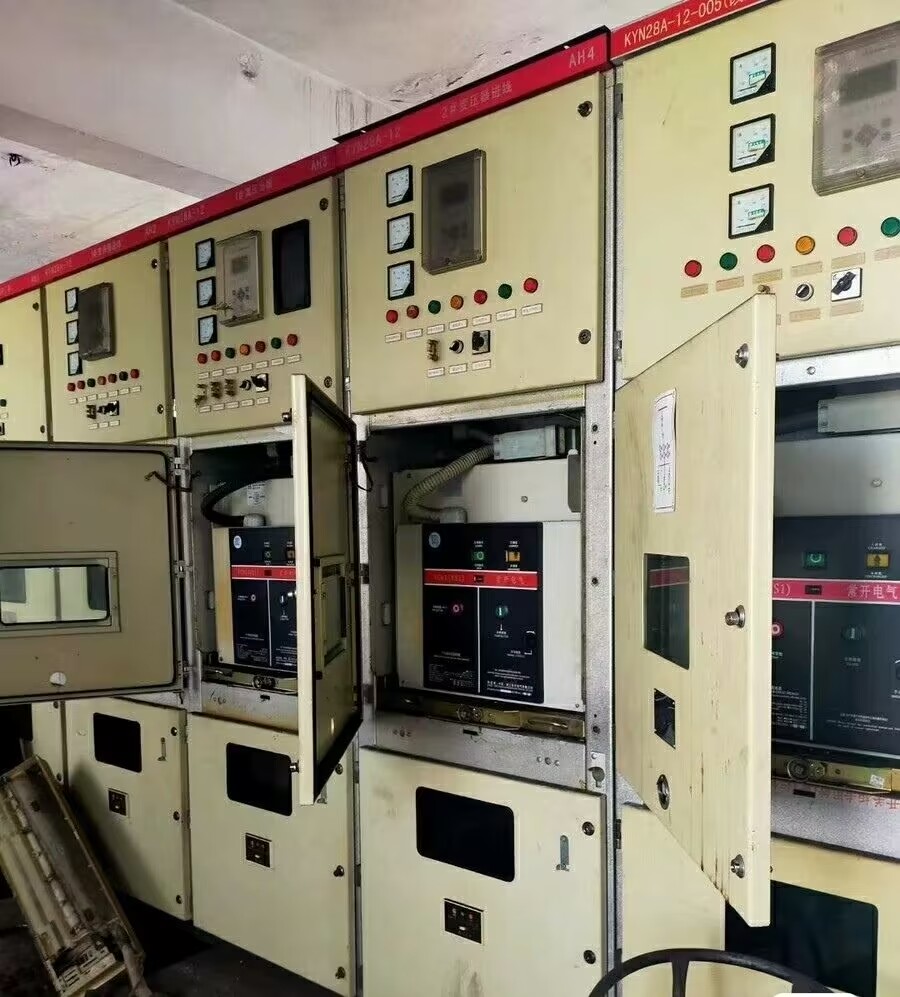
Common Pitfalls and Best Practices
Errors That Compromise Test Validity
The most frequent field testing error is inadequate connection quality during contact resistance measurement. A corroded test clamp or insufficient clamping force introduces milliohm-level connection resistance that dwarfs the micro-ohm signal being measured. Always verify zero compensation by shorting the test leads and confirming a reading below 5 µΩ before connecting to the breaker terminals. Use dedicated, clean test surfaces and appropriate clamping force.
Temperature-related errors affect both contact resistance and insulation resistance measurements. Contact resistance readings taken immediately after the breaker has been carrying load will be elevated due to thermal effects — allow 30 minutes of cooling after de-energization before testing. Conversely, insulation resistance readings taken in high-humidity conditions can show artificially low values due to surface moisture. Record ambient temperature and humidity with every measurement for proper normalization.
During vacuum integrity testing, residual charge on capacitive components (instrument transformers, surge arresters, or cable capacitance connected to the breaker bushings) can produce false leakage current readings. Verify that all connected apparatus is fully discharged and isolated before interpreting vacuum test results. Ground all terminals not actively under test.
Workforce Qualification and Training
In-situ VCB testing requires technicians who understand both electrical testing principles and the specific hazards of working in energized switchgear environments. NETA certification (Level II or higher for medium-voltage testing) provides a recognized baseline of competence. Beyond certification, technicians should receive manufacturer-specific training covering the mechanical particularities of each breaker type in their fleet — contact travel specifications, mechanism adjustment points, and known failure modes.
The human factor in measurement quality cannot be overstated. A skilled technician who understands why each measurement matters will catch anomalies that an automated pass/fail system might overlook — a slightly unusual sound during closing, visible arc products on an insulator surface, or a mechanism that feels different than the identical breaker in the adjacent cubicle. Preserve this institutional knowledge through structured mentoring programs and detailed test procedure documentation that captures not just the steps but the reasoning behind them.
Integration with Digital Asset Management
Modern computerized maintenance management systems (CMMS) and enterprise asset management (EAM) platforms can ingest test data directly from digital instruments via USB or network upload. This eliminates transcription errors and enables automated trend alerting — the system flags any parameter that has crossed a percentage deviation threshold or that is trending toward a limit at a rate suggesting failure before the next scheduled test.
Facilities operating under ISO 55001 asset management frameworks find that structured in-situ testing data directly supports lifecycle cost optimization models. The data quantifies remaining useful life estimates, informs spare parts stocking decisions, and provides evidence-based justification for capital replacement budgets. A breaker with ten years of stable in-situ test data might justify extended service beyond its original design life, while another of the same age showing accelerating degradation trends gets flagged for proactive replacement during the next planned outage.
Frequently Asked Questions
Can vacuum integrity be tested without racking out the breaker?
The breaker must be in the test/disconnected position (racked out from the connected position to break primary bus contact) but remains physically within its cubicle. This is the standard configuration for all in-situ testing — the breaker is electrically isolated from the bus while staying mechanically installed in the switchgear compartment. Full physical removal from the cubicle is not required for vacuum integrity testing.
How reliable are field vacuum test results compared to factory testing?
Field vacuum integrity tests using calibrated magnetron-type instruments produce highly reliable binary results. The test is fundamentally a go/no-go assessment — either the vacuum holds and leakage current is negligible, or the vacuum has degraded and measurable current flows. Studies comparing field and laboratory results on the same interrupters show agreement rates above 99% for the pass/fail determination. The reduced voltage level used in field testing (75% of factory withstand) provides an appropriate safety margin while remaining sufficient to detect vacuum loss.
What is the minimum outage window needed to test a single VCB in place?
A complete diagnostic suite — insulation resistance, contact resistance, vacuum integrity, timing/travel, and functional checks — requires approximately 2–4 hours per breaker when performed by an experienced two-person team with pre-staged equipment. This includes safety setup and documentation time. Facilities that perform only vacuum integrity and contact resistance (the two highest-value individual tests) can complete a focused assessment in under 90 minutes per breaker.
Do all VCB manufacturers support in-situ testing of their equipment?
All major manufacturers — ABB, Siemens, Eaton, Schneider Electric, Mitsubishi, and others — design their current-production medium-voltage VCBs with field testing access in mind. Manufacturer technical documentation includes field test procedures and acceptance criteria specific to each model. Some legacy designs from the 1980s and early 1990s present access challenges due to compact compartment geometries, but even these can generally be tested in place with appropriate adapter fixtures or modified test lead configurations.
Does in-situ testing satisfy regulatory and insurance requirements?
Yes, when performed in accordance with recognized standards (IEEE, IEC, NETA) by qualified personnel using calibrated instruments. Insurance underwriters, OSHA compliance auditors, and NFPA 70E arc flash analysis programs all accept properly documented field testing as evidence of maintained protective device reliability. The critical requirements are traceability (calibrated instruments with current certification), competency (qualified technicians with appropriate credentials), methodology (adherence to published standard procedures), and documentation (complete records with pass/fail criteria clearly referenced). Facilities that maintain these four elements satisfy virtually all jurisdictional and contractual obligations without needing to demonstrate bench testing specifically.
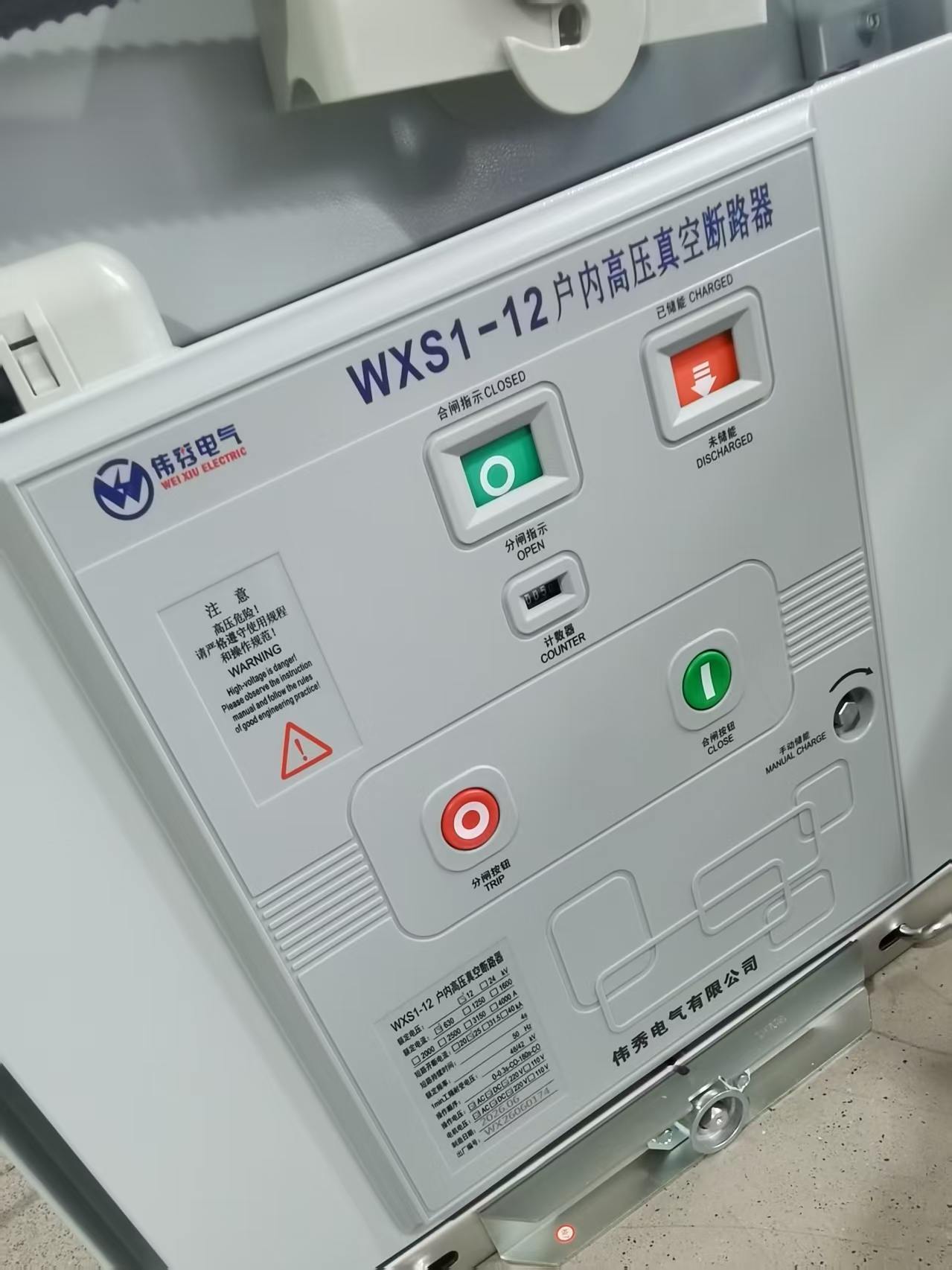
Emerging Technologies Enhancing In-Situ VCB Diagnostics
Online Monitoring and IoT-Enabled Breakers
The next evolution beyond periodic in-situ testing is continuous online monitoring — sensors permanently installed on the breaker that stream condition data in real time without requiring any outage. Current-generation smart breakers from major manufacturers incorporate embedded sensors measuring partial discharge activity, contact temperature via fiber optic probes, mechanism vibration signatures, and coil current waveforms captured during every operation.
These systems don't replace periodic diagnostic testing entirely, but they fundamentally change the triggering logic. Instead of testing on a fixed calendar schedule, the monitoring system alerts maintenance teams when a parameter deviates from its learned baseline. A vibration signature that shifts frequency content after a fault interruption triggers an immediate in-situ test session focused on timing and travel — confirming or ruling out mechanism damage within days rather than waiting months for the next scheduled outage.
Communication protocols, including IEC 61850 GOOSE messaging and Modbus TCP/IP allow integration with SCADA systems and asset health dashboards. Operations personnel can view breaker condition indices alongside process data, making informed decisions about whether a planned production run can safely proceed or whether a maintenance window needs to be advanced.
Partial Discharge Detection for Installed Equipment
Ultrasonic and UHF partial discharge sensors mounted externally on switchgear compartments detect incipient insulation breakdown that precedes catastrophic failure. These sensors operate while the equipment remains energized and in service — no outage required for the monitoring itself. Elevated partial discharge activity in the vicinity of a VCB compartment triggers targeted in-situ testing during the next available maintenance window.
Transient earth voltage (TEV) sensors applied to the switchgear enclosure exterior provide another non-intrusive detection method. TEV readings above 15 dB millivolts warrant investigation; sustained readings above 25 dBmV indicate active discharge requiring near-term intervention. When correlated with specific compartment locations, these measurements guide maintenance teams directly to the affected breaker without testing an entire lineup.
Advanced Analytics and Predictive Modeling
Machine learning algorithms trained on fleet-wide test data can identify degradation patterns that human trend analysis might miss. By correlating contact resistance trajectories, timing drift rates, operation counts, and environmental factors across hundreds of similar breakers, these models generate remaining-useful-life predictions with quantified confidence intervals. A model might determine that a specific breaker has a 92% probability of maintaining acceptable vacuum integrity through the next planned outage in 18 months — or conversely, flag a 30% failure probability that justifies bringing forward the maintenance schedule.
Digital twin technology creates virtual replicas of individual breakers, continuously updated with monitoring data and test results. These twins simulate aging processes and predict when specific components will reach end-of-life thresholds. The practical benefit for maintenance planning is substantial: spare parts procurement, outage scheduling, and workforce allocation can be optimized months in advance based on predicted rather than reactive needs.
Conclusion
Vacuum circuit breakers can absolutely be tested while installed, and for the vast majority of maintenance scenarios, in-situ testing is not merely adequate — it is the preferred methodology. The combination of vacuum integrity verification, contact resistance measurement, timing and travel analysis, and insulation diagnostics provides a comprehensive health assessment covering 85–90% of all meaningful failure modes without removing the breaker from its switchgear compartment.
The standards framework fully supports this approach. IEEE, IEC, and NETA all provide specific procedures, acceptance criteria, and reduced test levels designed for field application. Regulatory bodies and insurance underwriters accept properly documented in-situ testing as evidence of maintained protective device reliability. The economic advantages — reduced outage duration, eliminated transport costs, lower handling damage risk — compound across breaker fleets to produce six-figure savings per maintenance cycle for medium-sized installations.
The key is knowing the boundaries. When a breaker has exhausted a significant portion of its fault-interruption life, when test trends show accelerating degradation, or when a severe duty event demands internal inspection, removal for workshop assessment becomes the correct decision. The decision framework presented here — driven by data rather than arbitrary schedules — ensures that each breaker receives exactly the level of intervention its condition warrants, no more and no less.
Invest in calibrated instrumentation, qualified personnel, structured documentation, and trending databases. These foundational elements transform in-situ VCB testing from a simple cost-saving measure into a genuine reliability improvement program — one that catches degradation earlier, intervenes more precisely, and keeps critical power systems available when they're needed most.