
Busbar design within Medium Voltage (MV) switchgear is a critical aspect, fundamentally ensuring the safe, reliable, and efficient operation of power systems. These busbars are not merely simple current conductors; they serve as the strategic backbone, interconnecting various components within the switchgear and forming the core pathway for electricity flow, with their performance directly determining the stability and continuity of the entire power distribution system.
At its core, busbar design must meet stringent industry standards, primarily addressing four key areas: thermal performance, mechanical strength, material selection, and electrical integrity. This comprehensive approach ensures that busbars operate stably under rated current conditions and can withstand immense stresses during short-circuit faults. These guidelines are established by international and national standards organizations, such as IEC and ANSI/IEEE, assuring the long-term performance of busbars and the overall reliability of switchgear. They represent indispensable principles that modern power system engineers must thoroughly understand and strictly adhere to.
Part 1: Overview of Busbar Design Standards
The design of busbars in Medium Voltage (MV) switchgear must strictly adhere to a series of industry standards. These regulations serve as the foundational bedrock for ensuring the safe and stable operation of power systems. These guidelines not only define minimum requirements for design and manufacturing but also guarantee the interoperability and reliability of electrical equipment worldwide.
Core standards primarily originate from the International Electrotechnical Commission (IEC) and the American National Standards Institute/Institute of Electrical and Electronics Engineers (ANSI/IEEE). These organizations play a dominant role in the global power market, ensuring that busbar products consistently achieve high-quality levels.
1.1 Major International and North American Standard Systems
In the field of busbar design, two main standard systems prevail globally: the International Electrotechnical Commission (IEC) standards and the ANSI/IEEE standards, predominantly used in North America. While these two systems differ in their specifics, both are dedicated to ensuring the safety and performance of electrical equipment.
IEC 62271 Series: This is a comprehensive set of international standards, outlining detailed technical requirements for MV switchgear, including busbar components, across aspects such as electrical performance, mechanical endurance, insulation coordination, and test methods. This series is widely adopted globally, holding significant influence particularly in Europe, Asia, and other regions, making it a crucial reference for international trade and technical exchange in power equipment.
ANSI/IEEE C37.20.2: This standard specifically addresses the design of metal-enclosed MV switchgear, including detailed provisions for busbar components. It explicitly mandates rigorous temperature-rise tests to verify the thermal performance of busbars under rated current conditions. This standard serves as a vital reference for designing and procuring MV switchgear in the North American power industry.
IEEE C37.23: This standard is applicable to medium voltage non-segregated phase bus runs, also specifying their performance requirements and test methods. Non-segregated phase busbars are commonly used to connect various sections of switchgear or serve as interfaces between switchgear and other equipment, meaning their design must also meet stringent mechanical and electrical performance standards.
These standards collectively form the regulatory framework for busbar design, ensuring that all design and testing processes are comparable and consistent. Strict adherence to these standards is a prerequisite for designing and manufacturing high-quality MV switchgear busbars and is fundamental for product acceptance in international markets.
1.2 Core Elements of Busbar Design Standards
The design standards for MV switchgear busbars are based on a comprehensive, multi-dimensional system, primarily revolving around several core elements. Each of these elements ensures the reliability of busbars under various operating conditions from a different perspective.
Thermal Performance: This is one of the most fundamental considerations in busbar design. Standards mandate that busbars, when carrying their rated continuous current for extended periods, must not experience excessive temperature rise. This prevents accelerated aging of insulation materials, conductor creep, or overheating at connection points, thereby averting equipment damage or failures.
Mechanical Strength: Busbars must possess sufficient mechanical strength to withstand the immense electrodynamic forces generated during short-circuit faults. These forces can cause busbars to bend, deform, or even break, leading to more severe system failures. The design must ensure that both the busbar conductors and their supporting structures can safely endure these instantaneous forces.
Materials and Plating: The choice of busbar conductor material (such as high-conductivity copper or aluminum) and the surface treatment of its connection points (e.g., silver plating, tin plating) profoundly influence electrical conductivity, mechanical strength, corrosion resistance, and long-term stability. Standard development aims to optimize these specific characteristics.
Insulation and Enclosure: The insulation system of a busbar is crucial for ensuring personnel safety and the electrical integrity of the equipment. Standards clearly define insulation requirements between phases and to ground, as well as the physical protection and isolation functions of the switchgear enclosure for live busbars, preventing electric shock and external environmental interference.
Connection Point Design: Busbar joints and connections to external cables or equipment (e.g., bushings) represent the most vulnerable and failure-prone points within the entire busbar system. Standards impose stringent requirements on connection methods, tightening torques, contact resistance, and long-term stability, ensuring uninterrupted power flow.
These elements are interconnected and collectively determine the safety, reliability, and lifespan of busbars in actual operation. Engineers must comprehensively consider all these aspects, as omitting any one could compromise the system.
Part 2: Thermal Performance Requirements and Heat-Run Tests
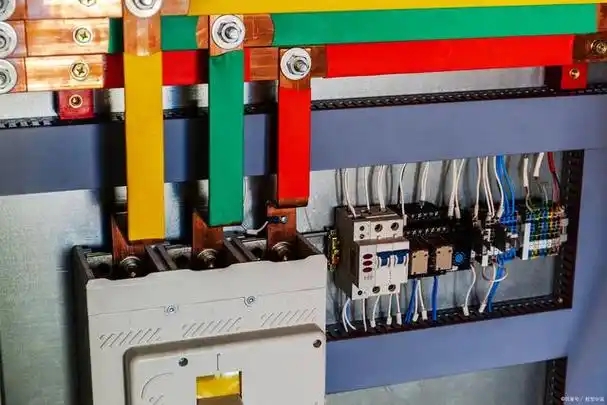
The thermal performance of busbars is the primary consideration for their safe operation, directly affecting the lifespan of the busbar itself, its connection points, and surrounding insulation materials. When current flows through a conductor in a power system, it generates heat (Joule heating).
If this heat cannot be effectively dissipated, resulting in excessive temperature rise, it can lead to a series of problems, including accelerated aging of insulation materials, reduced mechanical strength of conductors, increased resistance at connection points, causing further heating, and ultimately, potential equipment damage or even fire. Therefore, all busbar designs must comply with stringent temperature rise limits.
2.1 Temperature Rise Limits for Rated Continuous Current
Busbars must be designed to carry their rated continuous current without exceeding the temperature rise limits specified by standards. Typically, standards dictate that the maximum operating temperature or temperature rise (the difference above ambient temperature) of busbar conductors, including connectors and contacts, must not exceed a specific value. For example, ANSI/IEEE C37.20.2 often specifies a maximum temperature rise of 65°C above ambient temperature for busbar conductors. This implies that if the ambient temperature is 40°C, the maximum temperature of the busbar conductors should not exceed 105°C.
It is important to note that temperature rise limits may vary slightly across different standards, insulation classes, or specific application scenarios. For instance, IEC standards may have different classifications and testing conditions. Engineers must strictly refer to the latest standards and equipment specifications applicable to their specific project during the design phase. Precisely controlling temperature rise is not just about preventing immediate failures, but is crucial for extending the lifespan of switchgear and ensuring the long-term stable operation of the system. Operating with insufficient temperature rise margins implies higher risks and a shorter operational lifespan.
Note: Temperature rise limits are vital for busbar design. They directly impact insulation material lifespan; an increase of 10°C can halve insulation life.
2.2 The Importance of Heat-Run Tests
To verify that a busbar design meets the temperature rise requirements, rigorous Heat-Run Tests (also known as thermal stability tests) must be performed. This test is a critical component of type testing, essential for validating new designs or modified products.
During the test, the switchgear is subjected to its rated continuous current or a specific overload current for an extended period, simulating actual operating conditions. The temperature at various key points, including busbar conductors, connection points, insulation components, and the switchgear enclosure, is precisely measured to assess its heat dissipation performance and thermal equilibrium state. The test results must demonstrate that, under the specified test conditions, the maximum temperature rise of the busbar conductors and other components does not exceed the standard limits. The Heat-Run Test is the most direct, effective, and authoritative method for evaluating busbar thermal performance, and is a decisive step for product market entry.
Tip: In practical engineering, besides type tests, infrared thermography is sometimes used for installed busbars as part of predictive maintenance, to identify potential hot spots promptly.
2.3 Influence of Environmental Factors on Temperature Rise
The actual current carrying capacity and temperature rise of busbars are not only influenced by their design (e.g., cross-sectional area, material) but also significantly by external environmental conditions. Both in design and practical application, these environmental factors must be thoroughly considered for their impact on busbar heat dissipation and temperature rise.
Ambient Temperature: The temperature rise limit of a busbar is relative to the ambient temperature. If installed in areas with higher ambient temperatures (such as tropical climates or enclosed industrial facilities), the busbar's heat dissipation capability will decrease accordingly. This may necessitate derating its current carrying capacity based on ambient temperature correction factors specified by standards.
Altitude: As altitude increases, air density decreases, which reduces convection heat dissipation capacity. Therefore, busbars operating at high altitudes usually require appropriate derating of their current carrying capacity to prevent overheating.
Ventilation Conditions: The internal ventilation structure of the switchgear, the presence of forced air cooling, and the air circulation of the installation site all significantly affect the busbar's heat dissipation efficiency. Poor ventilation in enclosed spaces can substantially increase the busbar's operating temperature.
Proximity Effect: When multiple busbars are closely arranged, they influence each other's heat dissipation, leading to a higher temperature rise compared to a single busbar. These skin effects and proximity effect must be considered during design.
Therefore, engineers must fully account for these environmental factors during the design phase. They should also perform current-carrying capacity checks and make necessary design adjustments based on specific project conditions, ensuring that busbars can operate safely under all prevailing circumstances.
Part 3: Mechanical Strength and Short-Circuit Withstand Capability
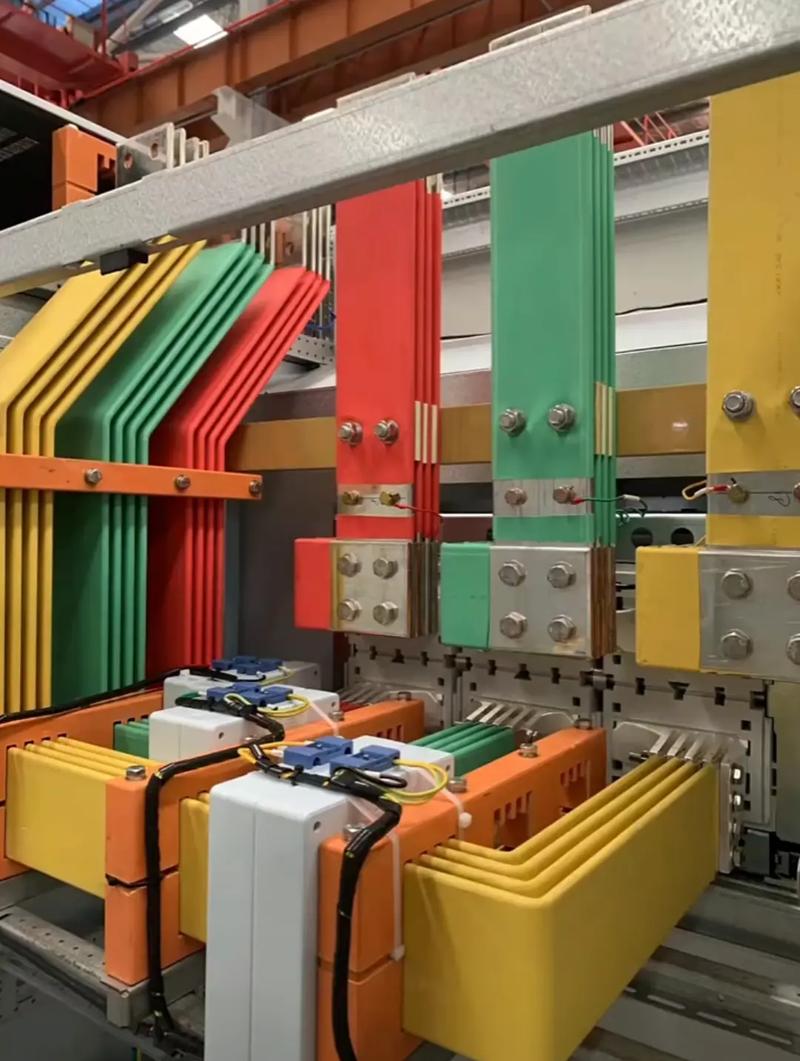
The mechanical strength of Medium Voltage (MV) switchgear busbars is crucial for their safety under extreme operating conditions. While rare, short-circuit faults in a power system pose an immense challenge, as they generate instantaneous and powerful electrodynamic forces that severely stress busbars and their supporting structures.
If a busbar's mechanical strength is inadequate, these forces can cause it to bend, deform, or even break, leading to cascading failures, widespread power outages, and equipment damage. Therefore, the design must ensure that the busbar system can withstand these instantaneous forces, preventing physical damage or failures in adjacent components.
3.1 Electrodynamic Forces Under Short-Circuit Current
When a short-circuit occurs in the system, immense short-circuit currents, far exceeding the rated value, flow through the busbars. According to the principles of electromagnetism, these powerful currents generate strong repulsive or attractive electrodynamic forces between adjacent parallel busbar conductors (phase-to-phase) and between busbars and grounded structures (phase-to-ground).
These forces are instantaneous, with peak values far exceeding the mechanical stresses encountered during normal operation. The busbar design must be capable of withstanding the maximum electrodynamic forces generated by the switchgear's rated Momentary Rating (typically referring to the first peak of the short-circuit current). These forces act on the busbar for an extremely short duration, demanding that both the busbar material and its supporting structures possess excellent impact resistance.
3.2 Momentary and Short-Time Withstand Capability
Busbars and their supporting components must be designed to withstand the rated Momentary and Short-Time conditions corresponding to the switchgear's highest-rated circuit breaker. These are critical indicators for measuring the busbar's resistance to short-circuit conditions.
Momentary Withstand Capability: This refers to the busbar's ability to withstand the peak value of the short-circuit current, typically corresponding to the maximum instantaneous value of the first half-cycle of the short-circuit current waveform. It primarily tests the elastic limit and yield strength of the busbar and its supports, ensuring no permanent deformation or fracture occurs.
Short-Time Withstand Capability: This refers to the busbar's ability to remain intact after a short-circuit current flows for a specified duration (e.g., 1 second, 2 seconds, or 3 seconds, depending on the standard and application). This not only tests the busbar's mechanical strength but also its stability under short-duration high thermal effects, ensuring that the busbar system does not fail before the fault is cleared by protective devices.
These requirements collectively ensure that the busbar maintains its structural integrity during a fault, facilitating subsequent fault isolation and system restoration.
3.3 Short-Circuit Electrodynamic Force Calculation and Simulation
Short-circuit electrodynamic forces are not designed arbitrarily; they rely on specific calculation methods and verification tools. Engineers use formulas based on electromagnetic principles to calculate the maximum electrodynamic forces acting on busbars during a short-circuit fault. These calculations typically involve the busbar's geometric shape, conductor spacing, short-circuit current peak value, and conductor material properties.
Basic Calculation Principles: Based on the Biot-Savart Law and Ampere's Force Law, the magnetic field and forces between parallel conductors carrying current are calculated. For complex busbar layouts, manual calculations become exceedingly complex.
Modern Simulation Tools: In modern design, Computer-Aided Engineering (CAE) simulation tools, such as Finite Element Analysis (FEA), are widely applied. These simulation software can create precise 3D models of busbars, simulating the electromagnetic fields generated by short-circuit currents and the resulting stress distribution and deformation. FEA can accurately predict the busbar's response under extreme electrodynamic forces, including stress concentration areas and maximum deflections, thereby helping engineers optimize the structural design of busbars and supports. This effectively verifies the mechanical strength of the busbar system, significantly improving design accuracy and efficiency.
Tip: Simulation not only validates designs but can also identify potential weak points before physical testing, shortening development cycles and reducing testing costs.
Part 4: Material Selection and Plating Technology
The selection of busbar material is crucial for its electrical conductivity, mechanical strength, and corrosion resistance, forming the foundation for its long-term reliable operation. Concurrently, the surface treatment technology—or plating—at connection points significantly influences the busbar's overall performance, particularly its contact resistance and temperature rise characteristics.
The correct combination of materials and plating can maximize the electrical efficiency and mechanical reliability of the busbar.
4.1 High-Conductivity Materials
High-conductivity copper (typically electrolytic tough pitch copper or oxygen-free copper) is the standard material for manufacturing MV switchgear busbars. Copper possesses a series of excellent properties that make it an ideal choice:
Excellent Electrical Conductivity: Copper has extremely high electrical conductivity, allowing it to efficiently carry large currents and minimize transmission losses.
Good Mechanical Properties: Copper has sufficient strength and ductility, making it easy to fabricate into various shapes (e.g., rectangular, channel, tubular) and enabling it to withstand mechanical stresses generated during short-circuit faults.
Good Thermal Conductivity: This property aids in heat dissipation, helping to control temperature rise.
In certain cost-sensitive or lightweighting applications, aluminum alloys may also be considered as a busbar material. Aluminum alloys offer advantages such as lower density and relatively lower cost. However, aluminum busbars also present their own challenges:
Lower Conductivity: For the same current-carrying capacity, the cross-sectional area of an aluminum busbar is typically larger than that of a copper busbar.
Prone to Surface Oxidation: Aluminum surfaces readily form an insulating oxide layer, which can increase contact resistance at connection points.
Creep Characteristics: Aluminum is susceptible to creep under long-term pressure, which can lead to loosening of connection bolts and increased contact resistance.
Therefore, aluminum busbars have specific requirements for connection technology, such as the need for cold-pressure welding, specially designed connectors, or enlarged contact areas to ensure long-term reliable connections.
4.2 Plating for Enhanced Connection Performance
The surface treatment of busbar joints and connection points—plating—is essential for optimizing electrical connection performance, particularly to minimize contact resistance and prevent oxidation.
Silver Plating: Silver boasts extremely low contact resistance and excellent electrical conductivity. Silver plating on busbar joints or contacts can significantly enhance the conductivity of connection points, minimizing contact resistance and thereby greatly improving temperature rise limits. For high-current applications, silver plating is often the preferred choice.
Tin Plating: A tin layer provides good oxidation resistance and favorable electrical conductivity. Tin plating effectively prevents the formation of oxide films on copper or aluminum surfaces, offering good conductivity and corrosion resistance, especially for connection surfaces that may be exposed to air. Tin plating is less expensive than silver plating and is widely used in many medium-current applications or where cost is a significant factor.
By plating connection surfaces, the temperature rise at these points can be effectively reduced, increasing the busbar's rated current-carrying capacity. In some cases, this allows for the use of less copper (or aluminum) to achieve the same rated current-carrying capacity and temperature rise requirements, optimizing material utilization.
4.3 Corrosion Resistance and Special Environmental Applications
Beyond electrical conductivity and mechanical strength, the corrosion resistance of busbar materials and plating in specific environments is a critical consideration. In harsh operating conditions, corrosion can lead to surface oxidation of busbars, increased contact resistance, and even degradation of material strength.
Corrosive Environments: Examples include coastal regions with high salt spray, chemical plants with acidic or alkaline gases, and highly polluted areas where air contains corrosive substances like sulfur compounds. Such environments accelerate busbar corrosion.
Protective Measures: For different corrosive environments, designers must select appropriate plating (e.g., thicker silver layers, nickel layers, or special alloy platings) or employ complete encapsulation of busbars using insulating materials like epoxy resin. In extreme cases, inert gas-protected segregated phase busbars might be considered. These measures aim to ensure the long-term stable operation of busbars in adverse environments, extending their lifespan and maintaining excellent electrical performance.

Part 5: Insulation and Enclosure Design
In Medium Voltage (MV) switchgear, the design of busbar insulation and the surrounding enclosure is paramount for ensuring personnel safety, long-term stable operation of equipment, and preventing fault propagation. Effective insulation reliably prevents flashovers between phases or to ground, while a robust and flame-retardant enclosure physically isolates live components, providing protection and limiting the spread of any potential fault.
These two aspects work synergistically to construct a comprehensive safety barrier within the switchgear.
5.1 Busbar Insulation Requirements
For metal-enclosed MV switchgear, phase busbars are typically insulated to ensure electrical isolation between phases and to ground. Various methods are employed to achieve busbar insulation:
Insulation Sleeves or Heat-Shrink Tubing: These involve covering the copper busbar externally with sleeves made from materials such as cross-linked polyethylene (XLPE), silicone rubber, or polyester.
Insulating Paint or Powder Coating: Applying an insulating coating to the busbar surface.
Epoxy Resin Casting: For compact or higher-insulation-requirement busbar systems, integral casting with epoxy resin can be used, providing excellent insulation performance and robust mechanical protection.
Furthermore, the insulating supports holding the busbars are equally critical. These supports must be made from flame-retardant, track-resistant, and non-hygroscopic materials, such as:
Glass-Fiber Reinforced Polyester (Glass-Polyester): Offers excellent mechanical strength, insulation properties, and flame retardancy.
Epoxy Resin Insulators: Precisely cast through molds, providing high dielectric strength and mechanical support.
Porcelain (Ceramic): A traditional insulating material still used in outdoor or high-voltage applications.
These insulating materials must possess sufficient dielectric strength (to resist electrical breakdown), thermal class (to withstand operating temperatures and momentary overheating), mechanical toughness (to resist short-circuit electrodynamic forces), and long-term stability (to resist aging). They effectively prevent arc tracking and insulation degradation caused by moisture.
5.2 Enclosure Protection for Busbars
The switchgear enclosure design not only provides physical protection but also effectively isolates busbars from other internal components (such as cable compartments and circuit breaker compartments). This prevents external environmental factors like dust, moisture, pollutants, and small animal ingress from affecting the busbar system.
Physical Protection: The metal structure of the enclosure (typically steel plate or aluminum alloy) resists external impacts and accidental contact, preventing electric shock incidents.
Fault Isolation: In the unlikely event of an internal fault, the enclosure and internal barriers are designed to limit the fault's spread, preventing it from propagating from one compartment to another, thereby enhancing the overall safety of the switchgear.
Environmental Adaptability: Enclosure design must also consider its Ingress Protection (IP) rating, to suit different installation environments such as indoor, outdoor, dust-proof, and waterproof applications.
5.3 Isolation and Environmental Adaptability Design
Internal phase-to-phase isolation within the switchgear is a critical design feature for preventing phase-to-phase short-circuit faults, especially in MV applications where phase distances are relatively small. This is typically achieved through various methods:
Insulating Barriers: Placing insulating barriers between phases to increase creepage distances and electrical clearances.
Air Gaps: Maintaining sufficient air insulation distances between phases.
Insulating Gas Fillings: For Gas Insulated Switchgear (GIS), SF6 gas is used to provide insulation.
Furthermore, enclosure design must pay particular attention to moisture protection and anti-condensation measures, especially in humid regions or environments with significant temperature fluctuations. Condensation can lead to flashovers on insulation surfaces, which is a common cause of switchgear failures. Solutions include:
Sealing Design: Ensuring excellent sealing of the enclosure to prevent external moisture ingress.
Heaters: Installing heaters inside the switchgear to maintain an internal temperature slightly above ambient, preventing water vapor from condensing.
Optimized Ventilation Paths: Designing efficient ventilation systems to promote air circulation and remove moisture.
Local Potting: Applying local potting or encapsulation to critical areas like busbar connections, providing extra moisture protection.
These design measures collectively ensure the long-term reliability of busbar insulation, guaranteeing stable switchgear operation under diverse environmental conditions.
Part 6: Busbar Joints and Connection Point Design
Busbar joints, along with connections to external cables and equipment (such as wall bushings and circuit breaker contacts), represent the most critical and frequently failure-prone points within the entire busbar system. The quality of these connection points directly impacts the busbar system's temperature rise performance, electrical continuity, and long-term reliability.
Precise, reliable, and maintainable connections are essential for ensuring uninterrupted power flow, and thus require significant attention from engineers during both design and installation phases.
6.1 Busbar Joint Design
Busbar joints are crucial for connecting two sections of busbar, and their design must ensure low contact resistance and high mechanical stability.
Mechanically Secured Connections: Busbar joints typically use bolted connections, where two busbar sections are rigidly fastened together with bolts. This requires the mating surfaces to be flat, clean, and have sufficient contact area.
Fasteners: High-strength bolts and nuts conforming to standards must be used, often coupled with Belleville washers or other elastic washers. These elastic elements are crucial for maintaining the bolt connection's preload and sufficient contact pressure even as busbars expand and contract due to thermal changes. This effectively prevents loosening and increased contact resistance over time.
Installation Procedure and Maintenance: During installation, strict control over bolt tightening torque is essential. Conductive grease may be applied to further optimize electrical contact and prevent oxidation on the mating surfaces. Furthermore, emphasizing professional training for installation personnel and regular infrared thermography inspections of busbar joints are key maintenance practices for ensuring long-term connection quality and reliability.
Tip: When making bolted connections, ensure all bolts are uniformly stressed and tightened to the specified torque. Using a torque wrench for installation and periodic checks are crucial to avoid localized overheating and poor contact.
6.2 Cable and Other Equipment Connections
Connections between busbars and external cables or other internal switchgear components (such as circuit breakers or voltage transformers) are equally vital.
Connections to Cables: Cable connections typically employ rigid or solid bus connections to ensure proper cable termination and correct installation of the stress cone. This rigid connection helps stabilize the cable end, reducing long-term stress, and provides good electrical isolation.
Connections to Other Equipment: For connections to roof-entry bushings or where some flexibility is required—for example, when connecting to vibrating equipment or components with larger installation tolerances—more flexible connection methods, such as flexible braided connectors, may be used. Flexible braided connectors, made from multiple strands of braided copper wire, offer excellent flexibility. They can absorb vibrations, compensate for installation misalignments and thermal expansion, and maintain good electrical conductivity simultaneously.
Design considerations must encompass the need for connection rigidity, flexibility, current ratings, and spatial constraints.
6.3 Special Connection Technologies
Beyond common bolted connections, other specialized connection technologies exist for specific application scenarios and busbar types. These methods are typically employed for high-current applications, where extremely low contact resistance is required, or in unique environmental conditions.
Welding: In high-current busbar systems or applications demanding exceptionally high connection reliability, welding is an ideal connection method. Welded connections feature extremely low contact resistance, almost equivalent to the busbar conductor itself, along with high mechanical strength and resistance to loosening. Common welding methods include inert gas shielded welding (TIG/MIG) and friction welding. However, welding requires specialized skills and equipment and is not easily disassembled.
Crimping: Crimping is a connection method that uses a specialized tool to cold-deform a busbar or cable terminal, creating a tight mechanical and electrical bond with a connector (e.g., a lug). Crimped connections offer good electrical conductivity and mechanical strength, particularly suitable for connecting copper busbars to large cross-section cables. The quality of crimped connections is influenced by the crimping tool and adherence to proper operating procedures.
Engineers must select the most suitable connection technology based on specific current ratings, environmental conditions, cost considerations, and maintainability requirements. They must also strictly adhere to corresponding process specifications to ensure that each connection achieves its designed performance.
Part 7: Summary of Relevant Standards and Design Considerations
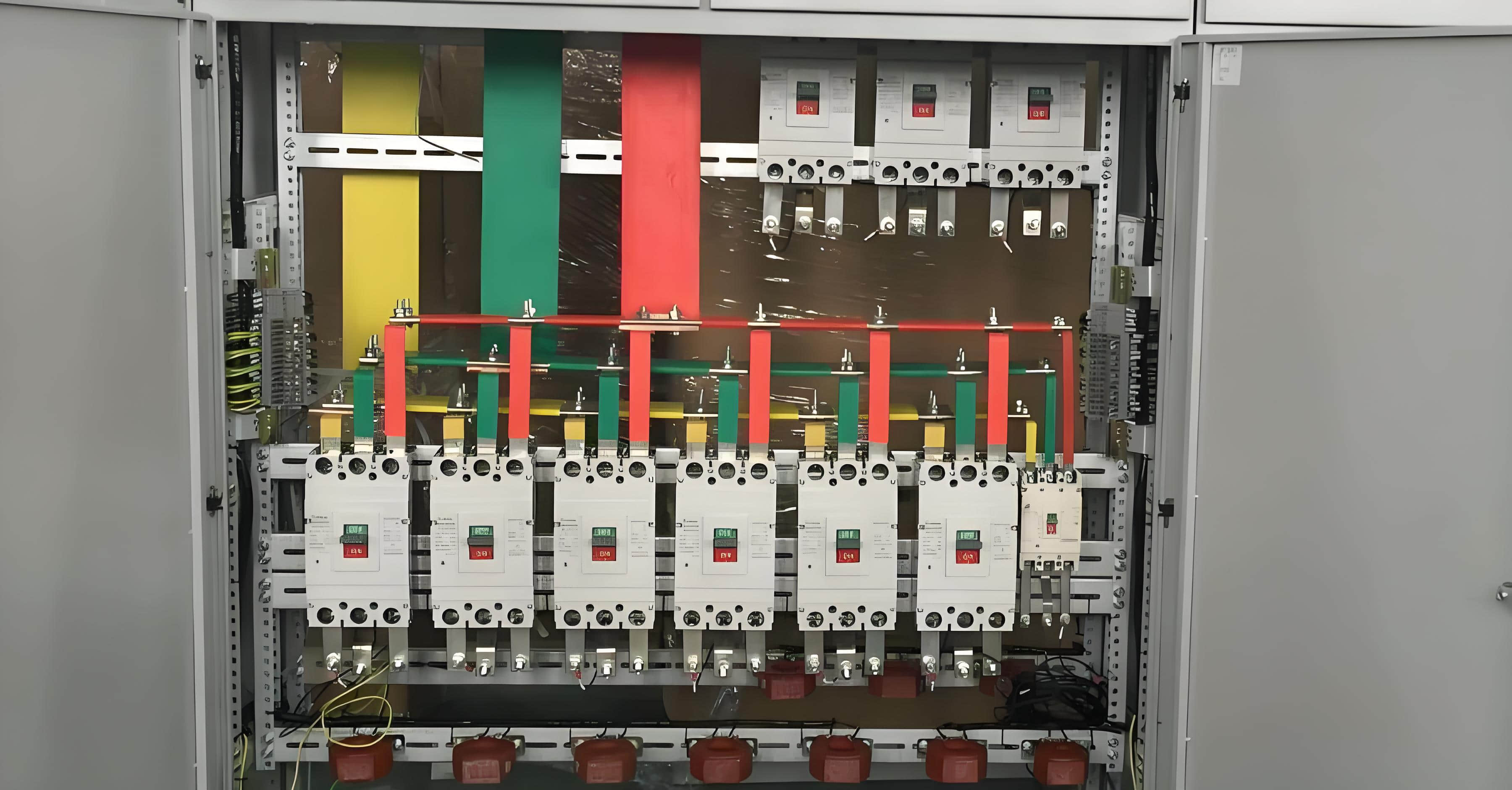
To assist engineers in comprehensively adhering to industry standards in busbar design, this section summarizes key design considerations and their corresponding primary standards.
The design of busbars for MV switchgear is a multi-factor comprehensive process, encompassing electrical, mechanical, material, and environmental dimensions. Its complexity demands that engineers possess a solid theoretical foundation and rich practical experience.
7.1 Summary of Key Design Considerations
The following lists the primary standards to reference in MV switchgear busbar design. These standards serve as authoritative guidelines for the design, testing, and acceptance of busbar systems:
ANSI/IEEE C37.20.2: Details design, manufacturing, and testing requirements for metal-enclosed MV switchgear, including busbars, with a specific focus on temperature-rise tests.
IEEE C37.23: Specifically addresses performance requirements, test methods, and application guidelines for medium voltage non-segregated phase bus runs.
IEC 62271-1: A universal international standard covering general specifications for MV switchgear, including electrical performance, mechanical endurance, insulation coordination, type tests, and routine tests.
IEC 60694 (or IEC 62271-200): Although not directly cited, this often serves as a general specification for switchgear, providing universal requirements for insulation coordination and temperature rise, making it highly relevant to busbar design.
Understanding and strictly adhering to these standards are crucial for ensuring that MV switchgear busbar designs meet the highest safety and performance requirements. This directly impacts the reliability of the entire power system and helps prevent serious accidents caused by design flaws.
Conclusion
The design standards for busbars in Medium Voltage (MV) switchgear are an indispensable component of power system engineering, directly impacting the operational safety and long-term reliability of electrical equipment. A comprehensive consideration of thermal performance, mechanical strength, material selection, insulation protection, and connection point design, coupled with strict adherence to relevant international and national standards (such as the IEC 62271 series and ANSI/IEEE C37.20.2), is critical. This approach ensures that busbar systems can safely and effectively carry electrical energy under all operating conditions.
By deeply understanding the engineering principles behind these standards and applying them to practical design and manufacturing, we can construct safer, more stable, and more efficient power distribution systems. This provides continuous and reliable power support for industrial and civil applications. Future busbar design will also continue to evolve in materials science, simulation technology, and intelligent monitoring to meet increasing power demands and more complex grid challenges. For instance, integrating busbar design with smart monitoring technologies like fiber optic temperature sensors and wireless sensors, coupled with big data analytics for more precise predictive maintenance, will be a significant direction for enhancing overall power system reliability and operational economy.
Frequently Asked Questions (FAQ)
Q1: How significantly do short-circuit currents affect the mechanical strength of busbars, and what are the most probable consequences if busbar design is inadequate?
A1: Short-circuit currents can generate immense electrodynamic forces within milliseconds, far exceeding normal operating stresses. These forces can cause severe busbar vibration, permanent bending deformation, or even dislodgement from supports or complete fracture.
If the busbar design is inadequate, the most direct consequence is the failure of the busbar system during a short-circuit fault. This can escalate to aggravated phase-to-phase or phase-to-ground short circuits, damaging the switchgear or even causing fires, leading to widespread power outages and significant equipment losses.
Q2: When selecting busbar materials, what are the respective advantages and disadvantages of copper and aluminum? Under what circumstances would aluminum busbars be prioritized?
A2: Copper busbars offer excellent electrical conductivity, high mechanical strength, stable contact resistance, and well-established connection processes. Their disadvantages include higher cost and greater density.
Aluminum busbars are advantageous for their lower cost and lower density (lightweighting). However, they have relatively poorer electrical conductivity (requiring larger cross-sections), surfaces prone to oxidation, and susceptibility to creep, which can lead to loosened connections.
Aluminum busbars would be prioritized in situations where cost sensitivity is high, lightweighting is a requirement, or current carrying capacity demands are moderate. However, in such cases, particular attention must be paid to connection technology to ensure long-term stability and reliability.
Q3: What is the purpose of a Heat-Run Test, and how does it differ from routine temperature monitoring during operation?
A3: The purpose of a Heat-Run Test is to verify, under controlled laboratory conditions, whether a new or newly manufactured busbar system can operate at its rated continuous current without any component's temperature rise exceeding standard limits. It is a critical part of type testing, used for design validation and product certification.
Routine temperature monitoring during operation (e.g., using infrared thermography) involves periodic or continuous checks of the switchgear in its actual operating environment. This aims to promptly identify potential hot spots for predictive maintenance, thereby preventing faults from occurring. The former validates the design, while the latter ensures operational safety.
Q4: Besides enhancing electrical conductivity, do busbar platings (e.g., silver, tin) serve other important functions?
A4: Yes, in addition to significantly improving electrical conductivity and reducing contact resistance, busbar platings also play a crucial role in corrosion protection.
Silver plating offers excellent oxidation resistance and maintains long-term stability in normal environments. Tin plating effectively prevents the formation of high-resistance oxide films on copper or aluminum surfaces, particularly in humid or corrosive gas environments, greatly extending the lifespan and stability of connection points. A good plating can also result in smoother contact surfaces, which aid in better electrical contact.
Q5: With the evolution of smart grids, in which directions are busbar design standards expected to evolve?
A5: With the evolution of smart grids, busbar design standards are expected to increasingly emphasize intelligence, modularity, and environmental adaptability.
Future standards may integrate more requirements for online monitoring (such as fiber optic temperature sensors, partial discharge sensors) and data communication interfaces to support predictive maintenance and fault diagnostics. Concurrently, to accommodate new energy integration and distributed generation, standards may impose higher demands on busbar bidirectional current-carrying capacity, harmonic current withstand capability, and more compact integrated designs. Material and insulation technologies will also continue to innovate to achieve higher efficiency and longer lifespans.