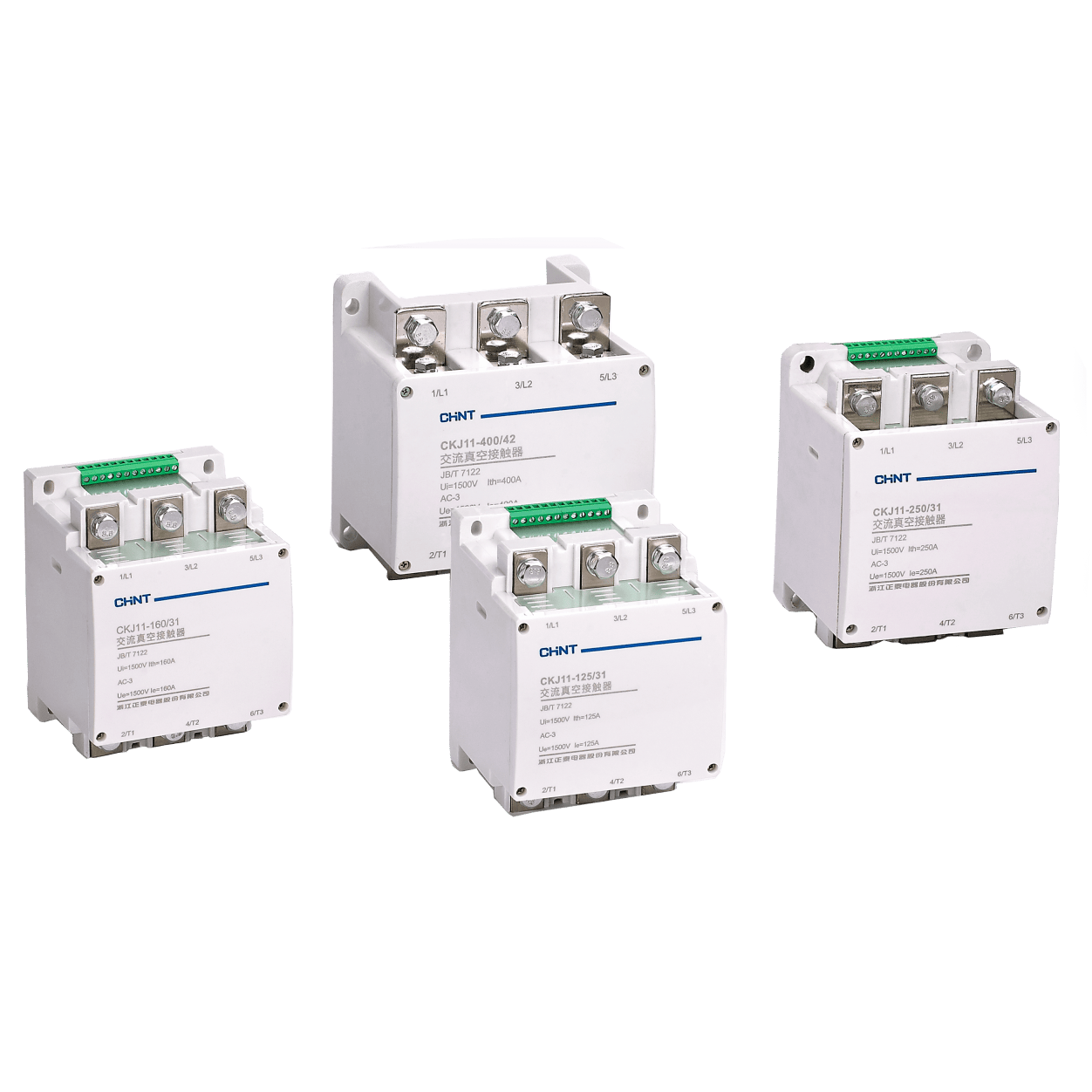
If you're trying to understand what a vacuum contactor is and how it works, you're not alone. A vacuum contactor is a key component in many industrial power systems, and it plays a crucial role in safely switching high-voltage electrical loads on and off. In this article, we’ll break down how it operates, why it’s used, and what benefits it offers.
I’ve worked with countless clients who’ve asked, “Why choose a vacuum contactor over other types?” or “What’s inside that sealed unit anyway?” If you’ve ever been unsure about the technology behind these compact but powerful devices, Wei Shoe Elec is here to help you make sense of it all, with clear examples, real-world scenarios, and no unnecessary jargon.
Why Vacuum Contactors Matter in Industrial Settings
In industrial environments, safety and reliability are non-negotiable. A vacuum contactor is designed to handle high-voltage applications without the risk of arc flashes or equipment damage. This makes it a preferred choice in systems where uptime is critical.
Let’s say you’re running a production line powered by a 6.6kV motor. Every time you start or stop that motor, you're interrupting a huge flow of current. Without the right switching device, that interruption could create dangerous arcs, wear out contacts fast, or even cause system failures.
Vacuum contactors solve that problem by interrupting current inside a vacuum-sealed chamber, where no air means no arc. That’s a game-changer for reliability.
What Exactly Is a Vacuum Contactor?
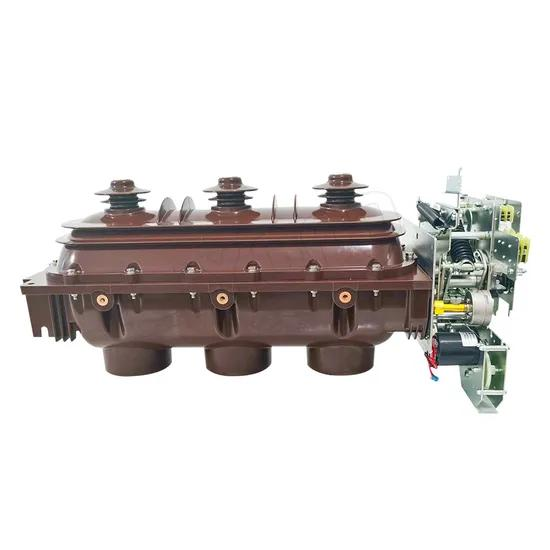
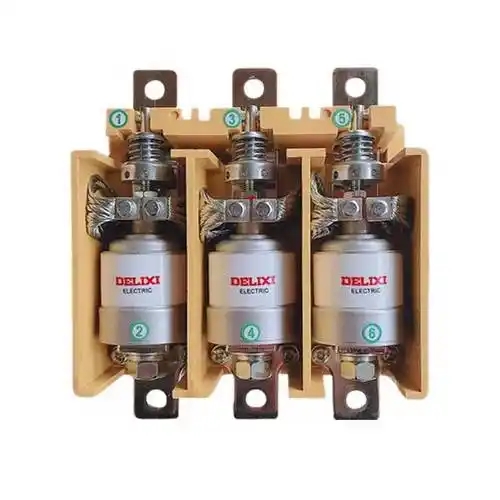
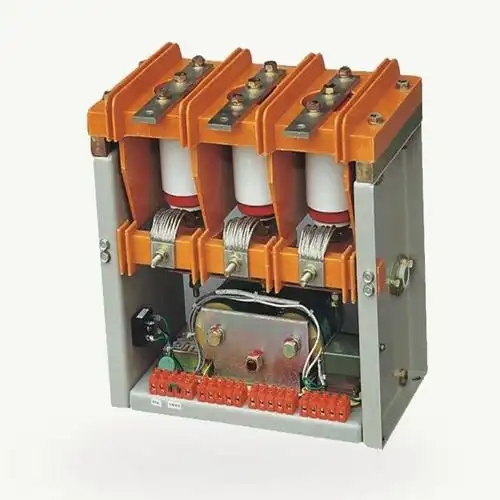
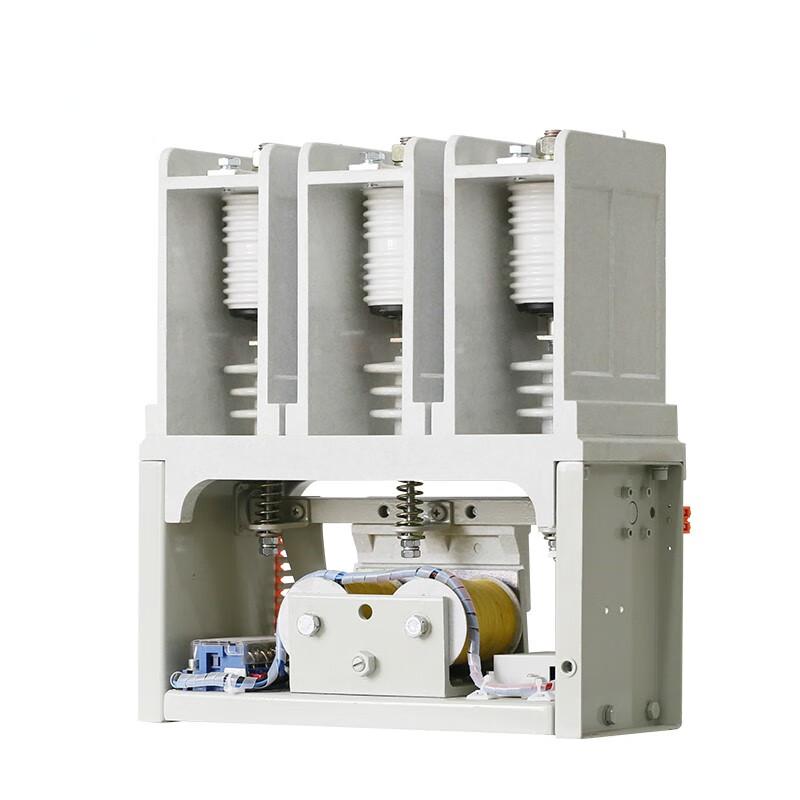
A vacuum contactor is an electrically controlled switch used to make or break an electrical circuit. It uses vacuum interrupters to extinguish the arc that forms when the circuit is opened.
Key parts include:
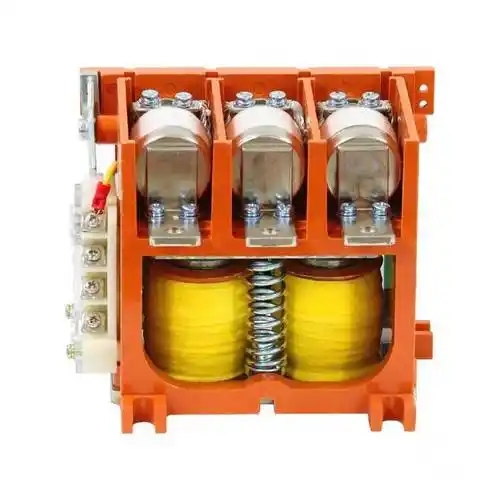
Electromagnet: Activates the moving contact when energized.
Moving and Fixed Contacts: Open and close the circuit.
Vacuum Interrupter: A sealed unit where the arc is quenched.
Control Coil: Receives a low-voltage signal to operate the switch.
Unlike air or oil contactors, vacuum contactors use no external medium to extinguish the arc. The vacuum itself eliminates ionized gases that cause arcs.

How Does a Vacuum Contactor Work?
The operation is simple but effective. Here's a step-by-step breakdown:
1. The control signal energizes the coil.
2. The electromagnetic field pulls the moving contact toward the fixed contact.
3. Contacts close, allowing current to flow through the circuit.
4. When the signal is turned off, the spring pulls the contacts apart.
5. Any arc generated is immediately extinguished in the vacuum.
Thanks to this sealed environment, arc damage is minimal, and contact lifespan is extended significantly.
Vacuum Contactor vs. Other Switching Devices
Feature | Vacuum Contactor | Air Break Contactor | Oil Contactor |
Arc Interruption Medium | Vacuum | Air | Oil |
Maintenance Frequency | Low | Moderate | High |
Lifespan | Long | Medium | Short |
Operating Noise | Quiet | Loud | Moderate |
Application | Industrial Motors, HVAC | Small Loads | Legacy Installations |
Key takeaway: Vacuum contactors offer low maintenance and high performance, especially for medium-voltage motors.
Common Applications of Vacuum Contactors
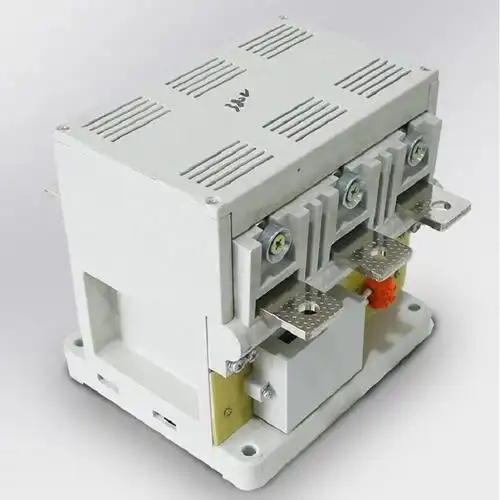
Vacuum contactors are widely used across various industries, including:
Mining and metallurgy (for conveyors, crushers)
Power generation (motor starters in turbines)
Manufacturing (control of high-capacity pumps and compressors)
Building automation (HVAC motor control)
In each of these, the need for reliable, arc-free switching is critical. A failure could lead to production halts or safety hazards.
Advantages of Using Vacuum Contactors
Let’s highlight why so many engineers rely on them:
Long service life – thanks to minimal contact erosion.
Safe operation – no arc flash risk during switching.
Compact design – easy to fit into modern panels.
Low noise – perfect for commercial settings.
Energy efficient – low coil power consumption.
💡 Real example: At a U.S.-based paper mill, replacing aging oil contactors with vacuum models cut downtime by 60% over 12 months (Source: Electrical Engineering Journal, 2022).
Do Vacuum Contactors Require Maintenance?
Not much, and that’s a huge benefit.
Typical tasks include:
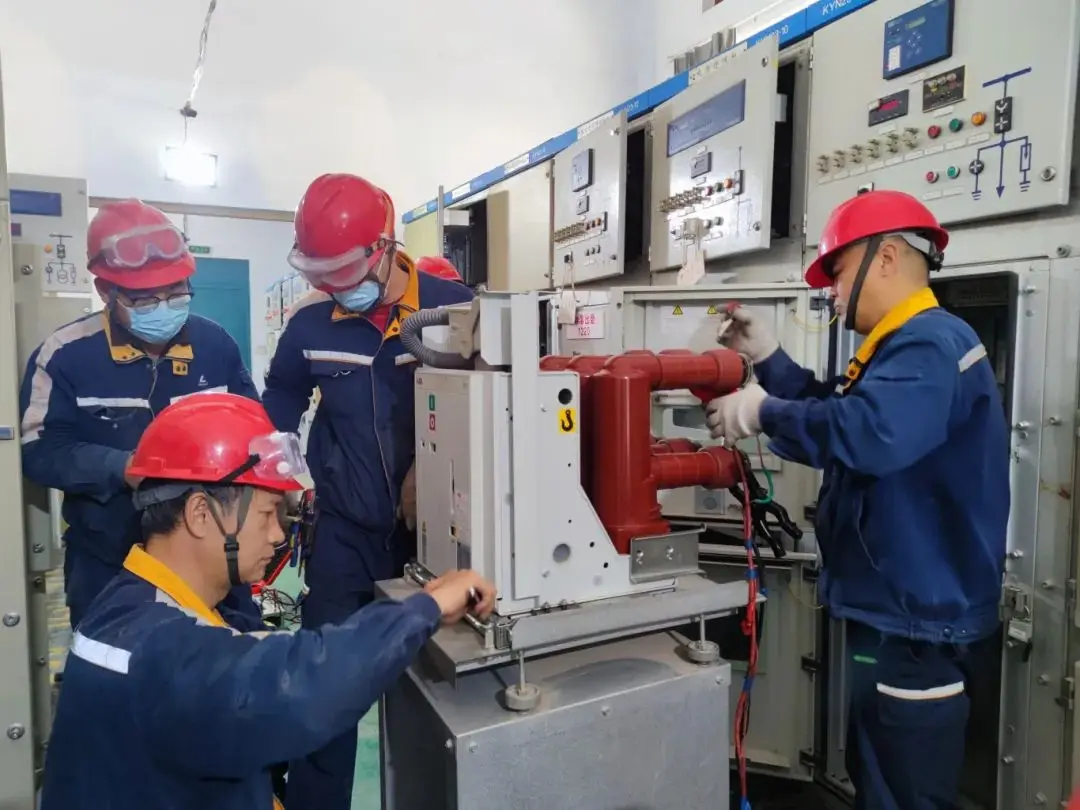
Visual inspection of terminals
Checking coil resistance
Ensuring mechanical movement is smooth
No oil refilling. No contact sanding. Just basic visual checks every few months.
Troubleshooting Common Issues
Even with minimal maintenance, things can go wrong. Here are the most common problems and how to fix them:
1. Contactor Doesn’t Close
Possible cause: Coil failure or no control voltage.
Solution: Check the control circuit and replace the coil if necessary.
2. Contact Welding
Possible cause: Overload current or end-of-life contact tips.
Solution: Inspect load, replace contacts.
3. Unusual Noise
Possible cause: Loose mounting or broken spring.
Solution: Tighten bolts, replace spring.
Keep a troubleshooting checklist handy. It'll save hours.
How to Choose the Right Vacuum Contactor
Consider these factors:
Voltage Rating: Match system voltage (e.g., 3.3kV, 6.6kV, 11kV).
Current Rating: Based on motor or load draw.
Duty Cycle: For frequent switching, choose higher mechanical endurance.
Coil Voltage: Should match your control circuit.
Consult with experts like Wei Shoe Elec for tailored advice.
Final Thoughts from Wei Shoe Elec
Vacuum contactors may look like a simple box, but inside,e they pack powerful, arc-stopping technology that keeps your systems running safely. Whether you’re managing a factory floor, building automation system, or mining equipment, choosing the right vacuum contactor can improve uptime, reduce risk, and save costs in the long run.
At Wei Shoe Elec, we love helping engineers and technicians find the best-fit solution. If this guide gave you clarity, we’d be happy to assist further.
📩 Need help choosing a vacuum contactor? Contact us now for technical support or a custom quote.